Welcome to Within All Things.
I'm so glad that you're here.
As you know,
We explore inspirational ideas and teachings on the show.
We talk about how to awaken joy,
Purpose,
And spiritual connectedness in our lives.
I think it's so important to start by acknowledging and accepting that we live in the year 2019 with more abundance than any other point in history.
How do we express ourselves and connect spiritually when we are in the midst of so much materialism?
I'd like to begin by sharing an excerpt from the introduction of my new book,
Beyond All Things.
Introduction,
Who is wise,
One who learns from all,
Ethics of our fathers.
In our midst of more conveniences and material abundance than in any other period of history,
We're beginning to understand that happiness,
True and lasting joy and purpose,
Is not the product of our material surroundings alone.
It is only through the process of reawakening and connecting authentically with the often hidden depths both around us and within us that our lives can blossom in fullness.
Searching for depth and meaning in years past may have led a person to any number of religious institutions.
Right now,
As you are reading these words,
A growing number of young people are choosing something new and different.
For the first time in human history,
We're afforded access to information and inspiration from every corner of the world.
We are converging together and beginning to recognize the great spiritual truths that unite all of humanity.
So that's from the introduction of Beyond All Things and I wanted to set out by creating this contrast between the fact that here we are in the year 2019 with more stuff,
Right?
Stuff in our homes,
Stuff in our lives,
Stuff at our fingertips than ever before at any other point in history.
And at the same moment,
We are really longing for spirituality.
There is a growing loneliness epidemic that's going on largely in the Western world and I think often about the idea that perhaps these two things are connected.
So we are faced with so much stuff,
So much materialism.
We have access.
We also have access now to information and ideas and teachings.
So perhaps it is in the access to information and experiences that we can learn how to really engage and engage authentically and with intention with the stuff,
The stuff that comprises our lives and really learn to own our stuff rather than having our stuff own us.
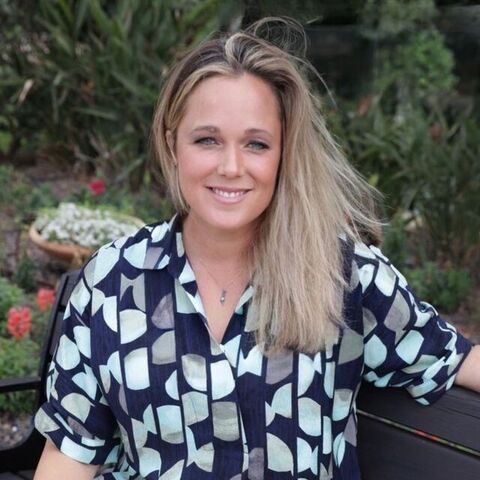
So that is why I invited my friend Rebecca Saltzman onto the show today.
She is a well-known personal organizer and she comes from a perspective of zero waste.
So I would like to share a little bit with you about her now and then we will go ahead and start the interview.
It's really fantastic.
So inspired by the zero waste movement in 2012 and a job advertisement for a couple who are looking to downsize before moving,
Rebecca Saltzman,
A graphic designer,
Quit her job and started a personal organization company.
Today she helps people organize their homes and reduce their waste.
In 2014,
She moved from New York City to Israel with her husband and three children.
She has a degree in fashion design from Parsons School of Design and she has been helping people declutter in one form or another for 20 years.
I'm so excited to introduce you to Rebecca Saltzman.
Rebecca,
Welcome to the show.
It's so great to have you here today.
Oh,
Thanks so much for having me.
I'm so glad to be here.
Great.
It's really a pleasure having you and I've had so many questions for you since I first discovered you after I made Aliyah.
I moved to Israel about four and a half years ago.
Okay.
And what I discovered was that life here is a little bit different.
A lot different.
Right.
Like,
You know,
Anything from the way that we have different washing machines or the fact that,
You know,
We have different appliances or,
You know,
It's a lot different.
I could actually,
It would be kind of interesting to go through all the differences in a home from the States to here because there really are so many.
And we spend so much time in our homes and our homes are the atmosphere in which we live our lives and raise our families.
And I think that our homes just have so much potential to bring joy and purpose and connectivity into our lives.
So I'd love to hear a little bit from you in terms of how organization and how zero waste and how creating this home environment became so important to you.
So that's a great question.
As I made Aliyah,
I sort of had prepared myself for living in a continually small apartment because we were living in New York City and we lived,
We were five people in a two bedroom apartment and like,
You know,
Probably I'll be getting a little bit of an upgrade.
Maybe I'll get an extra bedroom.
But I just felt like I couldn't believe that for five people when we made Aliyah,
We made Aliyah in 2014 so that we had so much stuff.
Like our little two bedroom apartment literally took up like a 20 foot lift.
And I mean,
It definitely wasn't packed full and we didn't need like the over unit or a 40 foot lift or anything like that,
But it was full.
And when we were unpacking,
I looked at my husband and I'm like,
Oh my gosh,
Why did we bring some of this stuff?
Now I was already a personal organizer before we made Aliyah,
But what cemented sort of my vision or my mantra as a personal organizer is that I had never really had any direction.
And what cemented it for me was that I realized that we have just so much stuff that we don't need.
So I had always felt like you could put whatever you want to put in boxes and you can label it and it can look pretty on the shelf,
But that doesn't necessarily make you organized.
To me,
The best way to actually get organized and maintain your organization is to live with less and feel happy with what you have with having less and really like choose what you have and sort of curate your collection of stuff and that everything that you actually own has meaning and purpose for you.
And I can't say that every single thing in my life presently is meaningful and purposeful for me because I live with four other people.
Like there are things that are important to them,
But it's the constant,
You know,
Curation and thinning of objects that make life manageable for us and make us feel like less stressed out.
Definitely,
We've just finished the chagim and there's definitely stress around preparing and shopping for food and,
You know,
Dishes and cooking and all that kind of stuff.
But I feel like it's never this thing about like I have to,
You know,
Make sure my house is tidy.
Clean maybe,
But not necessarily tidy,
Which I think is an important thing to differentiate.
Clean versus tidy.
Yes.
Whereas like everything in our house is mainly put away,
But it's not always like the floor's not always clean.
Does that make sense?
Like the floor itself is right because you walk on it.
There's dirt and dust and debris and food or whatever or hair or that kind of stuff or the toilets aren't necessarily clean,
But like everything is put in its place.
So when I do need to clean,
It's much faster because I don't have to move everything around to get to what I need to clean.
And that makes things like stressful.
I mean after people work with me,
They oftentimes say to me,
It's amazing how much less money I spend on my cleaner because now they,
First of all,
Know where everything goes.
So they're not just piling everything up,
But they don't have to move things around so they can just clean and they don't have to organize also.
And so it's important I think to differentiate these two aspects of things because they're totally different.
Interesting.
Interesting.
They get lumped together,
But they're really not the same.
Cleaning is not tidying.
Right.
Okay.
So,
I mean they can sometimes go together.
When you have less to tidy,
You have less to clean.
Well,
When you have less to tidy,
It's easier to clean.
Because you're not spending time tidying.
Right.
That makes sense.
So I'm very into,
As you know,
Very into these paradigms.
Like what are our models,
Right?
What are our models of happiness and of wellbeing?
And I think oftentimes when we hear the word less,
We have a certain association with what that means,
What less means.
And I think,
You know,
When I hear you say like,
Let's live with less or do with less,
It's not something that,
It's not a message that we've been fed in Western culture.
That's not,
You know,
We've been given these messages of like abundance.
And that more is more.
Although I think now that minimalism is becoming more mainstream and we're starting to see,
Even in the world of design and fashion,
These capsule closets.
And you know,
I think that we're starting to see that less can be more and that it's really cool.
So I'm curious if you have paradigms for like how less is more or the beauty of less and what that looks like in your mind and how that sparks your joy.
Okay.
Also a good question.
For me,
Okay.
So we come at this word less as like a negative word and having fewer items doesn't mean that we're poor.
It doesn't mean that we're bad.
It just means that we have less.
And there was a study done a few years ago and something like the average American household has like more than 300,
000 items in it.
And if you think about it,
That's really a lot.
And I talked to hundreds of olim immigrants to Israel every single year and they're bringing 20 or 40 foot lifts or 240 foot lifts because they're moving from these giant houses into these much smaller houses and they're never getting the lesson that like they need to pare down.
And I don't think that having less necessarily means bad.
I think like you can have a capsule wardrobe that's all high quality designer clothes and only have three handbags,
Let's say instead of 16 and still feel happy with that.
You know,
Instead of buying,
I always feel like instead of buying one,
Like 10 lesser quality items,
Why not buy two or three higher quality items that will have more longevity for you?
And to me,
It comes from this mindset of like,
Well,
Why would I take three when I can have 10?
And especially in Israel,
There's this concept of like being a friar and which is like being,
You know,
A pushover or a chomp.
Like you know,
You're not taking a good deal.
And I think that we're always like looking for the good deal,
But we shortchange ourselves when we think that having 10 is always better than just having three when three is only the number that we need.
And I feel like we have to come to this sort of realization that exactly what you said,
More is more and it's not always better.
Right,
Right.
I think it makes a lot of sense.
And just for our listeners who you have not say moved countries,
So Rebecca and I both have this in common that we both picked up families.
Actually we each had three kids at the time and moved from one country to another.
And I think when we are forced to take this sort of accounting of our things,
It is at that point that we realize what we have.
Yes,
But I don't even think you need to move countries.
You can move across the street and still be faced with the same reality.
Yes.
Oh,
Absolutely.
I hear that.
And I think that,
You know,
Even just taking the time to kind of do an accounting and go through our homes can give us that same sense as well.
Right.
We are constantly organizing our house.
I mean,
We constantly go through a drawer or a cabinet or a closet,
But it only takes us 10 minutes because we do it all the time.
So it's very fast when something gets out of order,
When things are not in the right place,
It's very easy for us to reset everything because first of all,
There's so much less in the house,
But also because we're doing it frequently,
We're able to quickly see what's missing and we're able to quickly understand where to put everything because we know where everything belongs because we have the space to put everything.
Right.
I think it's very liberating,
You know,
To think about when our things,
Right,
All we have is space and time.
And I think when our things are simplified,
When our things are in place,
We're really freeing up our minds and our time to either utilize our things or,
You know,
Have the capacity to do other things.
I want to thank you because you actually gave me a different paradigm.
You reminded me of something when you were speaking about how less can be more.
And you said that rather than having 10,
We can have three.
And I began to think about this idea of having really quality things.
And you know,
The truth is that that is being able to have a quality,
You name it,
Like a really beautiful pot or a pan to cook in.
Really,
Really high quality.
It's going to last a lifetime.
It definitely enhances our experience.
A hundred percent.
And you know,
Now I think it was you actually,
You recommended a website where it's like you can find objects that you only have to buy once in your life.
Oh yeah.
Buy me one.
Yeah.
And I even had a podcast with the owner.
Okay.
So that's where I learned about it.
And I went on the website and I was like,
My,
I was like,
My job is dropping of why are these things so expensive?
Right.
Because I,
I had been habituated into thinking that like,
Oh yeah,
You can just,
You know,
Every season buy a new sweater H and M or go to Bed,
Bath and Beyond and you know,
Buy a new set of cutlery,
Whatever it is.
But the truth is,
Is that when you see these,
These prices,
You think,
Wow,
They're expensive,
But they're not right in the long term.
Well,
When you amortize the cost,
Yeah,
Over time.
Exactly.
And you know,
You're actually less.
So I do think that on one hand we can look at this like a luxury to be able to buy these,
You know,
Buy once items,
But at the same time,
When we think about the time that we're going to save,
Even not having to buy or the,
You know,
This isn't ever going to go to a landfill.
I'm never going to have to think about it again.
It's just automated,
Which is something you speak about.
One of the things that I think is important to say is just that like we,
We,
Time is not a renewable resource and we think that we can just go out and buy whatever we want,
Whenever we want.
And maybe that's true,
But it also takes time to do that thing.
And how many hours have you wasted,
You in the royal sense,
You know,
On Amazon reading reviews,
Looking for products because you have to replace something instead of just buying something good in the first place.
And to me,
That's not really how I want to spend my resource,
My time that I can't ever get back.
And I don't mind doing that initial research upfront when I need to purchase something.
But if I can,
I would rather save up for the purchase that I need to make and,
And make that like,
For example,
I bought a Vitamix mixer.
They're really expensive,
But for me,
It was worth it.
It's something I use practically every day.
I couldn't really see the value in necessarily buying a brand new one.
And I bought a refurbished one,
But I definitely had to save for that purchase.
And it was something that when I look at it,
I feel like proud of myself that I managed to save for it.
And also proud knowing that I bought something that's the best.
And not only is it the best,
But we did have a problem.
And they went ahead and just sent us a new part and we were able to untwist it and like the broken part and twist on the new part.
And it was very easy experience and,
And it felt good to,
To know that the company stood behind their product number one,
But also that they weren't just making products that were automatically going into the garbage when they did break and it made the cost of it feel okay.
A hundred percent.
Yeah.
It makes a lot of sense that,
You know,
Now you have something that you know is quality,
You know,
Works,
You know,
It's going to last and once and done,
Right.
A hundred percent.
Absolutely love what you just said.
Time is not a renewable resource.
Yes.
It's true.
I love that.
Time is not a renewable resource.
And in this world where,
You know,
We're running out of resources,
It feels like,
You know,
Why would you want to waste time?
You can't bank it.
You can't save it.
You can't,
If you don't spend it,
Like you lose it.
You can't give it to anybody else even.
And it's just like,
It's not,
To me,
It's not worth wasting on,
You know,
Reading reviews when you could be doing something more meaningful to you.
A hundred percent.
So funny,
You know,
I think about this now when I go shopping and yesterday we had to go get our kids new sports shoes,
Right.
Their feet are growing.
It's kind of one of those things you just kind of have to do.
But I don't relish going to the mall.
And so before we went into the mall,
We set a time.
We said,
Okay,
We're giving ourselves this amount of time and then we're going for a hike.
And that was it.
And it was like,
It just made the process so much smoother because we were so clear about this is what we're,
You know,
45 minutes and we're going to find the shoes and then you get it done.
And then you can go on and do something else.
Well also,
But when you do that,
You're basically giving,
You're setting this intention like,
I'm going to get this done in 45 minutes.
And even if it would have taken you 55 minutes,
Like it wouldn't have been the end of the world.
You would have put yourself on that track like you would have already been in the process.
So even after 38 minutes,
You found it,
But it took you 10 minutes to check out and get the right shoes and put them in the bag and get to the car.
And the whole process took you 55.
Like it isn't the end of the world.
But like,
I feel like when you set that intention for saying this is going to take me 45 minutes,
It makes it just easier for you to cope.
But it also like puts it out there into the universe.
Like this is what I'm willing to do.
So you take care of the rest.
Right.
Right.
Right.
It was really,
Really helpful.
And I love this so much because,
And I'm sure this is something you could speak to.
I feel like in a certain sense,
Growing up in the United States and having a television in the home and seeing commercials and knowing that the mall wasn't so far away,
There's sort of like this culture of shopping as an activity.
It's totally a pastime.
Yes.
So how,
So can you speak to that a little bit?
Like how did that become a pastime?
Is it something that people even find joy in?
Like why did this stick or did it stick?
You know,
I can only hypothesize here,
But to me it seems like for kids it's a neutral meeting place where there are no parents really,
But it's a safe place.
And so for kids,
It's like even if they don't have necessarily the money to spend,
They are looking,
They're making lists,
They're thinking about how they want to curate themselves.
But they can also just hang out with their friends and,
You know,
Get a little exercise from walking the mall,
Right?
I think also in the way that our suburbs are set up,
Both in America and in Israel,
Like if you live in a suburban place,
The mall is like the only thing to do.
Like what else are you going to do?
You know,
And here in Israel especially,
The malls are very like all inclusive in terms of like there's a grocery store and there's a pharmacy and there's oftentimes a post office and like everything and a dry cleaner even.
And everything you need to do is at the mall.
There's the food court and the play place and like everything is there.
So it makes it a great place for a family to hang out because all ages can be satisfied there.
It's so true.
Like they're so clever with the malls now creating these common spaces with the water fountain or the ice skating rink or everything is at the mall.
So I just,
I feel like especially when,
You know,
Going into the city,
Let's say takes an hour and you know,
The museums are packed and crowded,
The mall seems like a good alternative.
Okay,
Yes.
So there is this culture of like hanging out in the mall and I mean,
What do we do with that?
What do we do with that if our kids,
You know,
There's a concert at the mall,
Our kids want to go or they're constantly being drawn to the mall for one activity or the other.
How do we raise our kids mindfully or even live ourselves mindfully when that is the reality?
What do we,
Where can we go?
It's a good,
It's a good question.
I have a teenager now.
My son is turning 13 and you know,
He had a friend over this weekend and he's like,
Mommy,
We're going to the mall to hang out.
And I asked him afterwards,
I'm like,
What did you do?
And he's like,
Whoa,
We window shop.
We got something to eat.
What I think happens or what I think you can do to create conscientious kids is teach your kids to shop with a shopping list.
So I don't go to the mall for pleasure to hang out anymore because to me that's not enjoyable anymore.
But if I have to go to the mall,
I go with a specific shopping list and I don't deviate from the list.
And oftentimes if I have to buy one kid something,
I will take the other kids.
And when they ask me for something,
I'll say no on purpose.
Not because I'm being mean,
But because it teaches them a lesson.
We came here to buy X for this person and we're either leaving here with that or we're leaving here with nothing.
Like we're not going to come here and buy like 10 other items that we probably don't need.
And so if we were going to the mall,
We're going for something specific.
It's not general.
And I think the idea of shopping with a list,
Not just for clothes,
But for food too,
Or for anything that you need,
Helps you from not making these like impulse purchases and keeps you on track more.
So I think what we can do with our kids is make sure that they understand that we don't go shopping without a list and that they can have things and they can look around,
But that they can also delay their purchases.
So let's say we went to the mall and my son,
I was shopping for sneakers for my daughter.
My son says,
I really like this winter hat and I don't think I have another one.
So what we can do is delay the purchase,
Put it on hold and say,
We can come back tomorrow if we want to,
Because we want to think about it.
And after that time of thinking about it,
I find that the kids are mostly able to say,
I didn't really need it or I didn't like it that much,
Or I just wanted to buy it because it made me feel good or I didn't want to feel left out.
And I think that making these distinctions with our kids really helps them to feel comfortable with saying no or being okay with when we have to say no to them.
And I think that that is really,
Really important and it's a good discipline for us to get into too to make a list and stick to the list.
This makes so much sense to me.
And as I like to say,
A no to one thing is really a yes to something else.
So I want to take a quick opportunity before we continue with Rebecca,
I'd like to thank our sponsor.
I'm really grateful for Kesher Video,
Who is supporting our episode today.
They are a video production company connecting businesses,
Organizations and institutions with their audiences through cinematic video.
And they are international.
They're in the States and Israel and they have satellite branches across the world.
They do pre-production,
Production and post-production.
They have done promotional work,
Marketing work for major organizations,
Universities,
Hospitals,
Businesses,
All types of companies,
Talent,
Actors,
B-roll interviews,
Anything you need for your video.
They have it and they really do their best to bring out the why in their clients.
The mission of the organizations and companies really come to the forefront with a Kesher Video.
Thank you so much Kesher for sponsoring our show today.
You can learn more about Kesher and see their work on Facebook Kesher Video,
K-E-S-H-E-R Video.
Be sure to mention that you heard about them on our show for special promotional offers.
Now back to the show with Rebecca.
Well,
I think that's true.
But I think what you also have to remember is that we have been conditioned since we were small children to buy all the time.
I mean,
Manufacturers spend a lot of money from a very young age to influence our decisions from a young age and they invest millions of dollars.
So think of like sports brands,
Adidas,
Nike,
Reebok.
They're advertising to us as young children and as we get older,
As we become the people in charge of the purchases,
We feel trust and connection to these brands and we want to buy them because we trust them.
They've always been there for us.
They're always there.
We've had them before.
Our parents bought them for us.
So they must be good and they're spending a lot of money on getting us to buy and cultivating these relationships with us and they're good at it and they have a lot of money to spend and so we have to sort of fight back for ourselves from this conditioning that we've always gotten to say like,
Okay,
I trust you and when I'm ready to buy a pair of sneakers,
I'll buy your brand.
But in the meantime,
I don't need them so it's just going to have to wait.
Right,
Right.
100% and I like the way that you phrased that and it's a way of also being organized,
Right?
Making that list.
Yes,
True.
Having the intentionality in what we're consuming and what we're bringing into our homes and I think that it's a win-win all around.
For me,
It comes down so much to this attitude.
It's like if we're approaching the shopping experience from a mindful place,
We make the list in advance and we see ourselves going through the process of getting just these things,
It could make the whole process so much easier,
Especially with kids,
Right?
Yeah,
For sure.
I think the other thing we can teach our kids when we are at the mall is we can teach them how to look for quality and that's huge because I think for the most part,
We ourselves do not look for quality anymore.
We're like,
Ah,
If we lose it,
If it tears,
If it rips,
Who cares?
We can just buy a new one and that doesn't teach us personally or our children to care about the possessions that we have that it did take time to get and it doesn't teach our kids to be responsible and I think that it's something that is very much lacking generalization generationally.
Kids today just don't have,
I sound so old when I say that,
But they just don't have this sense of respect for things.
It's always no problem.
I can throw it away.
What does away mean?
Away from here,
But it's going near somebody else and what happens to it?
We need to teach our kids that there are consequences and responsibility to be responsible for what happens when we're done using things,
But also just that we have a responsibility to hold onto things just because even if you're Bill Gates's kid and money grows on trees for you,
You still have to have a sense of responsibility because it's not always going to be possible to go out and buy everything you need the minute you need it,
Even if you have the money.
Like sometimes that's just not a possibility,
So being responsible for your stuff is important because you need to have access to it.
You need to use it and there's also the time factor once again.
If you lose it,
It's going to take you time to go ahead and find it again,
So you want to make sure that you're teaching your kids this level of responsibility to be responsible for their stuff and understand that there are consequences to not taking care of your things.
Right.
I really appreciate that and I'm glad you brought up the example of the person who could get anything,
Anytime,
Anywhere.
And ultimately for me,
I think a lot about happiness and purpose and connectedness with ourselves,
With one another,
With a more spiritual way of living and I think that being able to take that pause and saying,
Okay,
We'll revisit this tomorrow or we're going to give that some time,
Gives us an opportunity to reflect on what is the purpose of this thing in my life.
For what is needed.
I agree.
For what is needed and I'm empowering myself because at some point I'm either consuming or I'm creating and contributing.
Well the other thing is when you consume,
When you over consume,
That's when your stuff,
You start to work for your stuff.
And I think part of being mindful in life is that our stuff is designed to help us live our best life.
It's supposed to work for us.
When you are working for your stuff,
It's backwards.
That's not how it's supposed to be and it's not ideal and to me that's not living your best life.
Oh,
I like that.
I'm going to make that one definitely with the kids.
Tell me this again.
You are working for us.
We're working for our stuff.
Is that right?
Yeah.
So when we are working,
Our stuff is supposed to work for us.
It's supposed to make our life better.
But when we start to be a slave to our stuff and we are working for our stuff and we're worried about keeping it clean and being responsible for it and all that kind of stuff,
Then we are the ones being a slave to the stuff and that's not the way it's supposed to be.
So just a circle back,
Full circle to what I originally said,
Which was you can put everything in nice boxes and put labels on it and the closet can look perfect,
But when you have too much,
You have to do that.
If you don't have that much,
It's a lot easier to keep organization in check and to actually be organized because there's just not that much to take care of and you can focus on other things in your life.
I love talking to you for so many reasons,
But I also get really inspired to organize every day.
So I have to thank you for that.
And I also,
I want to share with you one idea that I'm going to ask you to do a little exercise with me.
Okay,
Great.
So the idea that you really brought to the forefront for me just now and hearing you speak and you were making a joke,
You said,
I feel so old,
You know,
Saying to the youngsters these days,
And I actually started thinking about our grandparents' generation and how they were iconic for fixing things,
Right?
They had beautifully crafted,
Like real wooden furniture and if something broke,
They would fix it.
It wasn't a matter of always replacing.
I think there was like,
It was a simpler way of living and obviously it was before like this massive industrial revolution and the technological revolution and international trade and all these things that have made things so much cheaper and easier to come by.
But at the same time,
There was like a craftsmanship and an appreciation and a nostalgia for things.
And I think what I'm hearing when I listen to you is really just this theme that more stuff is not necessarily bringing us the happiness.
It's just not.
I agree,
But I think the difference between like my grandparents and us and what's being put to market is that today people don't take pride in what they make.
So they don't care if they bring a product to market that's not the best product it could be.
And the products themselves are not designed to be repaired.
So your iPhone or your Android phone can be designed so that if the screen cracks,
It's very easy to replace the screen.
Or if the battery needs to be replaced,
It should be very easy to replace it.
Or if the light goes out,
It should be easy to replace those things.
But it's hard because those objects are glued together,
Not screwed together because it's cheaper to do it that way.
And they can make the most money on an $800 phone if it's glued and not screwed,
Right?
And so they're making the product more difficult to repair on purpose.
And it's not built to last 10 years.
It's built to last two years.
And I have my grandmother's bedroom furniture.
And I have some of my great grandmother's furniture.
And it's beautiful.
And it's long lasting.
And it's really good quality.
And even if you need to get it repaired,
It's not so hard to get it repaired or to get it refinished or anything like that.
And if you take care of it,
And even if you don't really take care of it,
It's 100 years old.
It's lasting.
It's still in really good condition.
And these things,
Even if they might not be my taste exactly,
They were built to last.
And they were built with pride,
I think.
And I think most of what we get today is not built that way.
And I think that's the primary difference.
When you sort of live in this disposable world,
Everything becomes disposable.
And I think that that trickles down to the people in our lives.
Like,
You make us,
I can throw away my plate,
I can throw away my dresser,
I could throw away that person.
Well,
You know,
It's interesting you say that about a person because relationships we see are the same,
You know,
Just in terms of say,
Even like marriage and divorce rates since,
You know,
60,
70 years ago.
I think that there's just like a different culture,
A different culture of independence.
And without getting too far into that,
I want to stay focused on organization for a moment.
And I think that what you bring up is about the way things are made now really reminds me just to have compassion on myself.
Like,
Okay,
Maybe I do need to replace the,
You know,
Blender or whatever it is because I went to my local store and I bought what they had and it wasn't built to last.
I'm going to have compassion upon myself.
And you know,
It's not my fault,
But I can make a different choice.
You know,
I can choose more mindfully now,
From now on.
And I love your title journey to organization because I do see this all as a journey.
Yeah,
Totally.
I want to do a little exercise with you before we end the show and really just walk our listeners through like this say personal makeover.
Like let's just suppose that I wake up,
I discover,
You know,
This podcast,
I listened to Rebecca talk about zero waste and about minimizing.
Do you call it minimizing?
Of decluttering.
Okay,
Decluttering.
Okay.
Typing and really taking on this like intentionality with our homes and our stuff.
But I don't know where to start because I,
You know,
Again,
Got all my possessions at the local store and most of these things weren't built to last.
And I go to buy clothing and I'm not sure like what's quality.
And I'm just sort of starting with all of this.
Right.
Okay.
Can you walk me through my process?
Like,
What are the steps?
What do I do?
What are my priorities?
How do I do this?
How do I do this with joy?
Because that's big for me.
So I think the most important thing you can do is get somebody who's on board with you.
So if you have a partner,
You know,
A spouse or whatever,
Or even an older child,
Get someone who can be on board with you and hold you accountable.
Because the main thing as you go through this journey,
And it really is a journey,
It can take years.
And I fully,
I myself think that I'm on this journey too.
Like I'm,
The destination is far off,
You know.
Getting a partner is probably the most important thing you can do because it's just the accountability.
Showing up for somebody else means you can't lie to yourself.
And it forces you to do the work.
So I think that's the most important thing you could do for yourself.
But outside of that,
I think reducing the excess is the most important thing.
Like don't rush out to buy a thousand dollars of stuff from the container store or Ikea or wherever to get organized.
First clear out the excess and then figure out if you actually need any bins or boxes because you might not need anything once you have less stuff.
Maybe what you already have is sufficient.
So many of us already have more than what we think we do or realize.
And I think when you can pull out the excess,
It's much easier to then start to see where things need to be filled in.
So don't rush out and say like,
Oh,
This blender is in quality.
I would say use it up.
You know,
Like if you have it,
Use it.
If it's working for you,
Great.
If it's not working for you,
Then that's when you can say like,
Okay,
I'm ready to look into the best quality one and invest in this part of my health and my kitchen.
But the most,
The second most important thing is just clearing out everything that you're not using so that you can really take stock.
And the advantage to clearing out everything is then you can see if you are genuinely missing something or if you think you're missing something.
So for example,
If you clean out your closet and you got rid of six white shirts or blouses,
Whatever,
And you decide like I must have a great white blouse,
Great.
Then you can shop with intention and purpose and not feel bad because you can say like I need a good white blouse that's versatile and can get me through everything instead of six that didn't fit me properly,
Didn't look nice anymore because they were stained or yellowed or whatever and weren't appropriate for any situation that I would ever be in again or whatever it is,
The guideline that you're using.
And you can say and feel confident in saying like this is something that I need,
But it allows you to shop with intention and purpose going forward in the future.
Does that help?
Right.
So,
So essentially the first step is not going out and buying the organizational gadgets and devices.
It's just taking stock of what we have and then using some sort of criteria for deciding is this going to stay in my closet or is it time to find a new home?
Correct.
And the truth is,
Is I think that over time,
Like what I have found acceptable numbers and I'm just talking numbers now,
Like what is the acceptable amount of shirts or socks or pants or skirts or whatever has decreased over time.
Like I used to think like it's okay to have 30 skirts and then I'm like,
Okay,
Well it's okay to have 10 skirts.
Now I have three and I feel comfortable with that number and over time it's decreased.
If I have,
There are times when I'm like in between clothing where like I just got something to replace something else and so maybe I have four or five in my closet and I'm like,
Well,
The reason why I went out and bought this skirt is because the other one wasn't serving me properly anymore.
It had a hole,
It was stained,
It was faded,
It looked shabby,
Whatever.
It didn't look professional anymore.
And so I have to have this discussion with myself and say,
I went out,
I took the time,
I bought this new item because it was on my list because it was something that needed to be replaced.
Now I have to take the item that is no longer servicing me and find a way to get it to its end of its life,
Either by donating it to somebody else who might not care about its state or especially if it was fine and it just didn't fit or I need to recycle it.
Right.
So this is interesting to hear you speak about this because I know you're so passionate about Zero Waste Organization,
But you're even acknowledging sort of like this almost pain point in getting rid of things?
Yeah,
It's hard for me too.
It's definitely something.
Look,
I want to just say this.
I definitely think I have a natural tendency towards being organized or having,
The Hebrew word is seder,
Which is like organization,
But I think it's really more order.
And so I have this natural tendency towards order,
But I'm actually not like the most organized person ever.
And it is definitely an internal struggle for me to overcome and like I'm a little bit lazy.
I don't necessarily want to put all my clothes away at the end of the day and hanging them up seems like a chore to me,
But it's actually easier for me because I have less and I have to force myself to do it sometimes because it ends up bothering me that the room is not in order,
But when it comes down to it,
My natural tendency isn't necessarily to just go ahead and put everything in order or to just live with this less item because there is this worry and fear that comes into play when you get rid of something.
Well,
I know I decided to replace this black skirt,
But what if I need this old one?
And I'm like,
You know what?
I don't need it because I stopped wearing it because it didn't fit or just look terrible.
You know,
We're all subject to this loss aversion.
And also,
I just love your honesty about,
You know,
At the end of the day,
Not wanting to hang things up and really what you're doing when I'm listening to,
You know,
About your processes of organizing and simplifying is creating an easier path to happiness and success for yourself.
Right.
And I'm not a huge pile of clothes anymore.
And I think you're really setting yourself up for a joyful experience with your things,
Which is,
It makes so much sense to me.
And I know there's a lot more that you talk about in terms of someone looking to upgrade their organization or,
You know,
Even someone who's just starting to get into this now.
And if there's anything else you want to share with us,
Just in terms of,
I mean,
You've talked about so many different things on your podcast and your Facebook group from,
You know,
Smarter ways of doing laundry to even how to integrate more natural products into the home,
How to even buy less.
You've just covered so many different bases.
So take a moment and just like share with us what comes up for you and how we can find you and how you're helping people these days.
That would be wonderful.
Okay.
So obviously everybody is welcome to join my podcast.
You can get it on iTunes or Google Play or any of the places you listen to podcasts.
It's called Journey to Organization.
And I'm usually pretty good about posting every week.
Obviously,
It's been holiday time,
So it's been a little bit hectic,
But for the most part I post every week.
And I love when people ask me questions because I've been on this journey for a long time.
And so it's not always like real for me down in the trenches what's going on for you,
You know?
But I love when people ask me questions and I often feature whole episodes around questions that people ask me.
So I really love that.
But in terms of like,
If you want to work with me,
I would love to work with you.
I have a course on time management and I have a course on how to get organized.
I have a master course and I have a small mini course which you can get on Skillshare.
And the other courses you can get directly through my website,
Which is Balagan,
B-A-L-A-G-A-N,
B-E-G-O-N-E,
Dot com.
And you can either get a class or if you're in Israel and you live in an area that I service,
You could book a consultation with me and I can service you at home,
Which is great,
Or give you home service.
Wow.
I'm glad you're offering in person and online because our listeners are now on four or five continents.
Yeah.
Oh,
That's amazing.
That's amazing.
So,
Yeah,
Like an online consult,
Like a Zoom.
Yeah,
We do an online consultation.
And even if you're just,
You know,
Curious about if the class is right for you,
I'm happy to jump on a call.
I love talking to people.
You can just make an appointment with me and,
You know,
See if it's right for you.
About what you do.
Thanks.
Yeah.
So,
And of course,
If you want to join the group that Ozzy was talking about,
You can join it.
It's called Organizing in Israel.
You do not need to live in Israel to join it and we would love to have you.
Wow.
Incredible.
Thank you so much,
Rebecca.
I have to go now because I have to organize my house.
No,
Just kidding.
I'm like so excited and motivated and inspired by this because it comes from such a deep place.
Oh,
Thank you.
It really does.
And it's sustainable.
So I really appreciate all that you do and I'm so happy that you were able to share with us today and come on the show.
Well,
Thanks so much for having me.
It's been a real pleasure.
All right.
So before we let Rebecca go today,
I know that she has a really exciting offer for us,
For the listeners of this show specifically.
Talk to us,
Rebecca.
So if you want to join my time management course,
You could just type in the word beyond,
The coupon code beyond at checkout and you can save $10.
Thank you so much for being here with me on Within All Things.
I hope that you enjoyed as much as I did.
I know I learned a lot on the show today.
If you want to stay connected with me,
You can join me on Facebook at Beyond and Within All Things.
That's the name of the Facebook community.
It's called Beyond and Within All Things.
Beyond All Things is the name of my new book.
It is 50 insights to a weekend joy,
Purpose,
Spiritual connection.
It's available on Amazon,
Book Depository,
Barnes and Noble,
And anywhere else that you could find on books online,
Basically.
And it is just a joy to have you in the circle.
Every blessing to you now and always.