If you're spending your life thinking about that moment when you finally get there,
If you haven't cultivated the ability to be present in this very moment,
Once you reach that whatever you've expected or whatever dream you've been aspiring towards,
You won't be able to fully inhabit it because you have no idea how to be present with that as well.
Welcome to Within Us.
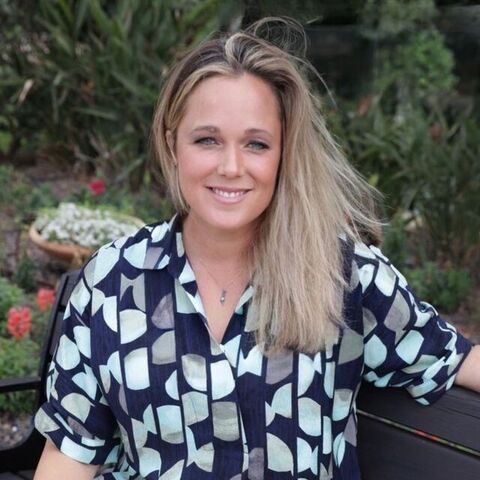
My name is Azrielle Jankovic and I'm your host.
I believe that the peace,
The joy,
The connection,
And the happiness that we seek is very much available to us in all moments within us.
This show is all about waking up to our divine potential and staying present with it in every moment.
Today is Wednesday,
February 12th and I am so excited about our guest today and all the incredible insights that he shares in our interview.
The topic of today's interview is mindfulness.
And while the word mindfulness has become quite a buzzword lately,
When we look at the research in terms of how mindfulness can affect our daily lives and our wellbeing and our health even down to a most cellular level,
It's truly incredible.
What I appreciate so much about mindfulness is that we in practicing mindfulness become active participants in promoting our own wellness.
Not only can mindfulness lower stress,
Regulate blood sugar,
Alleviate symptoms of illness and chronic pain,
It can also help us to open our eyes to the beauty and the miracles that we are within.
Albert Einstein once said that there are only two ways to live your life.
One is as though nothing is a miracle.
The other is as though everything is a miracle.
I believe that mindfulness is a pathway to opening our eyes to seeing and experiencing these miracles.
My guest today,
Dr.
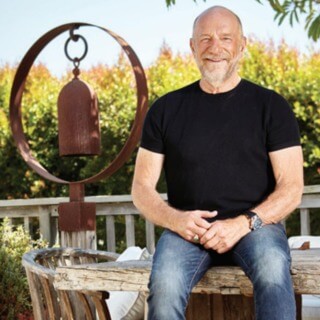
Rabbi Benjamin Epstein,
Has a unique perspective of his own.
Dr.
Benji,
As he likes to be called,
Recently authored Living in the Presence,
A Jewish mindfulness guide for everyday life.
His book begins with a moment,
A moment when he's waiting for a New York City midtown bus.
And I quote,
I look up from the book I'm reading and my attention is caught by a bus stop advertisement featuring a picture of the Dalai Lama's serene face and the phrase,
My religion is kindness.
I don't return to my book but just gaze at the message thinking,
Hey,
Isn't my religion kindness too?
He continues,
For the next few days I couldn't shake this thought.
The Torah teaches you must love your neighbor as yourself.
Rabbi Akiva,
One of the preeminent Talmudic scholars,
Referred to this verse as nothing less than the greatest principle in the Torah.
And yet,
Would we think that an ad featuring a person dressed in Hasidic garb or wearing a yarmulke or any other evidently Jewish identity markers with this verse printed under his smiling face captures the essence of the Jewish faith?
And if not,
Why not?
My religion is kindness.
Where was the disconnect between the pure distilled essence of Rabbi Akiva's doctrine and contemporary practice?
What he discovers is fascinating and I have come to consider this book a bit of a revelation in all honesty because it synthesizes so many different ideas and really brings forth new understandings for the spiritual side of Judaism that is really accessible to all human beings.
This is a book about living life to the fullest moment by moment.
And with nothing further,
Let's go ahead and dive into the show.
Rabbi Dr.
Benjamin Epstein,
Welcome to Within Us.
I am so happy to have you here today.
I want to get into your book.
I have so many questions for you and I think a good starting point would be if you could walk us back and share with us a little bit about how you became inspired in terms of meditation and mindfulness.
I came to this through graduate school,
Meaning I'm in clinical graduate school for psychology,
Getting a degree in psychology and just trying to figure out what my orientation is and what my clinical orientation is and what modality would be most effective and we're being exposed to different schools of thought and Freudian psychoanalytic and Gestalt and CBT which is more prevalent in the United States now.
And my professor was speaking about the third wave of therapy which is using these mindfulness and acceptance techniques from Eastern philosophical ideas and combining them with clinical practice and I just was blown away.
I'm like,
First of all,
My first reaction is I need this.
You mentioned that you appreciate my ADHD and so as a person who does have ADHD,
These practices are our life-saving and then that juke in my head,
The falla asimon,
Something just clicked where it's just like,
Hey,
Wait a second.
This resonates a little bit more deeply than just something that I could think would be effective with an individual suffering with depression,
Anxiety,
ADHD or whatever acts as one disorder you may have.
This is something that really,
Really speaks to me on a spiritual level and started thinking more and more about it and then I started reading about it and there wasn't much to read.
We have our RA Kaplan and we have visions of a compassionate world and we have the Pia Zesna which is again what the Nazis took from us which is where the Pia Zesna was going with these I believe.
But the teachers of Buddhism in the West,
Sharon Salzberg,
Joseph Goldstein,
Some of our teachers,
Tara Brock,
Jack Kornfield,
Sylvia Boorstein,
So they were tapping into something that they couldn't articulate and they were drawing from another place to quell what their souls were really drawing them to.
So let's rewind a little bit to this first exposure in graduate school.
What was it that you learned that was so inspiring?
For those of us who are not familiar with mindfulness,
For some of our listeners perhaps … And people are coming up to me and say,
Wow,
I really needed this or this is a message that we really need to hear.
This is something that my kids need to be more focused on.
This is something that I wish I had growing up.
We only have this present moment.
That's it.
We don't live in the past.
I mean,
Our minds could take us to the past and we can't be focusing on or anticipating the future,
Which again,
Our minds can take us to.
But in reality,
All we have is this present moment and all we have are these moment by moment by moment in existence.
And who wouldn't want to be more present to the life that they're actually living?
Even if it's not as beautiful or as glorious,
It's still much more tangible and palpable than whatever imagined fantasy you have.
And if you're spending your life thinking about that moment when you finally get there,
If you haven't cultivated the ability to be present in this very moment,
Once you reach that whatever you've expected or whatever dream you've been aspiring towards,
You won't be able to fully inhabit it because you have no idea how to be present with that as well.
And so we're constantly grasping or running away.
And it's something that I think is a universal truth.
I mean,
You look at all the spiritual traditions and every single one of them has or pays homage to on some level,
Being more present and being more focused on the here and now.
You know,
It's so interesting thinking about our tradition and thinking about something like Pirke Avot,
The ethics of our fathers,
Who ask,
Who is rich?
Right?
Who is rich?
One who is happy with his lot.
But what's our lot really?
We don't have anything in the future.
And the past is not real any longer.
So all we truly have is here and now.
And yet,
So much of human thought can be consumed by a fantasy,
The fantasy of the past,
The fantasy of the future.
So what do we do?
How do we become more present?
And what does that mean?
What can that do for people?
I mean,
You're a psychologist.
So people come to you with all sorts of troubles and suffering.
And you see this as a viable solution for suffering.
Yeah,
I'm saying you can't be anxious and be in the present moment.
You can't feel gratitude and be depressed.
They're just contradictory.
By definition,
Anxiety is anticipatory.
Whatever you're anxious about is something to do in the future.
Fear could be happening in the present moment,
But we can experience fear.
And that's a physiological,
Totally healthy response.
It's a good thing to be afraid.
It's also good to feel a little bit anxiety.
It's all on a continuum.
But I'm saying when we're not willing to have something,
You've got it.
If you're not willing to have that thought,
You've got it.
If you're not willing to have that emotion,
You've got it.
Once you're able to accept it,
Then it doesn't really matter.
It's more about cultivating this willfulness muscle,
Like really strengthening it,
The ability to be with something.
And if we want to use the four-letter F word,
If you're someone who's observant or spiritual or believing in God,
Then you can also cultivate an accepting attitude saying,
God is here in this malice,
In this.
There's a famous poet from Rumi,
The guest house.
The guest house.
This being human is a guest house.
Every morning,
A new arrival,
A joy,
A depression,
A meanness.
A momentary awareness comes as an unexpected visitor.
Welcome and entertain them all.
Even if they're a crowd of sorrows who violently sweep your house,
Empty of its furniture,
Still treat each guest honorably,
He may be clearing you out for some new delight.
The dark thought,
The shame,
The malice.
Meet them at the door,
Laughing and invite them in.
Be faithful for whoever comes because each has been sent as a guide from beyond.
Everything except for the laughing part.
You don't have to be laughing,
But you can.
But just if you're willing to be accepting,
Cultivating an attitude of yes,
Of willingness,
And then you want to add the spiritual,
The divine element of like,
Yes,
This is also from God.
A person wants to pray and he wants to feel like he's in a certain mindset,
That he's got this sort of equanimity and he's in a good headspace.
And he can only pray when he's in that copacetic,
You know,
Peaceful state.
That's what he says.
And he says that the Yeit Zohar or the ego has a field day with that.
Because once you tell yourself that it has to look a certain way,
Then it's never going to happen.
It's never going to work that way.
There will always be something coming up.
You'll never feel like,
Okay,
This is the right time to pray.
What's the advice?
Is to pray dafka,
Specifically mittoch choshech vehester,
To pray in the darkness,
To pray in the kunzionit,
From the kunzionit.
And he says that's called real service of God.
And he calls it shalom amanat lekabel pras,
Which is another Mishnah in parakevot,
Which means we're supposed to serve God,
Shalom amanat lekabel pras.
And this is like the ultimate mindfulness Mishnah.
To translate not to receive a reward.
Not to receive a reward,
Which is could be some sort of future expected reward,
Which is what it's traditionally translated as.
And really,
It's just saying just do it for its sake.
But he's saying,
Just do it without any expectation that you're going to feel anything that it's going to be that there's going to be some sort of fireworks,
Or some divine communion,
Or some sort of feel good endorphin release.
Well,
Just do it because that's what you're supposed to do.
And he goes on,
Continues to say,
Even though you're not getting anything out of it,
And then you convince yourself that you think God's not getting out of it,
He says just the opposite.
This is the ultimate service of God.
And this is the way God wants to be served.
So we pre,
We superimpose our needs and our expectations and our ego and our,
And are what we expect or think things should be.
And it completely pulls us away from the way things are,
Which is really how things are supposed to be.
Things are supposed to be as they are.
Yeah,
I mean,
Right?
Say it.
Doesn't sound so crazy.
Things are supposed to be exactly as they are.
Again,
That doesn't mean that there isn't this dialectic of I still need to lose five pounds to fit into the dress.
Not me,
That's a general thing.
Or I still need to,
You know,
Be able to finish this,
I still need to train or to get this race.
But right now,
This is where I am.
This is where I am.
I'm good.
Yeah,
And I could be better.
But this is who I am,
That essence,
That's unchangeable.
That's immutable.
And that's good.
That's always good.
And that's always the starting point.
But if you don't have this Yishuvadas,
If you don't have this peace of mind,
If you don't have this settling of mind,
If you don't have this mindful or non-judgmental present moment awareness,
So then you're just going to be caught in some sort of demeaning,
Some fantasy.
And it could be very nice.
It could be very,
It could be very rewarding.
It could be very enjoyable.
But it's still just a fantasy.
Right.
Isn't that a crazy piece?
It's beautiful.
You know,
It's beautiful.
It reminded me of something I heard on meditation the other day.
You can't choose how to feel,
Which is why it's a really big question when we're commanded to do certain emotional mitzvot.
There's certain commandments that say love.
It's like,
How can God command you to love?
And a lot of the commentators have a hard time actually deciphering what that means because we know you can't be commanded to love something.
Who's the Shemir l'cha?
God is the one who enlightens you,
Who illuminates these situations.
Zelokashor la lachat shakcha.
It's not connected to how much you stress about it,
How much pressure you burn yourself.
Ole kamata mashki,
Or how much you invest in it to like force it,
You know,
Make it happen.
Lo l'yot l'chuch shakot filad min chahati yal shamam.
Don't tell yourself that every single time you open your mouth to pray,
You have to have this unbelievable experience that it goes all the way up to the heavens and tears open the heavens.
Bechibor shalgu fin evetri,
Of this ultimate communion of body and soul and unified mystica,
Whatever you want to call it.
Yeshlam regaim shakcha said,
There are going to be moments of grace and loving kindness.
And yesh tibot shebehen zakore,
And it happens sometimes.
Again you're standing by the doorstep,
Welcoming and accepting them all.
Anach mukhayim et haregla,
We live the moment,
W'imikab l'imetachas dim shembayim,
And whatever loving kindness are coming our way,
We accept it as is.
Avazalu matzach tamidi,
Stop trying,
Stop trying to force it where we have to feel a certain way.
Because once we're telling ourselves we have to feel a certain way,
We've already sort of,
You know,
Lost.
Okay.
Stop trying to force ourselves to feel a certain way.
So all of these happiness secrets.
Right now it's like this.
Right now it's like this.
Okay.
So let's revisit this idea in the poem that these emotions show up at our doorstep,
Right?
You and I,
We all know the people,
I know I've been there myself,
I'm planning the vacation in three months from now.
I'm looking forward to it,
Looking forward to it.
And then it comes and inevitably there's bad weather or someone doesn't show up or,
You know,
There's some sort of distraction going on.
So there these things come up and we're frustrated or we're disoriented or things don't look exactly like they did in our pretty imagination.
Where do we go from there?
How can we be present and be in the moment when we're disappointed or these uncomfortable emotions show up?
Meaning,
What's the problem with those?
When did we tell ourselves or where did we learn that these emotions are unacceptable,
That they're inappropriate,
That there's some sort of reflection on something being wrong and then something's wrong with me.
And we can't tolerate these emotions,
Even just calling them positive or negative.
According to who?
Because they're unpleasant?
Because they feel unpleasant or because we tell ourselves that we can't have any struggle,
We can't have any difficulty.
And we know from firsthand experience that any of our growth,
Any real growth that has been really internalized has only really come through hard work,
Trials and tribulations,
Frustrations,
Difficulties,
You know,
The distance to bring the closeness together.
We don't want that.
We resist it.
We fight it.
But the verse in,
I believe it's in Ecclesiastes,
But it could be in Proverbs.
I think it might be Proverbs.
It's Shabbat Yippo Tzadik Vakam.
Is that Tzadik falls seven times and he rises,
Right?
It's not that he's a Tzadik because he rose every time after he fell.
That's very nice.
But he only became that enlightened being.
He only became that compassionate being.
He only became that Bodhisattva.
That's our Tzadik.
No,
I'm just kidding.
He only became the Tzadik.
She only became the Tzadik because she fell.
This is part of it.
So they don't look at that fall.
And again,
When we think a fall,
Whatever it is in spiritual,
Well,
You're going to tell me that losing my job is good for me.
You're going to tell me that this illness is good for me.
Like,
We don't have to spin it like that.
Where it's like,
You have to convince yourself like,
Yeah,
This is all good.
This is good.
You can know intuitively that this is what is for the best because it's happening right now.
If you believe that there's divine providence,
I don't think you have to,
Again,
Greet it at the door laughing.
But if you can make room for it,
To accept it,
And then you could deal with it appropriately as opposed to falling apart,
Because things happen,
Stuff happens,
And things might be terrible.
Things could be really,
Really overwhelming.
Pain is inevitable and suffering is optional.
And it's written in all the Buddhist literature and it's written in all the Hasidic and Muslim literature also.
So it's just how we choose to relate to it.
Being human is going to be equal to having pain.
There's going to be death.
There's going to be illness.
There's going to be decay.
And we can greet it.
We can greet it with equanimity.
We just saw the life of Sarah,
Our foremother,
The years of her life and it says,
Kulam shavin l'tovah.
They were all equal for good.
And anyone who knows the perfunctory bit of her story knows that she was barren for most of her life.
She had to deal with famine.
She was abducted by these tyrannical rulers.
She had to deal with the whole Hagar nishmal thing.
She thought her son was going to be sacrificed.
I mean,
She did not have it easy.
But yet the commentators say that they were all for the good because she was able to greet them with this midav,
Equanimity of hishtavut.
Shaveh shin vav hei,
The letter shavav hei,
Equals,
Means equals.
It's equanimity of having that sort of what we'll call in the Pali tradition,
Upekka,
That sort of idea of balance and wise ability to see things from that perspective of that calm.
Well,
It's interesting that you bring it up.
As I'm envisioning this process of noticing whatever it is that comes into our lives,
Whatever is in our surroundings,
As coming from beyond.
It's all coming from one place.
It's all one thing.
So we might think that there are good things and not good things in our lives,
Or good emotions and bad emotions.
And you're saying that in resisting those and in fighting those,
We're bringing about suffering,
And if we're to accept and allow and see them all as equals,
That we can live differently.
Yeah,
That's good.
And again,
It's really important to reiterate how this is not about passive resignation or apathy.
Those are what they call the near enemies of this mind state of equanimity of shiviti.
It's active and it's a choice and it's welcoming and it's warm.
And it's really the contrast between the mom and the supermarket with their kid having a temper tantrum and being very overwhelmed.
And the safta,
The grandma,
The bubby,
Just standing there and just noticing it.
She just doesn't get hooked.
I mean,
All the situation is completely the same and she's not like she doesn't care about her little grandkid having a fit about not getting a candy bar in the checkout aisle.
But she's just able to see it from a much wiser perspective because she's balanced.
She has a balanced mind.
As opposed to the mom who's worrying about,
You know,
Oh God,
Is my kid going to turn out to be some sort of serial killer because he has no impulse control?
Or what are the other moms in the line going to think of me?
So let's suppose I'm the mom in the supermarket and,
You know,
My kid is having a freak out.
Something comes up in my life and I'm dealing with these uncomfortable emotions.
What can I do in a moment?
What's a tangible practice for me?
Before we jump into that,
It's just that there's the formal practice and there's the informal practice.
Just like in our religious lives,
There's the tfilah that we do in a fixed way.
And then there's the tfilah that we're hopefully the prayer that we're doing in a fixed way.
And then there's the prayer that we're doing in a constant way,
In an informal practice where every single moment of our lives,
If we're aware of it,
You know,
Rav Kook writes how this soul is always praying.
And so you can't just expect yourself to be able to have that equanimity and balance without that.
I mean,
There are people who are naturally blessed with that.
You know,
The formal practice needs to be cultivated.
Then you could tap into that when the situations get,
Because the whole point of why we're sitting on the mat,
Why we're making the time for the quiet contemplative prayer,
The Bodo dude practice,
You know,
When we go off into the field and just have a dialogue with God,
Whatever your meditative practice is,
It's in order for you to have a,
That connectivity with your higher self and b,
When you're in those situations,
In those circumstances,
You can call upon those,
You know,
That muscle memory and to bring you back to it.
So you would be practicing,
Um,
She VT or,
Or,
Or equanimity meditations and giving yourself those sort of,
Those sort of phrases of may I be balanced and may I be at peace and may I realize that this too is from God.
This too is from God.
But if you're able to really say it and not just pay lip service to it,
You take 60 breaths and you say yes to it.
So yeah,
Yes,
Right.
And yes,
I feel frustrated.
Yes.
I feel like the other moms are judging me for my parenting skills.
Yes.
You know,
And,
And yeah,
And even,
Even the resistance that you're doing,
Even the,
No,
I don't want this.
Like,
Yeah,
It's a yes.
The fact that I'm saying no,
It's a real avoda.
It's a real practice.
But you can just imagine how if you're not saying no to that situation,
It doesn't mean you like it.
It doesn't mean you're dancing on the table.
I don't think you have to be,
You know,
Nana and jumping out of your van,
You know,
Dancing to trance music.
But I do feel like when you're saying yes to it,
You can respond more appropriately.
So you're not going to yell as loud or you're not going to be as,
As terse or physical.
You're just going to really respond in a more wise way.
It's not a threat.
Threat knocks at our door can be uncomfortable,
But it doesn't have to be a threat to us.
I mean,
It's,
It's,
It's here.
It's here.
We don't even have to pretend like it's like,
Oh God,
This is happening again.
It's like,
Right.
It's okay.
It's here right now.
It's all about the psychological flexibility.
Because if we're rigid,
And if we're,
If we're fused with these thoughts and believing them is the truth of truths,
Then we're looking at this kid tantruming on the floor,
And we've already predicted that he's going to grow up to be a serial killer,
Or he's going to,
He's never going to grow out of this or he'll always,
He'll be oppositional for the rest of his life,
Or he'll never learn how to set limits.
And I'm not,
And then the beliefs about ourselves is we're,
We're bad parents and people are judging our parenting.
And we're caught up in this another,
You know,
Just,
You know,
Stream of the discursive mind where it's just like,
Oh,
Bad,
Bad,
Bad.
And it's just like,
What?
It's so real.
It's so real.
Even traffic jams,
We've all seen people get so frustrated that,
You know,
What's what's going on around us,
Things that we cannot control somehow mean something about us.
And I think what's so beautiful about the way you're explaining this is that you're acknowledging that this isn't necessarily something that's going to happen right away.
And it's a practice,
Right?
How did you go from the point of discovering this mindfulness to actually implementing it into your life?
And what does that evolution look look like for you?
Like I said,
I learned about it in graduate school,
And it's become something that I've inculcated into my own professional life.
And if you're not embodying the practice,
Or if you're not trying to work on it,
Meaning it's the you wouldn't go to the nutritionist who is eating junk food all day.
You wouldn't go to the personal trainer who sits on our couch all day and plays Xbox.
It's just they need to it's nice to walk to talk the talk.
But if you're not walking the walk,
We've had brilliant I mean,
Even even the people who we learn,
You know,
Wisdom from Torah from if that person isn't embodying that wisdom,
Then I can't really hear I mean,
It might be a nice idea,
But I it needs to be a person who is who is embodying the teachings who's walking the walk.
And so I'm very blessed that that,
You know,
Part of my work is doing this and working with people.
It's obligating me,
Even though in theory,
I want to be doing it to maintain and sustain that practice and to deepen that practice and to work on it,
Again,
To keep because there's no limit to our presence.
There's no limit to how much attention we can be paying to this present moment.
And it's infinite,
How deep we can go.
And so yeah,
I'm doing it in my work,
And I try to do it at home.
And it's also everyone likes to point out when I'm not doing it because I wrote the book.
So it's very,
There's a very nice reminder of,
Hey,
You're the mindfulness guy who,
Like,
No,
I'm allowed to be upset.
Like,
You could be upset and and mindful at the same time.
So yeah,
So it's definitely part of my professional life.
And more importantly,
I hope it's becoming more of my personal life and spiritual life,
Most importantly.
How has your practice changed?
And what does it look like over the years since you first discovered this as a grad student?
It's just the consistency.
It's just the consistency as opposed to making it something that you're paying lip service to.
It's more about the daily practice.
And my wife knows when I'm doing it and when I'm not and because I know what I'm doing and what I'm not.
So,
So in terms of speaking about mindfulness,
This is this is like something that you do throughout the day,
The way you live,
Not necessarily like sitting and meditating or is it?
Is it both?
Like we talked about before,
It's like,
There's the formal practice,
And then there's the informal practice,
Which I think part of what the book is trying to work through is that how can we make this how is Judaism a means,
A device,
The Torah,
How is the Torah giving us ways of being more mindful?
And it's not just being more mindful of the present moments being more mindful of the being more mindful of the divinity that is infusing this moment with its sanctity.
And we can do that by our conscious awareness.
Our awareness is what it's either going to be a moment of mindful presence,
Or it's going to be a moment of mindlessness.
And God's God's there.
It's just are we aware of that?
And that is a departure and an opportunity at every single moment of the day and the mindfulness practice,
The formal practice,
For instance,
If you want to say,
Like breath meditation,
Where your focus is on the breath,
And if you want to bring God into that,
That's really beautiful.
And there's certainly meditative ways of doing that.
But even if you're just doing the bare bones,
Focused on the breath,
You'll notice how the mind wanders back to the breath,
The mind wanders back to the breath,
Your awareness of God wanders back to this moment,
Say,
Oh,
Right,
Here,
In this very moment,
Even if I don't feel it,
Right,
There's a deeper sense of knowing.
Say,
Right,
God's here right now.
Gam kya espege tsam ofit,
Though I walk in the valley of the shadow of the death loi ra ra,
I'm not overwhelmed,
Kya ta imadi,
Because you are here with me.
So in every opportunity,
In every situation,
Positive,
Negative,
Whatever,
Whatever we're describing it,
Is an opportunity for absolute connectivity with the moment,
Which is also the divine infusing the moment with its sanctity.
Oftentimes in a conversation,
We can become distracted from the conversation by thinking about how we're going to respond.
And so I really try to listen without thinking about how I'm going to respond.
Beautiful.
Sometimes it takes me time.
I learned that from Tara.
Something without an agenda.
Where is that in the Torah?
No,
Tara,
Not the Torah.
But you want to hear where you want to hear words from the Torah.
I'll tell you where I thought we came from the Torah from the Midrash.
It's a God went around to all the nations of the world before he offered the Torah to the Jewish people and said,
Would you like my Torah?
You familiar with this one?
And he says,
Would you what's written in your Torah?
And he says to the nation that kills,
Thou shall not kill.
And they said,
We can't do that.
That's part of our nation.
That's part of our DNA.
So he goes to a different nation that steals.
And he says,
What's written in your Torah?
Thou shall not steal.
Like,
Oh,
Sorry,
We can't accept because that's what we do.
We steal.
And he goes around until he finally goes to the Bnei Yisrael,
The Jewish people.
And he says,
Well,
They don't ask.
They just say,
Well,
Listen,
We will do nasev and ishmael.
So you hear that story and you accepted it since you were a little kid.
And he really,
Wait a second.
That is such a weasel tactic.
That is so duplicitous,
Right?
That is so disingenuous.
You know,
How can God offer to the nation the one thing that he knows that they struggle with?
Right?
Like,
Thou shall not steal,
Even though I know you steal.
And that is part of your culture.
Oh,
Isn't thou shall not kill?
Isn't that part of the Shev mitzvah?
Stop asking the questions.
That being is that the way the Hasidic masters explain it is that a man hears what he wants to hear and he disregards the rest,
Meaning God presented the whole Torah to them.
But because they had that agenda,
All they could hear was,
Oh,
Wait,
You told me I can't steal?
Oh,
Sorry,
I can't do it.
Like,
They couldn't hear anything else.
So when we're listening with an agenda,
When we're listening with a reason,
Or we're listening or already with ready to respond,
Then we're not really listening,
We're not really able to have that receptive presence.
I think it's a,
It's this process,
You know,
From darkness comes light,
Really.
I think that,
You know,
Some of my favorite teachers are those who have suffered and been really present with that.
And from suffering,
You really worked and looked and searched for,
For solutions and for remedies.
And that's definitely something I identify with.
So appreciate your honesty.
And I want to ask you a little bit before we wrap up about the meditation that you've just made.
So you just published your first meditation,
And it is called Saying Yes.
And listen to it from start to finish last night.
And it was so unique.
And it was so special.
And I would love to get the background for this meditation,
How you came up with it and we pause for a second.
And I'm curious if you could share a little bit with us about what the meditation is,
And why it means so much to you.
It's really touching on what we were just speaking about,
About how when we resist our experiences,
We suffer.
And I have teachers who I see every second or third response out of their mouth,
Is the Hebrew word for yes is ken.
They say ken,
Ken,
Ken,
Yes.
And it's or amen.
I you know,
I consent or assent,
I agree.
I'm giving my,
You know,
Approval,
My affirmation.
So the verse says about when talking about the high priest Aaron,
It says vayas ken aaron,
And that is the practice of saying yes,
Of being able to say yes to all the vicissitudes of life.
And in the meditation,
We compare the contrast of what the heart feels like,
Of what the emotion feels like,
When we say no to an experience.
And we see how much we constrict ourselves,
And how egoic we become and how just brittle we become because we're not willing to be with whatever it is we're feeling.
But when we're able to say yes to it,
We're not saying yes,
As a passive resignation.
We're not saying yes,
As a way to condone someone's poor behavior.
But we're saying yes to whatever we're experiencing and what we're feeling,
And allowing it to be there,
And giving it space to just be experienced.
So then the heart can get really,
Really,
Really soft.
The heart can get soft.
And we can really be compassionate to ourselves and to our human qualities.
And so if we say yes to the,
You know,
And back to that Rumi poem,
We say yes to the shame,
Or yes to the frustration,
Or yes to the words that we didn't.
.
.
I mean,
You know,
After we do this,
I'm going to go over this and think of all the things that I could have said better,
Or think of all the things that I probably misspoke about.
Right?
Totally normal negativity bias.
And I'm laughing because it took me nine months to publish my first episode.
So I've been there.
Yeah,
Just notice the contrast.
And if we're able to just say yes,
And in Judaism,
We have days where that's the practice.
That is the mindset of Shabbat.
Shabbat where we acknowledge,
And we don't do anything creative,
Where we're just saying things are the way they're supposed to be.
And it's not some sort of positive neuro-linguistic program,
Where we're just like trying to hypnotize ourselves into believing that things are good when they're not.
It's really trying to cultivate a mindset and a consciousness of this is the way things are the way they're supposed to be.
Shabbat is a tapping into this messianic consciousness.
And it's really returning to that state of not striving,
Of just being.
And so when we're just being,
We're saying yes to everything,
To the aches and to the pains and to the traumas and to the misgivings and to the doubts,
To everything.
And we create a space of acceptance.
And we can get really lost in the nitty gritty because Judaism has a lot of rules.
But it's really to show how every single thing can be connected to the overarching whole.
We're just trying to connect everything.
Sometimes it's harder to see like,
You know,
This commandment,
And don't eat this and don't do that.
But it's just cultivating an awareness and an awareness of God's presence in every single moment.
And if we're able to say yes,
This is the way it's supposed to be right now,
Right now it's like this.
And we do it with acceptance and we do it with wholeheartedness.
You know,
It's liberating.
Liberating.
So that means finishing a conversation and coming home and looking back upon,
You know,
Whatever conversation happens,
Say at work or with a friend.
And rather than getting stuck on,
I should have said this,
I feel so,
You know,
Regretful I said that.
Where do we go from there?
What if I messed up?
You forgive yourself.
You forgive yourself.
Meaning it's just like,
You forgive yourself.
I didn't say,
Meaning if you said something hurtful to somebody and you insulted them intentionally,
You need to beg forgiveness.
But if you misspoke because you weren't paying such good attention or you interrupt,
Maybe I interrupted you too many times ago.
I probably should have been more patient.
You know,
I'm so excited to speak to one of my heroes,
You know,
You get really excited.
And so,
Yes,
It's like,
It's okay.
Perfection is a recipe.
Yeah,
Just forgive yourself.
Or you were telling me before we started how I need to get over myself.
And I was like,
You're right.
You're absolutely right.
Maybe I said that.
Maybe you didn't tell me that.
But you were thinking.
Forgive ourselves.
Perfection is a recipe for pain.
Forgive ourselves for not being perfect,
For not knowing everything,
For not being robots.
Really,
We're not robots.
If you can't see the good in someone,
Remind yourself that this person also wants to be happy.
Remind yourself that this person also has this good point that they want to be living through and it's just become obfuscated.
It's just become black and just become,
They've just sort of gotten out of touch with who they really are and the forces of whatever have come up to sort of block it.
But deep,
Deep down,
I'm not condoning any violence or any abuse or any harmful behaviors.
But this is something that they actually believe would bring them joy or would make them feel good.
And it's unskillful and it's ignorant.
But deep,
Deep,
Deep down,
They also want to be happy.
They also want to do what's right.
They also want to live with their Nakuda Tova.
Again,
You don't have to go forgiving Adolf Hitler.
Start with the people.
This is about the everyday interactions in life where,
You know,
With your mother-in-law's laws,
Your mother-in-law's amazing.
But people say things off the cuff or make remarks and we can personalize them.
But ultimately,
It's this recognition that we're all trying.
Right.
And we have so many laws about how we speak about other people,
Which is just I don't I mean,
I'm not a student of comparative religion,
But I can't imagine any other tradition,
Any other faith has such technical rules about just not speaking about the other,
Not speaking poorly about the other because it creates a reality and how careful we have to be with our speech.
And now we have to be Dan Lekavscoot in the sense of not just like we have to make up some sort of,
You know,
Crazy theory as to why this person should be judge.
But just like,
Hey,
This person,
This person is behaving in an unskillful way.
But I could probably see that this is how they grew up or this is how this person needs to get attention or this person is really lacking any sort of anchor at home.
So she's behaving or he's behaving like this.
And who knows?
And who cares?
I mean,
You know,
Extend them that compassion,
Extend them like compassion.
Why am I noticing it so much?
Why am I noticing it?
Because I'm getting hooked.
It's because something's unsettled with me.
Meaning we have to start with the back and it's back to where we started of the kamocha.
When we love ourselves unconditionally,
It's a lot easier to see the unconditional regard that we can look at with other people,
Look to other people with.
And just seeing them is just like,
And we say a person is created by Selim Elokim.
This person is created just by being created in that image.
I mean,
And looking at teachers like the Labavat Shirebi who just saw value and meaning in everything because again,
When you have God consciousness,
Then everything is infused with divinity.
You see God everywhere.
Oh,
This is a tzadik and this is a.
.
.
It's like,
Again,
Everyone's dealing with their own thing and we have no idea.
And Rebbe Nachman has a wild Torah about the dreidel because we're coming up to Chanukah.
But there's this constant spinning and things that were up are going to be down and things are down.
And I was just thinking,
It was like,
Because it's all connected.
So you're up now,
You're down tomorrow.
It's just like,
We're all spinning on the same axis that it's just.
.
.
Today it's like this,
Tomorrow it's like that.
We're all just fulfilling what we're supposed to be doing.
And often the funny thing is we're not really sure and that's okay.
We have to become more better at becoming more comfortable with being uncertain.
It's like,
Oh,
Okay.
I guess I didn't get the job.
Oh,
Okay.
I guess that I was supposed to be doing this today.
Yeah,
But I wanted to be doing something else.
And there's so many amazing Hasidic stories about this where you sort of like,
You just see how like,
I thought this was going to be what it is.
And then you realize,
Oh,
Right.
It was this.
It was like,
Right.
And so when we let go of those expectations and sort of just let go and let God,
Hey,
Then it works out okay because this is exactly the way it was supposed to be.
And that's that real radical acceptance.
And if we could do it of the situation,
Then we're tasked to do it for ourselves as well.
And to really see that this whole life that we're living,
To stop looking at chapter seven,
Stop looking at chapter 10,
Stop looking at chapter one and comparing and saying like,
We don't know.
We really don't know.
And our subjective emotions are definitely not what it is.
The way you feel about it right now,
That's not it.
I can guarantee you that because you won't be feeling that in 15 minutes.
So that can't be it.
Meaning our emotions about something objective.
And so this mindfulness is really reading ourselves in a broader awareness.
Yeah,
It's creating space.
It's creating space.
That's all.
It's just creating space,
You know,
To see it as opposed to that thought,
That bird that's flying across the sky.
You are this guy.
Right?
That's the analogy given.
We get so focused on the bird,
That thought or that one ego dystonic thought that we feel is so threatening to us that we're so worried about.
But really,
There's such a broader picture and so much more.
And also that thought is just a thought.
And that's definitely not who you are.
And the irony is that we're so constantly doing things in order to create,
In order to feel that sense of who we are,
When the irony is by not doing and really tapping into essence.
And the only way to tap into essence is to really just stop doing and to just sit.
And to just,
Again,
That Shabbat mentality of just letting things be as they are.
Do you ever come across people who don't want to do it?
They don't want to sit in silence?
Yeah,
They have a hard time with it.
They have a hard time with it.
It's very anxiety provoking.
And there are people who don't feel that need to do it.
There are people who are,
God bless,
Very,
Very content with themselves,
Not in a non-self aware way,
But more just they're content.
And that's great.
And God bless these souls.
But most souls that I've come across,
Again,
In the field,
They're struggling.
And there's a lot of,
You can't turn on the phone and check your Twitter,
Check your Facebook,
Check your newsfeed,
And not see something that's not going to pull your heart out.
And we have to know how to deal with when our heart is broken and smashed into a million pieces and not be desensitized to it.
And it's really hard.
We're just scrolling through.
I mean,
There are images of an anti-Semitic attack in a show in Los Angeles,
And how are we going about our day?
Right?
Oh,
Somebody's having a birthday party.
Oh,
The Celtics won.
That's a lot.
We have a lot of inputs.
Am I supposed to like that post?
I don't like it.
Am I supposed to like that post?
The amazing thing is the visceral reaction that B'nai Yisrael,
The Jewish people have to seeing when a safer Torah is desecrated,
How you feel like you got punched in the stomach.
And I'm not saying that that's a good thing.
I'm saying it's just like that is the universal reaction to and again,
Whatever.
And that's something to lean into,
To be aware,
To be present with the sacredness that has been desecrated.
No,
There's such a strong reactive to cry out,
To blame,
To people start saying,
Oh,
Time to make aliyah.
It's like that's not the right response.
It might be at some point,
But I'm saying that the response right now is to grieve,
Is to really grieve.
I mean,
Fasting,
I don't know.
But to do some sort of soul searching also about how we relate to our traditions and our precepts and our Torah and to strengthen our commitment to these things.
But it's just popped into my head.
But yeah,
It happened.
It happened.
And we unfortunately become desensitized to these attacks every day.
We're exposed to a lot.
And so what I hear you saying is that by giving ourselves space to be silent,
To let our consciousness settle a little bit,
We can.
.
.
You're not able to function if you aren't making the time to do it.
It sounds like a very bombastic statement,
But you're not able to be fully present to your life.
You need to eat.
You need to sleep.
And you need to really make time to just be.
Well,
I'm doing fine.
I've been doing just fine without thinking.
Okay,
Great.
I don't want to be your son.
I don't want to be your daughter.
I don't want to be your spouse.
To be really,
Really present,
To just take a few minutes.
And we have these built into our day also.
You know,
There's the mezuzah on the door.
Just pause before you go in before you leave.
It's such a beautiful idea to pause before you enter or leave.
The problem is,
There's so many of them that we end up doing them in a perfunctory way.
I mean,
I put on tefillin every day.
The bracha,
The blessing when you put on the phylacteries,
Like I did that for our friends in North Carolina.
Put a lahaniach,
Tefillin means to,
Not just to place,
But lahaniach is to rest.
Right,
Menuchah is again,
It's just the cultivating that resting of while we place that on,
About creating awareness of our physical,
I'm a lefty so it's on my right arm.
And then to put it right here on that frontal lobe with the executive functioning,
You put it right there.
And again,
For girls,
There are other things that they're doing with their clothing and with their,
To create,
To cultivate that awareness.
But we have these markers.
I mean,
We're going to be lighting the Chanukah candles.
And if you're not spending a few minutes,
I think maybe we'll do that.
It's supposed to provide healing for your eyesight.
I mean,
It's not going to correct your vision.
It's the way we see the world and the way we sometimes aren't taking time to just see the world.
And we need those mindful moments of remembering,
Just remembering,
Remembering not to forget.
Remember zachorot yomashabbat l'kachor.
Remember it by not doing anything.
Just remember.
I hear everything you're saying.
And I think that you really touched on something that this can be hard.
Why can it be hard?
So I will tell you from my own personal experience that I was nearly allergic to meditation for a very long time.
Why?
Because I couldn't sit with my own self-judgmental thoughts.
They were not nice.
I somehow learned to be very hard on myself.
And as I've learned,
I learned,
Yeah,
I'm not the only one.
It's actually like a human thing.
So it was liberating for me to learn that.
And then suddenly when I would notice those thoughts,
I could just notice them and be like,
Oh,
Thoughts are over there.
And then come back to the candle or come back to the breath or come back to the moment.
And I'm not sure exactly what the psychological mechanism for this is,
But for some reason when the energy is not going to the thoughts,
There's so much more of it to receive the richness of our sensory experience even that's going on right now.
Emotional experience,
Cognitive experience.
I mean,
You can't be at two places at once.
And part of what we're doing when you're resisting those thoughts is you're getting buried in them.
And you're completely getting buried in that in that muck.
And even if you're telling yourself,
Okay,
I'm not going to think about that.
But the reason why you're not thinking about that is because of that thought that you don't want to be thinking about.
So you're still indirectly thinking about it,
As opposed to saying,
It's okay.
It's okay.
It's just a thought.
And if I really want to,
I can watch that thought.
And if I'm able to watch that thought,
Then who's watching?
Who's watching that thought?
Because clearly,
If I'm watching that thought,
Then I'm not just that thought.
And that thought's there.
But that's not just me.
And we have a hard time with that because we're really good at thinking.
And most of the reason that we are the dominant species on the planet is because we have this capacity to do this type of thinking,
But not when it comes to our own internal life.
We turn on ourselves,
And there needs to be a more wise way of doing it.
The more unevolved way is to be in this fight or flight constant pattern.
And the more wise way of dealing with it is to just allow it to be there.
Because I can have that thought and I can take the medication.
I can have that thought and say,
I'm going to go jogging today.
I don't want to go jogging.
Every single ounce of my being is shouting,
Don't go jogging.
But there's something deeper.
There's something more true.
There's something more wise.
And if I tap into that,
So then yeah,
I'm going to… This is about upgrading.
This is about upgrading everything.
Upgrading everything.
Let's upgrade.
Thank you so much for joining me on this episode.
Did I win?
Was I your favorite guest?
Do I get a prize?
You're a very special guest.
You're my longest guest so far.
Am I getting involved?
Well,
That's because we have to edit half all the curse words.
Oh,
You've got to edit that too.
There were no curse words.
There were no curse words.
You don't curse.
I love the jokes though.
I love the jokes.
So tell our listeners,
If you will,
Where they can find you and where they can find your book and what else is coming out soon.
What else is coming out soon?
Everyone's like… Dr.
Epstein.
It's ironic because like the mindfulness,
Like,
Okay,
What's next?
And it's like,
Whoa,
Why does there have to be a next right away?
I know there doesn't have to be a next because we're so present in here now.
But I'm just,
I don't know if there's anything percolating that you want to share.
I'm thinking of a few options.
I'm meeting with some very talented educators who are talking to me about possibly using the book to maybe be developed into an online course,
Maybe a workbook.
Someone really encouraged me to start producing meditations and put it on Insight Timer.
So that'll be coming out pretty soon,
God willing.
That is so exciting.
It's really exciting.
She's great.
She's also on Insight Timer.
I'm going to check her out.
I think she goes by her pseudonym,
Ozzie.
So you'd have to look it up.
What's that?
I've been by Azriela Jankovic on Insight Timer.
Thank you.
Thank you for the shout out.
I appreciate it.
She is our patron saint.
And playing with a few ideas.
But right now I'm really happy with the book.
You know,
I haven't looked at it since it's come out because you will find that inevitable typo.
But overall,
The response has been so overwhelming and so gratifying.
And you know,
If there are opportunities to speak places,
I've had the opportunity to be a scholar resident,
Six Street Synagogue shout out,
Where I led a guided equanimity meditation.
And it was,
It's just unbelievable.
I mean,
You have to find the right crowd because it's still a little bit of an athlete to some people to meditate and shul,
Even though Tfilah is by definition,
A meditation.
But that's a whole different spiel for the next time I'm invited back if I get invited back.
But sitting between Shacharit,
The morning prayer,
And Musaf,
And speaking,
You know,
Saying a little drash,
A little dvar Torah,
And then leading a guided meditation for 15,
20 minutes.
And just the response was so positive.
I mean,
From the oldest congregant who's around 80 to,
You know,
The teenagers,
And they're all just coming over to me saying,
Thank you.
You know,
You took me deep and I really need and then someone came over to me afterwards.
In his sitter was a quote from Jack Corfield,
Again,
One of the Jewish Buddhist practitioners in his Orthodox Arts Girl sitter was in life,
Something to the effect of only three things mattered and it's how well you lived and how well you loved and how well you let go or something.
It's a much better quote.
But just like it tapped into that and like,
Yes,
That's part of our tradition also.
You know,
We don't have to be so afraid to see that there are aspects of other faiths that we can incorporate into our Judaism.
Again,
You have to be careful in terms of halacha and maintaining adherence to the Jewish law.
But in terms of your own spiritual practices,
We've lost these traditions.
We had them and they were subsequently lost.
So we're on the process of reclaiming them.
And what Rav Kook and the Piazzas Nerebi,
Hashemi Kom Damo were attempting to do were to create some sort of prophecy.
And that prophecy is just that awareness of being,
Of really tapping into essence.
And what a gift it is to learn about this rich tradition and these incredibly powerful teachings that we can use today in any moment to improve our lives.
Dr.
Benji,
Thank you so much for being here with us today.
I am going to post a link in the show notes to your page on Insight Timer where our listeners can connect with you and hear a few of your meditations.
I'm also going to post a link so that they can find your book online,
Living in the Presence.
So beautiful,
Highly recommend.
And is there anything else you want to share with our listeners today?
And any questions,
Comments,
Reach out to me,
Maybe my email.
You can reach out to me at email haskpsychologist at gmail.
Com,
H-A-S-C psychologist at gmail.
Com.
I work in Camp Hask in the summers.
It's a real pleasure.
It's a real salute.
It's a real honor.
It's a seven week camp for individual special needs where a lot of the ideas from the book came from the different sichot,
Different conversations and lectures,
Discussions that I was able to have with the staff.
So that was cool.
And yeah,
And maybe a book on.
.
.
Beautiful.
Yeah.
And Living in the Presence,
I read it more than two times now,
Start to finish.
What?
That's one more time that I read it.
I'm going on to all things.
How come you didn't ask me to be on the back flat?
The next one.
Next version.
Next version,
You're on the back cover.
You're a legit rock star,
Israel.
My,
My.
All righty.
So check out the show notes for links to all of those wonderful things.
And now I have all of you as my witnesses that Dr.
Benji Epstein will be writing a review of my book on the next edition when it comes out.
In the meantime,
Thank you so much for being here and joining us.
I'm sure you are aware now of how down to earth and relatable and really a source of light and hope and help that Dr.
Benji Epstein is.
So I'm really happy you were here today and stay tuned,
Stay with us.
You can connect with me on Facebook in my group called Circle of Insight and I post all sorts of contemplative questions there for you and we connect there,
Which is awesome.
You can also find me on Insight Timer.
I post my episodes there.
I also post an occasional meditation.
I love meditation.
I believe in the power of meditation so deeply.
I want to share a quick anecdote that last week I was leading a guided meditation practice for people who had never experienced meditation before and it was for a group of women and I did a really basic breath meditation where we tuned into the sensation of our breath and we focused on acknowledging,
Noticing our thoughts without judging them and without judging ourselves for thinking,
Right?
Instead of fighting the thoughts,
We just simply noticed them and shifted our focus back to the breath.
So it was about a seven minute guided breath meditation and I asked the participants to focus their attention on their breath and also immerse themselves in somewhat of a stressful situation,
Some kind of daily stressor that they've been dealing with on and off and couldn't really find a solution for.
And at the end of the meditation,
One of the participants was in tears and she had this realization by focusing on her breath and really accessing the calm parts of herself that she didn't need to fight the circumstances she was in anymore.
She didn't need to fight it,
She didn't need to change it and in actuality what she needed to do was accept it and embrace it.
And it was such a beautiful moment to watch her have this insight and this is truly why I believe in the power of meditation so much because as much as we can impose our own ideas and beliefs on other people,
As much as I can tell someone what I think they should do or someone can tell me what they think I should do,
There is nothing more powerful than getting in touch with who we are on the deepest level and learning to hear our intuition and our own insight and that is what I believe that meditation can do.
So I want to do more of these,
I want to lead more guided meditations,
I'm really looking for the right environment and the right time and place to do it so if you have one in mind or if you want to invite me to your event or your space or create an event or do something like that,
I'm open to it,
I'm open to hearing about it and I want to help you however I can,
I'm here for you.
So thanks again and I look forward to seeing you on next week's episode.
We are going to be digging into a timely,
Timely topic,
The topic of digital wellness so do stay tuned.
Every blessing to you now and always.
Thank you.
.
.
.
.
.
.
.
.
.
.
.
.
.
.