Hello,
Welcome to this session on riding energy highs and lows,
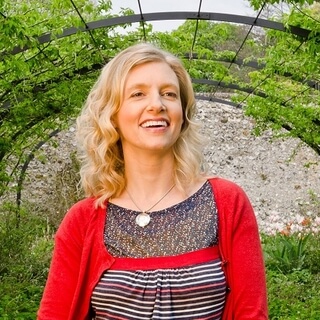
Where I am in conversation with Leonie Taylor,
Fellow yoga teacher,
And many other things.
But that's a good way of just slipping a title there that gives an idea of our relationship with energy,
Especially as we both practice and teach in a very fluid,
Somatic way and very much along the lines of feeling into needs,
Rather than having to feel we achieve anything specific in terms of physicality.
So the reason I say this is because that helps us really tune into our energy,
Whatever that means,
And that's hopefully something that we'll discuss what we feel that might mean.
And dropping beneath the stuff that's very much about us just simply doing more going,
Going,
Going this very kind of high energy state that is,
Is so much part of the modern world.
So I'll introduce Leonie in a second,
Just tell a little bit about myself.
And I came to the stuff I do,
Which is yoga teacher and nutritional therapist through chronic fatigue.
So energy for me has always been something that's A of interest,
But B,
I have a quite a quite often confused,
Sometimes tedious,
Even sometimes difficult,
Sometimes easy relationship with the energy that I have available to me.
The confused bit in there is because often I'm unsure of where the energy is coming from,
According to whether that's something that just feels is easily available,
Or if I've gone into a kind of that kind of jangly stress response,
Getting things done states,
But that's the kind of thing that we'll we'll kind of pull out a bit here in this session.
So hello,
Hi,
Leonie.
Hi,
And yeah,
Charlotte,
I completely relate to what you're saying as well,
About noticing where your energy comes from,
You know,
I come very much,
You know,
From that conditioned post war parenting,
That was just sort of get on with it,
You know,
Whatever your energy is,
You know,
Just get on with it,
Which is understandable economically,
Historically,
Within the context of,
You know,
What they'd grown up with,
You know,
And that was the conditioning was,
You know,
You just,
You know,
You don't even think about whether you have your period or you're tired,
Or you've got a cold or a cough,
Or you just get on with it.
And then now as an adult,
You know,
My context now is I have four children,
Ages 10 to 21,
Which is obviously balancing off a lot of other people's energy as well.
And being perimenopausal,
And you know,
That's a lot in the mix,
Which I think is really,
You know,
We've all got different components.
But that's,
You know,
What most of us are playing out,
Isn't it,
As we get older is lots of different energies to balance and finding and recognising,
You know,
Where am I in all of this?
And exactly,
As you say,
Sort of becoming more attuned,
Which is,
As you say,
What we're getting through,
Getting to through our practices,
And,
You know,
Noticing where you are and allowing yourself the space and time to notice,
No,
Actually,
I'm exhausted,
I need to rest.
And,
You know,
And that's a really big motivator for,
You know,
A lot of what I teach now,
You know,
I teach menopausal yoga,
As well as giving therapeutic Thai massage.
And it's a big part of my picture is creating spaces for people to recognise how exhausted they are,
And giving themselves space to,
You know,
To allow for that so that their nervous systems can reset so that their bodies can release that that sort of perpetual tension they've been holding sometimes for decades,
You know,
Which then becomes chronic.
Yeah,
Yeah,
Absolutely.
And that that holding for decades is really true.
Because,
You know,
Often there's kind of this trauma in the mix from a young age where we're conditioned to feel the world is not safe around us.
So that that energy comes often from feeling we're in protective modes.
And the way we lock energy into the body can be from a kind of bracing or a holding or being hyper vigilant,
Ready to go.
And this is something I feel really acutely is that I,
The struggle I've always had is simply being in a kind of neutral space,
That when I drop into any kind of neutral space,
It feels like there's kind of,
It falls away that there's nothing beneath it.
As soon as something happens,
Or there's something like a deadline,
Or I know I have to be somewhere,
Then that adrenaline coming in,
Is like,
Oh,
Now I have energy.
And the relationship I have with that,
And that kind of dopamine rewards of getting going getting things done.
I'm sorry,
I get so grateful for it.
Oh,
My God,
I can get going.
But it's incredibly,
You know,
The kind of the attachment I have.
And this is me,
You know,
I'm,
You know,
A long time ago,
I swapped various relationships with things like alcohol,
For essentially,
You know,
Workaholism,
Really getting things done and also feeling that thing that we have in our culture,
Like you said about the,
The keeping going is how we value ourselves on what we can do.
It's all about what we can do.
What have you done today?
What do you do for a living?
And all of that kind of status around the doing that if we are not doing and we're simply being or dropping into something that's neutral,
Then that loss of identity is really,
You know,
So much more energy can be caught up in our identity and our status and the labels that we give ourselves.
And I'm really interested in this because it's it really gets to this particularly and you're talking kind of getting into elder states moving into older times of life where energy is naturally coming down.
And rather than riding that in a kind of graceful way,
We're still kind of like,
Oh,
No,
But what I do,
What we I say,
You know,
I feel this.
And I've talked to a lot of people about this,
This this loss of a certain identity they had when they were younger,
Keeps this kind of achieving,
Which is so at odds with our need to slow down and our needs to drop into something that's that's more akin to wisdom.
So I'm very interested in the feeling of it as well,
The feeling of what is energy without the impetus of doing behind it.
How do you feel about that?
Well,
It's very interesting when I've studied Thai medicine and from which I believe,
You know,
There's a lot of crossover with Chinese and Ayurvedic medicine as well.
And that comes at it from an elemental perspective.
So,
You know,
Both in terms of our core constitution,
So there's the there's the different elements,
There's earth,
Which is like the solidity of the body.
And,
You know,
If you think about the earth and the energy that earth has,
It's everything that is solid and tangible.
So it's our bones,
Our muscles.
And not many people have an earth constitution,
Actually,
That's very rare.
That would be the kind of person who is really huge and imposing.
And,
You know,
You very rarely meet an earth person.
But,
You know,
We all have a bit of that earth energy in us.
And then you have the fire,
Of course,
Which,
You know,
In terms of time of life,
That is,
You know,
That time you're talking about in our,
You know,
Late teens,
Through our 20s,
30s,
You know,
And then that's waning as we come towards perimenopause as women,
You know,
And we then move into wind,
You know,
Which is more spacious,
But also brings with it the energy of windiness.
So not just physical bloating or anything,
But uncertainty,
Anxiety,
You know,
Sort of,
There's a shift in,
You know,
Being less grounded,
Which is very different to the fariness of youth of that,
So getting things done,
Producing,
Whether you're producing children or projects or whatever you're making,
There's a sort of fariness to it.
And that fire wanes a little,
But in our society,
There is the impetus to stay at that level the whole time.
So,
You know,
Especially as women,
You know,
There's the only lived experience I can talk to,
You know,
We are under pressure to continue to be as we were in our youth,
Even though our constitutional energy is completely shifting.
And actually,
If we're allowed to move into this more wind,
There is,
You know,
There's a different kind of wisdom there,
You know,
Which certainly that's what I explore,
You know,
My teachings,
You know,
How to sort of really get into this wisdom of this very different feeling tone that isn't just doing is much more,
I don't think of the right word,
But you know,
That there's a spaciousness to it.
Yeah.
Yeah,
That's lovely.
And it ties very much in with that kind of idea in yoga of gunas and being rajasic,
Fiery,
Just going.
Absolutely.
And if we keep that up,
There's nothing to sustain it underneath.
And that fire thing then really tunes in as well to the language of burnout.
Yeah,
100% absolutely.
And it's about balance,
Definitely.
So,
You know,
We all have,
You know,
All the different elements.
So there's obviously water as well.
And then there's space,
You know,
Huge,
But also nothing.
And,
You know,
And we need balance between all these elements to be healthy.
So,
You know,
When I'm doing my treatments,
For instance,
I'm looking to balance the elements within,
You know,
An individual and certain maladies,
You know,
You would say,
Oh,
That's an imbalance of fire,
That's either too much or too little in the same way as in Ayurveda,
You might say,
You know,
Is it an imbalance of pitta or vata?
You know,
It's the same thing.
And I find that as a really useful tool,
You know,
As an entry point to sort of just contemplate,
You know,
Different qualities of energy,
How they're balanced.
That really ties into the societal,
Where we find ourselves in society that you were describing before,
Which is that,
That expectation to be keep going and keep going and keep going and keep being very heady,
Very mind led.
And listening into the body and feelings.
I mean,
There's loads more around now,
Thank goodness around embodiments.
But this recognition,
And particularly in people in screens a lot having,
You know,
Blue light directly into their frontal cortex.
But this need for grounding,
This need for having a clear and palpable relationship to where we are in the here and now.
But relating to earth energy in so many ways is the antidote to the very kind of up and away energy that's in our culture.
And also to what you're saying about kind of the kind of windiness of getting into older years,
But actually feeling where you're grounded within that is what allows you to have that openness,
And allows us to feel that we might have,
Rather than just that future driven,
What am I doing?
Where am I going?
Progression,
This word progression is so problematic in our culture.
As if that's linear.
Yes,
Indeed.
Or as if it just means doing more things,
Ticking more boxes.
Yeah.
And also it has to be fast.
And more.
It's a wonder of capitalism,
Hey?
It is,
Exactly.
You are not enough and you do not have enough.
And if you had enough or you were enough,
Then you wouldn't be able to be sold to.
So but if you're able to actually go here I am in my space,
The size and shape I am,
The feeling of where I am in the world,
Around the world,
Then there's the potential of peace.
There's the potential of calm,
Which is where we can actually resource.
And that feeling is quite hard to get to.
So I'm kind of alluding to this at the beginning where,
You know,
I'm curious about,
I can feel that energy when it's jangly,
It's up,
It's ready to go.
But the energy of dropping into neutral tones of simply being and the quieter,
Subtle nuances that those bring is that,
You know,
People aren't,
You know,
We are less familiar being with those in our day to day life.
People can be aggressive to it as well.
Like,
You know,
The number of people who will,
You know,
Go,
Oh,
No,
No,
That's that's too slow for me,
That practice.
And then they'll just seek more fire.
Yeah.
What should I be feeling?
Yeah.
That question is really like,
Yeah,
Exactly.
I'm pulling in like,
You know,
Sometimes you see people just pulling into something to seek the bigger sensation,
To seek the thing that's a bit of a flooding of sensation and experience.
Yeah,
Yeah,
Yeah.
It's,
It's very hard for us all to be able to recognize that we need recovery all the time,
That we need to be resourcing all the time.
Yes.
That being able to live in these middle states and occupy the kind of neutral zones rather than just bouncing from highs to lows.
Or as you say,
Burnout as well,
Just sort of going,
Going,
Going,
Going until you can go no more.
And the body,
You know,
It's done with the subtle hints and there's there's a complete dropout where,
You know,
Where you're,
You know,
Chronic fatigue or,
You know,
Massive inflammation or something happens to the body where it just says no more.
Yes.
Like Abba Master says,
When the body says no,
That's very much about the mind just keeping going,
Going,
Going.
And again,
You know,
It's separating the body and mind out as if they're separate.
And yet when we're whole,
There isn't that separation.
But our languaging is so conditioned to do that.
But if we're keeping going,
The mind and that achieving part of us,
Not listening to those signs in the body,
The little the nuances,
The tones that go,
Oh,
No,
Please,
Or the being exhausted.
We come to that we,
You know,
We find that aphorism,
Listen to the whispers before they become shouts.
Definitely.
It's incredibly important,
Because otherwise,
There's a point where the body just goes no more,
I have no resources left.
You have to shut this down.
Yeah,
It's a tricky place to get to.
But there is no,
This route back is to really tune into the subtlety and really start to offer ourselves that kindness.
Definitely.
Hmm.
Well,
Thank you so much.
That's a drop in.
We're not we're not giving answers or offering fixes or solutions.
But it's it's awareness,
Isn't it?
We're just just trying to absolutely navigate this stuff as much as any of us in this overstimulated and this this really quite demanding world that we live in.
And I think that recognition that it is really demanding is is is a really important first step to recognize that we're allowed to be tired.
We're allowed to be vulnerable.
It's not a judgment to say I am tired.
It's simply a recognition of a state.
And also,
Sort of,
You know,
From a yogic perspective,
Is not to identify that it's a problem with us.
It's something that is universal.
You know,
This is a societal issue.
So,
Again,
To refer to the Gabor Marti,
The new book,
The Myth of the Normal,
You know,
That,
You know,
So much of this has become normalized that we expect to feel like this.
And,
You know,
It must be something we're not doing enough of,
You know,
You know,
We're not performing well enough.
Therefore,
We're failing,
You know,
Rather than it being that society is failing us.
Yeah,
Absolutely.
So the more we can change the culture around us,
Our own individual culture and that of people around that,
Like even at work,
Say we need a break.
Yeah.
When taking a break,
A 15 minute break has become something that's kind of it doesn't,
You know,
Often doesn't happen,
Or walking away from a screen.
If that could become a kind of cultural norm within our small groups,
Then we can start to occupy that space of recovery.
Thank you so much,
Leonie.
Very lovely to talk to you again.
And we will explore some more of these just bringing things to the surface,
Bringing curiosity and exploration.
Nice.
Thank you very much.
Thanks,
Charlotte.
Yeah,
Lovely.
Take care.
Bye.
Bye.