Hi,
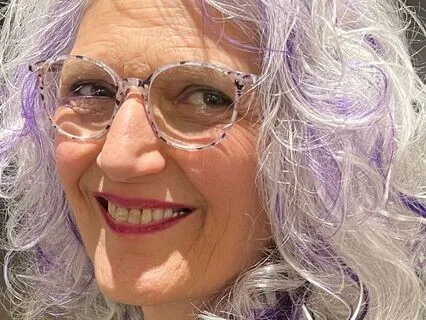
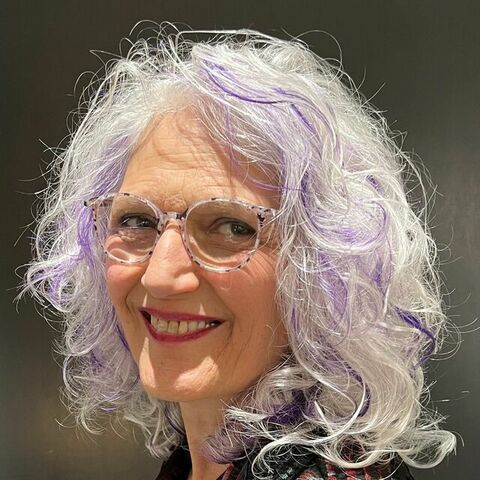
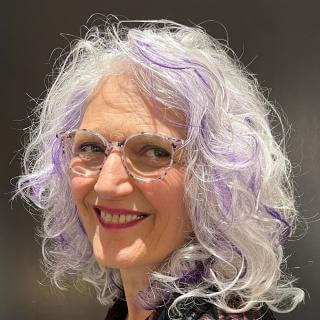
This is Theresa Conte,
And today I'd like to share some thoughts with you about saying no,
Something many of us have or have had a hard time doing because of beliefs we may have taken on from our culture,
Society,
Family,
Or from our spiritual upbringing.
But when we say yes,
When we really mean no,
We deny our needs by focusing on someone or something else.
Saying no doesn't mean we're selfish or don't show up for our family or friends or in other situations when needed,
But we do so from a place of awareness and choice,
Rather than saying yes because we feel uncomfortable or are afraid of perceived consequences.
In today's podcast,
I'll share an exercise that will help you strike a balance.
But first,
A quote from Oprah Winfrey.
She said,
Although it may feel uncomfortable to think about saying no,
It's important to remember that each time you say yes to someone or something else,
You say no to you and your priorities.
We want to contribute.
It's natural,
And it's a quality that's innate within us.
We want to be kind.
We want to be supportive.
We want to give because it feels good,
And we want to be generous with our gifts,
Talents,
Abilities,
And time.
But how often do we say yes to requests from friends,
Colleagues,
Family members,
And others when we know within our heart of hearts that it means taking time away from caring for ourselves?
Saying no can conjure up feelings of guilt and shame because we may think it's self-centered and be afraid that others may judge us.
But people learn how to treat us by how we treat ourselves.
Giving and receiving is an art of balance,
But how can we achieve it?
Change begins with awareness.
Do you know how often you say yes when you would rather say no?
The answer may surprise you.
Here's a practice to help you build your self-care muscle and say no with greater confidence and clarity.
I'll also share an experience from my life that may give you a greater understanding.
We all have obligations to our employers or clients and to our families and communities.
However,
It's important to recognize we have a choice for what we say and do and can open to possibilities that may not be immediately apparent when we act from obligation or fear of the consequences rather than contribution.
The practice I'm going to share will help you gain clarity about what's important to you and how you may be placing others' needs ahead of your own,
Particularly when unwarranted.
So here we go.
For the next week,
Take note of how many times you say yes when you'd rather say no.
It doesn't matter how big or small the request is.
To help you keep track,
You might like to keep a small notebook with you or make a list on your phone when you catch yourself saying yes and times you'd rather say no.
Be aware of the underlying current and what might be motivating you.
For instance,
What's the payoff for saying yes?
Are you afraid of what others might think of you and so you feel a little safer saying yes to avoid an uncomfortable experience?
Or,
Perhaps,
You feel a sense of obligation because someone did something nice for you and you think you should be available whenever they ask a favor of you.
What does it feel like in your body when you say yes instead of no?
For instance,
Do you notice any tension or perhaps feelings of frustration,
Exhaustion,
Or anger?
If so,
Your body is giving you clues.
Be aware of what else you might notice.
Take note of it all.
But don't stop there because there's a flip side to the process.
In another section of your notebook or on your phone if you're using that,
Make note of the times you say yes because it's something you want to say yes to.
Once again,
Notice how you feel.
What messages is your body giving you?
For example,
Do you feel more energized,
Lighter,
Happier,
Or joyful?
At the end of the week,
Review your list.
Then,
Choose two or three things you would like to say no to should they come up in the future.
Start with something small to build your confidence.
For example,
If a friend calls but it's not a good time to talk,
What else can you do or say?
Can you arrange another time that's more convenient for you?
Or maybe someone invites you to their house for dinner,
But you'd rather stay home.
Can you thank them for the invitation and let them know you're not available that evening,
Particularly without feeling like you need to justify yourself?
Perhaps you can arrange another time to meet if that's something you'd like to do.
Here's an example from my own life about a situation that occurred many years ago.
I had a good friend,
And we often spoke on the phone for 30 to 45 minutes several times a week.
After a while,
I became aware of how exhausted I felt at the end of our conversations because most of the time was focused on what wasn't working in her life.
I recall thinking about my choices after some time had gone by because our conversations were wearing on me.
So I realized I could do one of three things.
One,
I could end the relationship.
Two,
I could grin and bear it and suffer the consequences.
Or three,
I could choose to talk to her about the situation.
I chose to do the latter because I loved her as a friend,
So I arranged a time to meet at her home.
When she opened the door,
I was blown away because she had a cast on her leg and explained that she fell off the bus earlier that day.
I remember thinking,
Oh man,
How can I address the situation with her now when she just broke her leg?
Then,
In a split second,
I realized there would always be something else.
So I chose to bolster my courage and have the conversation.
It was difficult and uncomfortable,
Particularly for her,
But we got through it.
We came up with a phrase we could say in the future if we were going down a path that either of us were uncomfortable with that would remind us to shift the conversation.
It wasn't about denying what was going on in our lives,
But it was more about creating awareness of our tendency toward negativity.
It allowed our relationship to change and our conversations became more uplifting and joyful.
And,
Yes,
It called for my taking a risk.
There was no way for me to know the outcome,
But it was a choice I made because I cared for this person and wanted to keep her as a friend.
You may feel uncomfortable with your new behavior.
It's possible other people might not like the change because they're used to you being a certain way.
But this isn't about being selfish or self-centered.
You're learning to set healthy boundaries by honoring and caring for yourself.
But nothing is cut in stone.
Each experience provides an opportunity to make a choice,
Depending on the conditions of the moment.
And,
It's important to remember that we can say what we mean,
Mean what we say,
And say it with love and kindness.
Learning to say no takes practice.
The more you practice,
The easier it will become.
You'll feel better,
And while some relationships may change or fall away,
Others will deepen and grow.
You might like to practice saying no in the mirror,
Or writing down what you want to say if there's a particular situation you're currently grappling with.
Take a breath,
And know that by taking care of yourself,
You are also more present to others.
I would love to read your comments about how the practice works for you and what you have discovered,
So please leave a review.
And thanks so much for listening.
Wishing you a most wonderful day.
Bye-bye for now.