Welcome to the mind body space podcast where you can boost your resilience just by listening.
You'll get research back tools to stress less,
Be happier and healthier while you work toward your highest potential.
Hi,
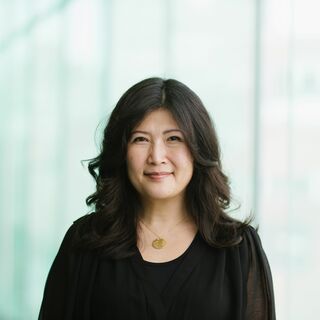
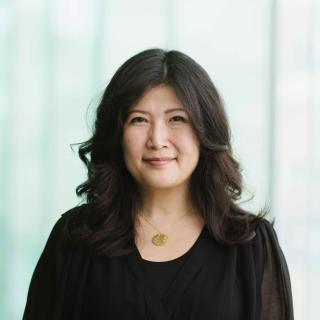
I'm Dr.
Juna Babi.
I'm a board certified physician and a mom of two amazing kids.
Over 10 years ago,
I left one of the most prestigious medical practices in New York City to specialize in mind body medicine.
Since then,
I've had the privilege of teaching my science of resilience program to students who are curious and motivated to learn how to thrive in an increasingly complex world.
I created this podcast to reach all the people who could benefit from the conversations that I have with experts in performance psychology,
Cognitive neuroscience and lifestyle medicine.
I also share tips on some of my favorite topics like how to train our brains to focus better and how to get organized for extreme productivity.
I do all this because I love sharing science back self-help tools that changed my life and so many others.
I do know that there's way too much information out there,
So I work hard to curate and share trustworthy sources for free.
Hello today.
I'm so excited to be here with Dr.
Beth Freites.
We're going to be talking about paving the path to wellness.
It's a guide to thriving with a healthy body,
Peaceful mind and a joyful heart.
Dr.
Freites is the new president elect of the American College of Lifestyle Medicine and she's an award winning teacher at Harvard Medical School.
Hi,
Beth.
How are you?
Great,
Juna.
Thank you so much for having me.
I'm so excited to be here with you.
And today we're going to talk about this paving the path to wellness.
And what is paving mean?
Yes,
Exactly.
Thank you for giving me the opportunity to share this information.
It is near and dear to my heart.
My interest in medicine,
Which as you remember,
My dad had a heart attack and stroke when I was 18.
And that is what propelled me into the study of the body,
The brain and healthy living so that we can help people prevent heart attacks and strokes.
And heart attacks,
Cardiovascular disease,
It's still our number one killer.
So when I went to medical school like you,
We didn't learn a lot about stress,
Nutrition or exercise.
I went and dove deeply into these topics on my own starting really in 2003 for a book about preventing a stroke.
That's what led me into lifestyle medicine.
And when I started my coaching in lifestyle medicine and working one on one with people,
Yes,
They very much needed to explore their relationships with movement,
With food and with stress.
I also noted they needed a mind shift,
Not just a body shift and a habit shift,
But a mind shift,
Meaning so many of us have fixed mindsets,
Black and white thinking,
All or none thinking.
And this was leading to a lot of relapse.
People could follow a program,
Paving the path to wellness,
Another diet program,
Could follow a program,
But wouldn't stick with it unless we really dove into the mind and the mindset.
And I believe wholeheartedly in the six pillars,
And there's a lot of research around exercise,
Nutrition,
Sleep,
Social connection,
Avoidance of risky substances,
Stress reduction are six pillars of lifestyle medicine.
And then enhancing well-being,
There's research around the plus six,
As I may call them,
Meaning our attitude,
Taking time outs,
Our sense of purpose,
Energy and where we get our energy and how we manage our energy levels,
Setting goals,
Learning how to set health goals,
Investigating and using variety.
So there are other aspects that needed to come into play beyond the six pillars I was finding in terms of counseling one-on-one and then counseling in groups.
What did we need?
So that's where the birth of paving came in my own efforts to help people adopt and sustain healthy lifestyles.
So you're saying like people could start changes and they can understand and know what they need to do,
But it's the part where they relapse,
Right?
And it's the kind of the mindset of maybe I'm not the kind of person who is an athletic.
So,
For example,
You're an athlete.
You were a recruited athlete from when you were in high school through college and you love movement.
And for me,
I was always like a couch potato growing up.
So I discovered fitness later in life.
And I do love fitness,
But it's not the same,
I don't think,
As for you.
So when I get stressed,
My tendency is to just lie down,
Whereas maybe for you it might be moving.
So for my daughter,
Who grew up as a ballet student since she was like two years old,
She's always loved movement.
So for her,
When she's stressed,
She will go for a run.
Me,
I will lie down on the sofa.
Plastered to the news,
Especially the last two weeks,
You know,
With everything that's going on in the world.
So that's the downfall.
Even as somebody who knows this stuff and teaches it,
I do have to reset my mind because I started saying to myself,
I'm not an athlete.
I'm not,
You know,
When I'm stressed out.
I have gotten better over time,
But it definitely is an ongoing process of reminders for my brain.
This is exactly the point.
This is exactly what I found with working one on one and in groups with people.
This,
Our own definition of ourselves,
We define ourselves and sometimes we put ourselves in boxes or exclude ourselves from boxes.
Meaning I'm not an athlete.
I don't exercise.
I don't like exercise.
Exercise is not for me.
It's never been for me.
I hear so many people say,
Well,
I was always the last picked on the kickball team in.
That was me.
And thus I believe I'm not an exerciser.
I'm not an athlete.
It doesn't resonate with me.
So what we do is we redefine.
So what is movement to you?
Tell me when you were joyful,
Moving,
And some people may say jumping rope.
Some people may say on the trampoline.
Some people may say hula hooping.
Some people may say when I was at the beach and I was little and I would body surf.
We don't know what resonates with people,
But you have to figure out almost a timeline of physical activity as we inquire and invite people to do in the Paving the Path to Wellness workbook.
Think about your life in a timeline.
When you were little,
What movement did you enjoy?
Hopscotch maybe.
Maybe it was hiking in the woods by your house.
Maybe it was long walks on the beach.
I don't know.
And unless you explore that,
You don't really remember or hold it up front in your prefrontal cortex and utilize it in your day to day habits unless you pull it back up from your hippocampus and ask yourself,
Let me remember what I was like as a child,
What I was like in middle school.
Well,
How about high school?
How did I like moving?
So you ask your clients all the way back to their childhood.
Yes.
So,
For example,
For me,
My my earliest memories are like spring or summer evenings playing tag with other kids,
You know,
And that was fun.
Like I remember that sort of feeling of dusk,
Fireflies and,
You know,
Running around.
Yeah.
So just running,
Playing tag.
It wasn't an exercise,
But it was playing.
Right.
And this seems very consistent with what I know about you,
Juna.
Playful,
Playing,
Laughing,
Having fun,
Connecting with friends.
So we need to find something that's like tag,
But an adult tag.
And by the way,
You giving that story about the fireflies in the evening and tag,
I was completely brought back to my own childhood where I'm playing TV tag in my yard with the neighbors and you're going under the person's legs to be safe.
And I just zoomed right back into sort of TV tag and and enjoy.
What is TV tag?
I've never heard that.
Something like we would you would say the name of a show and if you were tagged and you were frozen.
Right.
You would go under you would go under someone's legs to become unfrozen and become part of the game again.
And you would you would have to say a unique TV show.
I think that's how it went.
That's why I remember to look that up and put it in that show notes.
That's a fun game.
So I was so I was just thinking,
So what is similar to that and wouldn't it be fun if we did in fact have adults tag if we played tag and an adult type of tag?
Now they have games for adults like a new paddle game.
You know,
I actually forget the name of it,
But even paddle tennis,
Which is it's not like tennis tennis,
I think takes a lot of practice and a lot of skill paddle,
I think is a little easier.
It's a smaller court.
It's that the paddle is bigger.
OK,
You can hit the ball.
But getting involved with some kind of game with others for you may be maybe the answer for you for movement.
And we'd only know that because we went back to what was joyful for you.
So the other things I would think about for you is community.
So what kinds of classes might you enjoy where you may get to know the other ladies,
Have a challenge with the other ladies?
Maybe it could be a Pilates or a yoga.
Have you tried those,
You know,
Before the pandemic,
I was really into orange theory.
Do you know orange theory?
I was going there all the time.
I really loved it.
And that was before the pandemic.
Since the pandemic,
I bought home equipment,
You know,
A.
I.
Equipment,
Which is awesome.
So it's like a coach inside and A.
I.
So that was fun.
But now I'm on a rowing machine that takes me to different parts of the world.
Hydro.
So that's kind of fun.
And they have a leaderboard so I can see,
You know,
How it started looking at the leaderboard and seeing who was there.
But maybe I should start doing that,
You know,
Or maybe go back to orange theory once a week or something like that.
Right.
Well,
That all makes sense.
If you think about it,
I can see you in orange theory because you're surrounded by other people.
There's a lot of energy.
You bring your energy in and and you're in a community.
So the orange theory makes really good sense to me.
Yeah.
And it's very like it goes from one station to the next.
So you don't sit there and get bored.
Right.
Right.
Yeah.
And I don't know.
But perhaps these things are opening back up and will stay open for a while.
So perhaps for you,
It's it's going back and looking at your orange theory and seeing if it's open and what the hours are.
And that's another part of the timeline.
One of the one of the questions is,
When were you happiest with your movement and what were you doing?
So it sounds like back in a childhood it was tag,
But most recently it was orange theory.
Yeah.
And then and then covid came and well,
So but can we get back to orange theory would be the question for you.
Now,
This is hopefully the people that are listening are thinking about their own timeline.
And they're thinking about when they were enthusiastically moving their bodies in a joyful way.
Not drudgery.
Not,
Oh,
I have to do this.
And that's part of paving the path to wellness is trying to realize this is one of the major mind shifts.
This is a journey.
What you and I are doing,
We're on a journey and it's a journey of a lifetime and it's a fun journey.
And there's no shame,
Blame,
Guilt in this journey.
It's all about learning and growing and sharing and bringing our strengths to the table in our own wellness.
We bring our strengths to the table often at work.
And that's great because when we're using our strengths,
We increase our joy.
Why not bring our strengths to the table when we're working on our own lifestyles and our healthy habits and think,
What do we need to do?
What needs to be in place for us to feel good,
Feel joy,
Be consistent.
And for many people,
It is competition.
They like competition.
And a lot of people,
It's social,
Putting that social connection in.
And for most people,
It's a sense of accountability.
And that plays out in various ways.
For me,
I don't like to waste things.
I don't like to waste food.
I don't like to waste money.
I just don't like waste.
I like to use everything I can.
I love that.
I use this mentality on myself to get me to go to yoga.
Now,
I've been sad because I,
With Omicron,
Since November,
I haven't been going to the studio.
And I'm like you,
Social,
In person.
I like the energy in the room.
So now that it's opening up again,
What I do is I buy a 20-pack card that has to be used,
I think it's within 30 days or something.
There's a time frame and I put the money up front.
I pay.
And I use this for myself because I know if I have paid,
Juna,
I will go.
I will not want to waste that money.
So that's a strategy I use that resonates with me and my own desire to be financially savvy and to avoid any waste.
So we go to strategies that work for us outside our health and wellness and we use it at home with our own finances,
Then bring it into your health and wellness plan,
The things that you use outside,
Right,
At work and with your own home.
So that's just another thing and that has to do with that A piece,
The attitude piece.
So when you asked,
Well,
What is paving?
Yeah,
Let's go through the mnemonic.
So paving is actually a mnemonic.
Right.
And it's- That you came up with.
Yes.
And it's going to be the six pillars of lifestyle medicine plus and you'll hear it.
You'll hear it.
So physical activity,
Attitude,
Variety,
Investigations,
Which means constantly experimenting,
Trying orange theory,
Trying yoga,
Trying different things,
Investigating,
Trying spinach,
Trying kale,
Spinach versus kale,
Right?
Different kinds of apples,
A taste test.
So constantly trying different things,
Adding variety in your life.
Nutrition is a key pillar for health and wellness.
And then- So that's the N.
Yep.
And G is goal setting.
So that's paving.
Physical activity,
Attitude,
Variety,
Investigations,
Nutrition,
Goal setting.
That's our first six.
And not necessarily in that order.
No,
Not necessarily in that order.
Okay.
The second six are social connection,
Timeouts,
Energy,
Purpose,
Stress,
Resiliency,
And sleep.
The unsung hero,
Often forgotten pillar of lifestyle medicine.
So was that a mnemonic?
What's the mnemonic for the last six?
The last six,
It's steps.
Paving steps.
Okay.
So it's paving the path to wellness.
And the steps.
So social connection,
S.
T,
Timeouts.
E,
Energy.
P,
Purpose.
S,
Stress,
Resiliency.
And then the last S,
Sleep.
Awesome.
I love it.
Okay.
Paving steps.
In my planner,
I have a mnemonic because that's what we went to med school for.
I have a mnemonic.
It's relax.
Nice.
Share.
Relax.
R is for rest,
Which includes sleep and relaxation response,
Meditation.
Yeah.
E is for eating clean,
Nutritious eating,
Nutrient dense.
L is for love,
Love for ourselves,
Compassion for others.
Beautiful.
I love it.
I know increases our parasympathetic nervous system.
Love and joy for things that we do.
A is for adaptability.
And under adaptability,
There's a few things that,
You know,
Courage,
Communication,
Adaptability,
Being able to adapt to your situation,
Which is a massive skill that everyone needs to have right now.
And then X and my daughter came up with this one.
She's like,
Oh,
They always do this.
You put the first letter first and it just sounds like it.
So X is for exercise.
Relax.
That's great.
I love that.
That's fantastic.
And I think all those are actually in paving steps.
So I love paving steps.
Yeah.
We're going to go through in our future podcasts.
We're going to go through some of the steps and in more detail.
Terrific.
I love it.
Thank you so much,
Beth.
Thank you,
Juna.
Have a great day.
You too.
Thank you so much for listening.
Until next time,
This is Dr.
Juna wishing you and your family wellness.