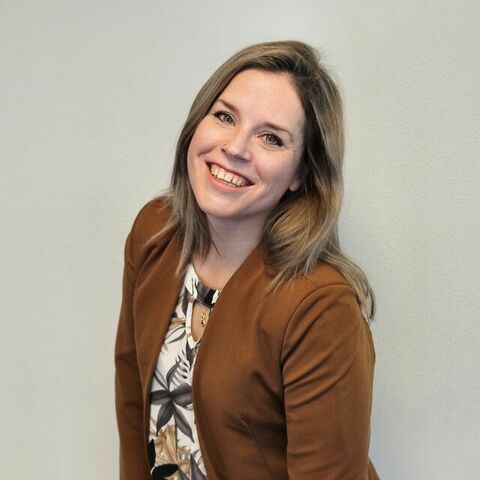
Hi,
My name is Yvette,
And I am a meditation teacher here on Insight Timer,
But I am also someone who has lived with an eating disorder for many,
Many years.
To be fully transparent,
I want to share what has helped me,
And everything I share on this app is actually evidence-based,
So I did a lot of research,
And I want to share what has helped me to beat my bulimia and anorexia and orthorexia and exercise addiction.
I do not work in the field of eating disorders anymore,
But I do want to share some hopefully helpful tips.
So if you know someone who is living with an eating disorder,
Or you are living with an eating disorder and struggling,
I am so happy to share this audio track with you.
So overcoming an eating disorder is a very complex process,
That often requires professional support,
But there are scientifically supported strategies that can aid recovery.
And I am going to share a couple of tips.
So my first one is,
Indeed,
Seek professional help.
For example,
Cognitive Behavioural Therapy,
CBT,
Can help,
Because it has strong evidence in treating eating disorders like anorexia,
Bulimia and binge eating disorder.
I personally have done this,
But I did better with schema therapy,
Where you really go into the roles you take.
And on the side,
I had family therapy,
Or system therapy,
As they call it in the Netherlands.
And they all have different outputs,
Different ways of processing,
But it is really important to work with a therapist you trust,
Specialising in eating disorders,
To identify your triggers,
Challenge unhealthy thoughts,
And develop healthier coping mechanisms.
And I am going to be honest,
I started with CBT first,
But I did not trust my therapist,
And it took a long time for me to actually accept and be honest and transparent that I had an eating disorder,
And that I wanted to stop.
So I also sought out help from a 12-step program,
Actually multiple ones,
So I did multiple things at the same time.
And then the other tip is to build a support system,
Which you can do,
Of course,
In a 12-step program,
But also with friends and family.
The thing is,
If you have an eating disorder,
It will probably want to isolate you.
It doesn't want help,
It doesn't want to become healthy.
But if you find a way to trust certain people around you for social support,
It can reduce feelings of isolation.
So what I did,
After years and years of doing multiple things,
I really needed to open up about my eating disorders to my friends and family.
I'm very transparent nowadays,
Also hence why I'm sharing this online,
Because I shared with three trusted friends,
My triggers,
What they can do to help me,
And what they can say to help me calm down.
And this has been really helpful.
So you have different forms of support groups,
Look into these,
And otherwise consider group therapy.
And then we come back to schema therapy,
For example,
Which is often done in groups or family systems.
This can be like the literal sense with your own family,
But if you find this too difficult,
You can always work with mats that represent your family,
Or puppets that represent your family.
Okay,
Another scientifically proven tip is practice mindfulness and relaxation.
So it's very good that you're being present here on Insight Timer,
Because doing mindfulness can help regulate your emotions,
Reduce anxiety,
And prevent disordered eating behaviors.
And this is what I did,
I of course went to therapy,
I went to my 12-step program,
And I started meditation.
I started to learn what my emotions were,
What my triggers were,
And I did a daily check-in,
I think three times a day,
And one larger meditation a day.
And by experience,
I learned that a lot of my eating disorder behavior came from fear.
Of course,
I didn't even know what fear was,
Because my eating disorder was so helpful in pushing those emotions away,
That I wouldn't feel anything.
And then of course,
When you start to feel,
It all becomes very overwhelming.
And that's why it is also important to have that social support,
And to have professional help,
Who you trust.
Now I'm really going quickly over these tips,
I'm not going into detail.
If you want me to do that,
Send me a message on Insight Timer,
And I can make longer audio tracks about this.
So I was talking about triggers,
And it is really important to develop coping strategies for your triggers.
Identifying and managing emotional or environmental triggers reduces the likelihood of engaging in disordered eating behaviors.
So this can look something like creating a list of alternative coping strategies,
Such as journaling,
Calling a friend,
Or engaging in a calming activity.
But it's very tricky.
For example,
I had a coping mechanism of I would go for a walk after dinner,
So that it would prevent me from,
Of course,
My bulimia.
The thing was,
I then went into overdrive of wanting to walk,
And I needed to walk my calories gone.
And I'm sorry if the word calories triggers you.
So then I was overcompensating somewhere else.
So coping strategies for triggers is again something for which I needed professional help again.
So I couldn't do it alone.
And it's very important to stay positive.
So another tip is to monitor your progress.
So tracking progress can help you identify patterns and celebrate small victories.
For example,
A recovery journal with improvements,
Challenges,
Emotions you felt.
I wrote down things I was grateful for if I didn't have any progress to track.
And I'm not talking about,
Hey,
This is how many weight I lost.
No.
Really talk about how you felt,
What you did to work on your recovery,
And what you're grateful for.
That has helped me.
And then,
Of course,
Is gradual exposure therapy.
And I hated this,
I'm going to be honest.
But it is proven that gradual exposure therapy can help with overcoming an eating disorder.
So it works because you are facing,
For example,
Feared foods or situations in a controlled way to reduce anxiety over time and normalize eating behaviors.
So what I did,
For example,
With my therapist,
We would create a plan.
So I was afraid of a certain type of food and I would eat a small bite the next day,
Right?
And then I would share it within a group and we would all celebrate.
It was a very positive experience.
And the group thing really helped because they were also very accountable.
They would know,
They would point out if I would go into eating disorder mode.
Again,
This didn't feel great,
It felt awful.
Because people who are like you or who are living with an eating disorder,
They can,
Of course,
Always point things out that other people can't.
Other things like exposure therapy could be like,
I stopped,
For example,
With the walking after dinner.
It was actually an exercise for me to sit,
Especially someone with an exercise addiction.
I needed to stop exercise.
And again,
If you're interested to learn more about exercise addiction,
Please message me and I will make a whole new track about it if you're interested or send me a message on Insight Timer.
But I had to relearn how to exercise.
So I'm going to be honest with you,
If someone is in recovery from eating disorder and suddenly they're all going to the gym and posting who knows what,
You know,
That cannot be helpful for everyone.
But yeah,
Then the other tip is don't compare yourself with others.
Don't compare your recovery with other people.
Don't compare your progress with other people.
Don't compare your mind with other people.
And one of the tip is avoid pro-eating disorder content,
Especially things like on TikTok,
People,
You know,
Showing off their bodies,
Their diets.
It can really,
Really worsen the eating disorder.
And the final tip is,
Of course,
Go into the underlying things why you have an eating disorder.
And we come back to,
Again,
Spiraling to the first tip that therapy can help,
Different kinds of therapy,
Again,
Schema therapy,
CBT,
Group therapy,
Family systems.
There are many things that can help,
And it's very individual.
I cannot give you a general tip because it all depends on the person,
But I needed to find out different forms of therapy to dive deeper,
And I'm still diving deeper.
I'm diving deeper with meditation.
I'm diving deeper with my social support.
I'm diving deeper to what I now can do and I can't.
But I know that I have to be honest,
And I know that I have to watch out,
And I want to share it is possible to live free and to live without an eating disorder.
I can affirm I do have bad days,
Of course,
But it's very important,
And that's my final point to address underlying mental health issues,
Because many eating disorders,
They are not the cause.
They coexist with conditions like anxiety,
Depression,
Trauma.
So CBT or dialectical behavioral therapy or trauma-informed therapy are also good things you can do for an eating disorder,
But it's very important to have that social support as well.
So hopefully I made my point with what has helped me,
And I gave a couple of examples,
And I really needed to be honest,
And I needed to be ready.
I had a relapse 10 years ago,
I wasn't ready then.
I was ready 8 years ago.
And I work every day to not go back into that mode,
But I sometimes forget.
I sometimes live so freely,
Which is a good sign.
Then there is,
Of course,
You can go to a clinic.
And I used to work in an eating disorder clinic,
Where you,
Of course,
Can be helped with all different kinds of therapy.
You will live with other people with addiction or eating disorders.
And again,
For some people that can be very helpful,
But for other people it can be very traumatizing in itself.
So please be mindful that many things can help,
But it all depends on the person if they want to,
And if they're open to it,
And that depends on their situation.
And if you need someone to talk to,
There are always helplines for beating and overcoming eating disorders.
Go check them out for your specific country and where you are based.
But know that it is possible.
It is possible to overcome an eating disorder.
There are multiple things you can do.
It might take some time,
But know that there is a possibility,
And I'm thinking of you.
Thank you for listening.