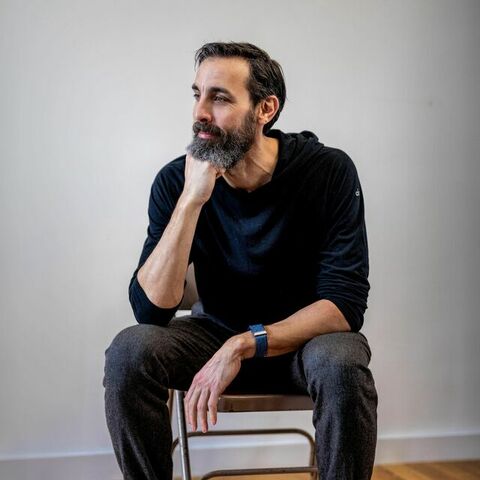
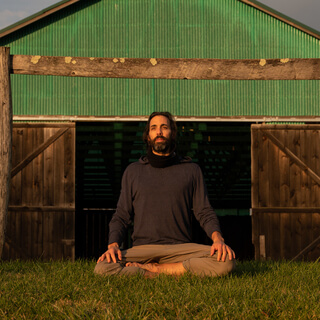
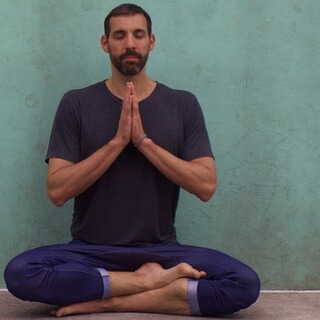
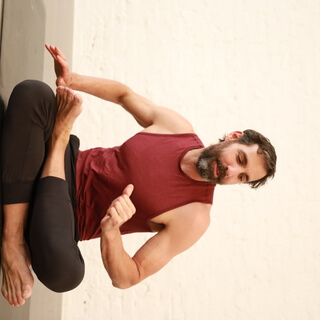
Welcome to men talking mindfulness with co-hosts John McCaskill and Will Schneider Each week we take an authentic dive into how mindfulness continually impacts our lives Deepens our relationships and allows us to be emotionally alive We filter all of our conversations through the man box where we unpack how as men we are expected to act in society How fighting the authentic human experience is exhausting and damaging and how mindfulness can help now on to the show Welcome to the show Men talking mindfulness John McCaskill coming to you from Colorado Springs and my brother from another mother my co-host Will Schneider In New York City,
And we're very excited about today's show We have special guests authors of the book reinventing masculinity at Adams and Ed Frauenheim And we're going to get into a lot today from defining confined masculinity confined masculinity to explaining how to counter it and Liberate ourselves and others through liberating masculinity before we do that though I just want to give a quick shout out to our new and first sponsor naked warrior recovery Naked warrior recovery is a service disabled veteran owned and operated supplements company owned by fellow former Navy SEAL William Branham and their mission is to help veterans and first responders recover physically and emotionally from stress and Traumatic events their focus is to provide superior quality and effectiveness They offer a range of supplements from super greens for energy and recovery to broad spectrum CBD products to immune defense Even if you are not a veteran or first responder,
They have great products for you Go check them out at the link in the comments and enter the discount code MTM 2 0 21 so MTM 2021 and you'll get 20% off and we'll post that that comment or that link in the comments here in a second Okay,
All that said I want to introduce our guests today at Adams and Ed Frauenheim.
Dr.
Ed Adams He earned his doctor of psychology degree from Rutgers University He is a licensed psychologist and founder of men mentoring men or m3 Which is a not-for-profit organization supporting men in their guests in their quest to live happier lives Now in its 30th year and three has touched hundreds of lives by creating a shame-free space for men to discuss Challenge and support their journey through the complexities of life Currently Ed is in a private practice in Somerville and Lambertville,
New Jersey specializing in the treatment of men in 2013 the Society for psychology psychological study of men and masculine masculinity's division 51 of APA awarded Ed the practitioner of the Year Award in 2018 Ed served as president of division 51 and has helped to strengthen the division to become a stronger voice by highlighting the research treatment guidelines and applied psychological skills that help men thrive Ed's major presidential initiative was to encourage men and women to recognize compassion and self compassion as masculine traits Ed is also an accomplished painter and sculptor He was commissioned to create a bust of the Oscar Schindler of Oscar Schindler that was presented to Steven Spielberg and a 13 Was that a 13 foot bronze sculpture that honors Raoul Wallenberg?
His paintings are in private collections universities corporate collections and museums I would love to see some of this stuff at in 2017 Ed published a book becoming a happier man a man's guide to living a full and meaningful life This book couples his paintings with the essential ingredients presented when a man declares himself as happy Ed Frauenheim is a journalist researcher speaker and book author His main topics are masculinity and workplace culture That's probably why you know about the workplace culture as well as the intersection between the two most recently he published reinventing masculinity,
Which was what we're going to be talking about today and Apart from his books Ed's stories have been featured in Fortune,
Wired and USA Today Ed also is co-founder of the Teal team a group of professionals dedicated to bringing about more soulful conscious Organizations another place where you know Val from he is a board member of two organizations and lives in San Francisco with his wife and two teenage children Welcome to the show Ed and Ed so excited to have you with us here today And I'm going to turn it over to Will.
Will leads us is going to lead us through an opening grounding practice and Bill from there Well,
I first want to say good morning guys and everybody that's here Good afternoon if you're on the East Coast and thanks for everyone showing up that's already on the feed Great to have another Set of another author two authors on today and to further our discussion on Masculinity and how it can just be better men for ourselves and for the world and for the planet but first what you know,
Like we typically do we like to Start off with real simple grounding practice as a means to show you a tool and how incredibly powerful breath and mindfulness can be As well as an opportunity to calm John down because I know he's really excited and myself and Ed and Ed so let's just So it's like simply find your spine We're just gonna because I really want to maximize the time today with Ed and and invent reinventing masculinity So close your eyes find a nice comfortable seat if you're comfortable closing your eyes close those eyes create a nice long Spines instead of rounding through your shoulders and collapsing your chest,
Right work from the very base of your spine through your sit bones All the way through the crown of the head Let's open up our throat in our mouth really wide and release the energy in our throat with a big exhale out Again,
Let's do five breaths into the nose really big big big big balloon breath exhale out your mouth And do it again big breath in Exhale out Good again three more breaths Nice smooth flowing quality of breath ground a little deeper on the exhale Two more See if you can relax on this exhale any tension in your face jaw shoulder Is nice and easy and one more big breath in?
And exhaling smoothly out And just stay here for a moment find the breath and then out of your nose and just notice how you're feeling right now with them your emotional internal selfie And then just internal selfie Just to see where you are and to feel how you are Great When you're ready Open your eyes if they're closed and welcome to the show everybody Uh,
So excited,
Uh,
Once again have everybody here today.
Um and um Let's uh,
Let's begin john.
Where shall we start?
Yeah.
Yeah.
So again,
Thank you both so much for being here We love what you're doing And we're just going to jump right into questions.
So first Uh,
What inspired you and i'm just going to fire these questions out and you guys can figure out between the two of you Who who wants to answer them?
Uh,
But first what inspired you both to start focusing on Masculinity confined masculinity and at what point did you realize that you needed to write a book about it or several books?
I I uh could take a stab at starting that ed Sure.
Go ahead feel in there again.
We didn't plan who would go first here.
John will uh,
But uh,
Yeah,
I think we have a kind of a neat collective story behind uh,
This focus on masculinity.
Uh,
Uh from for my part,
This is kind of a lifelong Struggle with with these uh,
Man rules as we put it in the book.
John,
Uh,
Starting off as a teenager 12 year old kind of coming into this understanding of being a man and Not fitting in to the rules.
Well,
Uh being skinny when you're supposed to be probably more like what you look like uh being uh Losing my one fist fight in sixth grade.
Um and also,
Uh You know not winning sports events,
Even though I was Athletic or love sports,
But that quest to be like strong and dominant and competitive and a winner Those were things that didn't work out so well for me and in the work world similarly Just I mean I went to a good college that was great,
But then I came out and I didn't rise to the top of the heat Uh or get my stories.
I was a business writer for many years.
I did not get you know,
My pulitzer prize And so these things are you know create shame and struggle so I was wrestling with those some of these things And as I studied the workplace culture as you pointed out a great place to work And other places,
Um,
I realized that how men are going to succeed in the workplace that's emerging has to change They have to stop or move away from this top domineering top down bossing bark kind of leader and move toward a more collaborative emotionally intelligent self-aware Mindful leader,
Uh,
And so I was I was writing some personal essays and seeing this business Convergence toward a different kind of masculinity.
I connected with ed who was uh,
Kind of you know,
The Writing the book about men's happiness as an individual and coming with the psychological Wisdom,
So we connected and i'll let ed share his his part of how he how he came to the table if you will Sure,
Uh first,
Uh,
Thank you both for having ed and I on your show.
I really deeply appreciate it you know,
I look back at my life and um,
My father was uh part of my life,
Um,
But he was a world war ii veteran and he served on guada canal and then they sent him over to europe Which was very unusual so he spent five years of his life with somebody trying to kill him and um,
He had post-traumatic stress disorder We didn't know it at the time or didn't didn't label it that way and he but he self-medicated through alcohol So he was he became an alcoholic and so I grew up with with a dad who was uh on one hand very loving and and devoted to others and um but uh filled with pain and um when uh,
I was old enough I went into the minor I was we were raised catholic And I went into the minor seminary after eighth grade which was all male and then uh,
I was there two years and went into a co-ed high school finished that And then went to zavier university in cincinnati,
Which uh is a Jesuit school which at the time was all male.
So I was surrounded by men from an early uh time in many ways of finding Uh many fathers,
You know Only one biological father,
Of course,
But finding many many many men who fathered me and when I went into private practice and finished my degree of one in practice and so I No one paid any attention to men.
I mean you you you you would be hard pressed to find any Mental health professional whoever took a course in the treatment of men but I started to see men in my practice and um Frankly was initially in my early years kind of intimidated by some of the men their roughness their hardness They're and I think that was related to the mental health of men and their hardiness their and I think that was related to my experiences with dad And uh,
What happened was I decided besides being a psychologist I wanted to do art so I Told my partners at the time that I was going to be reducing my clinical hours and For some reason or another which is a story unto itself.
It didn't work out.
So I left that practice and But by doing so I left two of my best male friends who treated my leaving that practice as if it was a divorce And so I was missing male company.
So I decided Well,
I'll start a men's group and i'll put men around me.
So I started a typical clinical group And that lasted about six months before I realized that something very powerful was happening and that is men were getting together and feeling safe with each other and we're Thriving by talking about real life issues So I changed it from a clinical group to more of a coaching model so I could participate in it To make a long story short that evolved over 30 years into a non-profit organization called men mentoring men Which went from a start of three men to now we serve over a hundred men have five ongoing groups in two geographic locations and over the years have Touched the lives of hundreds and hundreds of men So that's that and then you know,
I participated in over a thousand men meetings and facilitated weekends and groups and so on.
So the men were teaching me about What works and what doesn't work about a man and so putting that together in a book seemed to make a lot of sense and that's Plus it's my life's work.
So reinventing masculinity is really a sum total of Much of what I've learned Both clinically and personally as a man Beautiful we're very thankful that you started that group It sounds as though you started the group mostly for yourself almost to fill a void that had been opened up when you left one practice and now It's almost like a knights of the round table if you will where there's no Nobody at the head of the table and everyone is just there Sharing that safe space and and enjoying and benefiting from what it is you've built and I know will has a question At the bottom of our list,
But I'd love to bring it to the top about the shame and will if you want to ask that question man,
Well,
Yeah.
Yeah,
I think it's like,
You know as as we're as i'm reading through the book I mean just picking out all these wonderful pieces and how like very strategically you've designed m3 And the only rule what's the only rule it's about shaming,
Right?
What's the only rule that adam?
The only rule is no man shames another man,
Right?
Great and like and yes And that's great.
So no man shames another man.
So why is that?
It's kind of like bike club,
Right?
It's like what that talks about bike club But it's like and that's the why is that rule the the only rule and and and obviously the most important rule Because it's the only rule right?
Well,
It was vital to create an environment Where men felt safe,
You know robert bligh the poet said when men get together can violence be far behind And what he was talking about isn't just physical violence,
But the put downs the shaming the the the ridicule and and so Men At that time men did not really understand that they were surrounded by sources of shame and and so when whether it be by By women or by each other As they began to learn what shame was and how it's influenced their life The men began to become very sensitive to how that we how we spoke to each other What comments we made our words mattered?
And so that Rule no man shames another man created an entire environment where?
Men and women were not able to speak They were in an entire environment where?
Men began to really share their their own personal truth and the reality became that no one was presenting an issue no matter how dramatic or how simple that other men didn't either experience think about or wonder about so If you shamed another man,
You were actually learning to self-shame because the difference between Ourself and someone else was um Really kind of a false dichotomy Well,
I feel there's also this well the shame as well because I mean,
I have a couple brothers I have a lot of men in in the schneider clan back in pennsylvania and um uh,
I've been sitting my own men's group,
Uh for a few years and and and shame is something that we really identify ourselves with And I feel like shame,
Uh so much keeps us in the conversation keeps us within the feelings Of confined masculinity,
Which I would love to you know,
We're going to talk about more in a second But I feel like that shame it's like that we talked about uh with liz.
John the shame spiral You know how we're just stay and if we're always communicating that way,
We're always feeling that way And we're going to continually,
You know,
Keep that cycle and circle of shame going Um,
Which puts us in that confined masculinity Um,
Which you know if we're ready to talk about or jump into that part of the conversation Uh,
Which is a major I mean,
It's the biggest one of the biggest parts of the book Um,
I love to run with that unless we have another comment about shame Ed did you have something you wanted to add on that?
I think you're right will on that shame piece and Great for you to be doing your work with your group.
Um One thing I would just add about how powerful ed's group is with that rule is that I visited the group Talked I talked with the number of the members and reported on it as part of us of us writing this book and And what's what's neat and hopeful about?
The m3 experience is that uh,
The the guys in it are still guys,
You know,
They're still they're playful.
There's jokes It's not like it's all earnest.
Uh,
And it's also It's not just these highly educated woke guys on the coast.
You might think of like san francisco or New york,
Um guys that are kind of steeped in in a kind of a Woke culture these guys are all over the gamut in terms of their their jobs.
There's a construction company owner.
There's Accountants,
Uh,
And yet they have found this way of moving past that that culture of put down And shame and um overly hazing each other to get to this place of of depth and emotional honesty and deeper life fulfillment And so I just was like,
Holy cow I I didn't know this was possible and it gives me a lot of hope as we think about The the kind of polarization in society and how a lot of guys are kind of stuck right now in this confined masculinity Yeah,
I think you bring up a really key word here that playful You know,
I think that that's like what is really required in order to kind of tap out of uh,
Confined and go into liver liberating masculinity is uh,
Is that playful nature that I think?
You know shame keeps us away from that authentic expression.
We talk so much about john,
Right?
And that vulnerability,
You know that that playful playfulness is is a sense of vulnerability because it's it has curiosity As well as like,
You know discovery in it and it requires a sense of vulnerability So,
Um,
Yeah nice very excellent Yeah,
And i'd like to unpack that that Vulnerability and the confined masculinity you use the word stuck there as well And a few weeks back we had the author liz plank.
She's the author of for the love of men There's a lot of overlap between the two books And and they're both phenomenal books and she used the term toxic masculinity which we've even used thus far in this conversation And in your book you use the term more often you use the term confined masculinity Can you explain that term and then how you see that differing from toxic masculinity because toxic masculinity did?
Fuel some of the flames in our in our live chat some people took exception to that term and I think confined masculinity may be More acceptable but could you define that and then how it's different from toxic masculinity?
Well,
Um,
Let me say right off the bat that one of the things that we try to present in the book is the idea that Fundamentally men are good people Self-sacrificing loving caring generous Often Unsung heroes in their own families and Under appreciated for what they often give and to others and and also appreciated for what they give to others so When we talk about toxic if we talked about toxic masculinity,
Frankly,
We use it once in the book we use that term once in the book to describe the the sort of the social Phenomena that that has of talking about toxic masculinity Because what it does is frankly,
I think it's a source of shame for men It's to think of oneself as poisonous Which toxicity is You know,
It doesn't do a lot To one's sense of self,
You know,
And so that's the idea that we use that term doesn't do a lot to one's sense of self,
You know a sense of of of of Generativity You know,
Like if i'm poisonous then I better stay away from people if i'm poisonous.
I better be very self-conscious Of what I say do and how I act And so it's very restrictive And uh,
Which then leads to The promotion and the continuation of confined masculinity which ed you probably Can can begin to describe here Sure.
Thanks ed.
Uh,
Yeah everything that said I Agree with and I think we really wanted to sort of take a more neutral descriptive approach to just this question of masculinity today and I think what we would say is that said the behaviors might be That you see at the far at the end are maybe dangerous or poisonous at times,
But the root is is something that is We think is this caged or confined masculinity that if men are experiencing these deep assumptions That are quite limiting and constrictive It's going to hurt them and then hurt people hurt people right that they will hurt others and and behave in ways that are troubling So when we took a hard look at what is one of these deep assumptions and we looked at some other research as well As the latest apa work and what we're seeing in the business world for that matter as well is that the confined masculinity Is really our conventional masculine masculinity and it's defined by separateness and limitation There's limited roles men can play Like the provider the protector and the conqueror and then there's limited ways of relating That we're supposed to be consistently competitive Uh,
Always ready to battle,
Uh,
We're supposed to be stoic You know withhold our emotions.
We're supposed to be dominant and we're also supposed to be very self-reliant We're supposed to be self-made men to the point of in isolation So when when this is our set of of of options quite a limited set It it ends up really,
You know hurting us as men and then that spills out in in kind of Unhealthy ways to all those around us Yeah Uh,
If I could you know,
I just want to could I um because I want to get into one particular piece of the definition I'm going to read from the book for a second just to kind of bring this home and really Nail this down into our consciousness and into our community You know confined masculinity focuses on a man's separateness more than on his sense of belonging I mean that's just a huge statement right there.
For example many confined men believe they should keep emotions to themselves Be self-sufficient and show no vulnerability Confined masculinity also has a fundamentally a fearful outlook a mindset of scarcity and ever-present danger Confined masculinity effectively puts men in a defensive crouch ready to snarl at perceived threats Predisposed to lash out and struck with a distorted view of their surroundings And that one piece of the definition that It brings in almost a postural kind of physical nature.
Is that crouch?
And I was wondering if we can kind of unpack that a little bit because when I read that word I was like And I felt that it's not even just the concept.
I was like,
Oh my god,
Like I definitely know and i'm like So I was wondering if you can Just talk about crouch a little bit See see where that takes us Will i'm so glad you picked up on that passage because that's one of my favorite passages in the book and Yeah,
We were trying to really explore what that how this language does include an embodied Element and and as edward and I were talking about this if you're always on the defensive You're always ready for combat.
You've got to give your arm up.
It's like you're stuck behind your shield like you can't see that much Right,
And then and so we're really in that corresponding to this inability to see the world as anything other than dangerous And so there's no way of seeing a way to relate to others.
It's not about trying to best them And so we can't see the opportunities to collaborate We can't see the opportunities to play together nearly as much if we're in that in that crouch And with a limited perspective and I mean ed maybe you could share a story or two about some of the you know,
Even the story you shared recently about The the fellow and the way he interacted with the fellow Seated behind his desk,
Uh,
There's there's ed has such great stories that speak to this topic.
Yeah Yeah,
That was uh,
That's a story of um a man who read the book and Was moved by it and decided to come in to um do some therapy and he told me the story that He's a highly successful Highly successful Highly competent capable,
Uh man who uh is providing well for his family and so on but in his marriage he's sensing that there's problems brewing and He said typically he would bring things up with his wife so he would invite her into his office He'd sit behind his desk and she would sit in front of his desk So it was more like a business transaction than an intimate conversation So he said after reading your book.
I I I know we needed to have a conversation So I invited her into my office I set a chair Um so that we could sit and face each other I took her hand and I said,
Um that um I would sit in front of his desk And he said,
I want to have a conversation with you about my love for you And he also put on a rather inexpensive arm Band,
And he said the reason i'm wearing this is because whenever you see it I want you to know i'm devoted and loving to you And every time I look at it at it,
I want it to remind me how much I love,
Feel love and feel devotion to you.
And she thought he came dropped out of another planet.
Right.
And so for years,
Right,
Right.
So a couple of things were happening there.
It's what I refer to as a liberating,
A liberating masculinity moment.
Sure,
No,
Which,
And in that moment,
He changed the nature of the game.
Yeah,
He became vulnerable,
He became intimate,
He became open,
He became a more accessible to her.
Authentic.
It made a huge difference in then they decided to go away for a week together.
When it was that was like,
Right.
Right.
Which was well overdue.
And I just ended I love that story.
And to me,
Like the desk is like a shield.
It kind of keeps her him separate from her and also prevents him from seeing her as an equal partner in their in the relationship.
Right.
He's got the power position behind the desk,
Like a businessman.
And he put it aside and you could see her more fully.
So that's a,
You know,
He's not necessarily crouching,
But sitting behind his desk.
And so that's a to connect those dots there a bit.
But it's such a neat story and loving that we're hearing some stories of impact like that.
And that that anecdote,
I mean,
That carries out,
You know,
Just outside of the marriage that can be that can come into play in the business world and leadership.
I in the SEAL teams,
Many times I would go into see a boss and I would sit much like you were just describing on one end of the desk and he would he would sit on the other and I say he because most of my leaders in the SEAL teams are men.
But anyhow,
That seems much like there was a boss and last week,
Will and I spoke about boss versus leaders.
And there was a so in that situation,
There was a boss sitting on one end and somebody else's subordinates sitting on the other end.
But then I had leaders who would come out from behind their desk and we would sit basically at a small coffee table in their office.
And it seemed even though there was a rank disparity,
That he would see me as an equal and really want to know my thoughts on things.
And that really opened up the connections there.
So it carries out outside of the marriage into leadership in corporate teams,
In sports teams,
In nonprofits,
Whatever the case may be.
I think that's an important thing to carry out from that anecdote.
And that anecdote also resonates very strongly with me right now in that this past week,
My wife and I were looking at buying a minivan,
Which also is a transition from the combined masculinity that I used to say,
No way am I ever going to drive a minivan.
One,
I want to drive a Fiat 500 yellow one.
And I'm also like a boss.
But but in the purchase of this minivan that we're looking at getting,
I started moving money from one account to the other to prepare for it.
And then I realized,
You know what,
I haven't even spoken to Becca about this.
Why am I moving money and just taking care of the finances without ever communicating to my partner,
My equal,
Not not the subordinate in the marriage,
My equal.
So that anecdote definitely resonates with me.
I know you shared that in the webinar series that you guys are doing together.
And we want to talk more about that webinar here in a second,
Towards the end of the show.
But prior to that,
I want to talk about the five C's that are part of reinventing masculinity.
If you could cover what the five C's are,
And then expound upon those would love to hear that.
Yeah,
You want to go with that,
Ed?
Are you sure?
And yeah,
To put a little context on there,
These are these five practices that we think are vital to moving from a confined masculinity to what we call liberating masculinity.
And would it make sense just to give a quick definition of liberating masculinity,
John?
Well,
Yeah,
Please,
Please.
Absolutely.
In essence,
It's a way of a kind of masculinity that frees men to live fuller lives and frees everybody around them,
For that matter.
So men can have more roles,
And not just the three I mentioned before,
But caregiver,
Sensitive lover,
Equal partner,
Steward of the environment and earth,
For example,
As well as relate in new ways,
So that you can be emotionally available and attuned.
You can be collaborative,
Not just competitive,
You can be aware of your own privilege,
Aware of yourself and how you had certain advantages,
Because we're not as self made as we like to think we are.
So it really is enabling a wider ability to connect with the world around us.
So the five C's,
These practices are on the one hand,
Ancient or old,
But we have there,
We're updating them,
We're talking about what it means to really make this shift and advance in our masculinity,
Curiosity,
Courage,
Compassion,
Connection and commitment.
And just maybe I'll start with one and you can jump in with some of the other ones.
But on the curiosity piece,
It's it's reclaiming curiosity as men,
Right?
We all start as curious kids,
Right?
Little boys and girls are asking,
Why is the sky blue?
Oh,
Yeah,
I've got to fall out of the sky.
But by the time we're 12,
What was that,
John?
I said,
Oh,
Yeah,
I've got two young ones.
And my two year old,
I think the only word he knows is what and why.
And it drives us crazy.
We need to if we get that driven out of us by the time we're teenagers,
Right?
Because then we look stupid.
If we ask questions,
We look vulnerable.
We don't know the answers.
We're not a word,
Not that know what all the smartest guy in the room.
But this is a vital habit and practice to ask,
Is this really all I can be as a man?
Is this are these man rules that I've been accepting?
Are they legitimate?
And then if we think about that work world piece,
The boss leader piece,
If men don't show up as constant learn it all,
That's a term of Microsoft CEO Satya Nadella,
Instead of know what else we're going to be left behind,
Things are too fast.
Things are shifting in such a way you've got to be ready to learn which means being vulnerable if you're going to really thrive as an employee as a leader today.
And let me ask you to continue with the other other sees there.
Okay,
One one thought on on curiosity,
Though,
Is the idea that reason we use the word reinventing masculinity is that men have to be aware that the way we're taught to be men is invented.
It's not built in.
It's it's invented,
It's it's socially constructed.
And the we give many examples of how ideas of what it means to be a man have changed over time.
And so curiosity fits in in in when you begin to understand if that's invented,
Then is it working for me?
You know,
Is it working for our relationships?
Am I happier?
Am I am I more successful with being a father or a partner?
So then,
Once you have the idea that that this these invention ideas,
These concepts need to be challenged,
It takes a great deal of courage to begin to question them and to have the courage to challenge them within yourself and within other men.
This is this is where men in men mentoring men,
And three.
It's so helpful to have other men helping other men identify confined masculinity traits and,
And,
And in a non shaming way,
Challenged them,
You know,
Or make suggestions like,
Yeah,
Instead of complaining about this issue with your wife,
Why don't you talk to her?
You know,
Why don't you have that?
Novel idea.
Yeah,
You imagine that.
And,
And slowly,
Because other men are sharing not only issues,
But their success stories.
It builds courage,
It builds the courage to challenge those long held those ideas are not sacred.
They are worthy of being challenged.
And so that's where curiosity comes in.
And then I'll say something about compassion.
And you can say something about the connection piece.
And,
You know,
The longer I've been in practice,
The more I realized that,
That when positive change occurs,
There's always an increase in compassion.
And by definition,
Compassion is the recognition of the suffering and,
Or the pain or discomfort in someone else,
And the willingness to do something about it,
And or to prevent it.
Self compassion is recognizing your own suffering,
Pain or discomfort,
And then having the curiosity,
The courage to do something about it to prevent it or to prevent it.
And so compassion becomes like a,
Both a process and a result.
It,
It,
It's a process of,
Of connecting with others,
Of being involved with others,
Of seeing others and having the courage to actually see suffering.
You know,
When the Gulf War started,
And I was watching,
I'm old enough to remember the Vietnam War,
And I was remember the Vietnam War.
And the coverage during that time was very graphic.
You saw people get shot,
You saw people die,
You saw blood.
And it was like,
It evoked compassion in the nation,
And not everybody,
But in the nation.
In the Gulf War,
What you saw was a video game,
A little thing looking at a target and,
And the target blowing up.
And there was,
There was no humanity to it.
There were people dying,
There were people,
Innocent people dying too,
Both on both sides.
And so the more detached we become from having the courage to actually acknowledge suffering,
If we move away from that,
We,
We reduce compassion.
If we move towards that,
We become more alert of the suffering within ourselves and the desire to help other people.
That piece is built into the equipment.
That is,
That is part of our evolution.
Compassion is not invented.
It's part of our evolution.
It has its roots in attachment.
It's an apology.
It's a biology and its roots in bonding.
What,
What new child could exist more than a few hours without attachment?
Yeah,
Well,
You say,
You know,
Just to back this up,
You mentioned the Dalai Lama here in your book,
And it says,
Dalai Lama,
The 14th Dalai Lama,
If you want others to be happy,
Practice compassion.
If you want to be happy,
Practice compassion.
Right.
That's the whole right.
That's,
That's right.
That's maybe a good segue,
Will,
To the connection piece,
Because what we're calling on there,
The practice of acknowledging these bonds that we,
That we have with others,
With everyone around us.
And also we say with sort of the web of life on earth,
That this,
And then to nurture those bonds and to expand on them.
It's going,
It's saying,
You know,
We can't be in that purely separate identification as men,
The self-made man,
Or let our bonds be simply sort of tribal where we're getting together with other men in opposition to other men or other people.
It's a kind of a universal understanding of the Spaceship Earth,
As Buckminster Fuller put it,
That we all are all the inner,
Interconnected.
And then actually taking some steps to start strengthening,
Nurturing those connections and starting to see ourselves as a steward of the earth.
And then the last C,
If I can jump into that one too,
Is the commitment,
Which sort of is applying all the other four and being real about it,
Sticking with it when it's tough,
Creating habits.
There's a lot of science around self-improvement,
All the,
All the sort of personal analytics around fitness.
You can start applying to your identity as a man.
Some of the mindfulness habits that I know you guys are doing such great work on.
And there's some great role models out there.
And just to mention one in the business world,
The CEO of Cisco,
The technology giant Chuck Robbins comes to my mind.
You may have seen,
Remember we talked about him in the book,
But he's a guy that felt connected in ways that business leaders didn't always in the past.
In recent years,
He had a dream that he was in his San Jose community visiting a homeless encampment,
Which is a major,
Major problem in the San Francisco Bay area.
And he saw the face of his pastor and his father in this dream.
And it prompted him the next morning to say,
I've got to do something about this.
I'm going to call the mayor of San Jose and kicked off or kicked off a program to devote tens of millions of dollars to homeless housing and kind of prompted the entire company of 80,
000 employees to get more involved in the community service.
And not at the exclusion of business success.
In fact,
They launched the most successful product during his tenure as CEO.
It's more that the employees were like,
Yeah,
This guy is inspiring me and I want to be part of this company and give my all.
So this is the kind of connectedness happening in the top of the business world.
And we can be motivated by these kinds of role models to stick with it and know that we're heading in the right direction.
Well,
I think it's fascinating.
You talked about Cisco and it's no longer just transactional and money.
It's humanity.
And by being and living in the energy of humanity,
We light up more of our humanity,
Which is ultimately,
You said interconnectingness.
There's also,
You mentioned the book,
The interdependence on one another.
That's how we thrive as an individual connecting,
But also as we thrive as a human species.
There's an exercise that,
Actually a pre-COVID exercise,
That I would ask some men to do,
Which is to,
On visiting hours,
Go to a hospital,
Pick up a dozen roses at 7-Eleven or something like that,
And walk around the hospital.
And when somebody doesn't have a visitor,
Just walk in and offer them a rose.
And to make that,
I asked them to make that commitment to me to do that.
Then if we work backwards,
That commitment allows them to see how connected they are to others.
And then if you step back from that,
How compassion makes a huge difference,
Not only in the person they're gifting the rose to,
But within themselves.
And frankly,
It takes courage to do that.
And it takes a lot of curiosity to say,
Can I do this?
Am I brave enough to do this?
Am I brave enough to do this?
Am I brave enough to do this?
Will this even matter?
Things of that nature.
So the 5 Cs don't work only forward to backward.
They work backward to forward,
And they get all mixed up in between.
They're very kinetic.
Yeah,
Definitely.
And we're,
Wow,
Got tongue tied there.
So we're starting to come a little bit close to time here.
But I want to ask a few more questions.
And then I want to give an opportunity for you to promote your book and promote your webinar.
But in the book,
You mentioned that society has actually benefited from confined masculinity at times.
And how can we go about reinventing masculinity while we make sure that we don't miss out on the advances we could be making if we kept and maintained the status quo of combined masculinity?
I can take a stab at starting that,
John.
There is nothing wrong with the provider and protector identities.
And they've done a lot of great things for humanity.
They've fed our families.
They've protected companies,
Or companies,
But also countries against invasions.
Ed's father and yourself and many men and women,
For that matter,
Have put their lives on the line for great causes for democracy and freedom.
And we don't want to take away that.
It's more that we see this liberating masculinity as an additive set of choices,
Giving us more options and a fuller expression of our humanity.
And so it's a great point you're raising there.
Similarly,
We're basically talking about a blend of some masculine energies and feminine energies.
This is the yin yang sign,
Got it,
Thousands of years ago,
Where,
Yes,
We're still going to be assertive and stand up for what's right,
Some of those masculine features.
And also,
Let's open our receptiveness,
Our sensitivity,
Some of the more feminine features,
Our energies,
So that we really can be integrated and solve the global problems we have in ways that we can't if we're just that hard,
Aggressive,
Self-made man.
Well,
Ed,
Would you add anything to that?
Well,
I think you covered that pretty well,
Ed.
Thank you.
Yeah.
I just want to jump in and say one more thing,
And then I guess we can start closing,
John,
As much as I don't want to end this conversation at all.
I know,
I know.
This is so great.
But I think it's like coming back to the five C's and the practicing of the five C's is going to,
We talked about our connection.
I'm going to pick on here a little bit or kind of pick apart.
It's that if we're practicing connection,
We're going to actually hack into that biology that we talked about earlier,
And oxytocin being one of those hormones that is this bonding agent between us.
And therefore,
By practicing handing out roses or just hellos on the street to people at the bodega or pig around the grocery store or just saying hello to your significant others in a more meaningful way is actually going to help us to feel that biology and that connection within ourselves and therefore other people.
And maybe we won't be as scared of it as much,
You know,
And we'll get out of that crouching position and into more of a wholehearted way of posturing as well as being in the world and functioning and communicating the world beyond transactional and into more meaningful and vulnerable way of being and helping and really speaking to one another.
Yeah,
That's well put.
And,
You know,
Could you imagine what the world would be like if men over the past couple of hundred years haven't held themselves back because of the confined nature of beliefs about what it means to be a man?
I would dare say,
If men let it rip and really let their talent,
Skills,
And their love and their connectedness rip,
We wouldn't recognize the world right now as it is.
Completely,
Completely.
Yeah,
That's,
Yeah,
Awesome.
Can I add for one small step like you're getting it when you get to that,
The world that Ed's getting at,
I love the examples you gave that saying hello more fully to people in the neighborhood,
The bodega,
Your spouse.
One thing that can be powerful,
Especially to men in our 50s,
60s,
70s is connecting back to old friends,
Childhood friends.
I know I've been doing that with like a text thread of like 14 of us high school,
Middle school guys.
And it's been a really beautiful experience.
You know,
We were much more that,
You know,
Semi confined guys,
Raising each other a lot.
And,
And yet there's now moments of like,
Vulnerability and interstitch inter woven with like sports fandom and playfulness.
But it's really,
That's a way that a lot of guys I think can safely enter this territory.
To your point,
Like,
How do we get them to go in different directions?
Like,
Go back and talk to your old friend,
They're still alive.
You know,
They know you at a really young age.
And maybe it may be easier to do than starting to just to make new friends is to connect with some old ones.
Yeah,
Yeah.
And it's probably a safe start to because you know them.
So yeah,
And loneliness in men is frankly epidemic.
Yeah,
Yeah.
That's a question that we have here.
But I don't know if we're gonna maybe we'll have you guys.
Right.
We spoke a little bit.
Yeah,
Yeah.
We will and I spoke about that a couple weeks ago when we had Liz on.
And we may have been right after we had this on,
But we both really kind of asked each other,
How many close friends do we have that we stay in regular contact with?
Like,
Obviously,
In high school and junior middle school,
We have a bunch of friends kind of running together or whatever.
And in the SEAL teams,
You have a lot of buddies that you're kind of doing things with all the time.
But now that I've left that the military,
I can honestly tell you that and I've moved to a new area,
I don't have that many close friends.
As a matter of fact,
Probably one of my best friends as well.
And I've never actually met Will.
That's awesome.
Everything has been virtual.
So I mean,
Will and I have had some pretty deep conversations.
And we've shared that with everyone.
But yeah,
It's pretty amazing how there's almost like a fear of developing new friendships as a man.
It feels almost as though that in and of itself,
Developing a new friend is feminine.
And there's even a term,
Bromance.
Like if you have a friend with a,
You know,
That's a male,
People are like,
Oh,
You're spending a lot of time with your male buddy.
Is that a bromance?
Isn't that sort of becoming an okay term?
I mean,
I think that's,
Ed and I are pretty hopeful about where things are going.
And I think that term is actually a good sign.
Because it's like,
Yeah,
Bromances are okay.
It's not the old homophobic declaration.
Instead of saying,
Yeah,
You know,
We're all rom com guys on some level.
Like,
We can go there and have these bromances.
So I think that's kind of a hopeful term.
Yeah,
No,
I do too.
I do too.
And you know,
One of the things that you also hit in the book was one of the men in the M3 group,
I think was in the M3 group,
Eventually came to a point where he loved the rest of the team.
And he was like,
I love you guys.
And I mean,
That's an acceptable term amongst men.
And I'm glad that is gaining more acceptance.
So as we're starting to wrap up,
I want to give you guys an opportunity to promote the book,
Promote the other work that you guys are doing.
For those who are watching the book is Reinventing Masculinity by Ed Adams and Ed Frauenheim.
And then I know both of you have the M3,
You have Ed Adams,
You have M3,
Ed Frauenheim,
You have the Teal team.
I'd love each of you to speak about that.
And then for our listeners,
Watchers,
Whoever else,
How they can get a hold of you,
And then we'll start to wrap it up.
Ed Adams,
We'll start with you.
Okay.
Yeah,
Reinventing Masculinity,
Liberating Power of Compassion and Connection is available at your local bookstores.
It's available on Amazon.
And it makes a great gift for your sons,
As well as your brother-in-laws.
And frankly,
It's a great book for women to read because it puts them in touch with men who are moving towards a liberating masculinity.
Men Mentoring Men,
People can contact Men Mentoring Men by going to the website,
Which is menmentoringmen.
Org.
Our book is on reinventingmasculinity.
Com.
And people could get to me by going to dredadams.
Net.
As one of my patients pointed out,
It spells dread Adams.
Watch out for Ed.
That's no accident.
That's right.
And Ed?
Thanks,
Ed.
Sometimes we're also known as the two-headed man.
The two-headed monster.
That's hilarious.
Thanks for that invitation.
I am working through this group called the Teal Team at thetealteam.
Com,
Helping with organizational cultures evolved to a higher consciousness and a better masculinity.
You can find me on LinkedIn.
As Ed said,
You can find our book on Amazon also,
Reinventingmasculinity.
Com.
And I'm offering workshops on reinventing masculinity at work in particular.
So if that's of interest,
Please let me know.
You can contact me through LinkedIn or the Teal Team site.
And thanks for that opportunity to talk about everything today,
John and Will.
Oh my God.
Our pleasure.
Now something in the future,
Just so your listeners are aware,
Ed and I are developing a course based on the book and a nice process of making that happen.
And maybe that would be a good reason to come back on your show.
We would love to have you back.
I actually just dropped reinventingmasculinity.
Com in the feed,
As well as mentoringmen.
Org in the feed.
So it's there and it's going to live there forever.
Yeah,
I think maybe in another couple months or once you get this,
Whenever you feel,
I would love to have you guys back.
We still have a hell of a lot of questions.
And I think it would be really a lot of fun to forward this conversation because John and I and Men Talking Mindfulness,
We're growing a community of more conscious men.
And it's just,
I just feel so much more passion and so much more responsibility to do this work because of the need that in this kind of gaping hole of this connection that is really needed in order for us to to really transform in to the world that we can have.
You know,
All hands on deck kind of thing,
Right?
That's right.
Well,
You know,
You two guys are doing a great job and a greater service than you can imagine.
Thanks.
Thank you.
Well,
Thank you.
It's all hands on deck.
And then sometimes they go under the water.
Exactly.
Seals guys and gals.
That's right.
That's right.
For sure.
Well,
That all said,
What we do at an ad at the end of our shows is we wrap it up much like we'll start the show off with another ground and practice.
And I know you mentioned mindfulness and meditation in your book as a way to really get into touch with what it is you're experiencing and also to grow that that compassion and that curiosity,
That beginner's mind,
Which will and I are going to talk about in a few episodes.
It is such an important thing.
I love that.
What was it?
The learn it alls that I love that I'm going to get.
Yeah.
So,
OK,
That said,
We'll just wrap it up with a quick ground and practice.
Keep it short and sweet.
So if you're comfortable doing so,
Go ahead and close your eyes.
Otherwise,
Just lower your gaze and soften your focus and bring your attention again to your breath.
We're just going to do three box breaths,
Breathing in for four,
Holding for four,
Breathing out for four,
Holding for four and doing that three times over.
So begin by breathing out all your air.
Breathing in.
Hold for four.
Let it go for three to one.
Hold for four.
Breathing in.
Hold for four.
Let that go for three to one.
Hold for four.
One more breathing in for four.
Hold for four.
Letting that go nice and easy for three to one.
Hold for four.
And we're done.
Go ahead and come out of the practice as you're ready.
Thank you,
Gentlemen,
So much.
Again,
It's been an honor and privilege.
We really appreciate it.
Will,
I'll turn it over to you to wrap up the show.
Again,
Thank you,
Gentlemen.
Thank you for this great book.
I'd be really encouraged.
I mean,
I have been my eyes are even more open now by reading this book.
So get a hold of it.
It's in our book.
It's in our book.
It's in our book.
It's in our book.
It's in our book.
It's in our book.
It's in our book.
It's in our book.
It's in our book.
It's in our book.
I don't want to,
You know,
I'm not we weren't ignoring the comments today.
We got a lot of great comments here from everybody.
All like the 20 some people that are on the live feed.
We're going to do a follow up the episode next week.
So please tap into that.
We're going to answer those questions and dig a little bit deeper here.
And also please subscribe to our podcast,
Leave a review,
Share this with community,
Share this with the men in your life that might be inspired by this work or that help or you know that are confined and gently bring them into this conversation.
Hope we can create a more liberating world around masculinity where we all can thrive,
Men,
Women,
Everybody,
Environment,
Children,
Animals.
And thank you once again,
Everybody.
And we'll have you guys back again.
And so much appreciate.
John,
Thanks for holding space and have a great day,
Everybody.
Thank you.
Thank you.
Thanks.
Thanks everyone.
Thanks for joining Will and John on Men Talking Mindfulness.
If you enjoyed the show,
Please like and share it with your friends and family.
And please,
We would appreciate a review too.
Until next time,
This has been Men Talking Mindfulness.
Thanks for showing up.