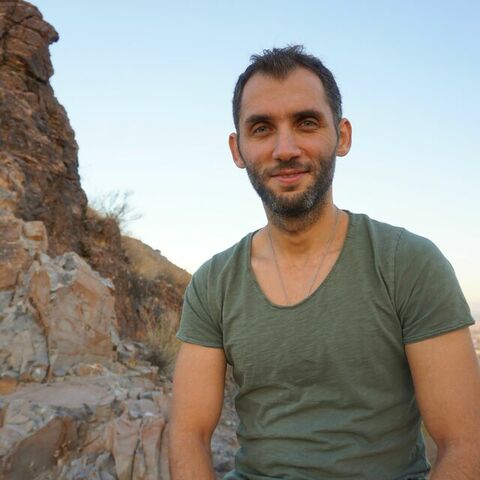
This is episode 120,
Decisions and the Value of Commitment.
My name is Tudor Alexander and this is the Dance of Life podcast.
Every week,
My goal is to inspire you to take action towards what you love,
Live a transformed life,
And enjoy the journey there.
Are you ready?
Let's go.
Man,
I just love this new intro.
I hope you guys love it too.
My name is Tudor Alexander and this is the Dance of Life podcast.
Thank you so much for tuning in.
If you're curious where I got that intro from,
It's from my new membership with this Tune Pocket.
It's pretty cool actually.
So if you have your own business or if you're looking to create content with music,
Check it out,
Tunepocket.
Com.
I'm not selling anything for them.
They're just a really cool resource.
I think you pay about 90 bucks a year or something like that,
And you get a ton of free,
Royalty-free music you can use for YouTube,
You can use for your podcast,
You can use for content,
All kinds of stuff.
So check them out.
I'm really excited to share a ton of cool stuff with you guys in the next couple of weeks,
In the next month,
Two months,
Three months.
It's gonna be an awesome year.
It's already been an awesome year.
It's halfway done.
Can you believe it's halfway done?
I really can.
I look at my clock and I'm like,
What the heck?
It's already June,
July.
It's coming up halfway through 2019.
We're gonna be in 2020.
Flying cars are literally around the corner.
I think in Dubai,
They have flying Ubers through a drone that can take you somewhere.
So it's really crazy.
I'm 35 this year.
I grew up when there was no internet,
There was no Facebook,
None of this stuff.
So it's a pretty wild experience to think that all that stuff that we saw in movies is coming true.
So anyway,
I'm really excited to share a lot of stuff with you guys.
Like I said,
You're gonna be seeing some new structure to these episodes.
I really wanna bring you as much value as possible.
When you listen,
I want you guys to have something actionable from each episode that you can take with you.
So I'm restructuring how I do these episodes a little bit.
As you can see,
There's a new intro,
There'll be a new outro.
I wanna do a little takeaway at the end of each episode,
Kind of like a 30 second takeaway of the main points of what you'll learn.
I'm gonna start including some inspirational quotes.
I'm gonna do some goals for each episode at the beginning so you know what you're getting out of it.
And overall,
Just really try to give you an awesome experience.
Thank you for supporting this and for being part of the journey with me.
And if you've been here since the beginning,
I look back some of my first episodes,
I'm just like,
Woo,
Man,
It's a real ride.
You really learn quite a lot as you go.
So I'm very grateful for having you guys in my life that to be able to share what's meaningful to you and to share that with others and have them listen and participate is a real gift.
So anyway,
This episode,
We're talking about decisions and the value of commitment.
Alfred Lord Tennyson once said,
"'Tis better to have loved and lost than never to have loved at all.
" I love this quote because most people would think about this when they hear that it's about relationships and let's say romance and love and all this kind of stuff.
And while it's certainly true,
To some extent,
I think that it can be applied to our discussion today about commitment because to me,
When he says the word love,
To have loved and lost,
I think of pursuing your passions of going 100% towards your dreams,
Towards the things that light you on fire.
When we're in alignment with those things,
We feel high on life.
We are at our peak state.
So another way to rephrase this in my mind is to say,
"'Tis better to have gone 100% towards the pursuit of your dreams and lost than never to have done that at all.
" Certainly you could probably use different words to make it more dynamic sounding than I just read it.
But the point is this,
Ultimately love and commitment and fulfillment and all of these things,
They go hand in hand.
So that's my goal in this episode to really hone in on what does commitment do for us and how do our decisions in the moment,
In the now relate to that whole idea.
So I've got three goals for you today.
The first one,
We just said it,
Is to reframe commitment and see its value as a necessary thing for everything that we want.
It's the gateway.
The second goal is to look at your decisions as ripples in a pond rather than singular instances in time.
And we'll unpack that in a little bit as well.
And the final goal today is I wanna introduce you to some valuable principles that have really changed my life.
One of them is called the principle of reciprocity.
And it works together with a second principle called the principle of proportion.
And together they really give you a window into looking at commitment in the way that we've been talking about,
Especially with that quote,
That really allows you to see its value.
So here we go.
The first thing we wanna talk about is interdependence.
This is a greater umbrella principle that contains reciprocity and proportion.
We're gonna unpack what all this stuff means in just a little bit.
But look around you,
Everywhere you look,
Everything is in a relationship with everything else.
If I look outside my window,
There's a bunch of trees and plants and they're all in relationships with each other.
We don't see that necessarily.
It's not obvious.
What's obvious is the trees and plants.
We see the singular objects just standing there.
But in reality,
There's a whole ecosystem everywhere you look.
And that's in your company,
At your work,
At your school.
Everything is a conglomerate of relationships.
Now what that means is that fundamentally,
Everything is related to everything else and is interdependent upon everything else.
I remember learning that if we were going to kill mosquitoes,
I don't remember exactly what it was,
But it was something to do with,
Let's say in North America,
They were gonna eliminate mosquitoes for good.
If they could find some way to genetically alter them and then they would stop breeding,
Whatever.
That somehow through some weird chain of the ecosystem,
That the migration of Buffalo would be affected and then that would affect some other thing.
And basically it would affect the whole ecosystem.
Like you can't just remove,
Even though we absolutely see no purpose for these little creatures to be alive,
It was absolutely mind-boggling to see the impact,
The environmental impact of removing them if we were able to do that.
So that's interdependence for you right there.
And what that really gets you present to is that relationships are everywhere and they are necessary for life.
Now that doesn't mean just relationships with people.
It just means you are related to everything around you.
So from that conclusion,
We come up with these two principles of reciprocity and proportion.
So reciprocity is,
If I walk through mud,
I'm gonna create trail,
I'm gonna create foot imprints.
If I'm gonna drink water,
I'm gonna go to the bathroom later.
Everything is cause and effect.
What you do gets done onto you.
And proportion,
The principle of proportion is similar,
But it's a little more specific in terms of,
Let's say I push on a wall,
It pushes back,
Right?
The harder you push,
The more force you experience.
Now keep these in the back of your mind because they're very critical in understanding this idea about commitment that I wanna share with you today.
So I'm writing a book.
This is one of the exciting things that it's coming up in the next month or two that I'm gonna be telling you guys about,
But this book is about gratitude.
I'm super stoked about it.
It's gonna be my first book.
I can't wait to share it with you guys.
But in the book,
It's everything from how to build a gratitude routine.
It's everything from conquering the obstacles to gratitude,
How to have good relationships,
All this kind of stuff.
It's jam packed with literally everything I could think about but one of the things in there is about generosity and being generous and learning how generosity has less to do with money,
But really just your attitude on life.
And that's where this principle of proportion really comes in play because for example,
Let's say I'm gonna give some money to somebody.
And let's say that in my account,
I have $1,
000 and I give that person $1.
Well,
Let's say another situation,
I have $10 in my bank account and I give that person also $1 that's needing some money for food.
Now in either of those situations,
Without knowing what was in my bank account,
Everybody would say that those are equal acts of generosity and generosity doesn't,
There's no competition about who's more generous than the other.
It's whether you do it or not,
Regardless of how much money you have in the bank.
Now,
The difference though is on the internal impact,
The internal impact on your own character,
On your own courage,
On your own sense of discomfort,
Of your own vulnerability,
Whatever,
Right?
So if I have a ton of money and I give only a little bit,
That's still giving and there's nothing wrong with that.
But the point is about proportion is that you'll benefit in the proportion to which you give,
Right?
So if I give enough to make myself uncomfortable,
That level of uncomfort or discomfort challenges my courage,
It gets me out of my comfort zone and really that's where you will find your biggest breakthroughs that I've experienced,
I've seen others,
You know,
It's all about how much can you cross that barrier,
That threshold,
I call it the meaningful threshold in the book of when something becomes,
Okay,
This is uncomfortable or it becomes meaningful and you'll see that that's when the biggest transformations happen.
You know,
So you can think of this also as how you're generous with life because at the end of the day,
Again,
Generosity is not about money,
But really when you're committed to something,
The value that you get is dependent upon how much you give,
Right?
That's a relationship right there that you cannot get out of,
That's life.
So if I go to the gym once a week and I wanna commit to that gym once a week,
I'm not gonna get,
You know,
Certain things can make me efficient.
Let's say I really know what I'm doing and I have a structure,
I have a weight that I'm working out I'm eating right,
I'm doing all the things.
Sure,
I can maximize my benefit for that one time a week with the structure,
But regardless,
I'm still not committing that much to it in the greater scheme of things.
It's still once a week,
You know,
Not that much that you're gonna get out of it.
So let's say I up it to three times a week and,
You know,
I maintain my efficiency,
My structure,
All this stuff.
Now I'm gonna get a lot more value out of it because I've committed a lot more.
So I'm giving more of myself,
My resources,
My time,
My energy,
My attention,
All these things are resources that you can be generous with.
And that's one of the things I talk about in the book is that,
Again,
It's not about money.
There's so much more,
So many more resources that we have to give that really,
You know,
Can be shared through generosity.
So think about that for a minute.
What you give is what you get in return.
There's this really cool quote by Buddha that I found the other day.
It says,
When you light a candle for someone else,
You also create a light for yourself.
And that's really profound to me.
And I love it because it's true.
You know,
If you were in the dark and you lit a candle for somebody,
Or let's say you just pull out a lighter,
You're not just lighting doing something for them.
You're also benefiting in return because the light shines.
It shines in the whole room.
That's really cool because you can visualize that.
You know,
That's a truth that you can see in the real world.
And it works the same way when you give,
Let's say yourself to someone else or something else or a commitment or a goal.
That goal gives you back in return.
It's never the goal itself,
But will you become in the process?
So,
You know,
Today the problem is that commitment has had a bad rep,
Right?
So everything you see on the internet with marketing and all this stuff,
It's all about no commitment in the deals that you see.
Everything's about avoiding commitment.
We want a ton of value in everything that we buy,
But we don't want to commit.
You know,
We all want five minute abs.
We all want,
You know,
I see some of this stuff on Facebook lately with the ads,
And now I'm paying a lot more attention because I'm looking to create Facebook ads for this upcoming book.
It'll be a book plus,
You know,
Some online courses and training.
So I'm really excited to share it with you guys,
But keep an eye out for that.
But anyway,
I'm paying attention to Facebook ads now more because I'm trying to see how everybody structures it,
See what's useful,
What's not.
And some of this stuff just really entertains me.
I mean,
Some of these things it's like,
You know,
I'll take fitness,
For example.
You got all these guys that have amazing bodies and,
You know,
They're peddling all these different things.
And you see,
Let's say,
I don't know,
I saw a commercial for some kind of a weightlifting sack.
I don't really know how to describe it.
It's like something that you throw around and it's supposed to be a full gym in one thing.
That's really popular these days.
Basically get a thousand workouts into one,
You know,
Highly portable unit,
Right?
And,
You know,
It's cool.
Like,
You know,
The people who are working out are already super high professionals.
You know,
They're super buff.
They're very trained how to do it.
I'm like,
Man,
If I were to get that,
And even I'm a professional dancer,
I'm sure I would probably like pull something.
If I did something wrong,
It twisted my back.
You know,
But the point is,
Is that we get sucked into that.
It's effective.
Why?
Because we see a high amount of value.
You see all these buff,
Good looking people doing it.
So shoot,
You know,
That's going to be me too.
But we've lost sight of the process.
You know,
Those people working out for 10,
15 years,
And they probably practiced the moves that you see in the video,
You know,
To be able to do it so dynamically.
So,
You know,
We want to be able to eat cheesecake,
But not gain the weight.
You know,
We want zero calorie stuff that tastes like a hundred,
You know,
Like a thousand calorie stuff.
So this is the world we live in,
And there's many good parts about it in that sense.
I've had a lot of innovation,
But the bad part,
I'd say the ineffective part,
Is that we've lost sight of practice,
Of commitment,
Of the need for commitment to get what we want,
You know,
Because commitment is scary,
Right?
I mean,
To be committed,
You have to trust,
You have to invest yourself,
You have to invest your time,
Energy,
We know that,
Right?
So what is the risk?
The risk is that we get betrayed,
Or we,
You know,
Something happens out of our control and we lose all that time,
Money,
And effort,
Right?
So that is the number one limiting belief behind commitment.
You know,
That we lose some sort of freedom,
That we're at risk,
You know,
Something that's gonna happen that's uncontrolled will come in the way,
All right?
So my two responses to that for you,
My two tips,
Right,
Is that ultimately,
Anything that you want,
Because of the principle of proportion,
Is directly related to how much you invest,
Right?
So if you want to make a lot of money,
Or you wanna be very successful,
You wanna have a good relationship,
You wanna have a great body,
It doesn't come with gimmicks,
It doesn't come with,
You know,
Sneaky workarounds,
Or,
You know,
Use these three tips to get,
You know,
All the hot people in your bed tonight,
Or whatever,
Like,
It doesn't work that way,
You know,
It comes through practice.
Now,
Again,
Are there strategies,
Are there things that you can do to maximize your efforts absolutely?
You know,
That's about being efficient.
There's another principle I often talk about,
It's called principle of efficiency,
Which is basically minimize the downside,
Right,
While maximizing the upside.
So you don't have to even out in the sense,
Like if you want a million dollars,
You don't have to spend a million dollars,
Right?
That's not how life works,
But you do have to invest yourself.
And then again,
There's a lot of ways to spend your resources,
Not just about money.
There's trust,
There's control,
There's,
You know,
Sharing your wisdom,
Sharing your energy,
Your time,
All these different things are resources that you will have to invest to some degree,
Proportionately,
To get what you want.
And to be honest with you,
Most likely in the first phase of that,
Usually the first year or two of anything,
You will feel a very disproportionate level of investment.
So it's not like,
So there's time,
Right?
There's time.
And what does that means is the time factor,
Everything that you want,
There's a bridge of time between you and that future,
You know,
Event or vision or dream.
So that bridge is full of unknowns,
It's full of delays,
Full of unexpected things.
So in the beginning,
You're gonna invest,
Invest,
Invest,
Invest,
And usually you aren't gonna see the fruits of your labor,
So until a little bit later,
You know,
So that's when that delayed gratification comes in play.
And regardless of any strategy or trick or anything else,
You know,
You still have to invest,
You can't get around that.
So that's number one,
You have to accept that and that there's no shortcut to success,
Right?
That sounds really cheesy and cheeky,
You probably have heard that before,
But there really isn't,
You know?
And the second point is that all of these things that do happen on the road to success,
Like let's say a betrayal.
Now,
Betrayal sounds really dramatic,
But betrayal is really any time that you've placed your trust in something and it didn't go your way,
Right?
So that's a betrayal.
It's not,
That should be some soap opera thing,
But it's a loss of expectation or,
You know,
Something happens outside of your control.
So when those things happen,
We are afraid of those things and it's normal because we wanna preserve ourselves,
Right?
But really,
If you understand that these things happen for,
Let's say a reason,
Or even if you don't accept that,
If that's not something that jives with you personally,
That you can find a reason,
That you can find a purpose,
That you can be resourceful.
Another principle for you,
Principle of resourcefulness.
All of these principles,
I'm gonna be coming out with a course in another month or two.
I'm really excited.
It'll be part of this book that I'm launching,
But all of these things that really have guided my decisions,
I'm gonna be putting them in a nice video tutorial format for anybody to take that you can apply to your own life.
But anyway,
The principle of resourcefulness is really,
It's a simple idea.
Being resourceful is taking opportunity from failure,
Right?
So when things like betrayal happen,
When you lose something,
When something doesn't go your way out of your control,
That's normal,
That's part of the journey there.
It doesn't matter.
If you're resourceful,
It doesn't matter.
It's unfortunate you try to minimize the heavy losses,
But if you're resourceful,
Then it doesn't matter because you use that failure as an opportunity to move forward.
So use the failure as an opportunity to move forward and realize that commitment is necessary for what you want.
So between those two,
If you really get those two ideas and you really practice that in your life,
Then you realize that commitment is no problem at all.
Right?
So basically our whole fear of commitment is unjustified because we're not looking at these two things,
That it's needed,
Number one,
That you get what you put into the system.
And number two,
That even if you do fail,
That it's an opportunity,
Right?
So with that in mind,
Looking at our decisions,
When we take a decision,
When we make a decision,
You know,
One of the goals for this episode was to have you look at decisions as a path through space and time,
Like a ripple in a pond.
When you drop a pebble and there's waves moving through that water,
It,
Anything that you decide is not a singular thing,
But a movement through time and space.
You know,
When you're,
I saw this animation of the earth,
The solar system actually moving around the sun and the sun is moving around the galaxy.
It's like this whole spiral animation.
It was super cool,
Super cool.
And if you ever get a chance,
Go YouTube it really quick spiral,
You know,
Solar system animation.
I'm not sure exactly what the keywords are,
But there's plenty of them out there,
I'm sure.
So the thing to take home is that even if you're standing still,
You're moving through space in this corkscrew fashion.
Everything follows this cyclical movement,
Even if you're standing still.
So you're by default moving somewhere.
So what that tells me is that even when we're standing still and we make a decision,
We are being moved in a current.
You know,
It's like getting in a river and then you can choose when to get off.
When you decide,
Okay,
I'm gonna decide to have a better body,
Right?
That's not,
There's no end point to that.
Sure,
There's benchmarks that help you decide,
Let's say how ripped you wanna be,
How you wanna look.
But if you stop that commitment,
If you stop going to the gym,
You stop doing your thing,
Whatever you're doing,
You get off the river and then your body in turn will change and go back to what it was before or worse,
Right?
So a decision,
Any decision you take,
Even something that's menial,
Let's say I'm gonna go for a walk around the neighborhood.
Now this may be unsettling,
But again,
It's just a way to think about it.
So if I go walk around the neighborhood,
In my mind,
That decision,
I'm gonna walk around the neighborhood 20 minutes,
I'm coming back,
That's it,
It's completed.
But really that's a commitment in the sense that I've committed to the possibility of,
You know,
Running into a friend or there's people fighting outside,
Maybe they look at me funny and they wanna fight with me.
Like,
Who knows?
I'm not trying to put crazy ideas out there,
But the point is that there are a lot of unseen things that you commit to when you're putting your shoes on and walking out the door to go walk around your neighborhood.
That's a very simple example,
But for things that are greater,
Like a decision to get a job,
A decision to move in a particular pace,
A decision to be with a person,
To do business with somebody,
All these things are like paths in space and time.
So the important part,
When you're looking at your decisions as commitments,
Is that it allows you to plan long-term.
You know,
Why is this important?
Because ultimately what it was I was saying is that we've gotten out of touch with the process.
You know,
When I look at these Facebook ads and all the things that we're marketing,
We want immediate results without any practice,
Any process,
Any of that stuff.
You know,
Our lifestyle is about immediate gratification,
But in reality,
The people who are successful have mastered the practice of success,
The process,
And that comes down to having a positive relationship to commitment and seeing your decisions as long-term outcomes as ripples in a pond,
You know,
Rather than singular short-term instances in time,
Because that allows you to make different kinds of decisions.
You know,
When you see your decisions,
When your relationship to your decisions is such that what you do and who you do it with,
You see a year down the road,
You see two years down the road,
Five years down the road,
That's going to make you frame everything in a very different way.
You know,
You're not gonna be so caught up in the short term and having to waste energy backtracking out of relationships with people,
Out of associations or collaborations with people that don't match your values,
You know,
Out of a decision that didn't work,
You know,
That kind of thing.
And this goes for all things,
Not just romantic relationships,
Business partnerships.
You know,
If you like to drink a lot,
I used to like to drink a lot too on the weekends,
You know,
That knocks you out for a day or two.
And the older I got,
It was like starting to turn into two or three days,
You know,
So now I've,
When I go out to,
Let's say with friends,
If I drink,
In my mind that first drink is not just a first drink,
It is a commitment in a sense,
Right?
And this is very important because a lot of the times we can decide something without being aware of the things that we're committed to,
Right?
That first drink opens the door for the second drink and the second drink opens the door for the third drink much easier and so on.
Now I'm not saying automatically you're gonna go start drinking,
You know,
And get wasted if you drink your first drink,
But the point is that what is that first drink going to do?
What am I committed to and what am I not committed to?
Right,
What's in the background?
This is very important too.
You know,
This is the second part of our commitment.
So the first part is getting in tune with the long-term process of things,
Getting senior decisions as expansive things through time.
Like if I do this,
Then this will happen and then this will happen and then this will happen.
So that connects you to a process.
You know,
You're not just walking over and standing somewhere,
You're getting on a ride somewhere.
So the question is where?
The second part of that is why that's beneficial for you to see your decisions as long-term commitments and see that long-term timeline to operate in these kinds of timelines is that,
You know,
You gotta look beyond what your deadlines are,
What the goal is,
You gotta look beyond that.
It helps you find out what is your why,
What is the process that led you to that decision?
You know,
For example,
Let's say I'm working out and I wanna go to the gym and get a good body in six months.
I got by the time summer's ready,
I gotta look hot,
I gotta be,
You know,
Whatever,
In good shape,
That kind of thing.
Now,
On the outside,
I'm gonna vocalize that commitment like I'm really committed to fitness,
Right?
But underneath,
Maybe I'm committed to something else.
Maybe I'm committed to not being judged by others because I was insecure when I was little,
Or maybe I'm committed to being approved of and liked by other people because maybe a year ago I went to the beach and,
You know,
Somebody made fun of me or something like that,
You know?
So these are all fictitious examples that,
You know,
They're little things that jog your memory or jog your mind,
I should say,
About the actual reason why you do what you do.
You know,
And certainly it's not comfortable to think about these things,
But you have to spend time with yourself,
Spend time and evaluate what you do and why you do,
And what is the real thing that you're committed to behind a decision.
You know,
One thing that I learned from some of the seminars and stuff that I did on personal growth is we can be committed to making other people wrong,
For example,
Right?
So we have a certain way that we think about people in our lives,
And let's say you don't get along with somebody at all,
Right?
In your mind,
You have a story about them.
They mean something to you,
And that's a belief that you have.
Let's say,
I think this person is stupid,
Whatever,
Right?
So no matter what interaction you have,
They just seem to get under your skin because deep down inside,
What you're actually committed to is making them stupid.
I'm committed to that belief.
So as long as I'm committed to that belief,
Any interaction with that person that's gonna be through that filter,
And there is no other possible outcome than being angry or whatever,
Being annoyed by them.
So that's not something that's obvious,
And that's something that takes looking within,
And it's a little bit harder,
But if you start to look at your decisions as commitments,
If you start to see that everything is,
Commitment is needed for everything that you want in life,
And you start to see how every action that you do today leads to an action tomorrow and an action two days from now,
You start to also see,
The first is the external world.
It's easy to see the external world,
And then we use the external world to look at the more ambiguous or formless one inside.
That's a little harder,
Because you can't see anything there.
You have to think about it.
So you look at the external world,
And you see how your decisions create cause and effect,
And they ripple outwards through time.
Well,
The internal world is the same way,
And what you believe is a reflection of the actions that come about and the things that happen in the world.
So if I believe that somebody is stupid,
I'm gonna act a certain way for all of time through them.
So that belief,
Think of it as the drop or the pebble in the internal in your mind,
And your actions,
The things that you do in the world as a result of that belief,
Those are the ripples through time.
And it's like a tuning fork.
It's like a note.
It's not a note that you hit on the keyboard,
And it just,
Boom,
Goes away.
It's a note that you hold,
And it keeps reverberating.
If you play music,
You know exactly what I'm talking about.
It's reverberating.
So that's the key with your internal world leading to your external world through commitments.
What do you believe leads to what you do?
So I'll leave you on that note.
I'm gonna give you a little takeaway for this episode in just a little bit,
But I wanted to share one more thing with you,
Which is the Daily Gratitude Practice Facebook group.
I started this group,
Gosh,
It must've been a couple months ago back in January,
February.
Like I said,
I'm really getting into this practice.
I've been writing a book on it.
I'm super excited to share all this stuff with you.
But one thing I really wanna encourage you is to check out this Facebook group.
It is an awesome group.
I'm so impressed because number one,
I have no freaking clue about Facebook groups,
And this has been my first real one,
And it's been very successful.
I've got,
I think,
Over 300 people in there,
And we're all sharing every day,
Little positive reminders,
What we're grateful for,
Encouraging each other.
It's super cool.
And there's no promotion.
There's none of this kind of stuff.
I just wanted to create a space for gratitude,
For people to practice their gratitude,
To be committed to gratitude,
Because it's a lifetime practice.
You know,
You may be great one day,
But the next morning you may wake up tired,
And without a practice,
Without a commitment,
You know,
You veer off,
And that's been my experience too.
So I said,
You know,
I need to commit to this for life.
I need to,
Just like I brush my teeth,
You know,
Drink water,
All this other stuff,
I need to commit to gratitude.
So I created this group as a general space where people can practice,
And I really want to share that with you.
I encourage you to check it out.
It's a closed group,
So,
You know,
Just request to join,
And either I'll approve it or somebody else will approve it,
But check it out.
You know,
Post your favorite quotes about gratitude,
Read what other people say,
Encourage each other.
It's super,
Super awesome.
So here's my takeaway for this episode.
When you commit to a goal,
A person,
An outcome of any kind,
Ask yourself what you're building for later.
Your thoughts determine your actions,
Which over time become your habits.
As you practice these habits,
You cement them into your character through experience and emotion.
This is important because what it really means is that if you want to control your life as a whole,
You've got to look to your actions and what you can do today.
Everything ripples outward,
And if you focus on the cause of those ripples,
You will become the master of your life.
For more episodes and weekly content,
Stay connected at danceoflife.
Com