What he did was,
It's such a watershed moment for me,
He reached up and took my shoulders and pulled me in.
And so he pulled me in and I ended up with my head against his chest.
And he just held me.
And the only,
And then he was speaking in French and I was so mad that I had never studied French.
I thought,
Here's this moment and I'm not even gonna know what he's saying.
But I remember he started by saying,
Je t'aime,
I love you.
And that was it,
That was it.
It's all you needed to know.
Yeah,
That's all I needed to know.
Maybe that's all any of us need to know.
That's all that we need to know.
And so I walked outside and sat against the church there and leaned against the wall and just cried.
And my friends came up and I said,
This is it.
Like,
It's possible.
This awareness of God in a community is really possible.
Hey there everybody and welcome to episode 10 of Contemplate This,
And my interview with the Reverend Dr.
Stuart Higginbotham.
I wanna pause here at the beginning and celebrate with all of you listening as we hit episode 10.
I've heard others say that a podcast isn't real until it hits episode 10,
So here we are.
I really wanna thank you all for tuning in and for your support for the podcast.
If the stats are any indication,
This podcast is really finding a loyal audience and having a positive impact on you and your contemplative practice.
In fact,
We've had more than 25,
000 downloads or listens in more than 60 different countries.
I'm kinda blown away by that.
When I first had the idea for this podcast a couple years ago and started it just over a year ago,
I would have never dreamed about that kind of numbers or success and outreach.
So thank you so much for tuning in and any sharing and support that you've done.
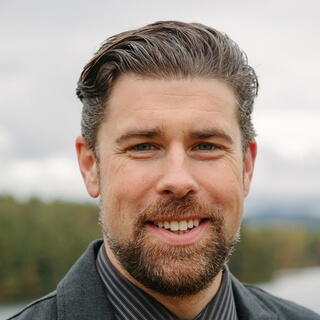
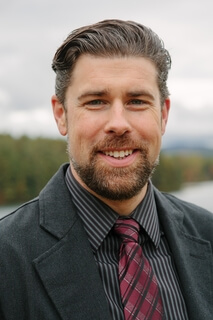
So Father Stuart Higginbotham was one of the first people I met when I attended the New Contemplative Exchange in Snowmass,
Colorado back in August 2017.
And we've really developed a wonderful friendship since then.
Stuart is an Episcopalian priest at Grace Episcopal Church in Atlanta,
Georgia.
And he wrote his doctoral thesis on contemplative leadership.
In this interview,
He shares some incredible wisdom from contemplative leadership in his role as a parish priest.
But I really think the cool part about this is that his insights are applicable for anyone in any kind of leadership position.
I would include parenting,
Coaching,
Teaching,
Business,
You name it.
He talks about the connection he's found between his contemplative practice as a practice of restraining the ego or keeping it in check.
And then he connects that to how he leads in a way of intentionally keeping his ego in check in order to allow room for the spirit to work through others.
I think we can apply this insight in any area that any of us exercise leadership.
And what happens is that we stop imposing our will and our desires upon other people,
On our children,
Our employees,
Our coworkers,
Our friends,
And our spouses.
It's a way to leave room for the Holy Spirit to do her work,
Just as Loretta Coleman Brown talks about her friend Sophia doing the work.
So I found Stuart's words here to be personally challenging and inspiring to kind of practice this kind of leadership.
So I hope you enjoy it in the podcast as much as I did doing the interview.
As usual,
You can find the show notes for this episode at thomasjbushlack.
Com forward slash episode 10.
That's episode and then the number 10 with no spaces.
Also,
If you've been listening,
You know that we are a crowdfunded podcast.
So you can donate to support Contemplate This at thomasjbushlack.
Com forward slash donate.
Everything is entirely secure using an SSL certificate.
Or at the main podcast page at thomasjbushlack.
Com forward slash Contemplate dash this.
If everybody just donated $1,
I wouldn't need to worry about paying for the web hosting,
The recording,
The editing,
Any of that for a while.
So please consider donating,
Even just a small amount or whatever you're able.
With so many listeners out there,
It can really add up and help out quite a bit.
And finally,
I want to add a more personal and professional note here at the beginning,
As I'm looking to do more public speaking and workshops on incorporating the transformative power of contemplative practice into both personal and professional life,
Kind of like Father Stewart talks about here about bringing contemplation into his leadership style and daily life.
So I'm developing a series of programs that I'm calling Live Centered.
And in fact,
I have a free webinar coming up soon on November 29th,
2018.
This will take place at 7 p.
M.
,
That's US Central Standard Time for the international listeners or folks on the coasts.
Again,
It's November 29th,
2018 at 7 p.
M.
And if you're listening to this podcast after November 29th,
2018,
You can get a free recording of that webinar at the same website or in the show notes for this episode.
The webinar is called Live Centered,
How to be More Focused,
Creative and Productive in Professional and Personal Life.
And in this webinar,
I take you into a deeper dive exploring your results on the Centering for Wisdom assessment tool.
You can sign up for the webinar at thomasjbushlack.
Com forward slash LC webinar.
That's LC for Live Centered.
So thomasjbushlack.
Com forward slash LC webinar.
And you can even take the Centering for Wisdom assessment tool at thomasjbushlack.
Com forward slash centeringforwisdom.
That's all one word,
Centeringforwisdom.
I'd love to see you on the webinar.
Or if you're interested in a presentation,
A speech or a workshop on living centered at an upcoming school,
Parish or corporate or any other kind of event,
Please visit my site and you can go to the contact page and just drop me a line.
Okay,
With that intro,
Let's jump right into my interview with the Reverend Dr.
Stuart Hagenbotham.
All right,
Father Stuart,
Thank you for being with us for Contemplate This.
Great to have you on the show.
Thank you for letting me do it.
It's great to just have a chance to catch up with you to be honest.
It's good.
Yeah,
We just get to have a conversation and record it and then let a bunch of other people listen to it.
I know.
So why don't you start out by introducing yourself,
Where you're at now in the world,
What work you're doing,
And then we can back up from there.
That'll be good.
So I think this is about my 12th year of being a parish priest.
So I'm just a simple parish priest.
This is my second cure,
My second parish.
My first one,
I was an assistant at a parish in Smyrna,
Georgia,
St.
Benedict's,
And then I moved up here to Grace in Gainesville,
Georgia.
January 1 of 2014,
So I'm finishing my fifth year,
About to begin my sixth.
So yeah,
This is not at all the trajectory or plan I thought would be in store for me,
But it's been an incredible space for the past 12 years or so.
Cool,
So about how big is the parish?
Grace is about 1,
000 members,
So it's a resource-sized parish.
We also have a preschool with about 100 families.
So all in all,
If you had the families in the parish,
There's about 1,
300 or 1,
400 folks involved.
That's pretty big.
So it's pretty big.
There's 10 on the parish staff and probably another 16 or 18 on the school staff.
So about,
Yeah.
You lose track of how big that it is.
Yeah,
I bet.
Especially if you have a good team,
I guess.
I have a phenomenal team.
I'm really,
Thank God I'm surrounded by left-brained people who can balance me out.
So I just basically sit in a room filled with icons and candles and dream all day.
Wow,
Oh man,
I should have been an Episcopal priest.
I know,
I know.
There's still time.
Yeah.
Well,
I had a colleague in graduate school and he was Orthodox deacon,
Eastern Orthodox.
And he had this amazing like candles and icons in his garage and that he would go out there and spend his time.
So yeah.
So what did you think was gonna be the trajectory?
So I think you and I share a similar vein of our story.
If I remember this right,
I was pre-med in undergrad.
Oh yeah,
Same here.
Yeah,
So I went all the way through high school,
My family,
We all had plans that I was gonna go to this.
I went to Lyon College in Batesville,
Arkansas,
Up in the Ozarks,
Which is a private Presbyterian school.
And so I was groomed to go to medical school and made it all the way to my senior year and realized I could not fill out any of the forms,
Any of the applications.
So I went and met with my advisor and walked in and told him,
Dr.
Rosenblum,
I can't go to medical school.
And he said,
Why?
And I said,
I'm not supposed to.
And he looked at me and said,
Well,
Then don't do it.
Yeah.
I know.
And so I told him,
I said,
Well,
It's not exactly that simple and he said,
Well,
Of course it is.
If you're not supposed to do it,
Then don't do it.
I said,
Well,
What am I supposed to do?
And he said,
Well,
I don't know.
I don't know that.
So I took a year off and worked at Barnes and Noble in Little Rock.
Yeah,
My wife and I started to date and we had been really close friends.
And so we started going out that year and got engaged by the end of that year,
Which was her senior year.
Had you ever had any inklings of ministry before?
None.
Really?
No,
It was a weird thing.
The first time it ever came up was actually the biology majors took a trip to Belize my senior year,
You know,
Kind of in that summer,
To study the tropical reefs.
And we were having dinner one night and Dr.
Gregerson asked me kind of randomly what I was going to do.
And I said,
I really don't know.
I think I'm gonna go back and get my PhD,
Do bio,
Ethics work.
And he looked at me with the strangest look on his face and he said,
Well,
Have you ever thought about being a priest?
It was random and I said,
No,
I had not ever thought about.
At that point,
I was still Baptist.
And so I definitely had not thought about being a priest.
Okay.
But he was the first person who kind of,
You know,
And he asked me to go back and look at all of the gaps in my time and how I had spent them.
Anytime I had a chance to take an elective organizations I've been involved in,
Things like that.
And when I went back and looked at the spaces between the words,
If you put it that way,
That's where the story was and it was fascinating.
Everything I had.
So what did you see there?
Well,
Every time I had an open class,
Which was not often,
I filled it with a religion course.
Okay.
And I actually,
Even being a bio major,
I ended up being one class short of a minor,
Which was really hard to do.
So I noticed it.
Interesting.
It's funny how other people can point those things out to us and then all of a sudden you look back and think,
Oh yeah,
Of course.
Yeah.
I know,
So it was there the whole time.
Yeah.
So I flew out to Columbia Seminary in Decatur,
Georgia and met with the faculty there.
And they called a few days later and said,
We would love for you to come on one condition.
Instead of coming as just a master's student to do your PhD work,
We want you to come as an MDiv and be ordained as a Presbyterian pastor.
And I said,
Absolutely not.
That is the worst idea I've ever heard.
So they gave me a week to think about it.
So I thought about it,
Prayed about it,
Talked with who I needed to talk to and called them back.
And I said,
I'll do it.
But if I don't like this,
I'm transferring back.
They said,
Deal.
So I started with Greek school for the first summer and fell in love and that was it.
Wow.
So,
But that was Presbyterian.
Aren't you in an Episcopalian?
Yeah,
So I failed at that too.
I failed at that too.
So if you add it up from missionary Baptist to Southern Baptist to Presbyterian,
This is my fourth denomination.
Not bad,
Yeah.
So I mean,
So in a lot of ways,
I feel multilingual to put it that way,
Which I think is a great skill set to have.
I've been a lot of things.
But my wife tells me that this is where we're gonna stay.
Which,
I mean,
We love it here,
It's great.
So if you back up a little bit,
What was it like growing up?
Was spirituality and theology and religion a part of growing up,
You said Baptist,
I think,
Right?
So.
Yeah,
We were missionary Baptist and then Southern Baptist.
In terms of our faith life,
This is a curious thing.
It was very,
It was a socially constructed spirituality.
It was,
You couldn't separate belonging in the culture with the particular faith tradition that I was raised in.
It was very insular in so many ways.
We had friends who were Methodist,
And they were perfectly fine to be friends with at school,
But you did not speak to them on Sunday.
Wow.
Because they sprinkled their babies,
And we had no idea what that was about,
But we did not believe in it.
And so I didn't have a lot of exposure to different denominations or different schools of thought.
But I always had,
It was a curious thing.
I had a very powerful experience when I was seven and had a profession of faith.
That was very real and very true,
But it stopped.
So there was this feeling of once that profession of faith was over,
And this intense experience of God's presence,
It was,
That was the point.
So I kept looking for it to stay.
I kept looking for it in other places and other spaces,
And was always curious.
That was so real and so true.
It couldn't have been all that there was.
You know.
So I'm thinking of the theological idea of the God withdraws,
But not to leave us in desolation,
But to spark the curiosity so that we look.
Yeah,
And it definitely did with me.
That was very clear.
Looking back on my childhood,
That's a very clear theme of curiosity.
It sparked a curiosity.
Made me very unusual in the sense of my family and suspect in a lot of ways.
Yeah,
I find that,
I don't know when the contemplative aspect of your seeking started to crystallize or become more intentional,
But certainly that tradition that you speak of,
In my experiences,
Tends to be very distrustful of the contemplative or the mystical side of the Christian tradition.
Absolutely,
But the strange thing about it is that the core dynamic of a profession of faith is so mystical and so tactile.
I mean,
It's this embodied experience in this particular moment,
And there's such a realness there that it really did,
In a sense,
Shine a light on this feeling of there's a whole lot more to this that I want to know more about.
Yeah.
So then when did your interest in the contemplative become a little more crystallized or clear?
Oh,
I remember.
So at Columbia,
A really good friend of mine,
Who,
You know,
We're now God parents to their daughter,
Julie,
Was director of the spirituality program at Columbia,
And I had done an independent study with her on Nowan,
Where I went to go sit down with her and said,
I need something other than this intellectual side.
I need to engage my,
Not just the right side of my brain,
Not right and left side of the brain,
But I need to engage my heart space.
There's something here that I need to dig into.
Could I do a study with you on Nowan for a semester?
And she said,
Sure.
And digging into Nowan's writings were,
It was an extraordinary time.
One of his really good friends lived in Atlanta,
And so I had the chance to go sit down with him and just have an afternoon to kind of soak up his experience of Nowan.
At the end of that independent study,
What did it for me was actually a small group of us went to Tizay.
In France.
Yeah.
Yeah.
And this was in April of 2005,
And Brother Roger was killed in August.
Yeah,
So Brother Roger,
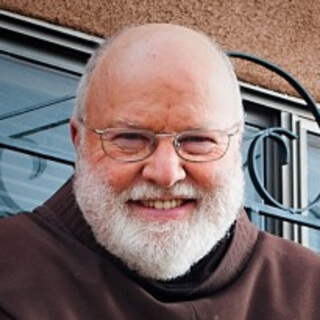
The founder of the Tizay community in France,
Yeah.
And there was this moment on Tuesday of that week where the brothers had told us that typically what Brother Roger would do is they would take a chair at the end of the service and set it down at the,
Toward the chancel space.
And anyone who wanted to could come down and meet him.
So they took this chair and set it down and they helped him walk over and sit down,
And no one came.
So he was just sitting down there in his alb,
And so I got up and it was just me,
There was no one else in line.
So I got up and walked over to him,
And he was very old by then,
Like 90 years old.
And he reached up and I knelt down next to him and I made this little set of homemade prayer beads.
And I put it in his hand.
And he looked up and his eyes got really big and he laughed,
He started to laugh.
Like I had snuck those beads in.
But what he did was,
It's such a watershed moment for me,
He reached up and took my shoulders and pulled me in.
And so he pulled me in and I ended up with my head against his chest.
And he just held me.
And the only,
And then he was speaking in French and I was so mad that I had never studied French because I thought,
Here's this moment and I'm not even gonna know what he's saying.
But I remember he started by saying,
Je t'aime,
I love you.
And that was it,
That was it.
It's all you needed to know.
Yeah,
That's all I needed to know.
Maybe that's all any of us need to know.
That's all that we need to know.
And so I walked outside and sat against the church there and leaned against the wall and just cried.
And my friends came up and I said,
This is it.
It's possible.
This awareness of God in a community is really possible.
So it's always been one of those milestones when you look back on what helped shape you.
I'm struck by how certain people who are very in touch with the presence of God and are able to convey that,
That they do that just by their presence or their being.
So the fact that you couldn't understand French other than Je t'aime didn't matter to communicate that.
And if that was a watershed of opening you to the contemplative dimension,
That's at a level that's beyond or between the words,
Between beyond language.
Yeah,
It was so clear.
I'm reminded of a quote from Father Thomas Keating where he talks about how if we can realize our fundamental goodness as creatures,
That's,
What does he call it?
It's a quantum leap on the spiritual journey.
And the fact that you and so many other people talk about being touched and then just this release of tears that happens,
Because it's like you're shedding all the crap that we've been carrying around for a lifetime and suddenly everything is different.
Yeah,
And it just bubbles up.
It was like that whenever our small group went to see him at Snowman.
When we walked down the hall,
It was just the five of us.
And he's standing there by the door to welcome and gave us each a hug as we came in.
Yeah.
And now of course,
Keeping vigil for him in his last days,
It's a very thin space.
Yeah,
Well and it's funny because he's been telling people for like the last 15 years that he's dying.
Oh,
I know.
Even though Eric,
My friend,
Eric is there with him right now,
Eric Keating.
Yeah,
Brother Eric Keating.
Brother Eric,
And so he was sending a text last week and I said,
How is he doing?
And he said,
He's pretty much only had sips of water for like two or three weeks.
Oh really,
Wow.
And he's just living in both worlds.
He's just living in this fluid space.
And he described that same thing that you mentioned.
He said,
The whole space is just filled with peace and love and warmth.
Wow.
But we lose that so quickly.
Yeah.
We slip back into the busyness and the craziness.
So how do you keep that fresh for you?
What's your practice look like nowadays?
Icons and candles?
Icons,
Candles,
I know.
We have three air purifiers in our house and I've noticed lately as I get stressed,
We have to change the filters more often.
You're putting out more toxin.
I know from the incense.
I mean,
I've burned my weight of Nag Champa.
But no,
So you had this moment in France and before that you had moments of realizing that there's potentially a call,
A vocation to ministry.
That led you into seminary.
I think you said it was in seminary that you went to Taisei,
Right?
Yeah,
Yeah.
So then you had a further awakening,
Almost like peeling the onion.
And now I know in your work,
On your blog and in your work as a parish priest,
You're very interested in this idea of a contemplative reformation.
So take us through,
When did that start to crystallize into a regular practice and is there a particular kind of teacher or method that you primarily find yourself rooted in or what does that look like?
And for most people,
I think it evolves,
But what's that piece of it?
So it really,
I mean,
I think he would just recoil if I called him,
If he knew I called him this,
But Tilden has been such a pivotal person for me.
So my first parish was a very stressful time.
It was a new church plant.
We met in a gym and we grew really quickly from about 250 to 1,
000 folks in four years time,
Which is too fast.
And so I was very stressed out and my spiritual director at the time was on the board at Shalem and she told me,
She said,
You should really go do their clergy spiritual life program.
So I did,
So I signed up for it and went and I had read a little bit of Tilden's pieces,
His books and things,
But being there with him was just so normal and wonderful and profound.
And we had this moment where he demonstrated for us one night kind of an intense practice around spiritual direction and he asked for a volunteer.
So I was up for,
Something had to give,
So I said,
Sure,
Take me,
Use me.
What the hell?
Why do I have to lose?
I'm a bubbling heap on the floor as is.
So it was this series of questions that he asked around what my particular vocation was going to be.
If I was gonna be a parish priest,
How was I going to wrestle with the tension of that corporate program maintenance model mindset,
To put it that way?
And I was really bumping up against this around saying,
We're just constructing non-profits and using these corporate models when it comes to how we organize ourselves and we fixate on tasks,
We just focus on what we can accomplish,
What we can do.
And all of those moments in my life were still very much bearing fruit,
These glimpses and deeper awareness of God's presence.
So Tilden challenged me and said,
Well,
Bring it to bear.
Perhaps this is your own discernment in this is to see if this is possible.
So that's where it started,
Was a series of just writing,
Talking with him,
Spending those 18 months in that program.
That then became later my thesis at Suwanee for my doctorate,
Was really digging into this,
Looking at how do you take what really is like a gravity that just pulls the institution of the church back into this structure,
Where things are just sprockets in the wheel,
We plug folks in,
Just get things done.
The outreach people have no idea what the children's people are doing,
The only people who have the whole view are the clergy and the board of whatever type,
And just a lot of issues around power,
Control.
And so kind of going at that head on and wondering if this,
What became this image of a contemplative reformation was possible.
How do you embed this within a traditional parish church rather than it just being something on the side that people go to as a retreat if they're interested in that sort of thing?
But everyone knows the real work of the church is X,
Y,
And Z Capital campaigns.
Right,
All the people who like to pray,
You can meet on Saturday mornings over here and you can pray.
And so it has become this deep sense of what my own vocation is,
To really engage with that question.
Yeah,
I mean that,
I remember very clearly that I was placed in your small group when we were in Snowmass and when we did introductions,
Everybody said,
Here's what I'm bringing to this exchange.
And I remember really vividly you talking about your wrestling with being a parish priest and being deeply committed to this contemplative reformation and infusing that and the wrestling between the daily organizational and the deeper purpose.
So yeah,
That's interesting.
And what a great,
I would imagine there's a lot of ordained ministers and priests and pastors out there who probably wrestle with that.
So what have you learned in living that question out?
I would imagine there's,
You're living in a constant back tension there,
But you're really committed to doing it.
So what's working,
What's the challenges for doing that?
So I mean a few things that really stand out are a large part of this really depends,
To put it that way,
On the dedication to a practice of whoever the clergy person in charge is,
Whoever the head of staff is.
For better or worse,
To name that out loud and say that I may have a lot of things that only I can sign or I can do,
I may hire,
I may have that particular administrative role,
But the deeper purpose for me being there in this parish is that I really understand it in terms of tone and presence and prayer and opening up this wider,
Deeper space around a willingness to risk,
To be vulnerable,
To listen.
Listening becomes such an essential practice within a parish.
And trust,
Kind of these key characteristics begin to really present themselves early on,
That the deeper challenge is not the administrative functioning.
That's not where the stress is.
But the deeper call is around,
Like Tilden said one time,
He said,
It is no small thing to sincerely believe that the Holy Spirit is alive and work in the life of the church that is made up of the collective people gathered,
Is that we lose sight of that.
As weird as it is to say that,
The thing that is really the living force behind all of this is the Spirit's presence.
You know,
We just pat ourselves on the back all the time and think how good we're doing and our budget's up,
Our capital campaigns are great.
That's not because of us.
If there's any part of that we have to do with it,
I really believe this is true.
It's that we've opened ourselves up to be used and to participate with that.
Get out of the way.
But definitely don't take credit for it.
And that's been such,
I've been at Grace for five years now and to see that come alive in people's lives,
Like to have the treasurer of the parish,
Who's a former pilot right now,
Come up after five years and say,
You know,
I was really suspicious of this whole contemplative thing.
And then pause and say,
But I think I get it now.
I think I get it.
I've seen people cooperate and work together in ways that I would not have imagined possible.
I mean,
That's just,
You can sleep really well at night.
Yeah.
Yeah.
You know,
When I initially asked that question,
I was kind of thinking about people who might be listening,
Who are in ministry,
Who may or may not be ordained.
But then as you were talking,
It struck me that like,
That's what professionals on all levels are dealing with.
I mean,
You know,
Like I work with a lot of executives in healthcare and in my role at the Aquinas Institute.
And I was just doing a presentation last night at a business gathering that had nothing to do with the church or ministry here in St.
Louis.
And everybody gets like lost in the nuts and bolts of the day to day.
And I think we're all sort of searching for that,
Like deeper roots to be grounded in.
Yeah.
And that's where the contemplative can come in and it doesn't matter what kind of work you're doing.
If you can connect to that,
It changes everything.
Yeah,
It really does.
You know,
This image.
So you asked what particular practice in terms of my own life and this,
What you just said really hits at that,
So I've really learned a lot digging into John Mayne and Lawrence Freeman's work.
Lawrence was the one in the group that I knew least about,
You know,
Whenever we met.
Yeah.
But he's become one of just,
I'm so fond of him and so appreciative of what he does.
And,
You know,
John Mayne,
I've dug into his book since we've gotten back and over in- Word into Silence,
That book.
Word into Silence.
And there's one that's essential writings.
Okay.
Another great one.
And he keeps using this image of that the mantra,
And that's really for me what's become a key part of my practice,
Is having a daily,
Mine's in the morning and often at night,
But having a,
You know,
Almost 12 year old,
You know,
Your nights are not your own.
Oh yes.
I'm very,
I can very much relate to like,
I can almost always get my morning practice in,
But the afternoon evening gets a little tricky.
But- It does.
I mean,
The practice is just not to yell.
That's our practice.
Yeah.
How are you doing with that?
Cause I'm failing miserably.
I fail every day.
Yeah.
Yeah.
But,
So Mayne has this image of what the mantra does is it serves as a harmonic.
And I love that.
Like that has made more sense to me that it's about a certain vibration or a certain harmonic in your heart and opening up that heart space.
And I've gotten more out of probably that image than a lot of things that I've read because I think it's true.
You know,
He talks about that there's,
With your practice over time,
What you discover,
What you experience,
He says,
Is a resonant harmony.
You know,
And that's such an empowering thing,
You know,
In my role as a parish priest,
When you talk about what the life of a community looks like,
You know,
That's what you really yearn for is this harmony between people.
You know,
Like you said,
That deeper root when you're working with whoever you work with.
I mean,
My wife teaches eighth grade language arts,
You know,
And she sees it there too.
You know,
We see it in all different parts of our lives.
Does she have a practice as well?
She does not.
So she is a fascinating,
She is a very analytical,
You know,
For the Enneagram folk,
She's very much a one.
Are you a one?
Yeah.
I'm a four,
And so I have to be surrounded by candles and Nag Champa incense at all times.
That,
So her practice really is around solitude.
You know,
She has to find time.
You know,
I'll find her upstairs curled up with a book or just curled up with her eyes closed.
You know,
For her,
It's that to re-center herself.
Yeah,
I wanna keep pulling on that thread around that idea of the harmonic of the mantra.
I think as I look back on the interviews I've done for the podcast,
Partly because my own practice,
I was introduced first to centering prayer,
And I've done a little bit with the mantra tradition of,
For those who don't know,
John Main and Lawrence Freeman as part of the world community of Christian meditation,
Using the mantra of Maranatha,
Right?
Is that,
And it's a,
I mean,
I think they personally,
My own approach is that whatever doorway one finds into a practice,
They all sort of lead to and converge to that same point of inner silence and stillness and connection with all,
Capital A.
But yeah,
I wonder if you can,
I really like that idea of the harmonic of the mantra.
So I don't know,
Are there other ways that you experience that or where you see that playing out?
Yeah,
So I was journaling about this a couple days ago.
Like,
I don't,
I've forgotten from my physics days what exactly that this law was called,
But it's the particular law that says a gas will expand to fit all the tribal space.
Yeah.
I know that I,
Yeah,
And it's right on the tip of my tongue,
Whatever,
Yeah.
But I think that's very true.
So I was writing down these notes about what this experience that I've had in the parish,
Because we have kicked off our capital campaign.
So I think that's true,
That the sense of that a gas will expand to fit all available space.
I think the ego does the same thing.
So what my particular practice,
What I've been gleaning from it is that one of the things that a mantra practice does is that Maine says that one of the essential components is that it's about poverty,
It's poverty of thought and poverty of words.
So you restrict yourself with the discipline to one word.
And by doing that,
The image that I have in my head is that you give back that available space,
That your ego gives back that space.
So you restrict your ego to a small box within that big room.
And by doing that,
You actually allow the spirit to do its work and not squeeze it out to begin with.
And I think that's really,
That's been very true for me.
I think in terms of the parish life,
Like I think,
You know,
I've applied that in my own mind in conversations with people about how my opinions will expand in certain conversations to fill all of that space.
That if I take on the discipline of poverty with my words,
With my presence,
With how I make decisions and limit myself,
Empty myself,
That canodic stream,
Then there's space and there's room.
There's space in the community.
And I think that's what Maine is talking about and Lawrence is in terms of a harmonic is that we feel,
We actually can feel the spirit vibrate and flow.
And we can hear it with our hearts in a way that we were not able to do because there was no room for it.
Yeah.
And so it's really challenged me in terms of how I make decisions,
What decisions I take on that other people can do.
You know,
How I yield,
How I become really aware of how I want to grasp and control.
You know,
But that whole image of a harmonic and how we experience ourselves humming in a space and when a space comes alive is a powerful one for me.
Yeah,
That even in,
If I connect it to some of my own experiences,
That there can be moments of really deep silence where that harmonic is alive.
Yeah.
Paradoxically,
Right?
It's a silent harmonic,
But it's very palpable.
Yeah,
It is.
And you have a couple of different times referred to that as resonating,
Particularly in the heart.
And I'm thinking of some of the,
It's maybe a more ancient strand of the Christian tradition,
But some of those thinkers that have talked about how we have these spiritual faculties that are just as real as our intellect and our reason and our free will,
The ones we kind of focus on.
But there's sort of this heart resonant faculty that in practice we learn to attune.
Yeah.
And it becomes more developed with practice.
So I don't know,
Can you keep unpacking what that,
Specifically that heart resonance is like for you?
Yeah,
I mean,
I think,
I love what Matthew Wright has done on this.
Yeah,
He talked a lot about this when I interviewed him.
Yeah.
And I mean,
I think it's very true.
I think in terms of the heart,
My experience,
What this particular practice has taught me in terms of a harmony has been times when I've experienced harmony between my heart and someone else's heart.
Mm-hmm,
Mm-hmm.
We had a particular workshop at Grace several months back where we had a therapist from Brunel University who came,
Who had studied pretty intensively with the heart math.
Okay.
And I was paired up with her for this exercise.
I didn't want to be.
Because part of me wanted to be paired up with someone who I was really comfortable with.
Right.
And I ended up being paired up with her.
And this deep experience between us,
Where you could feel this harmony between me and her,
It shows me that that dynamic,
We always say when you walk in a room and you can feel a certain way,
Like you can feel it out.
That's true.
And parishes,
I think,
That's one of those spiritual faculties that is often overlooked in terms of the role of the clergy person,
To put it that way.
Yeah.
Is taking a risk to name that out loud.
So I've found myself,
When I sit down with people or at the end of a sermon,
At the end of a service,
Feeling things,
Trying to open myself up to feel something,
And taking the risk and reaching out and telling someone,
I feel pain,
I don't know,
But I just wanna reach out to you and see,
Is everything okay?
And the number of times that they completely,
And then that's when the tears come.
And it's this moment of recognition,
This connection that we have with each other.
They so often get shoved over,
And we don't pay any attention to it.
But I mean,
What richer space can there be within a parish community?
To try to cultivate that and say,
To move way past the polite,
When you see someone,
How are you doing?
Oh,
I'm fine.
But to actually just sit and be with people and listen,
In every level that listening goes on in all of those spaces.
Yeah,
And for me,
That's what I really get out of the mantra,
I'm amazed at how many times in my practice,
Something comes in my mind,
Constantly distracted.
But curiously,
The things that I'm often distracted with,
Are other people's pain.
And I've just paid attention to that to say,
I wonder what that's about.
But that's a really risky space.
You know?
Yeah.
Gosh,
That's such a risky and vulnerable place.
You know,
When you have people who are putting on their Sunday best to put it that way.
Right,
Yeah.
Wow.
Well,
It's so interesting that I asked you to speak to that experience of that heart resonance and you move very quickly from tuning into that interiorly to then the field that you tune into that involves the people around you and that that resonance then is picking up something in other people.
Oftentimes,
If particularly as in a ministry situation,
But again,
I think this applies in other places,
That you start to resonate with other people's pain and joy and respond to that.
In new ways that open up deeper connection,
Deeper communion.
Yeah.
It strikes me that that is just what we are so damn hungry for right now in our culture,
But yet have so few spaces to find to connect with.
And if I'm thinking about this in terms of your idea of a contemplative reformation,
I wanna hear more about how you think of that because people have such mixed experiences with parish and institutional church life.
Yeah.
I mean,
Even you,
Right?
As a priest,
Mixed like hard to balance that.
And a lot of people have been really wounded by their experiences or just don't find it relevant.
They're certainly not feeling that way.
They just don't find it relevant,
They're certainly not feeling that kind of resonance that you're talking about.
And this whole idea of a contemplative reformation,
Like that,
I don't know,
There's a lot there that I have a lot of different ideas,
But I wanna ask you,
Like,
What does that mean for you?
Yeah,
So I'll take the example of our,
So our parish is looking,
It's getting forward to celebrating its 200th anniversary.
Okay.
It's a big milestone in a parish's life.
So we took this risk,
Which was a development over the past five years around listening.
And working with the leadership team was this question of can we have a contemplative capital campaign?
A resource size parish really engaged with this.
And so I went and actually spent time digging back through past campaigns,
Looking at how they were structured,
What role that the rector took on my predecessors,
Like how they acted,
How they led,
How they engaged with the other committees.
And I was surprised but not surprised to find out that the rector often had a very pronounced role on the steering committee.
So in hearing stories then and asking people who were there,
What was the campaign like?
It was very clear that if they get to like a vulnerable space,
They'll tell you that at certain points,
Perhaps the rector put his thumb on the scales at key moments.
Whenever it was clear that he knew what outcome he wanted in X,
Y,
Or Z.
So I really paid attention to that and sat down with my team and I said,
I'm not going to put myself on any committees.
And at first they said,
Whoa,
Who's going to do them?
I said,
You are,
You're going to do them.
And so I worked with them and found co-chairs.
We sat down and made intentional lists of people from 90 to in their late 20s.
So six,
Seven decades represented on all of these groups.
So when I made my presentation,
We started with this piece by David Stendelrath.
We had a time of silence.
So there were 150,
160 folks in the Pears Hall and we just sat there.
We just sat in silence and then we looked at art.
And then I told them,
I laid out what the guidelines were going to be,
What the framework was going to be,
Who were on these groups.
And then I told them that I was not going to be on any group,
That I was going to take a huge risk and claim this other space that was going to be around prayer and practice and listening.
And that my role was going to be to offer retreats,
Sunday evening spaces for silence where people can come and listen.
I said,
I'm going to make random phone calls and texts and ask you how you're doing.
Like what's on your heart right now?
What's pinching you?
What's the pressure that you're feeling?
And that's been a remarkable,
So on one hand,
They have given me the chance to do that,
Which is huge.
Which they could have come back and said,
That's all well and good.
But we need you to help actually stand in the front and lead this.
And they didn't do that.
They honored it and they said,
I think I get it.
Okay.
Well.
Do they have owned this?
So there's these whole team of people to the point that when we met with an engineer,
They didn't put me on the email list at first.
But you know,
And then they asked,
They said,
Do you want to be on this or do you want us just to call you when we have a question?
You know,
And I said,
Let's try that.
Just call me when you have a question.
Well.
And it's a remarkable opportunity.
Wow.
But you know,
And so to practice that in a community,
It does bear fruit.
So as you're describing this,
I'm remembering earlier in our conversation,
When you talked about in your practice,
The use of the mantra,
Sort of creating a box for the ego.
And you were talking about this unknown law that we'll have to look up later.
No.
Right?
And we both took physics.
I know we do.
But if,
So you were talking about that in your practice and I see a direct line from that to how you're leading.
And some people might look at what you just described and say,
You're not leading,
You're abdicating,
Right?
Or I could think of a lot of situations where that whole thing about including the pastor on the email,
Like the pastor would be really angry if somebody did that without including them.
But you've actually intentionally said,
I'm gonna take myself out of this because I know that I'm gonna wanna put my thumb on the scale.
Yeah.
My ego is gonna say,
I want this particular outcome and because of the role I have,
Whether it's implicit or explicit,
I can push things to happen in this way.
And how many leaders,
Whether you're a parish priest or not,
Right,
Struggle with that.
And probably more often than not,
We just go with it and think,
Well,
I'm the leader.
That's what I'm supposed to do.
I'm putting supposed to in air quotes for people who are listening.
So then what happens when you lead?
You've gotta be comfortable in your role as a leader to say,
Yeah,
I'm the leader,
I'm the pastor.
I'm gonna,
I'm here,
I'm checking in,
I'm praying,
But you're creating the space for the spirit to work.
And the spirit then gets to work through all those other people.
And the outcome is going to be more of a true reflection of the community of the church as the whole people of God.
Right,
It's not your church as the pastor.
It is not my church.
Yeah,
That's profound.
I think there's a lot in there in terms of a,
I don't know,
Like a different kind of leadership style that could be really fruitful in a lot of different contexts.
Well,
And we were at a clergy meeting a couple of weeks back and I was overhearing a couple of my colleagues talk about pressures with business meetings,
Finance meetings,
And one of them made the comment and said,
I never go into a meeting that I don't know what I want to come out of it.
Oh,
Man.
I'm sorry,
Because we've all been in those meetings,
Right?
Like,
Why did you waste an hour and a half bringing me here when you already know what you wanna do?
You already know what you wanna do.
Yeah.
And I sat there and I just,
I closed my eyes and thought,
Oh,
That is so true.
God,
That is so true.
I mean,
We've all been in that spot.
But then as hokey as it sounds,
I think in terms of that image of a contemplative reformation,
I think that might actually be it in a nutshell for me to say that is true.
I never go into a meeting that I don't know what I want to come out of it.
But that is the practice.
To actually be alert and aware in myself that I want that and I'm gonna restrict myself,
To put it that way.
And even to say it out loud.
Like,
The risk to say that out loud,
Whether it's with a joke or like a light way of doing it to say,
Oh my God,
You're pushing every button that I have right now.
But I think that's so true.
And I think it is where I've seen people at Grace come alive is,
The honest truth is that I don't have the administrative experience that so many of these folks have.
They've headed companies,
They've been presidents of banks,
They've been lawyers,
They've been financial experts.
What business do I have going in there saying buy,
Sell,
Buy,
Sell?
That's not my role.
My role is something different.
Perhaps my role is actually to get them to see that what that is is their own spiritual gift that they share within the life of that parish.
And to collaborate together and to trust.
Not only trust each other,
But trust that it's the spirit that's at work in all of that.
Oh,
It is so hard.
Oh my gosh,
That sounds wonderful to say.
You can needle point on a pillow.
God,
It's hard to sit and you're going,
Part of you just wants to scream and say,
That is the stupidest idea that I have ever heard in my life.
You know,
But just restraint and letting those subtle energies kind of connect around people and listening.
Yeah.
And then the spirit takes over,
Right?
Yeah.
And then she's just standing there saying,
I really have been here the whole time,
I told you.
If you would just shut up and listen,
I'm here.
Yeah.
I know.
Yeah.
I know.
You're really capturing,
I think,
In a beautiful way,
The essence of the spiritual life,
The contemplative life as grounded in listening.
And then how that flows out from a deep commitment to practice into real,
Tangible leadership approaches.
And that strikes me as a real,
As you talk about it,
It's almost like you're,
It's like an experiment for you to see what happens.
Oh,
I know.
Yeah,
But then you're like,
Oh my,
Holy crap.
This is like really powerful.
Being kind of surprised and curious about what happens.
So yeah,
I don't know.
I hope you,
Did you capture any of this in your chapter that's gonna come out?
I wanna talk about this book that's coming out of it.
Yeah,
I do.
Yeah,
Okay.
Because you need to write about this,
Because this is like leadership skills for everybody,
Not just for Parrish,
But.
So I did my,
I had the chance to do my D-men thesis at Suwanee on this,
Which was a great opportunity to kind of dig into it.
When you say on this,
Like what was the topic?
On like a listening based leadership style?
It was on,
It was called a practice of Christian mindfulness.
It was engaging the Christian contemplative tradition within a Parrish life,
Like looking at how leadership structures,
How you can actually change and how they can be transformed through this particular grounding in a practice and that ethos.
Okay,
I want you to just write down that I'm,
The Holy Spirit speaking through me right now that you need to write this into a book.
Okay.
So the title for,
You know,
So I mean,
So let's,
You know,
We can talk about our book,
But my chapter is called A Primary Concern for Oneness.
So,
And it's like kind of lessons gleaned over these 12 years,
But I think what we're really called to do,
Our top priority to put it that way in a parish,
In a community is that it's about oneness,
So that union with God,
With each other,
And then all of the other things that we do are,
They have their root in that and the fruit that they bear leads back to that,
You know,
There's this sense of that's what it's about,
You know,
It's about our awareness that,
You know,
As Tilden and Richard and they all say that the oneness is already here,
You know,
We're just not aware of it,
You know,
We become so fixated on our own ego minds,
Our own accomplishments,
Our own,
You know,
Success driven mentality,
You know.
Yeah,
All I can think of is the line from the Gospel of John that they may all be,
That they all may be one.
Yeah,
That they may all be one.
Yeah,
That's Jesus's prayer.
Yeah.
That we would all be one.
Yeah,
Yeah.
And it's a radical prayer,
I mean,
Looking at our church and our culture and just how divided we are.
So again,
This whole idea of the contemplative reformation is just,
It's really powerful because it,
As we've been talking about it,
It almost gets around the challenge of even the original idea of reformation historically to go to Luther and the Protestant reformation,
Right,
Is about division and splitting off and then all the continual splitting off that has led to all the different,
But a contemplative reformation would say,
The church,
God is one,
The church is one,
We are all one.
And that strikes me as really powerful as a point of reform and unity.
Yeah,
And there may be different schools,
Like there may be different schools of thought,
Different distinctive vantage points.
I do think,
I know,
I think I sent you this link with Pentecost window.
You did,
I haven't had a chance to look at it.
So yeah,
I'll put it,
That's gonna be in the show notes.
So if people listening can see that,
But.
Because it's a fascinating example of what this actually does look like.
You know,
This image of,
We all have a window that we look out of that we see the world through.
And we don't look out of our neighbor's window,
And they don't look out of ours.
That community and love is about comparing notes and being curious about what someone else sees and listening to them try to describe what their experience has been,
What their struggles have been.
And then the fruit that's born out of that,
And the deep compassion that you have for your fellow human being.
Not as someone to overpower and say,
How could you possibly think that?
But to be curious and say,
How could you possibly think that?
Like.
You know,
I mean,
It's the difference in those two,
Because we're so divided and preaching is so hard right now.
Oh my God.
I can only imagine.
Sometimes I laugh at the first of sermons and I say,
I have a car pulled up at the side and the engine is running.
And if this goes south,
It's been nice knowing you.
Straight out the side door.
Oh man.
Yeah,
But everything is just so polarized right now.
Yeah,
Yeah.
You asked,
I love how you did that with your voice.
You know,
It's the same words,
The same questions.
Like,
How could you possibly think that versus,
Well,
Tell me,
How do you possibly think that?
You know?
How do you possibly think that?
Yeah.
Yeah,
I mean,
I told someone who was just totally convinced that it was about party platforms.
And I said,
If you're a small government person,
I don't care.
If you can do what Jesus calls us to do with 10 employees and a trained chimpanzee,
Good on you.
I don't care.
It's deeper than that.
It's deeper,
You know?
Yeah.
Yeah,
And we need that sense of oneness that is bigger than those smaller things that we get attached to and our egos get attached to.
Yeah,
So that's what my particular chapter in my book is really looking at,
Is that.
Yeah,
So yeah,
So we're talking about this book project that came out of the new contemplative exchange,
The gathering at Snowmass of young-ish,
Younger contemplative leaders in the Christian tradition that was in August 2017.
So you and Jesse have been kind of the editors.
So tell people a little bit about that project because I think it's gonna be a really unique and interesting contribution to a public dialogue in the church,
But also in the broader academic community of contemplative studies.
But hopefully,
People beyond even,
Or I should say not just in an academic context will be touched by it.
So what do you wanna say about that as the editor?
I think it's a fascinating collection.
I mean,
Your image of a doorway is the same as Panacar's of a window.
Each of us have a certain perspective.
To put it one way up,
We have a certain carerism,
A certain vocation,
You know?
And what's it like whenever you get,
In this case,
12 folks to each contribute a chapter that's informed by their own life story,
By their own context,
By their own careers,
By their own families?
And look at what things connect with others from other chapters and where there's very authentic distinctions between them.
That to me was the most fascinating thing,
Have all 12 of them and look at them and notice and say,
How fascinating that the majority of us use these words,
This language set.
But this person,
Where did that language set come from?
Like,
Just the images that people draw from and the stories that they tell.
You know,
We hope what comes out of it is just that,
That,
You know,
I think Tilden in his intro said,
No matter who you are,
What background that you come from,
What job that you may have,
There's going to be something in this collection that will resonate with you and will affirm you in your own practice to continue that development.
Whether it's parish life,
Academic work,
Social activism,
Family life,
All of these different pieces.
Well,
Just talking about this is getting me excited to read.
You know,
I was in the weeds of my own contribution for a long time and sent that off,
But like,
Now I wanna read your thing on oneness of community and,
You know,
Hear all the different voices.
Yeah,
That's exciting.
And to kind of feel like one of the things that stuck with me from our coming together,
A lot of us didn't know each other.
And there were what,
30,
About 30 people,
I think.
But there was that resistance to any kind of programmatic outcome,
Right?
And then,
But what was the deeper desire that people had was to say,
What we really want is friendship.
Yeah.
Rooted,
Well,
Just friendship,
Right?
And then,
So then to think,
You know,
These are the different perspectives of friends,
Communicating out of their experience,
And then hopefully,
Out of that,
Inviting other friends into that dialogue.
It's really exciting.
So Crossroads is gonna publish it.
I can't remember if you told me,
Is there a title yet?
No,
No,
There's no title yet.
They're chewing on it.
You know,
You know how that goes.
Oh yeah,
Yeah.
They're chewing on it.
And you know,
Another book,
I think,
That is in this same line.
Barbara Brown,
Taylor lives right up the road from here,
And I have the chance to be with her.
And her new book is coming out in March.
And it's this Krista Stendahl quote called Holy Envy that really connects with this image too,
With her work with college kids,
To put it that way.
You know,
How do you learn from,
How do you appreciate,
And how do you glean and be transformed by the religious experience of an other?
Like,
I mean,
It goes back to what you said.
That's what made me think of it,
When you said that the reformations of the past have been about protesting against.
You know,
But what's it like if you invert that and say,
Out of curiosity and appreciation,
How does it actually nurture you and transform you?
I just think it's so much of what's needed right now.
Mm-hmm,
Mm-hmm.
It's interesting,
I just went to a book release talk by a local author and illustrator,
Children's author,
Who published,
And I'm actually,
I think I'm gonna interview him in November.
I'm excited about it.
He wrote a children's,
An illustrated novel about Dietrich Bonhoeffer.
Wow.
And Bonhoeffer's sort of fundamental question was,
What does Christianity tell us about how we engage the other?
Because he saw in the rise of Nazi socialism,
Right,
That that was all built around the scapegoating of the other,
In this case,
The Jew.
And that rubbed up against his own reading of the gospel.
And he said,
But that's the exact opposite of what Jesus did,
Right?
It was,
The other is the place where I lay myself down out of love,
Not the place where I kill or exclude.
And it just strikes me that that's also what you're talking about,
Is this contemplative approach,
Is the openness to the other,
With curiosity instead of judgment.
Yeah,
Yeah.
So maybe we all need to just learn how to turn off that judging mind for a while,
And we'd all be a lot happier.
Or laugh about it.
What if that's the way to do it?
Yeah.
What if that's the way to do it?
Is just laugh and say,
Oh,
Dammit,
I did it again.
Look,
There I go,
You know?
Yeah.
You know,
To kind of diffuse the room some and say,
You know,
I always tell people in my parish,
They seem to have no problem at all telling me that I have a stupid idea,
You know?
So why can't you tell them,
Right?
Well,
Why can't I return the favor?
And just,
I know,
Right?
I love them so much.
It's just a fascinating group of people,
It is.
You know,
You wake up and you're like,
For some strange reason,
God has entrusted me with the care of their souls,
And that is the most terrifying thing in the world.
You know?
I know.
Oh,
Man.
Yeah,
So good to be able to laugh about it at the end of the day.
Oh,
No.
Okay,
I've got some rapid fire questions that I like to give people towards the end.
Oh,
Good,
Yeah.
So this gets you,
It's like a Rorschach block test here,
But,
So how would you fill in the following phrase?
Contemplation is?
Necessary.
Because,
I mean,
For me,
I'm vividly aware that left to my own devices,
I would be creative to the point that no one else would have any space in the room.
You know?
Yeah.
So the bigger part of my heart really wants to listen and be curious about what other people have to share.
Hmm.
So it helps me do that.
The purpose of contemplation is all about?
Listening.
I think it goes back to listening,
You know?
Listening to someone else's rich experience and listening to that own place in myself that resists that.
Yeah.
Hmm.
Is there a word or a phrase that captures the heart of your contemplative experience?
So my mantra,
I'll tell you,
I failed at the one that was Mara Nappa,
I failed at it.
I tried it,
I really did try it.
I wanna go on record and say I tried it.
Hmm.
But as I would do that,
Early,
Early on,
This image of Ama came,
It just swept in and would bubble in and I would kick it out.
And then the next time it would swirl in.
So finally I just paid attention to it.
So I think this image of Ama in terms of compassion and wisdom and embrace.
Hmm.
You know,
It means a lot.
Hmm.
What's your hope for the next generation of contemplative practitioners?
Hmm.
Oh,
That's a good one.
What's my hope?
I think we're in a fascinating time where,
I don't know if this makes sense,
But I keep hearing this bubble up in different ways with the relation that people can celebrate their own particularity and affirm who they are and at the same time see how that fits within a wider relationship or community.
I think there's an urge for people to find a least common denominator.
And I don't think that's the key.
I think we need to realize that we're all distinctive and that religious traditions have distinctive elements and that's where the beauty is,
I think.
Is the exchange between those.
So that's my hope that we could become more aware of them.
Hmm,
And then what is your hope for the future of the church or the Christian tradition?
That it would relax.
That's the first thing that comes to me,
Yeah.
That it would relax and celebrate and not act and live out of fear and anxiety.
It's going to look very different than what it looked in the 1960s.
And I think that's wonderful.
You know.
Yeah.
So relax and that's why I keep an enormous bowl of chocolate on my desk.
I just give people chocolate all day because it keeps the mentors away,
You know.
Chocolate and laughter.
Chocolate and laughter at the end of the day.
Hmm,
Wow.
So much wisdom in here,
Thank you.
Thanks.
Thank you for doing this.
I mean,
It is an amazing thing to go back and click on and listen to,
You know,
Lorita was up here the other day.
Oh yeah.
Yeah,
And it was just,
You know,
And I told her just to be able to sit and listen and have that with her.
You know,
It's such a gift.
Yeah,
I wish I could go back and listen to them more frequently because every time I finish the interview,
I'm like,
I need to listen to that.
There was so much in there of the wisdom of whoever I was interviewing.
But you know,
It's just out there and it's getting a lot of plays.
It's getting,
People are listening,
So it's really cool.
So thanks for sharing yourself and your own wisdom and your own practice.
It's a gift.
Thank you for doing it,
Really.
All right,
Till next time.
Till next time,
I hope to see you soon.
Yeah,
Me too.
Okay,
Cool.
Thanks.
Thanks again,
Everybody,
For tuning in and feel free to check out the show notes at thomasjbushlach.
Com forward slash episode 10.
And your donations and support are also appreciated at thomasjbushlach.
Com forward slash donate.
And again,
If everybody just chipped in a dollar or so,
I'd really be able to keep this podcast rolling well into the future.
So thanks in advance for your support.
And last but not least,
Feel free to join us at a free webinar on Living Centered coming up on November 29th,
2018 at 7 p.
M.
Central Standard Time,
United States,
Where you can register beforehand,
Or if it's after November 29th,
You can get a free recording of the webinar by going to thomasjbushlach.
Com forward slash LC webinar.
That's LC for Live Centered webinar.
Until next time,
May you find peace and serenity in your practice,
And may you share that joy with all those you encounter.
Thank you so much.
Mult Chattahooche had a good weekend!
Well,
Then,
After last week there was a mattered new encounter with Alejandra are back toered and Me driving them to Manchester and helming to Katie and expanding off to417.
After that,
I'mTourist by