That person comes from this root word,
You probably would know better than me,
But this root word meaning a greater life sounding through.
A greater life sounding through.
That's what it means to be a person.
You know?
And that's what we would all hope for,
Right?
That we could get to that place where this greater life could just sound through us.
And this is the heart of the gospel,
Right?
Like Christ consciousness shining through us,
Sounding through us that it is no longer I that lives,
But Christ that lives in me.
That's what it means to be a person,
You know,
A liberated person aligned with the Spirit of God in our life.
This is what's possible,
You know,
Through contemplative practice.
Hello everybody,
Welcome back to Contemplate This Conversations on Contemplation and Compassion.
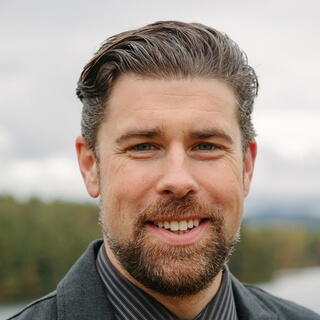
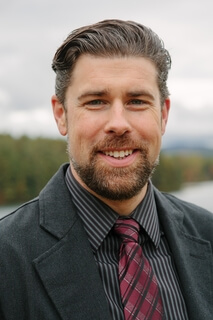
I'm your host,
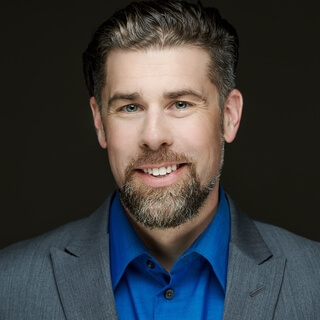
Tom Wyshlak,
And you're tuning in for episode 15.
My guest this time is actually my first repeat guest,
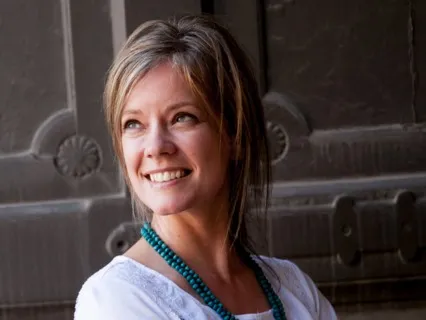
Filena Huertz.
She was my guest on episode four.
And I first met her at the new contemplative exchange that took place in Snowmass,
Colorado,
Which you've heard me talk about before.
If you're interested in hearing a little bit more about Filena's backstory and her history,
I would encourage you to check out episode four.
And we talk about her first book,
Pilgrimage of a Soul,
How she came into the Christian contemplative tradition in that podcast.
Also episode five is an interview with her husband,
Chris Huertz,
And that is on the Enneagram and his work and his book in that particular spiritual tool.
So the reason for this episode was prompted because Filena has a new book out called Mindful Silence,
The Heart of Christian Contemplation.
And we talk about that book and people often ask me for recommendations for introductory books if they're just getting started with contemplative practice.
And this is one that I would definitely add to the list.
I really also like Martin Laird's Into the Silent Land and Thich Nhat Hanh's classic,
The Miracle of Mindfulness is always on my list.
But I would add this one,
Especially if you're new to Christian contemplative practice it's very practical,
Includes both personal stories,
Information and quotations from great thinkers in the tradition,
And then ends with practical tips for how to do different kinds of practice.
The other neat thing about this book that I'll mention is that she has created companion videos for each chapter of the book to do a deeper dive and you can access those through Vimeo.
You can rent them or pay to actually download them.
And you can find the link to that in the show notes for this episode.
Those show notes are found at thomasjbushlack.
Com forward slash episode 15.
That's the word episode one five with no spaces.
So again,
It's thomasjbushlack.
Com forward slash episode 15.
And you'll find links to her books.
And there's also an option there if you are able and willing to make a donation to support Contemplate This,
Dedicated to keeping this free and available.
So for those of you listening who are getting a lot out of it,
And you're willing and able to make a donation,
You can do that right at the bottom of the episode page or just at thomasjbushlack.
Com forward slash donate.
And that is always secure.
And your comments and feedback are always welcome,
Whether that's on iTunes or wherever you download your podcasts.
So thanks again for listening.
And with that intro,
Let's get right into my interview with Felina Huertz.
All right,
I'm here with Felina Huertz,
My first repeat guest on Contemplate This.
So welcome back to the show.
Thank you.
It's wonderful to be with you.
Yeah.
So there's always a good reason to have you back.
But in particular this time,
You've come out with a new book called Mindful Silence.
So probably ask you some questions about that.
Do you wanna just maybe give a brief reintroduction to yourself for folks who maybe didn't listen to episode four?
Sure.
And then say a little bit about what brought on,
This is your second book,
Right?
Unless there are other ones out there I don't know about.
Nope,
Just the two.
Yeah,
Okay.
Yeah,
So I work for a nonprofit called Gravity.
It's a center for contemplative activism.
My husband Chris and I co-founded this organization almost seven years ago now.
And before that we had co-directed an international nonprofit for the most vulnerable of the world's poor.
So we were working in 13 cities in the majority world with survivors of trafficking and children of war and abandoned children.
And so when we started Gravity,
We had just come to appreciate the need to integrate contemplation with action.
And we wanted to devote ourselves full time to helping people do that.
So at Gravity we focus on spiritual direction,
Contemplative retreats,
And Enneagram consultations and workshops.
And we have a little center here in Omaha,
Nebraska where we do that work,
But we also travel around the country and around the world giving retreats and workshops and such.
You just can't stop traveling.
Yeah,
I know.
You were right about it.
I know,
I'm trying,
I'm trying.
Well,
You know,
But maybe that's part of what you're sharing with people.
And I'll just note that Chris was also on the podcast on episode five talking about the Enneagram.
So for folks who might not be as interested with that,
He gives really in-depth explanation of that spiritual system as well.
Yeah,
And he's got a fantastic book called The Sacred Enneagram that is in its eighth printing in just like a year and a half.
Oh wow,
I didn't realize that,
Yeah.
Yeah,
It's really,
Yeah,
Doing very well.
People are really into it.
Yeah,
So your new book though,
Mindful Silence.
So tell us a little bit about it and like what inspired you to pick up the keyboard again?
Yeah,
So Mindful Silence,
The subtitle is The Heart of Christian Contemplation.
And this was a book that I'd actually put together a proposal for it,
Gosh,
Maybe five years ago now.
And I had a lot of trouble getting a publisher to give like an adequate bid to write.
And so I just sat on it.
I just sensed it wasn't time.
And this is like publishers within sort of the evangelical publishing world.
And so I had a first book,
Pilgrimage of a Soul,
That I had done with a particular publisher.
And three years after I submitted the book contract to a number of publishers,
This one publisher who had published Pilgrimage of a Soul came back around and they were actually asking me,
They were like,
What are you doing now?
Do you have any book projects that you're thinking about or whatever?
And I said,
Well,
I actually sent you a proposal a few years ago and I couldn't take your bid because I have a full-time job.
I mean,
I have to work and I needed to get paid to write and their bid wasn't gonna work for me.
And so they said,
Well,
Let's look at that again.
And they ended up coming back and offering me three times as much as what they did a few years before.
Nice.
And I say that not because of the financial aspect of it but to say that something had shifted in the market,
In the evangelical market around contemplation.
And the publisher was seeing that and they really invested in it.
They made it a hardback copy.
They viewed it as like a classic and wanted to really invest in the project that way.
So I was very pleased to work with them again.
And the book really came about because the readers of Pilgrimage of a Soul,
Which is like a spiritual memoir or theological narrative,
The readers,
I got a lot of great feedback in there,
Just like,
I really identify so much with your story and I outlined seven movements of the soul,
Awakening,
Longing,
Darkness,
Death,
Transformation,
Intimacy and union.
And people were like,
This is super helpful but you keep talking about contemplative spirituality and contemplative prayer and they're like,
What is that exactly?
And why have I not grown up hearing about this in my church?
And so that's where Mindful Silence really came about because I wanted to be able to offer something to readers who knew very little or nothing about the contemplative tradition in Christianity,
A book that would be easily accessible and help people get oriented on that contemplative path.
Yeah,
Well there's two things in there that you said that I wanted to reference.
That stood out to me in the book.
And one is kind of how you've structured it.
So I can,
It's interesting to hear you connect the narrative between the two books and how in this one,
You call them touchstones of contemplative practice.
And each chapter is around a theme and I think you continue what you do well,
Which is that theological narrative,
Spiritual autobiography,
Integrating that.
But then you put that into dialogue with some of the great classic thinkers and practices in the tradition.
So there's that theme and then each theme is connected to a particular practice at the end where you describe the practice and you even give tips in how to do it.
So I love that practical.
I often,
When people ask me for an introduction specifically to Christian contemplative practice,
I often have sent them to Martin Laird's book,
Into the Silent Land.
Yeah,
I love that book.
But I think that your book would actually pair well with that book because they both have kind of a theological depth while also being very practical and accessible for somebody who maybe doesn't yet have been exposed to a practice like the way you did through meeting Thomas Keating and centering prayer and then that kind of opens that world.
And I think you mentioned right before we started recording that along with those sort of practical tips in the book,
You have some online resources that kind of pair with it.
That's right,
Yeah.
So Travis Reed of The Work of the People did my book trailer and then he interviewed me about the themes of each of these chapters.
And so we put these together into little mini films that are 10 to 20 minutes long of me reflecting on the themes and then he just does a lot of brilliance with the filmmaking aspect of it.
But this way it's like designed to be a companion to the reader who needs just some extra support around that theme and then there's,
Along with that when people purchase the chapter videos is some guided reflection questions that are available for download for each of the chapters.
So just for those who wanted a little bit more of a robust study or a little bit more support or guidance along the way,
I think it'll be really helpful for people.
That's neat,
Yeah.
So it's a little,
I'll put the links to that in the show notes.
Yeah.
Great,
Yeah.
I think it could be good for groups too and there's group pricing available if people wanna do like a small group study with it or something like that.
Yeah,
Yeah.
Yeah,
So I like that you call them touchstones and then you write,
You call them dynamic Karens,
Which as a hiker,
Backpacker,
I love that image of Karens that mark the way.
So you let these dynamic Karens open your mind,
Your eyes and your ears as you pilgrimage farther down the path of awakening,
Transformation and wholeness.
So I don't have the list in front of me right now,
But the different practices that you mentioned.
So I know you talk about Lectio Divina,
You talk about centering prayer,
You talk about walking a labyrinth,
You talk about Ignatian,
And examine discernment kind of practice.
What am I missing?
Let's see the breath prayer I think is in there.
Oh yeah.
The Hestikast kind of,
Yeah,
Jesus prayer.
Uh huh,
What else?
I don't know,
You wrote it.
What did I write about?
I got the book in front of me,
But yeah.
I'm trying to remember now.
Why don't we put it in?
Well that's good,
I mean,
This helps,
I think,
Just to.
Oh,
The welcoming prayer.
Oh yeah,
The welcoming prayer,
Yeah.
Yeah,
Which is,
I like to call it consent,
Well I didn't come up with this,
But people call it consent on the go.
Like a companion to a more formal sitting practice.
It's a quick prayer that you can say when you need a moment in the middle of a busy day to kind of ground or center yourself.
Yeah,
I love it.
I love it for that as a way to,
Because of course as we teach,
The point of the formal practice is not the formal practice,
Right?
Right,
Right.
It's the sitting to open so that the rest of your action can be transformed.
Yes.
Yeah.
I love the welcoming prayer,
And the way you put that is really clever.
Consent on the go,
I hadn't heard of that.
Oh,
Well I didn't come up with it.
I forget who did,
But it's on the Contemplative Outreach,
Some other,
Yeah.
Yeah.
But yeah,
It's,
Well there is an app.
The Contemplative Outreach app has it in there,
So that there are other resources out there.
The other piece that you opened with was,
Just notice it,
Noting how the,
Maybe the market or,
To use a less marketing term,
Just the landscape of Christian practice,
Specifically,
Because this is with InterVarsity Press,
Which is a more evangelical leaning audience,
Right,
That's reading this book,
And there's more openness to that.
And I was really struck by the Afterword that's written by Kirsten,
Is that Kirsten Powers?
Mm-hmm.
So I just want to read this snippet to you,
Because I think she captures something here,
Moving in Christians and Christianity that's really important.
So she says,
While I felt deeply connected to Jesus,
I was increasingly alienated by the way so many churches presented his teachings,
And by how so many Christians,
Especially in public life,
Behaved.
I started to wonder if perhaps I had misunderstood Jesus,
And that following him was not about loving other people,
Humility,
Sacrifice,
And kindness,
But in fact,
About holding the correct,
I'm doing correct in scare quotes,
Theology,
Or being the fiercest combatant in the American culture wars.
And I'm finding more and more that people who are drawn to Christian contemplative practice are saying something like this.
So was that,
Did you have that,
Like,
Your compassion for people in that situation when you were taking this on?
Well,
Certainly in the work that I do with Gravity and getting to travel around and meet with different people from all different kinds of communities,
I am seeing a trend of people kind of disillusioned with conventional church as we know it from all different denominations.
And so knowing that,
I think the book speaks to people who are like going through deconstruction,
For example,
Theological and social deconstruction,
Who are trying to find their way,
Because traditionally we have looked to the church to help guide us along the spiritual journey.
And when more and more people are feeling disenfranchised by institutional church,
They're struggling to find guides.
And so I think pilgrimage,
Or both pilgrimage of a soul and mindful silence,
I think can be helpful guides for people.
But I certainly think there's a crisis happening right now in terms of the institutional church.
I don't envy my friends who are clergy because they've got their work cut out for them,
You know?
Yeah,
I know,
I think our parish priest has started most of his homilies with,
I'm sorry,
But like genuinely,
He's not just trying to placate people.
Like I think he's like,
Man,
This is tough.
This is a tough time to be up there and be proclaiming the gospel from that standpoint.
Yeah.
And this is a question that I think about a lot because I have found myself actually more and more that drawn to,
Or people are drawn to me or my resources who also come from that similar kind of,
Might call it the edges of the faith,
Who are a little bit disillusioned,
But don't wanna,
They know there's something there worth holding onto,
Right?
They're not really rejecting faith.
They're struggling with some of the public expressions of that or the institutional expressions of that.
And so I get that and I have a deep compassion for it.
And at the same time,
As a teacher of contemplative practice,
I think there's a certain point at which you have to be engaged in an intentional community in order to really progress on the path.
So how do you reconcile that with people?
I know you do spiritual direction as well.
Mm-hmm,
Yeah,
Well,
I think that's certainly an issue we're seeing with folks that are sort of leaving institutional church,
The thing that they miss the most is community.
Right.
And so like people who come to our annual retreats out here in Omaha,
For example,
Many of them are what we call repeat retreaters because they're finding a sense of community with the people who attend these retreats.
And you're right,
We have to work out,
We would say our salvation or work out our contemplative practice within the context of community or relationships.
So having a community that's centered around a common spirituality I think is really helpful,
But it's becoming more and more rare for folks.
And so like with the people that I meet with in spiritual direction and such,
They're working this out in their primary relationships.
They're with their parents or with their spouse or with their children.
This is where the rubber meets the road.
It's like in those most intimate of relationships.
So community outside of those primary relationships can be very supportive,
But if we're honest,
Like most of us who've had experience in religious community,
Few of those people do we get intimate enough with to trigger our programs for happiness,
You know?
Or trigger our unconscious motivations.
Like sure,
It might come up here and there,
But it's in the most intimate of relationships,
I think,
That the greatest transformation becomes possible.
As you're talking,
I was just thinking that perhaps this is also,
Just putting on my theologian hat for a minute,
Sort of this moment is also stretching our notion of what it means to be church,
To be,
You know,
Koinonia in the Greek word,
A community,
That perhaps we've had a narrow understanding historically of what that is,
Or an overly institutional understanding of what that is.
I like how you bring that up,
Because in my own life,
I'm finding that my community is the people that are given to me,
And so what that means here in Omaha is,
Like over the years,
It's become more and more kind of disenfranchised community.
It's not a community centered around religion or even spiritual practice,
But it's the shopkeeper,
It's the local chef,
And it's the coworker down the hall in the building that we share.
It's like where we develop friendship,
And we get to know one another,
And we eat meals together,
And we do life as best as we can.
Like tonight,
My husband's gonna babysit for some of our dearest friends,
And they're not,
It's like,
The husband is a local chef,
And the wife is an attorney for a construction company here in town,
And it's like,
We don't go to church together,
We don't meditate together,
But we break bread together on a regular basis,
You know,
And so it's like,
He'll be babysitting tonight,
I'll be babysitting tomorrow.
Like,
They're gonna be,
You know,
We're there for each other,
Right?
And I think sometimes we do a disservice for ourself when we try to manufacture community.
Yeah,
Allow it to arise organically.
With the people that are given to us,
You know,
In our life,
And honoring those relationships.
Even if we don't share certain things in common,
Like we all share in common in terms of like,
Being a part of this body of Christ,
This universal family,
We need each other,
And I think I'm just learning to appreciate more and more how to be grateful for the different kinds of people that are given to me in my life,
And not be moaning the lack of this kind of person in my life,
Or this kind of community in my life,
You know,
But like,
Opening my eyes to the richness of the community that I actually have right before me.
Yeah,
If only that perfect person were in my life that just met all of my needs.
Yeah.
And all of my programs for happiness.
Yeah,
And shared all of my same values,
And yeah.
Yeah,
Well,
I'm also kind of picturing,
You know,
Jesus kind of gathering the apostles around.
They were misfits,
You know,
They were not like the,
They were,
So,
Maybe there's something good about this new way of,
I don't know,
Living and questioning at the same time.
Yeah,
Yeah,
I hope so.
Yeah.
Switching gears a little bit on this one,
But something that I picked up on throughout the book was your attunement to your body,
And to physical presence as an integral part of contemplative practice,
And I know,
I mean,
We've had conversations at the New Contemplative Exchange,
And since then,
Around the need to sort of reclaim the incarnational development,
Or aspect of Christian contemplation.
And so at one point,
You talk about the body's wisdom and emotional consciousness that we tend to ignore in our society,
And then at one point,
You say our bodies have an innate intelligence.
And it's often,
It sounds like,
In some of the stories you give,
There's a pain point in the body that draws your attention,
That you listen to contemplatively,
And work with.
So can you talk a little bit about that dimension of your own practice?
Sure.
Yeah,
You know,
Early on,
In my former work,
I developed some issues,
Health issues,
Beginning with my stomach,
And then it was my heart,
I had these heart palpitations,
And you know,
I was doing really intense work in the world,
Social justice type work,
And traveling a lot,
And witnessing a lot of human suffering,
And anyway,
Needless to say,
I was under a lot of stress.
But I can remember early on,
As I was,
Those pain points reached a threshold,
Right,
And they demanded my attention,
And so I developed this appreciation of,
I don't know,
It just came to me,
It became kind of a motto,
Like listen to your body,
Listen to your body,
Because it was telling me things that hadn't yet registered to my mind,
You know,
Or even my emotions.
And so early on,
I had to start listening to my body,
And that allowed for me to begin then to assess,
You know,
What's disordered in my life that's leading to this kind of health issue,
Or whatever,
You know.
And that's been really insightful.
So then along the way,
That's continued.
I will say,
Like,
In general,
My health has gotten better,
Because I have paid attention,
And then there,
But there are other health issues that can creep up that just have to do with age.
I was gonna say,
There's a difference between the natural aging process,
Sort of unresolved emotional attention that we hold in our body.
Like for me,
I started having these series of like fainting spells in my 20s when I was in grad school,
And putting a lot of pressure on myself.
And it was a doctor who actually looked at me and said,
Sometimes God uses our body to tell us something.
What do you think God's saying right now?
It was a light bulb moment,
Like literally a life changing moment.
Mm-hmm.
I'm like,
Ooh.
Yes.
Maybe I can't continue on this path in this way.
Yeah,
Yeah.
And as we develop that sensitivity to the body,
It can get more and more subtle in terms of that wisdom.
So like in this time in my life,
There's a practice called focusing.
Are you familiar with focusing?
No,
I haven't heard that one.
It's a biofeedback kind of practice.
Some Jesuits have done some really good work around it.
Of course.
Yeah.
Always the Jesuits.
Yeah.
Yeah.
And so it's just a wonderful integrated mind,
Body,
Heart,
Integrated contemplative practice where you listen to the subtleties in the body to help you begin to peel back the layers of what needs to come to consciousness and just working with the body in a way that brings all of that to light.
So there's a lot.
I think we've just barely scratched the surface in terms of the body intelligence for the contemplative journey and how to work with that,
You know?
When you say biofeedback,
Like my experiences with biofeedback are kind of almost technological,
Right,
Where you're hooked up to something that's giving you direct feedback.
Is that the kind of feedback?
Or is this more of like a tuning in to your embodied presence?
Yeah,
It's a,
So you're not hooked up to any machines.
Okay.
And so you're listening.
Other than universal intelligence that you're always hooked up to and can't really tune into.
Yes,
Exactly.
Yeah.
So it's more about getting a felt sense in the body for whatever it is that's kind of disordered or out of alignment in you that you might not have concepts around or you may not yet have emotions around,
But you can get a felt sense of it in the body and then you begin to work with that.
And then it's just,
It's like the body,
Heart,
And mind just begins the conversation and it kind of just expands and evolves as you spend time with it.
So it's almost like you start with the unknowing that you often lead to in contemplative practice.
But then you bring awareness to that with a kind of curiosity.
Can you give an example that would make this?
Yeah,
More concrete for people.
Yeah,
Let me think for a moment.
Excuse me.
Trying to think of a situation that maybe I've had personally.
I do this work in spiritual direction with my clients sometimes.
So I'm having trouble coming up with a real specific example.
But if I'm meeting with a client and they're exploring some kind of unsettled feeling that they've been having in their life and not really sure what it's about and we start talking and then they bring up a particular situation say between them and their spouse that came up and they can kind of point to that as like there's something going on there but I'm not sure what.
And then I would just invite them to maybe spend time with that experience of when they first notice something kind of out of alignment or disordered or just having an uneasy experience in that relationship.
And then I'll invite them to begin to notice what's happening in the body.
Do you notice any sensations?
And they'll almost every time something will come up for them.
And maybe it'll be like,
Oh yeah,
Like actually like I'm having trouble breathing.
Like my chest is really heavy.
And so then we'll just spend some time with that and we'll be listening.
Like your doctor so wisely asking you what's God saying to you through this?
What is your body saying to you through this?
I mean what a beautiful picture of the incarnation,
Right?
What is your body saying to you right now?
Like what are you noticing?
And we just go from there.
So something that I think is really beautiful that is sort of assumed or implied in this process is that there's an inherent trust in the body.
And I think we've,
I've done some of my own like research and thinking around this but we've sort of lost touch with that.
We've kind of come to,
Especially in an overly,
I have nothing against modern medicine.
I work for healthcare organization right now.
But we have kind of come to think of our bodies more as adversarial that we need to kind of whip them into shape as opposed to trusting in that innate process that naturally seeks its own kind of balance or harmony.
I recently heard a yoga instructor talking about paying attention to pain in the body.
And then he used this phrase and it has really stuck with me.
He said,
The benevolence of the body is such that it will always let us know when something is out of balance.
But the fact that he called that benevolence,
Right?
Because our immediate reaction with pain is not benevolence but enemy and I need to attack it.
But this is flipping that paradigm.
Saying,
No maybe there's something here that I need to hear and work with rather than dominate and drive out.
Yeah,
Yeah,
That's so important isn't it?
Yeah.
To develop that trust of the body and that real gratitude for its wisdom that it is good to us,
That it will help us if we can have that perspective then we'll be more likely to live in alignment with what our purpose really is here.
Yeah,
Yeah.
So this leads actually into another piece that stood out for me in the book.
That's the discussion about discernment and around,
I think it's the chapter,
I'm trying to remember what you call it,
Finding liberation by discernment.
It's the third chapter where you engage Ignatius of Loyola and the examen I think comes at the end of that one.
So for me as an ethicist and my work with the Centering for Wisdom assessment is around paying attention to what's happening in daily life,
Internally and externally and responding to that wisely rather than being triggered and then acting out of what Keating would call those old programs for happiness that are sort of not free and almost an addictive or compulsive quality to them.
So can you take us through a little bit how you see Ignatius and that chapter kind of helping us practice that kind of daily discernment?
Yeah,
Well Ignatius is such a master of discernment,
Right?
Like I've not come across anyone better.
Yeah.
Yeah.
I even had,
When I was discerning or questioning whether or not to join the Benedictine monastic community,
One of the Benedictine monks said to me,
I know he's not a Benedictine,
But if you want guidance in this area,
Go on an Ignatian retreat,
It'll work.
Yes.
I didn't take his advice,
I didn't have a month to dedicate at that point,
But yeah.
Yeah,
Yeah.
Yeah,
So discernment is another real subtle art of listening and being able to determine really the flow of God in one's life or the spirit of God in one's life.
I was doing a teaching this weekend,
A retreat,
And I often refer to another Jesuit,
Richard Hauser's work from Living in the Spirit,
Where he outlines the classic stages in the spiritual journey,
Being the unawakened state and then going through the pragation,
Illumination,
And union,
And he outlines how one operates in relationship to the spirit in each of those stages.
And this idea of moving from fidelity to obligations,
Like external obligations,
Perhaps in your religious community or something like that,
To moving into fidelity to the spirit.
And we were reflecting with this group over the weekend about how few,
If any,
Churches do a good job forming us to be able to discern the spirit well enough to have fidelity to the spirit.
And so a lot of people end up overly dependent on external authority to help them make decisions,
Right?
Yeah.
And so what Ignatius does so wonderfully is help us begin to get acquainted with what the spirit is like in our life,
How the spirit shows up,
How the spirit subtly works in us,
Moves in us,
Speaks to us,
And as we develop this skill of knowing what is spirit and what is not spirit,
Then we get freer and freer to then have fidelity to the spirit or to say yes to spirit or to say yes to the flow in our life.
But until we develop that skill,
In the beginning it's just a lot of friction and tension.
Yeah,
Around I have no idea what is spirit,
What is not spirit,
Like should I do this or not do this?
And should I choose this or not choose this?
And sometimes it's an open-ended choice.
It's not necessarily one thing over another,
But it's learning to determine,
Discern,
Where is my highest self going to be supported the best in various decisions that we have to make?
Yeah,
Supported and liberated to come out.
Yeah,
Yeah.
How do you approach his use of consolation and desolation?
Could you explain that?
Yeah,
Yeah,
So that's one of the best entry points into Ignatius' wisdom on this.
So in the prayer of examine,
We have the opportunity to review a time period,
Say maybe at the end of the day,
We review the day before,
And we're looking for consolations and desolations,
So consolations would be experiences where we really sensed God's presence or we sensed like joy or peace or satisfaction or gratification or like something really positive.
And then desolations are those experiences,
Basically the exact opposite,
Where we don't have a sense of God or we experience sadness or difficulty or tension or that sort of thing.
Now the brilliance,
This is where the brilliance comes in because we wanna think,
Oh,
So the good stuff is God and the bad stuff is not God or the good stuff is spirit and the bad stuff is not spirit.
And Ignatius says,
No,
It's not that straightforward.
And this is where the wisdom begins to develop in one's life as we work with the desolations and the consolations.
As we pray with our desolation,
We develop this seeing for where was God present in that difficult situation?
Like what does God have for me in that?
Where is,
How is God speaking to me in that?
It's not that this bad thing happened,
That God like made this bad thing happen or that God was completely absent from this bad thing happening,
But this discomfort or this stress or this part of my life that I don't like,
It shows up and then we get to pray with it so it can open up and help us find God in such a way that then we can get the leading of the Holy Spirit in our day.
So it's really delicate.
It's a little hard to explain.
Maybe you can do a better job.
No,
I think you did a good job of explaining it.
I sometimes use the image of sifting through experience.
And I don't know,
I remember as a kid going to like old West reenactment towns and you would pretend like you're panning for gold.
And so you'd scoop up this dirty river water with sand in it and they would cook,
They would put that fake gold pyrite,
I think it is or whatever in there for you to find as a kid.
You'd sift it through,
Right?
And the mud and the sand and everything would sort of fall through the cracks.
And if you were lucky,
You'd find that little gold nugget.
So that,
I don't know,
That's the metaphor I was thinking of.
Yeah,
Yeah,
I love that.
You work with both the consolations and the desolations to find that golden nugget.
Yeah.
But we don't just dismiss,
Yeah,
Yeah,
Exactly.
We don't dismiss the desolations outright.
We have to sift through it.
Yeah,
I mean,
That's one of the primary sort of Buddhist or Hindu mantras,
Right,
Om Mani Padme Hum,
Literally means the lotus is in the mud,
That the lotus only blooms on top of the water because its roots are down in the muck.
I love that.
That's maybe another helpful way of thinking about.
Discernment,
I think,
Allows for the nugget,
The wisdom to come to the surface.
But you're right,
It's subtle because it's not something we can control or make happen.
Right.
It's something to discover,
So it's kind of a journey in that way.
Yeah,
And you know,
The prayer of Aksamin is so wonderful because it's so family friendly.
So it's something that you can really like teach your children.
That's true.
You know,
From a young age,
And what a gift to them to help them begin to develop that skill and that way of seeing so that they'll be able to have better discernment earlier on.
Yeah,
Huh.
I'm gonna have to try that now with my kids tonight.
Yeah.
That's neat.
The other,
I guess one other question,
The only other question I had kind of thought of in preparation for this was,
You mention,
I loved your references to the lesser known Franciscan,
St.
Clair of Assisi.
So I don't know,
Is there anything you wanna say about how you were drawn to her and her importance in this moment of contemplative renewal?
Well,
She was the deep well to Francis's raging river,
And I think she really brings that contemplative balance to the drive that we have to be of service in the world.
And she was such an icon of a woman not being constrained by the conventions of her day or her time or her social circle or her culture.
And so I think she's an inspiration,
And that way for all of us that we would consider whatever constraints we may experience as not being obstacles or hindrances to who we can be and being willing to overcome those regardless of the cost.
So I mean,
She really risked everything to be true to who she knew herself to be.
So she's a great inspiration to me.
When I,
In the book,
I share more in detail about my encounter with her,
But it was such a surprise because my former community had really celebrated Francis and we were making pilgrimage to Assisi to visit the sacred sites of St.
Francis.
And I knew nothing of Claire,
I knew nothing about her at all and her presence in Assisi was so profound for me.
And at the Church of the San Damiano,
Where she ended up having her convent,
I was at mass and just like overcome with tears.
And I've come to know that that's kind of a common thing that happens in the sites where she once lived.
And so her presence is very palpable there.
And she,
For me,
Really affirmed this contemplative dimension of life,
Given that I was in this community that was so heavily bent on action and didn't have,
That community did not have an appreciation for contemplation at all.
And I found so much courage in her life and inspiration in her.
And I mean,
At the time,
It was a real tangible presence.
I can remember her being with me over a period of years,
Just cheering me on,
Helping me find my way.
Cool.
So yeah,
Love her.
I know,
I'll have to ask my wife more details,
But we went to Assisi for a day trip on our honeymoon.
But I know she has been,
I don't know if she necessarily had something that profound,
But has been deeply touched by St.
Clair and her story and our middle daughter's middle name is Claire,
Audrey Claire so named after her,
Yeah.
If I had a patron saint,
It would be St.
Clair for sure.
Nice.
Yeah.
And interestingly,
In my new job with SSM Health,
They traced their roots back through Franciscan Sisters and a kind of dedication to St.
Clair.
So nice.
This is a clue from the universe for me to pay attention to where Claire is in all of this.
Yeah,
Yeah.
Anything else you wanna say?
I know you've got to run for another.
Yeah,
I know,
I've got a meeting here at the top of the hour.
I think it was in that chapter that I was able to uncover this thought around moving from personality to persona,
Sorry,
From personality to personhood.
And it was this idea around presence.
So the more we develop this capacity to be present,
Which requires an activation of all three of the intelligence centers,
Like the body,
The heart,
And the mind.
So the more we,
Maybe this will kind of tie in our whole conversation here.
As we activate the body,
The heart,
And the mind intelligences,
We become more and more present,
Able to be in the present moment,
Like full body,
Full heart,
Full mind,
Like on.
Yeah.
And then what that does is it begins to bring to consciousness what has otherwise been unconscious.
And we begin to see our personality at play.
And this is the mask that we wear.
And when that becomes exposed,
Then through contemplative practice,
We can begin to dare to remove that mask.
And what we find underneath is this essence,
This personhood.
And so presence exposes our personality.
Contemplative practice helps us then live into our essence or our personhood.
So Claire gives me a lot of support and inspiration for that,
Because that's what happened to me,
And she really helped me along that path.
Yeah.
That's a great thought to end on.
May we all move towards personhood.
Surrender the persona,
The personality.
Yeah,
Yeah.
And I came across this recently,
That that person comes from this root word,
You probably would know better than me,
But this root word meaning a greater life sounding through.
Oh wow.
A greater life sounding through.
That's what it means to be a person.
You know?
And that's what we would all hope for,
Right?
That we could get to that place where this greater life could just sound through us.
And this is the heart of the Gospel,
Right?
Like Christ consciousness shining through us,
Sounding through us,
That it is no longer I that lives,
But Christ that lives in me.
That's what it means to be a person.
You know,
A liberated person,
Aligned with the Spirit of God in our life.
This is what's possible,
You know,
Through contemplative practice.
Amen.
I couldn't possibly top that.
Well,
It's been a joy to connect with you,
Tom.
Thank you so much for your time.
Yeah,
You too.
Thanks for,
Yeah,
Finding the time to do this.
Yeah,
I'm glad it finally worked out for us.
All right,
Well,
Tell the next book,
Or the next contemplative gathering,
When I see you in person.
Yeah.
All right,
Don't be a stranger,
Keep in touch.
Okay,
Thanks,
You too.
All right,
Take care.
Yeah.
Bye bye.
Thanks again,
Everybody,
For tuning in to contemplate this.
This was episode 15.
And you can find the show notes,
Links to Filina's books,
As well as her videos that are companions to the book at thomasjbushlack.
Com forward slash episode 15.
That's the word episode one five,
No spaces.
Thanks again for your support.
If you're able,
You can make a free will donation to help offset the cost of the podcast at thomasjbushlack.
Com forward slash donate,
Or even on the show notes page.
All right,
Thanks again,
Until next time,
May you be well.
I hope that this podcast is supporting you in your practice and going deeper and enriching your practice and how you integrate that into daily life.
Be well,
And thanks.
And I'll see you next time.