If there is a single definition of healing,
It is to look with mercy and awareness on those pains,
Both mental and physical,
That we have dismissed in judgment and dismay.
I'll say that again.
If there is a single definition of healing,
It is to look with mercy and awareness at those pains,
Both mental and physical,
That we have dismissed in judgment and dismay.
Hey there,
Everybody.
Welcome to episode 31 of Contemplate This.
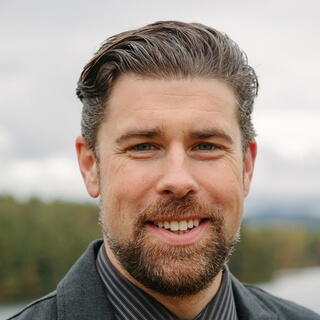
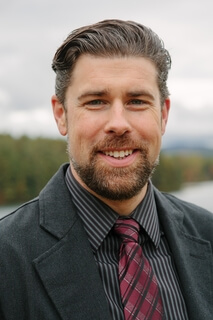
I am your host,
Tom Buschlag,
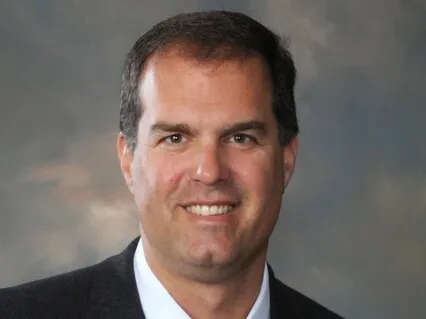
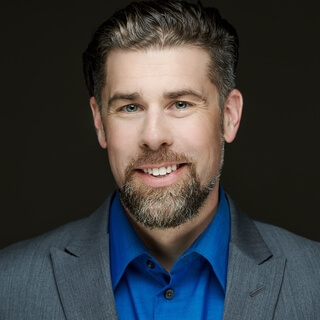
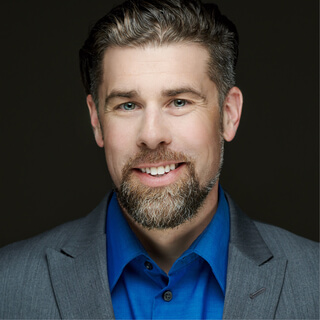
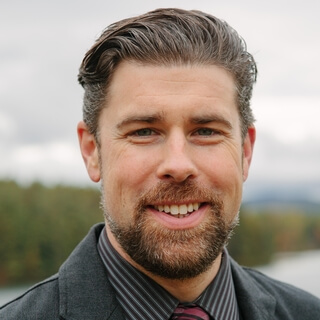
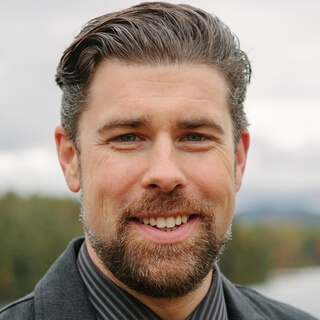
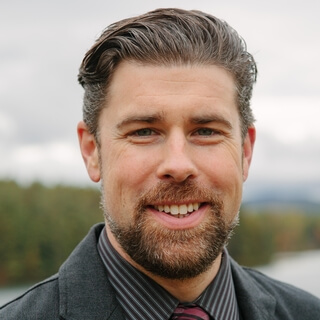
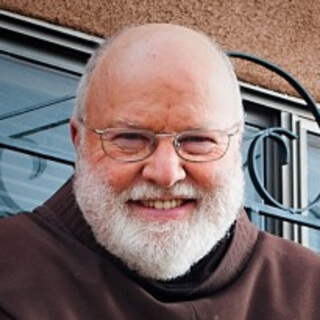
And I'm joined in this episode by Dr.
Matt Mumber.
Dr.
Mumber is a board-certified radiation oncologist and a graduate of the Living School from Richard Rohr's Center for Action and Contemplation,
Where Matt also studied very closely with Uncle Jim Fimley,
Who many of our listeners are probably likely to know.
Dr.
Mumber most recently published a collection of poetry,
Which draws on his personal,
Professional,
Cultural,
And natural world experiences,
Which also stems from his practice of Lectio Divina meditation,
Which is a form of prayerful reading and meditation with Scripture and his spiritual practice.
He's also published both academic and popular trade books on wellness and integrative medicine.
Matt's story is a perfect example of how the contemplative journey can help us to integrate our personal faith and spirituality with our profession and other creative pursuits and in our relationships.
He recounts all the different teachers and encounters,
Including some profound experiences of healing in nature and mentorship he had with a First Nations medicine man,
Where he learned how to offer sweat lodges,
All of which have led him to integrate the modern science of medicine with the ancient arts of contemplation and healing.
Whatever your spiritual practice,
Background,
Or profession,
You're definitely gonna find a lot to inspire your contemplative journey within Matt's story.
So you can find more about Matt and his poetry and his books on integrative medicine on the show notes page,
Which you can go directly to at thomasjbushlack.
Com forward slash episode 31.
That's the word episode 31 with no spaces.
Matt is a great example of how staying centered and grounded in a contemplative practice keeps him alive and engaged in his career and staying connected with a spiritual healing,
Divine energy that he is able to offer back to his patients.
Now,
For those of you who might be struggling with feeling constantly overwhelmed by the pace of modern life,
Balancing career with your spiritual practice,
With family and self-care in the midst of our current cultural tensions,
I'd also like to invite you to check out the link that you'll find on the show notes page to schedule a free breakthrough session with me.
I've recently begun offering these sessions where I'll help you get really clear on what challenges are preventing you from getting more spiritually aligned and grounded in both your personal relationships and in your career.
And I'll help you find and get clarity on where you'd like to be in the next few months,
And then work with you to craft a concrete,
Actionable game plan to get you there.
So you can read a little bit more about that on my website,
Or if you wanna book a session,
You can go directly to thomasjbushlack.
Com forward slash apply.
Again,
Thomasjbushlack.
Com forward slash apply,
Where you'll go directly to my calendar page to book your free session.
All you gotta do is pick a time that works for you,
Answer a couple of questions to prepare for the call,
And then just answer your phone and show up at the time that you chose.
All right,
So again,
The show notes page is thomasjbushlack.
Com forward slash episode 31.
And with that introduction and invitation,
Let's get right into my interview with Dr.
Matt Mumber.
I am here with Dr.
Matt Mumber,
Who practices medicine as a board certified radiation oncologist with the Harbin Clinic in Rome,
That's Rome,
Georgia.
He is a graduate of the two year program at the Living School at the Center for Action and Contemplation that was founded by Richard Rohr,
Where he studied primarily with Jim Finley.
So Dr.
Mumber has written several books,
The most recent of which that's coming out on September 1,
Which this episode will probably be released after that,
Is his first book of poetry called In the Awakening Season.
So that will be coming out very soon.
His poetry draws on his personal,
Professional,
Cultural and natural world experiences,
Stems from his practice of Lectio Divina and spiritual practice.
So welcome to the show,
Matt,
Great to have you.
And what else do you wanna say to introduce yourself to folks?
I think you got a pretty good overview there.
So we'll just march right in from there.
Okay,
Sounds good.
So tell us a little bit about how you ended up doing the Living School,
Because I think that it sounds like that was a point of kind of solidifying your practice.
And then the path that that's led you down.
I'm sure there's a story too,
That you can go back as far as you want.
Okay,
Yeah,
I'm glad we have a little while to talk.
So I was born and raised Catholic and never really experienced much depth from my Catholicism education going through grade school and high school,
But was always connected to it basically.
And so deeply,
If that makes any sense.
And so I was called,
I guess,
To be a physician.
The nuns when I was in Catholic school,
You know,
You take a test and you have a certain demeanor and they said,
Well,
Gosh,
You'd make a great priest.
You know,
You could be a priest,
You could be a doctor,
That type of thing.
So I was around- Those are your options,
Right?
Priest,
Lawyer,
Or doctor.
Yeah,
Yeah,
That was pretty good options,
Yeah.
So they really didn't go into the lawyer thing.
I'm not sure why,
I might have to go back and ask.
But they said priest or doctor,
And I was about 13.
At that point,
Priest was just basically impossible for a 13 year old boy.
I cannot be a celibate Catholic priest,
I just can't do it.
Yeah.
So that was it for that.
And so doctor kind of filled in nicely and the more I learned about being a doctor,
The more I really resonated with it because I'm able to pretty much be with people in the time of crisis.
I'm able to kind of shape shift to a certain extent to meet their needs.
And one of my big personality traits,
Which I found out later in the living school worth working through the Enneagram,
Which is one of Richard Rohr's favorite exercises,
Is that I have a need to be needed.
So I'm kind of that helper type personality.
Heart center.
And so- Sorry,
Are you a two?
I am a two,
Yes.
And so- I am married to a two.
Pardon me?
I'm married to a two.
Oh,
Okay.
And you are?
A one.
Oh,
Okay,
Good,
Good.
I'm married to an eight.
Mm,
So I understand,
Yeah.
Yeah,
What Richard says is very unusual.
Usually it's the other way around,
That the male is the eight and the female is the two.
It's kind of an interesting thing.
And that gets us on a whole other,
Probably could talk about that forever.
Yeah,
Which we've covered in previous episodes,
But maybe not everyone's familiar with it.
But no,
I just- So I kind of stumbled along pre-Enneagram for many,
Many years.
And went through medical school.
Was really gonna quit actually after the first year because it was so much not people.
It was all just science,
Memorization,
Regurgitation,
Which of course you have to do to get into medical school.
So you jump through the hoops.
But I thought it'd be different.
And so fortunately I ran across a book called Love,
Medicine and Miracles.
In my first year of medical school,
Written by a guy named Bernie Siegel,
Who was a pediatric surgeon.
And he was kind of,
In my mind,
He's kind of one of the pioneers of the mind-body connection.
He worked with Elizabeth Kubler-Ross.
And so his books were all about how it's not the disease that's important.
It's not curing that's important.
It's the person who has the disease.
And then the work is the work of healing.
And how do we engage the whole body,
Mind and spirit to basically work with people,
To work with whatever illness they happen to have.
And so I sought him out very aggressively.
Found him and got to be good friends with him.
And have stayed connected with him for years.
And so it's one of these things that they kind of lead you to people,
Different teachers.
So Bernie led me to Thich Nhat Hanh.
He told me about Thay's book,
Pieces Every Step.
Again,
Just awesome book.
At the University of Virginia,
I formed a group that was kind of patterned after Bernie's.
Group for exceptional cancer patients.
Now it was a group for exceptional medical students.
And so we met and talked about different types of healing,
Different forms of medicine,
Complimentary alternative medicine,
Back when all that was really considered crazy.
And so I got to know a good number of folks doing that.
Went through medical school,
Went through residency,
And then got into private practice.
Did a two year fellowship at that time with Andrew Weil's program,
At the program for integrated medicine,
At the University of Arizona.
And so that linked me with Rachel Remen,
Who was a physician who was working with a nonprofit called Common Wheel.
That helped to,
It was basically studied by Bill Moyer's Healing in the Mind.
And so they did a big episode about how cancer patients would go on these retreats,
And they would heal themselves.
And they'd have these fantastic remissions.
And so I went out and worked with Rachel to learn how to run these cancer support groups.
And then also went out and worked with Rachel and learned how to run physician support groups and retreats.
And so I started doing physicians,
Support groups,
Retreats.
As a part of that,
I also,
I've always had a real connection to the natural world.
And so ever since I was a kid,
I kind of remember being an Indian guide instead of a boy scout in Pennsylvania.
I remember these big giant bonfires.
And so I've always liked fire.
So I guess that was a good association.
Anyway,
So I ended up seeking out.
And as a part of the integrated medicine program,
I had sought out and found a Native American medicine man there,
Because that was one of the type of complement or integrative or alternative systems they talked about and had you experience.
And so I found a Native American medicine man here in Rome,
Which is one of kind of the interesting spots in Native American culture and history.
It's kind of where the trail to your started.
So we started,
I was fortunate enough to find some land that I built into a small retreat center.
And we started doing Native American sweat lodges.
And I started training with a Native American medicine man to run sweat lodges.
So formed a nonprofit called Cancer Navigators to kind of house all these complementary alternative methods that then progressed into offering what we call patient navigation nowadays.
Back then it was kind of not around.
And then as a part of that,
I worked with some folks that Commonweal had referred.
And so we started doing more and more retreats and groups.
And as I kept repeating that,
It's like Jim Finley always says on the path to awakening,
Repetition is not redundancy,
Go deeper.
And so I just kept going deeper and deeper.
And then my brother-in-law gave me a set of a CD on Richard Gore's Adam's Return.
And so at that point in my career as a radiation oncologist,
I was driving back and forth to a center about an hour away.
And so I just listened to these CDs.
And that's where I ran into Richard's teaching and Jim Finley's teaching.
And as a part of that,
Then Richard said,
Hey,
We're doing this two year living school thing.
And so I had been kind of one of the first people to be in the two year Arizona fellowship thing.
So I said,
Hey,
This seems like a great idea.
So let's do it.
And so that's how it's a long story,
But that's how I got into the living school for action and contemplation.
And then that led me to really connect,
I guess,
Ultimately with all three of the teachers,
Richard Gore,
Cynthia Burgeau and Jim Finley.
But I think Jim and I connected on multiple levels for multiple reasons,
But I think he's also my guest,
A two on the Enneagram.
And he's just a very heartfelt guy and his teachings and his writings really just resonated with me tremendously.
And so I've continued to stay in touch with him and actually started writing a book with another colleague from the living school about Jim's teachings.
And as a part of those teachings,
I kind of went back to doing some other writing from when I was in college,
Which was poetry writing.
And then I kind of combined that with a practice of Lectio Divina that was basically Finley's way of Lectio Divina.
So he had kind of molded it to work within his system.
Of course,
He was a Trappist monk and Thomas Merton was his spiritual guide,
Or spiritual mentor.
Director or something,
Yeah.
A spiritual director,
Right.
And so anyway,
That's kind of my lineage.
You got the kind of Jim Finley,
Thomas Merton,
Richard Gore,
Cynthia Burgeau,
Christian lineage.
You've got the grandfather Red Wolf,
Native American sweat lodge,
Lakota tradition.
You got Thich Nhat Hanh all the way back to the Buddhist tradition.
And then,
Yeah.
So that kind of made me where I am.
That's amazing.
Yeah,
Good thing we have time to unpack that.
Yeah.
It's so rich.
You should do it.
You'd do me a great service if you could unpack it.
Well,
We'll do what we can.
We use the term interspirituality comes up a lot.
Oh,
I like that,
Yeah.
Is becoming,
I think,
A little more common term to talk about the shared truths across traditions.
I mean,
Richard talks about this as the perennial tradition.
Yes.
Use that term.
And a lot of people,
I think,
Find themselves kind of like you described it.
It's not like,
At least as what I heard and what you were saying,
You grew up Catholic.
You didn't really reject it,
But you also didn't feel like you were given a lot of meat and potatoes to kind of sink your teeth into.
But you found it.
And you found that tradition,
Your home tradition,
If you will,
Enriched by all these other traditions without having to sort of leave or like flit between one and another,
Right?
And I think that what I've seen is that most people who really go deep into a practice,
That they have a sense of what their native practice and tradition is,
And they allow that to be nourished by people like Deacon Ahon and a Lakota healer,
You know?
Yeah.
So that resonates,
I think,
With the way a lot of people experience it today.
Yeah,
And it makes sense too,
Because just thinking about just the physical reality of it,
If you go to depth,
Let's just say you go to depth of the Earth,
The depth of the Earth,
The very center of the Earth is the very center of the Earth for everything on the Earth.
So it kind of touches everything.
Yeah,
Or if you really want to kind of play with your mind a little bit,
How I've heard physicists talk about how there is no center of the universe and every point is the center of the universe at the same time.
I love that,
I love that.
Yeah.
Okay,
So I think I want to go,
I want to pull on the thread around the time you spent with the Lakota Train,
Because I mean,
I guess I haven't,
I've spent a little bit of time,
Like at Pine Ridge,
I had some friends that lived there for a while,
And that's been my only experience with the sweat lodge.
I haven't really met a lot of non-First Nation people that sort of get in,
Right?
So what was that experience like with you in terms of?
Well,
Let me tell you about the first time,
Actually,
That's kind of an interesting way to give you an intro to it is when I was in medical school doing that group for exceptional medical students,
I found a Native American medicine man who was in Charlottesville and I said,
Hey,
Would you come talk with our group?
And so he did.
And he said,
He was not a Native American guy,
He was a white Anglo-Saxon guy that had had hard times and ended up living with a Lakota medicine man who was a grandfather to a teacher.
And he said,
So he became his student and his name was Wolf.
And I never knew his real name.
I was still like,
What is it?
Well,
That's a good,
What is real,
Right?
Right,
Right.
That is his real name.
Yeah,
I never knew his real name.
We'll go into that.
So,
But he brought his grandfather's pipe that he was given by this medicine man to do ceremony.
And so he said,
Well,
Why don't y'all come out and to the whole group,
Why don't you come out and we're doing a sweat lodge on X and X day and be here,
There and everything.
Here's the directions.
And this is of course,
Pre-Google maps.
This is in the eighties,
Right?
The mid eighties,
Late eighties.
Her and at the pine tree on the corner,
Yeah.
Yeah,
Exactly.
So it was a real,
It was one of those,
It was a dark and stormy night,
Right?
And so in Charlottesville,
Virginia.
And then,
So I got in my little Subaru and drove out there and I get there and you're in the middle of the woods and it was just pouring down rain,
Just massive amounts of rain on the way out there.
And I was like,
Gosh,
What am I doing?
Crazy.
And so I get there and it literally was like the skies part of it,
It's the strangest thing.
I go driving into this,
Down this road where you take a left at a pine tree and you're driving down a dirt road.
I had no idea where I was.
And I come to this little teeny cabin in the middle of the woods in Virginia and I'm just like,
Okay.
So I get out and go in,
Of course,
None of my fellow classmates came.
I was the only one.
And so walking in,
There was a bunch of people that,
You know,
How like when you walk into a room,
The record kind of goes screech.
Everybody kind of turns around and that's kind of what happened.
I walk in and fortunately Wolf kind of sees me and he's like,
Oh,
Somebody showed up.
You know,
It goes over.
He kind of orients me to everything and says,
Okay,
Here's what the medicine wheel looks like,
You know,
Where people sit for healing with rocks for the,
Four directions.
And,
You know,
Then he takes me around on this hill overlooking a pond.
And at this point,
The moon had come out,
Brilliant full moon.
And there was this fire down by the pond and kind of an igloo like structure.
And he said,
Well,
That's the lodge.
So,
And he kind of explained the ceremony to me as it was gonna happen.
There was this gigantic guy there and I'm pretty big guy.
I'm 6'4,
You know,
I swam at UVA.
So I was pretty,
You know,
I felt like I was pretty big guy.
This guy's,
He was like Andre the giant,
Massive,
You know?
And so kind of this almost like archetypal figure.
And he said,
Well,
I can't remember his name.
So he's gonna be the stonekeeper.
That's the firekeeper.
Not gonna mess with the stonekeeper.
Yeah.
Go there,
You know,
I just,
Yeah.
Yeah,
There were some rules,
You know,
Where you don't walk here,
You don't walk there.
You don't say this,
You don't do that.
And,
You know,
We didn't,
It wasn't a really rule heavy,
But the people there were just,
You know,
Kind of people you might wanna say you would encounter on a really long hike out in the middle of the Appalachian trail or something.
They're just down to earth people just enjoying nature,
That type of thing.
And it was men and women.
And so he says,
Well,
We're gonna get down there,
Take off all your clothes,
You get in the lodge,
It's completely dark and then they'll bring rocks in.
There'll be several rounds and one of the rounds,
You'll be able to ask the lodge leader questions.
So if you think about a question you might wanna ask,
I said,
Okay.
So you get in there and of course having no clothes on meant nothing because you couldn't see.
I mean,
I literally remember doing this in there,
You know,
It's like one of the first times in my life I can remember not seeing anything,
You know,
Just complete and utter darkness.
And then bring in one of these giant.
Cloud of unknowing.
What's that?
A good metaphor for the cloud of unknowing.
Oh,
Absolutely,
Yeah.
And that's the whole thing.
It's like,
The earth is your place of birth,
You're being reborn,
You know,
So it's almost like the uterus,
I guess,
To a certain extent.
And so he brings in this fire keeper,
This massive guy that opened the thing,
And he brings in this giant,
Orangey red glowing stone and puts it right in the center and everything kind of lights up a little bit,
You know,
Cause you can see from the red orange stuff and you can kind of see everybody kind of hunkered around like this,
You know,
Cause the thing is not very big,
Right?
Right.
And so,
So then he takes some water and he,
You know,
Says some prayers and,
You know,
Just massively hot,
Just ridiculously insanely hot,
Burning hot,
Really.
And he says,
If you're hot,
Just go to the earth,
You know,
And so you go,
I literally just did this and was just kind of holding my head and,
You know,
Like that and so,
And it was very respectful,
It was very,
It was difficult,
I'm not gonna say it wasn't,
You know,
It was a physical challenge,
You know.
And then you go through,
You know,
Multiple rounds,
When I was doing it back then,
I didn't know what much of it meant until you got to the prayer,
The asking a question around,
Which I was like,
Hey,
You know,
This guy's,
He said,
He's plugged in and that's what he said.
When you ask me a question,
I'm plugged in to everything.
So think about what you might want to ask everything,
You know,
And I'd say,
Okay,
Yeah.
No pressure.
Yeah,
Exactly.
So I kind of,
You know,
Thought a little bit about it,
But it was pretty easy cause I was there for that reason and I just said,
You know,
When it came to me on my turn,
Cause he had me kind of sitting by the door,
I think he thought this kid's not gonna make it.
He's gonna jump out,
Yeah.
That was the first one that I asked a question,
He said,
Okay,
Everybody ask a question,
You know,
And he said,
You know,
It's your turn.
You know,
How do I become a great healer?
And immediately he just,
You know,
It was like this,
Again,
This response that was just,
You know,
He just said,
In order to have the power to heal,
You have to have responsibility for the power to kill.
Boom,
And it just went like this,
Right?
It was one of those responses when I hear things or when certain teachers say things,
Like when I've sat with Tick Nott Hahn in retreat or sat with Jim or sat with Bernie or sat with patients that are undergoing,
You know,
Tremendous life suffering or whatever it might be.
It's just some things just go right to the depth of you and you can't,
It's like a spiritual taser,
I guess.
That's the only way I can explain it.
Yeah.
And it just boing,
Yang,
Yang,
Yang,
Yang.
And so I don't really remember anything else that happened to tell you the truth,
The whole rest of the time.
We finished,
We got out,
You know,
Everybody put in clothes.
Again,
Very respectful,
Very quiet,
Everybody had a little bit something to eat that was like a feast afterwards.
And nobody said a heck of a lot of anything.
And so at the end,
I just said,
Yeah,
Thank you.
I appreciate it.
And then I was very quiet and respectful,
Everybody was.
And he was just washed out at the end.
I remember that,
I remember seeing him and he was just looked like he had been just poor,
You know,
Just.
Yeah,
Well,
If he was channeling that.
Yeah,
Crazy.
And so I just remember driving home and as soon I got on the road,
The rain came again,
You know,
I was like,
What the heck does that mean?
You know,
Cause it's so obvious what it meant,
Like on a superficial level,
You know,
Kind of,
If you can't,
And at that phase of my career and then really every phase of my career as a doctor,
If you don't know what you're doing,
You can really hurt somebody.
Sure.
And so you gotta be competent.
You know,
A friend of mine once said,
The first C in caring is competence.
And it is,
You gotta be competent.
But I just wasn't,
That didn't like account for the spiritual taserness of it,
You know?
And so I just kept thinking,
No,
That's not it.
I don't know what it is,
But it gets it,
But it's not it.
I just kind of kept sitting with it for literally weeks,
You know,
And I would exercise by swimming and I was swimming one day and you know,
That's a very meditative practice,
You know,
The line on the bottom of the thing,
You know,
You're just going to like.
And so I just remember thinking,
You know,
You can't have healing unless there's killing involved.
You can't have one without the other.
They're different sides of the same coin.
And I was like,
That makes sense,
That makes sense.
And I said,
You know,
It is both.
I mean,
It is both and,
It's that typical thing.
It's,
You know,
The work of healing,
And this is where the depth of it has come in for me over the years,
The work of healing is very difficult.
You know,
Cause that word kind of,
It can get kind of like a,
Like a superficial contextual frame to it that sounds like it's wonderful,
You know,
Like heal the world,
You know,
Oh,
This is such a healing conversation,
You know,
Where the actual work of healing is most often very,
Very difficult.
And so that state has stayed with me to this day.
It's framed up a tremendous amount of kind of learning,
Depth learning,
For example,
Later in the program,
Integrated medicine,
Something that added to that depth was a book by Steven Levine.
And he was a guy that worked with hospice patients.
He was a Buddhism practitioner again,
And just a fantastic guy,
One of these spiritual giants,
Right?
He decided that he wanted to try to find out what it would be like if he just had one year to live,
Like his patients,
So he could relate better.
And so he said,
Okay,
Today is August 28th,
29th,
Whatever.
Next August 28th,
29th,
I'm going to die.
And I'm just going to live my days over the next year really thinking that's going to happen.
And so he put himself in that mindset and every day he kept,
You know,
Meticulous journals,
Really thought about it,
Kind of went deep on it.
And then he wrote a book called A Year to Live,
Which is just a fantastic reflection on that period of time.
And in that book,
Kind of in the kind of beginnings introduction part,
He said,
If there is a single definition of healing,
It is to look with mercy and awareness on those pains,
Both mental and physical,
That we have dismissed in judgment and dismay.
I'll say that again,
Because it's- Yeah,
I was going to ask you to say it again.
It's another spiritual taser,
But if there's a single definition of healing,
It is to look.
.
.
Let me,
I messed it up.
Okay,
I'm saying it again.
I started thinking about it.
If there is a single definition of healing,
It is to look with mercy and awareness at those pains,
Both mental and physical,
That we have dismissed in judgment and dismay.
So that is not easy work to hold things,
With mercy,
With awareness that we would rather not.
We would rather just kind of say,
You know what,
Too much.
Whether it's trauma,
Whether it's experiences that we've judged ourselves being evil or bad or whatever it might be,
Whatever those things are that made us kind of push it away to be able to allow ourselves the space to hold them.
And the way I think about it,
Treat ourselves like we would our own grandchild,
With that kind of merciful awareness.
That's very difficult work.
And that includes kind of both that healing and killing part at depth.
And it's completely different than curing,
Completely different than fixing.
Right.
Yeah,
That was kind of going to be my question is,
How is that,
How do you bring that into the modern practice of medicine,
Which is so focused on curing?
Yeah,
Yeah.
And so the fixing part,
Thank God,
Thank God we can fix a broken arm,
Right?
Thank God we have radiation that I can aim it at a cancer,
A cancerous tumor,
And we can make it go away.
But thank God also that,
You know,
When those things work or when they don't work,
There is always the possibility for a depth of healing to take place that can support that.
And even in the hospice setting,
Let's say,
Where most of modern medicine,
You would say,
Might think of death as the enemy or death as a failure.
Well,
Healing can take place when curing cannot.
And so the healing aspect can also compliment and enable the curing aspect because in my experience,
Healing gets into kind of what I've spent my career really looking for if I were to frame it up,
And that is how do we lay the groundwork for transformation?
And so how do we approach becoming something of which we have no idea what it might be,
But we're open to allowing it?
And how do we facilitate that transformational approach?
So it's completely different than the translational approach of you have an expert,
You have somebody who's receiving,
And you deliver it downhill,
You know?
It's more of that equal humanity level.
So Rachel Remen,
A lot of people,
Rachel Remen often said,
And said during the retreat training and I always remember it,
She said,
You know,
You can fix something if it's broken.
You can help another if someone's stronger and someone's weaker,
But you can only serve at the level of common humanity.
And that's where that transformational part can come into play,
Not just for kind of the typical patient and the typical doctor,
But for us as people,
We can help facilitate that.
Put ourselves in the way of it,
Let's put it that way,
Because ultimately,
Whether it happens is not up to us.
Right,
Right.
Yeah,
And I also think too,
And what I've seen in my own work and others is it's not up to us,
And it also,
When those kinds of healings come that may or may not involve fixing.
Yeah.
It's usually a dynamic process between all the people involved,
The presence and the energy involved,
And in some ways,
When that's happening,
It's like you're sort of just showing up,
And in your case,
You've got very specific knowledge and tools and skill sets around radiation oncology,
But it's like you're just kind of facilitating or being present to all that while it unfolds around you.
Yeah,
Yeah.
Would imagine you have experiences like that with your patients.
Yes.
And what an incredible gift to them to be in a therapeutic context like that where.
.
.
Well,
It goes both ways.
Again,
As a two,
As my any grand type,
For me,
When I'm a healthy two,
Moves to look like a healthy four,
Right?
And that creative part of it.
And so enabling and being a part of that transformative process is so creative,
And writing poetry for me,
That process is incredibly creative.
And so the writing poetry part,
Again,
The academic textbook part,
The academic textbook I wrote was called Integrative Oncology Principles and Practice,
And I was the editor.
And so we had,
I don't know,
15,
16 different authors from around the country,
Harvard,
All these big institutions.
And so I kind of wrote the frame up chapter,
The principles,
Practice part,
And trying to explain the prevention,
Supportive care,
And transformational care,
How it fits in there,
And then anti-cancer care.
So kind of that pyramid of approaches,
But then trying to enable the fact that the transformational approach really comes into play mostly at the bottom of that pyramid,
Where you're trying to eat,
Drink,
Move,
Manage your stress,
Live within who you really are,
Become authentically who you are.
That's really kind of where that transformational part helps.
And it also just so happens to be the part where physicians are horribly unable to get people to do stuff,
No matter how many times we tell them to do it,
Right?
So eat whatever,
Six to 10 servings of vegetables,
Manage your stress,
And call me in the morning,
Right?
So that's kind of the,
Whatever,
The substitute for aspirin nowadays,
It seems like.
So,
But how do you really engage people on that level?
And it's just not easy,
It's not.
I think something I've been thinking a lot about and working with people on is this idea that,
When you immerse yourself in a contemplative practice,
And I wanna circle back around to your own practice,
But it's the stuff that maybe looks kind of cool,
Right?
Or the marketing piece,
Right?
Is all the stuff on the outside that,
Like the results you get with your patients or that,
But what's harder to explain is that all of that happens,
It's not that you have different medical training than other doctors,
Right?
But there's a different kind of presence and way of being that you're showing up in your work.
And I wonder to what extent you can articulate what that's like to bring that presence into the work,
The vocation,
The career that you have.
Yeah,
I think the best way I can tell it again is because to a certain extent,
I have sought out,
I've sought out all that other training as a way of grounding myself in the science of it,
You know what I mean,
So I could be accepted by the professional.
It's funny,
Because I've done the same thing,
Just not medicine,
But yeah.
Yeah,
It's very same,
And to a certain extent,
That same thing with the learning school.
So I could say,
Hey,
You know what?
Yeah?
Jesus,
This is what I think Jesus said,
Oh,
Hey,
They think it too,
You know?
Right.
And so,
Yeah,
Same thing with medicine,
You know,
To a certain extent.
So,
But probably one of my best teachers hands-on medicine,
I think is still one of those things,
Just like spirituality to a certain extent.
It's best taught as kind of like a transmissible event or an apprentice type of event,
You know?
And so,
Again,
That first year I was in medical school,
I was thinking about quitting,
I ran into Birdie's book,
And then I ran into this guy called Louis Barnett,
And he was a chair of the family practice department,
New division,
Because back then,
Family practice was not a specialty,
Just starting to be.
And so he was an old country doctor that saw hundreds of people a day,
Did everything in South Carolina.
And then he went back and became the chair of the department,
And if anybody was ever sick or nobody could figure it out,
They'd always send him to Dr.
B.
He was like famous,
And they'd go to him and they'd get better.
And usually for not very good reasons.
It just happened.
Yeah.
And so I kind of glommed on to him.
I just kind of said,
Teach me,
Teach me,
Teach me.
And I remember hanging out with him one time,
And I wrote a poem about this,
I don't have it with me,
Because it's really hard to describe,
And we had gone to see a patient,
It was the very first patient I'd ever seen.
And I remember sitting in his office,
We had these big giant bookshelves behind him,
And he had his big white coat on all the way to the knees,
My little white coat,
My little lab coat,
I thought he had an uncle's student coat.
And he had this one cross stitch on his wall,
Tiny cross stitch,
And it said,
Children spell L-O-V-E-T-I-M-E.
And so he never said anything about it.
Just kind of,
That was in my head.
And then he kind of sat down with me,
And he just kind of,
Again,
I asked him the same type of question,
What can I do to be a U?
What can I do to be a great doctor?
And as he was talking with me,
His kind of bottom of his eyelids got real swollen and red,
And he was just,
He wasn't overtly crying,
But you could tell he was really hard-to-doubt,
Focused on me,
He was moved to just,
And at first I thought,
Hey,
This guy,
He thinks I could do it.
Maybe he likes it,
He thinks I'm a good guy.
But again,
In retrospect,
That was him modeling what that level of caring can do for another human being,
Because I felt so cared for and nurtured.
I walked out of there thinking,
I'm not quitting medical school,
This is the best thing ever.
And it's just allowing myself to be fragile,
Allowing myself to be vulnerable,
Connects me to people in such a way that that shared connection does the work.
And I guess that's the only way I can really describe it.
And so all the training and the expertise gets you into the playing field,
I guess,
But then when you close the door with the patient there,
That's what makes the difference.
And I guess that's kind of,
And some days I'm good at it,
And some days I'm not,
I'm bad at it.
Human nature being what it is,
We all probably relate to some days we show up present and other days not so much.
And that's gonna be a good lead in observation to a question about your practice.
So you mentioned Jim Finley being a kind of a key teacher that you connected with at the CAC.
You said something about his approach to Lectio Divina as being maybe distinctive.
So can you unpack that a little bit?
I actually don't,
I know Jim as well,
Maybe as some of the others.
Yeah,
Yeah.
Well,
So I guess one of those spiritual taser events for me with Jim were sitting there and I had heard him on the CDs and stuff.
So I knew this guy was the real deal.
But it's always different when you're in a room with somebody and so we were in our living school room and he said in the middle of his talk,
And I'm just like,
Kind of just so tuned in.
And he said,
The infinite love that is the architect of your heart has made your heart in such a way that only infinite union with that infinite love is enough.
It's like multiple people,
I think their heads kind of exploded at that point.
Yeah,
I just think I'm ponder that for a few decades.
And they said,
People were taking notes.
Excuse me,
Could you say that again?
Slower.
He said it exactly,
He did.
He said it slower,
He said the same thing.
The infinite love that is the architect of your heart has made your heart in such a way that only infinite union with that infinite love is enough.
And it's just that yearning that I've had my entire life was real and it was good.
And that was okay,
You know what I mean?
It's so affirming,
Oh,
So affirming.
Because the other thing I got out of living school as well as the integrated medicine program was this sense of community,
Connection,
Community awareness.
I love that tree of contemplative practice.
I know I'm going off topic on the Lexio.
I'm getting there.
It's okay,
I've got the tree right on my wall over here.
Oh,
I love it.
Connecting community awareness.
And it just brought all that in and sitting there with Jim,
I was like,
Yes,
I'll do whatever this guy tells me.
And so I of course got his book,
The Christian Meditation book,
But more importantly,
He said,
Okay,
Let me walk you through what I do for Lexio.
And he told us all about Wego,
The ladder to heaven.
He was out gardening and he had this vision of the ladder to heaven,
This contemplative practice that allow him to connect safely to the clouded unknown.
And so Jim is kind of like me to a certain extent,
Well,
I'm like Jim,
Maybe,
I don't know,
Or somewhat similar in some ways,
But he has a lot of eclectic ways,
Mainly because Merton had those.
I mean,
Merton sat with everybody from every tradition.
He was very ecumenical.
And so people would come to Gethsemane and Jim would meet him.
The Thich Nhat Hanh came and some Sufi spiritual folks and I think Mother Teresa was there with Merton back when he was there.
And so Jim is rooted in that approach as well,
I think.
And he developed this over time for himself.
You can tell he just did it.
This is how he decided to do it.
So he said,
Okay,
And he knew all the Latin terms,
Which I don't,
What is it,
Meditatio?
All the Latin terms.
You know,
What is it,
Meditatio?
Lexio,
Yeah,
Meditatio,
Oratio in contemplation.
I just know how he did it and then I knew kind of what works for me,
You know what I mean?
Because I figured,
Well,
If Finley can adapt it,
I can at least try,
You know?
What good is a practice unless you're using it,
Right?
So,
So he said,
Okay,
You look at first for a source of beauty that you have not yet realized.
And so that's that first step.
The first one.
So are we talking specifically here with praying with scripture in like traditional Lexio or?
Yeah,
You can use scripture.
You can use any source that is reliable and that you can wonder about.
Nature is a good reliable source.
I mean,
There's scripture,
You can like Thich Nhat Hanh stuff.
I mean,
Personally,
I've kind of go into things like Rilke's poetry,
Harry Haller's poetry,
Rumi's poetry.
I mean,
I consider them to be pretty reliable.
Now,
You know,
I just feel like if something inspires and touches and moves me and surprises me,
Then it opens something in me and that's a good thing.
That's kind of the way I look at it.
And I don't know it yet.
I may know it superficially,
But I haven't really experienced it at depth.
And the depth of whatever can be experienced is infinite.
So it's a never ending practice of returning to meet more beauty in whatever way I can.
And so that's kind of that first step.
How do I open myself to a source of beauty that I have not yet fully realized?
And so that's that reading part.
And then the question why I do that is what jumps out at me?
What is it that kind of resonates with me?
And that kind of goes from the first step to the second step,
Which is what he,
I think,
Calls discursive meditation,
Which is where you're trying to figure it out,
Right?
Yeah.
So- Can I just interject something real quick?
Because I think listening might not know what the hell we're talking about right now.
If we haven't done a lot of Lectio Divina.
So I just put a note in to help orient people a little bit.
Yes.
Lectio Divina,
Sort of classic traditional practice is a Latin term that means holy or sacred reading.
Yes.
Typically done with a short scripture verse that you would choose.
And the first kind of step is to read it very slowly and contemplatively,
And then choose a word or a phrase that kind of grabs your attention.
So what it sounds like Jim was sort of expanding on that,
Is to say,
And that anything that catches your attention in beauty can become a stopping point,
Just like you would do with a text.
Yes.
To reflect on,
Yeah.
Yeah,
And so like,
For example,
Instead of divine reading or Lectio Divina could be Visio Divina,
Could be something you see,
That type of thing.
Yeah,
Exactly.
And I think Cynthia Borgeau also,
She also taught Lectio a little bit more traditionally than Jim,
And so I think I actually experienced it first with Cynthia and loved it.
So yeah,
And so then that first rung of the ladder,
Like you mentioned,
Finding it.
And I think it's also interesting that,
To go back to kind of what you're talking about,
That this is a traditional practice,
Right?
And so this has been taught at Christian monasteries for centuries,
But interestingly,
It was never taught to like rank and file Catholic kids from grade school to high school.
Why?
Yeah,
I know,
Right?
Yeah.
You know,
I mean,
What,
Gosh,
Where was,
You know,
Cause that would have been nice.
Totally agreed,
I just happened to be surrounded by a lot of monks when I was in college and learned through osmosis because I was- Wow.
But yeah.
That's awesome,
That is awesome.
Yeah,
It was great.
So yeah,
Then the first step is that divine reading,
The spiritual reading.
The second step then that Jim elucidates is kind of that discursive meditation process.
What does this mean?
How can I,
What is it trying to teach me type of thing?
And then the question that he asked that I love is,
If I were going to share this with another person,
How would I tell them about it?
And to me,
That's where it kind of fed into the writing part,
The poetry writing,
Especially.
Yeah.
Cause I think of poetry writing as kind of writing in the service of the unwriteable,
You know,
Cause it can't be ever really written.
It's like saying things in the service of the unsayable.
You just can't,
There's no word.
It's all metaphor,
Yeah.
Yeah,
It's just so,
You know,
It's like that,
The old saying,
You know,
You can never catch the wild horses by running,
But the only people that catch the wild horses are those that are running,
Right?
And so,
It doesn't make any sense.
And that gets into that world of the non-dual,
The,
You know,
There's not two,
But they're not one either,
You know,
And then all these things,
The paradox.
And so anyway,
How could I explain this?
That's the second rung of the ladder.
So it's nice to have a ladder.
Yeah.
When you're living in this world of paradox and you're building up to a world,
You're building up to a place that Guigo wanted to get to that is in the cloud and unknown where there's nothing but yearning and there's nothing but open-ended faith and no way of ever accomplishing anything.
You're not gonna go there and light a bunch of candles and ring a bunch of bells and pull your tomato plants and all of a sudden it's gonna guarantee you to be enlightened,
Right?
Or to somehow,
You know,
Have the stigmata or do whatever it might,
Whatever your plan is,
You know?
And so how do you stabilize yourself in that in such a way that you can do it even,
You know?
Yeah,
I think that's the key,
That's the need for some kind of a practice that I,
I often use the image of it,
Is it provides a container or an experience that cannot be contained.
I love that.
But if we never use any kind of method or container,
Then we just kind of never get anywhere with it.
Yeah,
And I think it tends to be real superficial then.
Can be,
Yeah.
Yeah.
Yeah.
Although sometimes people can spontaneously have it happen to them,
You know,
Like Eckhart Tolle,
You know?
That's true,
Yeah.
There are certainly people who seem to just have like.
That's none of our business.
It's none of our business.
Yeah.
We can put ourselves in the way of it,
But it may never happen.
It doesn't matter.
Yeah.
Yeah.
I know,
And that even letting go of that desire.
Yes.
Yeah.
Is the path.
That's what Thich Nhat Hanh would say in Nirvana is,
It's extinction of all concepts.
Extinction of all concepts.
There's nothing.
There's just nothing.
And nothing is everything at the same time.
Yeah.
And here we are having a conversation about.
Yeah.
Yeah.
Yeah.
We're a great place to be.
It's a great line for Merton too,
Like contemplation is the ultimate like worthless activity in the eyes of the world,
You know?
Yes.
And yet again,
Paradox,
Non dual.
It's the most important thing we do.
Oh yeah.
Yeah.
Yes.
Yeah.
Yeah.
Sorry,
We got,
So we were in.
Yeah,
Step two.
Step two.
And see,
This is why you need to have a firm foundation.
So all along we go back to step one,
We can,
There's the spiritual reading right in front of us,
The thing of the beauty we're seeking.
And there's the next step of how we're gonna share with another.
Both of them very concrete,
Because we live concrete lives.
If we can't put our life into our practice,
Our concrete life into our practice,
Then our practice is ungrounded and unrealistic and unlikely to benefit anyone.
Yeah.
And so then the third step,
That is what I consider it to be,
And I think this,
I may be,
I'm pretty sure this is still,
You know,
But how do I bring more of this into my life?
I want to ask to bring more of what I've felt is this beauty,
How that I can share what it means with another,
But I want to bring more of it in my life.
Like,
You know,
Help me,
Guide me,
Lead me.
So I ask for something to come into my life that's related to this beauty and to what it really is speaking to me,
What it's trying to teach me.
And so that's that kind of asking prayer.
That's what I feel like is the kind of third step of the lecture.
And so then at that point,
You know,
You kind of,
I've kind of started with something that's rooted in something I don't know.
I've tried to bring it into myself.
I've asked to bring more of it into myself.
So I'm kind of letting go stepwise into something that's bigger than me.
And so then that fourth step,
What most people would consider to be contemplation,
I am basically in the clouded unknown and I am sitting there longing that infinite love,
Longing for that infinite love,
To the infinite union with that infinite love,
Right?
And the whole time I'm there,
When I find myself clinging and resisting to anything,
I bring my focus back to just being there while the whole time along,
I am constantly clinging and resisting everything,
Right?
And so I bring myself back over and over again.
If it's a thousand times,
A thousand and one times,
I bring myself back to just being here,
Noticing what's available,
Whether it's the breath,
Whether it's the body sensation,
Whether it's a sound,
Whether it's a thought,
Whether it's an image,
Whether it's the echoes of the past or dreams of the future,
Whatever it might be.
And as they come up and they come and go and they fade away,
I kind of watch them.
But most of the time I'm gonna cling to them.
Most of the time I'm gonna get attached,
It's almost like I'm at a train stop and in the middle of the road,
And I pull up to the train stop and the red light comes down and the little thing goes down,
Ding,
Ding,
Ding,
Ding,
Ding.
And it gets right in front of them.
There's that train and it's going by.
And on a good day,
The train just comes up.
I see it coming,
I see it around for a while and it goes away.
On a day where,
On most days,
I'd say most moments,
I jump on that train and I'm riding for a while.
And then I don't even know I'm riding until I'm gone,
Like a couple miles down the road.
And I say,
Oh,
I gotta bring myself back to watching it,
To observing it,
To not clinging,
Not resisting,
And being compassionate with myself,
Being disciplined,
Being gentle,
And just being open to whatever's gonna happen at that moment.
For me,
That's that sitting in the cloud at unknown.
And when I have difficulties with that,
Like really severe difficulties,
I can go back.
I can go back to asking.
I can go back to what this whole thing means to me,
How I would share it.
I can go back,
Which is important for me,
To how I've shared part in a tube.
And then I can go back to the beauty,
The beauty.
And just,
That's kinda how it goes.
And then for me,
That becomes a part of like a poem.
And it usually kinda writes itself as a draft that is almost indiscernible.
And then it just,
Throughout a day or two,
It kinda,
I dream about it,
I think about it,
Things come up,
That feeds it or whatever.
And then it just kinda,
And then I'll share it with people and they'll say,
Yeah,
Adapt a little bit.
Your wife is like,
What are you talking about?
Yeah,
Oh yeah,
Oh yeah,
Especially as an eight,
Yeah.
All right,
Let's get to the point.
Yeah,
Yes,
Yes,
Yeah.
Yeah,
What are you trying to understand?
You had me and then all of a sudden.
Wow.
That's kinda the long drawn out version of Lexi and Davina,
As I understand it,
Yeah.
No,
That's so rich.
I've heard Thomas Keating and people talk about how centering prayer emerged as that point in that final move into contemplation,
Facilitating the process of stepping into the unknown.
But I think that the way you just described it is kinda the most that's ever made sense to me or kind of made that connection between it.
You know,
I just,
I tell you the things that ground it all for me is it feels the same way as I felt,
You know,
In the middle of a sweat lodge,
You know,
Where I just don't know who I am and where I am and what's going on,
I don't know,
You know.
It grounds me in that not knowing in a way that is so humbling and vulnerable and sitting in front of Thich Nhat Hanh and watching him walk up and down the stage,
Leading,
Like leading a meditation.
I remember the first time I sat in front of him,
He starts,
He always,
He starts these guided meditations,
Breathing in,
I know that I am breathing in,
Breathing out,
I know that I'm breathing out.
And I was really,
I was really earnestly seeking to be with him,
Right?
Because I read in this magazine parabola,
I love this magazine,
And it said,
It's better to sit and look in the eyes of an enlightened person than any number of teachings.
So I said,
Well,
I just gotta find one of those guys,
Right?
And so,
I read all this stuff,
I was like,
This guy's got it.
I'm gonna go sit with him and you know,
Somehow or another.
And so,
Did you go to Plum Village?
No,
I went up to a college up in New York called,
Stone,
Stone something,
Stone.
All I can think of is Stone.
Stone Hill College.
Stone Hill.
Oh,
Hell yeah,
Okay,
Yeah.
Yeah,
Founded in 1943.
I always remember that,
Cause when I was there,
After sitting with Thich Nhat Hanh,
I found a copper penny laying in the middle of the road that had 1943 on it.
It was the weirdest thing.
Been there since the founding,
Yeah.
Although I was wondering if like they leave them for people as like a promo.
We're just gonna mess with people and put these.
Yes,
Yes,
It just was too perfect.
Yeah.
So,
So anyway,
Breathing in,
I know that I'm breathing in,
He's walking back and forth.
And then he said,
For me,
This was huge.
He said,
Breathing in,
I enjoy my in breath.
Breathing out,
I enjoy my out breath.
And this was,
That was a major,
Another one of those right to the middle of me.
I just,
I was sitting in the front row.
Of course I had my meditation cushion.
I can't sit cross-legged.
I was sitting cross-legged.
I was on it.
And I've been working hard to do that cause I'm not very flexible.
He said that and I just went like this.
Yeah,
I just,
I couldn't help it.
My eyes opened.
I just,
And he was standing right there.
He just looked right at me like this.
And I was just like.
You probably saw the light bulb going off.
I don't know.
But I mean,
It,
I just,
That changed my life,
That moment.
It's okay to enjoy even just the breath.
It's okay to just enjoy something as physical,
As you know,
As simple as the act that I have nothing to do with.
Again,
It's completely given.
I'm not doing it.
It's just happening to me.
It's okay to enjoy that.
And God,
It just sunk in.
It still sinks in.
It just,
It sinks into this day.
And so that same level of that wonder,
That mystery,
That not knowing,
That's kind of what that Lexia practice brings to me as well.
And I mean,
I've just been very,
I think I've just been very fortunate to have,
You know,
Really good teachers ultimately.
Yeah,
Yeah.
It seems too that those of us raised in a Western predominantly Christian culture are not often told that it's okay to enjoy the human body and the experiences that we have.
We're more often told that we should fear it and subdue it and get rid of it.
Yeah,
Especially.
Even the contemplative life sometimes gets filtered through that.
Yeah.
Which is an aberration of the tradition,
But it happens.
Yes.
And we need to be reminded.
Not only that,
But like,
You know,
Take it a step further.
It's not only is it okay,
That's what God wants.
Yeah.
He wants that for me,
For you.
Yeah,
He wants us to live,
Yeah,
Live our life.
And enjoy it.
Yeah,
There's a physical part to it.
Yeah.
Exactly,
Yeah.
And if you go to the depth of it,
If you go to the depth of the physical,
You go to the depth of the mental,
Emotional,
You go to the depth of what we would call the soul or the spiritual.
Everything meets.
You know,
It's like Einstein said,
You know,
There's a place where the poet and the scientist and the philosopher all meet.
Who said that?
Einstein.
Oh,
Einstein,
Okay,
Cool.
Yeah.
Do theologians get to come or am I out?
I think he did say priest in there too.
Well,
I'm not a priest,
That's different.
That's kind of the same thing,
I think.
Theology and philosophy are cousins.
I think he did have that in there.
I probably got it,
I'm pretty sure.
Yeah.
It was the gist of it.
No,
I got the right idea.
But it is that sense,
Like,
You know,
The title of Richard's book of everything belongs,
We all sort of meet there.
Yeah.
Wow,
Is there anything I didn't ask you that you wanted to share?
It's just been so rich.
No,
It's been fun talking.
No,
It's been great.
Thank you so much for talking.
It's always wonderful.
Again,
For me,
This is that life affirming connection,
Community that,
You know,
As much as the format,
The technology,
I think,
Can be somewhat of a barrier somehow because it's so dimensional,
It allows this kind of conversation to take place,
Which is pretty awesome.
So it is.
And I,
You know,
Occasionally get to hear from people that are out there engaging in it and feeling that community as well and supported by it.
Yeah,
I appreciate what you're doing.
Thank you.
Yeah,
Well,
Thanks for all that you're doing in the world,
The healing work.
So I have,
I mentioned this before,
I have a couple of questions I like to ask every guest.
This is a fill in the blank kind of a Rorschach block test,
But a low pressure one.
Yeah,
No pressure.
How would you fill in the following phrases?
Contemplation is.
I would say contemplation is awareness.
The purpose of contemplation is all about.
I don't want to be a broken record,
But.
Awakening,
Yeah.
That's all right.
You know what you've got it honed in on too.
You'll answer the same again,
But is there a word or a phrase that captures the heart of your contemplative experience and practice?
I think I would have to go with healing on that one,
Healing.
And at the depth level,
The word healing.
Yeah.
That may or may not involve curing.
Yeah,
That is not easy.
No,
But moving towards that experience of infinite union with infinite love.
Yeah,
And I think the only way to get there is to realize that we don't know,
I don't know,
And I don't,
A lot of times I don't know what's best for me.
Yeah,
Yeah.
Yeah,
But showing up and being willing.
That's a good reminder,
Yeah.
What is your hope for the next generation of contemplative practitioners?
I would say that community aspect,
The more visible community,
You know,
The,
I remember this quote,
I think it was from Martin Luther King or maybe,
Anyway,
It was the beloved community.
I don't see it yet,
But I know it's there,
You know,
That this type of interaction will not be unusual,
That there will be a community in place that will serve people in such a way that they can go to the depth of not knowing deeper and deeper and deeper.
Well,
Let's build those communities or just show up and allow them to be built.
Yeah,
It's a tough job.
Yeah,
Yeah.
People would prefer to know.
Yeah,
I mean,
Isn't that the fundamental,
That's the challenge of all of the temptations to different kinds of fundamentalism that we all fall into at different times.
Yeah,
Yeah.
Wow,
Well,
Thank you so much for sharing your time and your experience,
Your wisdom and practice.
It's been a pleasure.
It's been great.
Thank you so much.
I appreciate it.
Thanks again,
Everybody,
For listening to episode 31 of Contemplate This and my interview with Dr.
Matt Mumber.
Again,
You can learn more about Matt,
His poetry and his work on integrative medicine on the show notes page at thomasjbushlack.
Com forward slash episode 31,
That's episode 31 with no spaces.
I also put up the image and a link to the tree of contemplative practices that we discussed in this interview.
So you can see what he's referring to as well.
And as I also mentioned,
You can learn more on the show notes page about those free breakthrough sessions that I'm offering to those of you who are interested,
Or you can just go straight to thomasjbushlack.
Com forward slash apply to schedule yours today.
If you're interested in coming up with a game plan to get out of feeling constantly overwhelmed and deeply centered in your practice and aligned with your inner wisdom and core purpose or intention in life,
Then I would love to talk with you on one of those sessions and help you get a lot of clarity around what that might look like.
There were some really inspiring stories and quotes that Matt shared in this episode.
And I want to leave you with that beautiful quote that he quoted from Jim Finley.
The infinite love that is the architect of your heart has made your heart in such a way that only infinite union with that infinite love is enough.
The infinite love that is the architect of your heart has made your heart in such a way that only infinite union with that infinite love is enough.
I will leave you with that beautiful quote and may you find that sense of love,
Of union,
Of enough in your contemplative practice and may you let it shine out through your heart,
Through your entire being and bring it into everything you do.
Peace and until next time,
God bless.