Becoming very much aware,
You know,
For the first time in my life,
I heard that I could die.
And so as I heard myself say that,
I experienced such a deep sense of peace.
And the self-talk was,
Well,
I'm 83 years old,
I've lived a long life and it's been a good life,
And I'm very grateful,
But just that sense of peace as,
You know,
The night before I underwent that surgery,
That memory keeps coming back to me,
And it's just profound gratitude and a deep sense of joy.
I'm just each day as a gift,
You know,
And I attribute all of that to the fruit of the prayer.
And I'm just so grateful for that.
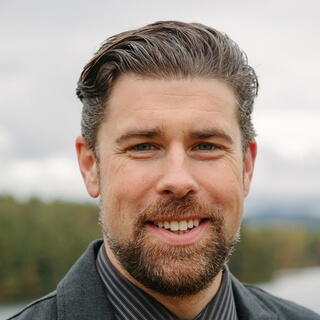
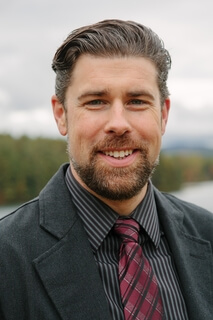
Hello and welcome to episode 22 of Contemplate This.
I am your host,
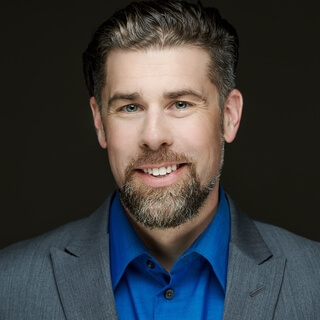
Tom Buschlach,
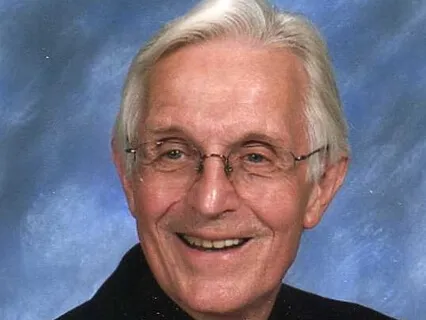
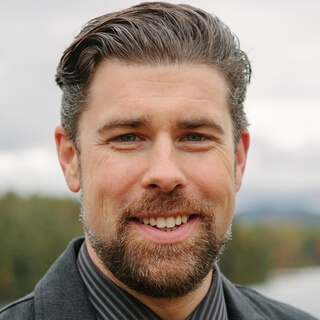
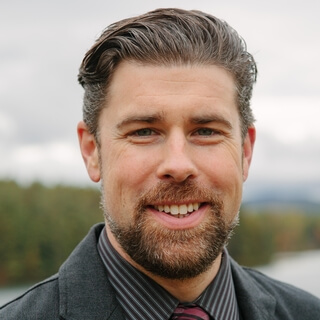
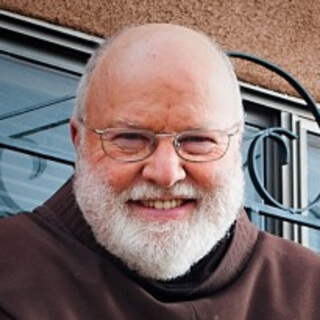
And this interview is with Father Bill Sheehan.
The idea to interview Father Bill was suggested by Jim McElroy,
Who was my guest on episode 19.
And wow,
Was that a great suggestion.
Normally I have to kind of warm up my guests with a few questions,
But Father Bill just dives right into the heart of contemplative prayer and meditation right from the start.
The other amazing thing about Bill is that although he is not himself in a 12-step recovery program,
He's been a valuable resource for many people involved in the 12-step contemplative outreach community over the years.
Bill is a member of the Oblate Missionaries of Immaculate Mary religious order,
And he's been involved with centering prayer and contemplative outreach since the very beginning.
In fact,
He was at the now famous Llama Retreat in New Mexico in 1983,
Where Thomas Keating first unleashed the method of centering prayer to the world as we know it today.
Bill speaks with a warmth and a wisdom that can only come from years of being immersed in his practice and in living out the fruits of contemplation in daily life.
I do want to mention that the recording kept picking up a rustling sound,
And no matter what we tried to do,
We couldn't figure out how to get rid of it during the interview.
So I ask you to bear with it,
And I trust that Bill's authentic joy will override any frustration you find in the imperfections of the recording.
You can find the show notes page for this episode at thomasjbushlack.
Com forward slash episode 22.
That's the word episode two two with no spaces.
Along with lots of links to the recordings,
Books,
And resources that we mentioned throughout this episode.
These are excellent resources for you to dive deeper into some of the things that we talk about together,
So you'll definitely want to check them out.
A few quick announcements before we cut to the interview.
First,
If you've gone to my site recently,
You've noticed that thomasjbushlack.
Com has a brand new look.
You can still find all the same great content,
Including the podcast,
And of course,
I have to mention my course on the 11th step,
Contemplative prayer and meditation for 12 step recovery,
To help support your own recovery and share my experience,
Strength,
And hope with others.
Also,
In a few weeks,
I'll have another site going live at centeringforwisdom.
Com.
This site will feature my Centering for Wisdom assessment tool,
Along with public speaking and professional development and coaching workshops to help leaders deepen your contemplative practice and enhance your wise and ethical decision making in both personal and professional life.
If you want to learn more about Centering for Wisdom,
You can go to thomasjbushlack.
Com forward slash assessment and read a fun blog post that I wrote about it.
And if you want to get notified when the new site goes live,
You can sign up for my email list on the main page at thomasjbushlack.
Com.
And as a bonus,
You'll receive a free download of my most popular guided meditation from the Insight Timer app.
If you're enjoying the show,
Please take a minute to leave a review wherever you listen to your podcasts or consider making a free will donation to support the production costs involved in creating each show.
Either way,
Your support is very much appreciated and helps us all to pay it forward.
Okay,
Let's get right into my interview with Father Bill Sheehan.
I'm here with Father Bill Sheehan,
And he was recommended to be a guest by my previous guest,
Jim McElroy on episode 19,
I think it was.
So thank you for being here.
Great to have you.
My pleasure,
My pleasure.
Wonderful.
So Jim told us a little bit about his involvement with 12-step Outreach and Centering Prayer,
And I know that you have met Jim through that.
So you wanna tell us a little bit about how you made that connection and how you got involved with Contemplative Outreach as well as the 12-step.
Well,
I can begin.
We've just had Jim on the podcast.
It was probably about 12 years ago that I got a phone call from Jim inviting me to come to St.
Louis for their 11-step weekend retreat.
And when he initially asked me,
I was quite hesitant because I don't,
As we say,
I don't walk the talk.
I know a lot about the program,
But I've been in relationship with a lot of people in recovery,
But they don't actually walk the talk.
But Jim kind of put that aside and said,
We want you to come.
So I began that journey,
Let me say 10 or 12 years ago,
And went out each year for their weekend retreat.
And for me,
It was just a profound experience.
And probably the most touching part of the experience of what moved me deeply was on each of the evenings,
Friday and Saturday evening,
They would have a meeting,
An AA meeting.
12-step meeting,
Yeah.
12-step meeting,
And just sitting in on that and listening to people's stories.
And initially,
As they began to tell the story,
I would be saying to myself,
They could be dead.
And here they are just full of life and energy and gratitude,
And for me,
That was the most moving part of the weekend,
Even though I was available to chat with people and help with different aspects of the retreat.
But for me,
That was the gift that I received.
I know I've heard a lot of those stories over the years myself,
And I think a lot of people recognize that if the addiction is severe enough,
The outcome is either death or recovery.
Exactly.
At some point,
We talk about rock bottom,
That the choice becomes unavoidable between the two.
Yeah.
Yeah.
And one of the things that,
When the very first weekend that I participated in that retreat was basically an introductory workshop on Centering Prayer,
And that was the focus for the whole retreat,
Giving the various conferences that allow people to be initiated into the experience of prayer.
And then the next year I went,
There were a number of people that had been the previous year,
So it was kind of like what to do.
They don't need necessarily to go through the introductory.
So that's when Jim and I began,
And the other members of the team began to integrate the welcoming prayer practice and the forgiveness practice.
And again,
Both of those practices were just so helpful to this particular community.
And it was just a joy for me to see how enthusiastically they absorbed these practices.
So it's like they were integrating a contemplative prayer practice,
Their relationship with their higher power,
But also integrating these two active spiritual practices that just were so helpful in terms of integrating and growing and deepening in their process of recovery.
It was just tremendous.
And there were always 55 or 60 people at those retreats,
So they were very well attended.
Yeah.
I think that listeners have probably heard me talk about centering prayer and might have a sense of what that is,
But could you explain a little bit what the welcoming prayer and the forgiving prayer are?
Sure,
I'd be glad to.
The welcoming prayer,
The way we describe it,
It arose early on in the history of Contemplative Outreach.
I mentioned the 1983 Lama retreat was probably a couple of years later,
Maybe 85.
I would say no later than 85,
The Mary Moroski,
Who was one of the retreatants at Lama and a very,
Very close collaborator with Thomas Keating.
In fact,
I would call Mary the co-founder of Contemplative Outreach along with Thomas,
An extraordinary woman.
And she began to put together what ultimately became the welcoming prayer.
And then it's been refined down through the years,
But it's basically an active spiritual practice outside the time of centering prayer that helps us to continue to disidentify with our over identification,
With our emotional programs for happiness.
And in developing his false self,
True self paradigm,
Building on Thomas Merton,
Thomas Keating would say that one of the internal sources that contribute to the building up of the false self is our over identification with our exaggerated demand for power,
Control,
Affection,
Esteem,
Approval,
Or security.
And he goes on to,
Or Mary went on to point out that it's,
How do we know when our emotional programs are acting out?
It has everything to do with the intensity of our afflictive emotions.
So that anytime we begin to feel the buildup of our afflictive emotions,
Like anger or fear or anxiety,
And there's always the external catalyst that kind of brings it forth or contributes to the bringing forth,
But that's precisely when you enter into this active spiritual practice.
Very,
Very,
So very,
Very helpful.
Yeah,
I've found the welcoming prayer to be helpful as well.
Do you,
I don't know if I can do it from memory right now,
But can you remember exactly what the,
There's kind of a,
I wouldn't call it a mantra,
But there's a prayer that goes with it.
Well,
The process would be,
You become aware of the buildup of some intensity,
Say for example,
Around I'm beginning to feel I have just been cut off in traffic and I'm beginning to feel the upsurge of this rage and anger.
And the welcoming prayer would suggest as a first step in the process,
And this is so,
So helpful,
You're invited to focus and to sink into that afflictive emotion precisely where you carry it in your body.
So you focus,
You sink in,
You focus,
You sink in.
And then as you move into the process intentionally,
And this is what makes it a prayer,
Intentionally you welcome the afflictive emotion,
You welcome the anger,
You welcome the fear,
You welcome the anxiety,
And simultaneously in a both and kind of way,
You also welcome the presence of God within the afflictive emotion.
And then you move into the letting go,
And you basically say,
Interiorly I let go of my desire for power,
Control,
Affection,
Esteem,
Approval,
Security.
I let go of my desire to change the situation in which I find myself.
So that's the process.
And initially it might sound a little confusing,
But as you begin to embrace the practice,
It becomes interiorized and it just becomes a part of your own process.
Yeah,
So I found it very helpful,
Both in terms of dealing with addictive desires that might arise,
But also just any kind of negative emotions,
Anxiety has always been a big struggle for me.
And one of the things that I really love about that prayer and how it sort of extends the practice of centering into the more active parts of our day is that I find that my first reaction,
And this is human nature,
When we feel something afflictive and uncomfortable is to wanna get rid of it or deny it,
And certainly the last thing we wanna think is that God is in it.
That's right.
But it's almost like this kind of judo move that if I start to feel that and I push against it,
It pushes back even harder.
And then my anxiety builds or my desire builds until I'm acting on it or I'm,
Whatever.
But there's something about just recognizing it and letting it be and getting myself out of the way that there's a real deep healing that can happen in that process.
Well,
It's the healing and it's the ongoing,
It's really the ongoing fruit of centering prayer,
Because when you enter into centering prayer through a daily practice,
A couple of times a day as Father Thomas would recommend,
That very process is beginning to soften up.
A lot of the emotional experience,
The emotional material that we've absorbed in the body,
It's just there.
And as you move into this more receptive form of prayer,
The softening up comes.
So I've always said early on that you cannot introduce people to centering prayer without fairly soon also inviting them to experience the welcoming prayer.
To me,
It's a both and.
Because again,
Oftentimes people will say,
I'm praying more and more and feeling worse and worse.
Well,
It's okay.
You know,
It really is okay,
But you need that extra help along the way so that you don't fall back into either being disappointed in yourself for the intensity of one of the emotions or God help us repressing it or pushing it aside.
It's like,
God is present.
It's really the element,
I believe,
It is the healing,
But it's also the purification of these tendencies that are so deeply embedded within the human condition.
This isn't a moral issue,
As you were just saying.
It's a human issue,
You know,
And that's to feel at home and to feel comfortable with all of that process is terribly important.
Yeah,
And I just wanna point out for listeners too that the language that you were using around emotional programs for happiness,
The desire for security,
Affection,
And control,
That a lot of that language comes from Thomas Keating's small but beautiful little book called The Human Condition.
Exactly.
For people who are interested in exploring that,
I'll put a link to that book in the show notes that they can explore.
Again,
Just a little,
That particular book represented two conferences that he gave to the Harvard Divinity School many,
Many years ago,
And it was those conferences that they put together,
How they put that particular book together,
But it was excellent.
It is a great read.
He says in there at the beginning that he's bringing together this sort of ancient contemplative wisdom of the Christian and other traditions with modern psychology and insights into how we store and process memory,
And yeah,
It's just,
It's beautiful,
Yeah.
Well,
One of the things,
Just on that,
You know,
Welcoming prayer,
For me,
One of the great insights he offered early on,
But you know,
It takes a while to absorb it,
Is his reminder that the body,
Our bodies absorb every experience of our lives,
You know,
So it's the storehouse of our,
You know,
Of our own lived experience,
And some of that can be pretty painful,
And how do we open ourselves to receive or to experience the healing and the purification that God wants to share with us?
You know,
God is with us,
God is not against us.
You know,
He's accompanying us.
Wow.
There's a,
You also used some language about the welcoming prayer being an active prayer,
And centering prayer being a passive or a contemplative,
Receptive prayer.
Can you explain the difference?
My big point on centering prayer,
And frankly,
After many years of practice,
If you were to ask me,
And even if you don't,
I'm going to tell you.
Well,
I did.
The pure goal of centering prayer is receptivity,
Because it's a receptive form of contemplative prayer where the emphasis is really,
You know,
Put in our willingness,
Our desire to consent to the love and to the presence and to the action of God unfolding from within the depths of our hearts 24-7.
And then the letting go,
You know,
Anytime,
You know,
A thought or an insight being,
Just the yielding,
The surrendering,
But you're experiencing that in a mode of receptivity.
God is loving us 24-7,
And what does that mean?
And you know,
How can that become more and more the foundation,
As Ignatius would say,
The principle and the foundation of the spiritual life?
God loving us unconditionally,
And all we're being invited to do is to consent,
And then,
You know,
To let go of whatever might be getting in the way without judgment,
Without,
You know,
Any kind of a moral inventory,
Just let it be and let it go,
And when I say that,
Letting be and letting go,
It's not just a casual,
You're surrendering whatever that is to the love and to the presence and to the action of God,
So it's all about relationship.
Wow.
You also mentioned the prayer of forgiveness or forgiving prayer,
That one I'm not familiar with.
Can you explain that?
Well,
That again,
I think Mary Moravsky,
Mary Moravsky,
Along with the Welcoming Prayer,
Began to put together this,
It's an active,
It's more of an active meditative approach where you're invited,
You know,
Particularly if you do it communally,
You know,
You lead people,
You'd first of all do kind of like a body scan and just encourage people,
You know,
To move from the head to the,
Through the body,
To the heart,
And then just to relax,
And then you're invited to allow that soft penetrating light to return to the area of the chest and to enter into the place of the heart where you are in the presence of the Holy Spirit.
And the first step in the process would be to invite someone into your sacred,
Safe place that you need or that you want to forgive.
And then,
You know,
As I say,
A guided meditation,
You know,
A person comes into your sacred,
Safe place,
And you let them know,
Interiorly,
You let them know how much they may have hurt you or traumatized you or affected you in a negative kind of way.
You share that in spades,
And then after that,
You simply say to the person that's come into your sacred,
Safe place,
I forgive you,
I forgive you,
I forgive you.
And then I think what makes this particular forgiveness practice special,
Then you ask the person that's come into your sacred,
Safe place,
How have I offended you?
How have I hurt you?
How have I traumatized you?
And you listen,
And then you say,
You know,
Forgive me,
Forgive me,
Forgive me.
So it's a very,
Very,
Very,
Very powerful,
Powerful practice.
And as I mentioned earlier,
It's really taken on a particular importance in the recovery community because once sobriety has been achieved through surrender and the 12 steps,
Those in recovery become aware in their sobriety of how they really have hurt an awful lot of people in their lives,
You know?
And so it's just so helpful rather than having them in their sobriety,
Feel guilty or upset,
Or get back into a negative mode of judging themselves,
You know,
Rather than taking that step,
You know,
Of simply asking for forgiveness or offering forgiveness.
Yeah,
And I remember reading Bill W.
Talking about how he could trace back every time he,
You know,
Kind of gave into the addiction.
There was always a resentment at the core kind of driving that.
And I think,
I mean,
Everybody struggles with it on some level,
But particularly if you work a recovery program long enough,
You are gonna uncover,
I mean,
I remember just years of like peeling onions of like resentments that I held.
And I didn't have quite that meditation practice that you just described,
But I know that even my centering prayer was helping with that process.
If anyone wanted a copy of that forgiveness practice,
You could obtain that through Contemplative Outreach,
The national office under the Contemplative Life Program.
And that's where they have put together a number of practices,
The welcoming prayer,
As well as the forgiveness practice,
Lectio and Centering,
All in a little booklet,
You know,
Individual book.
So that might be helpful for people to know.
That's great.
I'm gonna look for that,
Because I know the website pretty well and I'll find it and put a link to it in the show notes page as well.
Oh,
That'd be great.
That'd be great.
That's great.
I didn't,
Yeah,
I hadn't heard quite that piece of it before.
Whoo,
All right,
We got like right in.
That's awesome.
Usually it takes a while to warm up to like get into the depths of practice,
But you just went there.
So you talked a little bit about getting involved in the St.
Louis chapter of 12-Step Outreach.
Now,
In terms of a little bit more background,
Were you present at that 1983 retreat where centering prayer was sort of,
Its modern form took shape?
Yeah,
I was,
At the time,
I was stationed in the ash diocese of Miami,
And I was the director of formation for our lay ministry program.
I was living in an abla community in the Overtown section of Miami,
But then actually worked in the pastoral center in the office of lay ministry.
And so interestingly,
It was in February of 1983 that I was in my office,
And the director of the lay ministry program,
Dr.
Mercedes Coppetta,
Come into my office and wanted to know if I knew of a good keynote speaker who could come the following September to keynote a workshop on prayer for our lay ministers.
And I had just put down an article in review for religious.
It was written by Basil Pennington,
But it was all about Thomas Keating.
And so I just mentioned to Mercedes,
Gee,
If you could get Thomas Keating,
That would be wonderful.
Well,
She left the office,
And I was kind of going about my preparation for an evening program,
But just getting ready to leave the office,
And she comes in and says,
Well,
He's coming.
Thomas is coming in September.
And then she said to me,
Well,
When I was talking to him,
He mentioned that he was planning this 14-day contemplative retreat in New Mexico in August.
And he invited me to come,
And she said,
I can't go because my daughter-in-law is expecting in August.
Would you like to go?
So I heard her invitation,
But my conflict was that the particular dates of that August retreat was the only time I would have been able to get up to New England to visit my family and to get out of the humidity of Miami.
And so,
And whenever I'm in doubt,
I'll usually say,
Well,
Let me pray about it.
And it's initially a mode of escape,
But I,
You know,
So I went up,
I had an evening program up in Broward County,
And I come back home,
And I'll never forget it.
I was in my room,
And I'm sitting in my chair and mulling this over.
And I just heard a voice say,
You will never have another opportunity like this.
So that was kind of okay.
And I went in the next morning and thanked her for,
You know,
Offering that opportunity,
And I'd be happy to go.
It was truly a life-changing experience,
But it was really through Mercedes that I had the opportunity.
So she went,
I believe she went the next year,
But anyway,
I've been eternally grateful to her ever since.
Is there anything that stands out to you?
No,
So I know Thomas sort of facilitated or led that retreat,
And then was Basil Pennington and William Menninger also there for that?
No,
Thomas was the only trappist there.
Thomas was there,
And he was obviously the leader.
Well,
For me,
Tom,
The experience of,
You know,
Going to the mountains of the San Cristobal mountains in Northern New Mexico,
As I've said to people over the years,
Probably for the first time in my life,
I was in my mid 40s at that time,
And life at LAMA was reduced to utter simplicity.
There was no electricity.
We were living in this Adobe kind of simple rooms,
No indoor facilities.
There was the proverbial outhouse,
And it was all vegetarian,
And it was an ecumenical or an inter-religious community that made up,
You know,
The LAMA Foundation.
So it was an extraordinary environment.
And then Thomas was able to have the Adobe set up so that we had our rooms,
And then basically going through the day,
It was similar to a post-intensive or an intensive centering prayer retreat,
Began early in the morning with a triple sit with the meditative walk,
And then there'd be,
And it was all in silence,
And there were 12 of us there,
And breakfast,
And then probably around nine or 9.
30,
Thomas would offer a conference that would always go at least an hour,
An hour and 15 minutes,
And was all the seminal material that eventually was published in certainly beginning in open mind,
Open heart,
And then again,
We would have three or four periods of centering prayer,
We'd have Eucharist later in the afternoon,
We'd have a couple of hours in the afternoon just to kind of relax,
Go walking,
But it was just an extraordinary experience of just being so focused and really so detached from everything other than,
You know,
Focusing in on what Thomas was sharing with us and the experience of the prayer.
And then in the evening,
He'd have us gather together in kind of like a forum,
And he was starting to share his hopes and his dreams,
And that's where I've always said that the person who stood out in those evening conferences or evening sharings with Thomas was Mary Maroski.
So it was really,
And they became very,
Very close friends.
I don't know whether you know Mary,
Mary passed away in 1993.
So very suddenly,
I was in Denver,
Colorado with Bernadette,
With Bernadette,
Not Roberts,
Bernadette Teasdale,
And Mary was outstanding.
Yeah,
I never had an encounter with her,
Unfortunately.
Yeah,
No,
You would have loved her.
Yeah,
I bet I would have,
Yeah.
Yeah,
So if you were involved in those early days,
And then what were you,
What kind of work in ministry were you involved in then and how it grew?
Well,
At that particular time,
I was involved,
As I mentioned,
In the Office of Lay Ministry in the Archdiocese of Miami.
I was the director of formation,
And at that time,
Our lay ministry program was a two-year program that our staff would go to different places in the archdiocese to offer our two-year program.
And it was after my experience with Father Thomas in Enlama that,
And in my own growing commitment to Centering Prayer,
That that practice became also part of what we offered to our lay ministers in that particular program.
And then we began in the Archdiocese of Miami probably about six months after,
Probably the following spring,
People had been after me to begin a prayer group,
A Centering Prayer group,
And I was kind of hesitant.
I had a number of things I was involved in,
But finally,
I just said,
Well,
All right,
We had a house in Coral Gables that belonged to the Scopeta family,
And it was kind of opened up to the lay ministry office.
And so I mentioned that on such and such a night,
We could begin.
And I thought we'd probably have a few people that would come to Coral Gables for this experience.
We had about 35 people that showed up,
And that was the first time that we began the weekly prayer group.
The weekly,
Not only gave them an introductory to Centering Prayer,
But then began to meet on a regular basis anytime people wanted to gather for that.
So that was the beginning.
And then other prayer groups began,
And we began,
Because we had two retreat houses in the area,
Dominican Retreat House and a Seneca Retreat House up in Lantana,
That we could begin to have weekend retreats and then longer retreats.
And we were able to have Father Thomas join us probably two or three times during my period there.
So 1983 was the llama experience,
And then I remained in the Ashtayasis until 1988.
And then I was reassigned to Arnavishad out in Godfrey,
Illinois,
Not too far from you.
But so during the,
From 83 to 88,
We really began to open up the whole contemplative dimension to the people in the Ashtayasis that were interested.
And when I left,
We had a number of prayer groups.
And as I say,
We were doing the introductory workshops,
Beginning the prayer groups,
And then wanting to offer more support in terms of days of prayer,
Weekends,
And then the longer retreats,
Either at the Lantana Retreat House or the seminary,
St.
Vincent de Paul up in Boynton Beach,
Or the minor seminary in Stillwater,
In Miami,
Actually.
So there was a lot going on.
I was,
And lay ministry was just very,
Very supportive of this particular evolution that was happening in terms of contemplative prayer.
Yeah.
One of the,
I've heard this story from several different people,
Some on this podcast,
And some just talking to people and meeting people.
And one of the things that I'm so fascinated by is that the movement sort of started with a very monastic and a very Catholic emphasis.
And that makes sense because I think these traditions have,
And not just in Christianity,
But in Buddhism and other traditions,
Thrived and been handed down in monastic communities.
But one of the things that's happened is that almost as it's taken its life of its own,
Without anybody directly intending it,
It's grown to become something that many people who are not in a monastery or ordained directly for ministry find very life-giving and nourishing for their spiritual life.
And it's become very ecumenical,
Which for a big fancy theology word,
For beyond just one sort of Christian denomination,
It's not just a Catholic thing.
In fact,
It seems to be growing the fastest among Episcopalians,
As far as I can tell.
Even evangelicals learning more about it and even inter-religious and inter-spiritual.
So I don't know if you have any reflections on that growth and process?
No,
I would just,
I think you've summed that up beautifully.
And even in 1983,
When Father Thomas was conducting a retreat in New Mexico,
I'm trying to remember,
As I mentioned,
There were 12 of us on the retreat.
And I can't remember exactly,
But not everyone was Catholic.
Maybe that's the way of putting it.
So that even in the very beginning,
There was that ecumenical element attached to it.
And when we had the Eucharist,
Everyone was welcome.
And the Eucharist was part of the daily routine.
And in my experience,
Usually the Eucharist is part of the retreat experience,
But again,
Everyone is welcome.
Now,
I realize when I'm saying that to you,
That could be easily contradicted by the National Conference of Catholic Bishops.
And I'm very aware of that.
Yeah.
And I know you're editing this,
So you'll be very prudent.
But I'm at a point now where if communion becomes an issue,
I would not celebrate.
Yeah.
I would do Alexia or do something else,
But I would not put people through,
Because my sense without,
I'm no trained theologian,
Like some training or formation with Adrian von Kahn years ago at Duquesne University.
So it was kind of an integrative formative program,
More rooted in good psychology.
But I cannot understand how anyone could be excluded who are this deeply involved in their relationship with God.
Especially when the sort of,
Yeah.
When the root of what you awaken to in your practice is that we are all in union in God already.
That's right.
And I can see how those things that are external and divide us,
Which I don't think the Eucharist is necessarily meant to be external and divisive,
But in certain contexts,
If it's perceived that way,
Then it becomes a barrier.
It can be,
Yeah.
It can be.
But again,
Your intuition or your sense that Centering Prayer is becoming more ecumenical and it is becoming very much a part of the inter-religious dialogue,
Thank God,
That's going on.
And I mean,
And I don't wanna misquote Father Thomas,
But I'm almost certain that at one point in my hearing,
Thomas said the future of institutional religion is inter-religious dialogue.
He said without that.
And I believe that's true.
I believe that's true.
Yeah,
Well,
He certainly lived it.
He did,
He did.
Yeah.
Have you ever seen,
Again,
Deagra,
Have you ever seen the edition of Common Heart?
No,
Is that a video or?
That was the summation of what is called the Snowmass Conferences.
And this began in 1985 where Thomas from Snowmass invited a number of faith leaders from different traditions to come to Snowmass for inter-religious dialogue.
And so the process was,
And I think this is brilliant,
The process was they would gather and they would pray out of their own tradition.
And then they would come together and they would begin to reflect upon areas of agreement present within all of the major world religions.
And then I believe they met maybe once or twice a year,
And this went on for 20 years.
And eventually through the prayer and the sharing of areas of agreement,
The trust level within the community,
Within this inter-religious community grew to such a degree that they then could begin to talk about areas of disagreement with a great deal of mutual trust and respect.
And to me,
That captures the process.
I think that could well lead us along this inter-religious path.
There always will be areas of disagreement,
But they don't have to be divisive.
Right.
So yeah,
And what a model that we need right now.
Absolutely,
Absolutely.
Now is that video available like on YouTube or is it something you have to purchase?
Yeah,
Well,
It's a book.
It's a little book entitled,
It's a little book entitled,
The Common Heart.
Common Heart,
Okay.
Well,
I will also look for that for the show notes.
You would get that in,
From Condemned of Our Reach.
Yeah,
They have it all.
Yeah,
Yeah.
Oh,
That's wonderful.
Anything else that you've observed that you think is particularly important in the development that you've lived of this movement?
Well,
Something that Thomas said,
Years and years ago,
At the very beginning,
He would make the observation that the only mistake you can make in centering prayer is to get up and leave.
Yes,
I love it.
Beyond the 20 minutes or beyond the 30 minutes you committed yourself to.
But then he also said,
And this has been my experience,
You know,
As you move along,
You need to keep in a good sense,
Not in a rigid sense,
But from the point of view of attraction,
You begin to need to add more time,
Give more time to God in relationship to this practice.
And I've found that to be such a gift,
To be such a gift.
Not to get terribly personal and strike this absolutely if you wish,
But- Oh,
I'd say go as personal as you want,
As you're comfortable with.
It was last,
It was last,
And I maintain this is the fruit of years of centering prayer and other contemplative practices.
But I think you're a little aware of this because we were going to try to connect it a bit earlier,
But it was last August.
I had just come back from Ireland on August 11th.
And prior to going to Ireland,
I'm a big walker,
And I walk about an hour,
An hour and a half a day,
Breaking it up,
But usually try to get a good hour in in the morning.
And I was beginning to notice that I was feeling some pressure around my heart,
And I knew something was going on,
But I kept saying,
Well,
As soon as I come back from Ireland,
I'll take care of this.
And just before I left,
I bumped into a very good friend of mine and she and her husband,
And she's a retired cardiac nurse.
And when I was telling her my symptoms,
She literally went ballistic and said,
You can't go to Ireland,
You're gonna have to have this taken care of and so on and so forth.
I said,
Well,
I'm gonna go to Ireland and I will have it taken care of.
But I saw a heart man just the day before I left for Ireland and he told me after the electrocardiogram and the treadmill,
He said,
Yeah,
There are some changes here.
So I said,
Well,
As soon as I come back,
He said,
As soon as you come back the day after you come back,
You're gonna have a heart cap.
So I get in on Sunday night and Monday morning,
I'm over at Lowell General Hospital and they're giving me a heart cap.
And he finished and he looked at me and he said,
Well,
You're not going home.
He said,
We're taking you right into Tufts Medical Center in Boston.
And I was surprised frankly,
But I said,
Well,
Whatever you say.
And so I was able to get a few things before I left from home,
But I'm in Tufts Medical and everyone was just wonderful.
And the surgeon came in on Tuesday and he said to me,
He said,
You're very,
Very fortunate.
He said,
You're in very good health.
And he said,
You're a good candidate for this procedure.
It's about a seven hour procedure.
And he said,
But there could be complications.
He said,
You might suffer a stroke.
And I forget a couple of other negatives that he said could happen.
And honestly,
When he left the room,
Probably,
You know,
I'm 83.
I was just 83 when I got back from Ireland.
I flew back on my birthday in August.
And,
But I'm laying there in the bed and becoming very much aware,
You know,
For the first time in my life,
I heard that I could die.
And so as I heard myself say that,
I experienced such a deep sense of peace.
And the self-talk was,
Well,
I'm 83 years old.
I've lived a long life and it's been a good life.
And I'm very grateful,
But just that sense of peace,
As you know,
The night before I underwent that surgery,
I still,
That memory keeps coming back to me.
And it's just profound gratitude and a deep sense of joy.
I just,
I'm just,
Each day is a gift,
You know,
And I attribute all of that to the fruit of the prayer.
You know,
So that's why I keep encouraging people,
Show up and just do it.
You know.
Wow.
Well,
You went to the question I wanted to lead to,
And I don't even have to do it,
Which was to ask you about the effect that the prayer has had on you,
The contemplative prayer in particular.
Well,
For me,
That experience was very reinforcing in terms of,
You know,
God is present,
God is with me,
Even in this moment of vulnerability,
But for me,
I would say the ongoing fruit of the experience is the attraction to the prayer.
It's just a part of my life.
And,
You know,
It might sound a little restrictive,
But I basically tell people or share with people,
I cannot not center,
It's just part of my,
It's my life.
And so that attraction and that awareness of God's presence,
You know,
When you begin to move into some of the mystical part of our tradition and you,
You know,
Listen to someone like blessed Julian,
Who out of her experience of the mystery of God would go on to say,
You know,
There's never a moment in our lives when we are separated from God that we've come forth from God and we're returning to God.
And at every moment in our lives,
We're being upheld.
And it's that sense for me,
That sense of presence.
And that's why I keep,
Always fall back on it's all about relationship.
We are in this relationship of unconditional love.
And can we accept that?
Can we embrace that?
And can we continue to receive,
You know,
The inflow of God's love that wants to heal and to purify and to,
You know,
To make all things new from the inside out,
You know,
It's God's work with our consent,
But that is our tradition,
You know,
And it's just a beautiful thing.
Yeah.
I don't know if you've ever been a runner.
I don't anymore,
I used to.
Yeah,
I do.
Yeah.
I was a job,
Started actually,
Not to interrupt,
But I started actually,
I was ordained in 1965 and actually did not think I would be remaining at our seminary or at the Oligate in Washington,
But without going into all of the details,
It was,
My father was very,
Very sick at the time.
So I was due to go to Brazil.
I had asked to go to Brazil and I was given that permission,
But then because of my dad's sickness,
I was asked to wait,
You know,
I mean,
The doctor had basically put it on the level of weeks.
So the provincial said,
Well,
Why don't you stay in Washington?
So all during my seminary training,
About 10 years,
Every day you had to go out.
I mean,
It was part of the regulation.
You had to go out and whatever the sport of the season was,
You know,
So I was very used to daily physical exercise.
And when I was ordained and kind of on a different schedule than the seminarians or the theologians,
I had no one to play with.
That is really what began the jogging.
And so I probably jogged for 50 years now,
You know,
I never was a marathoner.
And so,
I mean,
But I,
You know,
I kind of,
You know,
Would go out every day and the beautiful thing about jogging,
And I've done a fair amount of travel for the community over the years,
Going to different parts of the oblate world and all I'd have to do is bring my jogging shoes and I could continue.
So,
But then when I turned 80 and someone had given me a Fitbit,
I kind of shifted to walking and I'm now in competition with other people in terms of 10,
000 steps a day,
Or you're out of my life if you can't keep up with me.
No,
Yeah.
Well,
I brought up the example because I think there's something analogous in Centering Prayer with,
When you talked about how you can't not practice.
And I think that when you start an exercise program or start running,
It's not really that fun for the first couple of weeks.
It's kind of painful.
But then when you're in that rhythm,
You get to a point where like,
You start to get twitchy if you don't get your run in.
And I find the same thing happens with Centering Prayer after a while.
And then another analogy,
As you were talking popped into my head about,
You know,
A lot of people are tuned in now to,
Cause so many people have Fitbits or smartwatches,
To getting those 10,
000 steps,
Which is like,
It's a wonderful thing for health,
Right?
To be aware of.
So it's a noble goal.
But if we can get that same mentality of,
You know,
20 to 30 minutes twice a day,
Just like the 10,
000 steps for the practice,
Then I think everything starts to change around that.
Well,
I mean,
For me,
You know,
One of the ways I wanna respond to what you're saying is,
You know,
Keeping aware that we're body,
Mind and spirit,
You know,
And the exercise,
You know,
And the prayer are both integrative kinds of experiences in terms of holistic approach to living our lives.
But the other thing on,
And you probably have heard this,
But the 20 minutes a couple of times a day,
Why did Thomas,
Why was he so insistent on that?
And it comes out of one of his spiritual principles that he articulated or shared in the 1983 retreat.
He said,
You will not grow spiritually until you come to that point in your life when you place an equal value or as much value on the gift of your being as you place on the gift of your doing.
And so his point,
You take 20 minutes a couple of times a day,
You're honoring the gift of your being,
Because what are you doing?
You're just being with God,
And you're just being in silence,
You know,
And you're not doing anything other than consenting and letting go and receiving.
So I mean,
To me,
It's a,
That particular principle,
I think,
Says it all,
Because we are so,
You know,
So over-identified with the doing aspect that it's very difficult to get people to kind of take the risk of choosing to bring that.
And then it's only when you choose to begin to integrate that,
You know,
In due time,
You begin then to see the fruits,
But it's a challenge.
It is.
But I think that- Yeah,
Well,
No,
It's- Go ahead,
You go ahead.
But just that principle,
I mean,
It's a being doing thing,
And people can identify with it immediately,
But still they're so caught up in ego.
And I say,
You're caught up in ego and you're under the illusion you're in control,
And that's stinking thinking.
I say,
Got it.
Oh yeah,
Bill W,
Yeah.
Yeah,
Oh yeah.
But the other thing,
Another note on Bill W with a welcoming prayer,
Tom,
Is,
So the story goes that Bill,
As I understand it,
And as I've been told,
Bill W attained sobriety and was with Dr.
Bob,
Moving about the country,
Promoting the 12 Steps and the spirituality of the 12 Steps.
And then after about 12 years,
He had either a depression or a breakdown.
And he never,
Thank God,
He never drank.
He maintained a sobriety,
But he couldn't quite understand what had happened.
And then through the prayer of St.
Francis,
He became aware that he put an extraordinary amount of emphasis on his exaggerated demand for affection,
Esteem,
Approval.
And once he became aware of that,
Then he wrote to 12 Steppers,
Emotional sobriety,
The next frontier.
And that's why welcoming prayer in relationship to recovery is,
You know,
It's just,
I mean,
It's a Bill W,
You know,
There's no question about it.
Yeah,
Wow.
He may not have had the practice or,
You know,
A way of naming it,
But boy,
Oh boy,
He was aware of the addiction or the pull.
Yeah,
Wow.
Wow,
I hadn't heard that particular story before.
You might check that out with Jim.
You might check that out with Jim,
But I'm,
I,
Yeah,
I know that that is pretty much the way it was.
I mean,
They said,
Did he have a breakdown?
Did he have a depression?
He just hit bottom emotionally.
And when you begin to share that with the folks who mentioned that letter,
Emotional sobriety,
Where they click right in and then,
Well,
Here's the practice that might be able to retain emotional sobriety through this practice.
Yeah.
One of my favorite talks that I've listened to,
And you can find it on YouTube,
Is by Ram Dass,
Who's a meditation teacher from a slightly different background,
But it's on addiction,
And he talks about how it's possible to be just as addicted to recovery as one is to the drug or the behavior that got you there in the first place.
So when you kind of are gripping for security and affection and control around,
I haven't had a drink in three years,
Five days,
You know,
Six hours and 25 seconds,
Is there any more freedom in that grip than the alcohol or the drug?
Yeah,
Exactly.
And it strikes me that that was maybe part of Bill W's process of just continuing to let go and peel the onion.
It's ongoing.
Yeah,
Yeah,
Yeah,
No,
It's great.
So those are the,
I mean,
With recovery,
The two practices that means so much to them is forgiveness and the welcoming,
Because once sobriety has been attained,
You know,
You can feel,
You know,
They can,
One can feel the anger or the rage,
And it's like,
Wow,
You know,
How do I deal with this?
How do I relate to this?
Yeah,
Wow.
Well,
These are wonderful stories.
I have some questions that I like to ask people towards the end of the interview.
And they're kind of rapid fire,
Fill in the blank without thinking about it too much.
Okay.
So don't censor,
Just consent to whatever pops into your mind.
So how would you fill in the following phrase?
Contemplation is?
Contemplation is a growing awareness of the love and the presence and the action of God closer to you than you are to yourself.
The purpose of contemplation is all about?
Deepening in our relationship with God and with all of humankind.
And with the cosmos.
Teilhard would appreciate that.
Yeah,
No,
Teilhard is one of my heroes.
Yeah.
Is there a word or a phrase that captures the heart of your contemplative experience?
Gratitude and joy.
And then kind of looking forward,
What is,
And you've seen so much of this development in history and lived it,
What's your hope for the next generation of contemplative practitioners?
That as practitioners,
More and more,
We would grow in our commitment to,
On a practical level,
To facilitate or to foster interreligious dialogue.
Because we are all one.
And that was Thomas Merton's famous statement just probably weeks before he died in Bangkok,
But he was in Asia on his way to Bangkok and he was speaking to a group of monastics.
And at the end of the conference,
He simply said,
Brothers and sisters,
We are all one.
We just don't know that yet.
You know,
It's the not knowing that yet that this particular thrust to it,
Discovering the contemplative dimension in all of our faith traditions will bring about that sense of we are all one,
Where we are the image and the likeness of a higher power of God,
However you want to name that experience.
You know,
I'm very,
Very grateful to be grounded in the Christian contemplative tradition.
And hopefully that will become more and more available to the people of God or to the people of the world and how we can learn and glean that wisdom from one another is to me,
That's the future.
I can say that at 83,
Cause I'm not going to have to do too much more.
Well,
That's why you just named why I started this podcast and why I want to interview and not capture isn't the right word,
But appreciate and share the wisdom that you and others have.
So thank you for sharing that with me and with all of the listeners out there.
My pleasure,
My pleasure.
Hey,
Thanks again,
Everybody for listening.
As always,
You can check out the show notes page and explore some of the resources we talked about in this interview by going to thomasjbushlack.
Com forward slash episode 22.
That's the word episode followed by two,
Two with no spaces.
There you can also make a donation to support the podcast.
And if you would be so kind,
Please take a moment to leave a review or a rating on Apple podcasts or whatever streaming service you use to listen to the podcast.
And don't forget that you can sign up for my email list,
Get your free guided meditation at thomasjbushlack.
Com.
And you'll also be among the first to know when the new site goes live at centeringforwisdom.
Com in the coming weeks.
Until next time,
May you continue to find serenity and freedom in your contemplative practice and in your daily life.
As we say in the 12 step world,
Keep coming back,
It works if you work it,
So work it,
You're worth it.
The same thing is true of your daily meditation practice.
You are worth it.
And the world needs your wisdom and your light.
God's peace and blessings upon you and your recovery or in your contemplative journey.
And thanks again for listening.
And I'll see you in the next video.