I think we're all called.
Every single person is called to do something,
To be a part of,
I think,
A greater plan,
I'd say what a capital P,
Right?
That,
You know,
God has provided for us to heal the world.
Everybody has a role in that.
It doesn't matter who you are.
But you have to listen for what you're rolling.
Hey there,
Everybody.
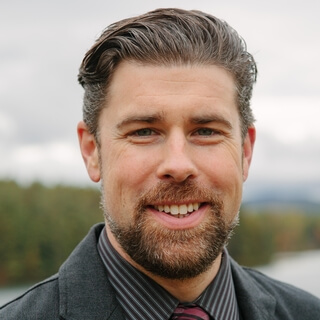
My name is Tom Bushlack and thanks for tuning in to episode nine of Contemplate This,
Conversations on contemplation and compassion.
This interview is with Dr.
Lerita Coleman Brown,
And she describes herself on her site as an embodied spirit,
Writer,
Speaker,
Heart and kidney transplant recipient,
Former psychology professor.
And I consider each day to be a walk of gratitude,
Trust,
And hope.
I am a strong advocate of forgiveness as a healing force in the world and an essential tool for experiencing the peace and joy in your heart.
I think you'll find it particularly interesting to note that she has survived both a heart and a kidney transplant because she has a strong spirit that shines through in her voice.
And I think this is a testament to the mysterious ways in which the body is empowered by surrendering to the deeper force of spirit or Sophia,
As she likes to refer to her friend and guide.
Dr.
Brown is also a graduate of the spiritual guidance program at the Shalem Institute,
Which was co founded by Dr.
Tilden Edwards,
Whom I interviewed in episode three.
She now shares her wisdom with others through writing,
Speaking,
Spiritual direction and leading retreats.
You can of course find links to her website and publications on the show notes page at thomasjbushlack.
Com forward slash episode nine.
That's the word episode and the number nine.
Lerita has also become an advocate of the work of Howard Thurman.
I've come to think of Howard Thurman as one of the most important figures in American history that very few people have heard of.
In fact,
I'm a little embarrassed to say that it wasn't until nearly 10 years into my academic career in theology and ethics that I even heard of Howard Thurman.
His writings,
In particular,
His book,
Jesus and the Disinherited,
First published in 1949,
Were an inspiration to the nonviolent activism of Dr.
Martin Luther King Jr.
And the civil rights movement.
Legend has it that Dr.
King always carried a copy of this book with him when he traveled and when he marched.
Lerita and I discussed Thurman's work and his ongoing significance for today extensively in this interview.
And you can link to some of his works and a blog post by Lerita introducing Thurman on the show notes as well,
Which again is at thomasjbushlack.
Com forward slash episode nine.
Finally,
I'm always grateful for your ongoing support for the podcast,
Which is really starting to grow fast.
The last time I checked,
We were close to over 12,
000 total downloads.
Reviews on iTunes,
Google Play and Stitcher are particularly helpful,
Especially if you leave a written review about why you love the show.
So thanks to those of you who have already done this.
And if you are so moved and you have the means at your disposal to do so,
Freewill donations help me to keep creating,
Hosting and spreading the podcast and the other free resources on my website.
You can donate at thomasjbushlack.
Com forward slash donate and all donations are secure and your privacy is protected.
A special thanks also to those of you who have already made a freewill offering of this kind.
All right.
Without further ado,
Let's get into my interview with Dr.
Lerita Coleman Brown.
Well,
Dr.
Brown,
Thank you for being here with us on the podcast for Contemplate This.
Great.
Thank you so much for inviting me.
Yeah.
So excited to hear your own story and contemplative practice and how you're sharing that with the world.
So to get started,
Why don't you tell us a little bit about yourself,
Your background,
How you came into this world of contemplative prayer and what you're up to now.
All right.
You go as far back as you can,
If you want to start with where you grew up and all that fun stuff.
Well,
I actually grew up in Pasadena,
California.
And as a little girl,
I really was drawn to going outside.
And I can remember as young as four years old,
If there was wind,
Particularly a windy day,
I would ask my mom or dad,
Could I go outside?
And they were like,
Okay,
But how about you put on a jacket?
And I think I've just been a contemplative from the beginning,
But didn't have a name for that.
But I love to be outside with the birds and wind and all those kinds of things,
That stillness in nature.
I think there were certain family members and friends who thought I was a little weird.
And they would often ask my parents,
Well,
What is she doing out there?
And,
You know,
Of course,
I wasn't doing anything.
I was just enjoying sitting out in the wind.
So I started very early with that.
I also went to Catholic school.
So we did a lot of praying.
As I'm sure you may be aware of,
Praying,
You know,
As soon as we got there throughout the day.
And I'm very grateful to my parents for sending me to Catholic school,
Because it gave me this orientation to God from a very early age.
It was not something unusual to have this connection with something other than myself.
And so I think those two things,
This desire to for stillness or for being outside in the wind and somehow later I realized that that was my earliest connections with spirit,
You know,
That to me,
That's the Holy Spirit moving through the trees and,
You know,
The air out there.
So that and the orientation towards God very early on,
I think began me down this contemplative pathway.
Also,
As you may be aware,
You know,
Very,
Mass can be very quiet,
Large churches can be very still.
And so,
You know,
I,
You know,
Would go to mass at various times,
Sometimes early in the morning,
Even before school.
And you know,
There were again was that kind of quiet stillness.
So I've been a lover of silence of stillness,
Of solitude for a long time.
It makes me I started this collection a few years ago of noting words in other languages,
Where the meaning of wind,
Breath and spirit is all in one word.
And I've found about eight different languages so far,
Where that's true.
So it's interesting that you just intuitively connected to to that sense of presence or spirit in the wind.
Is there any particular moment that really stands out for you that you can remember like vividly as a child?
Not really,
I think that it was the consistency that is anytime and of course,
In Southern California,
We have what are called the Santa Ana winds,
Which are a little bit warmer.
But anytime I saw a nice gust of wind outside,
The trees,
You know,
Swaying in the wind,
I just had this,
I don't even know how to describe it,
But desire to go sit out there in the wind,
And just feel the wind sort of blow through my hair and on my face.
And I think there perhaps were times when it was very settling.
I mean,
You know,
And there,
You know,
I didn't have the noises from inside the house,
Like the television that might be on or the pots and pans in the kitchen.
You know,
It was just quiet.
And,
You know,
I just,
I think I just felt nurtured by the spirit there in the wind.
So it wasn't like there was a particular moment.
It was many moments.
Anytime I,
You know,
Had a chance.
And of course,
Even now,
If I if there's a nice breeze out there,
I'm looking,
If it's cool,
I'm looking for a jacket.
If not,
I'm just going to go out there and enjoy that,
You know,
Enjoy that wind.
I think that,
You know,
I kind of back off in the winter when it's freezing.
I grew up in Minnesota,
And you really would have to back off in the winter.
Yeah.
You might lose fingers.
Yeah,
But that wasn't quite the kind of wind that was nurturing.
So yeah.
So those nature experiences and early Catholic school experiences,
What was your family's spiritual practice or religious tradition like?
Was that similar?
Well actually,
My mother became Catholic,
So we could go to Catholic school.
Oh,
Good strategy.
Well,
You know,
My parents did not like the local public schools.
They felt like,
You know,
They weren't the best option.
So my father actually was three or four generations African Methodist Episcopal.
And so that is the church that my parents were attending before my mother became Catholic.
So we go to Catholic school.
And then of course,
From the time that I started first grade,
I had an older brother.
So I actually started before then until high school.
I attended Catholic school.
And on occasion,
We would visit my father's church,
The First AME Church of Pasadena,
California.
And it was such a distinct contrast for me that sometimes people moving with the spirit or standing up and clapping scared me.
I was used to the,
You know,
You could hear a pin drop of the Catholic,
You know,
Church and mass.
But I enjoyed the spirited music,
You know,
Gospel music.
And you could,
There was obviously a very deep felt sense in those times.
So I did that until I graduated from high school.
And then I started exploring other churches,
Other kinds of experiences from attending a probably 25 member Baptist church in Santa Cruz,
California.
I mean,
Really small.
Yeah,
Sometimes we didn't even have anybody playing any musical instruments.
It was just kind of,
You know,
Foot pat and rock.
And then to a very large AME Church in Cambridge,
Massachusetts,
Where I was going to graduate school,
St.
Paul's AME,
Which was filled with students from MIT,
You know,
Mostly African American students from MIT,
And from the professional and graduate schools at Harvard.
And so it rocked every Sunday.
And it was it was just also a delight to be able to interact with people in a business school or the School of Medicine or whatever.
So I had some great times exploring,
You know,
Sort of different forms of worship and spirituality in those places.
And then of course,
You know,
As a university professor,
Each time I moved,
You know,
I found different,
Usually Christian communities.
But I will say that when I was in college,
I had a professor,
Jan Willis,
Who actually taught my roommate and I how to meditate.
And she's a Tibetan Buddhist scholar.
Okay,
So we actually had beads.
And we had a Sanskrit chant.
And we chanted to the deity Dorje Sampa.
And,
You know,
Which is the deity to end all suffering.
And so it was really my first introduction to,
I would say,
Spirituality as opposed to religion.
And I will always be grateful to her for opening that door,
Because it gave me an opportunity to really explore all kinds of spirituality.
I was able later to I did TM as I was graduating from college,
Transcendental Meditation.
Transcendental Meditation.
In case people listening don't know what TM means.
Yeah.
Such a common name then,
Right?
Well,
And it sort of still is if people are immersed in the contemplative meditation world,
But not everybody knows.
So and I,
You know,
Did TM for a while,
But I had difficulties with using a Sanskrit chant or I should say mantra that I didn't know what it meant.
And you know,
I'm saying anything.
So I assume I wasn't.
And so I kind of,
You know,
Left that for a long time.
And it really wasn't until I'd say the mid 80s,
When I picked up more of a contemplative,
You know,
Christian approach with more contemplative prayer,
I actually was on leave in Palo Alto,
And I stumbled across a copy of the Course in Miracles.
And you know,
I had several people recommend it.
And so I started reading it while I was on leave.
And I was like,
Oh,
My,
Because it's very psychotheological.
And so and one of its recommendations is that you need to spend some time each day with listening to the voice of God,
Because it's always speaking to us.
So that began a,
You know,
A completely different journey of exploring more contemplative spirituality.
Cool.
Okay,
Well,
There's a lot that I hope I can loop back to and remember in that.
But I want to go back to something you said,
Or juxtaposition almost,
In your experience that I find really interesting,
Which is between the kind of the silent contemplative and the more kind of active spirited forms of worship that you that use is from listening to it sounded like you found the spirit moving in both.
And there's,
There's a,
There's a debate almost,
I think a healthy debate,
But a debate nonetheless,
Within Christian contemplative practice that some might say,
It has to be silent.
And others might say no,
The contemplative experience.
And I know you're familiar with her book,
I'm forgetting her name now,
Barbara,
Barbara Holmes.
Yeah.
That the more kind of active,
Noisy forms of worship can also have a kind of interior silence included.
So what's your thought on that,
That debate for lack of a better word or your how you reconcile that in your own experience?
I think both are true.
And I think unfortunately,
When people want something to be a particular way and say,
Well,
You know,
It's only,
You know,
Through silence,
That you can actually have the this contemplative experience is unfortunate.
I have read Barbara Holmes's book,
And I think she makes a point that if we're talking about contemplation,
If we're talking about that moment where we connect with something much greater than ourselves,
Or we have that experience of unity or oneness,
I mean,
You know,
Maslow,
Abraham Maslow used to talk about it as having a peak experience,
Right,
That sense of oneness,
It can happen in silence,
But it can also happen in the middle of a spirited moment,
You know,
Where all of a sudden,
You're just feeling that oneness with everybody who's in the room and who's not even there.
Yeah,
So I think both are true.
And I think it's really important for people to find what works for them in terms of having this experience with presence,
Or with God or whatever way that they want mystery,
Whatever way that they want to name that.
My attitude is that whatever is going to get you there,
It's really what works for you.
Now,
I will say that I think this probably is connected to my background in psychology,
That there is something about,
You know,
Quieting the mind that allows you to have this experience.
But I don't think that qualitatively,
It's different necessarily.
And I also know from,
You know,
Being a spiritual director for 10 years now,
That silence is not for everybody.
And I do tell people who have recently had experienced a trauma or are in the midst of deep grief,
That let's not try the silence,
Okay?
Let's start out with some other contemplative practices that you might want to engage in.
And I think also for people who have been oppressed or traumatized in some kind of way,
That when you quiet your mind,
When you become silent,
Everything bubbles up,
Right?
Not just the good parts,
But also the really,
Well,
I won't say dangerous,
But difficult and painful.
So I know that there are lots of people out there who avoid silence.
Because to become silent means that you're going to have to sometimes deal with your woundedness.
And sometimes it's just too much.
So I appreciate the idea that there are other ways for you to connect with God and to have that experience of oneness,
Of unity.
And it could be in dancing.
You think about the whirling dervishes,
Right?
Or it can be in,
I certainly have had that kind of experience when somebody's singing a beautiful gospel song.
So I think there are a variety of paths.
And I don't think that silence is the only path.
It certainly is important to me.
But I think that's because that was my early experiences.
And I'm particularly drawn to stillness,
Right?
And stillness is you often find stillness outside.
But there are lots of ways I think that people can have that kind of experience.
And I don't understand why there are debates.
It's like,
Okay,
Right?
Why are we arguing about this?
As long as the experience is one that is healing and you've got that connection and that sense of oneness.
I don't care how you get there.
And God probably doesn't either care how you get there and that you show up.
Yeah,
In my own teaching,
I often emphasize that though there are certain practices that are taught in different lineages or traditions,
And that's true,
There are different strands of that within the Christian tradition and then there are different strands of it in the broader contemplative tradition that includes other traditions,
Spiritualities.
But that there's as many doorways into that experience as there are people.
And even people who are doing the say centering prayer are having a different personal kind of experience despite the similarities in the practice.
And I think that what's most unfortunate are those members of the Christian community who perceive meditation as something from the East.
And something that I've had people come in and say,
Well,
My pastor said this meditation stuff is devil worship.
And I'm like thinking,
Oh my God,
Goodness,
What such deep ignorance because we do have a rich contemplative tradition within Christianity.
And from be still and know that I am God in the Psalms,
Too many other references.
And it's just so unfortunate when people think that that is something that came from someplace else.
There is an agency now called the Trust for Meditation who's dedicated to,
Because you're connected with them,
But just dedicated to helping people understand our Western roots of meditation and contemplative prayer.
So I'm rooting for more of that.
I do think that there's this other issue of I think that there are certain individuals as pastors who probably feel that if you can make a direct connection with God,
Why come to church?
Well,
I think there's always been a kind of dangerous edge to contemplative prayer.
And it's managed to hang on because it's so clearly of the spirit when it's genuine.
But yeah,
I think there is a bit of institutional distrust.
And for me,
I think that and for many people that I work with in spiritual direction,
The contemplative prayer deepens one's relationship with God.
And as they begin to listen more frequently and more deeply,
They're called to a variety of things.
It may be to communal worship,
It may be to action in some kind of way.
There's lots of things.
But the point is,
Are you listening?
To me the most important part.
Yeah.
Well,
I'm an oblate of St.
Benedict as well.
So I was sort of formed by the Benedictines,
Especially in college.
And the first word of the rule of St.
Benedict is listen.
And so it's important to keep that in mind as kind of the contemplative stance.
Yes,
Yes.
And I will say,
And I think I picked this up probably from the Course in Miracles,
That there is a phrase in there that mentions and says,
You know,
That phrase from the Bible says,
Many are called but few are chosen.
Should all are called but do you choose to listen?
Yeah,
That's a good way of putting it.
Yeah.
So you've mentioned a bunch of different kind of strands of contemplative practice that you've been exposed to.
And then you mentioned earlier something,
Sometime around the 80s,
Kind of coming back into that.
So what was that process like for you?
Is there a particular like form or style of contemplative prayer that you practice?
Is it more idiosyncratic?
Just kind of curious where,
What that looks like for you.
Well,
It has evolved over the years.
I was so grateful when I started seeing people offering Centering Prayer.
So it's like,
Oh,
Finally,
We're going to get there,
Right?
There's actually going to be something that people can do.
So mine has,
You know,
Evolved over the years in terms of,
I think that I've tried,
You know,
Mantras,
I've tried the Centering Prayer approach,
Where,
You know,
You go back to the word.
But more recently,
I have what I engage in,
Because I've been doing it for about 30 some years,
Is I call it the stillness practice.
So my idea is to try to still my mind and quiet my heart,
So that I can hear the voice of God.
And I know that that voice is not going to be in words.
It's the silence.
You know,
The language of God,
I think is silence.
But I can feel that connection.
And it doesn't always happen,
You know,
I sit down because,
You know,
We have days when it's just chatter,
Chatter,
Chatter,
Chatter,
Chatter.
And then there are other days when we just have this wonderful experience of oneness and,
You know,
All is well in the world.
So,
But I what I understand is that what's most important is that I am consistent in my showing up for prayer.
And I know,
On occasion at retreats,
Or,
You know,
Doing spiritual direction,
Somebody will say,
Oh,
Really,
You're so wonderful.
And this is so great.
And I'll say,
Well,
The only thing I can take credit for,
Because in spiritual direction,
We do believe that the Holy Spirit is the true spiritual director.
Yeah.
But the only thing I can take credit for is showing up for prayer every day.
I can take I can take credit for that.
It really doesn't belong to me.
But I think the more that we do that,
The more there is space in our,
Our chattering minds to hear that voice of the Spirit.
Yeah,
In whatever ways that it shows up,
You know,
And it doesn't always show up in the middle of the prayer.
It may be later on in the afternoon when you're chopping celery in the kitchen.
You know,
Sometime later at night,
I think,
You know,
I often get many messages from the Spirit in the early morning as I'm just waking up.
And I will say,
Well,
Thank you,
Sophia.
That's my connection with Holy Spirit.
I needed to hear that or whatever.
So for me,
My practice has evolved to this sitting every morning.
I mean,
It's like for me,
I cannot leave the house without some silence.
And,
And,
You know,
Sort of stopping and pausing maybe for just a minute during the course of the day.
But also,
For yielding to Spirit or surrendering to Spirit,
You know,
Decisions,
You know,
I don't,
I try not to make any decisions myself anymore.
And I find that it's probably one of the best decisions I've chosen because,
You know,
I don't think,
And I'm sure I'm not alone in this,
But half the time I have no idea what's going on,
You know,
And to assume that I know is,
You know,
I think the utmost in arrogance.
So I have tried to back way up and just,
You know,
Move with the guidance of the Spirit as much as I can.
Now,
Does it does it take practice?
Yes,
A lot.
But the more that I do that,
You know,
The more things kind of just show up when I need them or I'm much more peaceful and joyful,
Even in,
You know,
In the in the middle of crises or trauma.
And actually,
People tell me all the time,
You know,
I just,
You know,
I need Lareda to come so that there's some calm in the storm or something,
Right.
And I just think that practice over and over again over the years,
You know,
Just allows you to just,
That's the way you become.
Right.
It's rare that I'm,
You know,
Sort of caught up in the chaos of something.
And I also have learned as well to turn down the volume on the outside world.
And so I'm very committed now to teach people more about inner listening and the turn down the volume on the outer world,
Because it's,
You know,
Just the news is toxic.
Yeah.
And the less that I listen to that I give it maybe,
You know,
The evening,
Whatever 15 or 20,
Whatever it is,
30 minutes,
I watch enough,
You know,
Local news to make sure I'm not violating some new ordinance.
It's like,
Oh,
Let me turn down this volume.
And I should also add is,
I try to do a silent retreat at least twice,
Maybe three times a year.
I'm about to leave on one on Sunday,
Four or five days of just get off the grid totally.
Nice.
It's funny that you mentioned that idea of turning down the volume on the outer world.
I've been more intentionally doing that myself recently,
Because I've found that,
You know,
If I tune into the particularly the news cycle,
And I,
We don't even really have,
We don't have cable at our house,
We mostly have,
You know,
Like movies is about how we use the TV for.
But even when I'm like at the gym,
And I see the what I call the infotainment industry,
Which is low on the info and high on the tainment.
Like,
Even with the volume turned down,
I just get anxious.
It's like these talking heads that are just trying to keep us all kind of fearful and distracted.
And so I,
I have found a lot more calmness and saying,
All right,
We're going to be okay as a nation in a world.
But we it would help immensely,
I think for all of us,
Even as citizens to tune that out a little bit.
Yes,
I'm in total agreement.
I think that,
You know,
One of the things I've learned is that I think we're on a journey,
Spiritual journey that asks us,
Are we going to listen to the ego or the Holy Spirit?
That's sort of the choice.
And,
You know,
As you look at current television,
It's a lot of ego,
Particularly in terms of,
You know,
What's most base or ugly about the world,
We're attracted to that.
And that sells.
That's good.
That keeps the ratings up and sells advertisements.
And it's all part of the cycle.
So that,
You know,
Something like this conversation today is not going to make the news.
All the times in the course of the day that people are actually acting loving towards each other.
It's not going to make the news.
Now,
Do they have a little segment sometimes about,
You know,
Good news or something?
Yes.
But,
But if you if you look at that in proportion to the rest of it,
It's minuscule.
So but it's but it's understandable,
You know,
Our egos are very distractible.
They're very,
They often attack,
You know,
We attack ourselves or other people,
You know,
And this idea,
Idea of an individual being this single entity,
Who's not connected to everybody else or what their actions are,
Is,
You know,
Just,
In some ways,
Problematic as an understatement.
So I am finding that the more that I'm listening to spirit as opposed to all of that,
Whether it's going on inside of me or outside of me,
It's my saving grace.
I mean,
You know,
And I think right now we're in a in a time or an era where the ego has center stage.
And it's and and if you want to know what an ego looks like,
We're seeing it right now.
Right?
This is collectively.
Yes,
Yes,
Collectively.
And so for me,
I sort of feel like that the calling underneath that is,
So what is it that I can be doing to counter this?
So I just recently posted a blog called doubling down on love.
Oh,
And using the physics principle that for every action,
There is a reaction,
And I'm going to be intentional about the reaction.
Right?
Right.
So so I think it's really important,
You know,
And I talk to people all the time,
We're so upset and so anxious about,
You know,
What's on the news.
And I say,
Well,
First,
I think you need to turn it off from time to time.
But second,
What is it?
What is it?
What is it calling you to?
You know,
What is it calling you to do about what you're seeing or who you are?
I mean,
It's like,
I think it's an opportunity to step up and,
And to do something that perhaps maybe you haven't been doing because,
You know,
Been going along.
Yeah.
Yeah,
You know,
Just on automatic.
Well,
No,
Life is calling you to step up and do something different.
Yeah.
Yeah.
Well,
And I think too,
As you've been talking that turning down that volume is,
Is a,
It's a small little thing that maybe doesn't seem that significant,
But it is a it's a nonviolent act.
Right?
It's deep,
It's defusing that cycle,
Taking myself out of it,
And then doubling down in the opposite direction.
That's,
I strikes me,
I told you before this interview that one of my goals was to finish reading Thurman,
Howard Thurman's Jesus and the Disinherited and I did.
I mean,
It's not that long.
So it's not like a huge thing to clap for,
But it's been on my list of books I need to read.
And this interview,
You know,
Gave me a deadline.
But that but the way you talked about disengaging from the hate and doubling down on,
You know,
Nonviolent way of taking control of your reaction.
That sounds very Thurman to me,
Having just read having just finished the book.
And I know that you have dedicated a lot of your study and writing and teaching to his work.
So I've become convinced that he's the most important figure in American history that most people haven't heard of.
Yeah.
So I hope that this podcast is a small way of kind of highlighting his work and how you are carrying on his his teaching.
So take us into that and how you got into Thurman and why he's so important.
Right.
I have to tell you,
I was greatly disturbed that I was an educated person,
An African American person of that,
Even so,
And had studied in a spiritual very prominent spiritual direction program,
And was in my late 50s.
And I did not know who he was.
And I'm like,
Similar experience of like getting a PhD in theology,
Having a very strong personal interest in spirituality.
And I didn't learn who he was until a few years ago.
And I was like,
How's this possible?
How did this happen?
Yeah.
And I have to say,
As I've been out,
Particularly in the last year,
Just retreat after retreat or talk after talk.
You know,
People hear him,
Because I play his voice.
And they,
You know,
Begin to listen about his life and the wisdom that he had.
And they're like,
They rushed the stage and say,
How did I,
How is it that I have not heard of this man?
So I was finishing up my spiritual direction program,
And I had to write a final paper.
And,
And I remember talking to a friend of mine who's a pastoral counselor,
Former pastor of a church.
And I said,
You know,
I just went through this program and I studied,
You know,
St.
John of the Cross and Teresa of Avila,
These mystics,
And I said,
Don't we have any African or African American mystics?
I mean,
Come on.
So he said,
You haven't heard of Howard Thurman?
I'm like,
No.
He said,
Well,
You need to go find out about Howard Thurman.
So I,
I think I first may have bought his,
His autobiography with head and heart autobiography of Howard Thurman.
I started reading and I'm like,
Oh my god.
And then I bought Meditations of the Heart from my husband.
And we started reading them and I'm like,
Thank you.
This is,
This is amazing.
And so I wrote my paper,
I finished my paper,
Because I really wanted to talk about his notion of inner authority,
Which is just amazing,
And its role in spiritual direction.
And then I later published the paper in Presence,
Which is the International Journal for Spiritual Direction,
And happened to be in a prayer circle,
A contemplative prayer circle with Colin Coleman,
Who's done a lot of work on Christian spirituality,
Mystic and Christian mystics.
And,
You know,
He talks a lot about Thomas Merton and Julian Norwich,
Etc.
But anyway,
We were having a conversation and he said,
You know,
Maybe we need to do a praying with the mystics,
You know,
Kind of thing together.
But nonetheless,
He actually referred someone to me to do a retreat on the connection between Howard Thurman and Martin Luther King Jr.
Yeah,
Or their Martin Luther King Jr.
Day celebration.
So that was the first one that I think I did in 2016.
And you know,
There are these lovely connections,
Because Howard Thurman actually went to school with Martin Luther King Jr.
's father.
They were both at Morehouse at the same time.
And then,
Of course,
He wrote Jesus and the Disinherited,
Which Martin Luther King Jr.
Read while he was in seminary.
And he was like,
Wow.
Then King ends up at Boston University,
Working on his doctorate.
And at the time,
Howard Thurman,
I guess it was probably during that time,
Howard Thurman was recruited to teach there as their first black faculty member and dean of the Marsh Chapel.
So they crossed over a year.
Howard Thurman was hoping that maybe King would go and replace him at the church that he founded,
The Church Fellowship of All Peoples,
Which was an intentional interracial church that he founded in San Francisco.
But I think King was much more moved by the book,
Jesus and the Disinherited,
And really encouraged him to become very active with the Civil Rights Movement.
And it is sad that he carried it with him whenever he marched.
That's what I've heard,
Yeah.
Beautiful connection.
The other thing,
Though,
Is that I suspect that because of King's courageous actions,
Thurman sort of is a bit overshadowed in American history.
However,
He's the one who in 1935 went to visit India.
He and his wife and two other people spent six months in India.
And just before they left,
They were finally able to sit and talk with Gandhi.
And it was so fascinating.
There's a book that's just devoted to that pilgrimage.
But you mean that he wrote or that somebody else wrote about him?
No,
He didn't write it.
Two other people wrote it.
I think it's called Visions of a New World,
Howard Thurman's Pilgrimage to India.
And so basically,
They had like just a small window between the time that they had to leave and they could go talk with Gandhi.
So they got on this train and they got in like four o'clock in the morning.
But I think they only had like,
I don't know what it was,
Three or four hours until they had to catch the train back.
So his wife and friend,
Ed Carrow,
Went off to sleep.
But Thurman went with Gandhi and they started talking.
Gandhi had all these questions about slavery and how do people survive it and just,
You know,
What about voting?
What about interracial marriage?
And so Thurman basically gave him the basic Negro history lessons.
So,
You know,
He sort of,
You know,
Brought him up to date and then they talked about,
You know,
Notions of nonviolence and civil disobedience.
And it was just an amazing meeting.
And somebody,
You know,
Before their thought to actually write it down,
You know,
Take notes,
Which,
You know,
Were later published.
But they basically,
Gandhi basically said to him,
You know,
At the end,
He said,
You know,
Perhaps this notion of nonviolence will be realized through the actions of the Negroes in America.
That was his hopeful prophecy.
And Thurman,
You know,
Had a vision while he was there at Khyber Pass,
Sort of a pass from India into Afghanistan and realized that all of those people there were his brothers and sisters.
And that's when he knew that he needed to go come back to the United States and start this interracial church.
So,
But he's really,
You know,
Some people refer to him as the spiritual architect of the civil rights movement.
Yeah.
Because it's not clear whether or not,
If he had not written Jesus and the Disinherited,
If there,
You know,
If it had,
If it would have turned out the way that it did.
Yeah.
So the notion of civil disobedience.
And,
You know,
As you read Jesus and the Disinherited,
Thurman talks about the importance of the love ethic.
And this notion of people understanding that they're holy children of God.
His grandmother,
Who was a slave,
Felt that that notion kept her from,
You know,
Falling apart.
This idea that this visiting preacher would tell them,
He would preach to them and then say,
You all are not niggers,
You are not slaves,
You are holy children of God.
So she then in turn instilled in young Howard Thurman that you are a holy child of God.
And no matter what anybody else says to you,
That is your primary identity.
And I think having that kind of identity really helps children and adults move through life in a very different way,
Especially if you are a member of a press group.
And it's sort of similar to my experience of the nuns telling us we were all God's children.
That's what I learned,
You know,
From first grade on.
And so some of the things that came at me later,
I kept thinking,
This doesn't fit with,
You know,
My own sense of being a holy child of God.
So,
But Thurman says,
And Jesus and the Disinherited that our goal is to love people into knowing that they are holy children of God.
Which,
And he and Gandhi both agreed that,
You know,
Violence is just attack,
And it just escalates.
But if you can actually find that center within yourself and move from that place,
And you sort of begin to see his influence on the training of civil rights marchers,
Right,
But holding to that quiet center place.
And no matter what happens,
Whether people spit at you or throw things at you,
You maintain that center of calm.
And inside,
You know,
You are loving these hateful people into some notion that they are also holy children of God.
That's a big order for anybody.
But certainly,
I think it probably moved the dial much further than if people had been out there,
You know,
Shooting and attacking.
Wow.
Yeah.
I mean,
It's,
That was like a great summary of his life and influence.
And I have to tell you when I read his autobiography with Head and Heart,
And I came to that scene,
It's only maybe two or three pages where he talks about his conversation with Gandhi.
I stopped reading the book.
And every night for at least a month,
I just reread his account,
Because it absolutely blew my mind as one of the most important moments in world history.
And it became Lectio Divina for me to just read that account over and over and over again.
It was so,
I get chills,
Like goosebumps,
Hearing you describe it.
And,
Well,
You know,
And one of the other things that happened on that trip was just after they arrived,
Thurman and Gabe- Yeah,
This is where I wanted to go.
Yeah,
That's where you're going.
Yeah,
I wanted to bring it there.
Yes,
Gabe,
This lecture at a law school.
And afterwards,
He was invited into conversation with,
I don't know if it was the dean or someone,
You know,
At the law,
Another lawyer.
And he,
You know,
This man,
And basically it was,
He was in Ceylon,
So Ceylonese lawyer,
Asking,
He said,
Like,
What are you doing here?
You seem like an intelligent person.
I mean,
How can you,
You know,
Be here representing Christianity?
You know,
Christianity,
You know,
A religion where you can't even sit next to other Christians in the church and,
You know,
Where these people stop church services sometimes for lynching.
I mean,
Seriously,
You know,
Aren't you a traitor to all darker people in the world?
Yeah.
And what was so lovely was,
You know,
Thurman was not disturbed at all.
In fact,
He said,
Well,
I don't,
You know,
I don't think you've gone as far as you should in your indictment of Christianity.
Actually,
I'm a follower of the religion of Jesus.
And,
You know,
And that's such a turning,
That was a turning point for me,
Because I often had some problems with trying to reconcile the contradictions like,
Yeah,
You know,
Like,
What?
And,
And so,
You know,
He,
And I,
And this idea that there might be some problems with how Christianity has evolved,
You know,
Basically began with a tragic incident that happened to him when he was just a young boy.
So at age seven,
You know,
His father worked for the railroad.
He came home one day,
Father came home one day and he had pneumonia.
And so for the next three or four days,
You know,
He was going back and forth and Thurman was actually in the room when his father passed away.
And so,
But his father was more of an intellectual than a religious man,
Did a lot of reading,
But he did not go to church.
And so when they got ready to,
To do the funeral,
The church,
The local Baptist church that his mother and grandmother and he went attended said,
Oh,
Well,
No,
We can't have his funeral here because you can go to church.
And so,
So they finally got a visiting preacher to preach the funeral because his grandmother was a very prominent member of that community and of the church.
And she basically went to the deacons and said,
Look,
You know,
We're going to have to do something.
And so,
So this visiting minister said,
Well,
I'll preach to them.
But then of course he takes the opportunity to condemn Howard Thurman's father to hell because he was not in the church.
And so,
And at that time Thurman basically said,
Look,
I'm not ever going back to church.
I'm done.
But it did make him question most of his life about what kind of religion is this that condemned someone for not going to church.
Right.
And then,
You know,
Began to see these other contradictions and,
And you know,
You can actually listen to some of his comments about Jesus and the disinherited on the,
In the virtual listening room that they have,
You know,
The digitized tapes of his sermons and lectures on at Boston University,
Digitized library.
But he says that,
You know,
He,
He,
Jesus was a companion for him for years and that he,
He prayed to God,
But he talked to Jesus.
And,
And he said,
In his experiences with Jesus,
It was nothing like what he was seeing playing out in the Christian church in the United States.
So his idea was that something happened and it's he said,
I'm not sure if it's some,
You know,
Distortions or problems with the religion or the people who are caring.
I don't know where it is,
But there's problem here.
So,
And you know,
Jesus and disinherited is basically the result of his trying to understand,
You know,
What's going on with Christianity.
Well,
And one of the things that I'm really struck with having just finished the book,
Like many really profound ideas,
It's deceptively simple,
But he does not,
He refers in that book to the religion of Jesus and unpacks what that means in his interpretation.
Um,
And then distinguishes that from,
You know,
The,
The racist practices and thoughts that accrued to the Christian tradition that are not congruent with the religion of Jesus.
And that is such a simple,
Small shift,
But it's really powerful for kind of working to,
To purify,
You know,
What's essential to this spiritual religious tradition and what's cultural baggage.
Just like in our contemplative prayer,
You know,
Like Thomas Keating talks about evacuating and unloading the unconscious.
I think there's a similar kind of thing that happens collectively when enough people are engaged in this critical analysis in the context of prayer.
Um,
So that,
That is really stuck with me as a really powerful,
Um,
I don't want to call it a concept because it's,
That reduces it to merely an intellectual thing.
Right.
I don't know what to,
What the word is,
But it's,
I don't think there's a word.
It's partly because it's so transcendent.
It's so into another way of,
Uh,
Of looking at things or another reality that there is no word for it.
Right.
Yeah.
And I think that,
Um,
You know,
This idea that,
Well,
You know,
There's Paul and he had a totally different experience as a citizen of the state,
That it's not surprising that he might,
You know,
Say some things that sort of helped to reinforce the status quo of the time.
Yeah.
You know,
And he doesn't necessarily attack or accuse him.
He's just saying,
You know,
This,
This may be,
Be what happened is that,
You know,
You have someone who,
Who takes up the mantle,
But has had a very different experience than Jesus did of being an oppressed Jew in a Roman occupied state.
So,
Um,
I think that,
Um,
And,
And,
You know,
And I just feel like Howard Thurman was just like brilliant beyond himself or time.
Way ahead of his time.
Yeah.
Oh,
Yeah.
And I mean,
And I think he's very relevant now,
Right?
He's ahead of our time still.
Listen,
I don't want to digress too much,
But in his book,
The Creative Encounter,
He's talking about neuro theology in the fifties.
It's like,
You know,
But he,
You know,
He doesn't necessarily call it,
He doesn't name it neuro theology,
But that's what it is.
We have enough encounters with God.
It's going to change the way in which your brain works.
You know,
But anyway,
But,
But I think that,
Um,
This,
Um,
This idea that Jesus was,
Um,
Was in that transcendent space as well.
And that his focus was really on the inward center of people on their spirits and not their conditions and not,
You know,
Sort of like,
Don't let anybody take your spirit or your mind.
And if they know what kind of insult to hurl at you that is going to disturb you and make you do something perhaps violent or get you killed under those kinds of conditions,
Then they happy.
So he,
And that's where that,
This notion of inner authority comes in.
It's like,
And protect your center,
Protect what he calls,
Um,
You know,
The island with the angels,
With the flaming swords,
Right?
Well,
It's anything that makes it into this island is only done.
So with your consent,
You know,
So,
You know,
It's kind of like,
And I think this is what we gain when we do contemplative prayer or engage in contemplative practices is that we begin to gain this inner strength so that we can protect ourselves from whatever attacks or whatever else other people are hurling at us to keep us in line with the status quo.
Um,
And,
Um,
And,
And really from a psychological standpoint,
It's such an important notion.
It's like,
If somebody has your mind,
Somebody has your spirit,
You belong to them after that.
So what he's saying is that Jesus was trying to liberate people at that level,
You know,
And to help them to understand that they were holy children of God.
And that if they could hold to that,
You know,
If they could not be defined by the Romans as poor Jews or whatever else that people want to define people as,
But that,
You know,
That you can hold onto this,
This inward center,
Um,
And live from that place as opposed to from these other definitions of self,
Then you,
You know,
Are free.
You're liberated.
It is true,
You know,
Liberation theology,
Even,
I don't even want to use those terms because again,
It reduces it to something else,
But it's like the more that we know who we are in God,
We,
The less,
Um,
Um,
Imprisoned or,
Um,
What's the other word that I wanted to use,
Um,
Uh,
Uh,
Hostage to the world,
To whatever else other people are out there that want to dump on you and keep you in your place.
Um,
And so Thurman being able to,
Um,
I,
I,
I've been working on a little piece that's called the religion of Jesus is a genius and Howard Thurman is brilliant to point it out.
Yeah,
Yeah,
Absolutely.
You know,
I,
I don't,
I think he was really one of the first people to sort of say,
Let's really pay attention to what Jesus was doing here,
You know,
It's,
It's,
It's,
It's,
It's a different,
A different way of looking at that.
Yeah.
Well,
So I'm curious,
You've talked about your own experience of reading Thurman and clearly being really empowered in your own work in that.
And you've talked to a couple times you've made references to kind of the psychological side of things.
And I know we kind of skipped earlier your,
What most of your adult life career as a psychologist and a professor,
But how does that play into the way you're interpreting and teaching and living out this contemplative way?
Well,
Um,
I,
I think that just as I just said,
I think that the more we are engaging in contemplative prayer or contemplative activities or places and spaces that connect us with that sense of presence,
The more transformative it is of who we think we are.
So one of the things that I studied as a researcher,
I was most interested in identity and self-concept and particularly for people who are stigmatized because stigma is basically arbitrary,
You know,
In terms of what stigmatized and what culture and what historical period,
Et cetera.
So when babies arrive,
They don't know that they are Asian or African or whatever,
Right?
They have to learn that.
So,
And to put it in Richard Rohr's terms and other people who have talked about true self,
False self,
You have this container and all the things that society believes and media believes and your friends believe,
It all goes into this container as people communicate to you who you are.
So you construct or I shouldn't say you construct,
A self is constructed for you.
It becomes out of,
You know,
You just,
That's who you are and that's how that's,
You live from that,
Right?
So the more you can open up another pathway,
Maybe a more direct connection with God,
I think it begins to,
It allows you to begin to cultivate a more spiritual self,
Right?
And begins to kind of expand more because,
You know,
Whatever you focus on expands.
So it gets to expand more and you become more of this holy child of God or a more authentic version of who you truly are.
Because there are a lot of things that people lay on us.
Some people call it raced or genderized or whatever you want to call it,
Are not necessarily true about us.
Certainly we don't resonate with that.
And so the more that I've engaged in my contemplative practice,
The more true I am to myself,
My real self and not to this constructed self that people thought I should be,
You know,
As a result of whatever categories I was there,
Whether they be female or African American or professor,
You know,
Lay that one on me,
Right?
And there are stereotypes and there are expectations.
And,
You know,
I always say that identity is negotiated in the interaction.
So if somebody comes at me with something,
It's not me,
I come back with who I am and they have to kind of,
You know,
Restructure that or rearrange that.
And so I think that,
You know,
The regular practice of connecting with presence has allowed me to be transformed from the inside out and move through the world more powerfully because I'm not being tripped up by other people's notions of who I am.
That doesn't mean I have to correct them.
That just means I need to be who I am.
And they either get corrected or the person walks away or whatever.
But it's very,
And they are doing that based on who they think they are.
And so to give you an example that many people can understand,
Many people,
Many men believe that they have to be better than women.
That's just embedded in the meaning of being a male.
Or many people,
Many white people believe that they have to be better than a black person because that's embedded.
We don't talk about it,
But it's embedded in the meaning.
Right?
Yeah.
Yeah.
So then when you encounter someone who contradicts your stereotypes about that category,
You either have to credit or dismiss them.
Sometimes people will attack them.
But in the better circumstances,
They're transformed because then they have to go back and question what was this meaning that got embedded into this identity.
That's a false identity in the first place.
You know,
In my work on identities,
And I talk a little bit about this in the chapter called,
Dissecting racism,
Healing minds and cultivating spirits and living into God's dream,
That people operate from these notions.
And so they're constantly having to prop up whatever it is that they believe about who they are.
But when they have an encounter,
Then that means that they either have to change the self,
Which then becomes the basis of reality for them.
And that's why,
You know,
Because one of the questions I ask is,
Why is there so much animus around,
You know,
Race?
You know,
People are angry.
And in part,
It has to do with the fact that you are threatening my notion of reality when you show up in a way that's different than I expected you to.
Right?
So,
And that works for all kinds of categories and all over the world.
I mean,
It doesn't necessarily have to be just,
You know,
Gender or race.
I mean,
In another culture,
It might be,
You know,
One tribe versus another tribe,
Or,
You know,
One region of the country versus another region of the country.
So,
You know,
It's operating all the time.
And that's,
I'm a strong advocate of people pursuing and working on their spiritual selves.
You know,
It's just something that gets ignored somehow or other along the way,
Even though,
You know,
People may go and engage in all kinds of religious training or perhaps maybe in Bible study or whatever.
But what do you know of yourself as a spiritual being?
And so,
The more that we are looking into that,
The more that we can excavate that,
Because basically,
I think of this constructed self as something that covers that up.
So,
The more we can peel off these layers of the constructed self,
The more that then we can live from this more spiritual self.
And,
You know,
Once you discover that,
You're in a whole other territory in terms of how you respond to about,
You know,
You know about yourself and or other people.
You know,
Other people become less threatening.
And I think we become more compassionate and more loving,
You know,
And it just sort of kind of counteracts this other self that got,
You know,
That was given to us,
You know,
Along the way in a variety of different ways.
Okay,
Wow.
I'm going to replay that one to myself later because that was brilliant.
But I was thinking about the different kinds of encounters that you were describing and how in those encounters,
If we don't have a touch point for that spiritual self,
Where we can be in control of our response,
I think that's often where we get triggered into trying to this person or this encounter is threatening my sense of identity or what I think about the world.
And if I'm not aware that that's happening,
Then I'm going to push back and that that can be overt violence or more subtle forms of violence or exclusion.
So if we're able to be in an encounter,
But in touch with that,
That true self or that deeper self,
That inner authority to use Thurman's word,
Then we actually have the freedom to respond in new and creative ways.
That's am I does that sound correct,
According to how you think of it?
Yes.
And then I want to extend Thurman's notion a little bit more.
And I've been doing this more frequently in retreats.
And that is that so one side of the equation is the protection of that inner self.
But I will say to that a lot of this involves self reflection.
And if you're not willing to engage in some self reflection,
You're probably not going anywhere.
Certainly not,
You know,
Being able to be transformed by this.
But I think that those people who are drawn to certain contemplative practices,
That's it sort of requires a bit of self reflection.
Yeah.
And those people that aren't then they're probably going to just continue to sort of be on this automatic place.
But so if you look at the other side of the equation,
What I've discovered is that once you understand that there's a spiritual self that you have,
And you begin to cultivate it,
If you then begin to move through life with spirit,
And I'm talking about this with a capital S,
That is Sophia,
She is my best girlfriend.
Yeah.
So we're moving along together.
And as a result,
We are able to move through more difficult situations because I am not depending upon my own understanding to use a scriptural term,
But I am listening for guidance,
Listening for the words listening for the actions that I need to engage in,
So that a more healing outcome occurs.
So to give you an and I think it's very useful for people who are perhaps are involved in an abusive relationship,
Or,
Or a person who's on the job with,
You know,
Perhaps a unkind boss or supervisor,
Or perhaps it's a young person who wants to make a decision that is against what the family wants them to do.
If you can engage with Sophia,
And and she's guiding you about what to say,
What to do,
And when then you can begin to be free of these kinds of circumstances,
And move towards living a life in which you are living out your calling.
I think we're all called every single person is called to do something to be a part of,
I think,
A plan,
I'd say what a capital P,
Right?
That,
You know,
God has has provided for us to heal the world.
Everybody has a role in that doesn't matter who you are.
But you have to listen for what your role is.
I spent half of my life thinking,
Oh,
I'm going to be the next boy.
When I discovered,
You know,
About 25 years ago,
When I was I was having a heart transplant,
That I that was not my role.
So for example,
I was having my own gardener Gethsemane experience at my house.
Like,
You know,
I mean,
We're down to the,
Okay,
We're gonna have to do this.
Oh,
My God,
You know,
And,
And I'm like,
Oh,
God,
Why me?
Why me?
And this little voice inside of me said,
Why not you?
You know,
Maybe this is your role in the plan.
Maybe you're not maybe you didn't come into this lifetime to be the next Freud Freud was Freud.
He's already taken care of that,
Right?
You need to be Lurita.
And maybe having this transplant is what is part of your role in the plan.
I tell you,
Tom,
That every single thing associated with that,
You know,
Insurance,
Medical medication cost being awful,
All of it was taken care of.
And so here I am now,
23 and a half years later,
Right.
And I think part of that was for me to get through all of that so that I could be a living testimony to moving and listening to Sophia.
Right,
Right there.
It's like we have the red slippers on already.
All that stuff.
Most people don't realize that they walking around with this internal resource available,
Available to them anytime.
But you know,
And I understand it because I was off doing my little ego trip for a long time because it was about making a name for me.
Right.
But at a certain point,
Particularly if you're down on that several times,
You know,
Wasn't Richard Roar that says great suffering or great love results in spiritual awakening.
Yeah.
Thankful for the transplant because it was the greatest spiritual awakening that I've ever had.
And all the other medical challenges since then,
Kidney transplant,
Now replacement,
Pacemake,
All of that.
Right.
So really grateful for that because now I'm listening.
It helps like,
Okay,
I got it.
Right.
I'm listening.
And I feel like now I'm living out my calling.
Part of my calling is to encourage people to listen and also to promote Howard Thurman.
Yeah.
And in doing that your own voice is coming through in your own spirit.
I mean,
I can see the energy and the joy in your face and I bet people listening can hear it.
So when you go through that,
I'm sure there's more on the litany of,
You know,
Health issues that you've had.
The fact that that spirit is flowing through all those challenges is really,
That's a powerful statement just by you being awake and using your voice.
So thanks for sharing that.
It usually wakes people up like what?
Yeah.
But I think that again,
The more we cultivate that spiritual self,
The more spirit is moving and flowing through us.
Even though,
You know,
You have to do all these things,
Checkups and procedures and all that other stuff,
You do it in a different sort of way because the vital energy is of the spirit.
It's not the body stuff.
It's the spirit stuff.
Yeah.
Do you know that poem by Marianne Williamson about your own greatest fear is not that you're inadequate.
But the line at the end that's making me think of it right now listening to you talk is,
How does she put it?
She says,
When you wake up and liberate yourself,
You unconsciously give other people permission to do the same.
And that's what I hear coming through listening to you talk.
Yeah.
Well,
You know,
The last couple of retreats I've done,
People come up to me later and said that was transformative.
And as far as I'm concerned,
It wasn't me.
It was like spirit came into the room and took over and I just,
You know,
Was a part of the experience with them.
And now it's like,
I feel like it's not about me promoting myself.
It's about me promoting something that's going to help heal the world.
Right.
And I just happen to be the conduit,
The messenger.
And it's so much more joyful that way.
And it's liberating because I don't have to do all the stuff.
Right.
I don't have to be on Twitter and Facebook every day promoting something because when spirit is moving,
She will set up everything that you need to be doing right on time.
And so,
You know,
I mean,
I,
You know,
We'll,
We'll take every now and then,
But I don't have to.
Yeah.
But I mean,
It takes,
I mean,
I think it takes a certain amount of practice and a certain amount of trust in that,
In spirit to be able to then live that kind of life.
Yeah,
Absolutely.
And I've been,
Like I said,
I've been on the mat a couple of times and I was only by,
As far as I'm concerned,
It was only by grace that I woke up from whatever surgery I was having.
And so I realized that it's not me.
Yeah.
You know,
I'm not,
I'm certainly not in control of it.
Yeah.
So here's something I'm thinking about while we're talking.
So something that the civil rights movement and Gandhi's movement in India did particularly well,
That I think is rare,
Is they,
They harnessed all of the,
The transformative encounter and inner strength that you're talking about it.
And they did that in a way that was public and social.
They created spaces where people of any background could step into that was outside of the narrow confines of their culture and it's,
And it's blind spots,
It's hatreds,
Right?
And I think we're so damn hungry for that right now.
Yes.
Where do you see that happening?
I mean,
I,
I hear it in listening to you.
I know it's happening in local movements and things like that,
But where,
Where do you see it?
Well,
First I want to just say,
And I can't take credit for this quote,
I think it's by Bernard Alvarez,
Is a social movement without a spiritual base is just an angry mob.
And so one of the beauties of the civil rights movement and even other movements in India was that there was something,
It was for some higher purpose,
Right?
And,
And it was grounded,
You know,
In spirit.
And I think when something is grounded in spirit,
Just like I just said,
You're moving with spirit,
It has a certain kind of force and energy to move things in a certain direction.
And so today I think particularly the movement that is interested in the relationship between contemplation and compassionate social action is one of the ways in which there can be movement transformation.
But again,
You're doing it with spirit,
You're not doing it on your own accord.
And what is most useful is,
You know,
Surrendering to spirit about when and where,
You know,
And I,
And I mentioned to people quite a bit,
Particularly in the civil,
With the civil rights movement,
Not everybody was on the street.
Yeah,
There were people who were cooking,
There were people who were taking care of kids,
There were people who were putting people out.
And so people knew their roles.
And the beauty of Howard Thurman is that he knew he was not Martin Luther King Jr.
That was not his role.
You know,
He was at the March on Washington,
But he was not a speaker.
You know,
He understood that his role was to be,
Hold the spiritual space,
All these other people that he influenced,
You know,
I mean,
And he influenced a number of people in the civil rights movement.
So and,
And to give you such a poignant example,
You know,
Martin Luther King Jr.
Was stabbed in 1958 by a deranged woman in Harlem.
And he said he had a visitation,
Which I think that Howard,
I recently read him saying that he had certain clairvoyant sense.
And so he had this visitation around King and so he went,
He packed up and went to visit him.
I think in the hospital,
Either in the hospital in Montgomery,
I can't remember which one,
But and he said,
You know,
This movement that you have started,
Or is going has taken on a life of its own.
I really do think you need to take some time to think about what your role is going to be in that.
And they say it's one of the few times that King took some time off.
I don't know if it was six weeks or six months,
But he did,
Or some quiet,
You know,
And some reflection.
And then soon after that,
He went to India to study,
You know,
The principles of non violence.
But so what's important,
And I cannot overemphasize the fact is that,
Yes,
There are all kinds of ways in which we can move the world forward.
But it needs to be in concert with spirit.
Because as far as I'm concerned,
And I would agree this about myself,
I don't know what's going on.
I don't I can't,
I can only see the picture from my view.
I can't see the bigger picture.
Right?
I do believe that there is a bigger picture,
There is a bigger plan,
There's way beyond me.
And to think that I know what is the best thing to do at any time.
Again,
It's just ridiculous arrogance.
You know,
To know what might need to happen in five years,
Or what happened someplace else,
Or what I just I don't know one has all that knowledge,
But spirit does.
And so when we choose to listen for what it is that we are being called to do,
And to go do that,
Mean,
Certainly in my lifetime,
I haven't engaged in on the street demonstrations,
I don't do as many,
You know,
As I used to just because I have physical limitations,
And I don't locked up in a jail without my medication.
So,
So I understand like Thurman did,
That that's not my role,
But I can certainly write,
And I can certainly lead retreats and I can certainly encourage and hold special space for other people who are being called to do that.
So it's just a matter of you understanding what you're what you're being called to do.
The bigger core,
Of course,
One is surrendering.
Right?
I mean,
What is what is our little self or ego,
But I want to do what I want to do when I want to do it.
And that that we have to curve and realize that is not about me.
You know,
It's about what it is that spirit is calling me to do.
And to not assume that we always know,
You know,
What the answer is or what that or even what the method is.
So,
Um,
I would say absolutely,
This is a time and I assume that we will continue to see a variety of protests and movement.
But I think again,
And I want to emphasize this is that we need to pay attention to what is on the center stage.
Right?
That that what we're seeing right now is just ego,
Reveling in itself.
And some of that because,
You know,
We all are projecting not all the time,
But a lot of time.
What in that that we're seeing is something in us that we need to let go of.
Right?
You know,
Is it,
You know,
I'm not going to name the various things that could be but,
You know,
Is it,
You know,
Our own self-importance is it our desire to have authority over other people?
What is it?
And I do think that paying attention,
You know,
I'd like to,
You know,
To ask people to live that with within all caps.
You know,
I mean,
Even as a professor,
I realized at some point that I was really gaining a lot from my own self-importance as a professor.
Right?
I had my own little,
You know,
Group,
You know,
Group of groupies.
Not to say that students are groupies,
But you understand what I'm saying.
Oh,
Yeah.
Yeah.
Queendom for,
You know,
A semester or whatever.
Right?
And,
And there was great,
You know,
Power in some ways in,
You know,
Being sort of over these people.
But,
You know,
It shouldn't be about our own self-importance.
It's a much,
You know,
It's always bigger than us.
So,
You know,
I think that we need to incur,
I mean,
We need to pay attention to what's going on right now and say,
Okay,
So what part of that is me that I don't want to look at?
Yeah.
Yeah.
Yeah.
Wow.
I could keep going forever on this stuff,
But I am recognizing the time as well.
And you probably,
So there's a couple of questions I like to ask everybody kind of towards the end.
And these are like,
Fill in the blank Rorschach block test here.
How would you finish this sentence?
Contemplation is?
Contemplation is being present to the presence,
Which is always available to us.
I mean,
We can have contemplative moments washing the dishes if we're present.
Right?
So anytime that we are completely present in the moment,
We are having a contemplative experience.
The purpose of contemplation is all about?
Transforming us from the,
From physical beings into spiritual beings,
At least the awareness of that.
Is there a word or a phrase that captures the heart of your own experience of contemplative prayer?
Peace and joy.
Can I use two words?
I think I said word or phrase.
So yeah,
Peace and joy that I think we were created with that as part of our natural inheritance.
And my goal is to experience that all the time as opposed to fleeting moments.
Cool.
So what's your hope for the next generation of contemplative practitioners?
I hope that they can continue the work of transforming and healing the world.
You know,
There's quite a bit that has occurred.
There's obviously a lot of work to be done.
And I think because I think what's been lying sort of in the,
In the collective unconscious is,
Has been brought up.
And it's healing of that,
That I think this young contemplative generation can assist in by engaging in a regular contemplative practice and listening,
Hear it,
What they are being called to do.
You know,
There's that famous Howard Thurman quote about,
Don't ask the world,
You know,
What needs to be done.
But what,
But ask,
But do what makes you come alive because what the world needs are people that come alive,
Have come alive.
Well,
That's another way of saying,
You know,
Listen from the inside out about what you are being called to do.
And when you do that,
You will be more alive and with more peace and joy.
Yeah.
Well,
I'm fairly confident that people listening are going to pick up on that and start tuning into that thanks to your channeling of that spirit.
So thank you so much.
You're very welcome.
I'm going to go back and listen myself.
Well,
You know,
I have a,
I have a,
And you know,
You can play this or whatever it'll be in the notes,
But I have a book coming out in early next year that is called Heart Talk,
Learning to Listen to Inner Wisdom.
And one of the things that I did to cope with my heart transplant was to talk to my heart,
You know,
In conversation and the wisdom,
You know,
That occurs if you just sit down and decide you're going to have a conversation with your heart is incredible.
I mean,
You know,
It's sort of like the entryway to the spirit,
Right?
Yeah.
And for those who perhaps are not comfortable with those kinds of terms,
Well then just sit down and have a conversation with your heart because they will tell you the truth.
Yeah.
And you know,
You can take any question you want to the heart,
But it usually will take you a little bit deeper to,
You know,
The root of what it is that you're asking.
But they are conversations that I had with my old heart as I was preparing to let it go and conversations with a new heart from somebody else that I did not know at all.
And so,
And again,
With the emphasis on learning to listen to inner wisdom,
Right?
Yeah.
Wow.
I'm excited about that.
Yeah.
It's such a graphic way of not graphic in a bad way,
But like the literal sense in which you're talking about it,
Like physically transplanting a heart.
We forget that it is that physical and embodied.
It's not just some touchy feely spiritual thing.
It dwells there in that physical space.
Yes.
So,
You know,
It's just a technique called active imagination,
You know,
That they often use in a variety of contexts.
But I was advised to,
Because I couldn't decide whether or not I really wanted to do it,
I was advised to talk to my heart about it.
And that just led to a whole other world of,
You know,
Gaining some,
Again,
Listening from the inside,
Right?
Just a sense of inner wisdom.
And,
You know,
We just have it.
It's just all around us.
But like I said,
We need to continue to practice that listening.
Wow.
All right.
Well,
People are going to listen to this and get a lot out of it.
So thank you so much for your time.
You're very welcome.
Thank you so much for having me.
I really enjoyed having this conversation with you.
Me too.
Yeah.
Thanks again for tuning in to Contemplate This and be sure to check out the show notes over at thomasjbushlack.
Com forward slash episode nine.
That's the number nine for info about Dr.
Brown's blog and her publications and links to some additional resources about Howard Thurman.
Once again,
I'm so overwhelmed with gratitude for all the support and downloads the show is receiving.
Thanks to those of you who have donated,
Helped to spread the word to others,
Submitted reviews on iTunes and elsewhere.
As always,
Your support helps me to keep making good stuff for the world.
And if you have the means and are so moved,
You can submit a secure freewill offering or donation to the podcast at thomasjbushlack.
Com forward slash donate.
Finally,
Though,
I haven't mentioned it much on this podcast.
I have some free donation based courses that are intended to provide you with additional support.
If you're seeking to deepen your contemplative practice and to link that with compassionate social action,
Feel free to check those out.
There is a link to online learning at thomasjbushlack.
Com or you can go straight to those resources by clicking over to www dot contemplative dash u dot com.
So that's the word contemplative than a dash and the letter u dot com.
Until next time,
Thanks for tuning in and may you be well,
May you find peace and serenity in your days and in your practice.
And may you let your compassionate heart shine out into a world in need of healing.
Thank you so much.