There's this great Gandhi quote that you may have heard,
And I'm paraphrasing,
But it's,
I'm too busy to meditate today,
So I'm going to meditate for two hours instead of one hour.
And I say,
Don't worry,
I'm not going to make you meditate for even one hour.
But the fact is,
The meditation makes you more efficient.
It's a high-performance tool.
There's another whole concept of the benefits in addition to stress reduction,
In addition to health benefits,
And in addition to any spiritual stuff.
There's a whole high-performance aspect to it that allows you to be more creative and a better problem solver and better interpersonal skills and more efficient.
Hey there,
Everybody.
Welcome to episode 18 of Contemplate This,
Conversations on contemplation and compassion.
I'm your host,
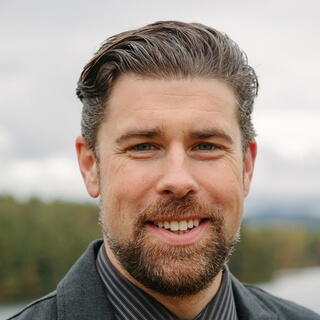
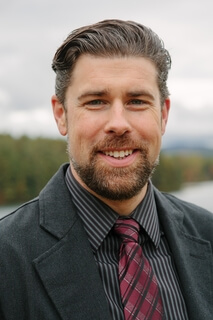
Dr.
Tom Bushlach,
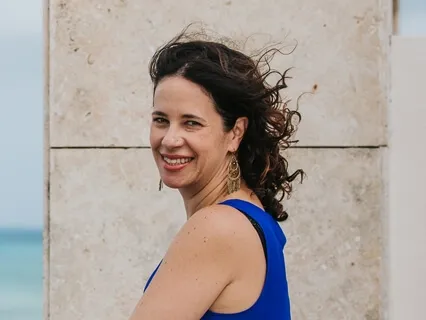
And this interview is with Dr.
Jill Wiener.
I first met Jill through the collaborative work that I'm doing with my employer,
SSM Health,
And Dr.
Jennifer Wessels,
A vice president in our medical group who is also in charge of our physician wellness program.
We're going to have Dr.
Wiener come out and do some work with us.
And I connected with her and saw her work and immediately wanted to have her on the show.
And she agreed,
Thankfully.
So after practicing internal medicine for 10 years,
Jill was introduced to a form of Vedic meditation from India right at a time when she was struggling with her own stress and burnout as a physician.
By her own account,
She was crying every day and admits to being a pretty hardcore skeptic about how meditation could help.
But then she tells this story about a chance encounter with some hippies in a pool and a horse at a spa in Arizona,
How this led to her finding a teacher and eventually becoming a teacher herself.
And yes,
You heard me correctly,
A couple of hippies and a horse.
You're not going to want to miss her story.
Now Jill teaches what she calls conscious health meditation full-time,
Primarily to physicians and other healthcare workers.
You can find links to Dr.
Jill Wiener's website and programs on the show notes page,
Which is at thomasjbushlack.
Com forward slash episode 18.
That's the word episode 18 with no spaces.
On that note,
I do want to mention that my website,
Along with a brand new website coming at centeringforwisdom.
Com,
Are undergoing a total reconstruction and rebuild and should be rolled out in the next few months.
All the same free content,
Like this podcast,
Will still be there,
And it'll be easier to find and share with others.
Most importantly,
Getting me out of the web hosting and development work means that I can spend more time creating more content like the podcast and blog posts and guided meditations.
Finally,
Any help you can provide by writing reviews wherever you download your podcast,
Sharing this with friends on social media or word of mouth,
Or by making a secure free will donation on the show notes page,
Any of that helps me to keep cranking out more good stuff.
So thanks to all who listen and who have provided that support.
Now let's get right into my interview with Dr.
Jill Wiener.
So I am here with Dr.
Jill Wiener,
And welcome to Contemplate This.
Thanks for being on the show.
Thanks for having me.
I'm excited to be here.
Good.
All right.
Well,
Why don't you start by telling us a little bit about who you are,
Where you are,
What you do,
And then we'll go backwards from there.
Awesome.
Okay.
So I'll give you the short version.
So I think the part of my story that people find to be the most unusual and or interesting is that I am a board certified internal medicine specialist.
I practiced hospital medicine for 10 years in Chicago and learned how to meditate in the Vedic meditation tradition in 2011 when I was really profoundly horribly burnt out.
And it was a total game changer for me and not only made me stop being burnt out,
But made my life better in so many other ways that I didn't think was possible.
And so I eventually decided to become a teacher in that tradition,
Which took a couple years of prep work.
And so it's three months of teacher training in India and decided to go to India for my teacher training.
I also had the chance to move to China before that.
So I moved to China,
That's why I left my job was to move to China.
I didn't catch that part on your website.
Okay.
Yeah.
It was sort of a personal detour and ended up being interestingly the thing that got me out of medicine.
So I went to China,
Then I went to India for my teacher training,
And then eventually straight from India came back here to Atlanta,
Which is where I grew up.
And I hadn't been here since graduating medical school at Emory and decided while I was on my teacher training,
Because I knew the benefits of this technique and how easy it is and how it is so much more preventative in terms of managing stress and the complications of stress,
I just felt like this is my calling.
I want to bring this to healthcare professionals,
To everybody,
Of course.
You come out of your training and you're like,
I want to change the world and teach everyone.
And it's gone through different phases of what types of people I teach.
But at this point now,
It's mainly healthcare professionals.
They found their way to me.
They found my way to them.
So yeah,
That's what I do.
I have a little part-time job that helps me fill in my income.
But for the most part,
I am teaching meditation and other stress reduction techniques to healthcare professionals.
And it's pretty incredible.
It's like a completely different mindset in every way than like a doctor.
So it's been all of the emotions all tied into one.
Yeah.
And you get to observe them from the still point in your practice,
Right?
Hopefully.
Exactly.
It's interesting when meditation is your job,
Rather than the thing that you do to help you burn off stress,
It sometimes feels like,
Okay,
What's my outlet?
And obviously,
The meditation,
I still do it and it still helps me.
But getting away from that component,
Not that I ever really need to get away from it,
But it is how do you deal with stress that's related to teaching meditation?
It's just sort of a funny concept.
That is interesting.
I hadn't quite thought about it before,
Although I can relate in some ways.
Yeah.
And there's like some sort of pressure also that I'm supposed to be perfect.
And so I think for a long time,
It was hard for me to acknowledge that I have a lot of answers for other people.
I can help a lot of other people with their things.
I'm still a human being and I still need support.
Nothing makes you perfect.
There's no one answer to everything.
Yeah.
And I do think that can be a trap when you're trying to teach.
But what I've found,
And I don't know if this resonates with you,
Is that I have to consciously remind myself not to sort of hide behind my intellect because I've done a lot of research.
And so when I get nervous,
I'll go to the data.
But what I've actually found is that when I really feel like I connect with either an individual or with a group that I'm working with or teaching,
That happens because I'm vulnerable and because I talk about my struggles and I talk about how my practice,
My contemplative practice doesn't make me perfect,
Just gives me another tool to deal with being human.
Exactly.
Exactly.
And when I finally was like,
Hey,
I'm struggling,
There were a few things going on within my own meditation community that were pretty upsetting for me.
And so dealing with that kind of on my own,
Trying to process that,
But not feeling like I could share that with anyone was really,
Really hard on me.
And I finally started to share that with people.
Everyone said,
None of us expect you to be perfect.
That's the pressure you're putting on yourself.
You're just teaching people.
Because to me,
It was like,
This meditation practice is everything.
And I think for them,
They're like,
She's teaching people a way to manage their stress.
So a lot of that pressure is internal.
Yes.
And the more I embrace my humanity,
I think,
Like you're saying,
The more people relate to me and want to learn from me.
And actually benefit more from your teaching probably.
Yeah.
Exactly.
Okay.
Well,
I want to put a bookmark in that internal pressure because that's a big one.
But I want to back up because you just were like,
Well,
I was practicing internal medicine.
So you went through med school,
Which is stressful.
You were practicing in a hospital that was stressful.
You talked about experiencing some burnout.
And then you're like,
And then I learned Vedic meditation.
So walk us through that.
How did you get introduced to the practice?
Did you have a primary teacher?
And then maybe explain what Vedic meditation is.
I have a certain conception of what I think that might mean.
But explain that tradition a little bit.
So I learned in October of 2011.
If you had asked anyone before that who was the least likely person you know to become a consistent meditator and or meditation teacher,
They would say Jill Weir.
I was not spiritual.
I was very skeptical and very type A and very,
I don't want to even say evidence driven because it's not like I was out there doing research about meditation and looking for any of it.
I just didn't care all that much.
I did yoga.
You wasn't even on your radar.
Yeah.
I mean,
I'm like,
I think,
A nice compassionate person,
But I certainly wasn't looking for spiritual practice.
So then I guess two things happened.
I went to a spa in Arizona with two of my friends from med school.
And this was already when the burnout had started.
And when I was there,
They had a,
I was,
I love this story.
So I was swimming in the pool.
Both of my friends were like off getting spa treatments or whatever.
This is Mirabal spa,
Which is amazing.
It's actually where I'm doing my first meditation retreat for women physicians.
That's just me hosting it and I'm doing it there at that spa because that's like for me the birthplace of my whole meditation journey.
So I was in the pool with these hippies and they're from Seattle and they were newlyweds and they were having their,
I don't understand how they ended up there.
They eloped and that's where they ended up for their honeymoon.
But I just remember them being all tattooed and pierced and super nice.
And I was talking to them in the pool by myself and they said,
There's this amazing program you have to go on about the horses.
And I was like,
I don't do stuff like that.
I think I said that to them six times.
That's just not my jam.
And they said,
No,
You really,
Really,
Really have to go.
And I said,
Fine,
I'll go.
I asked my friends,
They didn't want to go with me.
And I went and this program totally blew my mind.
It was my first realization or awareness that there's something else to this world that I am not perceiving.
Maybe I've been there all the time,
But holy crap,
I don't need to go into the details of the program.
It's not necessarily important,
But I was able to visualize and experience in a very tactile way the benefits of what the mind can do.
And so that was awesome.
And I think that was when my search started because I was unhappy.
I felt better,
Got back home and then I was burned out again.
I didn't mean to cut you off,
But you said it was a program with horses.
Did I hear you correctly?
Okay.
I just wanted to make sure because you said it quickly.
Yeah.
It's not about the horse or something.
I think it's a program designed at MiraBall,
But it does come with horses.
Like using your intentionality and you have to be present with them and you can change their behavior just by the way you think.
So I got back to Chicago.
I got burned out again like six days later because nothing in me had actually changed.
I just went home,
But I didn't have any coping skills.
And at that point I was like,
I'm open to anything.
There was a woman who was in my horse program group who was like did goddess ceremonies and channeled goddesses.
And in my mind I was like,
That's crazy,
But I was like,
She happened to live in Chicago.
So I was like,
Yeah,
I'll come do a psychic reading with you and come to your full moon ceremony.
Absolutely.
So at that point I was like,
There was like a four week period where I was like,
Sure,
Bring it on.
I'll do all these things.
And in that four week period,
I met someone who told me they meditated twice a day and I said,
That sounds really awesome.
Tell me all the details.
And they said,
Well,
My teacher's coming to town.
You should come hear him speak.
And he's coming to town in two days actually.
And so I went to go hear him speak.
He's a man from LA named Light Watkins who's become quite like a sort of celebrity meditation teacher.
He's gotten to be quite well known.
He's published a couple of books,
But so he taught me to meditate in 2011.
So backing that up a day,
I went to go hear him speak,
Ready to just completely write him off because I thought I knew everything because I'm a doctor and I know everything.
And everything he said just totally resonated.
And I felt like,
Oh,
Okay,
This guy knows what he's talking about.
I can't prove him wrong.
I need,
And he's talking about this mantra and he can give you the mantra,
Then you use it and you get to this restful state and then everything in your life gets better.
And I was like,
I want the mantra so bad.
Like can we start now?
Can we start five minutes ago?
And it's expensive.
The technique that I teach is expensive.
It was a week's salary.
So sliding scale,
The way he did it.
Mine is a little bit different now,
But my pricing.
So I paid a week's salary to this strange man that I did not know.
I didn't even Google him before I went.
I just showed up at this class,
But I just knew it was something I had to do.
And I had events planned every night that week,
A photography class.
I think the goddess ceremony was actually supposed to be that week.
I canceled all of them and took the class.
And within a day or two,
I was meditating 20 minutes twice a day,
Effortlessly having actual experiences that I was like,
What is happening?
I'm skeptical,
Jill.
I am the type A doctor and I'm meditating and I'm doing it right.
And like super quick results,
Benefits.
I lost my road rage in three weeks.
Stopped crying every day,
Which was the reason I did it.
And then beyond that,
Just like a whole universe opened up to me that I didn't know existed,
A whole way of being and seeing the world.
So that is how I got to it,
Kind of by accident.
But the circumstances where I met the person who told me about Vedic meditation were also,
Maybe not for the context of the show,
But also very much like,
I'm going to be there.
I'm going to do that and I'm going to sit there.
And I sat there and then that person showed up.
So it was a very,
The universe brought it to me because I was ready for it.
It cracked open and I needed it.
So I always say that it came to me rather than me looking for it.
I think that's how most people experience it.
Also interesting how you had that sort of initial indescribable experience with the horses.
Yeah.
So it's not just opened enough of a wedge in your shell,
If you will,
And your defense mechanisms to be like,
Okay,
Something else is going on here.
And then there you were.
Some people listening might be familiar or might be thinking,
Because what you described sounds a little bit like TM or transcendental meditation,
A mantra based.
And I don't have personal experience with TM,
But I know people have talked about it as being rather expensive.
So is it a similar kind of tradition to that?
Yeah.
So the TM organization or whatever,
The man who,
Not light,
But the man who taught light to be a teacher and who taught light to meditate and who taught me to be a teacher,
He trained in the TM organization for like 30 years.
And then he left the organization,
Started calling it Vedic meditation,
And then started teaching independently.
So everyone that he has trained is part of the Vedic meditation.
But as far as we know,
And as far as other TM students who have come to my classes,
They say,
Yeah,
It's the same technique,
But I'm not part of any organization or system in that.
Okay.
Right.
So the cost thing is sticky for people,
But I can tell you right off the bat,
If I had not paid as much as I paid to learn,
I would not have taken it seriously.
There's this concept of guru dakshina,
Which is giving something of value in exchange for receiving something of value.
You think about it like the free gym at your apartment complex that you never use,
But then if you pay for an expensive gym,
You're going to use it.
I remember sitting there being like,
Okay,
I'm paying this much money to learn,
Dividing that by how many hours the course was.
But the thing is,
Once you learn,
You have that teacher as your teacher for life.
Every time you can go hear the class as many times as you want.
So I was like,
We'll come back in town and then I'll go to the gym and then it's going to be this much per hour.
That's the way my brain was working at that point to rationalize the amount of money I was spending.
So I get it.
It sounded totally crazy to me.
But one of the parts of the story that I love to tell is that night I got home from that introductory talk and I called my therapist or I texted her and I said,
It was Sunday night at like 10 o'clock.
And I said,
Hey,
There's this meditation class and it's a week salary.
Should I do it?
And she's like,
Yes,
Please do it.
So I always joke,
If you're calling your therapist on Sunday night to ask them about anything,
The answer is yes,
You should do it.
That's sort of like an intrinsic sign that you should take the meditation class.
So TM,
They do a wonderful job teaching people to meditate.
And the technique is something that we share.
There's been some strife between Vedic and TM that I've kept myself out of.
And I'm actually at this point pretty independent from the Vedic meditation.
There's not like a formal community or any sort of hierarchy.
It's more of a lineage.
But I call what I teach conscious self meditation.
I don't call it Vedic meditation anymore,
Mainly with my healthcare background.
But I still teach the technique the way I would taught it.
So a question about that is,
So when somebody signs up or does the initiation,
Are they given a specific mantra to them or is there a mantra that is used throughout the tradition?
There are not 6 billion mantras.
So there are some mantras that some people do have the same mantra.
The mantras that we use are Sanskrit sounds.
They're called bija mantras.
B-I-G-A.
Yeah,
Seed.
Exactly,
Nice.
Yes.
So I didn't tell you this before,
But I have also received an initiation from the Himalayan yoga tradition.
So through like Swami Rama and Swami Veda Bharati,
If you're familiar with.
Awesome,
Awesome.
Okay,
So you know about bija mantras.
So it has no meaning for the other people listening who are like,
What a mantra?
It has no meaning.
It works based on the way the sound vibrates in your mind as you think it silently.
And so it's not like I'm a strong,
Powerful woman and I'm going to kick ass at my job today.
It's not even like love,
Peace,
Heart.
It has no meaning and it's just because it's meaningless,
It's able to just work based on the way the sound vibrates.
So there are not 6 billion of them.
So some students do get different ones.
But that's one of the things that you learn in the teacher training is how to know which one to give each student.
That's privately.
Each student gets their own mantra separately with me.
Even if I'm teaching in a group,
I take them aside into a separate room and do that.
And honestly,
It matters and it doesn't matter.
But if everyone had the same mantra,
If that was like the dirty secret of TM,
Which it's not,
But if that was,
It doesn't matter because the mantra kind of integrates into each person in a unique way.
So if you think about if you and your best friend both went and got the same pair of shoes and you both were the same size 10 or whatever,
And then you wore them every single day for the next month because you love them so much and then you go over to their house for dinner and take them off and by accident,
You put their shoes on at the end of the night,
They don't feel like your shoes.
You know immediately that they're different.
That's the same way with the mantra.
They are strangely powerful.
That's the one thing about meditation that I can't explain.
I can understand and explain the scientific parts behind all of it.
The mantras are the only thing that are pretty much unexplainable how they work.
Yeah.
But they do and it's pretty amazing.
Yeah.
Yeah.
So one of the things that the teacher that I received a mantra from said to me that I always find interesting is you do your formal practice and that's important,
But that the mantra sort of goes to work when you're not consciously thinking about it,
When you're not doing the formal practice.
And I think about that in terms of any kind of formal practice.
The purpose of,
You talked about it,
Is sitting 20 minutes twice a day and I find that that's a pretty standard commitment for somebody who's living outside of a monastery and going to have a career and a life and across a lot of different traditions.
That's pretty standard.
But that the purpose of the formal practice is not actually necessarily directly for the experience during the practice,
But rather to ground oneself in the experience of the mantra or the experience of the practice so that it sort of gets ingrained in you throughout the day,
Even when you're not consciously thinking about it.
So for us,
There's parts of that that are yes and parts of that that are no.
We don't focus on the mantra.
We're not like repeating the mantra over and over again the whole time.
And I don't know how you do your practice,
But we're not.
.
.
I always tell people,
I'm not teaching you how to be an awesome meditator.
I'm teaching you how to have an awesome life.
So we don't judge what's happening in the meditation by those 20 minutes.
We judge it by how do you feel right after meditation?
How do you feel in life?
So I think in that way,
It's very similar.
Yeah,
I think that's similar to what I was trying to say,
But you said it better.
At least we don't teach it that the mantra is working even when you're not meditating or the mantra gets you to a physiologic state while you're meditating that you're sort of tapping into.
It's two to five times more restful than sleep,
Our meditative state that we get to,
Which is not unique to other people have access to.
It's a nice way to get there.
And you tap into that and that's the source of unlimited.
.
.
It's two to five times more restful than sleep.
TM has done some really nice studies on it,
But also love and compassion and energy and creativity and pure consciousness.
That's what you're tapping into.
And so once that gets tapped into,
The more you meditate,
The more that gets stabilized in your waking state.
But it's not like.
.
.
So I think it may be two ways to say the same thing,
But it's slightly different maybe.
Yeah.
But I like the way you put it,
That that state becomes more stabilized or it becomes easier to when life does get kind of crazy or stressful,
It becomes easier to come back to that as sort of your baseline as opposed to the chaotic state.
Yeah.
And what my students say is like,
I want to not be yelling at my kids anymore.
And what tends to happen with the practice that I teach is not,
Okay,
You catch yourself in the moment and then you're like,
Okay,
Count to six or come back to source and do whatever.
You just don't get to the point where you're yelling at them as often.
It is more like a preventative rather than a mindfulness type approach.
And so I think that you would ask me what are the differences?
We use as little effort as possible.
And I don't know the type that you practice.
So I can compare it to mindfulness pretty well,
But I don't know exactly how you use your vicha mantra.
We sit comfortably.
We sit with our backs supported.
We're not doing legs crossed.
We're not in lotus position.
We don't have our hands in mudras.
We don't do any of those things.
I'm like showing you mudras.
Like,
A,
Like you need to tell you.
Well,
I can see you,
But people listening can't.
Yeah.
So it doesn't matter,
But I talk with my hands a lot.
So we're always,
The whole,
For me,
The whole,
Whole,
Whole concept is maximize the parasympathetic nervous system.
Stress mode,
It's all sympathetic,
Fight or flight,
Cortisol,
Adrenaline.
And until we shift our body chemistry,
You can't yell at a stressed body to stop yelling at the kids or to calm down.
You have to shift the chemistry so that you have more rest,
Which then gives you,
We call it adaptation energy.
This ability is like your bank account of patience.
And so the meditation practice builds up your bank account of patience so that when something happens without even thinking about it,
You're just like,
Here's some of my adaptation energy.
And then you go about your day.
So because the transcendence,
That meditative state is so restful and you're sitting comfortably,
And you're not,
We're not trying to focus or concentrate or clear our minds or anything.
So you're really like using as little effort as possible.
The only effort you're doing is,
Your head is not supported.
So you have to hold your head up.
But other than that,
There's no effort at all.
And the technique is kind of like daydreaming.
So I call it sanctioned daydreaming.
And so because you're not using effort,
You therefore activate the parasympathetic nervous system a ridiculous amount.
And you're using the mantra to get you to this state,
This restful state.
And that's where all the benefits,
That's where they come from.
And that's where they get started.
Yeah.
Well,
I always found it helpful that parasympathetic peace,
The P alliteration,
That's how I remember that.
I like that.
We always said like rest and digest or stay in play in medical training.
But I like peace better.
Yeah.
And it works because then you're like,
Okay,
That's the one I want to turn on of my two.
Your body's innate ability to heal itself comes from that.
It's so powerful.
It's so incredible.
So I think of it in a very,
Very scientific way.
It's just all about chemistry.
And like the chemicals that we make when we meditate versus the chemicals that we make when we're sitting in traffic and trying to control things and yelling at people.
Even those chemicals can feel very different depending on the state they were in.
Yeah.
Exactly.
Yeah.
So a couple of the terms that you've used.
So conscious health meditation,
That's something that you've chosen that term that isn't like a tradition that you were taught or something.
No,
That's just me.
I opened up.
I had a commercial space for like six months.
It's like a long story,
But I never thought I wanted a commercial space.
It happened that I got one and it was very exciting.
And I named it Conscious Health Meditation and Wellness because I just thought that's what I'm all about.
Consciousness,
Health,
I'm a doctor,
Etc.
And then many,
Many things conspired to end that commercial.
And it wasn't a financial thing at all.
There was actually a yoga studio that moved in next door that played really,
Really loud music as part of their business model.
That's ironic.
Yeah.
And so the classes were really fun and dynamic and I think brought in a different crowd of people to yoga that didn't necessarily have done it because it made it approachable.
But I can meditate in loud music,
But I can't really teach meditation.
And I had practitioners renting the space for me part time and they couldn't do their job.
So luckily my landlord recognized the issue and let me out of my lease,
Which was the greatest thing that ever happened to me professionally.
I think it was really nice.
It was a relief.
So then when I decided I didn't want to call it Vedic meditation anymore,
Conscious Health Meditation was just kind of the next.
It just seemed like a very easy job.
Yeah,
It works.
It's catchy.
I was curious if it came from somewhere else.
And then,
Yeah,
Well,
Yes,
As you said before,
When you settle down into that state,
You are tapping into or settling into a sort of pure consciousness that is related to,
But beyond your own consciousness.
So the other thing I wanted to ask you about just in terms of the language that you use is this idea of adaptation energy,
Which I like that language.
So can you unpack that a little bit,
What that means for you?
I love adaptation energy.
This for me was the gigantic aha moment.
And I have a video of me talking about adaptation energy on my website and there are people who are like,
It's that aha moment thing.
So the concept is we all have a bank account of patients called adaptation energy.
The things that give us more of it are restful sleep,
Which is not just regular sleep.
If your sleep is not disordered,
Eating well,
Exercise.
And I wouldn't say running a marathon would give you more adaptation energy,
But taking care of yourself,
Getting massages,
Going to the spa,
If you like working on cars or knitting or gardening or any of those things,
Whatever you find cuddling with your dog,
Those are all going to give you adaptation energy.
And things that are going to defeat your adaptation energy are the annoying little nuisances that happen all day,
Every day.
Starbucks is out of your favorite vegan muffin.
You oversleep your alarm clock.
This is first world problem,
Facetious kind of,
But these are the things that drive us crazy.
Your colleagues,
You get a nasty email from your boss or your spouse gives you a funny look and you immediately think it's something about you and they were just trying not to burp or whatever.
All these things that happen throughout the day,
Those wear away at our adaptation energy.
And also,
Previous stresses that we've experienced in our life all leave a bit of a stress memory or a stress scar,
Kind of like PTSD,
But most of those are much less severe than that.
But if you think about like you hear a song on the radio that reminds you of a breakup,
Your heart starts to pound and you get teary-eyed and you need to change the station right away,
The person next to you is like,
What are you doing?
That's the best song.
And you're like,
No,
It's the worst.
Same song,
But it's evoking an emotional memory in you that might be years old.
So we carry those with us as well.
Being re-exposed to those or components of those also will drain our adaptation energy.
So we all kind of wake up in the morning with a certain amount of it and then at some point,
We all have this set point below which if we get to that point,
We have a fight or flight reaction.
So the whole concept of it is that there's no such thing as an inherently stressful situation other than actually something life-threatening,
A bear attacking you or you getting held up at gunpoint.
That's inherently stressful.
But other than that,
Nothing is inherently stressful.
It's whether or not it sets off the fight or flight reaction in your body.
And if you have enough adaptation energy,
Theoretically and in actuality,
You can handle anything without having the fight or flight reaction as long as you have enough adaptation energy.
So you wake up,
Let's say the level is 25 and let's say your set point is 10 and that below 10 you're going to snap.
All these little things happen and let's say the thing that makes you snap is you get an email from your colleague saying they can't come in and can you see all their patients today or they won't be able to help you with the presentation.
What happens?
Snap,
Send off nasty emails,
You're sending texts,
You're talking shit.
Can I say bad words?
You can swear.
Yeah,
It's all good.
You will not be the first one to swear,
Including me on the podcast.
That's part of my humanity is I still swear.
I tried to cut it out one time and I was like,
That's boring and I can't do it.
Yeah.
So you start talking smack about that person to your boss and then you eat three of them and you read Snickers bars while you're mad about it and you order a bunch of stuff online.
And then you go snap at your patient.
Yeah,
Exactly.
You're yelling at people.
And then your H-cap scores go down because you're nasty.
All about H-caps,
Exactly.
So then like 45 minutes later you calm down and you're like,
Oh God,
Oh dear God,
What have I done?
But if you had gotten that email first thing in the morning,
The same email that sent you into a tizzy after all these other annoying things had happened,
It would have brought your adaptation energy level down from a 25 to a 22.
But you still had plenty to spare.
So it's not that email that's inherently stressful.
It's do you have the resilience and the reserves to deal with it?
So the meditation in two different ways,
It helps to stockpile adaptation energy.
In my mind,
That's kind of like the goal of it if you're going to break it down very conceptually.
Beyond spirituality,
Beyond any of that stuff,
I teach a lot of people.
And as I was myself,
I teach a lot of sort of skeptical type,
High achieving people that aren't looking to be spiritual.
They're looking to be happier and less reactive.
So basically because the meditation is two to five times more restful than sleep,
Right away you wake up in the morning and poof,
You have this meditation that's extremely restful.
So that's going to give you a lot more adaptation energy.
So it's going to take you a lot longer to get it down to that 10 level that sets you off.
But then also what the technique does that I love is that it actually reverses the damage done that we've accumulated in our bodies over our lifetime from stress.
That song that makes you cry or a smell that reminds you of your grandmother's kitchen.
Every time you've had a stress reaction,
You carry little components of memory with you.
It actually releases those as you're meditating.
And we don't set intentions to do that.
It doesn't happen that way.
You just close your eyes to meditate,
Do the technique,
And as you're meditating,
These stresses get released.
And this to me was a kind of far out concept when I was taking the course,
But it's legit.
It's the crazy.
.
.
And neuroscience backs it up too,
Which is really fascinating.
Yeah.
Totally.
So these stress reactions are in your cellular memory,
And this actually releases that.
So you're also not draining your adaptation energy level as quickly because you don't have as many stresses stored in your body that every time you meditate,
You're getting rid of some of them and getting rid of some of them.
So you end up,
In the bank account analogy,
Not only are putting more adaptation energy in the bank account by meditating,
But you're also not making as many withdrawals because you don't have as many of those old stresses in your system weighing you down and making you distracted and unhappy and reactive and having stress reactions all the time.
So that's the concept of it.
And I love that this technique,
It's not just,
You know,
Waterfalls and rainbows and relaxing while you're doing it.
It's like going in there and getting rid of this nasty stuff that's either inside of you making you sick or it's going to come out when you're meditating.
And it's,
I think,
Incredible.
Yeah.
Yeah.
So some of the language that one of my teachers in the Centering Prayer tradition talks about that,
Well,
In the psychology and in the neuroscience,
Those implicit memories,
As they're sometimes called,
Are stored in non-conscious awareness parts of our body and memory.
So we don't know they're there.
And what I find really interesting is that they can be triggered by those random events,
But because they're not directly conscious,
We don't always know we're being set off.
And they happen very quick.
And so what I have also experienced something very similar to what you're talking about,
Which is with regular practice,
The language that one of my teachers,
Thomas Keating,
Talks a lot about is the unloading and the evacuation of the unconscious mind.
So things bubble up when you are in your practice,
And we don't necessarily know or even need to know on a conscious,
Rational level where they're coming from.
But because we're in that state of deep rest and we are no longer reacting,
They're able to escape and be released.
And that is part of the process of healing and becoming more integrated and more whole.
That's exactly it.
I'm so excited right now because I love that this is a Christian contemplative practice and you're telling me,
I had students leave here an hour ago.
I teach out of my home.
I have a studio.
And I just finished telling them basically the exact same thing.
And one of the things I love,
And I'm going off topic here,
Is I started out,
I was raised Jewish.
I was always sort of like looking for God,
But never found God.
I was like,
Maybe at my Bat Mitzvah,
I'm going to have an experience of God.
Maybe when I go to Israel,
I'm going to feel it.
And I never felt it.
And I grew up in the South going to a very elite private school that was also a Christian school.
And so I had a lot of emotional baggage.
Well,
Westminster was my high school.
Oh,
High school.
Sorry.
Okay.
Yeah.
I think it's Methodist,
But I was in med school there and there was no.
.
.
At this point,
It's completely secular.
But my own school was not.
And it was very much,
It was not Catholic,
It was Protestant.
And it had a lot of wonderful things about it,
But it also was extremely difficult to be one of six Jewish people or whatever in my class.
And so I had a lot of chips on my shoulder about religion,
And probably in particular Christianity because of some of the things I had been exposed to.
And as I've been meditating,
I have found that I've had these experiences that I'm like,
Oh,
Just far out stuff that I never would have thought could have existed before.
Now I'm like,
I get it.
This is religious experience.
This is the same.
It's the same for everybody.
It's just in a different lens.
Right.
Some people,
They're born again moments.
Some people,
It's this,
It's enlightenment or whatever.
But it's the same,
It's just how is your brain conditioned to receive it?
Right.
And so I've gotten so much more tolerant,
And tolerant is such a crappy word anyway,
So much more appreciative and curious about other religions.
I think when any religion starts to be used as a weapon,
That's the problem.
But at their core,
There's so,
So many similarities and they're quite beautiful in their actual core.
Right.
And so I love what you're telling me,
Because I probably,
If you had told me like Christian contemplative prayer nine years ago,
I would have rolled my eyes.
It would have triggered some implicit memories stored at the cellular level.
I love it.
I love it.
And now I'm like,
Oh yeah,
Listen to what he's talking about.
This is great.
So that's one of the things I love about this practice is that it teaches you that like this sense of other and this sense of fear of things that are different from you,
It's just a construct of the ego.
And we're all humans.
We all like eat pizza and brush our teeth.
And just seeing really quick here,
I said my internet connection was unstable,
But I think.
Oh,
Well,
I didn't lose you.
So yeah,
It's just very interesting.
And it's really easy to get caught up in that world of like,
They are bad.
I am good.
Even when you're like everything inside you is screaming that you're right.
We're all still having a human experience.
So.
Well,
And one of the ways that I think among the people that I hang out with and learn from is the language that I think a lot of us are talking about now is a kind of non-dual experience.
And you might in say theological,
Probably Jews,
Christians,
And Muslims would all talk about this in terms of communion with God or union with God.
You might talk about it in terms of settling into contact with pure consciousness,
But that it does break you out of that dualistic way of thinking of us versus them of right versus wrong,
But instead just being present and being open to the experience in front of you.
Amen.
Yeah.
I love it.
I love it.
My boyfriend's dad is actually,
He was a Catholic priest and then very early on in his pre,
Obviously like he's my boyfriend's dad,
So that didn't last long,
The whole priest thing.
Well,
You never know,
But yeah.
Right.
Right.
But he,
I think early on knew it wasn't right for him and then was visiting a friend who was also a priest in New York and met a woman and was like,
That's the woman for me.
And they ended up getting married and they're about to have their 50th anniversary.
But his whole jam,
He became an editor and he's still Catholic and loves religion,
But he's seeking the experience of God in every day.
And so it's really fun talking to him because our experiences are so different and our backgrounds are so different,
But it's the same thing.
That's non-duality.
It's.
.
.
You can relate at that level.
Yeah,
Absolutely.
That's really cool.
Yeah.
So I take it you find that people that come and do your teaching or that they come from a lot of different traditions or no tradition.
Is that a fair assumption?
Yeah.
I mean,
One of the things I used to say,
I used to give these introductory talks,
Which is part of the TM and the Vedic meditation traditions.
You give this free intro talk and people come.
It's kind of like your sales pitch and then people decide if they want to sign up and you give them a sign up sheet.
I just never really got comfortable in that format.
And so the way I usually talk to people is they submit a thing on my website and I have a phone call with them and it's much less formal.
But in my spiel,
I used to say something that my teacher would often say is like,
You don't have to wear white pants to be a meditator.
You don't have to be vegetarian to be a meditator.
You don't have to,
Any of these things that we tend to think of,
You don't have to be Hindu.
You don't have to believe in God.
You don't have to change your spiritual beliefs or have any at all to be a meditator.
You just do the technique.
So yeah,
Absolutely.
I mean,
I've had devout and less devout Jews,
Christians,
Muslims,
Hindus,
And atheists take my class and there's no difference in how they do with the technique.
I did have a really cool experience.
One of my projects that I do,
Or I guess one of my,
It's not a side business,
But it's called Transformed and it's this mastery retreat for women physicians.
I wanted to ask you about that.
A colleague of mine who's really,
Really great,
A really great motivational speaker.
She's a physician but does a lot of social media and branding for physicians.
And she's one of my good friends from med school.
So we decided we wanted to create this experience for women physicians to help them really tune into their values and then tap into that.
And either if they want to do a side gig or they want to lead medicine or they want to get more,
Stay in medicine but do more research or stay in medicine and get promoted more quickly,
Whatever it is that they want,
Help them to know what their real values are.
And then give them actual tangible tools to do that.
How to communicate,
How to get your name out there on social media.
And I teach my meditation course on the retreat.
And of course it's in Mexico and it's amazing.
And so I'm teaching this group of 21 women doctors from all different backgrounds and a very racially diverse group as well,
Which made us so happy.
We very consciously cultivated that because we didn't want it to be a bunch of white doctors sitting around.
And one of the women,
And some of them came from archery and some of them came from me or the medication component,
And some of them didn't know or just signed up or whatever.
And one of the women said,
I'm super devout Christian.
Some of them were uncomfortable,
Some of the women on their tree because you kind of get this random smattering.
I didn't give my whole intro talk to them before they signed up.
And I'd done my best to prepare them,
But they were still like,
What?
There's a ceremony you do on the first day of class and you're singing in Sanskrit and there's a mantra.
And then one of the women said,
I think on the third day of the course,
She said,
I was thinking my mantra and I decided,
I was just feeling really uncomfortable with it and I didn't know if God would want me to be meditating.
So I started,
Instead of my mantra,
I said,
Come Lord,
Come Lord,
Come Lord.
And she said,
And the Lord brought me back to my mantra.
And I was like,
That's the most amazing thing I've ever heard in my life because I don't know how to speak from that perspective because that's not my own background.
But what a beautiful thing that she was able to assimilate that and that helps her find comfort and clarity in that moment.
And then she was all in.
Okay.
I don't know if you saw my face when you said that.
I just had a holy shit moment.
So there's absolutely no way that I think you would know this.
When we were talking before and I said,
There's sort of two main sort of organizations that teach the Christian contemplative practice.
And the one that I'm engaged with is called Contemplative Outreach.
The other one is called the World Community for Christian Meditation.
None of that really matters,
But what does matter is the world community teaches a mantra based form.
The word is Maranatha.
You know what that means?
Come Lord.
Come Lord.
Wow.
I wonder if that was just like.
.
.
I don't know,
But when you said that,
I just about fell off my chair.
That's so interesting.
Yeah.
Yeah.
The Lord was like,
It's cool.
Meditate.
It's going to make you happy.
I'm here.
I love you anyway.
Right.
And that's what I love is that it works for everybody no matter what.
I did have one woman who said she changed her mantra because she Googled it and it means something and it doesn't.
But I'm like,
That's for you.
You know,
If that becomes your stumbling block,
Then don't be attached to that.
Yeah.
Exactly.
Exactly.
So hopefully it works as well because what she came up with,
I'm sure is not a major mantra because she doesn't know what they are,
But I think she still really enjoyed the technique.
And so it's great.
So I've had some serious,
Serious arms crossed flares.
Especially the start of the second session.
And then the second part of my course is all about teaching the technique,
The nitty-gritty.
What if you fall asleep?
Yeah.
How do you deal with thoughts?
What if you get interrupted?
What if your mantra changes?
All these things.
And by the end of that,
They know how to meditate.
And then we do a meditation.
That's when all the eyes light up and they open their eyes and the body language changes.
And they're just like,
If they didn't,
Because it's interesting when I do it for these medical groups,
These people didn't necessarily seek me out and have a one-on-one conversation with me and say,
I want to do this technique and ping me directly.
A lot of it is through the medical organization or signing up for the retreat.
Sure.
And so that's a very different vibe than people who come to my studio and come and learn with me more in a smaller group setting.
So anyway,
You can just feel the whole energy in their shift once they actually get the meditation and they know how to do it.
And then they see what it's all about.
And then they are like,
I don't care about the ceremony.
I don't care what word I'm using.
This is just incredible.
And this is what I never knew meditation could be this way.
So it's very interesting.
Yeah.
Okay.
I want to go to that skeptic piece of yourself,
But then also as you teach and work with physicians.
So what,
And you mentioned being about the science as well and maybe the neuroscience or the chemistry.
So for you,
What was that?
What took you?
Was it a more of a subjective experience that you had during the practice?
Was it learning more about the science?
Maybe it was a combination of both,
But what sort of melted that skepticism for you?
I mean,
I think what melted it was when I heard my teacher talk about adaptation energy and stress and how we're always about to lose it.
And I was like,
That is me.
You were describing me in a way that I'm all fancy doctor pants and I don't even know that.
It's theoretically science that I know,
But it was never contextualized in that way for me.
It helped me know myself more than I ever had in what he was saying.
And so that's what melted it away for me.
And once I started meditating,
I mean,
There's a ceremony on the first day of class.
It's Sanskrit.
There's like fruit and flowers and incense and all that stuff.
I was just like mostly like amused by it or curious.
I wasn't exactly comfortable,
But that's okay.
Being uncomfortable is a good thing as long as you're not being like forced to do something against your will,
But being uncomfortable is part of the learning process.
But on the first or second day of class when I was meditating,
I wasn't skeptical necessarily.
I was already all in.
But what made me realize like,
Oh my God,
This is happening is I was meditating and my face flushed.
I was blushing while I was meditating.
And I was like,
That's what happens when I get embarrassed or put on the spot.
I guess put on the spot would be the best way to describe that.
And that happened while I was meditating.
And so even though it was a small little thing,
I wasn't experiencing God or anything like that,
That was different.
I didn't have that experience before and the meditation was easy to do.
And I could fit it into my day with my pager and not feel like I was beating my head against the wall.
All of those things combined,
That's when I was like,
I am on something big time.
And I don't know how I found it or how it found me.
I don't know how I didn't know about it before,
Like how many years of my life have I been wasting being like skeptical about this,
But thank somebody for that I was able to find this.
So I think it was mostly before I learned,
But then the immediacy of the results and the immediacy of the actual experiences while you're meditating.
I think that is another thing about this practice that there's not like a learning curve the way that there is in a lot of other types of meditation.
And so people can do 20 minutes twice a day right off the bat.
And so it's very,
It boosts people's confidence because it's more of a carrot rather than stick approach.
You get in nuggets and you just,
The more you meditate,
The more nuggets you get.
Yeah.
I always talk about it in terms of this isn't something you're adding to your to-do list.
And I like your language around adaptation energy because the to-do list is sucking that energy often.
But the practice,
The setting aside of that time is rejuvenating and getting in touch with something deeper.
So something I struggle with is I also pretty firmly believe that 20 minutes twice a day is essential to really establishing on a lot of levels.
You can talk about it spiritually,
You can talk about it neurologically,
But really becoming established in that base point.
So how do you deal with,
You're doing this with physicians,
Right?
And there's no group of people right now professionally who are under more pressure.
There's a mental health crisis among physicians,
The pressures on them for productivity and seeing patients and electronic health records and lack of efficacy around decision-making within their institutions.
I mean,
They are the push to the brink.
So when you walk in and I'm doing this too,
Though I haven't quite done it yet,
But I will be soon of like,
Okay,
You know,
20 minutes twice a day and looking for little moments to refill the bucket or pause to recenter oneself throughout the day.
How do you address that?
Like you're telling me to add another thing to my day.
Yeah.
I usually tell people no one thinks it's possible until they do it.
20 minutes twice a day sounds absolutely impossible.
Part of my job is to teach you how to fit it into your day.
So let me be the expert with this and let me teach you how to do that because right now it's not really comprehensible.
I tell them that and also the thing that I tell them,
And there's this great Gandhi quote that you may have heard and I'm paraphrasing,
But it's,
I'm too busy to meditate today.
So I'm going to meditate for two hours instead of one hour.
And I say,
Don't worry,
I'm not going to make you meditate for even one hour.
But the fact is the meditation makes you more efficient.
It's a high performance tool.
There's another whole concept of the benefits in addition to stress reduction,
In addition to health benefits,
And in addition to any spiritual stuff.
There's a whole high performance aspect to it that allows you to be more creative and a better problem solver and better interpersonal skills and more efficient.
I got to a point in my job where I was so ridiculously productive doing my academic stuff.
And I think a lot of people hear,
Oh,
She teaches meditation because she had burnout and she couldn't hack it and that's why she should be.
And they write me off because they're like,
Well,
If you left medicine,
Who are you?
And I'm like,
No,
I had a super successful career for three years after I learned to meditate.
My interest started going elsewhere.
I didn't leave medicine because I couldn't do it or didn't want to do it anymore.
I just wanted to do other things more.
So you spend less time stressing about being stressed and stressing about being busy and you spend less energy resisting change.
I just put out a video today about resisting change and this need we have to cling to the status quo and nowhere because that's the least safe place to be.
So that's the other thing that I really focus on is that it makes you more efficient and that you enjoy it because the technique feels so good and you're getting the benefits from it so quickly that it's something that you look forward to rather than something that you're another thing you have to add.
And another thing importantly is I don't teach people who don't want to learn.
So the workplace programs that I've done have all been voluntary signups and not for people who are going to come at me with venom because that's not mine.
They're not ready and that's cool.
They don't have to be ready but I don't want to participate in a forced program.
And you can't make anyone come six hours,
Four days in a row about 90 minutes a day.
No one's going to show up for that.
But if there's just enough of a crack where they're just miserable enough,
How I was,
And then they get the benefit,
They're like good at it on day two,
That really has a good effect too.
So there's a lot of things that I do to help reassure them.
And they'll do great with it and then what will happen is they'll get complacent or the stress mode kicks in again,
That ego voice,
It's like you're too busy,
You're too busy,
You're too busy and then they'll blame the meditation.
So that's a challenge for anybody,
Not just doctors.
Oh yeah,
Yeah.
So okay,
So what about the science side of that?
So you've talked a lot about the subjective experience and I actually think you have to have some kind of subjective experience to want to keep you coming back.
But I know you've done a little bit of publishing.
Have you done any of your own studies or just of what you've read?
Because I could imagine when you're presenting to physicians,
You're going to want to give them some data because they're very data-driven and trained in that way.
What are some of the highlights of what you talk about?
So me and my relationship to data is a little bit complicated in that in my career as a doctor,
I felt like I never read enough.
I was never reading enough of the journal articles and whatever else.
It's imposter syndrome.
Nobody can read enough.
Exactly,
Exactly.
But I really wasn't.
I'm like,
Yeah,
But I'm not – when I go speak to groups,
I'm not giving a grand rounds.
I'm not presenting all the most up-to-date meditation data and proving to people that it's important.
I think at this point,
Most doctors,
In my experience,
They understand that meditation has been proven to be beneficial.
My experience is that they are still like,
Yeah,
Yeah,
But that's for other people.
And so I feel like my job when I talk to doctors,
I present a couple studies from the TM organization.
They did one.
There's one on burnout.
You and I spoke about this before or we emailed about it.
There's one on burnout.
This technique hasn't been taught,
Studied with doctors specifically about burnout,
But they've done other burnout studies.
There's great health benefits that they've studied.
Of course,
All these studies you have to take with a grain of salt because meditation is such a subjective thing.
And the organization teaching the meditation is running the study.
Right.
Well,
That's always – especially in the TM world,
That's a big criticism and I think a fair one.
But I do think there are good,
Well-designed objective studies out there that I think are at least worth mentioning.
Yeah.
And so I think doctors know that.
They've heard that enough.
And my job is to keep them from shutting down when they start to hear about meditation.
My job is I'm the case study.
I'm like,
I was just like you.
I cried.
I was skeptical.
Here's what it's done for me.
Here's why I think it can help you.
Here's a little bit of data but I'm not going to focus on that because it's experiential.
Yeah.
You take this class and you'll experience it right away and it's going to change how you are in the world and how you approach your work.
That's what I'm teaching people.
And so my old boss was like,
Oh,
I want you to come do a grain rounds.
He moved up to a hospital in New York and I'm like,
I had zero charm to spend like 40 hours of my life sifting through meditation data to present a talk about burnout.
I want to teach you how to meditate.
So that's like my weakness or my blind spot but I think my strength is that I don't focus as much on that.
I just pained my elbow.
Don't focus on that either.
Oh no.
I did do a study with a group of hospitalists at Emory.
It was a pilot study.
It's like theoretically still going on but I think it's gotten lost in the wind.
But basically,
I taught 13 hospitalists at Emory St.
Joe's Hospital my course.
The department paid for it.
They had a really great grant for stuff like that.
They took a survey after the course was over like one that we just wrote,
A lot of experience in the course.
And they all said that this Stanford physician burnout questionnaire before and after.
And there were only 13 people.
It was designed to just be a feasibility study because the statistical power isn't enough with just 13 people.
So we've been waiting and waiting and this has just gotten dropped in the ether.
The woman who was a hospitalist who was helping me coordinate it,
She's incredible.
I love her to death.
She has left Emory and gone to another job.
So everything she's doing is out of her own pure goodwill.
And I would give her a kidney.
I love her so much.
But she's not there every day to kind of poke at this person.
And I think this other woman who's doing the statistics has probably 80 billion other studies that she's doing.
We have high up people putting a lot of pressure on her.
So we don't have the Stanford burnout data but I don't think it matters because it's not going to show us anything anyway.
But the data of the surveys,
I don't have that in front of me.
I just sort of talked to her recently and I said,
You know what,
Can I just put out the data that we've gotten from the survey?
Or even the subjective responses,
The written responses.
Yeah,
We just put that out and she said absolutely.
But it was pretty incredible.
I mean,
They all felt comfortable,
You know,
Fours and fives out of five in terms of,
For all of it,
Feeling comfortable with the meditation practice,
Being glad that they learned it,
Feeling like it helped them.
And I don't have all the specific data so I don't want to misquote any of it.
But I think they felt supported that their administration gave them that opportunity and I think they enjoyed the practice and got a lot of benefits from it and wanted to continue doing it.
From that perspective,
Maybe that's all that's needed.
The burnout scale is supposed to be validated for doctors and it's supposed to be validated for this three-month period so it's supposed to detect something.
I don't know what the sample size needed to be but it needed to be much bigger.
So in my mind,
I'm like,
Let's get this party started.
They have the funding to teach more of their doctors but I've done everything I can from my end and I've just like to listen to cues from the universe and the universe is like,
This is not the time to spend any energy on that.
Focus elsewhere and doing the research is,
You know,
It was very like,
Sort of like,
Sort of soft clinical research anyway.
We weren't measuring waves or lactic acid levels or cortisol levels or anything like that.
But the group,
They're amazing and they all did incredible with it.
Some of them,
I think,
Were a little bit more skeptical about it at first and they all,
By the end of it,
Were like,
Oh my god,
This is so awesome.
So I can tell when someone gets it and when someone doesn't get it based on what the experiences are that they're telling me about in their meditations.
That's part of the instruction is they do a home practice and then we kind of troubleshoot it.
So they did great.
So that's kind of all I need to know.
They were amazing and it was so much fun teaching them.
It was a dream.
The fact that I was getting to do that was like,
Holy crap,
I can't believe that I'm in this position where this has worked out.
So whether or not we get hardcore data,
It was a beautiful experience and I think it worked for me,
But more importantly for them,
I think.
And they have the skill and I'm their teacher for life.
So even if they aren't meditating regularly,
They know that they can and they know the technique and they know their mantra and they can pick up whenever they want.
And they also were like,
Oh,
Maybe that was the thing that lights the fire for them.
Sure.
There's other options out there.
Yeah.
And I hear a lot of stories from people where a seed is planted at one time,
But it's years later that it starts to really take root and flower into something else.
So you never know.
Yeah,
Exactly.
Exactly.
So I mean,
I think overall it was very successful.
It just like data wise.
Yeah.
No,
I was just curious.
Yeah.
Yeah.
So I know you said 20 minutes twice a day,
But I want to get even maybe more practical or detailed.
Like what does your practice look like?
You do it right away when you wake up in the morning,
When you do a second sit,
Because that might help people think through who might be considering taking that on for themselves.
Sure.
So first thing in the morning,
Before food or drink or coffee,
And I always tell people,
My routine is I wake up,
I go to the bathroom,
I brush my teeth.
I like to splash cold water on my face.
It's very rejuvenating.
I just tell people,
Get the cloud of sleep off you.
You don't want to like hit your alarm clock and then sit up.
Right.
So like get out of bed.
Get out of bed,
But then get right back in bed once you emptied your bladder and wash your face.
I tell people who are coffee addicts,
By all means,
Drink all the coffee you want.
Just do it after the meditation because it's caffeine,
Which is a stimulant,
And it's going to make it much harder to de-excite your physiology,
Which is the whole purpose.
So I say,
Wake up,
Go to the bathroom,
Wash your face,
Turn on the coffee maker and hit start and then go meditate so it's there for you when you wake up.
I think for most people,
They're like,
I'm just like,
Think about how many times you hit snooze every morning.
Think about how much time you spend with your face and your phone looking at social media every morning.
The time is there.
It's absolutely there.
So that's the first one.
Then you go about your day and then the second meditation is sometime mid to late afternoon,
Early evening after lunch is digested before you're super hungry for dinner.
So you ideally don't want to be digesting a heavy meal while you're meditating because that also tends to keep you more towards surface level thoughts and more activated.
So I'd say that can be anywhere,
Depending on the person,
Anywhere from 2 until 730 at night.
It can be later for people who go to bed super late.
It can be earlier for people who go to bed super early and have a block of time.
But you don't want to do it like an hour and a half before you go to sleep because it's two to five times more restful than sleep.
So you're not going to take a nap.
You're going to be awake.
Yeah.
So that's the focus of the screen is the eating and the sleeping and the caffeine.
And I always tell them,
These are just like guidelines.
Sure.
We're going to choose between like not meditating and meditating on a full stomach.
Always meditate on a full stomach.
Sure.
And if you meditate,
If you have caffeine in your system,
You'll learn.
It's okay.
If you want to meditate after you've had a couple of beers,
See how that feels.
And if that feels okay,
And that's the thing that gets you meditating on a Sunday afternoon while you're like watching the football game,
So be it.
You're still getting benefits from it.
So that's the practice.
And a lot of my docs will do it like in their cars before they go home or in their office at the end of the day.
Because a lot of times when people get home,
There are little beings or big beings that depend on them and want them to be on and living.
So I encourage them to do it.
I tell my students to be scrappy about it.
So like grab the meditation when you can.
You're waiting in line at the carpool.
You're in a coffee shop.
You have a 15-minute break between patients.
Yes,
Ideally 20 minutes twice a day.
But you can truncate that a little bit if you have to.
But grab the time when you can.
If the only time you have is from 1 o'clock to 1.
20 that afternoon,
Then that's when you're going to do your meditation.
And people do pretty well with it.
It's just a matter of prioritizing it.
You have to commit.
Yeah.
It's interesting.
I never quite put this together before,
But I like what you said about hitting the snooze button because I do the same thing.
I wake up,
Use the bathroom,
And then I have a little spot that I go on one of our couch is.
And what's interesting is that it's continuing rest from sleep,
But it's a different state of consciousness than just sleep.
But it actually,
I never put this together before,
But rather than just hitting snooze three times,
I'm actually probably getting more rest by getting up and doing my practice than if I sat there hitting snooze,
Even though it feels like in the moment that snooze is more rest.
Right.
But that makes,
So that's like the foundation for me.
And then for me,
I think I mentioned this to you before,
Because I have this regional position and I travel around within the city,
My days never look the same.
And so I can't count on the same time.
So I actually,
I will actually look at my schedule and plan out when I'm going to be able to do that second practice.
And I've recently recommitted to that second sit because for a while I just wasn't as diligent about it.
And I went on a retreat and was kind of reminded of like how important that is.
And it really makes a radical difference.
It's such a huge difference.
It can be better than nothing,
But it's that second one that really,
Really revitalizes you.
You know,
For me,
When I hit snooze,
I could hit snooze for six hours and you're actually really rested.
So I'm getting,
I tell people,
I'm like,
You're not getting out of bed to do squats and lunges and burpees.
You're getting out of bed so you can get back in bed and do something that you're much more aware of the benefits that it's having and the benefits go well beyond 20 minutes of sleep.
There's so much more happening inside.
So you're making better use of that time.
So I'm glad that resonated with you.
And I stopped hitting snooze for like a year and I'm sort of back into it again.
But luckily I have a,
You know,
I always know when I have enough.
I don't miss meditation.
So that's never,
I've been like a meditator ever.
So like I'll hit snooze,
But I always am going to have enough time to meditate.
That always factors.
And I tell my students,
We sit in silence for two minutes at the end of our meditation.
It's like our Shavasana kind of to help the effects integrate.
And I say,
Always use those two minutes to plan your next meditation.
So kind of like how you do that.
They take the inventory of their day to know when that next meditation is going to be.
Because if you don't do that,
You have to be intentional about it.
If you don't do it,
It's gonna,
The day is going to pass you by.
That's smart.
I hadn't,
I might,
I might steal that one from you.
Yeah.
So you've talked a lot about,
And obviously you focus on the benefits.
What would you say is sort of the ultimate purpose,
If there even is one,
To the practice?
That's a great question.
No one's ever asked me that.
Depends on who my audience is.
Yeah.
Okay.
So me.
When I'm talking to doctors,
It's the ultimate purpose is to maximize parasympathetic activities so that you can maximize rest and tap into the healing powers of your own body and live a better life.
So the ultimate purpose,
And then I will also just say the ultimate purpose is to live a better life.
That would be to any audience.
I don't know.
Did I just evade the question?
Did I,
Did I,
Did I answer that question?
I don't know.
I,
For me,
The spiritual side of it has been,
And I don't really like,
I don't really like go too much in the beginning course.
Some of my colleagues do,
You know,
They teach Vedic,
Get way more into it.
I just,
I find that the people that I tend to attract are like completely like zone out when I talk about that.
Yeah.
They're going to get to it.
They're going to get to it.
And if they have questions,
They'll ask me.
But for me,
It has completely shifted the way I see the world and it has made the world this like really interesting,
Like quirky,
Vibrant live place to like the concept of the universe I never really understood.
And it still blows me away and still brings tears to my eyes when synchronicity happens and I'm just,
Or when I notice it.
It's happening all the time.
I'm just not always noticing it.
So that for me has been the biggest thing is like just this worldview beyond the,
I call it my Jill bubble,
Going outside the Jill bubble and like actually being able to like see the world from other people's perspective and lean into fear.
And when I'm afraid of something,
Move in that direction rather than running away from it.
And that's where the rewarding part of life is for me.
So I might've answered your question.
Well,
And that's where those leaning into that fear,
Surrendering into that fear is where the growth and the excitement happens.
Yeah,
Exactly.
Yeah.
And the unexpected.
I'm supplementing myself a lot.
And so people are like,
How did you leave medicine?
And I'm like,
Well,
It wasn't some gigantic,
Huge decision.
It was just a bunch of small decisions that felt right and being exposed to certain people who set examples for me.
And then all of a sudden I'm teaching meditation and living back in Atlanta,
You know,
It felt all very normal in the moment.
It just was what I did.
So as med school felt like,
I remember thinking like,
Oh my God,
Med school residents,
They're so amazing.
And I still think about that now if I'm at the hospital for like a family member is sick or something and I see residents in the hallway,
I'm like,
Oh,
They're so smart.
You know,
I did that.
But to me it was my everyday and it didn't feel all that different or all that special or amazing.
But from the outside,
Things just tend to look different than when you're living it in this minute.
Yeah.
I'm just kind of survive through the grad school experience.
My PhD is different than med school,
But it is still similar,
Like insane levels of focus and sleep deprivation to get through.
Yeah.
Okay.
So I have a couple of like Rorschach block questions,
Fill in the blank,
Rapid fire that I like to ask people.
I love this stuff.
This is great.
Yeah.
Good.
Okay.
So I'm glad you're game.
How would you fill in?
So I often will use the word contemplation,
But I think you talk more about meditation.
So meditation is,
How would you answer that sentence or fill it in?
Life changes.
So the purpose of contemplation or meditation is all about?
I'm supposed to answer this quickly.
It's okay.
The purpose of meditation or contemplation is getting in touch with,
Tapping into the power that you carry inside you.
Is there a word or a phrase that captures the heart of your meditation experience?
Surrender.
Okay,
If you had to pick a hope for the current generation of meditation practitioners,
What would it be?
If I had a hope for them.
Or your students.
My consistency.
You've got really like ground level.
No,
That's why I said it's Rorschach block.
It's like fill in the blank.
I just want them to do it.
Just do it and be effortless and do it.
And then that's.
Awesome.
Yeah.
And then what is a hope that you have for meditation and medicine specifically?
All right.
I want doctors to be able to take some of the pressure off of themselves to have all the answers.
I want them to be taken off of doctors by other people and for everybody to realize that there's more answers than Western medicine.
There's more questions that Western medicine doesn't provide all the answers.
That's a better way of saying it.
And it doesn't have to and it shouldn't have to.
I think that for me at least was a huge component of my burnout was this pressure to know everything and be everything and to be skeptical of everything.
And yes,
Of course,
Science is science,
But there's so much more out there.
And if we can use all those things together and be open minded towards it,
Then we get to heal people.
We get to go back to that model.
And there's a whole world of doctor haters out there that growing up as a doctor,
You're led to believe that doctors are godlike.
And you miss out on this hearing the message from other people.
I love how you talked about that in terms of that you use the word healing,
But you talked about it as something like Western medicine can do more than anything else we've discovered.
It's like the technology is incredible.
And at the same time,
That is not the whole of health.
And so I don't want to put words in your mouth,
But what I hear in that and how I think about it in my own practice or working with physicians or other healthcare providers is that if we can bring that whole perspective of health into the Western practice of medicine,
Even the scientific practice is going to be better.
And we're not going to put all the pressure on it to solve all of our problems.
Yeah.
And spend thousands and thousands and billions of extra money.
And spend thousands of extra dollars on extra CAT scans for people who have stress-related health issues.
On pain,
Addictive pain medicine for people who deal with their stress by their body manifest pain.
There's so many things to me that are stress-related or exacerbated by stress.
It would be very hard to find something at all that isn't caused by or made worse by stress in the medical community.
Like let's shift our approach a little bit.
Let's make meditation required at pain clinics.
Just do that.
It's going to make your outcomes better.
I think changing the culture a little bit and just lifting up the roof a little bit of that inclusivity that I experienced so much when I was a doctor.
Doctors are extraordinarily well-trained and I would say wanting to help people.
But somehow that message gets distorted along the way.
And it's the system,
But it's incumbent upon individuals to take ownership of their own experience in the world,
I think.
Blaming the system gets you a whole lot of nowhere.
It's disempowering too.
It leads to a lack of efficacy,
Which is one of the three primary contributors to burnout in the literature.
When people say the EMR is the cause of my burnout,
I'm like,
I'm not sure it seems that way,
But there are also other things about the EMR that help.
It's this resistance,
Resisting what is,
That I think is the cause of a lot of people's burnout and a lot of the pressure,
Of course.
And it's different for everybody.
What caused mine is different from what causes other people's.
I can't speak for everybody,
But I do know that if you feel that the EMR is the only thing causing your burnout,
Come learn to meditate with me or go to learn contemplative Christian prayer with you.
Come do that and then see how you heal about it.
But you got to take responsibility.
How are you going to survive in the meantime while you're waiting for the system to change?
It's not changing.
It's not.
And in particular,
If your desire is to stay in your chosen profession,
Then.
.
.
Right.
.
.
.
Systems change slowly.
Yeah.
Exactly.
Exactly.
So,
And I love,
I mean,
This is sort of an aside,
I guess,
But the work that you guys do at SSM and the amount of energy and resources you put into this holistic position wellness model is blowing me away.
The more I'm talking with you guys and working with you and seeing what it is that you do,
I kind of don't understand how it's possible,
But I don't.
.
.
Well,
If I can brag for a moment.
Well,
Two things.
First of all,
Jen Wessels,
Who's kind of in charge of that,
Is just phenomenal.
And I'm still relatively new actually to that position,
But I also think that there is that strong mission piece to it to invest in our own people that's sort of driven by the Franciscan sisters that founded the system and that we're now trying to embody and caring for our physicians and our employees is one way to live that out.
Yeah.
Yeah.
It's awesome.
It's great.
Yeah.
I was like,
You know,
I do like a ceremony and it's Sanskrit and she's like,
That's okay.
We're not just like.
.
.
Yeah.
.
.
.
To do mass,
You know?
Like it's a conversation,
But there's so much more and they're so open to that.
And that to me speaks volumes as well.
Yeah.
Which I really appreciate.
Yeah.
Well,
Me too.
I'm glad to hear it from the outside too.
Yeah.
So,
Where could people find out more about what you're up to or just online or social media?
I'll put things in show notes obviously,
But if you want to say it out loud.
Sure.
So,
My website is meditationinmedicine.
Com.
I have a couple of websites because I've been focusing.
.
.
That's my like healthcare specific one.
I have an online course that I have just put out there.
It's called the REST technique,
R-E-S-T.
So,
If you Google the REST technique online,
You can learn that.
And that's really like if you can't learn from me in person,
I've like.
.
.
It's designed to be comprehensive.
It's not designed to be a lead in to work with me in person.
It's designed to like teach you to meditate successfully.
So,
That's out there.
And then on Instagram,
I'm at Jill Wiener,
M-D-W-E-N-E-R,
Of course,
My last name.
And then like that's I think that I have Facebook and Twitter too.
Sure.
Not as relevant I feel like in this world.
I use Facebook all the time,
But my actual business Facebook page isn't I think is pertinent.
So yeah,
Meditationinmedicine.
Com.
I'm doing that.
.
.
And is the REST program,
Is that the one that you just got CME and continuing education credit for or is that something different?
Well,
I've been accredited for CME for my live course and for the online course.
Okay.
So,
You learn from me my conscious health meditation course in four parts in person.
It's six hours of CME for CE for nurses and anyone else who claims CE,
But the online course is also accredited.
So,
You can get that also for six hours.
So,
You can get that either way,
Which is the super raddest thing in the world.
It's a bonus,
Right?
A little extra carrot to dangle out there.
Yeah,
Exactly.
Exactly.
So,
It legitimizes meditation in general,
Not just my course,
But meditation in general.
So,
Yeah.
So,
I'm doing a retreat.
I don't know when this is going to be aired.
Oh,
You mean this podcast?
Yeah.
It'll take me about a week probably.
Oh,
Okay.
So,
Registration for my retreat ends July 25th if that is still happening,
If that hasn't happened in the past by the time this is released because we're all in summer mode right now.
Yeah.
So,
That's on my website.
And then Transform,
That's that mastery retreat for women physicians.
That event is in January and you can find a link to that on my same website.
Cool.
Yeah.
And I'll put links to all this in the show notes when people want to visit as well.
Cool.
Awesome.
Well,
I can't wait to meet you when you come to St.
Louis and present at SSM.
So,
To be continued.
Yes.
But this has been awesome and thanks for being on.
Appreciate it.
Oh,
It's been my pleasure.
I think we did a whole hour and a half maybe.
We may have come close.
Yeah.
So,
Thanks.
And I love learning more about what you've been doing job-wise and also spiritually.
And again,
The way that the two things resonate even though they're totally different.
I know.
I love that resonance when that happens.
Yeah,
It's cool.
Awesome.
All right.
Well,
We'll definitely see you here and maybe we'll end up collaborating on something.
That'd be amazing.
I'd love that.
Awesome.
All right.
Thanks so much.
Okay.
Bye.
Thanks again,
Everybody,
For listening.
And you can find more information about Dr.
Jill Wiener or about the podcast at thomasjbushlack.
Com forward slash episode 18.
That's the word episode 1-8 with no spaces.
Remember that you'll be seeing a new look on my site very soon and keep your eyes peeled for even more tools to deepen your practice at centeringforwisdom.
Com,
Both of which will be rolled out in the next few months.
I hope you continue to find inspiration,
Especially to get in that second sit during your busy days that we talked about in this podcast.
In fact,
I might suggest try committing or maybe recommitting,
As I did recently,
To sitting for twice a day for at least 20 to 30 minutes.
And just gently notice and pay attention.
See if you notice anything shifting subtly in your life.
And if you do,
Please send me a note and tell me about it.
Perhaps I can share it with others on my site or on the podcast.
We all gain insight and inspiration by sharing our experiences and even our struggles and especially our wins.
So until next time,
May you be consciously healthy and well.
Thanks again.