Well,
How do you define meditation?
And I was kind of stumped there.
And as I kind of unpacked it,
It's like always pushing towards the edge of now.
So just coming into closer contact with the now and many different ways that it could look.
And it doesn't certainly have to look a certain way at all.
It really opened my eyes.
There's many different ways of it looking.
Hey everybody and welcome to episode 26 of Contemplate This,
Conversations on Contemplation and Compassion.
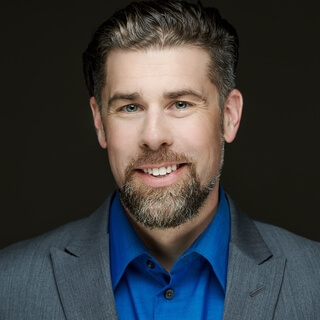
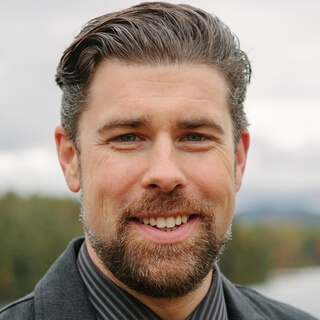
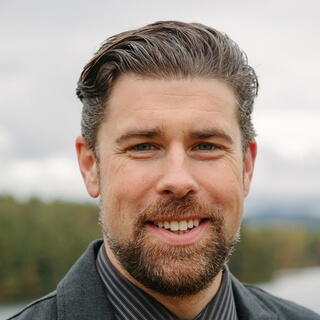
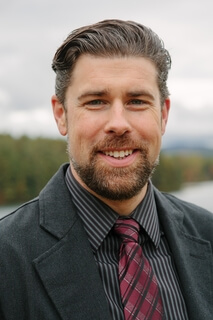
I'm Tom Bushlach and for this episode,
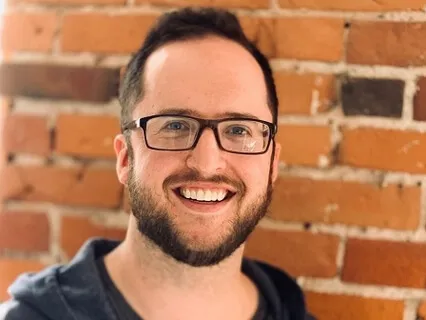
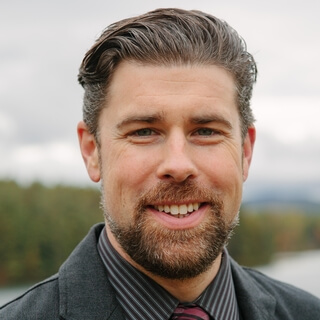
I am your co-host along with Nick Zalfo,
The host of the podcast,
Catching Z's A Millennial's Guide to Mindfulness.
Nick and I were introduced by a mutual colleague and we realized that we have a very similar purpose behind our podcasts,
Which is to highlight the wisdom of others' spiritual practices and to share that with as many people as possible.
Since we were so aligned,
We decided to make this a co-interview,
Just taking turns interviewing each other back and forth about our meditation practices,
Podcasting,
And how we apply our practice to daily life and sharing our passion with others.
You can check out Nick's podcast,
Catching Z's by searching for Catching Z's wherever you download your podcasts,
Or you can go to the show notes page at thomasjbushlach.
Com forward slash episode 26.
Thanks for being here and let's get right into my co-interview with Nick Zalfo.
Welcome back to another episode of Catching Z's.
Super pumped,
Got on Tom Bushlach.
It'll kind of be also an interesting episode,
As you'll see here shortly with Tom's introduction.
Yeah,
So not only is this your episode,
But this will be episode 26 of Contemplate This.
And we were introduced by a mutual connection,
Nick Zalfo and I,
And we decided it would be fun to kind of co-interview each other for both of our podcasts.
So that's what we're doing here today.
Just podcasters doing podcast things for each other,
You know,
So.
That's right.
Yeah,
Here we are.
Yeah,
And as you mentioned,
We were introduced through a kind of mutual connection and we had a chance to talk,
You and I,
Just about like our spiritual journeys and stuff and we figured to make this somewhat of structured conversation maybe,
To start with your journey,
Which started about 20 years ago.
So if you just wanna,
Wherever within that you wanna start.
Sure,
Yeah,
So I was introduced to what I would consider more like formal practice of contemplative prayer when I was in college.
So I went to a small Catholic rural university in Northern Minnesota that was run by Benedictine monks and sisters.
And so in that Benedictine tradition,
They have some long history of different forms of meditation and contemplative prayer.
So I was introduced primarily to centering prayer was kind of my first and still my,
What I consider my primary grounding or home practice.
So I was in a class taught by Sister Mary Ruder,
Still remember her,
Still have kept in touch with her actually a little bit.
And she was a sister at the College of St.
Benedict and taught a class on the Benedictine tradition and she had another one of her sisters,
Sister Catherine Howard,
Come into our class and teach us centering prayer.
So she went through,
There are kind of four guidelines for centering prayer,
Which I think I'll go through a little bit later in the podcast.
She just kind of said,
Here it is,
And then set a timer for 20 minutes.
And I had this experience of sitting in this class and feeling like,
I just settled right into it and it felt like home and it stuck.
And so I started,
I really started practicing from then on with varying levels of intensity and regularity,
But it really has been a regular practice for over the last 20 years or so,
A little bit more than 20 years.
And so that,
I mean,
That was kind of the doorway.
There were lots of other people who came along that I connected with that sort of deepened that practice.
There was another monk at St.
John's,
Father Mark Thamert,
Who became kind of a spiritual director.
And I guess what's maybe important about that is he introduced me to what I would call a inter-spiritual approach,
Even though I didn't have that word for it at the time.
So he was really interested in all things that kind of lead to that resting in the divine presence,
Whatever takes you there.
So he introduced me and I think even gave me a copy of Thich Nhat Hanh's book,
The Miracle of Mindfulness,
Which I think is still one of the best introductions,
Simple introductions to a basic mindfulness practice and following the breath,
Which I find sort of works well and compliments well the use of the sacred word in Centering Prayer.
So he was into the Enneagram and kind of worked with that in spiritual direction and mystical poetry of Rumi and Hafiz and Reiner Maria Rilke.
So all of that sort of blended together and I just ate it up as a college student and kept going on my own.
It wasn't until I did a lot of reading on my own.
I read like a lot of Thomas Keating,
Who's one of the teachers in the Centering Prayer tradition and kind of followed different threads here and there.
But it wasn't until maybe,
I guess it was,
I don't know,
Seven or eight years ago now that I got more formally involved with Contemplative Outreach,
The organization that teaches Centering Prayer,
Where I finally became a commissioned presenter and went through the formation for that.
So there's a four part,
Four conference workshop that is kind of the standard introduction for teaching the practice.
So I went through that training and since then have been able to,
I think going through that training actually deep into my own practice,
I was really shocked.
Having done it for so long that getting into a community of more intense practitioners and they always say the best way to learn something is to have to teach it.
So it took me a lot deeper into my practice and a deeper appreciation for it.
And then it's just been a joy to be more connected and sharing that at workshops where people are learning it for the first time and kind of having that world open for them.
That's kind of a big flyover.
I don't know if you wanna ask more follow up questions before we tell your story or?
Yeah,
I mean,
Why not?
We'll see how this goes.
We're kind of free flowing.
I think from a perspective of folks that I typically talk to where their contemplative practice is like a meditation or mindfulness,
There's some sort of feeling that you're getting,
Whether that's internal feeling or in your mind or something that really gives them an insight to continue on with this practice.
Or they get enough of a glimpse that's like,
Oh,
There's something that could be really life changing here.
So for this centering prayer,
I'm not familiar at all with it,
The technique at all.
And so is it something like that where you start doing it and it changes maybe even perspectives or subtleties about life that kind of gave you the inkling to continue on?
Yeah,
That's a great question.
I think in some ways there are different lenses through which I look at the practice and its effect.
Ram Dass uses the image of when you go to have your eyes tested and they put those different lenses in front of you that we have different kind of lenses,
Spiritual lenses to look at the world.
So on a kind of more immediate level,
I've always struggled with anxiety quite a bit and the practice of taking 20 minutes of silence and the basic practice in centering prayer is you have a sacred word that functions a little bit differently from a mantra practice.
So when you have this sacred word,
You choose the word.
The meaning of the word itself is really not important.
The teaching is that the word is a symbol of our intention to consent or just to say yes to God in the moment.
The way it's phrased is to God's presence and action within as well as to whatever is arising within our sort of conscious level of awareness.
So that saying yes to me is like a release from the anxiety because the anxiety is about fear and pushing back against what is occurring or actually even more likely,
It's pushing back against what I think or fear might happen in the future and tensing against that.
So the practice of noticing when I'm doing that and then coming back to repeating that word whenever I notice that I'm getting engaged or caught up in that has been really helpful for me,
Not just during the actual maybe more formal practice of sitting down to do centering prayer.
Of course,
It feels good then often,
Not always,
But often.
But then also I find when I'm doing my practice regularly,
I'm more tuned into that.
And so I'm able to notice in the moment when I'm at work or with my spouse or my kids,
When I'm starting to do that and I am more able to come back to the present moment and stop fighting either what is or what I think will be.
So that's been really helpful for me in terms of working with the thoughts that drive that anxiety that I've struggled with.
And that's maybe at like the thought,
You might call it the mental health level.
But if I flip that lens in the doctor's chair,
Getting my eyes tested,
We might call it the deeper spiritual level.
I think even as a young kid,
I had this kind of longing and maybe almost like a wordless longing.
I didn't know where to place it.
I grew up in a pretty devout Catholic family and I still practice in that as my primary tradition.
And I think that the spiritual and religious language,
But not just the language,
The practices,
It's a very embodied kind of movement focused or rhythm focused liturgy in the Catholic world.
That's where I was able to channel that desire into what I would call or actually what Benedictines and others call this natural desire for God for something more.
And so that felt like as well,
When I settled into the centering prayer practice,
It gave that energy and that longing a direction and a place and made it a little more real and tangible because those spiritual religious ideas can sometimes get a little heady and I'm trained as a theologian in my background.
So it's a nice compliment to have that physical embodied practice to come back to because one of my favorite lines that I often quote when I do the workshop on centering prayer is a line from St.
Augustine who says,
Anything that we think about God cannot be God or is not God.
So if we're thinking about God,
We're not actually in relationship or present.
And so centering prayer opens up a different way of being present to my own experience and to whatever we think we mean when we use the word God.
And I'm always careful to qualify that because whatever God is,
It's something that's beyond what we can control or think with the rational mind.
I like that a lot.
Yeah.
That's cool.
And yeah,
As far as your schooling goes,
You had your undergraduate and then did you go immediately into a PhD program?
No,
I knew I wanted to.
I meandered,
Let's say for a few years.
My parents might have different language for it,
The lost child,
But no,
There was a period in there,
Even as a young kid,
Again growing up in that Catholic environment,
I thought about priesthood.
And then when I was introduced to the Benedictine and contemplative tradition,
The monastic tradition of that,
I got really interested in the monastic life.
So after college,
I got some really good advice from a professor who was also a monk,
Michael Patella,
New Testament scholar.
I was taking a directed reading of the Bible and I was taking a directed readings course with him on the writings of Paul in the New Testament.
And I mentioned to him my interest in graduate school and theology,
And he gave me some of the best advice I ever got.
He said,
You can always go back to grad school,
But I would recommend taking some time and going out and doing some work.
And he's like,
If you get into a career and you like it,
Then that's great.
There's nothing lost.
And you try some things and you still are thinking,
Man,
I really wanna go back.
I really think that my calling would be more in that academic world.
Then you can go back and you've got some life experience.
And that ended up to be really,
Really good advice.
So my first year after college,
Well,
Actually the summer after college,
I went and worked at Voyager Outward Bound School,
Which is up in Ely,
Minnesota,
Way,
Way up north on the Canadian border in the Boundary Waters.
So guiding trips up in that area just for that summer.
And then I went and I did a year of service with the Catholic Charities Volunteer Corps that was in the Twin Cities in Minnesota.
Unfortunately,
That program no longer exists,
But it was like a postgraduate year of volunteer work and service.
And so I worked in a children's home for kids with severe emotional behavioral problems for a year.
That was pretty wild,
But really good experience.
And then after that,
I got a little more serious about whether or not I had a vocation to the Benedictine world and explored that,
Would go up to,
I was living in the Twin Cities with some friends.
I'd go up to St.
John's for like a week at a time or like a long weekend just to see,
Kind of live as part of the community to see what that rhythm of prayer and work was like.
And then a couple of years after that,
I did finally start the process of joining the monastery.
So the first process is what they call being a candidate.
That was a three month thing for the summer.
And then after you do that,
It's a time of discernment,
Both for you and for the community about whether or not this is what God is really calling you to.
So after doing that,
I went up there thinking that was it.
I was gonna be a monk.
I had my mind made up.
And they always say,
If you wanna make God laugh,
Tell her your plans.
So I started having actually some really severe anxiety to the point where I had kind of a breakdown at noon prayer one day in the monastery and got another fantastic piece of advice from the doctor of the monastery.
This was a lay woman,
Not a Benedictine who ran the health center.
And I went in there and kind of told her what I had experienced.
It was probably like a severe panic or anxiety attack.
And she just looked at me and said,
Sometimes God uses our body to tell us something.
What do you think God is saying right now?
And it's like,
Oh,
Maybe I don't,
Maybe this isn't my path.
It's like a light bulb went off.
So I,
After that,
Left on really good terms.
I mean,
They were super supportive,
The vocation director and everybody,
Because they really do think of it as a process.
It's not like just show up and join.
So after that,
That was when I finally got serious about applying to grad school.
So that was a way longer answer than you probably needed or wanted.
No,
No,
As is most of the things,
A long and winding journey.
And you ended up,
So it was a PhD program,
Is that correct?
Yeah,
First I did a master's,
Master of theological studies at Notre Dame.
And then went from that into the PhD program in theology and ethics,
Also at Notre Dame.
Now I should know,
I know what ethics,
I know what that means.
I should definitely know what theology means,
But can you explain to me kind of what theology is and what that entails?
Sure,
Yeah,
I guess the best way to think of it is if you break down the actual word,
Right?
So logos means like reason or rational study.
So biology,
Right,
Is the study of life,
Bios.
So the theos part of theology just means God.
So in a really simple level,
The study of God.
If you think about it,
I was studying particularly in the Christian tradition.
So theology in that sense is sort of looking at what has been revealed to us about God in the scriptures and in the tradition.
And then rationally working to understand that.
And then of course the ethics piece always keeps an eye towards like the practical application of that.
So how do we move from what we believe as a community to how we live that is kind of maybe the most general way I could talk about what theology or some people call it moral theology or Christian ethics.
Kind of two ways of talking about the discipline within theology that I'm trained in.
Yeah,
I think just throwing the word ethics in there is like,
Ooh,
There's some like,
That's such like an abstract,
You know,
Like I,
Yeah.
It's a very interesting.
So you're saying the ethics portion is like the,
I don't wanna like make it,
Summarize it,
But like the practical or like the guidance of it of how to like live it out?
Yeah,
I would say that.
One of my current colleagues in my,
Where I work within the healthcare system of SSM Health right now likes to use this when we introduce it to people in our healthcare system that you could say it's,
There's sort of three questions.
Who am I or who are we for thinking of it communally?
What do I believe and value or what do we believe in value?
And therefore,
How ought I to act or live my life?
And that's,
I think that's a great way of summarizing what we do in moral theology or Christian ethics.
So what's our basic identity as a Christian?
What do we believe based on that?
And then based on those two things,
How should we live our lives?
Just three like super simple questions.
Yeah,
You know,
It's pretty simple stuff.
You just,
You know.
Check a couple boxes and you're,
Yeah.
It's basically,
It's an algorithm,
Yeah.
Yeah,
Yeah.
Yeah,
It's fascinating.
Yeah,
Very cool.
Yeah.
Do you wanna go into a little bit of your story of how you got introduced to your own practice and what that looks like now or how you put your podcast together?
Yeah,
I could definitely just keep my inquiries about your journey,
But I think we should maybe.
We can go back and forth,
Yeah.
Yeah,
Yeah.
Yeah,
I mean,
As far as like my,
You know,
The journey,
I would say that like the foundation was set growing up being born and raised as in,
You know,
The Catholic tradition.
And then my dad has also been a yoga teacher for about 30 years now.
And so the definitely like the more rigorous religious structure was there through the Catholic tradition but then I think,
You know,
Some of the other like just,
You know,
I don't even know how to classify them.
I mean,
It's definitely like,
You know,
Religions intertwined in yoga but maybe not like specifically a religion but just kind of some of those like,
You know,
Other practices or,
You know,
I don't even wanna call them like thought processes but some other dogma but like,
You know,
Some of the like meditation and yoga and like,
I don't know,
Part of me wants to call it that like a mystic portion of that tradition.
Yeah,
Yeah.
So yeah,
I've been around that for a while but never really,
You know,
Like did a couple yoga poses as a child,
Wasn't really into anything like that but was always kind of around the,
You know,
Around those sort of things.
And then,
You know,
It came to be,
I was working in Chicago at the time.
Now this is five years ago and was just chatting with one of the new colleagues there and was talking about kind of like our spiritual practice.
He was born and raised Jewish and so Judaism and so he,
You know,
His dad is a regular practitioner.
It's kind of funny.
When we talked about like our dads,
We were like,
Yeah,
That's our same dad just in Catholic and the Jewish tradition.
Like yeah,
The same person,
Yeah.
So we kind of had that.
Well,
They're cousins.
That's how I think,
That's how we like to think of the,
Christianity is the younger cousin of Judaism.
Okay,
Yeah,
Yeah.
So that,
Yeah,
Definitely a lot of the same,
I think,
Rituals were involved in their devotion to practice so,
But no.
And then we had talked about,
You know,
Candidly about,
We had college experiences with,
You know,
Psychedelic experiences and what would be like,
You know,
Kind of out of body stuff that brought us to,
I think what those did for me was like,
You know,
As a college student,
They were just like,
You know,
Let's have a fun experience,
But really what it ends up manifesting now today is more about like,
The mind is a really powerful thing,
You know,
And like really kind of showed me that like you can,
It's the perspective and the way that you paint your own reality is kind of how you come to understand it,
You know,
And so,
And just being able to manipulate that through like psychedelics was really interesting.
I would say that's kind of like my gateway into all this stuff.
But then,
You know,
The,
So we were talking about having,
You know,
This background and then it came,
You know,
Nothing came of that,
But February of about five years ago,
Rolls around and it was the one year anniversary of his,
One of his best friends passing away in a tragic car accident.
And it's still kind of interesting today and I was actually thinking about it very recently about how like his friends passing now has really brought on to this like really beautiful shift in both Zach,
Who the colleague that I was talking,
That I'm talking about like a beautiful shift.
And I don't know,
You know,
We might not have really done it if it wasn't like such a,
An emotional day for him,
But so he was like,
You know,
We talked about meditation,
Hey,
Let's try this,
You know,
Let's try meditation.
I'm like,
Yeah,
Sure,
Whatever,
Like I'm here for you,
Whatever,
And so he downloads Headspace and he,
It's,
They have a beginner pack that's like 10 minutes for 10 days.
And so we download,
You know,
Headspace,
We do one day,
We do two days and then like honestly from there,
We're off to the races and we did it,
You know,
Consistently,
We would do it first thing in the morning.
And it's been for both of us,
You know,
Coming up on these five years.
And in between there,
You know,
I think within the first like six months,
We just had a really fundamental shift in like,
I think for me it was mostly about the way that I saw my coworkers and like some that were maybe more difficult.
I was like,
Oh,
They're just kind of humans trying to like survive as we all are,
You know?
And we felt,
The way I describe it is like,
Felt kind of selfish that we were experiencing these things.
So we wanted to share them with as many people as we could.
And so our first experience with that,
We actually had a program for,
Citizen School is the program that started out of Boston and what they do is they do,
Instead of just throwing kids in afterschool programs where it's like they throw them in a study hall and make them do their homework,
It's like real life skills that they develop.
And so we put our name in the hat as to throw meditation in there to help these sixth,
Seventh and eighth graders.
And you know,
We did a presentation for the kids and they pick it themselves.
So like,
You know,
They can always come back and be like,
Well,
You chose this yourself,
You wanted to do this.
But 13,
Sixth,
Seventh and eighth graders were like,
Meditation sounds like what I wanna do.
So we did that,
Both Zach and I,
We taught them and that was really,
You know,
A really profound experience.
I think children and the youth have a really interesting lens by which they view the world.
And so it was really kind of a cool experience to see that.
Yeah,
And then,
So we did that experience again,
Where like that was super fulfilling,
But still felt like this almost,
You know,
Need to be able to share this with more people.
And just so happened that a buddy introduced me to another friend that started a podcast and I talked to him and it was like a super easy process to get up and running as you're familiar with.
And I asked Zach,
I was like,
Hey,
You wanna start a podcast?
Like,
Let's just,
Any other outlet,
You know?
And this is now,
You know,
Coming up on three years,
It's been running,
Doing the podcast.
And so Zach is,
You know,
No longer a part of this project,
At least.
We still keep in touch and no hard feelings there or anything,
But so yeah,
That's kind of how everything comes to present day about,
You know,
Hosting this podcast and just a little bit about the spiritual journey that got me there.
Wow,
That's really cool.
So what would you say is the focus of your podcast?
Like if you were giving the elevator pitch?
Yeah,
Yeah,
I mean,
Really what I set out to do and it holds true this day,
What we set out to do originally was like just talk to as many people as we could about their experiences with contemplative practices because I think there's a whole lot of information out there about,
You know,
Different practices,
What they look like.
And some of them seem idealized or they seem not reachable for lay people.
You know,
I think of the classic example anybody gives is like any sort of monastic life or,
You know,
Taking up robes and being like,
You have to,
In order,
You have to dedicate your entire life every moment to it in order to see some sort of meaningful experience.
But I think it's,
You know,
Looking to just talk to people to get as many different experiences of the different ways that people are practicing to help shed that perspective for others that may think like,
You know,
Oh,
It has to look a certain way or like,
You know,
It's always people who are,
You know,
Always zenned out and really calm all the time or like,
You know,
Different,
Just all the different like classic myths that you think about.
So trying to really just interview as many people and talk to as many people about their practice and what it looks like to help others maybe break down some of those limiting beliefs and really to allow people to develop their own personal practice because I think,
You know,
That's really what it boils down to is you might take some things from a couple of different places or you might be really dedicated to one specific practice,
But really making it your own and seeing what fits for you and your circumstances.
Yeah,
I'm curious about how in today's world that there's a,
There's a,
There's a mingling of different practices and traditions because even though Centering Prayer still feels like my kind of home tradition it's been informed by Buddhist thought.
I didn't even talk about being introduced to yoga and that whole dimension.
And so I'm curious what,
How would you describe your sort of day-to-day practice?
Yeah,
I mean,
It's interesting because I would say,
You know,
It's somewhere around that like,
If we're talking about traditions and where it's come from,
Definitely like a,
Maybe a more Buddhist centered practice.
And I think,
You know,
Just to,
As an aside here,
Like the way that I view,
Like the,
Or the way that I've come to view a lot of things is like,
I think labels are really interesting in how they like construct the way that we look at things.
And so I think like there's a lot of different practices that are probably influenced,
You know,
That the different stuff that I do,
But really it's just like a,
You know,
Traditional vipassana or like mindfulness practice,
Following the breath,
It's at the very least a minimum of 10 minutes a day.
And I'm usually just doing it,
You know,
Right first thing in the morning or whenever,
You know,
If I don't do that,
It's probably right before bed.
But yeah,
More like in somewhat of,
You know,
Buddhist tradition,
Vipassana,
Somewhere in the mindfulness.
But yeah,
Like you're saying,
I mean,
It all,
You know,
There's like,
It's like a race to take credit for who had it first,
You know,
Of like this sort of contemplative practice or,
You know,
I don't view it that way certainly,
But I think,
You know,
There's definitely a lot,
There's a foundation in,
Even when you were talking about centering prayer about like,
You know,
A mindfulness experience or like a more of a transcendental like mantra based practice,
You know?
So I think it's really interesting.
Yeah,
And I've been,
I guess I'm sort of curious about how,
I sort of think of the contemplative experience as a universal part of the human experience and that there are different doorways that people either discover or sometimes even have thrust on them by life circumstances that open that up.
And a couple of things that you shared in your own narrative that were fascinating that sounded like open that up was experience with psychedelics,
Which I think is there's sort of a fascination with right now,
Michael Pollan's book and things like that.
And then,
Which kind of,
Again,
It opens a doorway to one of those other lenses.
And then I'm always,
I'm really fascinated by how experiences with death also raise these kinds of questions or open these experiences.
So it's interesting that your friend invited you to try this after dealing with the loss of his friend.
And I actually,
I kind of skipped it over cause I picked up my story in college,
But I think one of the significant experiences for me very early was the death of my cousin who was probably my closest family friend growing up.
He died of brain cancer when we were in high school.
And I think that that only added to my curiosity around what are we if we say we're a soul and we're more than this body.
And we believe that consciousness extends beyond what we can touch in this earth.
That sort of leads into the contemplative kind of experience.
Yeah,
For sure.
And something else that I have heard from one of my teachers in the yoga tradition,
The way he talks about it is he says,
He'll say that yoga is the science of religion,
The practice,
As opposed to the,
Say the belief or the dogma piece of it,
Which has been a helpful way of thinking about it for me.
I don't know if that resonates with your own experience.
Yeah,
Well,
Yeah,
I was thinking,
As you were talking about it,
Just I think the crossover of a lot of these things,
Like you're talking about the foundation of human nature.
Because I had a guest on,
Jeff Siegel,
And he was talking about,
We were talking about how things have become really popular nowadays and people are selling.
I think I brought up the example of Russell Wilson having his mind training practices.
And I was like,
Should it be where all these people are touting these things?
And really what it is is a meditation.
He's like,
Well,
How do you define meditation?
And I was kind of stumped there.
And as I kind of unpacked it,
Well then there's the way that I define it and the way that I liked that he said it is,
Always pushing towards the edge of now.
Just coming into closer contact with the now.
I think it's interesting about how I was defining it,
Which was very limiting.
But then if you really think about it,
What are you trying to do?
Or how are you really defining it?
And the power of what it is,
I think there's many different ways that it could look.
And it doesn't certainly have to look a certain way at all.
And so,
Yeah,
I think it's just kind of,
It really opened my eyes.
And this is only as of four months ago.
And so I kind of feel almost ashamed.
I was like,
Well,
These people out here touting this mindfulness stuff,
Just call it what it is.
And it's like,
No,
There's many different ways of it looking and who cares really what you call it,
I guess.
I think one of the interesting thing of what you were talking about is your fascination with death and what that does for people.
And I think,
As I think right now,
For maybe some context for the listeners,
Like we're April 3rd,
We're recording this.
And so we're in this weird COVID-19 pandemic coming on.
And really the way that I've thought about it is like,
A lot is going on and I think death is certainly a part of that.
And it is like one of the most intimate experiences with life to be able to have everything kind of shifted and the unknowns really of what I think about how not really knowing how something will end and what that causes you then to do internally and I think in some ways,
Really the experience of having a,
If it's a close loved one,
I think that's probably a little bit different,
More of an intimate experience.
But even just in general,
Being intimate with the experience of having someone you know passing away is like,
You're at your most intimate with the realities of life in these situations.
And it's really interesting how that then manifests itself.
I think you were talking about it,
Like it ends up becoming this like,
In many ways existential experience of like,
This is a reality we all face and so then what do I make of it all?
You know,
And so I think it is definitely a natural thing and I've been really kind of contemplating on that experience,
Not only just death,
But I think of like the unknowns that we all grapple with,
You know,
And how that is at least the way I'm looking at it right now is like the most intimate way to experience life.
I love that language that you used about it being an intimate experience because I have also been thinking a lot about this as we are social distancing and while nobody would choose the means by which we're all put in this situation,
Which is suffering and death,
Which is,
You know,
The reality that we're all trying to mitigate how much of that gets spread by doing this.
But all the anxiety that that brings up,
All of the fear,
I think it's,
I mean,
It's an opportunity and I wanna be careful how I say that because I don't wanna cheapen the experience of like how people are suffering or make it seem like that.
But if we look at life is the teacher,
Then how we're responding to this current situation is an opportunity to think about how we engage with life even when it's not so crazy.
So this moment is almost like a mirror back to us to think about what's really important.
And at the end of the day,
I think life is always full of ambiguities and unknowns.
It's just more in our face right now.
So how do we embrace that?
How do we surrender into that while it being difficult and painful?
So I think there is an opportunity there for us as a world community facing this together.
Yeah,
I'm curious from your perspective,
Like you were saying about not wanting to cheapen the experience that people are going through,
But the experience that the inevitability of death,
And I think when senseless deaths happens,
When terrorism or things like that,
You can't really make sense of that sort of thing.
And so I think I understand what you're saying about the necessary nature of that,
But how do you personally grapple with that?
Because I think like you're saying,
There's always a lesson to be learned and it's not always gonna be something that you wanted or desired to experience in order to learn something.
But I guess how do you look at that,
Like the senseless death and kind of make sense of it amongst all of everything?
Hmm,
I mean,
That's like one of the most difficult questions I think we have as humans is how to,
The attempt to try to make sense of it.
And I guess some of those more tragic things,
I'm not sure we can come up with a rational explanation that makes sense of it,
But we can,
If I think about my practice as primarily being about consent or saying yes to whatever is arising,
That even when things arise that I don't like,
But if they're beyond my control,
As is the case with the COVID virus or the death of my cousin or your friend's death,
Then the question becomes,
How do I say yes to that and move through it or allow it to move through me in a way that I don't close my heart?
Because I think I've had several teachers who have really focused on that.
I think when we experience trauma or challenge or loss or fear,
We tend to narrow and hunker down and protect,
Whether it's ourselves individually or our people,
However we define that,
In-group,
Out-group,
But that actually is just laying the roots for more suffering in the future.
So how do I allow an experience that I didn't choose to open me to find more compassion in that experience?
And one of the things that I found really difficult with this social distancing is working,
Say,
Where I currently do in healthcare,
I'm in touch with people,
So I am not patient-facing,
So I don't typically interact directly with patients.
I'm more in an administrative role as a mission leader.
And so we've been kind of identified as like,
If you can work from home,
It's actually the more compassionate thing to do to isolate yourself,
Because you're taking yourself as a potential carrier of the virus out of the situation and limiting the spread.
But it's really hard to sit in a room and talk to people who are out there with patients who are experiencing that anxiety and that fear.
So for me,
It's about coming back to when that arises,
I can start to go crazy of like,
I need to get out there and do something,
But the reality is that sometimes the best thing we can do is to just be present and I'll not get totally caught up in the anxiety of it.
Yeah,
No,
I love that about taking it away where you're not closing your heart or allowing it to close more.
Yeah,
It's really,
That's beautiful.
Yeah,
And I think whether it's the external experience that we have or our own internal thoughts and fears,
That's the fundamental challenge of what we're trying to learn with our practice and why it's a practice that we have to keep doing day in and day out,
Because it's a natural desire to wanna kind of close down and protect.
Yeah,
No,
For sure.
Yeah,
I think the way that I have come to view,
I certainly haven't always seen it this way,
But each experience is going to teach you something and I think sometimes you're ready for the lesson and sometimes you're not in a place to get it where I've kind of rejected,
If I think about my teen years,
Let's call it,
To be able to kind of see those lessons or hear them in a way that's constructive.
So I think coming to see that,
Or viewing things through that sort of lens has been really beneficial.
And it's not where,
Like you said,
I don't think it manifests itself like this is a logical explanation for it.
It's more just about understanding how things are,
At the end of the day,
How they're impacting you yourself internally.
What are those sort of responses and what are they saying?
And then what are you gonna do with those from there?
And I think like you're saying,
The practice and the repetition of doing stuff in my experience has given me the space to be open to maybe more than I'm just seeing about the tragedy of things.
There's definitely some lesson inside of me about my emotional response and how I'm showing up to certain experiences through,
Again,
That practice of allowing myself that space.
So it's really interesting.
Yeah,
And as you were talking,
I was thinking about something that I've appreciated from Buddhist friends and people that I've learned from is the Bodhisattva vow,
Which is to basically accept.
I think there's a sort of a prayer that's a translation,
But may this experience serve to foster my enlightenment and the enlightenment of all beings is a really powerful prayer,
Or maybe that's not the right word for it,
But meditation.
Right,
Yeah.
There's a practice that is often considered kind of a compliment to centering prayer called the welcoming prayer.
And the basic idea is the centering prayer is more like a formal sitting practice.
The welcoming prayer is,
Well,
Thomas Keating calls it consent on the go.
So when you're in the moment and you have that moment,
It's a short prayer of opening,
Just recognizing what is and allowing yourself to feel it,
Accepting it,
And then it kind of moves through a saying of like,
I accept this moment as it is.
I surrender my need for affection,
Control,
And allow the moment to be what it is.
I'm paraphrasing because I don't have it in front of me,
But similar to the kind of Bodhisattva vow,
Which is it's a tool for when things arise in the middle of the day or on the go to come back to that space of acceptance and opening.
Hmm,
Yeah,
I like that a lot.
Have you,
You mentioned before kind of your daily practice,
Have you found ways that you come back to that as you're sort of going through,
Say,
Your workday or being with family,
Kids,
Spouse?
Yeah,
For sure.
I would say the place that shows up the most is with my spouse for sure,
Because I think that's the most,
That is,
If the life experiences give you these lessons about your own internal experience,
The person I'm most sharing my internal experience with is my wife,
So.
But yeah,
I think the area that I see it the most is where the practice of just bringing your focus back to some sort of anchor,
Which I typically just use for the breath sensation.
I find that that really shows up a lot in,
I would say it's like a resilience thing where I still might present a non-favorable emotion,
Let's say anger at somebody,
But it's either immediately after that or shortly after that,
A lot less time than before,
Where I'm like,
That was incorrect.
Or like,
That was very reactive.
And it's been where I'll even acknowledge that out loud with my wife,
Like,
Yeah,
I didn't mean that.
Or like,
That was kind of out of nowhere.
And I've even found it before where I have been able to have enough space,
And this is probably just a handful of times,
Where I didn't even then end up fulfilling the anger in a destructive way,
Which is usually just words,
I think,
More than anything,
For sure.
So yeah,
I think just like that,
Recognizing the power in the practice of bringing my focus back to one specific place,
I do find that a lot when either it's interactions with other folks or too when my mind's wandering and it's taking me to a place where I'm like,
This isn't productive at all.
You know?
Unskillful means,
Right?
That's what the Buddhists would call it.
Okay,
Yeah,
Exactly,
Yeah.
So yeah,
And just bringing it back to the breath,
And it's hugely powerful.
Yeah,
Yeah.
That's interesting.
One of the things that we talk about in the intro workshop to Centering Prayer,
The last conference talks about the fruits of the practice.
And one of the things that comes up is that we find that we're able to sort of come back to a more emotionally balanced place more quickly if we do get thrown off,
Or as you mentioned,
On those great occasions where you actually catch yourself before having the reaction,
Which are maybe not as frequent as I might wish,
But that's where the fruits of the practice really start to play out in daily life.
It's like I just started learning guitar a few months ago,
And my teacher,
Who also has some familiarity with contemplative prayer and meditation,
Suggested this book that I read called Effortless Mastery by Kenny Werner,
I think is his name.
But it's actually informed a lot by the yoga philosophy of meditation for practicing an instrument.
But one of the things that he talks about is he calls it the space,
And I'm holding up in air quotes,
But you can't see it on the radio.
But he calls the space that space where we're just free to play and create.
And that's been a helpful image for me to think about.
Ideally,
If I were totally free and an enlightened being,
We would live in that space all the time and be totally free and not triggered by anything,
And nothing would set us off,
And we'd be loving and creative.
And maybe I'm not gonna get there in this lifetime,
Probably not,
But at least to think that that's possible,
I find a really powerful way of thinking about,
Again,
Why we practice to bring us back to that,
To make it easier to settle into that.
So when you were describing that with your wife,
That resonates with me as well,
That easier to come back.
I think it's interesting how thinking about the journey is the destination,
Because you're never quite arriving,
Where I think you're just finding out more,
Or as I always put it,
I find out,
Or I shed what I knew about myself.
It's not so much finding out stuff that was already there.
I find it shedding stuff that I thought I knew,
Really getting down to this core.
But you just learn more things,
And then they unlearn as I'm positioning it,
And then they lead to another portion of small little nook and cranny in your life,
And that continues on.
That,
For me,
Is what I find to be what is continually exciting.
And it's not something that I'm looking for or hinging my practice on,
But I think the thought of,
I always put it as this is a life's work.
This is worth putting in your life to do this.
At least for myself,
I've deemed it as that.
And so I think it's really cool to,
In many ways,
Thinking about something that really never ends or you never reach there,
But for me,
I think that's what is the alluring thing about it.
And certainly there's been experiences along the way where it's like,
Oh,
This has been really practically beneficial,
But again,
That's not really where I'm trying to stake my practice on.
It's more just about continuing on this unknown journey of either learning more about myself or unlearning what I thought I knew.
I love that image of it being an adventure.
And I love the unlearning,
Too.
Something that I struggle with is,
As we talked before,
What's theology,
Right?
It's sort of language and reasoning about God.
And in the contemplative experience,
You realize that anything that we say or reason about God is,
By definition,
Falls short.
It's not that it's totally false.
It just can't capture whatever we mean by the transcendent or the infinite.
And so then I find myself,
Even as I'm talking,
Struggling with what language to use,
Because as soon as I say God,
It brings up certain images for people based on whatever they grew up with or didn't grow up with.
And then they start making assumptions about,
Oh,
Well,
He must be this kind of Catholic or something.
But yet that language is there.
It's part of some traditions,
Not all.
And so how do we talk about it as an unknowing,
Entering into a mystery that transcends rather than thinking that we're gonna understand and be able to control it in that way?
Yeah,
I think one of the interesting things that you're talking about,
The language of it all,
I think,
In your view,
I think that religions have and still do have a very beneficial for a number of reasons,
But how much do they do in a sense of dividing us on what we think is a separate viewpoint?
Because oftentimes there's this joke that I always think about where essentially it's like,
People are going to heaven and it's someone from Judaism or Muslim or something like that or Christianity,
And they're like,
Oh,
I'm gonna go to heaven.
And they're like,
Basically the joke is like,
Everybody's up there.
We're all just thinking that we're alone.
Each religion thinks that they're alone in their destination,
But we're all just hanging out in the same space.
And so I guess back to the main question about how much does defining things as a certain other religion seem to be divisive in just creating humanity or collective humanity?
Oh man,
That's such a great question.
This came up a lot.
There was a group that I was a part of in 2017.
We all gathered in Snowmass,
Colorado of younger-ish kind of Christian contemplative people in that space.
And I think one of the reasons that those of us who are committed to this part of the path within our tradition stay so committed is because we see it as a way to honor the faith tradition that we've been given and that we find ourselves in in Christianity in a way that the contemplative path sort of opens to an appreciation of how we are all in this together.
Richard Rort likes to talk a lot about as union and one of the title of his books is Everything Belongs.
So how do we,
I think part of what,
Maybe this is part of my purpose or vocation is to offer an image of Christianity in practice that opens to the affirmation of all rather than the exclusion,
Because there are so many public examples that we can think of where Christianity gets turned into that.
And I think you kind of started by talking about how there's value in religious traditions because they convey these important teachings and truths.
And at the same time,
They can also be turned into a fundamentalism and it's true of any tradition.
In fact,
It's true of even non-religious traditions.
I think secularism can become a fundamentalism if that means that you automatically exclude anything transcendent.
So the contemplative path kind of shows us or makes it easier to see where we tend to get caught up in those fundamentalisms where it has to be this way.
It has to be I'm in and you're out and opens instead to say,
If I go into my tradition and you go into your tradition,
We can meet each other there and be brothers and sisters to each other.
That's sort of the,
I think the hope for those of us who still stay within a tradition,
Sometimes hanging on by a thread and often not even sure where we fit in that space,
But also feeling like that's where we are and that's where we're called.
And as you said before,
Kind of live in the unknown of that but try to live into something new.
Yeah,
I love that a lot.
I think that's really even just asking of anybody to just be open,
I think is really cool to think about you,
Like just intentionally cultivating that.
So that's amazing.
Yeah.
Well,
I know we talked about maybe sharing a little bit of how we approach practice.
Do you wanna kind of give us a taste of how you might lead somebody into an experience that you're familiar with or that you might teach?
Yeah,
Absolutely.
We'll just do maybe a quick minute or two.
Yeah,
So getting in any comfortable position,
Any seated position and probably just do it with your eyes closed here to start out.
Sorry,
Eyes open,
There we go.
Just have a couple of people wrongfully directed.
So with your eyes open and as I mentioned about the breath as an anchor or as your main focus,
Taking a deep breath in through your nose,
Exhaling out of your mouth,
Inhale,
Inhale deep in through your nose,
Becoming more in tune with right now,
Exhaling out of your mouth,
Inhaling again in through your nose.
And if you're comfortable on your exhale,
Closing your eyes and then just asking yourself the question,
How do I know that I am breathing?
Finding out if there's any small sensations that you're feeling with your breath and trying to maintain focus on that area.
And as the mind does and is trained to do,
It promise wander off to something that happened in the past,
Something that you've always wanted to do.
Analysis.
Now Actually,
Off to something that happened in the past,
Something that's supposed to happen in the future.
And the real power that I talked about earlier is in that recognition of the mind wandering.
No matter how many times you have to recognize that,
Bringing your focus back to this experience of your breath that you're focusing on and doing so with kindness and curiosity,
Kindness to yourself.
We're not trying to change anything.
We're just trying to identify our present moment experience and curiosity to either deepen and align yourself closer with your inner experience or unlearning what you maybe thought you knew about yourself.
And that's basic element of that,
Kind of sitting for however long you'd want to do that.
And again,
The main focus of recognizing that your mind has wandered and importance on kindness and curiosity to that experience.
Essentially that practice has served me well for close to five years now.
And probably will take you farther.
Oh yeah,
No stopping this train.
Yeah.
Thanks,
I was going along with that and I put me into a good space.
Wonderful.
Yeah,
Thanks for sharing that.
You want to reciprocate here and share centering prayer.
I want to be conscious of your time as well.
Sure,
Well,
I'll say that if people are interested in the full kind of workshop that I mentioned before,
I can put up a link to that.
I'll say that if people are interested in the full kind of workshop that I mentioned before,
I can put up a link to contemplative outreach in the show notes page.
What I'll do is typically when you would sit down to practice,
The guideline is to sit for 20 to 30 minutes.
So we won't do that right now,
But I can read the four guidelines and talk a little bit about what those look like.
And there's actually an app that I'm pulling this straight from the website,
But it's nice because then you can just set your time,
Have the four guidelines.
Sometimes there's like an opening reading or a prayer that you can use.
But the four guidelines for centering prayer are one,
Choose a sacred word as the symbol of your intention to consent to God's presence and action within.
Two,
Sitting comfortably and with eyes closed,
Settle briefly and silently introduce the sacred word to God's presence and action within.
Three,
When engaged with your thoughts,
Return ever so gently to the sacred word.
And a little footnote on the word thoughts.
Thoughts can include body sensations,
Feelings,
Images,
Reflections,
Or memories.
And then fourth guideline,
At the end of the prayer period,
Remain in silence with the eyes closed for a couple of minutes.
So typically we would give people a moment to kind of think through,
Choose a word.
We usually suggest it's a short word of one or two syllables.
And it can be a word,
Again,
The meaning of the word itself doesn't matter so much as that it becomes a symbol of your consent to say yes to whatever comes up or to God's presence and action within.
So if folks wanna celebrate or practice while they're listening,
You just choose a short word and then move into a space of silence.
And then again,
The third guideline is when engaged with your thoughts or when you notice that you're engaged with your thoughts,
Return ever so gently to the sacred word.
So we can just maybe do a minute or two if people wanna practice or if you wanna practice right now.
And normally,
Especially if you use the timer,
There's a nice bell at the end that's gentle enough to bring you back to kind of close the end of the time.
And then you don't have to keep time if you have your eyes closed.
But one thing that I've found is that if you're not engaged with your thoughts or if you're engaged with your thoughts,
You're gonna have to be very careful with your thoughts and actions.
So I'm not gonna be closed,
But one thing that I appreciated is your emphasis on that kindness and curiosity.
And we spend a good amount of time talking about what it means to return gently to your sacred word as opposed to using it like a weapon,
Like scaring the thoughts away or pushing them out is not the purpose,
But rather to just come back to the sacred word gently to let go of whatever thought is going by without getting caught up in it and just noticing what happens when we don't give our energy to what comes up.
Beautiful.
That's fantastic.
Yeah,
And then I will say I have a version of this that I have,
It's on an e-book actually on my website that people can download.
So when I do this,
The Centering Prayer Workshop,
People come kind of knowing that it's going to be from a specific faith tradition.
But I also do workshops and things with corporate groups or even in my current work where people come from a lot of different backgrounds.
And so there's a version of that that can be done that is like the first guideline talking about choosing a sacred word is the symbol of your intention to say yes to whatever is arising in your experience is another way that it can be practiced as well.
Yeah,
That's great.
What is the website?
Which one?
Sorry,
I mentioned slowly.
Well,
I guess maybe if your website encompasses some of these or just I think the contemplative one too.
Yeah,
So well the one I mentioned I guess where the e-book is,
It's called centeringforwisdom.
Com.
That's all one word that right now it's just a landing page on April 3rd,
2020.
Hopefully within the next month or so that'll be a full page or a site that offers a bunch more resources.
But people can go there and download that e-book and get another guided meditation that goes along with it.
And then I have a bunch more resources on my kind of personal site which is thomasjbushlack.
Com.
Cool.
What about you?
Are there places that people can go to find out more about you or the podcast?
Yeah,
So check out podcasts,
Catching Zs,
Anywhere.
You can listen to podcasts.
And I don't have,
Other than social media,
I don't have like a website or anything.
So I'm on Twitter and Facebook.
So just Catching Zs,
You can find me there.
Millennials Guide to Mindfulness is kind of the subheading.
So yeah,
That's probably the best way.
Reach out to me there.
And again,
I kind of mentioned at the beginning when you asked me about the purpose of it,
Like just exploring anybody's contemplative practice.
So if folks want to reach out,
I would love to just talk through it,
Similar to this experience and just help share it for others to pick and choose some things that they think is beneficial for them and develop their own practice and see for themselves the benefits and the wonder of it all.
Yeah,
That's awesome.
Well,
And something that I particularly think is neat about what you're doing is kind of coming at it from that millennial perspective.
We're doing some good intergenerational dialogue here because I'm a late Gen Xer.
Yeah.
I always say I'm kind of on the border.
My work habits probably look more like a millennial,
But I'm definitely a Gen Xer.
So we're modeling that interspiritual and intergenerational dialogue here.
There you go.
Yeah,
No,
It's been awesome.
I really enjoyed it.
And I think it's great to,
Like you said,
Just the openness and not that I ever thought you were close to it anyway,
But I think it's cool to share that sort of interspiritual stuff and there's definitely,
Would love to cultivate more of it.
Yeah,
Absolutely.
Thanks again,
Everybody,
For being here with Nick and me.
And I hope you feel a part of this conversation,
Especially as you deepen your contemplative practice and bring the fruits of your practice into this beautiful world.
You can see more about Nick and the Catching Z's podcast at thomasjbushlack.
Com forward slash episode 26.
Whether you're new to contemplative prayer or meditation or a lifelong practitioner,
You'll find some great insights into how to get in touch with your inner wisdom and share it with others in your work and in your personal life.
I am so grateful that you're here,
And I want to thank each and every one of you for listening and helping to share these interviews.
May you find peace during these challenging coronavirus days,
Especially in your contemplative practice.
I encourage you to keep moving toward the edge of now,
As Nick so eloquently put it.
Thanks and peace be with you.