Would have probably just abandoned the church anyways at large had I not had a practice to sort of keep me Keep the roots there keep watering the roots and to recognize and to let go of the you know The falsehoods of religion but hold on to what's good and right and true I really like Ken Wilber is a big influence and his model of transcendent include so we transcend our small ways of thinking Or limited world views and yet we include the good that's in them That's really important to me.
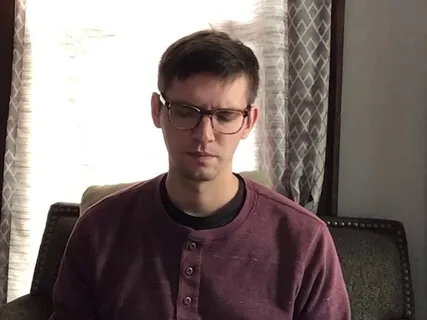
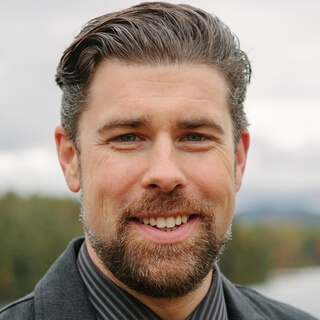
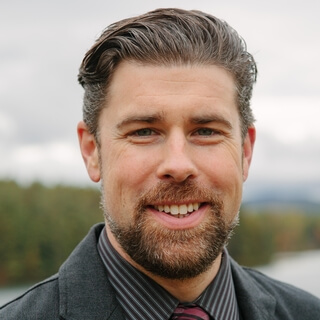
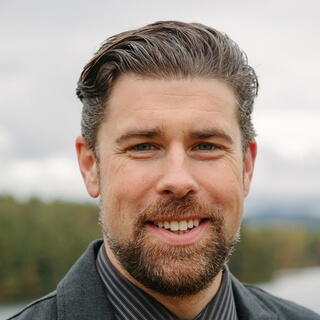
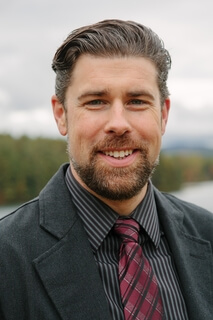
And so I feel like I've been able to include the good That's a part of the church or the evangelical church Or various traditions within it but transcendent would also include the good Hello everybody and welcome to episode 25 of contemplate this I am your host Tom Bush slack and This interview is with Keith Kristich There are two things.
I really love about this interview first Keith discovered meditation by accident Of course,
Nothing like this happens by accident But he started his journey just by being naturally drawn into periods of silence after listening to music once he realized what was happening and what he was doing he first started to explore Buddhist teachings and Only after a little while did he realize that These practices are also part of the Christian tradition in which he grew up and then he found his way into a more formal formal practice like centering prayer Second he is a millennial who's taking up the mantle of contemplative practice and is sharing it with others through his website retreats in person and online meditation groups Enneagram coaching and other creative pursuits And here's how he puts it in his own words He says quote my ultimate aim is to help people slow down and reconnect with their deepest and truest self End quote,
I think you'll find some good stuff in this episode for slowing down reconnecting and connecting with Keith and his experience You can find links to Keith's website and social media outlets info about the Shalem Institute of which he is a graduate a Couple of the Enneagram books that we discussed one by Rizzo Hudson and another one by Chris Huertz All of this and more on the show notes page at thomasjbushlack.
Com episode 25 that's the word episode 2 5 with no spaces Alright with that intro.
Let's get into my interview with Keith Kristich Welcome everybody to contemplate this I am here with Keith Kristich.
Thanks for being on the show.
Good to have you Thank you,
Tom.
Glad to be here Yeah So do you want to start by just telling people a little bit about who you are and where you are and what you do?
In the world sure,
Yeah,
I here in Buffalo,
New York where we are snow free right now,
Which is a beautiful thing and Yeah at this point full-time working with people and teaching contemplative prayer centering prayer Various meditation practices and as a certified Enneagram teacher as well working one-on-one with people in retreat settings and Now virtually over zoom in these wild days that we're in so really just helping people slow down and reconnect with their deepest self and in God who Is you know deeply within us so?
Well,
So how did you get involved in that space?
I think everybody has a unique story about being pulled in that direction Yeah,
Sure.
I I grew up in the church in a very evangelical world and had a fairly Healthy relationship with the church and healthy relationship with religion in general And it landed me ten years back to in an evangelical college in New York State Houghton College and I kind of fell into meditation by accident.
I would be Sort of listening to music letting music sort of the sound sort of like do the praying for me And I found that after the music sort of faded and went silent.
I was in this Somewhat different state of mind than my normal everyday consciousness.
And so the only thing I could think is I think this is meditation I think I'm meditating.
I'm not too sure and at that time Ten years ago or so.
I thought meditation equal Buddhism and so I went to the library and got out some books on Buddhism,
Which was a great help because Buddhists kind of know what they're doing when it comes to the meditation world But yeah,
It's sort of all kind of came about by accident that it just sort of was something that was not planned It wasn't like I want to take on a meditation practice.
It was something that certainly found me so Wow,
So I'm fascinated by that connection with music and we can maybe come back and explore that at some point Kind of putting putting into a different state of mind so if it sounds like did you kind of dive into Buddhism for a while and then How did you make that connection to oh,
This is like part of my own tradition?
Yeah.
Yeah.
Yeah great question.
I did Yeah,
Mostly it was through books at the beginning and really only studying that Buddhism for just a couple months because Shortly after this experience I had friends invite me to a Franciscan friary Called mount Aaron ace in New York state beautiful 400 acres the land the buildings are what built from the wood of the land And there's four beautiful brothers that live there Managing this contemplative retreat center and and it was there that I would go to mass every Sunday and they would talk about this The contemplative tradition they would talk about contemplative prayer and father Bob would always talk about centering prayer and during his open He would have an open homily So we could all speak during his during the mass and he would always give instructions on centering prayer every mass And so it was there that all of a sudden I was like,
Oh this you know,
They're talking about st Teresa of Avila my star at heart and talking about meditation and contemplation and these just weren't words that were Accessible to me as an evangelical.
Um,
And you know our kind of faith starts 100 500 years after the beginning of it all so we miss out on so much of the contemplative tradition So it was there that it was just like oh,
Yeah,
There's actually a path built into the Christian faith that includes a meditative path and a journey in words that I thought I was Finding in a subtle way in Buddhism But it didn't quite hit the spiritual heart of the like watering the roots of my tradition.
So yeah So you connected with some wild Franciscans,
Which I love I grew up on the edge of a small forest that was owned by a Franciscan retreat center and my first job was washing dishes After they had dinner Yes,
And I I did a lot of dishwashing.
I was able to live there for nine weeks after I was born I lived there for nine weeks after I graduated from college and I I was washing dishes every night.
So cool So you had some Franciscan mentorship there introduced the language.
Where did that lead you then?
Was it was there a teacher that you started working with?
Was it more reading?
Where did that path weave?
Yeah,
Well that that yeah,
It did lead me to to live there for nine weeks which was sort of a homing a way to sort of like create some roots to create some structure to Having morning prayer and meditation having an afternoon mass and having an evening prayer Um and sort of built that sort of contemplative lifestyle even if it was just over two months um,
It sort of like fed me in a way that you know other things weren't and so Then it was leaving the the beauty of 400 acres of land and going into the city of buffalo where I live now and working with um youth and a lot of A beautiful refugee population that's in buffalo.
And so it was sort of on my own as a young person out of college with this deep desire for intimacy with with with god or the divine and wanting to meditate and do centering prayer And so it was a lot of reading and probably for a long time.
It was more reading than meditation Which is always a mistake or something.
I try to steer people away from when they start Yeah,
Well it's I mean for myself too.
I think that resonates with my own experience and uh In some ways it's it's a little easier to Be in the intellect for a while But if you do the practice it starts to it doesn't get rid of the intellect It just draws you into a wider space in which that Rational mind functions.
Mm-hmm in my experience Yeah,
It's that that was it Was it um Saint theophin the recluse who says to send the mind into the heart Oh,
Yeah,
I've heard that line.
Cynthia bersolt quotes it frequently.
I think it's in the philokalia And that might be the original source of it.
Yeah matthew right likes to talk about that as well.
Yeah,
Certainly.
Yeah.
Yeah,
And then Yeah,
Matthew's been a great Uh,
Well,
You live pretty close to him,
Don't you?
He's in hudson valley in new york.
So it's a good five hours But okay,
My bad.
I thought it was closer than that.
Yeah.
Yeah Yeah,
But cinthia as well cinthia bersho has been huge.
So sort of thomas keating at the beginning um of the centering prayer journey and just reading through his material and then um ended up starting a centering prayer group group kind of out of nowhere gathering six friends and said do you want to try this thing with me and I was very much mixing centering prayer and uh christian meditation as oh mantra form for those yeah,
I was like Oh,
They're kind of the same thing and now and now I recognize kind of different traditions and um,
Yeah,
So But that group still goes on to this day,
Which is great.
That's cool So i'm curious as an evangelical you mentioned that the the language of contemplation was perhaps a little new was was there Was there any kind of inner like dissonance that occurred in that process?
Was it unsettling?
Did you get pushback from say people in your?
Home tradition or home church.
Um,
And I don't want to stereotype but I think sometimes that people can experience that Yeah,
Certainly.
I I wouldn't say it was anything major I think by nature of being introvert um I'd share less than others would Maybe that's partially the nature of just the contemplative orientation as well so I remember finding it and and sort of just like holding on to it myself and because it was sort of a mystery to me at the time I would talk to friends about it.
Um,
And I think it was just sort of like speaking different languages Because it's like I mean It's just a very different orientation right Um,
I remember talking even with family.
I remember talking to my father and I was like so So I meditate now and he's like,
Oh,
So you're a buddhist and I was like not no but not that there's anything wrong with that But again,
It's just that sort of assumption that um as soon as we're talking about these type of things and therefore we're outside of The christian tradition when in reality it belongs so much to the heart of it It's in my opinion the thing that holds the glue that holds it all together And so,
Um,
Yeah,
I wouldn't say it was anything major like people were pushing me away or I was thrown out or you know cast to the side,
But it was I think it's just more of the the loneliness of of doing doing the practice doing the reading speaking the language and doing that alone and I think eventually that's just sort of a slow walking out of the evangelical church as a whole in a sense,
So So did that become a more formal decision to step away at some point just based on what you just said Yeah,
I formal I mean,
I think it was just a slow or informal Yeah,
Pretty informal.
I mean,
Okay eventually stopped going to evangelical churches in my city um and would go to more mainline churches more progressive more liberal more open and inclusive of different churches and liberal more open and inclusive of different people and so Yeah loosening that and and now I find myself my partner and I my wife we find herself at a quaker meeting Which still practices that hour of silence and people stand and speak and share as the spirit moves And that's a very open space and one that is truly contemplative and and grounded into into the spirit within us So it's not just me and my ego talking when someone stands to speak Yeah So that's really cool quakers are good people Yeah,
I've known a few myself.
I've actually never been to a quaker meeting,
But it would be interesting Some point,
Huh?
So another thing i'm curious about For People who discovered this early and had a practice in that Transitional period of college into young adulthood and kind of getting your feet on the ground Did do you feel like that your practice was grounding or kind of helped you through that period in in any helpful ways?
Yeah,
I think it's the only thing that got me through it I think I think being thrown From an evangelical school that teaches you a pretty narrow lens and viewpoint on the world into being thrown into a city where just like Surrounded by all kinds of people all different religions like whatever Mile radius of my house.
There's multiple buddhist temples.
There's a johoba witness church There is multiple mosques.
There are You know,
There's just like everything exists in my city right in my neighborhood and so you're just thrown into A world that's very different than what what you're trained or conditioned to think as an evangelical and I think I would have probably just abandoned the church anyways at large Had I not had a practice to sort of keep me Keep the roots there keep watering the roots and to recognize and to let go of the you know the falsehoods of religion but hold on to what's good and right and true I really like ken wilber is a big influence and His model of transcend and include so we transcend our small ways of thinking our limited world views And yet we include the good that's in them That's really important to me.
And so I feel like i've been able to include the good that's a part of the church or the evangelical church Or various traditions within it but transcend it would also include the good.
Yeah i'm sort of fascinated by the way in which the contemplative tradition can speak to The experience that a lot of people have who grew up and in any kind of church tradition Who then get to a point of?
Maybe feeling like some of those external forms don't fit anymore.
I feel a little constraining And a desire to let that go and the contemplative experience and practice I think provides a A broader context to feel like i'm not It's not that i'm losing my faith.
It's not that i'm like destroying this but it's that i'm becoming less attached To the external forms that when I was younger,
I thought that was it,
Right?
I thought that was the way that I was going to be and I thought that was the way that I was going to be I thought that was the whole point but now I see there's a deeper point And it sounds like your own experience sort of mirrors that in some helpful ways Yeah,
Certainly I remember years back I did some training with the shalem institute for spiritual formation and leading contemplative prayer groups and retreats and I remember being there at one of the residencies and and sort of the the question emerged and says Asking myself and I had to raise it to the group But the question was am I a christian that happens to be a contemplative?
Or am I a contemplative that happens to be christian?
And That for me,
I think I think I move more and more to the fact that At the essence of it.
I am a contemplative and I just happen to express that contemplative orientation Through the through the systems that I was born into and so the essence of my faith is a contemplative orientation Towards the world towards god and and the way that that manifests or materializes is through christian just like a sufi Is a contemplative and they just happen to be a sufi muslim so I think that was a switch that sort of also took place over the last couple years and Um that it's not like i'm a christian and my version of christianity is contemplative.
It's like no fundamentally Contemplative and so the practice is the only thing that allows me to to keep within the church in that tradition.
Yeah That's a that's a really um It's one of the best ways i've heard that described I guess um in telling your story and I think a lot of people find that helpful Way to approach it So you made your way into shalem at some point.
Do you want to kind of walk us through that experience?
Sure.
Yeah,
I Or if you want to fill in what you did before that that's fine,
Too Sure,
Well I mean before that it was just a lot of stumbling Through books and probably youtube And listening to yeah different lectures and that but I think years of just stumbling through practice and um Trying to get regular with centering prayer reading books about centering prayer or meditation and eventually was able to pull this group together of six friends to do a test run and sort of Doing that group was like super beautiful.
I love the leadership of it.
I love planning for it facilitating the meetings helping people close their eyes turn away from the external world and just saw the richness and Eventually thought I need more of this more training to do this more with more people in different formats and so I remember googling contemplative leadership,
Which is probably one of the not often googled but Maybe increasingly so but yeah.
Oh,
Yeah.
Yeah and so I did come across the shalem institute and took a six-week online course,
Which was Very good at the time and then that six-week online course was specifically on bringing contemplative awareness and leadership inside of sort of any sort of leadership mindset And ended up taking their 18-month program To lead contemplative prayer groups and retreats and that was that was just a beautiful experience of lots of reading lots of study lots of practice many many different kinds of contemplative and meditative practices that we were committed to do every day In community connect with people online going to washington dc for eight days two different times and so I was really just an 18 months of just like diversifying my my small practice of centering prayer of like What does it look like to use to take on many different tools?
Yeah,
To dig this big deep well towards the water of life with many different tools Now if i'm remembering correctly is there kind of a final project that you have to do in that program Yeah,
Yeah.
Yep.
I So then I had led a six-week,
Um contemplative prayer group.
So at a local presbyterian church and that was Beautiful.
Yeah,
I still use that some of that same material I continue to do When when people are healthy and able to go outdoors I lead various contemplative prayer groups seasonally with different churches and such And so,
Um still use that model shalem offers a beautiful model of how to do that Still use that model shalem offers a beautiful model of how to offer retreat into specific formats and settings and um,
Yeah Great training.
So yeah Cool So you mentioned you mentioned it briefly earlier and it's on your website But at some point you got exposed to the enneagram as well.
So i'm curious how that That piece came into it Yeah,
Let's think It all just kind of happens right and then somebody comes along and asks you to explain it there it is.
Yeah.
Yeah.
Well that was back um my wife and I were Helped start an intentional community with nine people in the city that we live and so we were able to buy this big house and Get a bunch of chickens and raise um build a bunch of raised beds and bees and live with a bunch of people,
Um for four years and Eventually my early on in that experience this would have been 60 years ago My spiritual director at the time.
She had given me a book on the enneagram and we were sort of working with that inside of spiritual Direction,
Which was a great joy because I was able to bring use the enneagram in a spiritual context immediately And then I brought the book to our community on sort of a business retreat weekend And we just did a lot of enneagramming for that weekend and then used that as a tool of relationship with one another Helping realize that people aren't worse versions than ourselves Yeah different and the differences are good Yeah That's cool.
I think it is fun to work with that in a group context too And it's good for personal insight,
But it's also really great for relationships,
Especially if you're in that kind of intense community What was the book that she introduced you to the wisdom of the enneagram the riso hudson book?
Okay Okay um,
Okay,
So Oh,
Go ahead.
Oh,
I'll just say that's still sort of like the baseline bible book I use as an introductory Yeah,
I've referred many people to that book too And my introduction was very similar.
Was it the spiritual director?
Uh and similar so your typology I am dominant type nine.
Okay,
The strong one wing and um sexual Self-preservation social okay,
So you've yeah,
You've drilled deep.
Do you want to explain?
What that means to people not familiar with the enneagram?
Can I ask you quick first about yes.
Uh,
I'm predominantly one Okay,
Um probably with us probably with a little bit of a different one,
Okay,
Um probably with us probably with a two wing um,
I actually haven't really explored the the social Type the subtypes as much But the perfectionism of the one is is my primary,
Um spiritual work Yeah,
Right staying out of that tar baby trap Uh-huh.
Yeah.
Yeah.
Yeah,
And I can share some of that inner work with you.
So yeah Yeah Yeah Well,
Yeah,
So Oh,
Go ahead.
No I was going to ask you to just unpack what you said a few minutes or a minute ago about The nine and subtype and all of that the wings all of that.
Sure.
Yeah.
Yeah Well,
So I mean bare bones of the enneagram is it's psycho spiritual Sematic tool of of kind of known now as a personality typing system,
But it has a much deeper and spiritual roots than that um But yeah,
So I sit sort of at the at the top of this nine pointed star um With a circle around it and is the nine i'm a peacemaker um,
So the type nine is sort of has this inner motivation to Create or maintain some sense of stability or internal and external peacefulness So making peace with themselves making peace with the outer world and sort of um has this this Um compulsive if you will orientation to peacemaking and and the downside of that compulsion is it leads to a lot of avoidance of conflict or difficult situations or tension so we have the the Conflict avoidant type and i'm very good at avoiding conflict and really good at reframing We're also in the positive outlook approach group,
Which with the seven the two and the nine Um are all people that will reframe a negative situation and sort of look towards the positive or see be able to see the positive In it,
Um,
So I can do that inside of conflict to be like,
Ah,
They didn't mean what they said or they have the best intentions and so my inner work a lot of the time is just stepping up and a lot of times it's stepping up for my own ego because Um,
We can be the like self facing types,
Um So yeah,
The nine I I also live with my my partner colleen is now oh that's interesting.
Yeah.
Yeah.
Yeah Um,
But it's great.
Yeah,
We we love each other and we like each other and the peace is there um And I think there's been times where maybe we avoid things here and there but for the most part things are Well,
And we can sort of know each other's energy as the nine is connected to the type six Into the type three we can sort of help feed each other inside of those.
Um,
When we're sort of in motion,
You know,
Yeah Sorry,
I'm turning off my ringer Yeah,
And I had uh,
Uh,
Chris Huertz on a previous podcast I don't know if you're familiar with his recent book on the enneagram and uh,
He kind of went through the whole he did the quickest Most succinct overview of all the nine types i've ever heard.
It was mind-blowing.
Yes I think I I listen I did listen to that a couple months ago.
Yeah.
Yeah,
Maybe within the month.
Yeah But what I like about the enneagram what's been really helpful for me is uh the way you described it right the the compulsive Emotional core that each typology gravitates towards yeah So for the one it's trying to be perfect all the time for the nine it's keeping peace every type has a different kind of draw but there's this understanding that we We move in and out of various levels of health with regard to that um,
And that our spiritual work is learning to wake up to when we're doing that when we're getting sucked into our Our own inner drama,
You know and then learning to let go of that and see that there's actually a real gift At the core of that But it cannot that gift can only come if we get out of the compulsion that's around it and the anxiety Yeah,
Certainly that's and that's sort of the work that I like to do with tying Enneagram with contemplative practice is sort of yeah,
As thomas keating would say Contemplative prayer is taking a vacation from yourself and so um I've been on retreat with william menninger another one of the founders of centering prayer and he was leading an enneagram retreat and he Would he would say the same thing that in contemplation we're sort of Transcending our typology we're just letting it go We're always just letting go in a practice like centering prayer and so we're always going back to that kind of bare nakedness And that sort of self that's underneath the type so I always ask people like who is the self that has a personality?
You know who is the eye behind the personality and so to recognize that That's where we go to when we go into centering prayer or into contemplation is that we're going to this space prior to personality And to recognize that the personality is a gift Right,
Just like my favorite is you know,
The ego is an awful master,
But a great servant Yes Very cliche but it's a beautiful thing to say that the personality As long as it's not dominating us is a true gift and a tool to be used to help us on our journey but as soon as it's in the driver's seat of life then we're egos just fill in its own needs and Yeah,
A particular insight that i've found helpful in that regard recently i've been listening to a lot of ramdas talks and one of the things that I like that he he doesn't talk specifically about the enneagram,
But he does talk about personality versus the kind of inner observer transcendent self but one of the things that I think he's really good about saying is One of the traps in the spiritual life is to think well I need to transcend aka get rid of my personality So I can get in touch with the divine within And he's really good about saying anytime you go to one extreme you've sort of lost it but the real human challenge is to Live in the world with the personality and all of the memories and quirks that we have While also being aware that we are the divine presence within all of that at the same time Yeah,
That's been really helpful for me Yeah,
Certainly.
Yeah,
I really appreciate that.
That's really critical for I think people to hear because there is that sort of trapping that The ego's bad the ego's the enemy thoughts are bad Like we need to like transcend and just yeah sink into the like universal ocean of being and yes,
We can do that Maybe for 20 minutes or maybe not even in those 20 minutes But it's about that integration process of bringing these two worlds together and that's what I think is really important To bring these two worlds together and that's that's what I love about christianity is I feel like it's a very Ego affirming religion.
It's very like incarnate in the body in flesh spirit and flesh and it's not just spirit,
Um,
I love like Advaita Vedanta is another sort of spiritual tradition that I like to spend some time in and that's more of that transcendent universal awareness,
Um type of mentality and and I do like to balance it with the christian Idea that yeah,
The ego isn't so bad if we if we use it in the right way Well,
There are some rather than us using it Yes That's a good way a good way of putting it making use of the ego and the intellect rather than Letting it be the servant.
It was meant to be rather than in the master I think there's some really interesting Thought occur.
Well,
Maybe thought's the wrong word but ways of being around a kind of non-dual christianity,
Um That are that is emerging in some of these dialogues right now.
I know matthew writes pretty good about talking about some of that But you mentioned Advaita Vedanta,
Which um,
Some people might not know what that term means.
Can you put it?
How would you explain that?
Oh,
I won't be able to do it That's okay.
Just and how do you I mean,
How do you understand it?
How do you work with that idea?
Yeah,
Well,
I I yeah,
I do see it.
It's it is certainly a non-dual tradition.
Um sort of born in Out of hinduism but almost like prior to hinduism or yeah the more primary texts um and so there's like a couple different streams that Or like lines of thought that I find interesting,
But let's see I think part of Merging the enneagram with contemplative practice is sort of founded on an invite to thought that we are ultimately awareness That if we approach who our essential self is is we will find that we are only ever awareness at any given moment And in that sense,
We're not the body and we're not our thoughts.
We're not our mind um And that that's so like one of the practices from Ramana Maharshi is the neti neti approach and this their self-inquiry Who am I who am I and the neti neti is i'm not this not that or not this not that i'm not my thought I'm,
Just having a thought am I this emotion of sadness?
I am sad.
I am sad right now.
No sadness is just a passing Cloud in the sky.
I am the clear open and receptive sky of awareness and so um That's really important to me Connecting that with the enneagram is to recognize that we essentially are awareness and when we talk about the true self and christianity Um,
I don't think we're talking about the essential self.
We're talking about in the true self.
We're talking about sort of this ego Paired with the divine image within us,
Which I would say is the awareness So it's a very in you have kind of a incarnational Non-dualistic approach to how you integrate that in a within the christian Language and tradition.
Is that a fair way to put it?
I don't want to put words in your mouth.
Yeah,
I I don't know if I would Sure To the extent that one can put words to the experience right?
Yeah,
Which is always the challenge Yeah,
Yeah,
I guess I I just really want to do a Always a good job integrating different traditions that anyone on their own sort of is less than the holism of reality and so non-dualism without a dualistic Awareness is not complete unto itself even From my perspective and so I I just want to I want to bring the incarnation into it and matthew right has been very helpful and in some of his lectures I've seen on youtube Yeah,
It's pointing to that need to integrate the human and the in the spirit.
Yeah live into anyone Alone,
Cool So it's something that we've talked about a little bit but you have on your website that I think is a really helpful It's an image and I can even Put the image up in the show notes and certainly a link to your website,
But you talk about the contemplative spirituality as this middle way or third way between religious dogmatism And the kind of spiritual woo-woo So can you and how do you how do you use that as a teaching tool?
Yeah,
Well,
I think that that's the I think this is where we we sort of find ourselves As I think young people coming out of or through the church recognizing that we've Yeah,
Well it's sort of a an acceptance of the fact that religion offers something good And yet it's not complete unto itself And that people are on a spiritual journey,
But they're not being fed by way of institutional religion whether it's the christian church or or A mosque or a traditional buddhist temple.
There's obviously a deep hunger for spirituality And yet they're not being fed on the institutional or exoteric level and so then people swing to the other side and they sort of just find just absorbing any sort of Spiritual practice or insight from a mixture of different religious perspectives and just mashing them all together So it's one thing but everybody's one thing is very different than everybody else's But everybody's one thing is very different than everybody's everybody else's so I think people have this Authentic drive towards spirituality and if the churches aren't our institutions aren't providing Spiritual support some people don't like the new age or the the woo-woo like I somehow people believe in everything And yet nothing in a sense,
Right?
Yeah and contemplative spirituality is sort of this middle ground of like accepting some of the religious teachings or the value of religion and accepting some of the I don't like accepting the new age or something,
But A lot of the new age or the woo-woo is based on legitimate Uh religious traditions right and so it's an acceptance of that portion that they've accepted It's a little muddy No,
No,
I that's it.
And I think the way I don't necessarily the way I think about that is The religious um,
I mean I I'm trained in theology so I've done like all that,
You know that that part of it And that that language that way of approaching a tradition a theological intellectual system all of that is a legitimate way of conveying the the The truth to which the contemplative experience points Which is ultimately wordless And perhaps the struggle with going far out into the woo-woo world for lack of a better term Is that it can easily sort of reject All of the containers that have historically conveyed those truths And I and I'm not just talking about the Christian tradition.
I mean the Buddhist tradition the Hindu tradition the Muslim tradition all have Those forms so the contemplative experience kind of breaks open the limited nature of those forms but it also Says those are still necessary It's almost analogous to what you were saying before is like you realize you're not your personality But you also are never going to get rid of it So use it use it for the good use it to find God use it to open your heart I don't know if that if that's a helpful way of thinking of it for you,
But yeah,
Yeah,
It certainly is the containers people just throw out the containers and then they go looking anywhere and participate in anything and it can in the new age and that can be very very fluffy and so then there's people will reject that and so the other like piece if it's a triangle with like religious dogmatism woo-woo and then spirituality or Contemplative spirituality there's almost a I want to turn it into a square at times too and I think of mindfulness And that can sometimes be like another corner that almost is a rejection of the woo-woo as well and the religious dogmatism in a lot of ways because sometimes the mindfulness movements can be very sterile in a sense or maybe it's just because it's almost been it's been extracted out of Buddhism which is very spiritual in a way It's extracted out of Buddhism,
Which is very spiritual and has metaphysics and sort of has its own worldview and it's extracting out of that and then it's just putting it inside of like,
Um,
You know,
Like psychology,
Which is great and mindfulness is great and be mindful and practice mindfulness meditation,
But for me it often misses that um the spiritual perspective that maybe contemplative prayer might include and so I kind of even see it as a box at times where mindfulness does fit inside a contemplative spirituality up into a point and then it sort of breaks is just a psychological tool And there's certainly mindfulness teachers that bring in Buddhist spiritual teaching.
Um,
But I think there's a Popular version that excludes that as well.
Yeah Yeah,
That's interesting.
I'm I'm a very visual learner.
So this is kind of helpful for me to Picture those four different points because I think people do find themselves gravitating towards those at different at different times and feeling something essential that they're getting from those Yeah,
But then the the spiritual Depth comes from trying to order that and make sense of it in daily life Yeah,
No,
So that might oh No,
Go ahead.
We need that all of those at different points.
Like I needed the church I grew up in a container that gave me a healthy worldview gave me a healthy relationships with the church with my family Gave me structure and a foundation and yet I need to move beyond that and float around a little bit and so I think everybody sort of starts at different points and Needs to explore these different buckets and then hopefully find a way that that authentically integrates some together That transcendent included not the like Blender approach of like just throw it all in a blender and make it all just one big mess Because then that ends up being really fluffy or woo or like everybody has their own different religion or something But how to authentically integrate them is a holism in themselves,
Yeah So I wanted to ask you as well like what is what is your daily practice look like at this point Do you have a is there a rhythm to it is there a I know I think centering prayer is is a foundational to that but Yeah,
Yeah,
It's it's starting for every day every morning Is is is what I do and the goal is the afternoon set but that doesn't Always make it in most days.
It does not make it in But yeah,
The the daily morning ritual is I mean the ritual is coffee and I mean the ritual is coffee and um reading definitely journaling.
Um,
Usually reading meditation.
Um,
I'm on insight timer is the app that I use and connect with meditators all over the world but yeah centering prayer every day is sort of the The thing that holds everything together is sort of like the thing that that I water my roots Every single day in that in that way.
So yeah Well,
You're on good grounds with the coffee because when I interviewed richard roar he said the same thing Uh-huh,
Right good grounds.
Yeah,
You gotta have coffee to get it to get it going Yeah,
Yeah,
But it's it's even fun to see a practice evolve over the years,
Um,
Just because It's so simple.
We're just letting go we're letting go we're letting we're doing the same thing and yet The effects are always different or the the perspective from which you view that letting go process is always different when I Read centering prayer and inner awakening by cincy bergio I didn't like it at all and then I came back to it a year or two later and was like this is so good How did I not see this and then she came out with her other book on the heart of centering prayer,
Which is so good Yeah,
Um,
And so it's it doesn't it's not just one thing and it does evolve and Yeah,
So how would you describe that your how your practice and experience has evolved over time?
Well,
There's there's two different things there I guess there's like the the bare naked like direct experience of it and then there's like how I Interpret maybe the experience,
You know how you filter it through your constructed ego.
Yes The servant of your mind.
Yeah Yeah,
Yeah.
Yeah.
Yeah.
I mean,
I mean i'm grateful at this point.
I mean,
I don't always most sets are you know I get the the random monkey mind the thoughts that swing from you know monkey swinging from branch to branch thought to thought and so that's that's the norm but there certainly is sort of interior spaciousness that I can sort of Release into what you know keating would call interior silence where there is that legitimate spaciousness or ease fullness Of letting go and or or objectless awareness that sent the visual talks about is being that very naked awareness that's there but present of no thing in particular and so Those sort of rhythms come and go is easier to fall into which is I think a great joy and part of that building that muscle of release that muscle of letting go that a Person that's just starting the practice doesn't have that muscle built up yet So there's just cloud after cloud of thought is coming through But the and the other thing I'll say too and this is for matthew right is He encouraged us.
I was on retreat with him maybe Six months or so ago and he was encouraging us to sort of say our word from the heart Because I still think i'm very much in my head i'm letting go and i'm just Saying what what does it mean to truly descend the mind into the heart and to let go from the heart level?
And so that's an experience more like visceral experience of release from a different space in my body So that's something i'm playing with but Yeah Yeah,
I had a similar experience brie stoner who works for the Center for action and contemplation when I was with her she was the first person who really used that language and talked about Allowing the sacred word to emanate from the heart space and that that's been a that for me has been a helpful way of of uh,
Because like you I i'm I tend to intellectualize things And language tends to get you into the heart space So it helps for me to have almost a vision or a sense of a felt sense of that Of the word in the heart center sort of resonating in that space in there Yeah,
Beautiful.
I love that word emanating from the yeah.
Yeah.
Yeah.
Yeah.
Yeah that helps.
Yep.
Yeah Absolutely Cool.
Yeah Um,
Yeah,
I think I'm gonna go with that Okay,
So cool.
Yeah,
Um So where are you at right now with um,
Kind of the teachings that you're offering and what's how you're how you're integrating this into your daily life Well,
My work has totally shifted as far as um,
Well we're dealing with the coronavirus now Yeah,
We're both sequestered.
Yeah.
Yeah.
Yeah.
This is really the first week of being kind of shut in and so Yeah,
Reimagining what it means to bring all of that online,
You know,
I Lead weekly meditation groups or centering prayer groups and lead,
You know Make some income at churches leading uh retreats or or regular groups or go to retreat centers.
Um,
And and so what does it mean to bring that on and i'm exploring this week to um,
Yeah Just to make virtual meditation groups.
So some will be explicitly christian and contemplative prayer.
Others will be Maybe more of the mindfulness.
Um practice of breath work and sort of decreasing that anxiety where others will be more about that What does it mean to be one with god?
And to wake up to that union and so yeah exploring these different days of the week offering different.
Um,
Yeah different opportunities for people to sort of get grounded and you know,
We're already slowed down I used to say like a week ago.
I would say help people slow down in a busy world But the world is not so busy anymore It's true.
Yeah No,
I think I've been thinking about that because we're in that first week of kind of total shutdown and there is an opportunity to slow down and and um take stock I mean like we've got All of our kids activities are canceled and you know,
So everything is just on pause So there's an opportunity to go to go within and and to connect with those who are Who are suffering it's interesting how Being ice this social isolation Is almost in this moment at least an act of compassion because you're Keeping you're preventing yourself from being a carrier of something that maybe won't harm you but could harm others.
Yeah,
Exactly It's a lot of interesting parallels that could be explored there about projecting our shadow self onto the world around us Right.
Well said.
Yeah Yeah Yeah,
So it's yeah,
These are it's wild and weird days,
But there's a great effort I see online to just sort of bring some peace of mind and that's sort of What i'm trying to do,
I guess people are so We're just not trained to be alone.
We're not trained to practice solitude.
We're not trained to be alone,
We're not trained to practice solitude.
We're not trained to be Still or silent and yet this is the context that we find ourselves in and so Yeah how to create peace of mind in those contexts to see the value of solitude to see the value of Of being alone or in stillness and that's what art like that's what you and I and people that are in these contemplative streams Uh,
We have the tools we have the resources and so how to bring those about online and to create real authentic community Um is is critical so it's not just people practicing in isolation at home,
But to build community over the interweb across the ocean perhaps so yeah Yeah,
And i'll definitely put a link to your site in the show notes page as well for people to to check out Very good.
Yeah So I have a couple of questions that I like to ask people at the end Maybe you've heard these before but um kind of rapid fire or shock block test responses fill in the blank so um How would you fill this in contemplation is?
Mm-hmm.
Um Contemplation is a return to our bare naked awareness And resting in god is the ground of our being The purpose of contemplation is all about waking up to our To the reality of our pre-existing union with god and all that is Is there a word or a phrase that captures the heart of your contemplative experience Say the the emanation of love Emanating love borrowing that word from before.
Yeah,
Cool Do you have a hope for the next generation of contemplative practitioners?
Yeah,
I think so.
I think that's a good question.
I think that's a good question.
I think that's a good question.
Next generation of contemplative practitioners.
Yes,
My hope would be that People would find ways practical ways to integrate this with everyday life life and lifestyle the world I don't see is The world will likely return to somewhat Normal pace as before maybe and it'll be necessary that we were able to Continue to offer practices in a very practical way for ordinary people.
So it's not so mystical perhaps practical mysticism Yeah Cool And then do you have a hope for the future of the christian tradition in particular and its contemplative dimension?
Yeah,
I think my hope would be to have the the contemplative The church contemplative to just open its arms in a loving embrace of all the contemplative traditions that surround it the inner faith and the inner spiritual movement is It's critical and and high hopes out of that that we would just embrace all contemplatives of all traditions And sing sort of harmoniously the song of divine love that surrounds us and that we are so Hey,
Thanks again everybody for tuning in and listening.
I hope you found Keith's story of contemplative transformation Inspiring and encouraging for your own journey and practice If you want to learn more about Keith and visit his website or explore some of the resources that we talked about You can visit the show notes page at thomasjbushlack.
Com forward slash episode 25 We are recording this episode of the show notes We are recording this interview right in the middle of the coronavirus pandemic and there's both a heightened sense of anxiety But also people have a lot of extra time as we're all sheltering in place and social distancing I hope that you're finding some inner calm and grounding from your contemplative practice During this challenging time for all of us around the globe Although it's not what any of us would ever choose or want The pandemic provides an opportunity I guess to deepen our practice And share your grounding energy with others wherever you find yourself So wherever and whenever you are on this globe,
I hope you are well and safe And resting back into the awareness of the present moment the presence of God No matter what is happening around you.
Peace and thanks again for listening