Mindfulness an act of intimacy.
You're intimate with yourself and you're intimate with your absolutely your present reality,
Your present moment.
You can feel the suffering that comes from these difficult states and then instead of giving yourself trouble for that pain in your back,
You can say,
Oh,
I've got pain in my back,
It's pain,
It's suffering and you can breathe into it and then you can just pay attention to it and that does soften you because it's like,
Yes,
This organism that we live,
This body that we inhabit is full of all kinds of these weird experiences and some of them are really unpleasant but they don't mean the end of our life,
They're just unpleasant.
Hey there everybody,
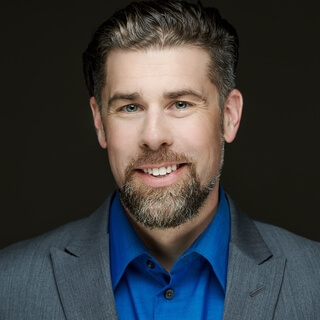
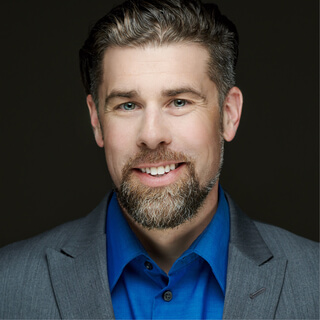
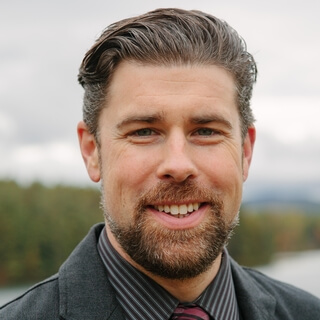
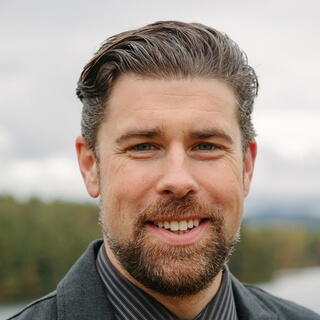
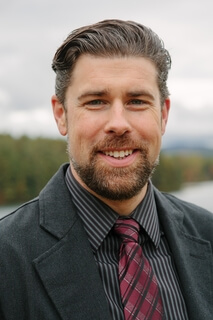
I am your host Tom Bushlach and you're listening to episode 23 of Contemplate This,
Conversations on contemplation and compassion.
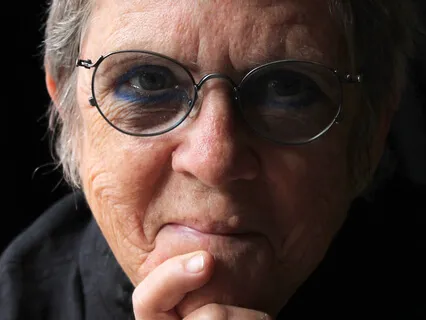
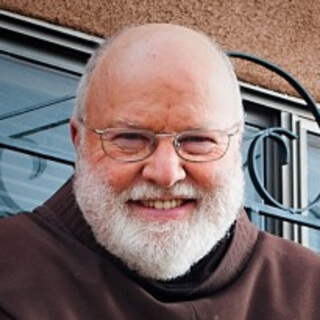
My interview this time is with Mag Diamond,
The award-winning author of Bowing to Elephants,
Tales of a Travel Junkie,
Which just won Best Indie Biographies and Memoirs from Kirkus Reviews.
Her book has received accolades from many leaders in the mindfulness space including Jack Kornfield.
It's full of stories of her travels around the world,
Self-discovery,
Healing,
Food,
And so much more.
I find that there's something distinctively contemplative about traveling to another country.
Being in another country and land forces me out of myself and to look at the world from a fresh perspective.
And reading her book brought me back into that space of exploration and creativity in a really fun and enjoyable and thoughtful way.
Mag has been a world traveler since the age of 11,
Living with her mother in Italy for three years,
And has traveled all around the globe.
She spent 10 years as a hospice volunteer and is a practicing Buddhist and dedicated member of Spirit Rock Meditation Center in San Francisco.
Much of our conversation in this interview focuses on how her early experiences with her family,
Especially her mother,
And traveling the world led her eventually to discover Buddhism and into a deep meditation practice.
I think you'll really appreciate her warmness and intimacy as she opens up about her meditation practice and its important place in her life and in the world today.
To check out the show notes page and a link to her book and website,
You can visit thomasjbushlack.
Com forward slash episode 23.
That's the word episode 2-3 with no spaces.
I'm also really excited to announce that there is now a landing page at centeringforwisdom.
Com.
So it's all one word,
Centeringforwisdom.
Com,
Where you can go right now and get a free copy of my brand new ebook called How to Start Practicing Centering for Wisdom,
Along with a free guided centering meditation audio file.
The full site,
Which will offer the Centering for Wisdom assessment and other programs,
Will be coming very soon.
There's also a cool video there that you can watch and you can sign up to follow my YouTube channel while you're at it.
So after you listen to this episode,
Head over to centeringforwisdom.
Com and get your free ebook and guided meditation to deepen your contemplative practice and enhance your wise and ethical decision-making skills.
Alright,
With that intro,
Let's get right into my interview with Mag Diamond.
Okay,
I'm here with Mag Diamond.
She is the author of Bowing to Elephants,
Tales of a Travel Junkie.
So thanks for being here on the show.
Well,
Thank you for having me.
Yeah.
Glad to be in conversation with you.
Me too,
I'm looking forward to it.
So can you tell me and listeners a little bit about yourself and where you are in the world and how the book came about?
Well,
You know,
That's,
That's a,
It's a long journey to summarize,
But the,
I had an unusual childhood and,
And the book,
Book needed to be written,
I felt,
Because of these,
This interesting childhood that I had.
I grew up with a woman who didn't want to really be a mother and she took me off to,
With my stepfather to Italy when I was 11 and,
And that's where there was a big turning point in my life where I felt like I just had this impact of being in a different culture.
And I also had this sense of being this only child with a mother who really wanted to not bother with me.
So,
Um,
I became a sort of,
I was an introverted child and,
And my stepfather gave me a journal,
A beautiful leather-bound journal.
We went to Italy and we lived there for three years and he,
Anyway,
He gave me a journal and I started writing in it and he told me that it was really a great thing to do.
He actually used a journal and so I started writing about the way I felt about things.
This was,
I was 11,
But I was kind of an 11 year old who was a lot older than 11 and so I wrote about my,
My mother who kept turning away from me and I wrote about my longing for affection and I wrote about being in this amazing new country,
You know,
And meeting new people in Italy.
And that was the beginning of my writing career,
Basically.
So it started then and from that time on I always kept journals,
You know,
Throughout my entire life.
And throughout my life I was always trying to figure out my relationship to my mother,
My strange relationship to my mother,
And I was also trying to figure out who I was,
You know,
I was trying to see who I was as a human being because my mother had a hard time witnessing me and,
And she was an alcoholic who,
Who really wanted to live in a different period of time and,
And didn't want to deal with the sort of mundane aspects of family.
She was a romantic and she was misplaced.
So she,
She was the fuel for me,
You know,
She really was a fuel for my sort of wanting to find things out in my life because she never told me the truth when I asked her,
You know,
And I asked her when my parents were splitting up,
I said what's wrong,
Is something going on with the family,
In our family,
And she said,
Oh no,
Nothing's wrong.
And then six months later the whole family fell apart.
So she,
She had a hard time telling the truth and I became convinced that telling the truth was a really,
Really important thing.
So I kept asking questions of people,
Not only her,
But you know,
Other relatives I had,
You know,
Adults in my life,
Like what does this mean,
Or like where are we going,
Or what's happening here,
And,
And it was just,
That was just the way I was,
You know,
It annoyed the hell out of my mother.
My stepfather was pretty good about it.
He spent time having lots of conversations with me about things.
He didn't always give me the answers that I wanted,
But at least he responded.
So,
So that was the center of the foundation.
I came back to the United States after three years.
I went to private school.
I graduated from high school and then I ended up going to college in the Midwest and I married very young.
I found someone that I felt was,
That I could bond with and sort of charismatic and brainy,
A young man,
And we ended up getting married.
But we also,
The other thing we that happened is that we had a baby right away,
So that we didn't have any time to be married together,
And so that was hard.
But,
And a lot of the early part of my,
That adulthood of mine,
It was,
Was,
I mean,
I got married at 20.
I was pretty young.
And I still didn't have a sense of who I was,
You know,
What I was supposed to be doing.
I had gone to college thinking I was going to major in political science and going to the Foreign Service and,
And,
But then I got pregnant and got married,
So,
You know,
That changed that.
And our marriage,
Because we had a great friendship base in the beginning,
Our marriage actually lasted for about 25 years.
And I,
We raised two children,
Two girls,
And,
But there was a lot of restlessness in me during all that time.
And,
You know,
I had never had any spiritual leanings at all,
You know.
I was just,
I was driven to survive,
It felt like me.
I was trying to figure out how to get to the next place,
Whatever that was.
And my husband,
Who on some level really respected my intellect,
Didn't know how to give himself to the relationship.
And so ultimately the whole thing sort of disintegrated.
And,
And I had been looking to other people for affection and care and,
And then I moved,
And then I left that marriage and I went on to another relationship and so on.
So there was a lot of restlessness.
And,
And then in that period of the,
Sort of the,
Toward the end of the marriage and the beginning of this other thing,
I started to travel a lot,
To go on trips.
I had an independent income.
I was able to do trips whenever I could.
So I just sort of traveled a lot and I kept,
And then see,
I kept journals all the time.
That explains the rich detail in your writing,
Because you remember a lot of,
You know,
Sights and sounds and smells.
It's,
It's very evocative to read.
Yeah,
I'm a sensory person.
I love smells and colors and textures and all the rest of it.
My mother had,
Had been a painter as a young woman and she painted these amazing abstract painter paintings.
And I remember going up to her paintings and touching them and feeling the texture of them and,
And just marveling at it.
And also the smell of the oil paint,
Which I talk about in the book.
It's,
Yeah,
Some people are very sensory in their,
In their response to life.
And some people are maybe more in their,
Maybe in their brains,
You know,
The analytical thing or whatever.
But I,
I was always very sensory.
And so then food was,
You know,
Food became important or had been important since the time I lived in Italy.
So obviously in the book,
I write about,
I write about food with some amount of affection.
Yeah.
Well,
You can't live in Italy and not experience that.
That's right.
You would have no way of knowing this,
But I spent some time living in Italy as well when I was an undergraduate student.
But I went on my own.
I didn't go with the program.
So I had a little bit more probably in-depth experience because of that.
But yeah,
The,
The food and the smells,
It's just an extremely sensory,
Sensual culture.
Right.
Yeah.
I,
I,
Italy,
I,
I go back to Italy and,
You know,
To this day,
You know,
All these years later,
I go back,
You know,
As much as I can,
I mean,
With some regularity and I feel like I'm going home again,
Because that those three years I spent there from the time I was 11 to 14 were,
Were obviously really powerful,
You know,
Years in terms of the,
How they imprinted upon me,
You know,
As a person.
And it wasn't only about food,
It was about art,
You know,
It was about the aesthetics in life.
It was,
And the other thing that happened in Italy that I would remember much later in my life,
I don't know if your audience knows,
But I'm 70,
I'm going to be 75 soon.
So I've had a nice life,
Long life so far.
But I,
I went,
I spent time in churches a lot when I,
You know,
Because in Italy,
Churches are everywhere.
And if you study art history,
You're going into churches.
And they're all Catholic churches in Italy.
And I just loved going into churches.
Now I knew nothing about Catholic ritual,
Because my mother had,
Had not been raised in any,
Any religion whatsoever.
And,
But I loved sitting in churches and looking at the candles burning and smelling that and,
And watching people go through their,
Go through their ritual,
Go through their,
Whether it was coming in to be just by themselves and,
And with themselves,
Or if you come in,
And you're watching a service going on.
So I did that even from the time I was young.
And then in going back to Italy,
All the various times I've gone back,
I still love to do that.
I go into those churches and I feel like I'm kind of becoming part of that ritual that of course,
As I said,
I don't know nothing about.
But it's interesting how there's a kind of timelessness that you can sense,
Even if you don't understand,
Say the theology on an intellectual level.
I mean,
I remember,
And I,
I did grow up Catholic,
So I knew a little bit more about the ritual,
But I just remember being in Italy and,
And going into the churches and seeing the Caravaggio paintings or the Bernini sculptors and just like enraptured with the,
The beauty of the,
Of the arts.
And like you said,
The smell of the candles in the air,
All of that.
So it's something gets conveyed in there of the sacred,
Even if we don't have a direct language for it,
I think.
That's,
That's what's,
That's what strikes me as so true about the spiritual,
The spiritual life is that there's,
It's,
Oftentimes is impossible to capture it in,
In,
You know,
Concrete language,
You know,
Is so interior.
And I,
On the one hand,
I would,
Because I was,
You know,
This is going back to when I was in Italy,
But I,
You know,
I was sort of precocious and brainy.
And I also noticed in Italy that,
That,
That a lot of money was being put into the little,
You know,
Boxes in the churches.
And I kept thinking about the people who didn't have money,
Who were just routinely putting money into those boxes,
And I was thinking about how they were enriching the Catholic church,
You know,
And,
And I mean,
I had a simplistic way of looking at that.
And,
And because I was young.
And yes,
There has been corruption and there has been,
I mean,
Through history,
Not some great things going on.
Well,
Not just history,
But much more recent events.
Yeah.
But anyway,
It's like,
I really felt,
There's a part of me that just resented the church for taking the money of poor people.
And,
And,
And benefit,
To benefit themselves,
And so on and so forth.
And that,
And what were the poor people,
Most of the people who were giving all that money,
What were they getting out of it?
And,
And I can,
I can flip to,
I mean,
I can switch from that to my experience in Southeast Asia,
Of which I've had many.
And what I have seen in Southeast Asia is that the population of various,
In various countries,
And I could mention places like,
You know,
Cambodia,
Not so much Vietnam,
Burma,
For sure,
Laos is another,
Anyway,
The people who are the,
The,
The reverent people going into the temples,
Going into the places,
And who are putting money in places,
This is part of their life.
And this,
And they,
They do this with love.
And then when the monks and,
You know,
Come around with their,
In their alms rounds in,
In various countries,
They have these begging bowls,
And they come around,
And the communities feed the monks,
And they,
And they take care of the monks.
And I'm sure you know about all that.
And,
And that is because there is such reverence and appreciation and gratitude for the fact that there is this practice going on.
There is this community of people devoted to wisdom,
Loving kindness,
You know,
To,
You know,
Benefiting others to the whole,
All of that.
And it's interesting that the precepts are,
You know,
The sort of key points of philosophy,
In a way.
When you look at the Buddha,
And you think about Christ,
Even,
They're very similar.
And it is about,
It is about,
We are all one family,
And,
And we need to take care of one another.
So,
In Asia,
When I had those many experiences traveling,
I saw this wonderful kind of feeling of the coming together of everyone,
You know,
Around this.
And,
And in the West,
You know,
We don't have that tradition.
You know,
It,
And,
And,
And so,
For Westerners to go to the Southeast Asian countries and see that as sort of eye opening.
Yeah.
It even sort of sheds light back into one's own culture.
And this is something I find about traveling in general,
Is that you go somewhere and you see something that at first strikes you as so other or foreign.
But then as you live it for a while and reflect on it,
It actually sort of can illuminate things about your own culture.
So,
To the example of making those alms and offerings,
Or I think prasad is the,
Is the Sanskrit word for spiritual offering like that,
It,
That can reframe our own understanding of when we give to a church in the West or,
You know,
Why,
How we do or do not kind of hold that up as a model of,
Of,
Of gratitude.
I just find that whole process really fascinating.
Yeah.
It,
You know,
I,
I wished,
You know,
When I,
When I had these experiences in Southeast Asia,
I really,
I felt a sort of,
I felt an understanding that I,
That I was glad for,
And I was sorry that I hadn't been able to kind of see that before,
That,
That the people in the Catholic churches in Italy,
You know,
In,
You know,
The poor people,
And I'm not saying that the rich people don't give money to the Catholic church either,
But,
But,
But,
But that they're doing it because there is,
I mean,
One would,
One would assume because there is this trust and,
And,
And gratefulness that the,
That the church is doing its work in the,
In the community and helping and there to help and there to be a refuge.
And so,
Yeah,
It's now,
And I look at it differently now when I go back to Italy,
You know,
So I've,
You know,
I can look way back when I,
When I was younger and more cynical,
And then I can,
I can think now,
No,
I'm not cynical anymore because I see that people,
People need the sense of trust in a refuge and they need,
We all need it.
And even if we've had no spiritual,
No spiritual training whatsoever,
You know,
And certainly nowadays the world has become sort of infinitely complex and,
And,
And,
And trying and yeah,
We need it.
Yeah.
Well,
And I like that you use the word finding a refuge.
I know that,
That,
You know,
One of the,
The three,
I don't know what they're called,
The Buddhist,
I take refuge in the Buddha and the Sangha and in the Dharma,
Taking refuge in a community is one piece of,
Of that commitment.
The Buddha called it,
The Buddha called the Sangha the primary refuge.
I mean,
He called it the major,
He sort of the supreme one because he,
He really wanted to,
I think,
Teach that one's community of believers and,
And practitioners were the ones that would be,
Would be the force and the energy that was so important going for,
You know,
Going forward in a good life.
You need the support,
You need the support of others who are doing,
Who are doing what you want to do.
Yeah.
It's actually,
I mean,
One of the big reasons behind this whole podcast is to share stories that are,
That are,
That are,
That are important to share stories that offer that support to others on their own path.
So just an appreciation of you sharing your own story here with everybody.
There's a couple of things that's,
That kind of stood out to me as you were talking about your,
Especially your early journey and then interest in traveling.
Both traveling and journaling to me have been pretty profound self exploration.
And I think that you capture that in your own writing that kind of tune you to the inner life.
And you were exposed to that very early on in unique situations.
So I'm curious how the path led,
Something was probably kindled in that early on,
And then how that led into your engagement with Buddhism.
Hmm.
How,
How the,
Well,
I think the path to Buddhism,
I'll just,
I'll just go,
I'll just cut to that part.
I'm trying to bring a thread from the past,
But it's,
It's a little hard.
Because what I was trying to say about my life in the past was that I was without an anchor and I was without,
I was without refuge and I was without answers.
Right.
And I,
I picked up on that.
And I think the,
Why I picked up on also the journaling and the traveling and the introspection is that I,
I don't want to put anything into your mouth.
So correct me if this is wrong,
But it seems to me that that could spark a kind of questioning as you talked about that can lead it towards the spiritual questions,
Right?
That,
That looking for that Sangha,
That community,
That refuge.
So I guess that's where my question was sort of was guiding.
Yeah.
I think,
I think the what I,
I was trying to summarize this in a talk I gave to some people at a book event.
And I,
I,
What I was,
I was drawing this line between being this child who had,
Who was really operating alone in a very solitary fashion,
Who had a journal,
Who had a lot of questions,
Who had a lot of loneliness and a lot of need,
And,
And had a lot of,
Ton of curiosity.
And that curiosity fed,
You know,
Fed,
And it was part of this person and fed my,
This whole momentum for me to travel.
And as I traveled,
I chronicled what I was seeing.
And what I was seeing was that I wasn't separate from other people.
That,
That I could go to India,
I could go to Vietnam.
And I didn't feel that I was that different or I was in Africa.
I mean,
Africa was a big important place for me.
And I never felt,
Even though the skin color was different,
That I was,
That I was separate.
And so there was that amazing feeling of not,
Okay,
I'm not different,
Really.
Even though I grew up in a privileged atmosphere amongst a lot of people who are somewhat ignorant,
Who probably believe that,
Yes,
You know,
People who live in America are different from people who live in India,
Or people who live in America are different than people who live in South America.
So it was like,
It wasn't true.
I saw that there was this commonality,
This,
This communion.
And then when I start,
When I was living in New Mexico in the early 90s,
I went and visited this woman who was a very wise woman who was a body worker and also a Zen Buddhist.
And she was telling me while she was help working on my body and helping me,
She said,
You've got a tremendous amount of pain in your body,
Tremendous amount of suffering.
And she was using these hot stones and moving them back and forth.
And I said,
Yeah,
I can't even begin to tell you,
You know,
Because I had been so disappointed in finding love,
Really,
You know,
I had,
I really felt,
And I was in my,
You know,
40s,
Mid 40s,
Whatever I was,
It was getting on.
And I just thought,
I don't,
Am I ever going to find somebody,
Find love that's genuine and real?
Because I found that when the second relationship I chose was,
Was actually a more unsatisfactory relationship than my own marriage.
And so I,
So I told her there was a lot of suffering and she started to talk to me about meditation.
And she said,
You know,
If you go and if you practice meditation,
You can help yourself,
It will help you.
It will,
You know,
I forgot how she said it.
Anyway.
And she,
And I said,
Well,
I can't meditate,
You know,
I can't be quiet for all this,
You know,
A lot of people will say that.
It's impossible.
And,
But she said,
And,
But she said,
It's very simple.
And then she sort of illustrated how simple it was.
She said,
You just breathe,
You breathe in,
You breathe out,
You breathe in,
You breathe out.
You give kindness to yourself as you breathe in,
You try to wish yourself well,
You breathe out.
And there was something about the way she offered that,
That got me to be curious about going to a group.
And I found,
And I found a little sitting group in Taos,
New Mexico.
And I went there one night.
And that night,
When I sat in that room with those few people in a circle on the floor,
I realized that this was where I had to be,
That this,
This was my place.
And that it was,
It was just,
It was a revelation in a way.
It was like,
Okay,
I'm not going to go back.
I'm going to come keep coming and trying to do this.
And,
And calming myself and so on and so forth.
So that was the beginning of it.
And I write about that a little bit in the book.
And,
And it really literally was,
I didn't look back,
I kept on going.
And eventually I joined Spirit Rock community in,
You know,
Here in the Bay Area.
And,
And that became hugely influential to me.
I went on a lot of retreats,
You know,
Silent retreats.
I did classes.
I did a lot of different things.
I found,
I found a community and I found a belief system,
If you can,
If you want to call it that,
That made total sense to me.
Because it was about kindness.
It was about compassion.
All these qualities that I had a hard time finding in my,
Inside my heart,
Because I was so disappointed and so disillusioned.
So it was,
I mean,
A lot of people,
When you ask them why they come to Buddhism,
They'll say,
I come to Buddhism because I want to stop the suffering.
Because I,
Because the Buddha had his Four Noble Truths about suffering.
And yes,
There is suffering.
And there are causes of suffering,
And so on and so forth.
And there is a path out of suffering.
And even though that sounds formulaic to the person who maybe hasn't heard it before,
Or whatever,
I can say for sure that yes,
It is true that the Buddhist path out of suffering is a path that works.
But we are imperfect human beings too.
You know,
We have a hard time staying on the path.
And then if you have a Sangha,
You know,
If you have a Sangha that you practice with,
You are stronger.
You know,
You have a strength in that kind of moving forward on the path.
Because I always felt very alone always,
You know,
I was the only kid,
And I didn't have many friends.
I mean,
So this idea of having fellow practitioners on the path,
And we all had our imperfections and our difficulties.
And we all really wanted to find our way out of the suffering for ourselves and for others.
Yeah,
That.
.
.
Does that halfway answer what you asked?
Oh,
It's incredible.
Yeah,
There's just.
.
.
The reason I paused is because there's so much richness in there that I was trying to decide where to go next.
But I think there's a lot in Buddhism and contemplative traditions that offers a lot of healing for the world.
Right in this current age in the West,
I think that that message about community and about not bearing things alone is.
.
.
It's both really challenging and maybe that's part of people's struggle with spiritual and religious traditions today,
But it's also really healing because so many of us are carrying things and feel like we're carrying them by ourselves.
And there's a paradox that happens if you give yourself over to a spiritual path within a community specifically,
That by opening to that community and being vulnerable,
Recognizing your suffering and wanting to be free of it for yourself and for others,
That you actually become stronger in that.
And I think that's a really beautiful piece of the way you describe your own journey,
That that's possible and that it's a part of what is offered in these traditions.
It's so interesting.
One of the things I write about is that my grandmother,
Who was a very,
Very pivotal person in my father's mother,
Very pivotal person in my upbringing,
She filled the holes that my mother left.
My grandmother was a very religious person.
She was really religious in a very kind of unique and personal way.
And I remember her asking me from time to time if I had any interest in God or church or whatever.
She had no desire to push me,
But she was looking for me to say something like,
I would like to have a spiritual tradition or whatever.
And anyway,
It didn't work.
I couldn't come to that at all with her.
And she lived a long life.
She died at.
.
.
I was happy to have her in my life till she was 89.
And I was well into my middle age.
And it wasn't until after that really that,
Of course,
My kind of moving into the Buddhism occurred.
And now looking back,
I think about my grandmother and the way she lived her life and the way she talked about religion as a way of life.
I realized that she was actually very Buddhist herself,
Even though she wouldn't have described herself as that.
But she believed in all these beautiful precepts,
These beautiful,
Do unto others as you would be done by,
Operate out of kindness and honesty and all the rest of it.
But she was very quiet in the way she had her own religion.
And I think back on how wonderful it would be to talk to her and say,
I finally found what you had and I understand.
She was worried for me.
She was worried for my sense of wellbeing going forward in my life.
I had these challenging people around me and I was sad a lot and she knew that.
But she gave me an endless amount of love and she modeled an amazing kind of equanimity,
Which of course is a key Buddhist.
I'm sure she would be very gratified to know that.
Oh yeah.
I think she does wherever she is.
I think she does know that.
I think you're right.
It's interesting too,
How sometimes some of the more profound influences on our lives are a little more quiet in the moment and maybe we didn't pay attention to them.
But even sometimes after they're gone,
We can look back and see what a profound influence their presence had on us.
I'm struck by the way you talk about that you felt really seen by her,
That she knew your sadness and cared for you and wanted that spiritual component without forcing it on you.
I think that's a rare gift perhaps.
Yeah.
Well,
She was a rare being because she really felt that you can't force other people to change.
You can point the way or you can speak about what is important.
But she had this marvelous sense of balance in her viewing of people.
She would treat people that she disagreed with,
With the most amazing grace.
And she never talked of hate and anger.
And she had anger about things,
But she just had this very spacious heart.
And when I think about Buddhism,
I think about a spacious heart.
I think about keeping that heart.
The Buddha had this huge heart that could include all beings.
And if I had an aspiration of my own,
And I use it in my own loving kindness meditation,
I wish to keep an open heart.
That means that even when people cross my path who are mean-spirited,
Difficult,
Whatever,
The most challenging,
That I can somehow stay open.
I think something that I really appreciate about the Buddha's teaching is that sometimes we can sentimentalize love and almost cheapen it a little bit.
And the reality is that the wider we open that space to let others in and to hold everybody in that compassion,
We also then open to their suffering and our own suffering.
And the two are actually related.
We can't hold that spaciousness without also welcoming in the,
I don't know,
For lack of a better term,
The light and the dark,
The pain and the joy that people bring.
Right.
It's hard.
When we do loving kindness practice at Spirit Rock and my mentor,
Jack Kornfield,
Who is just one of the most amazing teachers I've ever encountered in my life,
He'll take you through this various stages of loving kindness practice.
And eventually you get to a stage in the practice where you have to offer love and kindness to people who are your so-called enemies or people who are your most difficult people.
Your greatest teachers,
I sometimes call them.
Well,
That's what actually the Dalai Lama said about China.
And he said,
He said,
The cruelty that China dealt him,
That was a teaching and so on.
But Jack would say things like,
If you want to do a meditation,
You're in your meditation and you want to wish loving kindness to somebody that's really trying,
What you need to do then is imagine them as a child,
As just sort of an innocent child.
And who doesn't have goodwill toward a child?
And you visualize that and you try to.
.
.
Anyway,
I've gone that route.
I've followed that because I wanted to get over the hurdle of saying I couldn't wish well for somebody that was trouble in my life.
And that is a way to help you through that impasse.
Yeah.
I'm curious to hear a little more about your daily meditation practice or even what takes place in the communal context.
I mean,
I kind of want to hear both your personal practice and then curious like which.
.
.
There are different strains or emphases in various Buddhist traditions.
So curious where that all fits together.
I sit every day.
I sit in the morning for half an hour.
I don't regularly go to meditation meetings,
Like weekly meetings.
I used to go to a Sunday meeting in the evening,
But I don't do that anymore.
I go to Spirit Rock on a regular basis for retreats,
Maybe three times a year,
Silent retreat.
I find that that's the richest.
.
.
That's a very rich choice to make because it allows me to stay in that silent contemplative place.
Yeah.
And I have seen that the more I just even sit on a daily basis,
The softer my emotional state can become,
Even though I will.
.
.
And we all are beset by all kinds of difficulties.
I mean,
I don't care who we are and how much money we have or where we live,
Or whatever,
We all have really a lot of.
.
.
Like the Buddha said,
There's suffering in life.
The first noble truth.
Yeah.
Right.
So there is.
.
.
One of the things that I think this daily practice does,
And it's very simple,
I just sit in my office here and my dog often sits on the couch with me and I have a cat maybe with me too.
And we're all very kind of quiet here and we just.
.
.
It helps me be focused on the way I feel inside,
In the interior part of myself,
And it helps me be reminded of my goodwill.
I think that's one of the most important things that happens to me.
Huh.
Yeah,
Can you say more about that?
That's interesting.
There is something about this loving kindness thing,
This emergence of goodwill.
It's just.
.
.
It's hard to describe.
.
.
I can't kind of break it down,
But when you wish yourself well and when you wish well for other people in your meditation,
You feel it emerging inside you.
You feel that you can go outside your door and you can deal with something that's really unpleasant and it's gonna be all right.
Yeah.
Does that make sense?
Yeah,
Absolutely.
I think it's something that I pick up on because my training and background is actually in both theology and ethics.
So I'm sort of interested in the cultivation of will or loving kindness,
Compassion.
I mean,
Just because that's a focus in a lot of meditation practices,
But then I have that added curiosity myself.
And it's also.
.
.
I mean,
You can kind of feel it change.
I really resonated when you talked about how when you do your daily practice that you soften,
Your emotional life softens.
I had the experience today,
It's Friday,
The end of the week.
It was a pretty difficult week.
At work and I was feeling pretty stressed out.
And the teaching of one of my teachers in the centering prayer tradition sort of came back to me.
I did my sitting in the morning like I normally do.
And then I had a little time in between meetings this afternoon and I was just gonna sit for like 10 minutes.
And I was reminded of a story where Thomas Keating had said,
On days when you're really feeling emotionally tumultuous or off or whatever,
Your temptation is to do less,
But you need more.
And so instead of setting my timer for 10 minutes,
I did 30.
And it was hard because I was like,
Oh,
I've got stuff I need to do.
But after I did it,
I felt it was an act of kindness for myself and I was able to come home and be home with my family for the weekend in a better space.
So I'm always struck by the importance of that regular softening.
I like that way of putting it.
Yeah,
I remember somebody saying on a retreat at Spirit Rock,
One of my teachers,
And it may have been Jack or whatever,
That mindfulness,
That being mindful,
Which is of course what this practice is about,
Is an act of intimacy.
You're being intimate with yourself.
You're intimate with yourself and you're intimate with your present,
Absolutely your present reality,
Your present moment.
Whether it's pain in your body or aggravation in your brain or whatever it is,
You're right up close to it.
Because that's what you're looking at,
That's what you're breathing in and out of.
And so you're intimate,
You're close to it.
And you can feel the suffering that comes from these difficult states,
Whether it's a difficult physical state or a difficult emotional state or whatever.
I mean sometimes I have pain in my knees or I have pain in my back or whatever.
And then instead of giving yourself trouble for that pain in your back,
You can say,
Oh,
I've got pain in my back.
And then you can feel the suffering that comes from your back.
You can say,
Oh,
I've got pain in my back.
It's pain,
It's suffering.
And you can breathe into it.
And then you can just pay attention to it.
Because we live a life where mostly we ignore a lot of the difficulties.
In the effort to go forward,
Something done,
Whatever that is,
We ignore what's happening now.
And it doesn't mean that you have to do anything about what's happening now.
It just means that you have to pay attention to it.
You have to pay respect.
This is what's happening now.
And that does soften you because it's like,
Yes,
This organism that we live,
This body that we inhabit is full of all kinds of these weird experiences.
And some of them are really unpleasant.
But they don't mean the end of our life.
They're just unpleasant.
And that's been a big lesson for me because I used to be somebody that when I had unpleasant body experiences,
I used to think,
Oh,
This means something really serious.
It means something's really wrong with me.
Then the judging mind comes in and says,
Oh,
Yes,
You should use it or you should find out about that or you should do something about that.
Yeah,
No,
I agree.
And I think working with physical pain is a helpful place to start because it's so tangible.
And I think our natural reaction is that when we feel that,
We almost tense against it or distract ourselves from it,
Like you said,
To get things done.
And I'll never forget doing a guided meditation.
This was with a group of college students at the time.
And I just mentioned we had been into it for a while and into some silence.
And I said,
If you notice a physical pain in your body or a point of tension,
Just practice bringing awareness to it and breathing into it and relaxing into it instead of bracing against it.
And then I moved on with the meditation.
But afterwards,
A young woman came up to me and said that she just had the most profound experience of a chronic pain in her hip flexor from being a runner,
That she realized she's been tensing against it for years,
And that something was released in just being given permission to breathe into it and to work with it in a different way.
And I think sometimes in a practice,
If we can have that experience and recognize there are different ways of dealing with suffering physically,
There's also we can start to learn that we can do the same thing emotionally,
That emotional pain has a similar feel and valence to it,
That we can breathe into it and not we don't need to fix it.
We just need to observe it and relax into it.
One of the teachers will say,
You allow,
I mean,
Equanimity is the state of allowing what is happening to happen,
Not to push up against it.
And for many people,
Myself certainly included,
Who grew up in an atmosphere of pain avoidance.
I mean,
My mother was one of those people that would do anything to avoid pain.
And I was conditioned in that atmosphere to think that pain was bad.
Not that pain was something that came and went,
Which is what it does often.
But that you have to fight against the pain and that's what's important.
And you take drugs and you do this and you do that.
Whatever you do,
You've got to stop the pain.
Well,
It was such a relief for me in practice to realize that you're not going to stop it.
And your body and the best you can do in those circumstances of difficulty is give yourself your body the kind of loving attention that it deserves to go forward,
To carry on.
And I know that there has been scientific research done about the effects of mindfulness upon one's physical well-being.
And it's pretty clear that you can use that mindfulness tool in a really wonderful way.
And I've seen even on retreat when I have sat there and felt horrible pain in my knees or something,
Sitting too long,
When I have been able to focus my attention on that area and to send energy,
Send kind of my attention,
Which is actually my goodwill,
Whether it's my knee or whatever.
And then you feel eventually that that pain moves on,
That it doesn't stay there.
It kind of dissipates often in an interesting way.
So you have to not let your brain get in there and say,
We have to do something to fix this,
Or you have to get up from where you are so that you can stop this from happening.
No,
You just,
Yeah.
Yeah.
I'm also very fascinated in my own practice and research and talking with people on the podcast about how what you just mentioned,
That the brain actually,
Though helpful in many contexts,
When it comes to dealing with pain is not always the most helpful.
And that we can access a kind of higher wisdom,
A higher knowing that is able to see the impermanence of the pain for the moment and view it from a different angle.
I'm curious if you mentioned earlier that Buddhism sort of made sense.
Are there any other aspects of either the teaching or the practice component that you find helpful for getting in touch with that higher wisdom or dealing with pain?
Well,
One of the things that I try to bring back into my mind when I'm,
And I've had some health issues in the last year or so that have rattled my cage a little bit,
But if I say to myself,
I have to attend to what's real in the moment,
Because now is all we have,
Right?
We don't have tomorrow.
We don't have yesterday.
We have now.
So you just deal with what is there now.
And you know,
Because you have been wonderfully trained by your teachers,
Perhaps,
That everything is impermanent.
So the condition that you feel like this afternoon by this evening will be gone often.
Or even if it's not totally gone,
It will have changed in some way.
So you have changed,
You have this sense of things changing and not being locked in.
And to me,
That's very comforting.
I mean,
That's very reassuring.
It's kind of like,
Okay.
And I had a great teacher,
Not actually a Buddhist meditation teacher,
But a writing teacher,
A writing coach,
Who's also Buddhist.
But he said to me,
Meg,
You have to remember that you're not supposed to listen to everything that your brain says.
And he wrote me that in an email and I taped it to my computer when I was writing my book.
He said,
You know,
Because your brain will say,
Oh,
My God,
You know,
This is happening to you,
You know,
You could have brain cancer or,
You know,
Whatever your brain might go to.
Or you're writing your book and your brain is saying,
Well,
Nobody in the world is going to give a hoot about your book.
You know,
They're just not,
You know,
This is all your personal self absorbed story.
And,
You know,
And all writers go through that.
They all wonder like,
Is anybody really going to care?
Yeah.
And so that piece of wisdom from him was invaluable.
And I find that I apply it also when it comes to physical difficulties.
As I go forward,
I try to,
I become much more equanimous with adversity,
You know.
But in order to become a quantumist,
We have to pause,
We have to be leading a life where we can pause and see what's happening.
Otherwise,
We're racing forward and being reactive.
And,
But you see what's happening,
Okay,
I'm feeling this.
And all of a sudden,
My mind is doing this,
My mind is saying,
Oh,
You got to call the doctor or you got to,
You know,
Maybe you should go to the emergency room or whatever,
You know,
And,
And you need to realize that,
That it's going to change,
That things change.
And that you,
The best thing you can do is offer loving kindness to yourself.
And compassion because,
You know,
Suffering is hard.
I mean,
You know,
This isn't an easy journey we're all on,
You know,
Parts of it are wonderful.
I mean,
You know,
For me,
You know,
It's,
I've had,
You know,
I've had everything from the very dark to the,
To the very light,
And all the things in between.
And we can't keep the darkness from coming back.
It's going to come back.
I mean,
We're in the middle of,
You know,
A sort of a political social darkness right now that we all now are certainly very aware of.
And,
And we have to trust in the sort of impermanence factor and realize that this will not be with us forever,
That we,
There is a way we can be,
Help ourselves move out of it.
Yeah.
It's funny,
I,
For some reason,
I've never had this thought before,
But as you were talking,
I thought,
Oh,
The framers of the constitution might've been,
Had some Buddhist insight about not,
You know,
The rejection of King,
Kingship.
And the idea of democracy is that our rulers should be impermanent.
And that's true of the good ones and the bad ones,
Depending on how you define that as good or bad or neither.
But,
But that,
That,
That is true that,
Yeah,
We are in a bit of a dark night right now.
And perhaps,
Or it definitely will change at some point.
And I think the,
I think the increased,
The sort of life of spiritual,
The increased spiritual movement,
I mean,
There is,
There is,
There are people moving towards spirituality in bigger numbers now than there has been.
I mean,
I think statistically that could be said,
You know,
That,
And I'm,
I know it's true in Buddhism that the numbers of people that have moved toward Buddhism has been,
Has been really increasing.
And I would suspect it also toward other traditional practices as well,
Where people can go to find that age,
The community,
The Sangha,
You know,
Whatever we want to call it,
Refuge,
The sense of belonging to a larger whole to,
We're all part of the same family.
I mean,
I just keep coming back to that,
That,
That if all beings could,
Could believe that,
And that's one of the things that travel taught me,
You know,
That we are all part of the same family.
And even though we look different and do different things,
Yeah,
Different clothes.
Yeah.
We sort of moved on or well,
Took a detour,
But it's all connected.
It's all interdependent.
But I was curious to see if there was anything else about the story you told in the book that you wanted to convey or highlight that might be relevant to our conversation at this point.
Well,
One of the things that,
That seems to have been in various press release things about my book that my,
The guy,
My PR guy had wanted to emphasize was the importance of finding forgiveness.
That not only was my journey described in the book,
One of finding out who I was,
Because ultimately when I traveled in the world,
I did find out who I was.
I found out who Mag Diamond was,
Is.
But I also was able to forgive my mother for abandoning me.
I was able to forgive myself for being really cruel to her in return.
And I would say that the forgiveness part came out of the Buddhist practice,
Particularly while the understanding who I was in the world came out of both Buddhist practice and the amazing amount of adventures that I had in foreign countries.
And those,
Those two things feel really important to me because if we carry this burden of resentment and injury in our lives,
We're diminished.
And writing the book,
I knew that as I felt this imperative in writing the book that I,
It wasn't like I had to find forgiveness,
But I had to tell the story in as honest and complete a way as I could.
I had to peel away the layers of things that I thought were true and really get into it in my heart and my mind and find that I really had love for my mother,
Despite the massive amount of disappointment that she incurred for me.
And she was a fallible human being as we all are fallible human beings.
And somebody once said this very wise thing and it sounds very simplistic,
But she did what she could do given what she had at her disposal.
And that wasn't,
And it did not measure up to the picture of a normal mother child relationship.
And I had,
And I saw that,
But it took that steeping myself in my past and going back through the layers of my childhood and looking at her,
Trying to look at her,
Do what she was doing.
So it was traveling back for me,
You see,
As I was composing that.
Right.
And that was the most important part,
I think,
Of constructing,
Of creating the story was I had to have that part of the story be really true and real and believable.
And it was hard to do.
I had to become a child again.
I had to imagine myself as an eight year old or seven year old,
Whatever.
But then in the end,
I realized as I got to the conclusion of everything that I had let go of this horrible,
Dark feeling I had about her that,
And I felt sad for the life that she lost and that she couldn't grab a hold of and that she couldn't find the love for herself that I could find for myself.
So that's very important.
I think that's one of the things that makes the book maybe resonate with people where they feel like you have to get to that place of understanding these people you love,
And seeing how complicated it is and still allowing that,
Yes,
You still love them even though they hurt you,
Even though all of that.
So yeah,
It was a great journey to write that book.
I dedicated it to my mother and my grandmother because my mother brought me into the world to start with.
And she showed me beauty.
She showed me things that were extraordinary.
And then she broke my heart,
As I said,
In the beginning.
But we all get our hearts broken,
And somehow we figure out how to go on.
Yeah.
And it's interesting how even the parts that are painful still in some ways made and created the mag that you were seeking and found and have come to love.
And so I can imagine,
Well,
It resonates with my own experience and the things that you're writing about that the more we can find our own acceptance of ourself and love,
The easier it is to do that for others.
Right.
Right.
I mean,
And that's the thing about keeping your heart open,
You know?
Yeah.
Yeah.
And it's hard.
I've seen it in my own children,
My own grown children,
And with their children.
And all I say to them is just,
You know,
Don't close down your heart.
I mean,
Try to keep it open and keep seeing the whole thing here,
The whole human picture,
Because it's complicated.
And we are beings who inherently have goodwill toward one another.
That's another thing I sort of believe.
One of the things that I know the Buddha believed,
And it's that there is this inherent good nature there.
Yeah,
I love.
Sorry,
Go ahead.
No,
And where problems happen is through what the Buddha calls,
You know,
Those three ignorance,
Hatred,
And delusion factors where,
You know,
They,
You know,
With ignorance and with aversion,
And the person is altered.
I mean,
The inherent wonderful qualities become tainted in a way.
But that's why the practice,
If you can keep all that in mind,
Helps you look at all that in context of your own behavior and try to be able to identify where you might have a little aversion or a little delusion or,
You know,
Whatever.
Or a lot.
Because as soon as you notice it,
Guess what?
As soon as you notice it,
You can kind of let go of it,
Right?
Right.
I mean,
In some ways,
I think the whole contemplative path,
The path of meditation is one of letting go of all of those additions that become delusion,
Anger,
And hatred.
And something I appreciate about the Buddhist teaching is that sense that our natural state,
If left undeterred by our judging mind,
Is one of connection and kindness.
And we can get back to that and peel back to that core.
That's right.
That's right.
And then that's why I think that the times that I have talked to people about the coming into Buddhist practice being sort of a salvation for me,
Which,
You know,
Seems sort of interesting,
Because I sort of was,
I was a very smart person,
You know,
Before all that,
I thought I had everything figured out.
And then I realized that,
Well,
Now,
Despite how smart my brain was,
I hadn't had a lot of things figured out.
So it was really refreshing for me to be able to say,
Hey,
I found this place where I could say that,
You know,
I'm all of this,
You know,
I'm smart.
I'm also sometimes confused.
I'm also sometimes aversive.
But hey,
I'm paying attention,
You know,
And staying awake as best I can.
And that's,
You know,
That I mean,
The life I lived as a child was living amongst people who drank a lot,
And talked a lot,
And,
You know,
We're not awake in the slightest,
You know,
And so there's a real value for me in kind of this idea of waking up to what's real.
Not that I feel righteous about it,
Because I don't,
It's just like,
I'm grateful that I can pay attention to it.
And it makes life vastly interesting.
It is very interesting when you can,
You started out,
Even before we started recording,
We were talking about the importance of curiosity.
And when you bring mindfulness to it,
And you turn off some of that critical voice,
Things are just really interesting.
Even some of the,
When I observe myself doing really stupid things,
I'm like,
Huh,
On a good day,
I can look at that and say,
Oh,
That was interesting.
I wonder why that happened,
Or why I went that route,
And laugh about it a little bit.
And then you let it go,
You know,
And then don't worry about it.
You just let it go and say,
Oh,
Well,
That happened,
That was weird.
You know,
I used to think that I had to have reasons for everything that happened.
Like,
Okay,
This happened because of that,
You know,
And that's not so,
You know.
Sometimes we don't know why things happen.
Yeah.
I heard a talk recently that I was listening to by Ram Dass,
Who passed away recently.
And he was talking about observing his own addictions,
And how before he went to India,
He had trained as a psychologist,
He was a Harvard psychologist,
And how he knew he,
There were times where he could do the psychoanalyst analysis to figure out,
You know,
Why do I do these certain things,
Because of patterns I learned in childhood,
And how that has its place.
But sometimes he just needed to observe what he was doing and just kind of giggle about it.
And that actually loosened the power around it more than the rational analysis did.
Right.
Exactly.
I've found that very helpful for my own attachments and addictions.
Well,
This is wonderfully rich.
I am cognizant of the time,
And have a couple of questions I like to ask everyone towards the end of the interview.
So these are like fill-in-the-blank questions.
Like one word answers?
Well,
You can decide how many words you want to use,
But I'll kind of start a phrase or a sentence and you can fill it in.
Okay.
I used the word contemplation,
You could use meditation,
Either one.
But how would you fill this in?
Contemplation is?
Finding who you are.
The purpose of contemplation or meditation is all about?
It's about love.
Is there a word or a phrase that captures the heart of your contemplative experience?
Being at peace.
And then what is your hope for the next generation of contemplative practitioners or meditators?
I wish that the future generation of practitioners will take their wisdom out into the world and help change the world.
Yeah.
That cultivation of goodwill as you put it before.
Wonderful.
Well,
Thank you so much for sharing your time,
Your wisdom,
And I'll post info about your book if people want to find out more about it on the show notes page,
But it's been a pleasure speaking with you.
No,
It's been a real delight.
I really enjoyed it.
Hey,
Thanks again everybody for listening.
If you want to get your hands on Meg's book or learn more about her and her work,
You can visit thomasjbushlack.
Com forward slash episode 23.
If you're feeling grateful for this free content,
I appreciate you leaving reviews at Apple podcasts or wherever you download and listen,
Or making a free will donation at the show notes page to support the podcast.
Finally,
Don't forget to get your free ebook and guided centering meditation,
And even sign up for my YouTube channel at centeringforwisdom.
Com,
Where you'll see the landing page and the full site coming soon.
Until next time,
I hope you find inspiration in Meg's story and that you stay on the path of your contemplative adventure,
Whether you're traveling the globe or exploring your inner world right here at home.
In whatever small ways this podcast helps to open your heart,
My prayer is that you also find the courage to share your beautiful soul and your inner wisdom with all those you encounter.
Again,
I'm Tom Bushlach,
And thanks for listening to contemplate this.
Peace be with you.