I hope that they will learn how to lean back into their spiritual hearts.
This is for people in the church and for people outside the church,
For young people,
For children,
For old people.
Everyone learns what it is to yield themself to a spiritual heart.
Live their life from there and see the difference it makes to living it from there.
They're self-protective and possessive,
Confused egos.
Hello,
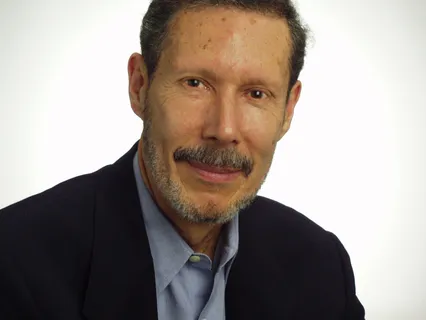
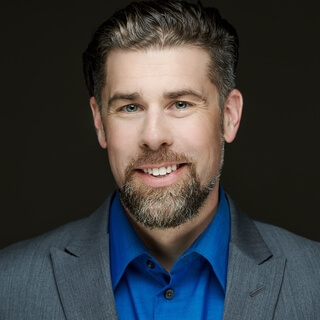
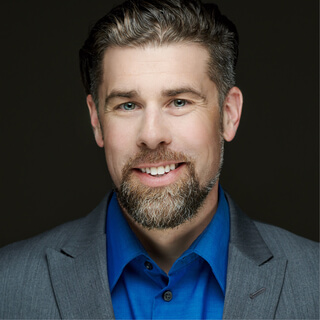
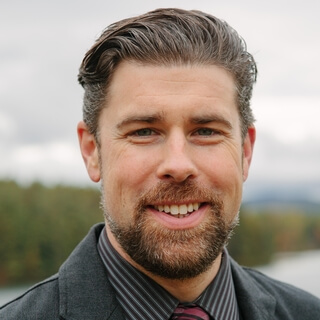
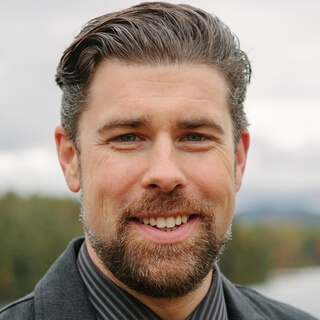
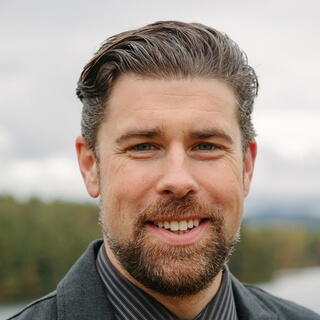
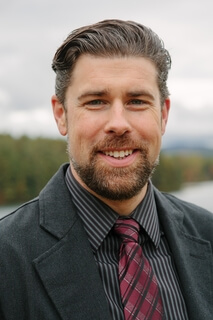
I'm Tom Bushlach and welcome to episode 3 of Contemplate This Conversations on Contemplation and Compassion.
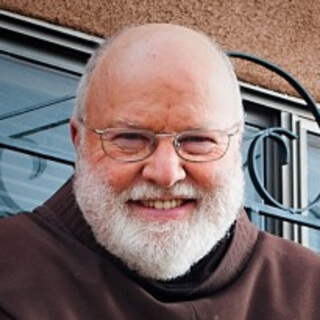
This interview is with the Rev.
Dr.
Tilden Edwards,
An Episcopalian priest and founding member,
Former executive director and now senior fellow of the Shalem Institute for Spiritual Formation.
Shalem is a Hebrew word meaning whole or complete,
Or as Tilden says later in the podcast,
Moving toward wholeness.
The Bible tells us to worship God with a lev shalem,
A whole heart.
According to their website,
Shalem is grounded in Christian contemplative spirituality,
Yet draws on the wisdom of many religious traditions.
This I think captures an essential component of the contemplative dimension of the Christian tradition.
That is,
These practices show us how to live fully committed as followers of Jesus Christ while remaining open to the universal wisdom expressed and found in the world's rich history of spiritual traditions.
Through Tilden's leadership,
Shalem was one of the first institutes designed to train ministers and church leaders for spiritual direction,
Particularly outside of the context of monasteries where the practice had always continued since the earliest foundations of monastic life in the early church.
In that regard,
Tilden is a particularly important figure for the rebirth of contemplative spirituality in a distinctively ecumenical context,
That is among Christians of all denominations and backgrounds.
It's also worth highlighting that his background includes congregation-based social justice work in Washington,
D.
C.
In fact,
He tells the story about leading others down 16th Street in his cassock during the March on Washington in 1963.
And his introduction to contemplation was further ignited through intensive introductions to contemplation both within an Episcopalian Benedictine monastery and time spent studying with a Tibetan Buddhist lama.
You'll notice in this podcast that I let Tilden talk for quite a while as he weaves together a beautifully integrated narrative of his life,
Beginning from his early childhood through his education and eventual awakening to the contemplative dimension of his own vocation and his contribution to that.
Although it doesn't come through as clearly without the video,
It was really clear on his facial expressions and his long pauses that Tilden was thinking deeply about what he really wants to share out of his experience.
For me,
It was like sitting at the feet of a great master and soaking up the wisdom of a lifetime enriched by deep spiritual commitment,
Compassion,
Social justice work,
And service to the many people he encountered in his ministry and especially at the Shalem Institute.
He's very soft-spoken at times and I've done my best to equalize and clean up the audio.
I ask that listeners will regard any imperfections in the audio as a sign of my amateur editing skills rather than any defect on the part of Tilden.
Thanks again for listening and I hope you enjoy this interview with the Reverend Dr.
Tilden Edwards.
Tell us a little bit about your background and we'll go from there.
Okay,
You want me to go back to the beginning?
Sure,
Let's go right at the very beginning.
That's fun.
Well,
I was born in Austin,
Texas during the Depression.
My father was in law school there and my mother was an undergraduate and I knew each other before.
I'm at the place where the families lived in another part of East Texas.
And the first seven years of my life were spent moving around different towns in East Texas.
My father trying to find a job after law school and in those Depression days that was very difficult.
Then World War II came along and my father joined the Coast Guard and that process led us to New York City where I spent three years with life in Manhattan and Greenwich Village where I went to Catholic school for three years.
Both sides of my family were Roman Catholic,
Though they were Protestant relatives too,
But sort of the German and Croatian Catholic sides manifested greater power than anything else.
And those early years were very powerful.
That was a pre-Battican too,
Catholic Church.
The school was the Sisters of Charity.
You were in a hallway of life.
It wasn't just a school.
We had daily catechism,
We had prayer,
We had Venus every Monday,
We were together on Sunday at the nine o'clock children's mass and all my friends were Catholic and the rest of the world was a kind of unknown mystery.
It was a time of the Catholic ghetto.
Yes,
It was.
It was a very intensive tradition where you felt that this was holding all the truth you needed and followed along and you didn't question.
Of course,
My parents also during that time were divorced.
My father went overseas.
He was a port officer in Scotland and fell in love with a Scottish-Jewish woman and divorced my mother by proxy and converted to Judaism.
My two half brothers and half sister were raised in Jewish tradition.
So they all basically left it in terms of any activity now and my father's long since deceased along with my mother.
But those were very formative years.
I did not resist or feel bad about the kind of prayer that I learned there,
The memorization,
All the things that probably if I didn't leave when I was ten years old would probably have begun to revolt against in a few years.
I wasn't there long enough.
I was there for the romantic time or I just absorbed it all.
When I was ten years old,
We moved to Portland,
Oregon for a year.
My mother was pursuing college and we were living with relatives of her father.
After a year there we moved to California and lived with my grandparents in San Jose for junior high school,
Middle school,
And then we moved yet again for the ninth time to Los Angeles and I was graduating from Hollywood High School which was chosen by my mother because it was a good school academically.
It still had a little flavor of the Hollywood you think about with movie stars,
Children,
And so forth.
But those were basically all happy years and spiritually even though my mother had left the church,
My father became Jewish,
My mother became a Congregationalist in Los Angeles,
A big church,
And I stayed Catholic right through high school.
President of Newman Club as I recall and high school and but I was unsupported in that.
My friends there were basically either not actively religious or they were Jewish and so I drifted away once I went to college at Stanford and it was a time of great searching for me.
Those years I was in Naval ROTC this was during the Korean War and I took a course in religious ethics and decided I was a pacifist which was not something that sat very well with being in Naval ROTC.
I would guess not.
So I was actually amazed when I pulled out,
Told the commanding officer I needed to leave.
I was just not called to be there.
He was amazingly sympathetic and said he might have done the same thing.
He was my age.
I was really in shock but it was a wonderful sense of support and leaving.
Maybe more vulnerable to the draft but I still had a college permit.
In any case those were just very searching years with all kinds of other searches and I visited churches and Quaker meeting and read materials.
I just didn't know what was true or real for me.
My last year,
Middle of my last year something came over me which was totally unexpected.
I just was given internally a sense that something major was going to happen ahead.
It changed me.
I had no idea whatsoever what that would be.
But I remember it vividly because I know I had done nothing to invite that.
I wasn't at that point searching for anything.
I was going to graduate school in cultural anthropology which I had majored in at Stanford and was set to go off to Harvard for their cultural anthropology program.
But during that summer before I got to Harvard I was in an American service committee international student seminar and work happened in Japan.
I was Quaker sponsored and I was just really ready.
What was mentioned,
What was given me in that experience,
A contentless experience in the middle of that senior year was taking hold because just looking at the sunset on the ship that took ten days to get there to Japan,
I just went over the line and said,
You know,
You need to choose.
You're free to choose and you know,
You either trust that God is or you decide that God isn't.
And I made a decision that let's believe that God is,
Even though I wasn't especially experienced yet at that point.
So I went to Harvard then and got myself in the department and at the same time the very first term I audited a course from the theologian Paul Tillich on art,
Science and religion and that intellectually sort of turned me around and showed that there was really no way of escaping God.
He defined God as,
You know,
Your ultimate concern.
So everybody has a God.
Whatever is your ultimate concern,
You give yourself the altar to that concern whether that's your own ego or whether that's some other form of ultimate concern,
That's God.
So that kind of disarmed me in terms of feeling I had a choice.
It's going to be how big God is going to be,
Not whether God was.
The other experience that time was with a friend from high school who was in a divinity school at Harvard and he took me during Thanksgiving vacation to his adopted parents home in upstate New York.
His father was a philosophy professor.
He had a very bad childhood and had this tremendous experience with his professor when he was in college.
And I discovered in talking to him and the way the family related to each other they were very definitely Christian.
I heard words like grace and unconditional love and I realized I never really heard those words before in a personal way.
I'd seen them in action and they just lived them out together and it just threw me in their witness so to speak without trying.
They were just being themselves.
I began to see that world was larger and truer and bigger than the world I knew.
So I joined them in a long term relationship and Bill Becker,
That was the student's name,
Was my roommate.
When I shifted to the divinity school first year,
Middle of that first year my anthropology advisor at Harvard could not understand what I was doing.
I was just committed to do that.
So the next three years there I was at Harvard Divinity School trying to do my best to let my intellect blossom and learn real theology and depth as best I could.
And I also participated in prayers,
Became a member of the First Congregational Church there and got accepted as a licensed preacher within that tradition.
That church later became part of the United Church of Christ,
But that time that was before the merger and I was just New England Congregationalist.
And I spent a summer working in a little Congregational church in rural New Hampshire very near to Hanover which is where Dartmouth College is and the rector of the Biscal Church there invited me to go on a retreat with him to Biscal Monastery in West Park,
New York,
Holy Cross Monastery.
That's where Matthew Wright is,
Right?
Exactly right,
All world.
And that was the time when that monastery was really in full bloom with many,
Many members coming in and it brought me back to some Catholic feelings that I realized I had until they sort of came alive again in those few days.
The chanting of the psalms and the plain song chanting and the silence and solitude and the prayers and being knocked on the door my room door every day with some declaration of praise about it.
I began to see this,
There was something that I was missing in my Congregational tradition.
I just felt what you could call a mystical power and it came over me and a real experience there where this came together with a sense of light where I was out walking,
A sense of everything being put in together and it was a kind of confirmation that something real was here and I wanted to cultivate that.
I was moved by some Episcopal students that were at the Divinity School that led me to move into that tradition.
I really considered myself Catholic again,
But in this case it was Anglican Catholic.
But I just liked the whole kind of way the liturgy presented a mystery that was deeper than any other words could convey.
I could just be part of that community that lived into that together.
So that brought me to my left of the Divinity School into Episcopal Seminary which was just a few blocks away from Harvard Divinity School and it filled in some holes that Harvard missed or made.
Everybody had an assigned seat in chapel.
And I just loved that.
See,
I have a place here.
I really belonged.
Harvard was much more impersonal than that.
Students came from all over the place and I was in one of the dormitories but there wasn't much life together or the expectation of life together.
Suddenly I was in a community of people that really belonged to each other and to a tradition and to a future way of life as priests and that just was a wonderful year of finding home,
So to speak,
In a community since.
When I left I came into the church in Washington DC where I had a choice actually there when I was leaving the seminary.
One was a very good traditional downtown parish and the other was a place that had just basically been emptied of its congregation because it was an integrated neighborhood.
Keep in mind that 1962.
And those were still strong segregationist,
Segregated days in Washington DC.
And they had just hired the year before that church a kind of wild man from New York City who was totally dedicated to integration and to living into a church that's open to whatever was really needed and called for.
And that's the one I chose with a salary of $3,
500 a year and a room in the rectory next door I thought I was single.
But that began five years of,
That was worth probably 20 years of experience.
I can imagine.
I was put in charge of all kinds of projects like a summer school where we had 200 neighborhood poor African American kids from elementary school through high school.
We had a full-time program for them.
And I was put in charge as ignorant as I was.
I could give you endless stories of those days and how much I learned about the largeness of human life and how people respond to things,
How they care for each other.
But the sky was the limit with the rector of that church.
We could do anything.
I was in charge of education there.
That was the one stable place that you could have predictability.
Everything else was sort of incredible liturgical changes that I actually partly had brought back from the liturgical reform movement pilgrimage to Europe from Catholic parish,
Left bank of Paris,
Paris of Saint-Germain which was just just before the Connecticut council was coming into being.
But they had already brought things into the Eucharist like exchanging peace and a big basket of entrance way to put in donations for the poor,
Food and razor blades or whatever you had to give that were brought up in the operatory procession to be dedicated to the poor of a community.
It was an evolving unpredictable mystery of newness week by week in those five years.
That led to more focus on the incredible changes that were going on in the society at that time.
The civil rights movement was at its height.
Martin Luther King's great I Have a Dream speech was something that parish I was in Saint Stephen and the Internation.
We had a procession for two miles down 16th street all of those in the congregation who wanted to participate.
So were you present at that march and speech?
I was ahead of it.
In Catholic walking down the middle of 16th street which was deserted.
Everyone was terrified of what might happen that day in the city.
So people were either going to the march or they were staying inside wondering what might happen.
It was a very powerful moment but there was even an African priest that was with us who said this is not his fight.
He's not in this country.
In the last minute he was saying no this is my cause.
I'm going to join you and be part of it.
There are all those kinds of surprises that kept showing somehow the living spirit at work.
In any case I was asked to head up two groups that get me out of the parish after that.
One was an urban training program for seminarians from five seminaries in the area.
Three of them were in Catholic.
One Episcopalian one Methodist.
That was to help seminarians deal with the incredible social changes going on.
We had field work for them riding in police cars and ambulances and all kinds of locations in the city to get in touch with a world they didn't know well.
Also,
Then the larger organization,
Metropolitan Medical Training Center which was a kind of regional center like the Urban Training Center at that time in Chicago which helped churches deal with the revolution that was going on in society in terms of understanding civil rights,
Racial relations and also the peace movement that was beginning at that time because the Vietnam War was on.
I felt like I was in pioneer territory there.
I was just left on my own to start this organization with sponsors from twelve denominations.
Roman Catholic to Unitarian.
We put together programs for clergy and we helped congregations deal with conflicts and something was missing at that time.
I had really adopted a lot of things in the behavioral science world in terms of organizational development,
Dealing with conflicts and so forth along with theology and prayer and I went on retreats,
I studied at Catholic monasteries because those were available to me in that area and something still was missing.
There's something inside that led me to a kind of eclectic weekend that was full of these contemplative practices,
If you will,
Different traditions and I was just struck by them,
Like this is touching on something that I don't even have a name for.
And I had a three month sabbatical coming up and decided that I wanted to go to some Christian center that would connect with what I could then begin to call contemplative tradition and prayer.
And a Christian monastic said that if you really want to go deep you don't have a careful lineage of practice in terms of really paying attention to deeper stages of the journey.
We have more of a reading tradition and we have our way of life and so forth,
Supports contemplative understanding,
But if you really want to get into some deep practices why don't you go to Berkeley and you join a Tibetan lama there for the summer who is for the first time offering something of Tibetan practices for people who are not Buddhist.
And I did that and I went very,
Very vulnerable,
Very open and I read scripture every day to sort of keep a kind of Christian connection as I through this incredible range of practices.
As you probably know in Buddhist tradition the Tibetan Buddhist tradition is the one that's the most it has the hugest number of possible practices that you combine all the practices of all traditions in the world you would still probably have more.
It's very humbling.
It is very profligate and offering us an introduction to just endless practices that he never did again.
He really,
You saw he given too much but I was so glad he did.
In me a sense that how shallow my consciousness was and how much deeper there was in my own consciousness of realizing what a contemplative tradition all unit of awareness.
And I went to an eight day Ignatian retreat,
Jesuit retreat right after that and I began reading Christian contemplative heroes saying,
And I was just amazed the first time I understood I thought what in the world they were talking about.
Because what I what had happened to my own consciousness in that two months with that ten hours a day of practices and walks I began to see the ball part that these words of John Rosebrook John of the Cross or however it was in the tradition,
What they were talking about what was behind those words in terms of awareness and that led me the next the next year to begin a group,
Really what became a new division of that Becky Medical Training Center I was still head of that dealt with contemplative practice I put together a spring retreat and then a 7.
30 am weekly nine month group,
I didn't know if anyone would show up and it was an incredible group of people limited to 20,
I let in nobody else,
It was wonderful personally,
I'm so glad I did and every week we would have some,
They were all Christian,
They were all people in different traditions,
There were Catholic religious,
There were seminarians there were clergy,
There were lay people and each week I would introduce a different practice during the week and come back and do some sharing about it and Christian practices,
There were Buddhist practices there were times where everyone could have a chance to reflect with somebody else about what's going on with them and eventually after that year,
People wanted to keep going and we did,
We started a new group and they decided they could really talk with one on one in an intensive way spiritual direction was virtually non-existent at that time outside of Catholic religious communities a little bit for parish priests heard of in most Protestant traditions,
So we started a program for spiritual directors to cultivate the people who met the historical criterion for a spiritual director which is that people come to you to deal with their spiritual lives spontaneously and we began to confirm that,
It's a call to be with others in that one on one way or in a small group way,
We gave an option for that and we continued with all kinds of groups and we began to call the Salem Institute after discernment with a group of us who were leading for a name and we were being sponsored still by all those denominations that were behind that Medical Training Center that included a Jewish group that said we needed a word a name that could connect for Jews as well as Christians chose that name Salem because it reflected the Hebrew word behind the Greek word behind the English word that you get in Matthew where he talks about being perfect as your heavenly father is perfect but perfect really there doesn't mean perfect as being know it colloquially moving toward your own true end,
To your own fullness moving toward the fullness of the truth that you're in your personhood at God so we took on that name and had a dedication let's start and I had no idea what would happen but we did find some little miracles that kept showing up that seemed an affirmation that we were meant to be around like getting a grant from an organization a foundation that we were their last grant after a hundred years of giving grants,
The person who came to visit had one day workshop we had and I didn't he really understood what we were doing and the next week we got word that he'd given us fifty thousand dollars to help support our beginning and we were off and running and somehow kept getting more and more people coming and suddenly people were seeing this was filling a hole for them in their life and what they felt was missing in the church for them and in their background so we attracted two other people on the program teaching staff that ended up being part of a trachea along with me,
The three of us for twenty some odd years we were together,
The psychiatrist Jerry May,
Who was Raul May's half brother who wrote one of the classic works on psychology and spirituality that really held up the spiritual heart of the human journey and the psychological accompaniment of it so that it came priority to them to the spiritual dimension of human being the other was just Rosemary Doherty,
Who was a school sister in Notre Dame that was just a treasure,
A gem unfortunately Jerry died a few years ago and Rosemary is quite old and has Parkinson's disease now so I'm the one person left with a trachea,
But we have other staff that have come on board and decided eventually we had to offer something for people who were leading groups because contemplative groups were so much was going on that was good and we couldn't deal with thousands of people that way so we needed to train other leaders we developed a special long term program for them to accompany the spiritual directives program and we began offering other extension programs for various purposes I've been shaped so to speak within that community of people,
We grew together over the years we challenged each other,
We questioned what we were doing,
We laughed a lot together because we felt humor was really important to break the spell of looking too self-important or heavy,
But Mama was such a wonderful example of that,
That summer I was with him he simply he simply had a way of dealing with everybody in the presence,
In a way that was needed he modeled what a spiritual leader was a contemplative leader at their most evolved so to speak,
Partly helped I mean these were almost all psychologists,
Some very famous ones they were all people in the helping profession,
60 of us that summer with him,
And they weren't naive,
And yet he knew things about them that there was no way he could have known,
Without having been in their minds,
But he would never admit that he was very casual about it but one person,
He would give a mop and tell them to mop the floor because they needed some physical and touchness that way,
Someone else he'd give a mantra to chant,
Someone else he would laugh at,
Because they were too heavy and they needed to get lighter he would be very kind,
But at the same time capable of being with a person as they needed him to be with them at that moment I've never seen anyone model so well what it is to be a contemplative elder,
So to speak and really provide what that tradition had empowered him to do and so we were in effect kind of orphans in Christian tradition in that way without the careful lineage of really noticing and offering I mean we had certainly charismatic leaders who were gifted to do that,
But in a way we were really like us,
Pioneering what orphans do to learn the best they can from whoever they can,
Opposed to being inheritors of some particular oral tradition that a person had handed on to them so that's still happening and I'm still involved to some extent leading seminars and continuing to let God evolve my own understanding and reality so that's a long,
Long description of where I've come from You've covered all the major and important pieces that have come along the way and a couple things that stand out to me that you might have further thoughts on is what I think a lot of people who have found themselves drawn into a contemplative path articulate very similar to what you said which is just this awakening of a nameless longing that you don't know where it comes from and you don't know where it's going,
But you kind of feel like saying yes,
But out of a radical freedom,
Not out of a compulsion and that that then starts to take some shape so that desire thread that runs through your story stood out to me and then the other thread that ran through it was the importance of community for going deeper into the contemplative practice and experience.
We,
I think,
Often have this image of the solitary monk or contemplative and often contemplative silence can be done in solitude but it also has to be learned in a community and from elders as you talked about.
So those are two things I don't have a specific question there but it strikes me that those are two parts of your own narrative as you told it that stood out to me Yes,
Community,
I really sense it is important.
Of course you can have community that keeps you from going deeper you can have community that encourages that and muddles that so it's,
It's,
One has to be discerning about community I think really be able to find some people who are open to the fullness of possibility that will be given them so I'm very convinced that it's a matter of grace and not works in terms of anything really transformative you can put yourself in the way of that you cannot practice and in the community be available more and more by letting there be less and less in the way of your touching the depth of the moment call and love but that's erratically possible I think in every community,
Even every parish that's not totally closed off to going deeper,
The spirit is more powerful than our resistance our resistance can delay a lot of good things Yeah,
Yeah I wanted to ask a little bit more about your friendship with Gerald May,
And you mentioned a book before,
Were you referring to Addiction and Grace or a different book?
Before that it was I think it's called Psychology and Spirituality that was the classic inclusive thinking about the relation of spirituality and psychology in a way that shifted what so much of the writing was before him,
That really made spirituality a kind of accompaniment a kind of functional expedient accompaniment to psychological health and he kind of reversed that and talked about psychology,
Well really not even necessarily being a help,
But the spiritual path was irrelevant to your mental health in the sense that someone who was psychologically not in great shape still could be vulnerable to the grace of God at hand that shaped their sense of reality and self,
So he was very resistant to seeing that you needed psychological help in order to be spiritually vulnerable and touched by God.
Well it strikes me that many people who struggle,
I mean it's,
His I'm not familiar with that more foundational book,
But his book on Addiction and Grace has been an important book for me personally and it strikes me that that's often the window into deeper psychological,
Or excuse me,
Deeper spiritual health and growth is something that might present more as a psychological struggle,
Whether it's addiction or some kind of mental illness or anxiety and depression and I think a lot of people in our culture can relate to that but that can be a a doorway to an awakening of something that we long for and was that kind of his whole approach to the integration of psychology and spiritual practice?
Well he was motivated first I think by his work in an addiction center in Pennsylvania where it dawned on him that the only people who were really getting through and over their addiction were people who had some kind of a religious experience and it made him rethink what was important and he really began to offer a sense of what,
God's independence in dealing with people that what can be what will transform you and get you through your addictions and so forth finally was grounded in your openness to the grace of God that is showing itself to give it time and giving yourself to that and obviously that was very helpful to a lot of people because that book you mentioned was I think his most his best seller of nine books and it's struck a theme that is really important and I've sort of bowed to him in terms of my understanding of psychology's relationship even though I've had a lot of therapy in the psychological world quite familiar with what's available and what it can do and not do but to be connected with the spiritual grounding is just so important and so many people that have come to find programs that were,
That are psychologists or therapists of some kind,
Counselors coming because they really wanted to ground their counseling their therapy in a spiritual hearted way Can you speak to sort of your personal relationship with Gerald and possibly with Sister Rosemary and how important that was for the work that you did with Sister Lame?
Well I can still remember Jerry coming to my office when he was still in Lancaster,
Pennsylvania but moving down to work in a prison in Baltimore as a psychiatrist and a mediating person,
A Lutheran pastor that I knew that said it would be good for him to come meet me and Jerry remembers in that time all my questioning of him about really where he was spiritually,
I guess I mean I didn't,
Not before he had written any of his books and I really saw something of enormous potential and an enormous vulnerable openness to going deeper spiritually and we became spiritual directors for one another for 20 years and we met monthly,
Gave an hour to each other and that was at least my side,
You know,
A tremendously valuable,
Stabilizing grounding for my spiritual life He's a very,
Very unique,
Different person,
Very independent minded,
Which is why he could pioneer in his thinking,
I think,
A lot He was skeptical of a lot of stuff that would,
I think,
Use the word contemplative but not necessarily know what they were talking about and yet he would give us psychology and spirituality day every year,
That which would have a huge crowd that would always come because it would always put some original thinking to that arena and psychology belongs to everybody whether you study it or not,
You're involved in your own psychological reality and people were in all those decades really rediscovering that kind of spirituality that was not a doctrinal affair in its grounding but an experiential awareness affair that belongs to everybody and he just was one of those people on the top of the wave that was rising throughout the country He also had a tremendous sense of humor and Rosemary can match it sometimes,
We would have staff parties in our office and it's amazing things would happen that I won't go into details but it was like no one was exempt from being the butt of a joke we would dress up in costumes for parties and that sky was the limit in terms of what would be said and done there was a book on the first 20 years of Sholaym's life which went out some places that was also very important to us it wasn't just that it was so natural for Jerry and the rest of us together,
But when you think about it,
Humor explodes idolatry anything you're attached to is something that if it's laughed at and leaves you lighter in terms of its hold on you at the same time it frees you for something that survives the joke that remains serious and real and important we ended up joining what's now a huge wave of contemplative awakening throughout the world,
Which we never would have dreamed of at the beginning there's a sense that this was something much more subjective and narrow and small scale as opposed to something that really belonged to everyone and was in fact to us,
I think,
The very foundation for such a self-understanding and an action in wanting to share Jesus' consciousness in Christian tradition wanting to let that overflow into the sacrificial life of the world and all its messiness and accepting and forgiving people at the same time,
Resisting and encouraging what other revolutions were called for politically and socially so so anyway,
Jerry and Rosemary and I went together to South Africa just before apartheid was ended and Mandela was just coming in the next year as president,
Hadn't happened yet we were there just months before that we were asked to come lead a spiritual direction program,
A 10-day spiritual direction program,
Among other things we did there and those 10 days were just an incredible experience because there were 90 people who were in the program,
And we all lived,
Most of us lived together in a girl's home during the girl's college during the summer and the people who were there were,
As they call it in South Africa,
Colored which were mixed,
You know,
White and black black and white people from different denominations who at that time,
That was a unique experience being together across racial lines and in a very intimate,
Personal way,
Living together I'll never forget the Eucharist that we had together toward the end where we were all gathered and when we got to the time for confession,
A white person got up and confessed their complicity and a pontite in their life and were asking forgiveness from the black people who were there,
It was very moving because others began to stand up and say the same thing and it began to be a kind of moment of vulnerable,
Both confession and forgiveness together when we got to the consecration,
I was the celebrant for that the consecration,
The wine was in a wooden cellist and I had a white alb I was wearing,
A stole,
And when I held the cellist up in the consecration the cellist began to leak this red wine began to stain my what I was wearing,
You know my alb and it was so moving because it just immediately had that sense that this was the sacrificial meal in which mutual forgiveness,
Acceptance caring,
Love would show itself that this was the communion that was real so that was an incredible ending together and Rosemary and I were together after that doing other things nothing,
I think,
In my whole life was quite so filled with communal meaning as that moment together Wow,
Yeah I mean you talk about perfect imagery for the way in which communion dissolves boundaries both within the community that was gathered there racially breaking boundaries,
But then the physical boundaries even of the cellist sort of dissolving,
What a powerful image,
But reality You think of communion you know,
As being really the heart of contemplative awareness it all connects this is an external version of that interior height of grace and the contemplative life where you're realizing the communion that's already there personally I like the word communion better than union use that too,
You know,
Realizing the union that's already there,
Communion helps save the paradox that we are one and yet we are two you can't say one without distorting the truth,
You have to say both at the same time,
We're one and we're many God is one,
God is triune,
God is inclusive,
God is a communal wholeness,
As I would praise it and so life itself is this shared reality of all creation and the whole human family and the whole earth family that's why it's so important for our time I think,
Where that sense of inclusiveness that contemplative awareness gives you where you're interwoven with everyone and everything is a tremendously important antidote to the kind of social divisions and conflicts that we're suffering in the world today and where power is seen in such an exclusive way that someone has to win and someone has to lose and it has to be something deeper than the mind can get a hold of it's got to come from that deepest place in us the spiritual heart as I call it and even have on Slim's website and on the six week online course on what it is to live from the spiritual heart as opposed to living primarily from the narrow,
From the mind and the ego segregated from the spiritual heart and that whatever practice assists that connection with realizing that inclusiveness of the spirit that shows itself in your grace to be open.
I want to pull a little bit on that line you said whatever practice just to get really practical for a second what is your sort of daily practice look like at this point and I think for many people it evolves and changes but what,
Is there something that you sort of commit to on a daily level that keeps you grounded in that openness to grace?
Yes it's evolved over time but it's something has always been there for reminding myself of what's important.
When I wake up I often borrow the phrase of a homeless African American and I think dying of AIDS I think that was his diagnosis in a place called St.
Joseph's House,
Joseph's House for people dying of AIDS,
Often homeless people and this man said every morning when he as soon as he's awake he says thank you God for waking me up and there's something just true to me to that phrase I don't always remember that when I first wake up but it's like some sense of gratitude that not only am I offered another day of life but I'm meant to have another day of life and to let it be purposeful serving the love that God is and always the potential inside of myself.
So in some way when I awake where there is that phrase or something else sometimes I remember one of our other staff they do when they just wake up and put their hand over their heart a reminder that their heart and God's heart is what they're waking up to I do that sometimes.
In case before breakfast I always have my main separate time of prayer always in my little altar space my little prayer space that's where I'm sitting in front of an icon called the Sinai Christ the earliest extent items that still exist from the early church hangs in a monastery in the Sinai desert it's been powerful to me and I in teaching practices I will include often something to do with icons and learning how to pray with an icon in a way that letting it know you rather than your trying to grasp for it yielding to its reality inside of me.
So that's always greeting me in my table where it stands and I'm sitting on the prayer bench in front of it I always include scripture almost always it's something from the common dictionary because that gives me a sense of praying with scripture that others are praying with at the same time,
That larger sense of community not just my private biblical reading and moving toward what strikes me as some phrase or word that I meant to remember and live with that day I also do what you could call contemplative intercession in that time where I I join God's prayer so to speak for other people and it's like God in me praying with God beyond me for what I don't know a particular person needs or wants sometimes I will name what I want for that but I realize finally it's just joining the mystery of God's care for them affirming that,
Reinforcing it letting it increase my care for that person,
For that situation,
That group wherever it is.
There's also always some receptive prayer time where I lean back into my spiritual heart that special faculty in us that is marked by giving us to God who is inside of me as well as beyond and just perceptibly let myself listen there sometimes I will use a word to remind myself to come back to presence that's always a very crucial time for me but it reminds me at this immediate moment that larger presence is in my presence is in my heart and when I give myself to that light and that light is in my heart and I let myself go behind my conceptual mind thinking behind my ego's functional self protective and diffused ways to that other place inside that placeless place that's where I'm most at home that's where I'm most free,
That's where compassion shows itself that's where God shows up in a way that it's larger than my self image it's letting God live in me and through me and to use a controversial phrase even in its purest most grace moments God is living as me delighting in what I delight in caring about what I care where the communion is so intimate that it's no longer my calculating ego controlled actions in any case that kind of defines my separate time along with the time of the evening before going to bed for a daily examine of how much since God has showed up and how I responded during the day and some gratitude time and some opening my love to God which always seems to be an insistent request since God just says love me,
Jesus just says love me let that be the ground because how do that come?
And that's the set aside times of the day and if I'm with another in a group I might be doing something with them also like that but during the rest of the day there's that trying to be present in a larger presence.
Jerry May used to say when he gets up in the morning one of his prayers is to tell God to remind him of God's self,
God's being because he's not going to remember.
We need a lot of reminders.
During the day,
I mean for probably 40 years I've practiced the Jesus prayer and it's just there in me but I otherwise just I've been there so long that I do have those moments of reminding myself that as Rumi,
One of the Sufi poets talks about the woods,
There are two of us here washing the dishes or cooking the food or whatever it is that sense that there is always this paradox of being one and two,
Separate and together yielding and grasping all that goes into the recognition of the mystery of a paradox that can't be resolved except the openness of God and of yourself.
Sometimes it's pure communion and other times you're really feeling separate and having to remind myself especially when I'm in a heavy ego place worried about myself to calculate English,
To come back to that presence and let happen what's called for and trust,
Trust,
Trust making trust is the last word to me in my faith.
Trust and you don't know what,
What I don't know what because God is so beyond me.
And also lately I've come in,
You know,
Come in feeling during the day of the great personal intimacy of God which I used to think was a little more primitive than a kind of sophisticated sense of a cosmic transcendent nature of God.
But now I have a much more sense of that personal intimacy that God just gives us the power to to have that kind of a personal intimacy without destroying the transcendent cosmic Christ and of God.
Well,
I've gone on too much about that.
I know you have to go soon.
Maybe a last question for you would be what is your hope for the future of contemplation or contemplative Christian tradition?
Well my hope is for God's hope to be realized.
I don't know what that is in detail but there's some fragments that I can mention.
I hope that they will learn how to lean back into their spiritual hearts.
This is for people in the church and for people outside the church for young people,
For children,
For old people everyone learns what it is to yield themself to a spiritual heart and live their life from there and see the difference it makes to living it from there.
I hope that they will find community with other people who will support and encourage that spiritual and spiritual relationship with God.
I hope that they will find community with other people who will support and encourage that larger sense of presence and let it overflow into the world both directly in terms of how they witness to that presence for others and show that it's good news as well as in how they're willing to take the actions that help care for the world that's given to them and care for the earth that we're part of.
So for the church I hope that one of the people who you know who was at that snow mass gathering we had together in Snowmass,
Colorado that they will find some elders that will help them move deeper in the tradition and the priests can be trained ministers and be given opportunities to go deeper themselves so they can become those kind of elders.
Stuart Higginbottom in that Snowmass gathering whose parish has been so responsive to learning what it is to be contentedly grounded and let that be the very center of their life together and of their own personal self-understanding.
And that's revolutionary to be able to do that.
There's so many ways that we resist that.
You know,
We confuse decollets and wanting to be protected until you have all those practices that really help you to let go of those things that resist that truer,
Deeper,
Freer and the passionate self in God.
I just,
Life is messy as we've been having.
And we're not going to be perfect,
But we're part of a movement in terms of contemplative understanding and practice that I think brings a crucial fundamental,
Essential depth dimension to understanding ourselves and one another and caring for the life we have here on Earth.
And having the hope that no matter what happens the last word is the word of goodness that God is and at depth we are also in the image of God.
Well I can't think of a better thought to yield our own interview on.
Thank you so much for your time and the thought.
People listening will be able to see the expressions on your face of how deeply you're thinking and lighting up at different moments,
But I appreciate the heart that you've brought into this as well.
Well,
Thank you Tom and I should mention one thing that you've taught me.
Never has I ever let you know.
That was in your reflection on the march in St.
Louis in relation to the policeman who killed that African American car and was acquitted at trial.
And you're saying you had two emotions related to that.
One was anger and one was madness.
Do you remember that?
I do,
Yeah.
And that has stuck with me.
You said they came from two different places inside of you.
The anger was the one that gave energy for really acting being capable of having the courage and the gumption to take what action was needed to allow justice to live.
And the sadness was a kind of more inclusive feeling of seeing how all of this is so given and has to be seen for what it is and accepted and everybody is involved.
The anger is exclusive.
Work and justice in this situation,
The sadness is recognizing the human condition and what it's capable of on the negative side and the sadness that connects us all together.
You know,
We're all sinners.
We're all confused.
We're all willful instead of,
As Jerry May would say,
Willing for the deep reality that is in God.
And I thank you for that because it's,
I think,
Valuable.
You said they were both important.
They needed to connect with each other and correct each other,
So to speak.
I mentioned that to some others and so I just want to thank you for that insight.
Well,
Thank you for mirroring that back.
That's certainly,
I think it's that paradox is at the heart of a lot of my own work is how to be fully engaged in the brokenness of our world with a contemplative heart.
Yeah,
The reality of the first.
Yeah.
The reality of the second and trusting it has the deepest power.
Yeah.
Well,
Thank you so much.
This has been very rich and much to ponder and I hope our paths will cross again someday.
Well,
I certainly hope they will also,
Tom,
And we'll stay in touch.
That sounds good.
Thank you.
Bye.
Bye.
Thanks again everyone for listening.
Until next time,
May you be well and may you be happy.
And may your contemplative practice awaken you to the infinite compassion that lies within.