Our ego set of coping addictions that we've wrapped up around a childhood wound so that we don't have to tell ourselves the truth about who we really are.
So essentially it's sort of our maladaptive coping strategies of sort of fortifying the projection of our own ego mythology.
And I think if you really dig into the teaching,
If you really work with the tool,
It actually helps you begin to tell yourself the truth,
Which is painful,
Which can be devastating to the ego,
Which is a severe mercy,
But it's really the only way I think forward for all of us.
Hey everybody,
My name is Tom Buschlak and thanks for tuning in.
You're listening to episode five of Contemplate This,
Conversations on contemplation and compassion.
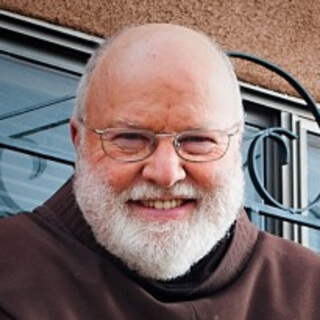
This interview is with Chris Hewarts,
A founding member of Gravity Center in Omaha,
Nebraska,
Along with his wife,
Filina Hewarts,
Who was interviewed in episode four of this podcast.
Chris has just published a book called The Sacred Enneagram,
Finding Your Unique Path to Spiritual Growth,
Which is selling like hotcakes and getting rave reviews.
If you've been listening to previous episodes,
This one is a little bit different,
Especially if you're not familiar with the Enneagram.
Personally,
I've used the Enneagram as part of my spiritual toolbox of contemplative practices and awakening for a couple of decades and have found it to be incredibly helpful.
I have to admit that Chris has taken me to entirely new levels of understanding for approaching and working with the Enneagram and a really deeply embodied way of using this ancient tool and the wisdom that it contains.
In fact,
I want to share a quick personal story with you that happened to me after recording this interview with Chris.
As you'll hear in the interview,
My typology on the Enneagram system tends towards the one,
Which is also sometimes called the perfectionist.
Over the years,
The Enneagram has helped me to identify that my core fear is that I'm somehow deeply flawed or imperfect and because of that,
Therefore unlovable or unworthy of love.
But the deeper truth,
The one that holds the path to integration and healing and divine union for the one,
Is to accept myself as good and whole and lovable,
Not in spite of but precisely because of my flaws and imperfections.
Well,
After doing this interview with Chris,
I had this wild dream last night in which I really believed this core truth of being deeply whole and loved.
I could feel this sense that God and the entire universe was holding me in that truth and I was accepting it to the point that I felt like I was mirroring it back to myself.
In the dream,
This wasn't really so much like a thought in my head as it was a felt truth,
One that I felt in my body.
It was so real that it seemed to occur in this liminal space between dreaming and wakefulness,
To the point that when I first woke up this morning,
I legitimately couldn't remember if it really occurred while I was sleeping in a dream or if it was something that happened like previously in the day before.
I share this because Chris talks about how there's a core truth that he calls the holy idea of each of the nine types.
He also calls these truths,
Psycho-catalyzers for awakening.
What a cool way of putting it,
Psycho-catalyzers for awakening.
Chris's wisdom and compassion are so palpable that I really think our discussion became kind of this mini-psycho-catalyzer that knocked something loose in my psyche or my soul,
Where I could allow that holy idea of being imperfectly whole to sink in at a deeper level.
If you're not familiar with the Enneagram,
I have two suggestions.
First,
I asked Chris to give a quick rundown of the nine different energies or types and their path to awakening and spiritual growth,
Which he did from memory without notes in about seven minutes,
Which in and of itself is impressive.
It was so helpful that I actually broke this out into a separate recording,
And I've posted it as a bonus track in Contemplate This Podcast.
If you're coming at the Enneagram totally cold,
You might want to listen to that recording first.
I've also posted some additional resources about the Enneagram on the Show Notes page,
Where you can see the Enneagram symbol and the nine typologies with the descriptive titles used by Rizzo and Hudson from the Enneagram Institute.
So you can head on over to thomasjbushlak.
Com forward slash episode five.
That's episode the number five.
That's jbushlak.
Com forward slash episode five to check out those resources.
Second,
Chris is a master of this process-based understanding of working with the Enneagram.
So I'd recommend just taking it all in.
He covers a lot of ground and moves fairly quickly,
And it can feel like a lot to take in at some points.
So if something,
An idea or a concept or something he says is going over your head or you just missed it,
I really encourage you to hang in there because there are some gems related to contemplative practice and awakening to compassion in here.
And hey,
You can always go back and listen to the podcast again if you need to.
Okay,
With those opening remarks,
Let's get right into this interview with Chris Hewarts.
All right,
Chris,
Well,
Thanks for being here.
I really appreciate you taking the time.
Why don't you start by giving us a little introduction to yourself and your background,
And then I'll ask you after that for an elevator pitch on the Enneagram for folks who don't know.
Sure.
Well,
I appreciate you having me.
I live here in Omaha,
Nebraska,
But I'm not here a lot.
I'm on about probably 110 to 130 flight segments a year,
So on the road quite a bit.
When I am here,
My wife,
Selena,
And I run this little center for contemplative activism called Gravity,
Where we essentially are just trying to help people who help people.
So if you are an individual who believes that building a better world needs to be rooted in your spirituality,
Then the work that we do is essentially facilitating and accompanying the introduction of mindfulness,
Meditation,
And contemplative practices to support that.
And that came out of 20 years of international humanitarian work.
We led an organization that had projects all over the world primarily focusing on women and kids who have been trafficked into the commercial sex industry.
And what we saw was really good people burning out and really good people doing beautiful work at their own expense.
Happened to me,
Caught up to myself in some pretty harmful and painful ways.
So when we hit the reset almost six years ago and launched this little center,
We weren't sure that we'd have a whole lot of work,
But man,
We've never been busier.
That's cool.
Yeah,
And a lot of the listeners who listened to Filina's podcast last time probably heard a lot of that story.
So part of what we want to discuss is your new book on the Enneagram.
And I think some people listening are going to be familiar with the Enneagram and some might not.
And so can you give us like a little primer on what it is and then we can start getting into the meat of your book and then how it relates to the contemplative life?
Sure.
So in 2018,
The Enneagram has largely been framed in one of the layers of its sort of tradition or its teaching,
Which is specifically called the Enneagram of Personality.
So in 2018,
The Enneagram was used to essentially describe and sort of give shape to,
Let's say,
The nine observable human character structure archetypes.
But my sense is that there's a lot more going on than simply that.
And actually,
When you look at the Enneagram of Personality,
My sense is that the Enneagram shows us our ego set of coping addictions that we've wrapped up around a childhood wound so that we don't have to tell ourselves the truth about who we really are.
So essentially,
It's sort of our maladaptive coping strategies of sort of fortifying the projection of our own ego mythology.
And I think if you really dig into the teaching,
If you really work with the tool,
It actually helps you begin to tell yourself the truth,
Which is painful,
Which can be devastating to the ego,
Which is a severe mercy.
But it's really the only way,
I think,
Forward for all of us.
Yeah.
So I was introduced to the Enneagram by a spiritual director in college right around the same time I got into Centering Prayer and Lectio Divina,
Contemplative Prayer.
So it's something I've worked with.
And I'm familiar kind of through Rizzo Hudson,
Their work and their book that introduces the different typologies.
And I'm guessing that many people who do maybe have some familiarity with it know it as a personality typology and then kind of maybe get into the spirituality of it.
So could you say a little bit more about kind of the relationship between those typologies and then what you see as that deeper work?
Yeah.
So the thing that's really interesting about,
One of the things that's really interesting about the Enneagram is this is a teaching that may be thousands and thousands of years old.
I mean,
They say that there may be evidence of this 6,
000 years ago in ancient Egypt,
4,
000 years ago in prehistoric Korea,
2,
000 years ago in Afghanistan.
Evidence that the Greek mathematicians claim this.
Michael Goldberg actually says that in Odysseus' 10-year journey home after the Trojan Wars,
This is Homer's book,
The Odyssey,
That the nine stops that he makes,
The nine islands and countries that he visits are actually the Enneagram types counterclockwise around the circle starting at point two.
Wow.
I've never heard that before.
Yeah.
There's really great theories out there.
So there's of course the mystics of all the great world religions,
Judaism,
Christianity,
Islam,
All want to claim this.
I did a retreat in Cambodia years ago and it was with a bunch of folks who grew up Buddhist and one of the young women came up to me afterwards and said,
We have this,
We have this in folk Buddhism.
The thing is,
The history is amazing but in terms of the possibility of this having centuries if not millennia of background,
We're really only working with the Enneagram of personality for 40 or 50 years.
So when it was reintroduced,
Let's say 101 or 102 years ago by this Turkish-Harmonyian man George Gurdjieff,
He didn't introduce it as a personality teaching.
He introduced it as sort of a process tool to understand any perfect system.
In fact,
Gurdjieff said if you understand the Enneagram,
It renders libraries useless.
That if you sat in the desert abandoned and just drew this symbol in the sand over and over again,
You could see within it everything that's been taught and everything that could be learned.
And so that's what's so fascinating that it's been sort of over identified as a typology teaching but there's so much more behind it.
So is it fair to say from what I'm hearing you say that the sort of contemporary fascination with the Enneagram has been filtered through a kind of modern psychological typology?
Yeah,
For sure.
It's really flavored it in a particular way.
Yeah,
And I would say specifically that's why it's often called a psychospiritual character structure tool because in the early 70s,
The sort of grandfather of Enneagram types,
This Gestalt psychotherapist named Claudio Naranjo,
Started to build out the character structure around his psychological understanding of human nature.
Some of his students happened to be Jesuits and it was in the 80s that they sort of broke these confidentiality Audi clauses with Naranjo said you can't teach this,
You're not allowed to teach this until I give you permission.
But this one particular priest couldn't sort of contain himself and so he started to share it with his brothers at Loyola there in Chicago and they're the ones who really let it loose into the West.
And so you have the psychological and this Ignatian spiritual Audi bracketing around the teaching and I think that's why very specifically it's maybe unintentionally called psychospiritual character structure tool but it's bringing that psychological framework with that Ignatian spiritual Audi underpinning.
But it's even more than that because the somatic aspect that sort of drove it and especially when Gershif was introducing it is still largely missing.
Okay,
I got about 10 million questions here.
I'm trying not to lose track of them but I did an interview one of the earlier podcasts with Cynthia Berzolt and she's very influenced by Gershif and she talked specifically about the embodied somatic aspect of practice.
So what is,
Can you say a little bit more about how Gershif was influential in really highlighting that embodied aspect?
Well,
So Gershif really sort of taught what he understood the process Enneagram through the three what we now call intelligent centers and rather than the instinctive or the gut center he really called it the moving center.
So that momentum there and the teaching was essential because Gershif introduced the Enneagram to his students 102 years ago,
There was a large inlaid Enneagram symbol on this ballroom floor at his Institute for the Harmonious Development of Humanity and he taught the Enneagram through dance and movement along the lines of this symbol in that ballroom.
He really primarily taught it through body work and so you know like actually in some of my advanced trainings with the Enneagram Institute actually facilitated by Russ Hudson who he mentioned earlier,
He introduced some of us to some of those Gershifian dances which suddenly begins to engage parts of you that maybe you weren't even aware were tethered to the psycho-spiritual aspect.
And I think you see this you know like I think you see this process overlay show up everywhere.
I was just talking to Felina the other day because she's finishing up her new manuscripts on contemplative spirituality and she was talking about this move from mindfulness to heartfulness and I sort of said and you know the continuation of that goes mindfulness to heartfulness to embodiment and when I sort of thought about that as through the lens of the Enneagram you know it sort of made me think that maybe in the evolution of our religious consciousness we started with Buddhism as really a philosophical teaching rooted in mindfulness and probably with a lot of Enneagram type 5 energy which then prepared us for the sort of heartfulness of Christianity which is you know really heavy Enneagram type 2 energy which I think sort of moved forward or evolved forward into the embodiment of Islam at its best which really means submission but it's such a viscerally experienced religious tradition and I think there's a lot of 8 energy there in Islam and if you look at that 5-2-8 flow that's actually the relationalists or the rejection types of the harmony triads so you just see these processes unfold I think all over when you sort of look through the lens of the Enneagram as a process teaching.
Wow okay so I want to go into this idea of a process teaching because let me I think for those who might be listening who have some familiarity with the Enneagram I'm guessing their experience is going to be similar to mine which is kind of be introduced to the system identify a typology and I've done a little bit of very unofficial teaching around this myself and when I do I usually I try to talk about it not in terms of you know a typology that sort of puts you in a box but an understanding of tendencies and behavior patterns that the different numbers of the typology system can help you understand but I think like I myself kind of identify as the one tendency the perfectionist tendency and so how would you take somebody coming at it with that level of familiarity and kind of I have a feeling you're going to you're going to break this wide open and but take it into that deeper process part.
So if so most people understand it through personality or type and so if I so when I try to introduce how you can sort of see processes unfold through the Enneagram and if the energy of type helps you sort of follow that then one of the things that I was observing during the last presidential election cycle was this sort of I it's not predictive but it was the final four I think we could have almost predicted based on what we had done to ourselves in our own sort of American political imagination right so my sense is this if Bill Quinton wasn't dominant in type three at least his administration had a lot of three energy George W.
Bush wasn't dominant type six at least his administration had a lot of six energy and if Obama wasn't dominant in type nine at least his administration had a lot of nine energy and if you can follow that Clinton Bush Obama flow between three six and nine that's actually those anchor points or those revolutionary types and integration and I think we probably could have stayed in that flow and done done well with it because those are considered in the Harmony Triads those are considered the pragmatics right pragmatists what happens is right three six nine Clinton Bush Obama we get to Barack Obama and everybody loses their damn minds and they either hero worship the guy or demonize the guy yeah so they start wavering and we started teetering to really the right and the left of that point nine right and to the right and left is point one and point eight well politically to the right of point nine and of Barack Obama in our final four we had two people who I think really are probably dominant type eight which is Ted Cruz and Donald Trump and politically to the left of point nine and to Barack Obama I think we had two folks who are dominant type one Hillary Clinton Bernie Sanders and so I feel like we just did that to ourselves like and I feel like that's sort of what the process in the Graham shows us is the unfolding of of of of how life plays itself out right yeah okay so can you say a little bit more about kind of the flow and I'll what I'll do is I'll post the image of the Enneagram with the kind of directional arrows and maybe you can actually point to one that you like that I'll put up so people can kind of follow along because can you explain it like for myself that whole idea of kind of the directions of integration and disintegration has been really helpful like as a one I know that if I start kind of moving into like self self loathing and perseverating on my on woe is me that I'm kind of moving towards the unhealthy side of the four am I doing that right yeah and and then but I know that when I'm healthy that I move towards kind of the healthy energies of the seven the playful the doing things because they're fun and and exploratory so can you say a little bit about the the ways in which those that process and that flow works in the Enneagram yeah so so actually the the well there's I mean and if I just said that's just tell me well I mean that's the thing there's so many theories here on what these lines between the numbers suggest or teach or say so one of the the really interesting theories again to reference Michael Goldberg is is this notion that um that actually we're we're we're located let's say our sense of self or psyche or essence or ego maybe more accurately on those lines between the numbers than the numbers themselves that the numbers aren't sort of static landing points but you know even with this Grzefian notion that this is in flow and influx that we sort of live on those lines between so that's that's a fun idea to play around with but in general take the the sort of teaching that you're getting at is is you know every point on the Enneagram has these these lines that connect it to two other points somewhere else across the circle and those are sometimes called your heart point and your stress point there's sometimes called depending on the sort of the school right because there's a Yale and a Harvard and a Princeton and the Enneagram world the line or path of integration and the path of disintegration and and the theories on integration and disintegration I think are you know hotly debated which is a little funny sometimes say the Enneagram is worse than religion but then it's like nope nothing's worse than religion but it's pretty it's pretty territorial with its its intellectual property and with its ideas but you know one of the theories is that you can reach to the high side of both your heart point and stress site and that you can reach to the low side of both your heart point and stress point so that you can actually access the positives and the negatives of each of those two those two corresponding numbers the the more common theory is sort of what you're you're you're suggesting that when I'm centered when I am moving up you know the Enneagram Institute calls sort of the levels of development the sort of healthy versions of my type and specifically when you see um people describe a type as as healthy as average or unhealthy that's actually not just sort of arbitrary renderings of a caricature like the Enneagram Institute actually has built out these very I think really well well well defended sort of nine wrong ladders of this sort of psycho spiritual health that are essentially based on the malformation of your type's basic fear and as you listen to that basic fear and you move down that ladder you sort of diminish and and and malform your basic desire which also then moves down that ladder with you so um so anyway sorry um um so anyway what happens with these passive integration and disintegration is that when you're moving up this ladder um you actually become a better version of your type right so if you're dominant type one you actually become a great version of type one um versus I become my heart point or I become the point on my passive integration and in essentially what you're doing is you're borrowing the positive traits let's say of type type seven now when you are falling down that ladder that nine rung ladder of psycho spiritual health um what happens in disintegration is I don't get fussy and entitled and particular and diva-esque and self-absorbed like an unhealthy person dominant type four but what you do is you reach out and grab some of the specifically low level manipulation tactics of somebody in type four to stop your own fall down that ladder so I sort of describe it like this when you're a little girl a little boy and you're climbing up a tree and you slip and fall well if you land on the ground you're going to break your back or break your arm so what do you do well your unconscious self-survival instinct is to reach out and grab a branch to stop the fall right I actually think that's what disintegration is that when you are losing your way at the the low levels of your psycho spiritual health you have to stop yourself somehow and so you stop yourself by grabbing that that stress points manipulation tactics as a way of self-observing your own unraveling now what that that implies then is that your sort of ability to self-observe your own disintegration has been has been honed and developed because when you're not well that's the worst time to try to self-observe falling right yeah well that that brings up an interesting point of connection to contemplative practices that could be anything from basic mindfulness to contemplative prayer or meditation something like that so can you say a little bit about how you see that those kinds of practices as integrating with working with the energies and typologies of the enneagram right so so that was the the work that I spent a few years trying to sort of tease out that eventually became the the sacred enneagram the book and then the workshops that we do around it you know my sense is this that you know one of the things that that Russ Hudson one of my teachers and the author that you had mentioned earlier just is that the enneagram is less about nine types of people and more about nine paths to God and and so if that's actually true then then what are those paths of God paths to God look like and and my sense here is that if you look at your your your dominant type right and you align it with your your enneagram types intelligent center right so the eights nines and ones are in the body or the gut center these are the instinctive types the two series and fours are in the heart or the feeling center these are the sort of emotionally intelligent and perceptive types and then the five six and sevens are in the head or the thinking center these are the the cerebral mind types that that actually is is the first and most important teaching of the enneagram of personality and and I do believe this that if you really can find fluency in the intelligent centers you really understand the whole system and and and that fluency helps in a lot of a lot of practical ways actually I think if you learn your intelligence centers most accessible emotion you you begin to sort of watch how you're you're controlled by those if you are able to observe your intelligent centers sort of fundamental need if that's for the the body types control if that's for the heart types comparisons and connections if that's for the head types competencies you see how this drives your locational fidelity that the satisfaction or dissatisfaction in your relationships your your own relationship with the self but if you can also learn to develop fluency in your instincts your feelings or your thoughts that's actually where you practice your best discernment and so so it's important right your intelligence center is important yeah well I think that solitude silence and stillness as the sort of postures of how we frame our contemplative practices actually trigger your intelligent centers most accessible emotion right so for the gut types that's frustration for the heart types that's that's guilt for the head types that's that's anxiety and I actually think that help de-escalate the control that these accessible emotions have on us requires that we give ourselves intentionally and voluntarily to these postures of solitude silence and stillness so I actually think that this this proves itself out but I actually think for the body types stillness is is is the dominant posture that becomes the overcorrection to what's out of control for types of eight nine and one right eights are fighting for justice nines are arbitrating ones are trying to fix themselves in the world and it's just like stop two series and fours I think it's solitude and and five six and sevens I think it's it's silence and and I think when you bring those contemplative postures into your intelligent centers and I really really really believe that's when your your inner work really starts to become incredibly transformational wow okay that that resonates really deeply with my own experience over the last couple decades of being in that gut center okay so let me see if you can do this if somebody is kind of totally lost and not sure where to enter into this conversation can you do a quick rundown of like the nine energies without you know yes forever yeah yeah so so you know the the enneagram institute and then the enneagram in the narrative tradition have given sort of names or titles to each of the nine types and and I generally don't use those because I think they describe um social functions and roles more than essence and I think the enneagram is about excavating essence actually yeah but um but it they are a helpful rhetorical device for for trying to I guess understand the enneagram types if this is new to you and I just to add real quick I think it's also really helpful if that whole concept of a difference between sort of an ego constructed self and true essence is is not something that somebody's versed in the the typologies can be helpful as a starting place to kind of introduce that idea and break that open yes and that's um and that's the bummer because you know excavating essence is dirty work it's like on earth very treasure your hands are going to get dirty and uh and it sounds romantic and it sounds idyllic but it's like no actually the deeper you dig down in there you you move past the soft soil into some sort of sticky yucky mucky stuff into sort of nearly petrified essentially bullshit manure and then down below that are the all the stones and rocks of what's kept your essence trapped yeah so it's it's difficult um yeah but to to sort of run around the the color wheel of the enneagram and I say color all because you you may find that two or three of these numbers actually feel like you and it's likely that the two or three numbers that feel like you are beside each other and that's because they do sort of blend into each other right and that's what are called your wings the numbers on either side of you well um type one is sometimes called the perfectionist or the reformer this is um really in the early days um the jesuits and and and then the catholic communities that that that disseminated the teaching used sort of nine fundamental needs and that's how I I also learned this type one is the the need to be perfect right these people are principled and hold high standards their their basic fear which is is really tragic is that they're somehow inherently flawed or corrupt but they're the best people we know um they're they're they're sort of caricatured as fussy and grumpy and angry and critical but man that's just the sort of leftovers of of them beating themselves up all day long for for failing to live in to the own their own sort of idealized and unrealistic standards for perfection and so the pain for the one is is really that they're not good enough but but they're the best of the best people in in our lives type two this is the sometimes called the helper the giver this is the need to be needed um this is the the really nurturing embrace of the enneagram this is the person who knows your needs before you know them um this is the person who gives himself away at their own expense so the caricature of pride is an unfortunate one because it's really more self-abnegation it's really sort of the giving tree of the enneagram just take just take just take this and i'm going to convince myself that i'm happy but at the end of the day when i've given it all away and i'm left with myself i'm actually deeply sad and uh and so the fear there is is really more along the lines of not being loved for who they are because they they love everyone else so well type three is sometimes called the the performer or the achiever this is the need to succeed and this is the empty heart of the enneagram this is the person who mistakes recognition and affirmation affirmation as love and so they they chase that sort of external validation their whole lives to be seen rather than than pressing into their own true value recognizing it and seeing themselves or who they are um they're they're sometimes quietly competitive um these people will accomplish quite a bit and that drive really comes from um truthfully um an ache an ache to love and an ache to be loved type four is the um the individualist or sometimes the romantic um this is the the need to be unique and and fours are painfully misunderstood and and and really i think the most um sort of mistreated in all the enneagram literature uh this is the person who's afraid that they don't have significance that they don't have a sense of of who they are where they came from and so what they do is they they see significance everywhere else and and they they live into their own frustration by sort of romanticizing what they idealize and and that creates this this trap of longing that that then can become intensified and and really lead to their um their their uh their ability to express things through through aesthetics through words through art through music and and and and and and the beauty that they see the significance that they draw out is is is wasted just on them they they can't see it for themselves and so that's a real pain type five is is the observer or the investigator sometimes called the theorist or the analyst and this is the need to understand and these folks live in their head and and they retreat into their their mind palace as my friend Seth Hain calls it uh so that they can concess out every question and get to the bottom of it and and really that's their social gift and that's how they love us is is uncovering the essence of all things type six is the loyalist or the skeptic this is the need to be secure and these are the great threat forecasters these people are contingency planners they they they sadly doubt themselves second guess themselves and and they double down on that as a way of trying to protect everyone else by creating stability and security in our lives and and so they're incredible friends they're they're incredibly courageous when they tap into that um and and really their their gift is is faith type seven is the enthusiast this is the need to avoid pain these folks are ridiculous they're they're they're winsome they're charming they're playful they they trick us because we think they're they're heart center but they actually are one of the two anomalies of the enneagram they don't have a direct connection to that that feeling center um and so they live up in their heads and and it's painful for them to be present and so this is their constant distraction that becomes their addiction anticipation thinking about what's next planning anticipating um ensuring that options opportunities and access to freedoms are never limited sort of drives them and then uh type a it's called the challenger this is the need to be against these are um folks who who hate bullies but they're the biggest bully they um are not as tough as they come across because they're really trying to protect their inner child from from being exposed but they are as mean um they're painfully afraid of not being in control so they exert control through really confrontation and and and and serve as great conferians for the good and the bad um and then type nine is called sometimes called the mediator of the peacemaker and this is the need to avoid and as kids these folks somehow felt that they needed to minimize and repress what was important to them as an act of love so that they could put the needs of their their their imperfect and we all had imperfect early holding environments but but the imperfections of their early holding environments they were sensitive to what the needs and unmet needs were and then centering those began to lose themselves and so in their adult lives their their basic fears of this inner fragmentation so what they're trying to do is stitch the external world together by by arbitrating and harmonizing it as a proxy battle of what they're not doing inside um they they're very understanding um incredible um they incredible referees of of of of in high stake situations and and they can really really um bring the energy down when things escalate but there's this the sense of lostness within themselves that once is actually activated their their gift is is love and action and and nothing and no one can stop them right so that's a quick sort of run around yeah that i might have to edit that into its own little snippet because that was pretty awesome as a just a quick intro so if you're i don't know if you'll be willing to do this but would you kind of take us through your own work in the enneagram and and energy and how it's we've i think we've done a great job of laying out some of the the conceptual side of things but um like what what got you into it and how is that how have you felt that that move towards essence and kind of letting go of of what stands in the way of that and to what to whatever extent you're willing to talk about some of the clay and rocks and roots that you had to dig through sure so i um so i learned the enneagram about 20 years ago in the slums of cambodia from a friend who's originally from new zealand but married a a cambodian woman who was actually a survivor of the kamir aru's genocide she was a refugee who went to new zealand and after um nay married craig the two of them moved back and have really worked with really really underserved um folks suffering in some some pretty pretty uh pretty deplorable situations and really intense poverty there in penampen anyway when he introduces to me i i just of course was like yeah this is made up i don't believe this like i just pushed back really hard and sort of wanted to fight him on it um but i couldn't sort of get that out of my head and uh when i i came back to the states i i got online and i found every free test that i could take i i i built out this ridiculous excel spreadsheet with all the results averaged weighted i sent it back to him and he was just like mate you're doing this wrong and uh i think he he had a sense of my type um because in a sense our types are always showing yeah and uh he goes let me ask you about how you related to your mother and and it really wasn't a question i mean he he really was i think sort of gently coming in from the side saying look um i think you're probably dominant in type 8 and you know type 8 folks um have this rejection relationship with their nurturing caregiver as little kids they felt like that that nurturing energy was an attempt to smother and because the eight has this this need to be in control the eight rejected it and sure enough man i was just whipped i was just devastated i was just like man is it that obvious because you know my my mom was 19 when she had me um was the first born all and i think my mom was dominant in type two all she wanted to do was love me and she was incredible and and and has always been incredible but even that energy showing up in in in my infancy in my my my early childhood and not being able to observe it and not being able to manage it caused this resistance to that kind of of affectionate care and and if you're dominant type 8 you know this that that you spend most of your life unable to to adequately and appropriately self-nurture that it's the nurturing people in your life that you sometimes sort of collect or let them do that for you but only to an extent because eights are in their bodies they're the instinctive type they don't know what to to they often don't know what to do with their feelings and and even though they might come across as overly emotional it's less emotions and it's more impassioned and and and in that impassioned passion resistance to what what's good for them um they double down on this this protective sense so craig sort of out of that real quick and i was like oh no so i got at it and we used it a little bit in our former community um but you know several years ago i started to realize that the closer you get to somebody's um um sort of so-called childhood wounds um the the more gentle you have to be the more nuanced and understanding with the teaching you have to be and look sometimes pastoral counseling is fine but sometimes you need a psychotherapist and and there's a real difference so i fortunately was able to start studying with father richard rohr um who's on our board and and and and it's really a mentor and a dear friend um and then i began to train with some of the the world's great living masters of this of this teaching and uh and it's been incredible you know on one hand when people come across the enneagram it's like it makes sense and like and on one hand like all you have to do is learn a little bit of the energies of the nine types to be the most interesting person at a dinner party but essentially you're just weaponizing the teaching at that point um i i think i think what's what's what's less common is is the person who really takes the teaching inward and and and allows it to sort of be the tools um that are are utilized in this excavation of essence and so so that's been i mean honestly that's been the great and terrifying um path of the teaching even for me right um each enneagram type has what aspera chasso called a holy idea right and the holy idea um he called a psycho catalyzer and um and so one of the the students of claudio naranjo back in berkeley and naranjo's backyard enneagram classes in the early 70s a man named hamid ali who's who writes under ha almas and and and he started what's called the diamond approach and it's a way of working with the energy of the enneagram's holy ideas as these psycho catalyzers for sort of awakening so for me right for for for for type eight the holy idea is is holy truth right and and if this is what can can really become sort of the mental clarity of how i see myself in the world then what that begins to do is it makes a path forward for what my enneagram type's virtue is and and the enneagram virtues really are the emotional objectivity that supports this mental clarity of a holy idea and my virtue is innocence so when i can actually tell myself the truth about my own you know my my own um habits my own addictions my own self destructive tendencies and behaviors what what i'm beginning to do is chip away at everything that's hiding my innocence from myself i can get to my innocence and i can begin to to see what actually within me is good and true and beautiful what is pure what is naive what is um um unblemished and allow that to sort of motivate then what i'm compelled to do professionally vocationally in my relationships in my community um it really it really centers things problem is is i don't want to tell myself the truth i'd rather live in an illusion it's a lot easier you know so so it's hard and i think for all of us it's hard it's hard in nine different ways um right i think that's well thank you that was um really a thoughtful reflection um on your own experience and why do you think that's so hard i mean i know it in my own way and you just told it in your own story um because on the one hand i think we all have this this deep deep deep desire to be free from those negative those fears that that drive us um you know if you want to put it in in theological terms it is that desire to be on the path to union union with god or however you conceive that um so that's like a fundamental part of the human condition but then man it's so hard to get there but why do you think it is why do you think we have both this like deep desire but then it's just like the scariest possible thing you possibly do yeah i i because i do think it's it's easier to live in in our illusions you know like um i think waking up like especially early in the morning is is hard for everyone right that's why we have to turn our alarm clocks up so loud um those first few moments of sort of coming out of a deep sleep and these sort of awareness are are are are awkward right we'd rather go back to sleep especially when we're tired and i think a lot of us are tired from resisting the truth and so we we we prefer to opt for um the dreamlike state of what makes life seem more interesting and and you know i use the analogy of the wizard of oz throughout the book and in my workshops because you know it it shows us how we live right if you remember the film the wizard of oz before dorothy gets knocked out cold in the storm everything's sort of black and white and that's what life really feels like mundane monotonous ordinary undramatic so we create these colorful magical illusions that we want to be more real than than what's what's typically real and that's you know that's exposed in in in how we brand our our sense of self that's projected through social media platforms or whatever it's like we we have these very carefully curated lives on instagram and twitter and it's like that's that's not who we are that's that's who we want to be seen as and we want to see ourself as that well i i think we we spend so much time trying to stay asleep that we make it harder to wake up and i think when we start to wake up of course it's it's not easy work it's slow work it's patient work but but but there's no better way to live the trick is we look at everyone else and we think oh wouldn't that be great if you were woke you woke up you are awakened and we look at everybody else's holy ideas and virtues and we're like of course that's you and of course that's easy work and what why wouldn't you want to be that but when you really press into your own you see what it costs because somebody has to pay for it and so if you're not paying for it by by by giving yourself to the hard work of waking up then everyone else around you and yourself included pays for it in sort of the converse or the negative space of of its of its malformation of of your sense of self and and it's hiding of your true self and how would you describe that pain for it i mean my thought is kind of in regards to you end up you end up sort of projecting your fear onto others and that that's a root of violence and discord um but i don't want to put words in your mouth for sure well i mean you know for so if you're dominant type one like your your holy idea is holy perfection and your virtuous serenity and and and really what what's amazing about ones who who can sort of align that is this that that the notion of holy perfection is that you are perfectly flawed that that even what is broken and wrong with you is is right and that it is your flaws that make you beautiful well man if ones could align with that serenity that peacefulness of their perfectly flawed sense of self that would actually give the rest of us more permission to be okay with our flaws but if the the gatekeepers of perfection um idealize perfection and and they are as perfect as anybody's going to be then the rest of us are screwed like so we we need to do this for ourselves clearly but we need to do this for each other you know and um and it's funny to to ask somebody who's dominant type one what's beautiful about your flaws but man when you start to sort of really get beyond that question to what is truly beautiful about what is flawed in you that's what's perfect in you is is there is something beautiful in in your humanity that it's this this notion of you sort of climbing up on a pedestal um it's these unattainable self-perfection projects that a lot of folks who are dominant type one have that that actually make it harder for you to find that piece so this is also why i think the enneagram is is is is is is really a teaching for community because each of us bring one of nine gifts forward that the world needs to see embodied and uh you're i you know i believe you're born your type because i believe that you're born to to bear witness to bear fruit to bring these gifts out and if you know you come from a historic christian faith tradition and you need to rub a little bit of bible on the enneagram to make this okay well this then could be simply the nine fruit of the spirit this simply could be the nine active energies of the nine beatitudes i mean it shows up even in scripture shows us what what we can become together when we access and align with these gifts i'm trying to decide between two questions right now i'm trying to decide between two questions right now but one of them that i wanted to touch on that i think lends itself right now is um and i i'm sure you've had this challenge thrown at you particularly from people coming out of the christian tradition that would say this is at best not christian and at worst sort of anti-christian and maybe there are arguments from other traditions that would say the same thing um so i just i'm curious how you respond to that yeah so you know i mean when i when i first came across this and and and i started to look at some of the materials that were available then like it did weird me out a little bit i mean you know the drawing itself looks like two pentagrams having sex so it's like super evil um but then it's like you you get this inter-spiritual overlay to it and i know some people are a little uncomfortable with that and um and that becomes sort of a detriment and then you start to learn a little bit about some of the the early teachers and you know their connections to esoteric uh traditions which i think people mistake sort of esoteric teachings and traditions and wisdom schools as or they let's say they caricature all of it as sort of the occult and it's like then that becomes clearly a red flag but also clearly unhelpful and inaccurate my sense is this my sense is um that the enneagram you know as much as i love the history of this thing my sense is that it probably wasn't discovered but that it's always been just like any great teaching just like it just shows up everywhere because i'm not saying it's it's universally true but because it it gives or sheds light on observable patterns right so like you know the law of seven well did somebody make up the law of seven well we made up the law of seven as a way of describing how seven and the impression and the imprint of seven sort of gives us a tangible hinge for what we perceive right so we see the seven colors of a rainbow refracted through light we hear the seven fundamental tones of an octave um when you play that on the on a keyboard from c to c you're playing eight notes but there's only seven unique notes between those yeah and then you you measure time through the seven days a week um my sense is the enneagram just sort of shows us this this process of of nine that you know right now we're we're using to understand personality the other thing for for christians though too is like this i i think um you know richard war is so funny like he one of his recent books is on the trinity and he has this great little line when he's talking about it where he says i can't believe evangelicals actually believe in the doctrine of the trinity because the word's not on the page anywhere in the bible and i think we're we have to be a little bit aware of what's instinctive what's intuitive and what we don't have to actually need to prove text look christians believe a lot of stuff that's extra biblical like math for example and we don't have a problem with math so i think we'll be okay i i think the enneagram is sort of finding its way into sort of our christian consciousness and i think we'll be okay yeah thanks i was curious how you kind of deal with that um the other question i was thinking about a second ago was you know the the sort of tagline for the contemplate this podcast is conversations on contemplation and compassionate social action and i'm really struck in listening to you talk uh i hope it comes through in the audio version only just like there's this real compassion and care that you have for the people that you're working with this and and seeing the ways in which we trap ourselves and and seeing this as a tool to kind of liberate from that um i think i don't know can you riff on that a little bit this idea that when we start a contemplative practice whether it's using the enneagram or or not that that sort of naturally flowers or opens up into compassion for both oneself and for others and maybe how the enneagram sort of um i don't know maybe the right word is super charges that or or fuels that process yeah i mean i i actually think that the enneagram is a compassionate sketch of possibilities um of who we can become and uh that takes a lot of performance pressure off of us to be rather than to sort of relax into who we already are secondly i'll say this it was it was my friends were dominant in type one that actually taught me compassion um for the enneagram you know it's funny right type nine right sits right up there at the top of the circle and like i said earlier to the right and the left is type eight and type one and type nine is a great mediator because it has to mediate the two energies on either side of it which are the most immoral type eight and the most overly moral type one and so eights and ones can actually have really great energy or they can actually be you know mortal enemies and for a lot of my life man it was a lot of folks who are dominant type one you know sort of busting my chops correcting me telling me when i was being a little inappropriate or or acting out and eights we act out on purpose um or subconsciously at least but man i i started to understand that you know like i said earlier that um what can seem a little bit critical or fussy or resentful of the type one is is the overflow of all of that that they're aiming inward and that inner critic that just beats them up all day long that makes them replay rethink relive what they could have said or done differently and and if you can't actually extend compassion for for somebody who's dominant type one if you can't actually find such sympathy for how hard that must be then then you know you you're going to have a hard time extending compassion for yourself well we know this it's compassion for our sense of self that opens up the compassion for the other and so man the indigram really became a tool for for self compassion and then it really became um i mean man that this became sort of a waterfall of compassion for for all the other types and and now i i really can't imagine how hard it must be to be any of these types when you really step back and try to to understand how how we all suffer in nine different ways this disconnect from our essence from our our essential self from our our beautiful and good and true nature so one of the things i like to ask everybody on the podcast is like what's what does your daily practice look like how do you in in the language you're using here like what how do you tune into that essence so i um i um actually try to um well i don't try like i um every morning i i have to start with some some mindfulness meditations and uh and and it's really been specifically some loving kindness meditations that i think have been the most most impactful for me for for several months now um you know loving kindness a traditional loving kindness mindfulness practice teaches us of course um gratitude uh acceptance and and and then clearly compassion and i think when i i start my day with that and i and i can well that that compassion up here first and foremost and then it really becomes so so much easier to see it sort of become contagious or or sort of shared um you know in um in my book i like i said with the intelligence center solitude sounds and stillness um you know somebody who's dominant type a i i also try to create this um this pause or this intentional stillness to sort of reflect on the present and so one of the things that i'm i'm trying to do this year is every time i hold a cup of coffee sort of in in in in in some of the teachings of some of the great mindfulness and buddhist teachers they they remind us that in every cup of coffee the the soil where the coffee plant had been planted is present the water that fed that plant is there and then the sunlight which sort of nurtured that plant there and so in every cup here right it's the earth it's it's it's the water it's the atmosphere that that i am being drawn back towards and so in the stillness returning to to the present um i'm also finding that man i i can i can be here and when i am present to this moment 100 of all my problems are manageable so that that commitment to stillness and and trying to slow down is has been tough and um you know on 130 flights a year it seems even tougher but but also necessary yeah well i love coffee i'm gonna thanks for that i'm gonna bring that in when i have my morning cup um yeah what something i'm picking i'm hearing is you talk about these three kind of core practices that for depending on i forget i don't know the language of the enneagram that you're using but the the different centers that it's sort of the head the gut and the heart right okay and that for you depending on what that one of those is going to have a kind of core healing potential silence stillness and solitude so i mean is it fair to say that that tapping into which of those is is going to be most helpful for helping you awaken to that essence is like a quantum leap on the on the path well i i think it's i think you'll find if you can align your intelligence center with solitude silence or stillness and and of course we need them all but i think when one might be sort of dominant depending on your your energy and typology and that accessing that could could again almost i don't want to use language of efficiency because i don't think they apply in the contemplative life but but uh it's going to be easier and feel more natural to practice in that way yeah my my sense is this your your intelligence center will have a stronger affinity with one of these postures and and this posture then will become an over correction to what's out of control in your life right so if you're dominant type two three or four you like i said earlier like you may primarily be connect concerned with connections and comparisons and so you may find yourself constantly surrounded by good people and and you actually may have um really good friends in your life but you still might actually feel profoundly lonely and ironically solitude when when you can enter into that interior space to be present to yourself of course allows you to become present to the divine but then to those in your life so that you can um make these real connections and and and and and sort of face that inner loneliness or what's causing that so i think these these postures as over corrections address what's out of control um or repressed in our senses of self and um yeah i mean i think it really it really drives in the fruits of our inner work and you know we talk about this we talk about our contemplative practices as disciplines but look they're not disciplines unless you practice them and and until they become disciplines the plans the fruits that they're they're sort of designed to to to cultivate in us are still elusive from us yeah so these postures really are are creating the sort of soil for the fruit you um to sort of find its way find its way out yeah well that that really resonates with me as a one in the gut intelligence center that um when i'm when i'm kind of anxious or more driven and wanting to go and perfect either myself or the world usually both um that it's i have to take it's it's extra hard on those days for me to cultivate stillness but then when i do the quality uh especially if i do it early in the morning before i get really revved up um i think my my my ability to engage with other people my work if it's something more kind of personal like writing or individual um all of that just has a different quality to it and i think is kind of also more effective if that's the right word um or it's just there's more of a quality of presence to it that that really resonates with me quite deeply and i feel them and that's a way of thinking about the enneagram that i had never thought about before well i'm i'm i'm glad for that because i i really do hope that what what we we you know these ideas that i i worked out and i and i try to make available and the sacred enneagram can actually be a practical now what so i learned this about myself i understand my type what do i do with it and how can it really lead to sort of my own spiritual spiritual growth how do i nurture and nourish this this contemplative aspect or this contemplative edge to my my own journey back home um and and using type is sort of rail for that so yeah what do you think the ultimate purpose is if you or again purpose might be the wrong word but um we're stuck with our language of the enneagram of working with it like for all the types i mean yeah it's intentionally a really tough question yeah look here's the thing i my my my my sense here is that the enneagram of personality specifically like i said as as as a layer of the teaching here is a sacred map to our soul and it can be a mirror of our true self that we can't see any other way and and so if that's one of the analogies of it then how we perceive it will of course inform how we relate to it and and actually i think that's true i think you you can sort of see how different people are writing about the enneagram teaching enneagram framing enneagram and and and their perspective or their rendering of the teaching specifically is going to show you what they think you or they can or can't do with it so my sense here is is the deeper you look into this this mirror the the the more intensely you give yourself over to the compassionate possibilities seen on the sacred map i i think you you can take this to almost any place you need to now i'll also say this i don't think everybody has to find the enneagram or everybody needs to go out there right now and find their type and like this is it it's like i think it'll find you when you're ready for it and i think it'll find you when you need it just like any other tool just like any other practice just like any exercise just like any diet it's it's there for you when when you're ready yeah cool all right i've got a couple like rapid fire questions i like to throw at everybody on the interview and just kind of fill in the blank so uh how would you finish the sentence contemplation is contemplation is is practicing for death right all right the purpose of contemplation is all about oh so letting go right which is the only way to death i guess huh can't resist it it's gonna happen is there a word or a phrase that sort of captures the heart of your contemplative experience or practice well so i mean the the the shorthand that i pull through the sacred enneagram for folks are dominant type a is is consenting to stillness i think that's pretty pretty accurate for what i need cool um so do you have any or what would you say is like your hope or hopes plural for the next generation of contemplative practitioners hmm um man that's a great question because uh i i think we're we're surrounded by them right we just came off of uh our our our spring retreat where we had 50 people fly fly out from 20 states and a lot of young people every week we host a meditation sit here with with you know these gorgeous old retired nuns in their 80s and 90s but you know we get these kids from high school and university coming down um i'd love to see um meditation mindfulness and and contemplative practice become sort of the norm for our our spiritual newer new neuroplasticity of sort of becoming the new we that we're all longing for and i think it's the next generation of sort of mindful mindful mentors and guys that will will get us there yeah i think that's a great question mindful mentors and guys that will will get us there okay well i think uh i don't know do you have any anything else that you want to say let us know that i didn't ask you or that's a lot of fun man i love these conversations um you know we're um we facilitate uh workshops all over um the world you know of course primarily in north america um but if you go to what what what dot sacred enneagram dot org you can sort of always find that the hit list of of the ones that are sort of upcoming and registration links and it'd be great to have you or any of your friends or listeners join us for those um for trying to to make this teaching accessible and really sort of put it in the hands of the people so that they can can appeal to sort of practical applications of it for their own spiritual spiritual enrichment yeah that would be awesome well yeah i need to get to omaha at some point so for sure i got another reason we actually had a few folks from seeing this up on this past retreat yeah yeah cool well thanks i really appreciate it i'm gonna have to listen to this like five or six times to really soak it all in um but thanks so much for your time and uh and um yeah well uh i'll i'll post some more information where people can find more about you um on the show notes as well thanks a lot appreciate you having me man yeah you can find the show notes and links to chris's book more information about chris and philina and gravity center as well as additional resources related to the enneagram on the show notes page which is at thomasjboszlak.
Com forward slash episode five that's the number five until next time i hope you're finding these interviews helpful for your own contemplative practice and awakening to deeper compassion there is no more important work that we can do in this life and no more valuable gift that we can give than our fully awakened and compassionate self liberated by our holy idea i hope to contemplate this podcast contributes in whatever small or large ways to sharing that compassion with the world and especially with those who need it the most until next time may you be well may you be at peace and may you find support as you struggle to awaken to your true essence your holy idea