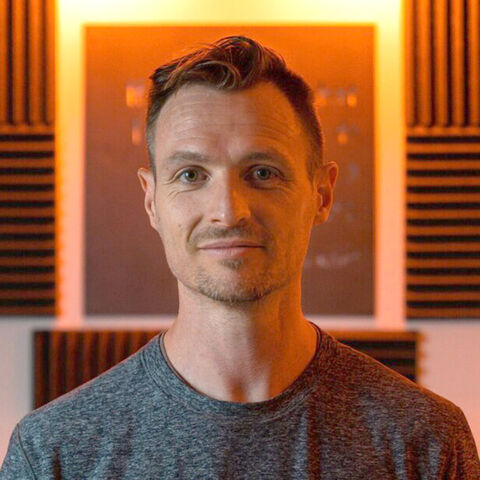
Hello there!
Welcome to another episode of Thought Architecture.
My name is Justin and I'll be taking you through a couple of ideas.
So if you enjoy this please give me a five-star review or better yet all of this is supposed to spark a conversation between people and enhance connections.
So please please please share it with a friend and start a conversation.
If not failing that,
Five-star review would be amazing but you know no stress no fuss.
I'm making these as a legacy to continue on for you know people who know me,
I don't know children who know me,
Things like that that were like what's Uncle Justin all about?
Well you know they're here they have an audio legacy waiting for them.
So you know give me a five-star review,
Don't share it with a friend,
Don't.
That's all okay.
Just be you know be true to you.
So all right so in this episode we're going into this idea all right and I'm going to start it with a simple idea of energy conservation.
The human meat,
The human machine is pretty much designed to try and save energy everywhere.
Everywhere,
I mean everywhere.
So I'm going to talk about a few different areas.
One of them is easy it's learning new things.
Learning new things is tough because you have to invest a lot of time and energy into putting and practicing this new thing in your head in your body.
So the the idea of like the amount of energy you have to spend to be able to acquire new skills,
Learn new information it's incredible and your body fights it all the time.
Another good example of this energy conservation for convenience is the simple idea of you know laying on your couch watching Netflix rather than working out.
It's a lot easier to do this and a lot of parts of your body actually say yeah let's do that that sounds you know take a day off no no no no and you get this internal dialogue which actually tells you to conserve your energy you know for convenience sake.
And so the more that we can get around convenience like oh it's very inconvenient for me to work out that Jim's so far away and you know like you start to build up this list of all the energy that you have to spend in order to achieve this goal.
So convenience tends to be the killer right.
Think about people cooking their own food versus just ordering takeout.
Even though they know it's more expensive it's worse for them they will still do this.
There is a concept of responsibility that will tie to this and we'll talk about it a little bit later as well.
But suffice it to say idea number one is convenience and so a good another good example of this is there's something called the central governor theory okay and it's it's basically a theory that that explains you know endurance activities like you know running a marathon or something similar to that and how the body tries to conserve energy especially if you imagine you take somebody who doesn't really run as an activity or a pastime and you get them to run a marathon what will their brain say to them all the different ways that their body will try to tell them not to keep running oh but you're so you're tired you can't do it you're out of breath etc.
You know there's a lot of things that happen in the internal dialogue which try and get the person and discourage the person from continuing running.
Why?
Why?
Well it's very simple it's in the organism's best interest the actual meat that you have does not trust your brain to make the right decisions and vice versa your brain usually expects the body to go along with it but that doesn't actually happen does it so it's about teaching your body that it's fine your body has very simple jobs keep you alive and energy conservation is about that but you need to teach your body these things so the central governor theory is to try and explain why do marathon runners have like their fastest times in the final mile of a marathon that doesn't make any sense they should be spent it should be the slowest or you know at least by a little bit the slowest mile of the marathon but actually what happens is because the end is in sight it's one of the things that the body's like all right cool let's just open up the floodgates of energy and just go go go go go and that's what the theory is now there's also a simple idea within this which is this idea that the more that you know when the end is coming and so i know you know professor andrew humerman talks about this as well that part of the brain is trying to calculate like how much time how much energy etc do we need for things so one of the biggest things that you could do to try and battle this is just run with an undecided amount of time or distance ahead of you like you have no idea when you're going to stop but you just keep running and trying to push that and by doing this you kind of build up a tolerance to the the central governor theory trying to take control and trying to you know inconvenience you and your decisions but i i feel like this this is a very david goggins approach and i although i like his mentality about challenging yourself i don't like the idea about like doing it at the expense of the body and numbing out your connection with the body i think that your sensitivity and your connection with your body is a very very good thing to dial into but it's about managing that and for a lot of people it's actually a lot a lot to manage and you know if you're not doing it in stages and sequentially it can be quite difficult to do so you know on this first point i want you to think about areas in your life where you tend to for the sake of any energy conservation your body convinces you to not do something because it would cost too much energy or you fool yourself into getting the more convenient choice because it's actually got to do with energy conservation okay so that's the first one now part of this energy conservation as well it comes in with our groups okay and so how we relate to other people and one big part of this is this idea of responsibility okay responsibility now when i say responsibility i mean like you are the person who is making the decisions you are technically the leader of yourself so you can't you can't be the leader in every single situation there are some contexts where you are leaders in some contexts where you are not a leader and if you take full responsibility for yourself in every single facet of your life it is exhausting it is exhausting the energy conservation that um that happens will be zero and your body will scream at you so i want you to understand in in this way like we tend to give responsibility to certain choices to certain uh lifestyle design over we hand responsibility over to other people for example you go to a gym you are 100 responsible for your body in the gym yes this is true but the planning the training all of that the technique critique from a professional you give responsibility over to a personal trainer to plan your workouts to do these things because you have no idea what you're doing and so even though you take personal responsibility you don't know where to start so it's natural that for a period of time you need to put yourself into the shoes of someone who's learning okay so people always talk about this learner mindset approach something with a learner mindset i believe that that's one of four different mindsets that you need to have and so one of the concepts that i'll introduce is actually a very typical thing used in business which is called situational leadership and i'll put all the links you know down below and whatnot but situational leadership basically says there's four phases of leadership four phases and each one of them has a different amount of responsibility that the leader takes in the situation where it goes from like do what i tell you to do right shut up and do what i tell you to do to uh i'm going to explain to you and teach you and train you up to then um okay cool do it and then afterwards let's let's discuss it kind of like coaching and whatnot mentoring and then finally the last one is just delegation where they just go hands off and say all right come back to me in three months and show me what you've got and i would say that that's more of a mentor role whereas the previous one was more a coaching role so let's go through them again it's uh let's say you've got the four phases of a leader is going to be like the drill sergeant do what i tell you to do shut up and don't ask questions just go and that's very good for emergency situations and putting yourself as someone who can follow in emergency situations to follow a leader let's say okay so that's this idea of complete responsibility is given to this person you give all responsibility the second one is then the teacher the third one is then the coach the fourth one is then the mentor so even within the teacher realms you're still going to ask for explanations but there's a certain amount of responsibility that you're trusting this person to take you through these things in a scaffolded manner sequentially you know um item by item and then as a coach you know that you're both orientated around the same directions and destinations and then finally as a mentor where you know you're trusted to move away and come back and so there's this idea as a person going to the gym that i need to give full responsibility over to this person now i don't need to tell you that it's super important that before you do this that you vet the person you make decisions about what kind of personal trainers there are how many different types some good experiences and bad experiences with various personal trainers making sure that a personal trainer matches you and unfortunately it's a very inconvenient and energy spending thing to go and investigate these people that you are going to give your responsibility over to so some people just take the convenient choice and take the person who is cheapest or the person who can deal with them when they want to etc not necessarily the best one and then you know completely hand themselves over so there is this idea of responsibility and this is the second idea the first idea was convenience the second idea is responsibility and mentioning responsibility means that we need to talk about the people that we are giving responsibility over to so a good example of this as well is uh watched a tv program on netflix called dogs and it's fantastic and one woman was in the military she brought a dog over from iraq great fantastic story amazing and it actually followed her coming back from i think it was five years of service in iraq where she told where to sleep when to sleep when to eat what to eat what jobs to do and that's it so there isn't much personal responsibility in terms of choices of her daily life but when she comes back to society there's no one telling her what to eat when to eat where to sleep when to sleep what to do what her duties are the amount of sheer responsibility that she must assume for herself is incredible it is incredible and i i felt bad for her because no one there there is no kind of like you know weaning off of the military and and kind of like training or training wheels for responsibility for yourself it's very difficult it is very difficult and that is a chosen thing to go into now what about the the things that are not chosen so the joe rogan podcast in interviewed um she was the little girl who did the ted talk on escaping from north korea i think her name was uh yunmi kim um she she was saying that in north korea it was easy they told you what to wear what haircuts you know you do this do this don't do this don't do this and when she was eventually free and was in south korea you know she was in china as as pretty much like a bride at one point um but you know that's not freedom she she was free in south korea and she remembered how much energy she had to spend deciding what to have for breakfast and you know you can amount you can imagine that someone who has not automated this um these decisions and just made it part of their regular life and made this decision so many times that the body can make the decision without her that the sheer amount of energy spent was was exhausting and she said she was always sleeping because she didn't know how to make decisions so she kept having to think about all these decisions so you know whether they be dictators the military there's a lot of groups that basically assume religion for people or people give their uh sorry assume responsibility for people or people give their responsibility over to these groups religions is one of them as well because you know you're trusting someone with you know spiritual guidance and things like that but have you really vetted them well no usually it's based on belief so you don't vet someone on religion you're like well i believe in this and they believe in that so i'm gonna go there and then of course you know telling you what's right and wrong and things like that because it's a lot of responsibility to go and investigate everything absolutely everything the histories of it all of it cults typically take in people like this as well and so we come up to the idea of leadership as well and what a austrian psychologist fritz riddle called the infectiousness of the unconflicted person and there's a fantastic video by the youtube channel like stories of old about fight club how not to become a space monkey and it is incredible and so i'll attach it again below but the idea is that we as humans tend to give our responsibilities over to people who are unconflicted these charismatic leaders who show zero conflict you know they are they are basically what we want to rid ourselves of you know so if i have a stomach problem and it's got to do with my diet when someone with absolute confidence and certainty says to me oh yes i do this and i eat this and you know i've studied this and and they come across as someone who has a solution to my problem especially in an unconflicted manner i you know i am energetically my body is incentivized to just you know go for the convenient option this person knows what they're doing they're showing me with their charisma and their their confidence that they they know exactly what my solution is i'm going to give total responsibility over to this person and so it's called you know the infectiousness of the unconflicted person and that's typically what we do you know we we find the opposite usually in in in what we're trying to do so in terms of fight club all these these guys were looking for freedom in ways that they were not free tyler tyler durden you know brad pitt's character steps in he is unconflicted and they start listening to this person and guess what they become space monkeys they become you know a cog in a machine you know an individual snowflake no more and so handing over responsibility to charismatic leader uh charismatic leaders excuse me is a major issue and so unfortunately our bodies are incentivized to do that so people who are also in places of instability usually do this and here we come to point number three it's places of stability investment and instability so if people are destabilized if they're in a a state of instability they are more likely to hand over responsibility of themselves in various ways because it's just it's too much energy to think about to consider they've got so many problems already and so it does become an issue it does become an issue that they will hand over responsibility to someone else i don't know what to do fine you know let's do the most convenient option i don't know how to save all the dogs in the world let's just donate to a charity there we go and it's not about feeling better it's more about the allocation of responsibility okay so if a person is in a place of stability then they're more likely to go and investigate and take responsibility for their own investigation for their own solutions what do they think is better and this of course means that we need to build up certain skills like critical thinking skills etc and so investment investment is when you decide okay i i have enough stability that i don't need to conserve my energy i can actually invest my energy regularly in building up certain skills in building up certain opinions and ideas investing my energy in various things means that you are typically in a place of stability okay so the more we can stabilize people the less we'll find they just hand over responsibility to someone else and this draws back on the central theme of all of this which is the human need the human desire to simplify everything this is a big issue that i've got you know like people always say like oh you're overthinking things well no not necessarily there can be cyclical thinking you know circular thinking where you're not actually developing any thoughts but you're just repeating the same thought patterns again again again again again we want thought development we want a little bit of complexity but it tends not to be just well simplicity is bad and complexity is good or complexity is bad and simplicity is good we need just like in the previous podcast i mentioned the ability to be agile and to jump between these two options when it's appropriate for us for example when things are too complicated it's always great to zoom out and take a more simplified approach to it and just be like wait wait wait a minute we're getting very complicated what do we really want and when things are very simple it's very good to go into the details and take a look at like wait a minute why is this so simple what is actually going on here that's very very very important so we see this in so many different ways and what i'd highly recommend that everybody do is is take a little bit of time to just think i you know i think journaling takes a lot of energy usually so people journal when it's convenient for them but you know sitting and thinking right now like i'll give you you know a few seconds to just form a few thoughts but the the simple idea is where are you stable and where do you take responsibility for yourself and where do you assign responsibility to others where do you challenge let's say what the unconflicted leaders have to say about things a good one for me is fitness you know i know enough about fitness to know that i know very nothing you know very little and there's a lot of confident people you know on instagram and youtube telling me to exercise in these ways in these ways in these ways and me knowing enough to know that they're full of crap and being able to say well actually you know like those things that you said are bad they actually suit some people in certain places at certain times so i always look for the contextualized you know advice the qualified advice if you are this type of person who likes this then this is the thing for you but if you're this type of person and you prefer this maybe you should give this one a skip i like this type of contextualized recommendations like good reviews won't just say a movie is bad or good they will qualify and be like well if you're taking your niece for her sunday movie then this is a great movie but if you're expecting the next you know incredibles then this is perhaps not the movie for you so there's there's a lot to talk about with qualified as advice as well so i i like that oh there goes the message confident leaders can still be confident and be conflicted by just giving you contextualized advice that's all that you need to do you can still have confident leaders you're not looking for leaders who are like unsure of themselves that's not what i'm saying but leaders who are not afraid to contextualize things and leaders who are not afraid to actually show any weakness within themselves and say i'm not the best leader in this case but i'm a fantastic leader in this case and look at my experience i can evidence this and again we come back to this main idea your body doesn't trust you to run a marathon well prove it evidence it build up the experiences and the and the automaticity the process to to get your body used to this okay and it's the same thing with anything you know you're if you're coming out of the military and you're going into regular life it's the same thing it's about practicing experiencing showing your body you can do this until it becomes automatic same thing for being in places of stability and building up your skills automatic we want to make it automatic why by showing our bodies a particular track record we've done it a certain amount of times to a certain degree we can trust our ability it's not like we're being thrust into that but this my friends is for another time until that time i hope you've enjoyed yourselves this has been thought architecture i'm justin and like i said please leave me a five-star review if you're so called to do so and share it with a friend start a conversation around some of these ideas what do you think challenge me let me know let me know in the comments below and i love you lots i'll speak to you later i hope you have a fantastic week you