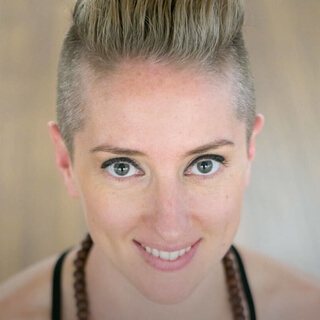
Welcome back to the Flow Artist podcast.
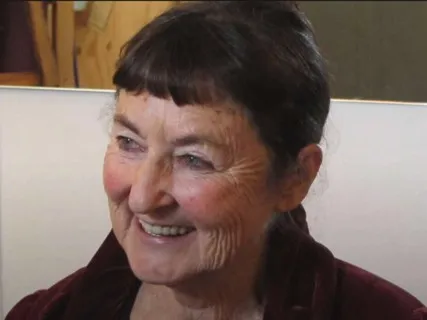
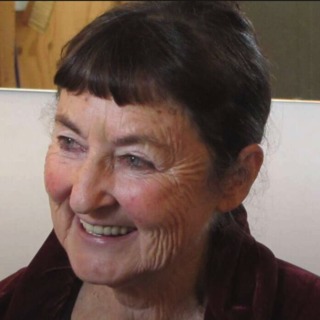
This is a continuation of our recording with Eugenie Knox,
And we pick up right where we left off.
What happened after the opening of her new Dance of Life studio on Smith Street?
We also talk about her disenchantment with some of the swamis and gurus she encountered,
And how she came about devoting herself to Ama.
We'll also talk about the upcoming Yoga Fest retreat on the beautiful Mornington Peninsula.
We briefly talk about how she came to writing and illustrating her memoirs,
And about living life to the beat of your own drum.
As always,
Stick around for the picks of the week.
Freya had slipped down the staircase,
Which is almost,
You know,
What sort of degree is that?
Steep!
On the little slippery shoes and lay on the ground in a tutu-y fluff.
And this gasp from the audience,
Because I was trying to say,
I was,
Advertising is going to be a place for children to come to,
Clowning,
Dance,
Etc.
Etc.
And the audience slowly,
We got the ambulance to come,
Carried her off,
No one knew what was wrong,
It ended up with broken wrist.
We thought it might be anything.
Yeah.
So,
That was the end of that opening.
You would have thought that would be the end of the whole thing,
Wouldn't you?
But not this muscle here,
Not this muscle.
This muscle here got into action,
And off we went with the Martha Graham classes,
With the classes,
The kids clowning Saturday morning,
Yoga,
I had other people coming to teach,
Some people I knew.
And the young,
Wonderful people that started to come along to classes,
There was,
You know,
Johannes and Vishal and Joe Windred,
The whole batch is still there,
We've still got,
There's still a community.
And I just feel that it was just grace from start to finish.
We'd meet,
They'd come every morning,
Monday to Friday,
For $20 a lot,
And do a two hour workout,
Then we'd have breakfast together,
Ginger tea and honey and banana on toast for tahini,
And everyone would tell their stories.
We'd unburden our souls,
You know,
You could have been a murderer,
And still been forgiven in that atmosphere,
You know what I mean?
Because we've all got the capacity to be anything,
And we have been,
You know.
We've all done everything,
And we're capable of it.
But here we were,
As a young group,
We were growing as one,
You know,
And it was just absolutely fantastic,
And $20,
You asked about the money side of things.
The reason I managed to survive,
Because I kept my house down at the farm.
I got a woman in who was a friend,
And she used to do rebirthing,
And so she rented that place,
We wrote out a thing together,
It wasn't legible,
For us it was,
That she would live there for a year while I started the studio here,
And we didn't pay both rents,
And I was Rainbow the Clown.
So Rainbow went out a couple of times a week,
And we'd earn $150 with the show.
Now these shows were very hard work,
Because I'd go to schools,
I firstly get the bookings,
I was good at that,
And I'd advertise and so on and so forth,
But the show would sort of sell itself in a way,
It was an hour long mime and dance performance magic.
And I would take the props,
I had a van,
Take the props to wherever the blinking place was,
Set up this backstage,
You know,
Black curtains,
You know,
Big hefty things,
So I could stick the sticks in,
You know,
Set up the whole thing.
So you built your own stage every time?
Yeah,
Every time.
And do this show,
Here the kids in the,
In the passage,
Were all excited,
In they'd come,
I could hold those kids in the palm of my hand,
I could hold them like you can't believe,
I just had a wonderful touch with kids,
And always have had,
Not so much these days,
Maybe kids for me now are more your age,
Because the little kids look at me now and they're not so sure,
You know,
But in the early days I used to teach them a lot,
You know,
For over 40 years I taught kids,
You know,
Clowning,
Dancing,
Acting,
You know,
Fun,
Fabulous stuff.
So that's how the Dance of Life Studio,
Yoga studio developed,
Through the teachings of Shandor,
And what I knew from my own experiences,
My own classes,
And you know,
From the city yoga days,
And it just developed.
Partially financed by Rainbow the Clown.
That's right,
And then when Rainbow,
Rainbow could gradually slowly,
I'll tell you why Rainbow stopped,
Because Rainbow had been around for 10 years.
I had a little room underneath the stairs at the studio,
You come in the first few flights of stairs,
And then there's a little room to your left with a door,
But no lock.
My props were in there,
My coat which had been,
With all the clown shows,
It was beautiful coated,
Had Rainbow on the back,
And frill,
And big puffy rainbow sleeve.
I had a hat that had,
You know,
Feathers and flowers,
And birds,
Everything in this hat,
You know,
Ostrich feathers,
And it had been with me all these years,
And my wig,
I had a wig,
And that was part of,
These were my,
I'd dress in front of the audience,
I'd start as an ordinary person and change into the clown in front of them.
So they're all there in that room,
And I'm upstairs,
I used to leave the front door open,
That's what it was like in those days.
So,
For some reason I heard a little sound,
And I went downstairs,
And I saw one of my props on the ground,
Like a flower,
Lying there,
And I just opened the door,
And my costume was gone.
Someone stole your rainbow costume.
Rainbow costume was gone,
That coat,
The hat,
And the wig.
And I had two shows the next day.
Oh,
What did I do?
I called the police,
Because,
You know,
Anyway,
It was a crazy thing for police to look for clowns.
And,
You know,
And,
Well anyway,
They couldn't find it,
Of course they couldn't find it,
But I thought I'm going to have to quickly create a new costume.
Which I did.
And it was inferior,
But it was alright.
It did the job.
It did the job,
But that was the fade out.
That was another turning point.
Yeah,
Exactly.
You've got to recognize them when they come.
Because they do come.
Yeah.
And so something that the beautiful Dance of Life community still connects back on,
From their spread out locations around Melbourne,
As well as the studio,
Is Yoga Fest.
So do you want to tell us a little bit about the beginnings of Yoga Fest?
Well,
I do,
Actually.
Because I haven't mentioned Amma.
No.
And after Baba Muktananda died in 1982,
I was actually in his ashram,
And it really hit me like terribly.
And I wept for him,
And I wept for my mother,
And I wept for all the death that I had ever known.
And came back to Melbourne,
And watched his,
A lot of the people that were involved,
His swamis,
A lot of Western swamis,
He made a lot of Western swamis,
Gradually left his,
What do you call it,
Organization,
I suppose,
Community.
They left and became married people and started having children.
And that was like,
These people,
I thought of them as sort of really high in some kind of place beyond,
They all wore orange,
And they're bald headed,
And they're giving great talks,
And they're swamis.
They've chosen another path.
That's what I thought.
But here they've come out,
And they're back in,
Walking around in ordinary shoes and clothes,
And becoming corporate consultants and things.
You know,
It was all my judgment.
Doesn't matter what they did,
But that's how it felt like I'd lost everything.
Again,
Another loss.
And so Ama came into my life eight years after Mukden Underdied,
Because she came to Australia.
But how it happened was,
One day I got a phone call,
And they asked me would I like to come,
A few people asked me if I'd like to come to meet somebody who was going to talk about an Indian saint,
A young Indian saint,
And whether we wanted her to come to Australia.
And I thought,
There's no way I'm going to get involved in this.
I've been involved in this siddhi yoga,
And I've watched these swamis disintegrate in front of my very eyes.
Why on earth would I want to get involved again with another guru from India?
So I thought,
No,
I'm not going to go,
But do you know what happened?
I went.
I remember walking up the path,
And I went in.
I didn't know if this was the last thing I was going to do.
How did this happen?
I'm seeing a pattern here.
You got that right,
Right?
Anyway,
So yes,
They're a group of people,
And they used to all be Baba people,
And now they're no longer there,
Because it all fell to pieces.
And there was a lovely woman there in a white sari,
A Western woman,
But she was an American.
I immediately got put off by that,
Because a lot of siddhi yoga had a lot of Americans,
And they were all really pushy and shovey.
And that seemed to be the general approach.
You know,
You Australians are less than,
We are better than you,
You know,
Push,
Shove.
And so I thought,
Oh,
I'm not an American here talking about this Indian saint,
But she turned out to be the most lovely woman.
Her name was Kusama.
Is Kusama,
Because she's still alive,
And that means flower.
And she gave a beautiful talk about this person called Amma.
And Amma means mother.
Even though she's a young woman,
She's called mother.
And because she's spiritually evolved,
And we're children,
Because all of us are children,
And she's mother.
And then Kusama showed us a video of Amma,
And she explained that Amma gives darshan,
Which is greeting and blessings,
But the way she does it is she hugs you.
And I remembered back to Muktananda with his peacock popping.
But Amma actually physically takes you onto her lap,
Like a genuine mother,
And she picks you up your face and looks into your face like your mother looks into the baby's face.
And so we agreed,
Yes,
We would like her to come to Australia.
And so that's how it began.
But also what we learned about Amma was that she literally doesn't sleep,
And she literally doesn't eat.
And she stays up until she's hugged everybody,
Right down to the last person,
Even if there's thousands of people.
It doesn't matter how long it takes.
It's like this is hard to digest as well.
So,
Yeah,
When I heard Amma actually arrived,
She was at a place in Hartwell,
Which is near Parran,
In a hallway.
But I realized there were two halls adjacent to each other,
A small one and a big one.
And the first program was in the small one,
And it was in the morning,
A morning thing.
And so I walked in.
I was with a friend,
Sort of a bit of a person who's not really into this sort of thing.
And we went along together,
And we go in,
And it's sort of a bit of a start because I was used to muktananda and the numbers.
Here was Amma sitting on an ordinary wooden chair,
Dressed in a white sari,
Hair in a bun,
And about 15 or 20 people I recognized,
Most of them from City Yoga,
And silence.
And Amma was hugging people,
Taking a long time with each one,
And sniffs and crying,
Little bits of crying.
No boo-hoo,
But little sort of sniffs.
That's all the only sound in the room.
And Amma would look at me.
My friend pushed me onto the – there was a little row of chairs at the back.
She made us sit on the chairs,
Which felt awful.
I wanted to sit down,
But this friend of mine had a strong – she sort of pushed me around a bit,
And I allowed that to happen because it was a good friendship.
So we sat on the chairs,
The two of us.
And Amma would look at us and give us the most radiant smile you've ever seen in your life.
And I began to feel scared that if I wouldn't have the guts to get down there and be greeted by her,
Because she would know all about me.
And I didn't want to be exposed.
So my friend nudged me and said,
Come on,
Let's go.
So we sort of got up and sort of sidled out.
And as we did,
Amma gave us the most beautiful smile,
And we walked out.
And my friend said,
Oh,
Well,
I'm not going there again.
And I said,
No.
But then I thought to myself,
After my yoga class tonight,
I'm going to go back because I didn't feel I did the right thing.
Went back again,
But it wasn't in the little hall.
It was in the big hall.
And there were big glass doors,
And I could see Amma and her swamis.
And there's about half a dozen of them sitting up there in orange.
And the hall's full.
And there's shoes out here in the passageway.
So I got such a shock.
It's so different.
Here's the morning session with a handful of people.
Here's the night session.
It's like massive.
I opened the doors,
And a blast of sound that came from the chanting.
It was like,
Whoa.
And I sort of,
I better sit down here at the back.
It's a tirade of sound,
Beautiful sound.
And Amma would sometimes call out to Krishna or laugh.
She'd laugh over the top of the singing.
She'd say,
Ah,
Ha,
Ha,
Ha,
Ha,
Ha.
You know,
Extraordinary,
Sort of piercing,
Frightening,
Wild sound.
And then,
Anyway,
Gradually the lights came down,
And they did the arati,
Which is the waving of the flame around the deity,
Which was Amma.
And then she got down off the stage,
Gets down onto a little chair at the front there,
And people start to go up.
So that's how I met Amma,
And I became one of her directors,
Ran her satsangs in my studio for many,
Many years.
So every Sunday there would be a chanting night and a meditation in Amma's name.
And Amma was on the wall,
And she still is.
And I was a director of Amma's for 20 years,
And that meant that,
You know,
I was very deeply involved.
Amma asked me to find the ashram in Carrom Downs.
It wasn't in Carrom Downs then,
But I found it,
And it's in Carrum Downs.
I lived there as a caretaker for six months until it got generating,
You know.
So I've been deeply involved.
But the yoga fest was the question.
Well,
Watching Amma,
Her whole philosophy,
Her teaching is service and love.
That's it.
Service,
And that is to all peoples,
And love.
And so when we got the ashram,
She said,
An ashram has to run on love and service.
And this is her demonstration.
She doesn't teach like getting up there and teaching.
She teaches,
By example,
This incredible capacity that she's got to love all.
It doesn't matter who it is and how terrible they are,
How wonderful they are,
How rich they are,
How poor they are.
In fact,
There's some footage of Amma with a leper in India a long time ago.
This is in the early days of Amma's process,
I suppose you can call it.
He's a leper.
They stink.
So the suck-girating paws stink,
And they're terribly contagious.
Amma,
Dressed as Krishna,
Because she would manifest as Krishna twice a week and she would call it Krishna bhava,
Which is in the mood of Krishna.
And she would become Krishna.
And so there's this footage of Amma actually licking this leper's sores,
And she cured him.
I saw him a number of years later.
Pop marks all over his body,
But he's alive and well.
And so Amma was impressive to me.
I'd never seen anybody ever serve in the way that Amma does.
And what she's created from her charitable works is extraordinary.
Apart from the fact that she will be hugging somebody right now,
Somewhere in the world,
She's hugged more than 24 million people.
She will be doing that right through to the end of her life.
And you ask yourself,
Well,
How and why does she bother?
How could she be bothered?
Like,
How many people could I hug?
And why do people flock to Amma?
Why don't they flock to me or to you?
Why don't they flock like that?
What is it that she's got?
Wherever she goes,
There's a flock,
Massive flock.
And she said many years ago,
One day you will not be able to get anywhere near Amma.
She always speaks in the third person,
Because she doesn't want to use the word me or I or,
You know,
Because there'll be too many people.
Sure enough,
Amma now is that big on the stage,
Tiny,
An inch high,
Because that's how far away you can get.
But she will still hug you.
She'll still keep hugging until she's at the end of the line.
Yeah,
Yeah,
Yeah.
I have seen Amma hug 50,
000 people.
And they've stood there,
Those people have stood there,
And they've got their babies,
Their children.
This is in India,
Of course.
Unbelievable devotion.
Amma could never let those people down.
So anyway,
This brings me to what I decided to do.
When there was the tsunami,
Was it 2002,
I think,
When it ricocheted around the Indian coast.
And anyway,
I thought,
We should,
We,
We as a group,
Should do something to donate.
Why can't we donate?
Look at us,
We're wealthy.
We've got everything.
We've got roofs,
We've got floors,
We've got walls,
We've got stoves,
Food,
Kitchens,
We've got money,
We've got friends,
Family,
We have cars,
We've got shops,
We've got everything.
And yet we think we've got virtually nothing.
We think we're,
You know,
We're riddled with too much.
And so I just decided,
Raise funds.
Now,
Up until then,
I had a house in summers.
It's all to do with Amma,
She got us to summers.
How did she get us to summers?
Well,
When she started coming to Australia,
One year she said,
I'd like to hold a retreat in Melbourne.
We didn't know how many people we could get.
So someone said,
Oh,
There's a couple of camps down in summers.
We could go down there and have a look.
There's two adjacent to each other.
Maybe we could get them,
You know,
Get them.
And maybe,
We don't know,
We could have 500 or 10,
000.
We've got no idea,
But Amma's new here.
So we went down and we found the,
Found the halls and the camps.
Yeah.
And amazingly enough,
Well,
Not amazingly enough,
Because Amma wanted them.
Both of them were free at the same time,
Which is,
You know.
Things just work out that way.
So we booked them.
And through Amma,
We now run the camp,
The Lord's Summers camp,
Which is where Amma was.
You see,
Amma has what she calls,
She makes a sun caliper.
Which is a resolve.
So any thoughts you'll have will manifest.
So obviously she wanted that to happen.
And,
But it was a long time in coming,
Of course,
Because seeds don't happen straight off.
And so I had this house.
I found the house because of Amma.
I looked around summers.
I found a house.
I found a place for my daughters.
Both my daughters got houses there.
I live just close by.
And,
You know,
It's a heaven.
It's a heaven on earth really.
And,
But because of the tsunami,
Well,
I was running,
I was running in my house retreats quite frequently.
And I had Vishal helping me.
And one day I said to him,
Hey Vishal,
Why don't we hire Lord's Summers camp?
Because I'm getting about 20 people coming to my house for these retreats.
And they happen,
They're great.
And I donate that money also.
He said,
Oh,
We'll never get the people.
Cause you've got to have a minimum of 90 people.
And I said,
Well,
I maybe not,
But shall we give it a go?
So away I went,
I booked it,
Got the 90 people.
And that was back in 2005.
And we're just about on the brink of doing our 20th one in this cup weekend,
November.
We started off with one a year until 2010.
And then we did two a year from there on in.
I think that's how it worked.
So this is number 20.
That's exciting.
And the money we raise,
We donate it entirely to Amma.
And in the days gone by,
We would send it to India,
But she said,
I don't need the money in India.
I want the money to stay here in Australia.
And so that the money we raise,
We've donated to the ashram because they are going to build a big kitchen.
So that it can feed thousands of people that are going to Amma says thousands will come.
So they need to feed them because Amma knows that food is the way to go.
You've got to have food.
Yeah.
Food first.
Body before spirituality.
And so that's how it happened.
And never looked back and never regretted it.
It's wonderful.
It is getting increasingly difficult because as the wonderful young yogis were unattached,
Didn't have kids,
Didn't really have jobs are all now sort of proficient in their own lives.
It's 20 years,
You know?
Well,
I don't know how many years.
It's a lot of years anyway.
And so it's harder to get them to be able to commit.
And so there's less and less help with the organizational side of it,
Which lands on my shoulders.
And I'm getting older and I'm finding that is becoming difficult.
I love the teaching.
Just if I could walk in and teach a class,
Bliss.
But it's this pre stuff that's getting me down.
But I just have to keep remembering Amma and thinking how can she keep on going with that,
You know,
With those hugs.
And funnily enough,
Today is her,
Not really her birthday,
But it's the date her birthday is being celebrated globally.
Oh,
It's Amma day.
Yes.
Yes.
Because her birthday is on the 27th of September,
But it's being held today.
Yep.
So there you go.
Excellent.
So if people haven't been to a yoga fest before,
Do you want to give us a little rundown about how it all unfolds?
Oh,
Yeah.
Oh,
Yeah.
Well,
The two have a difference.
Like the middle of the year is June.
That's the Queen's birthday.
We run one yoga fest and we call that the winter one.
So the winter one is supposed to have a more of an internalizing kind of aspect to it.
And after the cup weekend,
Which is Melbourne Cup weekend,
Is more of a celebratory kind of time.
The weather changes hopefully.
And,
You know,
We're right at the sea too.
You know,
Lord Summer's Camp is sitting on the edge of the ocean,
The beach,
Not the ocean.
It's the western port bay.
Beautiful.
And so the cup weekend has a performance night on the Saturday night where you,
Joe,
Came out with your hula hoops.
And you did the most marvelous thing.
Do you still have your hula hoops?
Of course.
I'm doing a show this year.
I haven't choreographed it yet,
But it's happening.
That was so splendid.
Oh,
Thank you.
Yeah,
Yeah.
Very good.
And I always end up as a clown.
The last clown I did,
I was called Tipse,
Tipse me,
Tipse your number.
And he was a bit of a sort of a,
You know.
One of those shifty swans.
Yeah,
He's a shifty old fella he was.
I don't know what's going to happen this time,
But my daughter,
Jasmine,
Had a performance once with her ferrets.
But anyway,
So we always perform.
That's the Saturday night on the cup weekend.
And the performance night is for everyone.
So anyone who wants to come and sing a song.
Well,
Exactly.
Like,
Ron,
You're going to do a show,
I hope.
Am I?
Oh.
Apparently so.
I'd better get to work on that one.
Well,
You know,
You'd be surprised at the hidden talents in people.
And,
You know,
It's squashed out of us by the world and by everything.
From childhood,
From babyhood.
You know,
You can't sing or you can't paint or you can't do this,
You can't do that.
So we try and encourage the creativity.
Come on out,
Be yourself,
You know,
Be the star you really know you're going to be.
And it doesn't matter if it falls flat in its face,
Nobody cares.
But it's usually quite a good calibre,
Isn't it?
And it's also,
It's such a warm,
Supportive audience,
People really blossom.
It's like a really nice energy,
Like all the meals are eaten together.
And you can just go and put your plated food down next to anyone and start a conversation.
Absolutely.
It's a very,
Very loving atmosphere.
It really is.
And comprehensive.
And I put that down to Amma's Energy because the very first thing that happens,
There's an altar set up there with Amma smiling from the altar down on all the people.
And all the cooks are from Amma's Ashram and they're Indian.
And they make the most marvellous,
Beautiful food,
Vegan,
Vegetarian food.
And they come out smiling with that three times a day.
And,
You know,
They cook it with love and everyone feels it and knows it.
And so the meals are very important.
The accommodation is simple,
Very clean,
Ashramic style really.
But very nice heating,
All the rooms are heated.
You know,
There's plenty of toilets and bathrooms and so on.
Everything's really updated.
Yeah,
Really practical.
But it's a dinky place because it used to be a place for people,
Refugees,
To stay in early days.
Right.
And that whole piece of land was donated to Lord Summers and Lady Summers.
They were sent over by the king from England to bring the wealthy and the poor together,
Youth,
From the city and have a camp where they work together.
Their boundaries are kind of broken down.
That's right.
And so this is how it was built.
And it was all donated from the camp next door,
Which is the education camp.
And so,
Oh no,
Sorry,
Got it wrong.
It was,
There's a place called Coolart just up the road and they donated the land to Lord Summers.
And so it'll never be built on.
And it's right there on the water.
And it's got this bushland and you've got the koalas and you've got the dolphins out there in the water.
You know,
People swim with the dolphins.
So the yoga,
What happens?
We've got the Swami here this time.
One of them is,
Well he's a brahmachari really,
Which is the step below becoming a fully fledged bird.
Free Swami.
He is a Swami without being called a Swami.
And his name is Shradhamritha Chaitanya and we call him Shradham.
And he's going to be present for the whole of the retreat and give talks,
Meditation,
Classes,
And be there for people to talk to and relate to.
And we've got really good senior teachers.
Many teachers who have been around for a long time who really have the depth of yoga.
Instead of this kind of just top level of speed and glitter.
It's more of a.
.
.
It's the deep alliance.
Yeah,
So that you know why you're doing the yoga.
You're not there for other people,
You're there for yourself.
You could be there,
You know,
You get a good quality teaching.
And so people arrive on the Friday night.
They're brought into the whole atmosphere.
There's an opening ceremony,
Gentle one,
In the morning up at five.
Early morning meditation.
Then you have your chai.
Then off you go to your class.
First yoga class and there's three levels.
This year we're doing for introductory people,
Vishal's taking that.
And that'll be really great for people who want to learn about the body and how to put it into place.
Then you've got Johanna's doing a general happy yoga session which will be nice for people who have done a fair bit of yoga.
And then we've got Michelle doing stronger type of more experiential yoga.
And she's a fabulous and dynamic person.
So that's the morning sessions.
And then we have breakfast,
Lunch or whatever you're going to call it.
It's a proper meal.
And then we go into workshops and there's all these sorts of you're doing.
What's one of your workshops?
I'm doing one which is yoga combined with Pilates stability movements.
Another one that me and Ryan are kind of presenting together because it's a topic that's really close to both our hearts is yoga for digestive ease.
Which will be a much more gentle practice.
I should come to that.
You should be honored.
You've got to be careful what we eat don't we?
Oh no,
All sounds,
Expressions of all sorts are welcome in that session.
And then I'm also doing a Yin and Maya fascial reliefs workshop where we're going to be using some balls.
And kind of just getting to know the landscapes of our own bodies and uncovering those tight areas that maybe we didn't even know that we had.
To be able to kind of work with that and gradually release some of that in the Yin postures where we're going to be staying in the poses for minutes at a time.
And finishing with the meditation at the end of that.
Wow,
You see this is just Joe.
Now there's 10 teachers and they're all as enthusiastic as Joe in their fields.
Including myself.
I'm going to put you behind a blindfold folks.
So you're going to enjoy that because the minute you get behind a blindfold you forget where you are.
You forget who you are supposed to be.
And you find out that you're somebody else entirely inside.
And so when you put your arm out for instance you don't know how far it's gone,
How high it is,
How low it is,
Etc.
It's fabulous.
Sounds great.
It is great.
I guess I'll be out,
I'll actually be helping out in the cafe.
Oh good.
Which I think is a fabulous addition to the.
.
.
It seems to be a bit of a social hub.
It is one of the lovely things about yoga.
You were saying how it's Amma's energy that sets up the warmth and the welcome.
But it's also your energy as well,
You Janie.
You really set that tone.
I suppose so.
And even though there are a lot of the deeper practices in that quiet space of meditation,
There is a really fun festival vibe as well.
Oh definitely.
It's not sober and sombre.
No,
It's taken away that sort of fake,
Flaky sort of way of supposedly to be if you're yogic.
It's been real.
Let's get real people.
Yeah.
Open up,
Throw open the windows,
Open the doors,
Empty the attic.
Yoga's for everyone.
Yeah,
Absolutely.
You can be old,
Young,
Doesn't matter.
One thing about a lot of the teachers that will be there is that they actually are some of the people that you taught all the ways back at the beginning of Dance of Life.
And one thing I've heard people say is that you've attracted this community of people around you that are a little bit perhaps left of the mainstream.
Oh definitely.
They're all old performers.
Yeah,
Right.
Like take Telford.
You know,
Performer,
Vishal performer,
Myself a performer,
Joe performer,
The other Joe.
Who else is there?
Yohannes,
He wasn't a performer.
But yeah,
No they're basically definitely left of center.
Oh you've got to be left of center,
I think.
Absolutely.
And there's actually a great quote I found in your book which I really resonate with.
It says,
I've managed my whole life to avoid fitting into the norm of society and have always lived outside of it doing my own thing in my own way.
Perhaps you'd like to talk about that.
Well that's right and what can you say,
I cannot bear to be one of the tribes.
Although I must say.
You found your own tribe.
Well said Joe.
But I did feel like one of the tribe this weekend when the Tigers won.
Like that's the Tigers of Honor as well.
Well I haven't been but couldn't help but get involved with the energy.
And it felt great to be one of the mass.
But you see I'd like to just wind back to when I was three or four and the sheep came past the gate and I was swinging on the little blue gate looking out into the street and I saw these bar lambs coming along.
In mass,
On mass and I ran out with them because I loved them.
And I got caught up in the middle of them on one of the herd.
And I'm getting crushed,
I could be crushed to death here but my head was just high on the top of the lambs.
And they're bobbing backs and I'm here walking,
Running along,
Being running and the lick,
Tick,
Tock,
Tick,
Tock of their feet.
And parents are looking,
People are looking,
The sheep herd's worried,
He's got his hook.
Anyway they get me out.
I didn't think it was scary and I loved it and I was one of the herd,
One of the mob.
That's funny isn't it?
So yeah I've become one of the yoga mob,
This is weird.
What do I think about that now?
Look I've never really worked for other people.
I've been self employed.
I've done my own thing.
I've been lucky to find houses that suit me at extraordinary,
Look an example is I found this beautiful house at the Collingwood Children's Hub Farm.
Before it was a farm.
When it was owned,
That whole complex,
You know the children's farm and the nunnery and everything was still a nunnery.
But they were just selling it and it had just actually been sold and so that house just became vacant and the nuns were just leaving.
And there were auctions selling off everything from there and I happened to get that place.
Now how that happened,
There you go miracle times.
I had a donkey,
I had two young teenage daughters,
Dogs and cats,
Needed a place.
Didn't have anywhere to go,
Coming from where I was,
Had to leave their house being sold.
And so how,
Ask the gods and the man,
The lovely man said to me,
How about $15?
And I knew the people that had lived there before would pay $30 for many years.
And I said $30 and $15 that makes $40.
I said that's,
I could pay $60.
He said no,
No,
$15.
So he charged me $15 for that place.
Wow.
And he said just fix it up in your own time and you know when you think you're ready you can pay more.
And it was $15 for a number of years and it went into the hands of Peter Smythe,
The agent.
And it went up eventually after 17 years on a week to week basis.
Because he said of course it will be a week to week basis,
You realise that.
I said it's okay because a voice said to me,
You'll have this house as long as you need it.
And so it was 17 years.
Wow.
And at the time my two daughters had gone through their first relationships.
I'd been able to go and start the studio in Smith Street.
Animals had lived and died,
You know,
The farm had begun,
You know,
It ended up $90 a week after all those years.
And when we emptied that house it was on the same day that my mother was killed.
Oh wow.
So it was the ending.
You know I'm really into dates,
Like I've noticed dates,
Have you?
No,
I'm really bad at keeping track of dates.
Oh wow.
We regularly forget our wedding anniversary.
I don't mean,
I like that,
Yeah.
Another extraordinary date.
My father said to me when I married James Wiggly,
The painter,
He took me aside because it was just in the registry office,
It was very,
You know.
He said,
You know,
This is the day your mother and I were married.
Now that's unusual.
And my mother dying and the house having to be left.
But also my daughter left to go to live in New York on that date as well.
So I couldn't help but notice this twangling of dates.
And the first of November is a very important date.
I got the Dance of Life studio in Smith Street on the first of the 11th,
I opened it on that day.
And then when we had to shift after however many years it was,
86 to 99,
13 years,
We opened up at the church where we are now,
Up there,
On the same date,
The first of the 11th.
Wow.
The yoga fests are always around that date,
First of the 11th,
Or close to it.
It's those dates.
I can't argue with them.
No.
I can't.
I won't.
Well you could but there wouldn't be any point.
Yes.
So you've written three memoirs about your amazing and fascinating life and also illustrated them.
Would you like to tell us a little bit about how that happened?
Yeah.
Well I got a computer.
When I was about 15 it was obvious I was a useless student at school.
Because I used to wag it and go and watch films instead like Audrey Hepburn in War and Peace because she looked like my mum.
And so what did I do?
I was eventually,
My father thought sensibly,
Send me off to learn typing in shorthand.
So off I went to the Stops Business College and I learned to type.
Thank God I learned to type.
Because I have used it.
I can type.
So when computers started to happen I got one.
I bought one off the television because they were advertising you can buy them.
So it eventually turned up and I started typing.
And it was so easy.
I could type and I decided,
Oh I'll just write down some of the things.
So I started writing the memories.
And I didn't write it as a book.
I wrote it because it was wonderful to write it.
And I just kept going and every time I wrote one of the chapters I'd do a drawing.
And I just did it for myself.
Like I've always just done things.
I've never planned things ever.
Except of course the Yoga Fest,
You have to have a certain plan don't you?
So that book was one.
And it ended at a certain point in 2002 or something like that.
And now it's 2017 so there's more story.
The story just keeps happening.
But I don't know if I'll bother.
But I just wrote it because I loved it.
And then when I heard about self-publishing,
This was ten years after I finished that book.
It sat doing nothing.
Ten years later I thought,
Maybe I could self-publish.
So I did.
I paid for it,
A couple of thousand to have it done.
But they said,
Oh we can't do it as one volume,
It's too big.
So can you do something about that?
So we ended up cutting it into three.
Just slicing it into three.
Sort of three compartments really,
20,
20 and 22 years.
And it worked out very well that way.
I didn't like the idea initially.
I thought no,
That's ruining it.
But I actually think it's good.
They thought it was a good idea and I think they were right.
And having read them,
They're fascinating to read.
And it does seem very naturally like three different chapters.
Yeah,
It does,
Doesn't it?
Yeah,
Exactly.
Well I suppose you know,
Childhood and sort of teenage,
Sort of up to your 20s is really one era.
Then you go into your sort of householder thing,
Don't you,
For say 20 years?
That's when you sort of get into relationships,
Homes,
Houses,
Families and work.
And then you've got the next,
You know in India they have that.
They have,
I think they have,
Is it four or three?
There's the childhood,
That's one.
The student,
That's two.
Three is the householder and four is the forest dweller.
So that's basically where I am.
So who knows whether I'm going to walk off the edge into a sort of another dimension.
Because I'll be 76 in January.
I've got to ask myself this.
Do I want to keep going as I have done?
Because I'm a driven person.
Like if I have a jigsaw puzzle,
I'm going to have to finish it.
You know,
If there's something to be done,
If that wall needs painted,
It has to be done.
I can't bear unfinished business.
And I want to be ready too,
You know,
When the time comes for me to leap off the edge,
To be ready.
I don't want any unfinished business.
I like to be on time if I make an appointment with somebody.
I can't bear to be,
I like to finish my classes on time,
You know,
Start them on time.
I like time because it's a,
We have to respect it.
You know,
We all have to live by it.
So might as well respect it and use it because it's actually moments,
Isn't it?
Time is moments.
It comes back down to now.
You know,
Now is the only real time.
And the rest of it,
Well,
You have to bow to it.
And so,
What was the question?
Yours is an open-ended question.
But I do have another question about your books.
It must be an interesting experience meeting someone for the first time when they already know your life story.
Well,
I don't know anybody like that.
Because all the people that have read my story that I know of know me.
Ah,
Yeah.
So you come first and then they read the books.
Yeah,
Yeah,
Yeah.
Because I haven't tried to sell them.
You're on Amazon though,
I think.
Yeah,
I'm on Amazon.
You can get my books anywhere.
You just have to type my name in,
You'll get me.
But I never get any royalties.
I think I've from,
I've written a few books,
Not just those books.
I've written one on Henry Mars.
I've written a couple of other ones that also I've self-published.
Don't get any royalties.
Maybe 50 bucks total.
I don't care.
I didn't do it,
Again,
For money.
Not at all.
I paid to produce these books.
I buy them and sell them at the price I buy them for.
But I don't do it anymore.
Forget it.
People want them,
They can go online.
Yeah,
Exactly.
So it seems very much about your creative expression.
Yes.
How does that express itself these days?
What is your practice about these days?
Well,
I was thinking about this because I thought you'd ask me about my own practice.
And I thought,
Well,
What's it like?
Because I was on my head this morning while I was thinking.
It's a good place to think.
You know,
Get those old rattle bones happening.
I was thinking it's like cheese or wine or fruit.
It goes through a process.
You know,
The fruit begins,
Well,
Let's say after the bud sip thing and then the flower.
It becomes a baby fruit.
And then it has to slowly,
Slowly become a big fruit.
Then it's got to become a ripe fruit.
And then it has to fall.
So it goes through all of those processes.
And I'm also going through those processes with my yoga practice.
Like I was a new fruit and Valda's telling me I've got a huge ego.
You know,
And I'm a princess yoga because I can do everything with my body.
Then I'm gradually expanding my understanding,
The development Muktananda's influence,
The teaching of the meditation,
And Amma's example.
And what it is.
And all of these things are making the fruit riper.
So that my practice really is seeing everyone as equal.
And that's people in the street.
I smile.
As Amma says,
What does it cost to smile?
You know,
It's free and it makes a difference.
And so I love everybody really.
Mind you,
I don't like anybody as well.
You know,
But on another level I love them all.
You know what I mean?
So you see the people in the street,
You smile.
And you usually find,
You don't have to think,
Am I going to smile?
You just smile because they're there.
And it's absolutely great.
And so my practice is I do a little bit of yoga,
But not like the dung ho stuff I used to do.
I don't need to.
My body can do it.
I mean,
I don't teach what I can't do.
If I can't do a headstand,
For instance,
I'm not going to teach it.
If I can't do a back bend,
Uddhva Dhanurasana,
I'm not going to teach it.
If I can't do full unbalance or an elbow,
You know,
If I can't do Paschimottanasana forward bend,
Then I can't teach it.
So I have to keep myself up to speed so I can do it as best or better than anyone else in the room.
So on my own,
I'll do a head,
A shoulder,
And a forward bend.
That's pretty well it.
I'm pretty happy with that.
That's your practice?
Pretty well.
And I'm trying to understand life and the pain and horror and the terror and all those things that are going on there and knowing that we're affected while those people are suffering there on another part of the planet.
We are also responsible.
And so somehow,
Well,
You know,
Don't eat meat,
For instance.
That's a big one for me.
I can't,
But I won't try and stop other people because you can't.
I can only not do it myself.
I want my conscience to be clear.
And I don't care about other people.
I just don't know how they can do it,
But,
You know,
That's their business.
My business is not to do it.
And that's the same with everything.
So try and keep my plate clean.
And I don't mean my plate in front of me.
I mean my path.
Excellent.
Yeah.
I remember,
I think it was the last Yoga Fest,
You said something along the lines to me that you're not so interested in traveling to exotic locations.
Oh,
I'm never going again.
It's over.
And that you just prefer to just drop in to your own space.
Perhaps you'd like to talk about that.
Yeah,
I'd like to because I'm really absolutely shocked at the people traveling around the world,
Footless and fancy-free,
Without any understanding of who they are and why they're going.
People like,
If you win money,
What are you going to do with the money you win?
I think I'll go on a holiday.
From what?
To begin with.
And to where?
You know,
What about internally?
Why not find out something about ourselves?
Find that inner peace within,
Which is there for the taking and it's free.
And it's easy to get to.
You just have to stop.
And people can't stop.
They're moving,
Moving,
Moving.
Like I went to Venice back in 1979.
And the amount of tourism there was terrifying.
And that was then.
And now it's probably triple,
Double,
Quadruple.
And it's everywhere.
It's everywhere people are traveling the world looking at other people.
Oral churches.
Why?
This is a disease.
It's a disease.
And the flights,
They're coming and they're going and they're coming.
They're landing every five seconds.
They're landing.
They're landing on every airport you'd like.
And they're going and they're coming and it's costing money.
The money that it takes to fly somewhere could feed a community for months.
You know,
And what it's doing to the environment,
The amount of pollution that's coming out of those planes,
Killing the earth here.
It's just,
It's crazy.
It's crazy.
And I feel really,
As you can tell,
Very passionate about this.
And,
But I do understand that travel has been a good thing for me.
I'm glad I've done it.
But I'm never ever entering an airport again.
And certainly never getting on a plane again.
No,
That's it.
Over.
Do you think sometimes people need to look beyond their little bubble and outside of themselves to have that perspective?
But do they see outside the bubble?
Well,
That's the question.
Do they just take their bubble with them when they go overseas?
That's right.
The bubble goes.
If they could pick the bubble and actually absorb the community.
Well,
That's another thing.
But can they?
And there's so many now.
There's so many people.
Now,
Take Venice.
I've heard recently that there's no Venetians living in Venice.
They can't afford it.
Probably,
But all the shops are now tourist shops run by people who are not Venetians.
See what I mean?
And that's not just there.
That's one pinpoint.
So it's a crazy thing.
Well,
It's a globalization.
I suppose it's a beginning of a transition to something.
And I suppose that's what's happening.
Maybe when you blow out so far,
There's only one way to go and that's back in.
But how much damage do we do on the way?
And there's so little education.
Nobody really understands anything.
And you go through the school process and university process.
So what?
What have you learned about real things?
About how to breathe?
How to eat?
How to think?
All of these things matter and it's not happening.
So I guess that leads to another question.
So people who,
Especially yoga teachers,
Who have a taste that there is something beyond that kind of first layer of knowledge.
How do you go deeper?
Have you got any advice for any teachers who want to continue that journey and not just take a package trip to India?
Or do you know?
That's a very hard question to answer,
Isn't it?
I have no idea really.
All I can say is it's experience,
Isn't it?
Being open to experiences.
I just think just to grow yourself.
We have to keep being who we are and keep on exploring because there's so much.
There's been so much.
There's so much beautiful.
Like the yoga is Indian.
It comes from India.
It's root.
It is the tree of life is that root and it's in India.
And the branches are so magnificent and they have so much knowledge.
And if you can get in somehow into the connection with that and try and develop that.
Really it's a hard question because I'm not there anymore.
I'm not a young teacher.
I don't know.
I know there's a lot of young teachers out there.
There's hundreds and hundreds of them and they go through the learning.
They're taught how to take things from the Bhagavad Gita to read to their classes.
You know the truth of Joona and Krishna.
But does that mean anything?
Do they know Krishna actually was a real human being?
You know there's this sort of stuff.
And then who's Kali and what is Kali?
What does Kali represent?
And you know all of those depths.
But does a new teacher have to know that?
I don't really know whether they have to know all that.
I'm just grateful I have.
You know?
And I guess it's not like you can know everything.
It's a lifetime practice and learning.
Yeah,
Yeah,
Yeah,
Yeah.
And there's some marvelous teachers out there.
But like you know take Yogananda.
Beautiful Yogananda who came to the West in the,
When was it,
The 1920s I think.
He was the first yogi to come.
And he was in America and he spoke about the truth.
He had standing ovations from these brains,
The people who were in that audience.
They were the elite really of intelligentsia in all departments.
And they just stood and you know stood for him.
And here he is,
Hair hanging down to his shoulders,
Wearing a robe.
Simple,
Beautiful,
Truthful.
Just like that.
Humble on top.
Big humble.
And this is the other thing about the yogis.
They're humble.
A real yogi is humble.
I've always noticed this with Amma and her yogi,
Her swamis.
They're humble.
It's quite shocking how humble they are.
And it's not fake.
It's genuine.
And it's quite interesting the way they are.
And particularly Amma of course.
So I can't really sort of add to that with the young yoga people,
The young teachers.
Yeah.
I think that was a great answer though.
Was it?
Yeah absolutely.
Humility.
We always finish our yoga classes with the prayerful mantra for peace.
Shall I do that?
Beautiful.
Will you do it with me?
Sure.
It means may all beings everywhere be peaceful and happy.
And it's an ancient Sanskrit prayer.
And we chant this at our classes at the end of the class.
And we always bring the hands into prayer position.
And we feel and think that thought.
And Amma says that a prayer isn't a weak thing at all.
Because the power of thought is more powerful than anything really.
So let's feel this prayer as we chant it.
All right.
All right.
So now it's time for our picks of the week.
And mine is the book Mastering the Core Teachings of the Buddha by Daniel Ingram.
And that is a really good sort of,
I wouldn't say introduction because it gets pretty deep.
But it's about insight meditation.
And there's a lot of techniques in there and levels of concentration that are well beyond me.
But it is a really interesting,
I guess,
Insight on what might be down the line for people really wanting to dig into their meditation practice.
And he also has a few sort of contentious things to say about Buddhism.
So it makes for a great read.
So how about you,
Jo?
Well,
My pick of the week is in those random three or two hour blocks of time that I often have in my day between teaching yoga classes.
I've started going to the art gallery and it's a very uplifting way to spend my afternoon.
All weather,
You can just drop your heavy bag of sound system and yoga props off at the cloakroom and that's fine there.
I went to the Hokusai exhibition just recently and that was amazing.
And there's just something about looking at beautiful art that puts me in a great state of mind for my afternoon's teaching.
It's nice to just absorb when the rest of your day is giving out.
And it's a much more fulfilling and productive thing to do for my state of mind than to sit on a cafe and look at my phone for three hours.
So that's my pick of the week.
Art gallery visits.
And mine,
I suppose,
Is a book on Isadora Duncan,
The great pioneer of creative,
Expressive dance.
She has a book called My Life and it's unedited.
It's as she wrote it and it's really great.
She was such a freedom fighter,
Had a tragic life in many ways.
But the writing takes you there.
It's probably 1920 where she stripped off the barrage of toe shoes and tutus and flowed.
She was all about flow.
And her whole methodology is the wave.
The wave in all life.
Everything is a wave.
So that's my pick of the week.
The book Isadora.
Thank you so much for joining us.
Thank you for having me.
Well,
I hope you enjoyed this conversation with you,
Janie,
As much as we enjoyed having it.
If you're in the Melbourne region or even further beyond,
You should definitely check out Yoga Fest.
It will be a great weekend.
I'll leave a link in the show notes.
As always,
If you've got any questions or suggestions,
Feel free to reach out to us at podcast.
Flowartist.
Com or email us at podcast at flow artist dot com.
You can reach out to us on Facebook or Twitter.
If you did enjoy this podcast and you'd like to hear more,
Please consider leaving us a review or rating on iTunes to help us get the word out.
The theme song in this podcast is Baby Robots by Ghost Soul and is used with permission.
Check out his music from ghost soul dot band camp dot com.
Thanks again.
Big,
Big love.