This is a 15-minute learning-to-breathe meditation.
You may have previous experience with mindfulness,
Or maybe none at all.
If you don't have any experience,
Don't worry.
We'll walk you through every step of the way.
And if you do have experience,
Know that this may be a little different than what you've done in the past.
What would it be like to meet this with some curiosity,
And see what this practice might be like?
Before you begin,
Know that your well-being is the most important thing.
Take care of yourself during this practice.
If you find there are some difficulties that show up,
Know that that is an expected part of mindfulness training.
See if you can work with the difficulties as they arise,
And not get overwhelmed.
If things do start to feel like a bit too much,
Or a bit surprising for you,
It's okay to change the posture of the body,
Open your eyes,
Or stop the meditation entirely.
Go do something else until you're ready to meet the moment again.
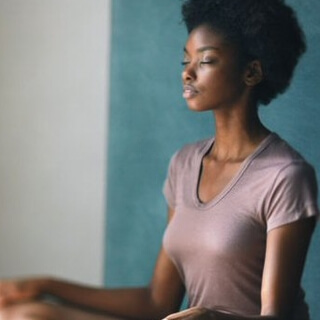
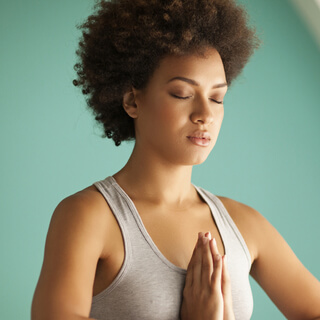
Begin by taking your meditation seat.
Physically,
You might be on a chair or a cushion,
And finding a posture of the body that supports wakefulness and comfort.
A little too much comfort may ease into sleepiness,
And a little too much awareness and wakefulness may lead to tension.
So find an appropriate balance for you.
If you're sitting in a chair,
You may want to consider scooching forward to the edge of your seat just a little bit,
Placing your feet on the floor,
Maybe even wiggling the toes for a few moments just to invite some sensation.
And then allow the toes to come to stillness.
Sitting up tall and straight,
Inviting the hands to come to stillness.
You can be on your legs,
Your lap,
Wherever they happen to land.
You don't need to hold them in any particular way,
But you can if you like.
The spine rising up out of the hips,
Head centered over the shoulders.
And if it's comfortable for you to allow the eyes to close,
You're welcome to do so.
And if you'd rather have the eyes open,
That's okay too.
Just a soft gaze.
Not having to analyze anything you see,
But just allowing the eyes to come to rest on whatever's before you.
That is taking your meditation seat with the body,
But also taking it with the heart and mind.
With the heart,
Welcoming a little kindness,
A little curiosity to this moment.
And with the mind,
Understanding that human minds wander.
That's an expected part of the practice.
When you do find that the mind has wandered off,
There's no need to give yourself a hard time about it.
Just come back to the practice.
Begin by taking a slow,
Deep breath all the way in.
Feel that fullness.
And then slowly exhale all the way out.
And then breathing in again,
Nice and slow,
All the way in.
Where do you feel it in the body?
And then let the breath go.
When you let the breath go,
It still happens on its own.
Noticing where you feel it.
Maybe a few different places in the body is where breathing is making itself known.
Little movement in the belly,
The chest,
The back.
Maybe a warmth,
A coolness up by the nose as you breathe in and out.
Take your time.
There's no rush.
Listen to the body and notice different places where breathing is showing up.
And if you find breathing is very subtle,
You can put a hand on your belly and literally get in touch with that subtle movement.
Breathing in and breathing out.
Not having to control or shape the breath,
But experiencing it as it happens on its own.
And you may notice that the mind wanders.
That it can be challenging to focus on breathing.
And that's okay.
That is an expected part of this,
That the mind will wander.
You notice a thought has come up that might have drawn attention away or perhaps an emotion or a sensation in the body has captured attention.
Just acknowledge that and bring attention back to the breath.
And feeling this one all the way through.
If mind wandering is particularly bothersome to you,
You might want to just focus on the very beginning of each in-breath.
Don't worry about the rest of the in-breath or the out-breath,
But do intend to really feel the beginning of each in-breath wherever you feel it most in your body.
And if you find you're able to experience that beginning of the in-breath,
What would it be like to extend that awareness through the entire in-breath?
May also be helpful to draw attention to a narrow spotlight.
Where do you feel the breath the most in the body?
Upper lip,
Belly?
And brighten that spot as breathing is happening with your attention.
Noticing a difference between experiencing the breath and thinking about experiencing the breath.
And noticing too,
Just a gentle check in with your heart.
How are you doing?
It may be that breathing is very comfortable,
Stabilizing,
Centering.
And not so for all of us.
You may find that it is difficult.
It is okay to choose a different home base for attention if breathing is an uncomfortable experience for you.
You can choose listening to sounds,
For example,
Or even silence.
It's not so much about the breath.
There's no magic about breathing.
It's about practicing your quality of attending and experiencing.
So you can choose a different home base for your attention if the breath is uncomfortable for you.
Listening,
Placing your attention in a different layer of your sense of touch.
Tips of your fingers or contact with the chair.
A good home base is one that is comfortable and supportive for you.
That welcomes you back when the mind has wandered and you need to come back and check in and be present.
Continuing with the practice for a few moments of silence on your own.
Focusing on that narrow spot as you breathe in,
Breathe out.
Or receiving sounds or some other sensory experience.
Whatever your home base happens to be,
Fill that with your presence.
Feel widely and deeply the experience of this moment.
Noticing when mind has wandered and welcoming yourself back.
Just come on back and refresh the experience of this breath all the way in,
All the way out.
With gentleness,
Curiosity,
Light playfulness,
And kindness.
What do you notice about this breath?
How does it feel?
Having space for some playful curiosity about the experience can energize the practice and help it be interesting throughout your time.
Landing again and again in this moment.
Breathing in and breathing out.
When it's comfortable for you,
If you'd like to open your eyes if you've had them closed.
Still being mindfully present,
Still being aware of experience.
This is not an ending of your mindfulness practice.
What is it like to maybe continue being gently aware of the breath or listening and still be present even when the formal meditation is finished?
And if you'd like to stretch the body a little bit,
Just move in a way that is comfortable for you and still be aware,
Still be aware of your home base.
Thank you and this concludes this meditation practice.