Episode 215,
Bonus edition,
Interview with Kristin McKeown.
I'm Amber Harper from the Burned In Teacher Podcast and a part of the Education Podcast Network just like the show you're listening to now.
Shows on the network are individually owned and opinions expressed may not reflect others.
Find other interesting education podcasts at edupodcastnetwork.
Com.
Educators is your passion tank running on empty?
Look no further.
Gretchen of Always a Lesson has a double dose of just what you need.
Come fill yourself up with an empowering educators podcast to start your day feeling empowered.
Welcome to the Always a Lesson Summer Interview Series.
I've asked some very special guests to bring their wisdom to you all throughout May,
June,
July,
And August.
Connecting you with other elite educators is one of my favorite parts of this job as a teacher leader and podcaster.
The insight that you are going to gain from these conversations is going to prepare you to hit the ground running during the back to school season,
But more importantly,
It is going to reignite your passion and your potential as an educator.
Are you ready to level up what you bring to the table and how you serve those you lead?
Then buckle up and let's go.
Today's special guest,
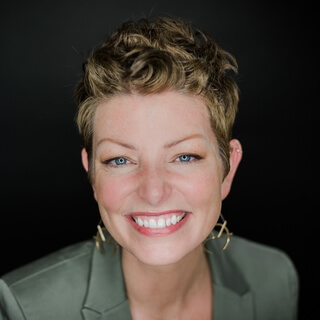
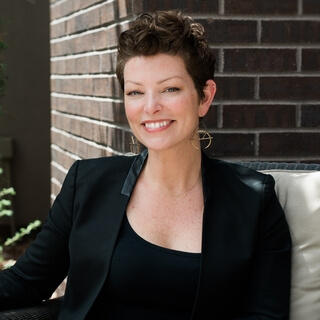
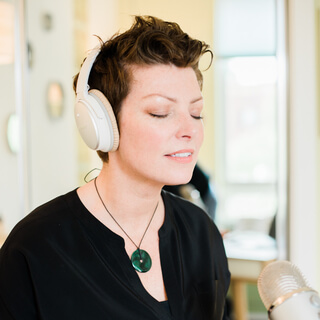
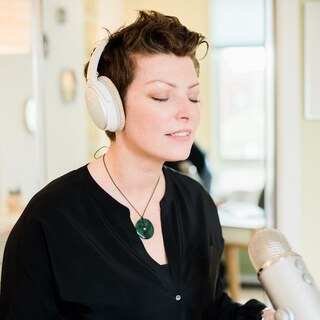
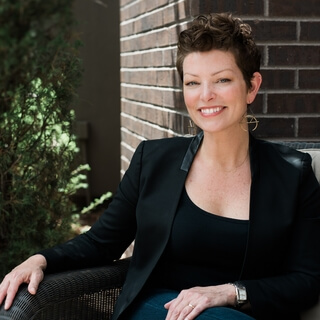
Kristin McKeown is a mindfulness teacher,
Educational consultant,
And a coach.
She helps educators integrate meditation and mindfulness into their daily lives so they can be at their best for their students,
Their colleagues,
And of course the families.
As founder and CEO of Teaching Balance,
Kristin integrates her experience as a meditation teacher with her 25 years in public education to offer straightforward strategies,
Humor,
And encouragement for teachers ready to prioritize their self-care.
So now that you know a little bit more about Kristin,
Let's dive into our conversation.
Well,
Hey,
Kristin,
Thanks so much for being a guest here on the Empowering Educators podcast.
Thank you,
Gretchen.
I'm excited to be here.
We've got elite educators that are tuning in from around the world.
They know your background and how amazing you are,
And they're just excited to hear your message today.
So I'm going to dive right into it if you're okay with that.
Yeah,
That sounds great.
Let's do it.
So explain to the listeners how our two paths have crossed.
Well,
I think we first connected on social media.
I saw you and the work that you were doing,
Which I feel is just so important.
We all just need that empowering message,
Everything relating to getting information,
Resources,
And also just all of the positivity regarding self-care.
And so I think I reached out to you and asked if there would be any way that we could collaborate,
And now here we are,
The podcast.
Yeah,
And I'm not going to give it away because I know through our discussion today,
You'll share more about your journey.
But it hit home because I know a lot of the folks listening struggle with what your area of expertise is.
So I am excited for you to just dive in real deep tonight.
Don't hold anything back.
Share every struggle,
Every win.
It's just going to be great.
Before we get there though,
Let's do this little time hop.
Can you walk us backwards where you started in education and what you're doing today?
Sure.
So I started as a public educator about 25 years ago.
I have always been in secondary.
I started out as a high school English teacher and I did that for 10 years.
Oh,
Bless you.
And then.
.
.
Sorry,
Go ahead.
Bless you.
That is a hard job.
You know,
I think it's so funny because I loved it and I love high school.
And I think that I've always had the experience that when you meet someone that's from a different level like for me,
Whether it's like elementary or middle,
There's just this kind of wonder and awe with those folks who do that work.
And I feel that way about middle school and especially elementary school.
And I think it's always so funny when people say that to me.
I'm like,
Oh,
It's the best.
Sorry,
There's two things that come to mind.
When you say high school,
I'm thinking,
Oh my God,
The hormones.
And then you say English and I'm thinking,
Oh my God,
The papers that you must have to grade.
Yeah.
And that honestly was the hardest part of it for me.
And it's something that I struggled with quite a bit.
And that being the first thing that I jumped right into,
It was definitely challenging.
And it was also at a time,
I mean,
This was a while ago where we didn't have PLCs and we weren't necessarily collaborating as actively as I think we're encouraged to and supported to do these days.
And so it was kind of hard,
But ultimately I think I figured it out,
Which is nice.
All right.
Sorry for interrupting you.
Go back to your story.
No.
So after about 10 years,
That's when I started my master's degree,
Which was an education master's in information learning technologies.
And while my master's that I was pursuing at the time was more about integrating technology into the classroom,
There was a parallel basically strand that was focused on library media background.
And I thought,
Oh,
Well,
You know,
Let me,
Maybe I'll just take the core classes of that program as my electives.
And you know,
10 years from now when I decide to leave the classroom,
I'll have this,
You know,
This other thing that I can,
That I can look into.
And so the two directors of those programs got together and were kind enough to create a course of study for me.
So I didn't have to take much extra.
So I was able to actually get certified to be a high school librarian and still get my master's,
You know,
Without going too crazy.
And so what's interesting is at that time it was right around,
At least where I am in the Denver Metro area,
We had a lot of librarians who were retiring.
And so because I was in this program and in my district,
People were hearing about it.
And so my name was passed along.
And so I was actually recruited to become,
Or to interview,
To be a librarian at a different high school in my district.
And so I wasn't even really intending to leave the classroom,
But because I was getting so excited about this new course of study and getting excited about that field,
It just made a lot of sense for me to transition into library.
And so I did that for about 15 years,
Two years at that school,
And then the remaining part of my career at the school that I finished my career at,
Which was Eagle Crest.
So yeah,
It's been a while,
A lot of interesting things.
Yeah.
I think they're related.
Like,
I don't think it's a total crazy change,
But I think your love of literacy is what carries throughout and you get to pass that on to kids being a librarian.
So that's beautiful.
In terms of either teaching or being a librarian,
What would you say is the best lesson you learned in one of those roles?
Oh gosh.
You know,
I really do think that because the way you interact with students is a little different as a librarian,
Because we don't have a group of kids that you get to really connect with and get to know over time,
But I get to know them over the course of their four years in high school.
And you know,
We definitely had those frequent flyers in our library that we got to know.
But even when you were working with a class,
And one of my favorite things,
Not surprisingly,
Was when we would do book talks and try to get students to find a book that really resonated with them that they could read for their sustained silent reading or outside reading types of things.
So what I really feel was so impactful was having this real deep acceptance and understanding of the student wherever they are.
And so for example,
From the library perspective,
A big part of that is,
Hey,
So how do you feel about reading?
You can just tell me.
If you don't like it,
That's absolutely okay.
And those are actually my favorite students to try to convert,
If you will,
Because the reluctant readers were the ones that if I could find that book,
I just loved being able to turn them on to reading for fun and showing them that there are so many books out there that they didn't even know about that are accessible and are going to engage them in a way that for whatever reason,
Reading hadn't prior.
And so that was the case also as a classroom teacher.
And I think that is something that was a skill that evolved over time.
I don't think it was necessarily something that was immediate when I was a newer teacher,
But it just comes through every time when you just accept the student,
Meet the student where they are,
Work with them,
And then just see where things lead after that.
Right.
Well,
You've had a chance to work in multiple grade levels and even in different schools and school districts.
And being a librarian,
You got to see a lot of different colleagues and teachers.
If you were to pinpoint a characteristic that said,
Wow,
That's a great teacher right there,
What would you say that is?
Wow.
I would say presence.
And what I mean by that is,
And I actually,
It's funny,
I've been doing a lot of writing and reflecting on the concept of presence lately.
So it's not surprising actually that that came up for me so quickly.
But what I mean by that is someone who is very much themselves in the classroom and of course outside of the classroom and is just fully there.
I mean,
It sounds obvious,
But like truly present in the sense that they're very aware,
They're very engaged.
But also I think it circles back to that same idea that we spoke about a moment ago where we talk about really feeling connected and accepting of and present with your students.
And so I really feel that that's something like when they talk about certain teachers being particularly charismatic or engaging.
I mean,
I don't,
While there are wonderful styles that can be very animated,
I don't think you have to be particularly animated as a teacher to be very engaging because it is very rooted in this idea of presence and just being fully there in a way where you're giving of yourself completely to whomever's in the room.
Your answer is really encouraging because it's not something someone has to sit in a course to learn or take years of practice.
It's an intentional choice they can make right now to change the trajectory of their students and even their own career.
So I think that's a poignant perspective.
Absolutely.
Well,
I appreciate that.
The image that's even coming to mind for me is we've all heard the value of at least certainly for a high school where there's multiple classes coming through and you only have so much time with them,
But greeting your students as they come into the room.
And of course,
I'm sure at the elementary level,
There's transitions to specials and lunch and all of that.
And just making that connection and having your students feel as though they are truly seen.
I mean,
How many of us go through our days,
Whether it's professionally or personally,
Where people aren't really engaging in that deeper way because we're thinking about the next thing we have to do or anything along those lines.
So yeah,
It's not so much that it's a learned skill,
As you said,
But it's something that does require effort,
I think,
And practice.
Yeah.
Well,
You're on the roll there with giving advice.
I want to push you a little more and say,
Let's speak to a specific teacher.
We've got an audience that's diverse.
We've got new teachers,
Some that are transitioning into different roles,
Some in distress,
Maybe they're losing their job,
And then teacher leaders.
So if you were to pick one of those to speak to right now,
Who would you speak to and what advice would you give them?
You know,
I think the people who come to mind for me initially,
As you ask that question,
Are teacher leaders because I think teacher leaders have the unique positioning of being people whether it's formally or informally,
Like there are teacher leaders in buildings where people just know this person is someone that you can go to,
Ask questions of,
That there's a trust,
But then there's the people who are in those roles in a more obvious way.
But they're so uniquely positioned because obviously they are in that position for a reason.
It's most likely the result of being extremely hardworking and being very successful,
Having all the qualities that we've even talked about,
Like presence and real connectivity with the students.
And with that role,
In some ways you could say there's also a little bit of extra pressure because those of us who have found ourselves in those roles know that now not only are you expected to be a wonderful teacher and connecting with your students,
But now you have your colleagues who are really tapping into your knowledge base and your experience.
And I think sometimes that can actually put a little extra pressure on us.
And while there's nothing wrong with feeling a level of accountability and responsibility,
I feel like we put a lot of pressure on ourselves as it is.
And so that's almost a little bit of a double edge there because while it's an honor to be put in that position,
It also requires even more vigilance,
I think,
On that person's part to make sure that they are not putting too much pressure on themselves and holding themselves to unrealistically high expectations.
Because that's when things can start to fall apart when it comes to our health and our wellness and that sort of thing.
So that to me,
I think those are the folks that I just want to give a gentle reminder to that it's wonderful that you're in that position,
But you can definitely also be gentle with yourself as much as you would to a first year teacher who is coming to you for help.
And speaking of teacher leaders,
Is there a teacher leader in your life?
Do you have a current mentor that you go to for advice or guidance or encouragement?
Well now that I've transitioned from being in school,
So now my full time passion is supporting my educators through my work with Teaching Balance and all of that that we'll talk about.
But now really,
I feel that when it comes to mentors,
The people that I'm turning to are people who are doing this work of mindfulness and self-care in that field.
So I would say my biggest mentor,
Someone who I'm personally connected to right now,
Is a woman named Rona Walensky who works with Passage Works,
Which is a nonprofit in the Boulder area that focuses on not only mindfulness and education,
But also is very involved in equity work and are doing some amazing things.
So I'm fortunate to have her as a mentor,
Which I really appreciate.
That's awesome.
Is there something that you do to just stay current in what's happening?
I know it sounds like you're connected to a lot of folks that's in your current passion area,
But what is it you turn to to learn the latest and greatest?
You know,
I would say it really is a matter of just staying connected on social media.
Obviously you and other people who are in that education podcasting circle.
It seems like when it comes to education specifically,
Most of the people who I'm following when it comes to staying current are on social media.
So I mean,
It's amazing really what is available and how different it is.
I can't not look back over the course of my career and think how much more difficult it was to hear about things in ways that we now have such a variety in so many places that we can go to.
And I just,
I really feel like I value that so much,
Which is great.
I do too,
Because you think social media is personal and it's just about friends or family or sharing your story,
But it's really the best place to learn and grow professionally.
So I am so glad that you brought that up and encourage folks to get out of your bubble of whatever is your current way to scroll through your social media platform of choice and reach out to somebody and,
You know,
Participate if it's Twitter and a Twitter chat or DM someone on Instagram or whatever,
Get into a group on Facebook,
Just find your tribe and learn from them and be willing to ask questions.
Absolutely.
Yeah.
And I think,
You know,
There's always that little bit of vulnerability that can be a little scary for people,
But that's the beauty of it.
I mean,
You can participate to whatever degree you feel comfortable and then stretch a little bit more outside of your comfort zone and maybe do something a little different and then stretch a little bit more.
I want to have a little fun for a second and give you a chance to reminisce on your best all star teacher moment.
Is there this moment in time where you just were like,
Yes,
That was great,
Whether it's something you did or something a kid said or a connection that you made that you're like that right there is something I'll cherish forever.
And I,
And I preface this by saying it's an opportunity for others listening to beg,
Borrow and steal,
Whatever this amazing thing is.
So definitely don't feel weird bragging on yourself.
Right,
Right.
Well,
I would say,
You know,
There's so many possibilities.
But the thing that's coming to mind for me as you're asking that question is in 2014,
My school library program,
We applied for a national award,
Which is very scary and a lot of work.
And and we did it anyway,
And you know,
In spite of me being aware of my inner critic and my imposter syndrome and thinking,
Who am I to and all of that.
But we did it anyway.
And we were we became finalists.
And when you become a finalist for this award,
You get a visitation from a like an evaluating committee of other library professionals,
Teacher librarians from various parts of the country that are part of AASL,
Which is the American Association of School Libraries.
And while that in and of itself was,
You know,
A wonderful thing that they came and we were able to talk about our program,
What we did,
And there really was no clear specification of how you should spend this day with them.
So what we did was we put a grouping,
A series of panels together.
And all of the panels had students on them and some had teachers and a parent and that's the thing.
But here's the cool part to answer to your question.
We had these panels,
We didn't really prompt the students or anybody else on the panels in any way,
But asked questions about the impact of the library,
The programming,
You know,
In various contexts.
And what happened was they answered the question.
And these students who we had no idea how they felt about our library,
The space,
The staff,
The programming,
Like all the things that we did.
And we had this unbelievably unique opportunity to hear our students say these things about what we were doing.
And it was so incredibly validating that I really had to,
You know,
Fight back tears on multiple circumstances over the course of that day because it was so moving that we were having such a profound impact on them.
And I think,
You know,
While lots of people who are listening might not necessarily find themselves in that very unique circumstance,
There are always those opportunities where a student will let you know what they,
You know,
What difference you've made for them.
And sometimes it's just in a comment,
Sometimes it's something that they actually write in a note,
And then sometimes you get these unusual opportunities like I had where it's declared in a much more public situation.
But that's something that even now as I'm thinking about it has always been useful and so valuable.
For years I kept a kudos file,
And I'm sure lots of other people do this too,
Where you get a thank you card from a student or whatever it might be and I just put it in the file.
And I had this file for 25 years building up and then I had sort of a new one and I kept those.
And when I left teaching at the end of last school year,
Over the final couple of months,
I would pull a couple of those every day.
And it,
You know,
Started out as students who I had as high school kids and I have since met their kids who are now in high school and who go to the school that I was at most recently.
And then it can also just be emails that I printed out and saved because one of my colleagues had a kind word.
And so long story short,
I think there's just something to be said for savoring any kind words and feedback that any of your students or colleagues can ever give to you.
Because you know,
We do sometimes feel like we're functioning in a vacuum and it's just really nice to have that as a reminder of,
In spite of how incredibly hard working,
You know,
We all need to be and what needs to go into this,
That we're doing great things,
Even though sometimes,
You know,
We're just leaving work exhausted and don't remember that we're having the impact that we are.
Absolutely.
And what I love about what you said about your students is twofold.
First,
You gave them an opportunity to have a voice.
And then second,
You allowed them to give you feedback.
And it was under like the most important opportunity ever,
Which is kind of scary.
But the fact that they really came through and gave you valuable recognition and feedback is just so powerful.
So if anyone's listening and you're nervous about asking students,
Kristen and I both say like,
Don't hold back.
It's the best thing you can do to improve your practice and just get a pulse check of how are things going and you know,
About the work we're doing here.
So I loved that story.
And also great advice about the kudos file.
Sometimes you need it.
But we've been waiting on Bated Breath to hear all about your current project that you're working on and its impact in our field.
So let's just go and tell us everything.
All right.
Well,
Right now,
What I'm working on pretty exclusively is my work on my business,
Which is called Teaching Balance.
And the premise behind Teaching Balance is that I support my colleagues in education in integrating meditation and mindfulness based self-care into their daily lives.
So the hope is that by learning some of these practices and mindsets that they will find that the work that they do can not only be something that they do well and continue to do well,
But that they have resilience and are going to be in this for longer.
Because of course,
As we know,
This is a very,
Very challenging and difficult profession and there can certainly be quite a bit of burnout and we really do need to prioritize our self-care,
Which is really my whole message.
Hey,
Y'all.
I just want to take a quick second to let you know support for this episode is brought to you by PowerSchool.
They know teachers go above and beyond for students,
But teachers need help too,
Especially as they're asked to do more every day.
And that's why PowerSchool,
Now with Schoology,
Combines SIS,
LMS,
And assessment technology,
Empowering teachers with more time for what really matters.
Visit www.
Powerschool.
Com slash time for teachers to find out how teachers are using technology to unlock student success.
PowerSchool,
Time for teachers.
I can't agree with you more about recognizing the difficulties of the job.
It doesn't mean that you can't hack it or that somehow you're not good enough.
I think you're human.
And as soon as you can recognize the signs that you need a little breather or you need to take a step back or you need a different technique to deal with it,
It's great.
I mean,
Self-awareness is key and I'm sure you give all the tips and tricks and techniques of the mindfulness and to talk yourself back down off the ledge and to get a plan together.
So if someone needs more of that,
I mean,
How can they get that good information from you?
Well,
I would definitely say,
You know,
I know there are now,
Of course,
Unlike when it was 10 years ago when I was first starting out,
Mindfulness is so much more mainstream,
Which is really nice because people understand that it's not necessarily some sort of fringe thing that's odd or whatever it might be.
But what I find is that a lot of people just aren't necessarily familiar with how it works.
There's a lot of misconceptions that you're supposed to stop thinking and then people try it and they're like,
Oh,
This isn't for me.
Or,
You know,
They think that they don't have enough time because it has to be X amount of minutes every day.
But my approach is much more chill for lack of a better way of describing it.
It's just,
You know,
Not putting so much pressure on yourself.
Five minutes is fine.
And this idea of just sitting or pausing,
Even if you want to use that term for five minutes and allowing yourself to just settle,
You know,
Taking some deeper breaths.
I mean,
Even right now,
The listeners who,
You know,
Are perhaps either,
You know,
Doing stuff around the house or they're maybe working at school or driving,
Even right now,
If I were to invite you to just take a few deep breaths.
And I know that for some people that can be a little hard.
So just doing the best that you can without putting pressure on yourself.
But even just allowing yourself to take those few deep breaths really does calm your body down.
It creates your relaxation response.
And then you can be even that much more present and you can feel your feet as they make contact with the floor or if you're driving,
Feel your hands on the steering wheel.
And just being able to drop into your body is so empowering.
And so that's really the first step of what I talk about is the self-awareness.
So I have this idea,
This sort of framework around the four elements of a balanced teacher.
But of course,
It could be a balanced any person.
And so self-awareness is the first one and that is about being metacognitive,
Being aware of what's going on,
Being in your body,
And also just noticing,
You know,
If your mind is really in a hyper efficient planning mode,
Noticing that you don't have to change it in any way.
You're just sort of being aware of it or if any emotions are present.
And so all of that,
Just being aware of what your experiences right now in a way where you are a witness to it as opposed to being completely caught up in your thoughts.
And then one of the things that I talk about is when as soon as you start to become more aware of what's going on in your head,
That's when it's very useful to have some self-compassion because you realize exactly what's going on in there.
And sometimes there can be not only a lot of thoughts that don't really even make sense when of course there's a lot of phrases that are associated with this,
Like,
You know,
You are not your thoughts and don't believe everything you think and that sort of thing.
And so the idea behind that is really just to be very kind and accepting and compassionate towards yourself and whatever is going on for you.
And sometimes people struggle with this because they feel as though it might be self-indulgent,
Self-aggrandizing,
Self-pitying or something like that,
But it really isn't.
It's just about having a deep sense of self-acceptance and self-kindness.
Because when we talked a little bit earlier,
This whole idea of like people putting a lot of pressure on themselves,
I think we as educators are just the types of people who are hardwired to be of help.
And in order to do all the good things that we do,
Because there isn't a lot of time and there usually isn't as many resources as we had access to,
It's difficult.
And so we put this pressure on ourselves to do more and work harder and,
You know,
Et cetera,
Et cetera.
And so allowing yourself just to have a little bit of compassion,
You're doing the best that you can,
You know,
And that sort of thing I think has a lot of value.
And then the third one is self-advocacy,
Which is really just about prioritizing your self-care and setting healthy boundaries and the value of that.
And then the final one,
Which when I first developed it,
I was actually even a little reluctant about because there's so much baggage around it.
But the fourth one is just this idea of self-embodiment,
Meaning being in tune with your body,
Valuing your body and doing what you need to do to take care of your body.
And so that can just be the most obvious things that we all know is nourishing your body,
Getting enough rest and moving your body.
And so not in this whole,
You know,
You have to suddenly shift everything dramatically and you have to work on a six pack abs and all that sort of thing,
But really just honoring the fact that our work is so important.
And because it's important,
I think that caregivers like educators tend to discount their own personal health in favor of,
Well,
It's more important that I take care of this or I get back to this parent or I grade these papers or I do this work.
And they don't prioritize the fact that,
You know,
Maybe they would find it to be very refreshing to go take a walk or to stretch or to do something else that is helpful to their physical health and wellness.
And I think we all have that kind of ability to think,
Well,
This other stuff is more important than that.
But the problem,
As we all know,
If anybody's dealt with any health crises is that there's a point where your body lets you know that you're done and you need to start taking care of yourself,
Because if you don't,
You won't be able to continue to do this very,
Very important work.
And so that's something that I just try to work with people on,
To let go of the,
You know,
All of the societal cultural pressure regarding your physical body and really just bring it back to,
Hey,
You just want this thing working so you can keep doing the important thing that you're doing.
So all of these elements are very,
Very interrelated and feed off one another once you find yourself getting into the whole idea of mindfulness,
Being compassionate,
Setting boundaries,
And making sure that you take care of your physical health.
Well,
Something I'm hearing come up over and over in your answers is this idea of baby steps,
Like just one foot in front of the other.
Try it.
Don't have to overhaul.
Make the stress out of the whole experience that's got to be perfect or completely different.
Like try one thing,
Start small,
Keep moving.
And I think that is encouraging to de-stress or reframe your mind or whatever it is that you're going through to get back on track and building this habit of mindfulness is going to take time and to be easy and gentle with yourself as you try and figure out your new routine.
Yeah,
Absolutely.
I mean,
The last thing any of us needs is something to feel bad about,
Like an extra thing.
Oh,
Now I have to feel bad about the fact that I'm not meditating super.
It shouldn't be like that at all.
It's just this,
You've got five minutes,
You've got three minutes.
Just take some deep breaths,
Be in your body as opposed to this sort of like thought bubble floating above your head where you're planning and you're reflecting and you're going back and now you're thinking about this thing.
We just need to slow down and the problem is there isn't enough time to do all the things on our lists and because there is not enough time,
We put that much more pressure on ourselves to be hyper-efficient and do more and squeeze it in and all of this sort of thing.
And that works,
I think at times,
But it shouldn't necessarily be our standard operating procedure because what happens is you find yourself physically elevated where your stress hormones are high and you're breathing shallowly and you're clenching muscles and this idea of being physically stress level elevated is not helping you to be able to do the best work that you can,
But it becomes something that we find ourselves sliding into and that's why the idea is just to put a little less pressure on yourself,
See if you can slow down,
Take a break and sharpen the saw if you're familiar with that metaphor from Stephen Covey.
So good,
So good.
I do want to be respectful of your time.
So before I let you go,
I just want to ask you one more question and that is how do you reignite your passion and your potential as an educator?
I would say that certainly just to circle back,
The idea of the kudos file is certainly helpful when you're having those really hard days just as a reminder that you are making a difference.
And I also think that slowing down and giving yourself a rest,
I mean we all know what it's like to come back after summer and you're just like so energized and so well rested and so just ready to go.
Is there ways for you to build that in?
It could be a meditation practice,
It could be just ways that you do whatever it is that fills your bucket to help you reignite your passion because it is very hard to maintain that consistently.
And then the other thing I would say which is almost counterintuitive to your question but I think has value as well is sometimes you have to honor the moments where you're not feeling passionate.
You have to honor the fact that you might be in a moment of needing to have rest.
I mean there's different phrases that I hear in relation to this concept like the fertile void or transition or to let the field lay fallow before you can sow new seeds.
And so even though it's an uncomfortable place for most of us because we're so used to being jazzed and energized and excited and go,
Go,
Go,
When that natural quality of feeling a little less jazz arises,
I think it's okay to honor that and to be present with it and to just let it be because it will pass.
And then you'll be hopefully ready to sow the new seeds and get excited for whatever is next.
So just another thought that came up for me in relation to that.
Yeah,
Gosh,
Everything you say is just like I'm just nodding over here like yes,
Yes,
It's so good.
Well,
On behalf of Elite Educators Everworth,
Thank you so much for your time.
Can you let us know how to connect with you?
If we want more information,
If we want to learn from you,
Where do we go?
Absolutely.
The best place to find me would be at teachingbalance.
Com.
That's my main site where you can see that description of the four elements of a balanced teacher.
If you're interested in workshops or coaching or anything like that,
That's all there.
And then I'm also on social media with that same handle at Teaching Balance.
And I would love to see people if they're active in Instagram or Facebook just to find me on LinkedIn.
I'm on that too and find there's a lot of connections to be made on LinkedIn.
I know that's the whole idea behind it,
But you forget,
You know,
It's a little less sexy than Facebook and Instagram.
But I would love to connect with people who are interested in learning more about this.
Well,
Awesome.
Kristen,
Thank you so much.
This is a great chat.
I know it's beneficial to so many people.
I can't wait for everyone to hear it.
Yay!
I'm so excited that you invited me to be on and I hope that people find it to be of benefit.
Great.
Thanks so much.
All right,
Y'all.
That was an empowering message from Kristen.
I really appreciate her unique background.
We talked about serving students school-wide as a librarian before she jumped into consulting and coaching in multiple schools and districts.
And that's exactly why I wanted to have her on the show because she had such a diverse background in teacher development and how to motivate and keep teachers happy and healthy.
So her experience in multiple roles has certainly been a catapulting force in her ability to have a positive impact on teachers.
I really loved our conversation on the importance of effort and practice and being present to have the impact that we want to have.
So Kristen,
If you're listening,
Thank you so much for coming on the show.
I think you are a wealth of knowledge and I really hope folks listening take me up on your offer of connecting through social media and email and asking all sorts of questions.
So of course,
Folks,
Please go check out Kristen at Teaching Balance.
All right,
Elite educators,
That is a wrap for this week's special edition interview podcast with Kristen McKeown.
Can't go on and be great because you've just been empowered.

![The Value Of Self-Care For Educators [Interview]](https://libraryitems.insighttimer.com/slugs/the-value-of-self-care-for-educators-interview/pictures/tiny_rectangle_medium.webp)