Hello everybody,
This is LW No Lie and we're here with the Stuck Stops here.
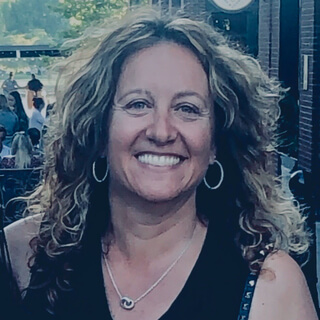
I'm here with Tammy and this is Season 3 Episode 9.
Can you believe it?
Episode 9 already?
A tragedy that we can't see A child that doesn't know A tree that never leaves Big roots down below The voices in the door Are the ones you can't ignore Out of the fog Into the sun Yes I can believe it,
Season 3 Episode 9.
That is a large number.
I feel like we've been sitting still in lockdown since March.
We really have,
We haven't been in the same room in a long time.
And we have.
What month is it?
What's the date of the idea?
Well I don't know but it's August 97th.
So Tammy,
Today I want to talk about therapy.
I want to specifically- No!
I don't want to,
I don't need it.
I never did and I don't want to talk about it ever again.
Okay just today.
So I want to ask you,
I also have,
You went to therapy,
I've had therapy.
I want to just have a conversation about it.
So my first question for you is,
And of course we have some other subject matter that we're going to get to as well,
But my first question for you is,
I know when you were like a teenager,
You started going to therapy.
Who sent you to therapy when you were a teenager?
It was my mother.
I went from 16 until I was 30 and my mother sent me because I had reached such a low point of psychological and spiritual collapse that she honestly had no choice.
So she kind of saw,
She didn't think that she had anything to do with it but she just thought that something's going on with my kid,
I should probably send her to somebody so she could talk to them.
Yes,
You know,
That it had nothing to do with her.
It's just that,
You know,
It's like calling the repairman to fix the appliance,
Sort of like that.
It didn't matter that,
You know,
She yelled at the appliance.
You being the appliance.
So she just thought,
She just thought,
Okay,
My daughter is a mess or like just not,
She doesn't seem happy so I'm just going to send her to somebody and see if they can fix her.
Yeah,
It was beyond,
You know,
Unhappy.
It was,
You know,
Physical,
Mental,
Spiritual paralysis.
I was afraid.
Yeah,
I couldn't sleep.
I couldn't eat.
I was afraid to go anywhere.
It was,
You know,
I mean back then they used to call it a nervous breakdown.
You know,
That really doesn't apply today,
But I like,
You know,
Mental,
Physical,
Spiritual collapse sort of makes the most sense and it was the most accurate.
So then yes,
Then she actually had found a good one that,
You know,
Her and my stepdad were going to.
So she sent you to the same therapist that they were going to?
Correct.
That's so interesting.
Now,
Did the therapist know anything about their narcissistic tendencies or that,
You know,
What was going on with them?
I doubt it.
I got the feeling that,
And this is my interpretation,
So let me preface that,
That they came in,
They would whine,
Dump their problems on a table and then leave.
So I mean,
They had their own,
You know,
Clearly,
You know,
Toxic issues from their own childhood that they never fixed,
Never dealt with.
I don't know what they got out of therapy.
They actually never changed.
They actually,
You know,
To me seemed to get worse.
But I will always remember,
You know,
What he said to me.
He behaved more like a parent and what he built in was for me validation and taught me how to validate.
That was really all I got out of it.
Number one reason was,
I don't know how much,
How well versed he was in narcissism.
I don't know,
You know,
The fact that he,
You know,
Listened to my mom and stepdad whine for all those years and they got worse.
You know,
He doesn't have any control over that,
But it was,
So I don't know what,
I didn't know what to expect,
But what I did get out of it was how to just sort of say,
Okay,
You have a right to feel this way.
And that was something I had never had prior to,
You know,
Going into his office ever.
So he made you feel like you weren't like the crazy one.
Like you had,
It was valid.
He validated the feelings you were having.
Yes,
He made me feel less crazy.
That's correct.
Wow.
It's interesting.
I feel like narcissism is a new kind of subject,
You know,
Cause I never heard that word when I was younger.
I never heard that concept.
I certainly believe now that I was surrounded by it in certain ways,
But I don't think I ever understood that concept.
Actually I don't think I ever understood it until I started talking to you about it.
Agreed.
I didn't know,
Understand until about six years ago.
You hear the term,
You know,
With narcissist,
You know,
The whole story where he was looking,
Love fell in love with his reflection or got mad at his reflection,
Thought somebody was better looking than him and fell into the water and drowned.
And I don't remember what that story is,
But it's a real oversimplification of what narcissism is.
It goes way beyond being vain or needing attention way beyond that.
And then,
You know,
And if you're interested in looking up what the,
You know,
Department of mental health has come up with,
You know,
They had,
It falls under the cluster B personality disorders.
And I think we've discussed that,
You know,
Histrionic,
Narcissism,
Antisocial and bipolar.
So it's pretty,
It's a pretty serious and in-cure personality disorder.
There's no way to know how many people have it,
But there's definitely a lot of numbers tossed around and a lot of different articles that somewhere in the vicinity of,
You know,
Anywhere from five to 20% of the population has some form of it.
Right.
And nobody would ever admit,
Nobody would say,
Hey,
I'm a narcissist,
You know.
Well,
That's why there's,
There's no cure because they're,
They don't believe there's anything wrong with them.
And at the core is,
Is probably a paralyzing level of shame that they can never,
Ever,
Ever face or deal with.
So it's projected onto the rest,
Rest of the world through very toxic behaviors.
And most damaging is when you do it to your kid.
For sure.
So,
Yeah.
And I just realized,
I just came to learn actually that narcissists need a victim.
Yes.
They they need somebody to project it on.
And,
You know,
Usually,
Particularly with mothers,
It's creating a mini me.
Never be better looking than your mother and never be happier than your mother.
Don't be interested in anything she's not interested in.
And it's,
It's you know,
You know,
True.
I would say true,
You know,
Parental love and self love.
Parental love is a focused,
Authentic engagement coming from secure attachment.
Right.
When you,
There is no secure attachment and we can talk about this a little more.
Then there's no way for you to authentically engage and love yourself.
And no way for you to authentically engage or love someone else.
Yes.
I actually just found a reading about that,
That I felt fell right into this category.
Do share.
I will.
So basically the question was,
Does a narcissist ever really miss you or feel sadness when you leave them?
And basically they said the term,
The disorder termed narcissistic involves among other motivations,
A childlike attachment to another person in order to obtain validation.
Just like an emotional umbilical cord.
The narcissistic feelings originated when that person was a small child and failed to successfully become his own person.
Instead he remained an extension of one or more of his caregivers.
The person cursed with this failure of separation or individuation feels bad or shameful about himself.
He is a failure actually because through no fault of his own,
He never learned how to repair even the slightest moments of failure or of shame.
He boasts grandeur and toughness when in reality he is a scared little boy still attached to his mother's apron strings.
For him,
The relationship with you is about being reassured that the facade he presents to the world is real.
In other words,
That he or the person he has come to think of himself as is real and actually quite special,
A lot better in fact than you are.
Take that reassurance away from him and he goes into free fall.
Hence the blaming you for the rejection and seeking a replacement relationship to obtain his desperately needed validation.
That is what he misses.
That's very true.
It's called the narcissistic supply.
So as it relates to me,
Unless my mother was micromanaging me,
Hypercriticizing,
Controlling,
She had no value.
And if she liked to aggravate me and control me because it gave her a purpose,
That's narcissistic supply.
And if you think about her childhood being programmed for shame because of her deafness—and I blame society for that at the time,
Because they were not helpful in that area.
And then her authoritarian grandmother,
Who ran the show with an iron fist,
Not from a physical punishment standpoint,
But a mentality.
It was my way,
The highway,
And everybody's a threat,
And everyone's out to get you.
And then her father abandons her.
So there's just no chance of a normal life.
There's no chance of authentic engagement.
Right.
And then you're 16 years old,
You go to a therapist.
Even if the therapist said to you,
Hey,
You know,
Your parents are narcissistic,
What could you do about it anyway?
You still live there.
You can't leave.
You're not ready yet maybe to be on your own.
What if you're even younger than that and you discover this?
You're still stuck with them.
Which is why it's almost impossible for any kind of quick recovery.
It's a long process.
Part of the process is getting away from the narcissistic people.
Right.
And that sort of ties into something I said one or two episodes ago,
That if there was an emotionally intelligent,
Mandatory emotional intelligence class,
Emotional life skills class,
That kids could take after they move out of the house,
Whether it's for college or a job,
It would start to give them some guidance on non triggering guidance,
Saying a different way to look at things.
Absolutely.
And then we wouldn't have to wait until we're in our 50s to figure out who fucked us up.
Amen sister.
So yeah,
I do actually remember my first visit.
He said,
Just give me your earliest childhood memory.
That was his first question.
And I was like,
I woke up,
I was three years old and I woke up from a terrible nightmare.
And it was a recurring nightmare I always had where I was falling through the floors in the bed and I kept landing in a basement and I had it all the time.
And I always had trouble going back to sleep at three.
Wow.
You know,
And he's like,
Oh,
Sounds like you must've been scared of something.
And I'm like,
I guess so.
Never thought about it.
You know,
And they started saying,
Okay.
Explaining,
You know,
And then,
You know,
As you go in more and more,
He was more about,
For me,
He would probably spend half the session telling me,
You know,
You're not awful,
You're not wrong,
You're not bad.
And then the other half trying to say,
Okay,
You might want to look at it a little differently.
But he never once said anything about my parents,
Nor could I have ever been able to handle it.
Wow.
I feel like modern psychology goes right to the parents.
It does,
But I don't know if they do that at 16.
I don't know that.
I think it'd be very hard to do that.
Yeah.
Um,
So I think in your twenties they can,
You know,
And if you listen to,
Um,
If you read Susan Forward's book,
Toxic Parents,
As she details,
You know,
These sessions that she has with people,
She would be telling them your parents are being really unfair to you.
You're buying into their toxic behavior.
And it would still take months for them to just even acknowledge that it's toxic,
Never mind what to do about it.
Wow.
And it's so automatic and it's so ingrained and so habitual to see it takes a long time and to undo it takes a long time,
But it is all worth it.
I have to say that every time I talk about how challenging it is,
I have to talk about that.
It is worth it.
It is worth it.
Um,
I remember going to a therapist when I was in my twenties,
I didn't know why I just knew I needed to go.
Um,
And I remember asking her like,
How will I know I'm better?
You know,
How will I know when I better?
And she said,
When you feel comfortable in your own skin.
And I remember,
Um,
You know,
She still,
We didn't go into deep detail about my mother and my codependent relationship with my mother who now I think was probably a narcissist as well.
Um,
But we probably should have,
I probably should have kept going to her.
I only went for like,
You know,
Half a year.
Um,
It definitely helped me start to create awareness.
And I think it,
Uh,
Gave me the courage to stay away for a while just to sort of,
You know,
Get my own head together and stop having,
Stop being in her head or having beat her be in my head.
Um,
You know,
So it's,
It definitely gave me,
It was definitely worth it.
So and that's,
You know,
We talk about narcissism a lot,
But it really applies to,
Um,
Um,
Uh,
Toxic parents who don't authentically connect with their kids.
Um,
And because they don't authentically receive constant positive affirmation from zero until they're older,
You have no built in self worth.
So you have to get it from the outside.
So if you think about toxic parenting and the emotional chaos that they're dealing with and then passing on to you,
It's a,
It's a volatile cocktail and it's just a matter of,
You know,
Everyone explodes,
But just a different ways.
You know,
There were a lot of people who spend their whole lives at a chronic low,
You know,
Low level of misery,
Excuse me,
High level of misery,
Low level of happiness,
And they just stay that way their whole lives.
So they,
That's,
And it could be just constant insecurity and eating disorders.
It could be,
You know,
Addiction to exercise or to gambling or substances,
You know,
Gets,
Again,
It falls on the spectrum.
And when you don't get those positive affirmations,
Whether it's a narcissistic parent or a toxic parent with other problems,
We become as adults vulnerable to quick and dirty fixes.
And that can range from affairs,
Material things,
Substance,
Food,
Gambling,
Overachievement,
Perfectionism,
As I was saying,
A whole host of toxic behaviors become your go-to as you seek love,
Authentic love and authentic engagement.
And it can last us our whole lives if we don't wake up to say,
Like,
This isn't working for me.
This,
I'm not happy.
The people I'm with are not happy.
I don't like the work I've chosen.
I don't like the path I've picked.
I don't,
You know,
Then if you start passing on to your children,
Then you have,
You know,
Irritable chronic irritation with them and they with you.
And it just cycle just perpetuates because they're copying what you did and you're copying what your parents did all most of the time unconscious.
Wow.
That's why the stock stops here.
And we'll be right back.
All right.
We're back.
Did you miss me?
I missed you.
I could tell.
So I want to sort of tie in toxic parenting and attachment theory and how it affects us as an adult and why therapy can help.
So the psychological theory of attachment was discovered by John Bowlby,
Who's a psychoanalyst,
And he defined attachment as a lasting psychological connectedness between human beings.
I don't want to get too much into the medical of it,
Because I'm not trained at all to do so.
But what I'd like to do is talk about my interpretation of attachment theory based on what I've read and based on my experiences.
So I see attachment theory meaning our self-esteem,
Our ability to understand and control our emotions,
The reasons behind decisions we make,
And the quality of our relationships are all dictated by our attachment style.
So if you think about your parents and their problems and your grandparents and their problems,
You're probably going to see a pattern of chaos,
Toxic self-centeredness,
Pain,
Rage,
Grief,
All in abundance.
Bad marriages,
Too.
That all ties in together.
So when we are very young,
We unconsciously believe that our parents' failings must be about us,
Because at those very early years,
They are godlike figures to us.
We are hard-wired to idolize them as very young children,
Because we rely on them for survival.
So if there is something wrong with them,
Or a lot of things wrong with them,
We blame ourselves,
Because we think that we are so connected to their state of mind,
And it really has very little to do with us.
And this is where destruction of self-worth begins.
So when they are not capable of authentic engagement and giving you consistent,
Positive affirmations,
You have no self-esteem and no self-worth,
And then we end up unconsciously choosing paths that make us feel even worse about ourselves.
So when you don't feel internal self-acceptance,
Because your parents didn't,
Your thoughts and your actions,
Everything you do is a reaction to that and to fill that bottomless pit,
That hunger that never goes away.
So in order for me to heal from that toxic programming,
I had to acknowledge that I was miserable.
I played a role in it,
And I had to stop playing the victim,
Even though that's what they taught me to do.
So once you decide that you're tired of being miserable and you've had enough,
Then you've got to learn who you really are,
What you really want,
And fix what's broken inside you.
So if we think about attachment,
Secure attachment,
If the parents who are loving and happy,
And not all the time,
But connected,
Truly connected,
Will raise children that see the world in a positive light,
And they see themselves as confident and worthy of respect,
So they would never tolerate being mistreated.
They can play.
They can interact with people of all ages,
Especially their own.
The way they interact is healthy.
They have a better perspective,
And they end up feeling secure about themselves,
And they become satisfied with all their relationships.
Their friendships and their life partners,
All those relationships will be based on honesty,
Support,
Respect.
So that's all good.
Now let's get to what usually happens.
That secure attachment is the ideal type of attachment that we want.
Exactly.
So avoidant attachment.
It's also called anxious avoidant.
So anxious avoidant attachment.
These children cannot handle stressful situations.
They are typically prone to withdraw,
Resist seeking help.
They show aggression,
Antisocial behavior.
They convince themselves as adults that they don't need human connection in order to survive,
Unthrive and insist on isolation.
Then there's resistant attachment.
Resistant attachment is they cling to their primary caregivers.
They exaggerate and have hyper emotional reactions.
They isolate themselves because they cling to their parents,
And they're always desperate for love or affection and seek partners that must complete them or fix them.
So they are often clingy,
Demanding,
Jealous and easily angered by small issues.
Then there's disorganized attachment.
There's no strategy for coping at all.
They tend to be aggressive,
Disruptive,
Isolated.
They see people as threatening.
They don't isolate,
But they are very apathetic.
They try to avoid their feelings because it's easy to get overwhelmed by them.
They will have abrupt mood swings,
Very unpredictable.
They fear getting close and getting hurt.
And there's people who have a combination of all three,
Which I did.
I definitely had,
Actually,
I was never clingy.
Let me rephrase that.
I was never clingy,
But I had everything else.
I could sit there,
Be at a party and be very apathetic.
Yeah,
I'll make a joke,
This or that.
But if you ask me a personal question,
I give you a sarcastic answer.
So that would be a quick example of something that I used to do.
And I used to see the world as a very untrustworthy place.
People were out to get you.
It's a,
I would say,
A low level of paranoia.
I was often distant and different,
But I would often have sporadic bouts of misdirected rage over both small and big issues.
And that's where it would come out,
Because I really hated having any kind of emotion.
I wanted to be flat all the time,
Which is not realistic.
So I would get angry at situations that might trigger me to have what would be a normal emotion.
So that was very unhealthy.
When did all that stop or when did you become aware of all that?
Within probably six to 12 months after hitting rock bottom,
Because I was doing a lot of research.
And the more research you do,
The more research you want to do.
And what you learn.
Yeah,
You really start to uncover.
I think I started to do research too when my daughter was like one.
And I started to uncover a lot of things and understand a lot of choices that I made and why I made them.
So here's an interesting question.
Like what happens when you become aware of all this stuff and you suddenly realize that the person you're married to is a narcissist?
Well,
Fortunately,
I'm not in that situation.
I'm very lucky.
I chose somebody that was the polar opposite of my family.
That was really lucky.
Yeah.
My first boyfriend,
The only relationship I had was a total narcissist.
I would have repeated what my family did,
Textbook had.
I chose him,
But I did not.
And that was a big decision on my part.
When you are now waking up and you realize that your life partner is a narcissist,
First of all,
There's a million different books that you can access from my website.
Therapy is absolutely critical.
And a lot of these,
But I know people like are skeptical or don't want to go or fear or don't have time,
Don't have the money.
But actually one of the people I'm going to send a link to,
They offer all kinds of online guidance and it's so much less money,
I believe,
Than a regular therapist.
And you can do it online.
And these people really know what they're doing.
So,
Um,
So the therapy is the therapy there to help you cope or is it there to help you leave?
That's really up to you.
Like I said,
Everybody's healing journey and healing path.
It's their own.
Once you realize though,
And I feel bad for anyone who's going through that,
Once you realize that your life partner is a narcissist and they cannot change,
That's a big,
That's a death.
That's a death.
And because you now have a decision to make.
And it's,
Um,
I feel badly for those people who unfortunately and unwittingly put themselves in a life that they shouldn't have,
Or excuse me,
That they shouldn't have,
That wasn't the right choice for them.
It was for the wrong,
All the wrong reasons because of their attachment style.
Right.
You know,
So that's what I'm trying to say.
I'd like to talk about changing your attachment style and I'm taking this directly from,
Um,
Darlene Lancer.
She's a licensed marriage and family therapist.
I have a link to her on my website and I'll put it at the bottom of the notes.
She's written books,
She's lectures sought after public speaker at conferences.
She's fantastic.
Darlene Lancer.
So she says that if you get,
If you get therapy,
You can change your attachment style.
So that will sort of change the way you relate to yourself and to the people you care about and superficially too.
So this is what changing your attachment style involves.
And you're going to need some sort of therapy to do it.
Healing your healing,
Healing your shame and raising your self esteem.
So you learn not to take things personally.
That's one thing you need to do.
Learning to be assertive,
Set boundaries,
Identify and express your emotional needs.
A lot of times when people are raised with toxic parents like mine,
You don't know what boundaries are.
So not only do people invade your space,
You invade other people's space all without even knowing that it's happening.
Right.
No boundaries.
It's very scary to be authentic and direct,
But it's important.
Don't play games or manipulate the people that care about you.
That is a very toxic way of getting your needs met because you actually don't get your needs met.
You're just exerting a power over the people that you don't have over yourself.
And it's misplaced and it's shameful.
So if you stop being ashamed,
Then you can stop behaving in shameful ways.
That was something I had to learn.
Practice acceptance of yourself and others to become less fault-finding.
Codependents,
Like me,
Everyone,
They're always pointing a finger and accepting responsibility for things that are not really your responsibility.
You think you can control your environment.
You think other people can control their environment,
That you can control how somebody feels and somebody can control how you feel.
No.
Uh,
Yeah,
I did that.
I made that mistake.
I'm not so good at that.
Other things can be somewhat.
Yeah,
Whatever.
If you not naturally engage with yourself authentically and you accept your imperfections,
You won't care that other people have them too because you won't need to point them out to make yourself feel better.
Stop reacting and learn to resolve conflicts from a bigger perspective.
So look at it from a we,
Not from a me.
So if somebody's,
Let's say somebody's jumping down your throat,
Say,
Yeah,
Oh,
Hi.
Yeah,
I forgot to pick up the milk.
You know,
Sorry.
Is there any reason you're so mad about the milk?
So you're asking the question,
Uh,
A,
An unhealthy response,
Which is the kind of response that used to have would be,
Why are you screaming about the milk?
Why are you what's wrong with you?
Don't do that.
Right.
It doesn't accomplish anything.
So you just say,
Why are you so upset about it?
Let them think about what they're doing.
It really has nothing to do with you.
So just to,
Uh,
Repeat what darling Lancer said,
Heal your shame,
Raise your self esteem,
Set boundaries,
Be direct.
Don't be manipulative,
Accept your faults and stop reacting.
Now is this for the person that is,
Um,
Uh,
Being a narcissist or is it for the person that's living with a narcissist?
It's for anybody.
Yes,
Narcissists,
But it's for anybody who is chronically unhappy and is tired of it.
If it's anybody with behavior disorders and they want to fix it,
You know,
Uh,
It's for codependence.
It's for high functioning anxiety people.
It's for high functioning,
Depressive people.
You know,
When I say high functioning anxiety,
High functioning,
Uh,
Um,
Depressed people,
They can do anything they want.
They can function in society normally,
But inside it's just a constant storm.
And um,
That's why I,
Um,
I like to say definitely with narcissistic partners,
But you know,
When you look in the mirror or when it's quiet and you've got a frenetic thoughts running through your head and you're ruminating about things that you,
You can't fix or you feel intensely guilty about things that you can't control your attachment style.
And I repeat,
That's my interpretation of what I've read about attachment.
I am not a clinician.
I'm not certified in anything.
I'm just sharing my interpretation.
And this is what you learned from your parents,
Right?
From their behavior or their treatment of you.
Yes.
It is,
Um,
It is very common for narcissistic parents to raise codependent children.
It's also common to raise narcissistic children too.
Um,
I happen to be,
I was on the codependent spectrum to the point of pretty severe and severe codependency can look like narcissism,
But it's not because severe codependency is,
You want to fix things.
You know,
You want to,
You have a lot of empathy,
But you also want to over control things.
And that's where the,
The problem and the disconnect kicks in.
I see.
So um,
So,
Uh,
I want to just add to what Darlene Lancer said,
Just as can,
Um,
Help stimulate.
I like to try to provide strategies that you,
That worked for me.
So um,
Knowing you're learning to know yourself,
Uh,
Can help build self-esteem.
Um,
And there's always a few steps forward and a few steps back.
Some of the things that she suggests,
Think about the things you're good at and that you love and spend more time doing it.
If you don't know,
It's time to find out.
And you can only find out during peaceful moments with no distractions.
And that could be meditating,
Walking outside,
Walking on the beach,
Um,
Something where you're not distracted from outside,
Uh,
Things coming at you.
It's all from the inside,
Any kind of quiet time where you're reflecting and not reacting.
I think most people can probably find,
Um,
Probably have something that they love that they know about,
But sometimes the people who don't know are usually pushing it away.
You know,
They're kind of like in denial about it because they're afraid to pursue that thing.
Probably if they're in a toxic relationship or if they're in a difficult situation,
It's hard to even think about doing something you love.
Like that's such a luxury.
That's another,
Um,
Addiction,
Fear-based behavior.
You're hardwired to,
Uh,
Be controlled by fear and that's going to take therapy because you don't know any other path.
It's what you've done.
Um,
And that's why sometimes it takes years to undo the damage.
Yeah.
Um,
And you need,
Uh,
Patience too.
Um,
So by being patient and trying new things,
You will stumble across things you like.
Everyone's got something they like.
I mean,
Why is your favorite color blue?
Why is your favorite color green?
Why are you naturally good at math or naturally good at music?
Why do you,
Are you naturally good at,
You know,
Small talk or why are you naturally good at number crunching on Excel spreadsheets?
You know,
Everyone's got their thing.
Why can you paint?
Why,
You know,
Why can you write,
You know,
Why do you like rock music versus jazz?
It's just,
We all have these natural stuff.
We just,
We're just blocked from it from,
We're blocked to it.
We cannot access it until with therapy.
We tear down all those fear-based and shame-based walls that a toxic childhood built.
Yeah.
And you can find real joy in figuring out what you love and then just doing it.
If you're willing to take some time,
Quiet time and patience to do it.
It's definitely takes some courage too to break out of old patterns because it is scary.
Sure.
And I also think doing exercise that you love,
Not so that you can look in the mirror to feel better about yourself,
Which actually doesn't work.
I'm living proof of that.
I've never felt better or looked worse in my life.
You know,
So yes.
Exercise and eating well is all good.
I remember you used to talk about drinking vodka and eating broccoli for dinner.
Right,
Right,
Right.
Yeah.
I was trying to be funny,
But it was also a reflection of,
You know,
Bravado and a whole lot of other bullshit.
Yep.
So I do eat healthy now and I still exercise.
But because you want to,
Because you like it.
I do things because I want to,
Because I like it,
Not so I can control the way the world sees me.
Right.
I am not hiding from shame anymore.
That's great.
So the last point I want to make.
If you are very insecure,
Which is low self-esteem caused by,
You know,
Toxic parenting,
Our social interactions become very self-centered.
We are totally focused on making good impressions and saying the right things and behaving the right ways to get admired by our peers.
You know,
And,
You know,
Darlene Lancer talks a lot about this,
Too.
You know,
We put on these masks to make ourselves seem more charming or more interesting than we actually think we are.
So we are boring.
I'm not a smooth talker,
So I'm going to pretend to be.
You know,
It's just silly.
I don't I don't do as much,
You know,
Small talk in group settings the way I used to.
I'm comfortable in them.
I don't want to wait for them.
But now you still have to walk into a room and make the joke and make sure this person laughed and this and that.
You know,
It's so what a burden.
It was a stupid.
Dumb ass burden,
Which I no longer do.
Good.
Well,
You know,
People are more comfortable with people who are real and are really fully themselves.
Yes.
When you are dealing with an insecure person,
Every interaction with them is very self-centered.
And that was me for a long time.
So if you're with somebody who is only focused on making an impression,
They're not really listening to you.
They're they're putting on this mask to try to hide how much shame or anger or discomfort they're feeling.
So it's not really an authentic engagement.
Right.
So why bother talking to them?
Why bother talking to them?
You know,
And I'm not it's not even like I'm angry or pointing the finger or even do anything like it's more like,
Oh,
I see what's happening here.
And I think about,
You know,
How much I used to do that.
So if you've got to,
You know,
Several people who are coming from different,
You know,
Spectrums of insecurity and rage and shame,
Is any of it real?
It's just stressful.
It's just a stressful mess.
So you're well,
Because you used to be like that,
You're very aware of it.
You're very sensitive to it.
Yes.
Yes.
So that's part of being an empath.
I am aware and sensitive to it.
But at the same time,
I no longer react to it.
It's not it's not my problem to solve.
It's,
You know,
Honestly,
When I was codependent and,
You know,
It was obvious to me if somebody was in pain,
I would rush in like,
You know,
Superwoman to save them because I was going to prove my value by saying somebody was feeling insecure about themselves because I was insecure about myself.
How ridiculous that sounds.
Yeah.
All right.
Well,
What's our final takeaway for this episode?
Fix your shit.
Fix your shit.
Get some therapy.
Read,
Read and read.
We will have links in the show notes and we'll be back next time with more of the Stuck Stops here.
I'm LW Nolai with Tami Reseda-Atman and we will see you soon.
Happy August 97.
Have a great day,
Everybody.
Bye.
Bye.
A tragedy that we can't see a child that doesn't know a tree that never leaves big roots down below.
The voices at the door are the ones you can't ignore out of the thought into the song.
I can feel it in my chest.
I'm not like all the rest.
I've got to be free to be done.
You are enough.
You are not alone.
It's not your fault.
That house was not a home.
Wish I had a voice.
Wish I had a choice.
But now you do.
Yes,
You do.
Sleepwalking in a lie.
I can't fix what I deny.
A firefly in the rain.
A risk we didn't take.
A mess we didn't make.
Wonder why we're in pain.
When the apple awakes far away from the tree.
Roots feel like chains.
Got the wind behind me.
You are enough pain.
You are not alone.
It's not your fault.
That house was not a home.
Wish I had a voice.
Wish I had a choice.
But now you do.
Yes,
You do.
You are enough.
You are not alone.
It's not your fault.
That house was not a home.
Wish I had a voice.
Wish I had a choice.
But now you do.
Yes,
You do.
Now you do.
Yes,
You do.