Welcome to Pilgrimage of the Heart interviews.
Join us as we explore fascinating people and ideas in the world of yoga.
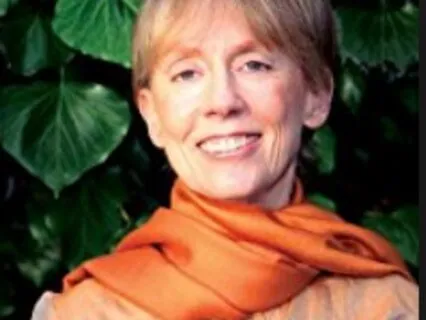
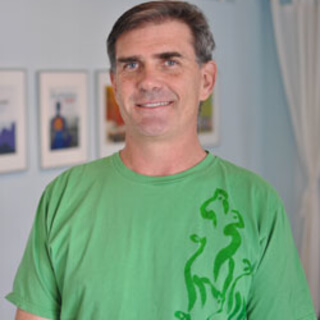
This is Sujantra McKeever with Pilgrimage Yoga Online Interviews and our guest today is Sally Kempton,
Who is a master of meditation and she teaches yoga philosophy and practical tantric philosophy.
She's the author of Meditation for the Love of It,
Which is a seminal book on practicing meditation,
And she also writes for Yoga Journal,
A regular column called Wisdom.
So thank you very much for joining us,
Sally.
My pleasure.
My pleasure.
In reading about you and your life,
One of the first things that struck me is,
As described on your website,
You say,
One evening in the early 1970s while sitting in her Manhattan living room,
Sally Kempton was overcome by a very unique experience.
And I was wondering,
In your book,
Meditation for the Love of It,
You described that experience.
I was wondering if you could read that to us.
I'm totally happy to read it.
Although this is actually a different moment.
That moment that I describe in my living room in New York happened,
It was actually a kind of initial awakening that sent me into the spiritual journey when I was in my mid-twenties.
And this experience that I talk about in the book happened several years later during my first retreat with my teacher.
So here's the paragraph.
One summer afternoon during a meditation retreat,
I discovered that I contained the entire universe.
It happened quite unexpectedly,
All in a rush.
I was sitting with my eyes closed in a room with several hundred other people,
Very much aware of the sensations in my body and of the faint rustles,
Coughs,
And other sounds around me.
The next thing I knew,
There was a kind of implosion.
Instead of being around me,
The room with all its sensations and sounds was inside me.
My awareness started to swell until I could feel the earth,
The sky,
And even the galaxy inside me.
In that moment,
I understood with a surety that was both exhilarating and terrifying that there's only one thing in the universe,
That it is awareness,
And that awareness is me.
Wow,
That's a beautiful passage.
My teacher,
Who I studied with for many years,
In one of his writings,
He describes the opening of the spiritual heart and talks about this realization of the entire universe being inside of us.
And I'm wondering,
You've had this experience.
How can you help Westerners understand that this can happen,
Even though it seems completely illogical?
I know.
It's such an extraordinarily non-material and,
You know,
In our normal sense,
Counterintuitive realization.
One of the ways that I often explain it,
And that science explains it,
As you know,
Is with the analogy of the hologram,
Which I'm sure you know,
That the holographic image,
Which,
For those of you who don't know about holograms,
Is a 3D photograph that's held on a piece of glass and that really looks exactly like the ghostly image of the person or the building.
But the thing that's remarkable about a hologram is that when you break it,
The image appears in its fullness inside every fragment of the glass.
And that's one of the great analogies that David Bohm,
The physicist who wrote a lot about the experiences that he had in meditation.
He was writing in the late 60s,
Early 70s.
He talked about this phenomenon of how our individual consciousness,
When we really go deep inside,
Deep into the heart,
Deep into our own awareness,
Reveals that the entire universe and much more is actually inside our consciousness.
It's one of the great mysteries,
One of the great mystical mysteries,
Just the way the entire fullness of the image of the unbroken hologram appears inside the fragment.
You know,
Or the way in which the fractal patterns,
For instance,
On ferns and leaves and throughout nature appear in forms that replicate each other,
You know,
A pine tree and the markings on a Neptune shell and in so many other ways,
There's a pattern that runs through all of life that,
Or excuse me,
There are patterns that run through all of life in which a macrocosmic reality is really held inside a microcosmic reality.
And it's really an amazing thing.
It's one of the things you come to realize in deep meditation.
Well,
Years ago,
I had seen a show where they took the hologram and the full picture,
Then they broke it and they showed each picture in each little piece.
And so what a great analogy to help people understand how the universe can be inside of us.
Yeah,
It's such an extraordinary thing to see with your own eyes how that can happen.
Now,
Sorry,
Go ahead.
One of the things in terms of getting to this place,
You describe in your early 20s an experience which really awakened you and shifted your life.
And that came,
Was there conscious seeking that was involved in that experience or was that more of a gift of the universe?
No,
That was what was so kind of mind-blowing about it.
I will say,
Because we're once again having these kinds of conversations,
We didn't for many years,
But it was an acid experience,
It was an acid trip.
And as many people,
My generation and now it's happening again,
Experience that,
I recently read a very interesting article in the New Yorker by Michael Pollan,
The food guy.
He was talking about the research that's going on now into psilocybin and other psychoactive drugs,
Psychedelic drugs.
And one of the things that,
As you may know,
That they've discovered about psychedelics is that they shut down what's called the default mode network in the brain,
Which is a neural network that gives us the experience of the world as being actually outside us.
As I'm sure you know,
What they've begun to understand is that our picture of the world actually happens inside the brain,
That we're looking at an energy,
We are experiencing an energy soup that we're not separate from,
But separation is a neural experience.
And certain psychedelic drugs give you that experience through brain chemistry,
Through the interaction of that chemical with your own brain chemistry.
And I should say that I did dabble in psychedelics in my 20s,
But I never had this experience again after this first time.
And I've always believed that it was actually a genuine awakening that certainly was crucial to my journey.
And the experience was very simple.
I simply opened up and recognized that,
First of all,
The vastness of the present moment,
Which,
As we know,
Is one of the great spiritual secrets,
Is the recognition that when you really fall into the present moment,
You fall into eternity.
It's really the same understanding,
The idea that the ocean is in the drop,
That eternity is in the moment,
That the full consciousness of the universe is inside your individual consciousness.
So that became obvious.
And with that,
This experience of unbelievably huge love.
And I will say that,
You know,
Though I loved people and though I had been in love romantically and certainly had a lot of attachments,
I had never experienced what I knew in that moment to be,
Let's call it real love.
I call it the big love,
The love that is it.
Dante I believe calls it the love that moves the sun and the stars,
The recognition that everything is love.
So I turned to my boyfriend who was sitting next to me and I said,
Oh my God,
There's only love.
And he said,
Haven't you ever taken acid before?
That was one of those moments.
That was sort of hilarious.
But I knew that it was real,
You know,
That it wasn't chemistry,
It was a glimpse of reality.
And it just completely redirected my path.
I had not been a spiritual seeker.
I was a left-wing political humanist,
You know.
And from that moment on I began looking for a path that could take me back to that.
And you write,
Or it's written about you,
That within two years you found your guru,
Swami Muktananda.
And when you wrote about him,
I don't know if these were your words,
But on the website you described him as a yogi of awesome accomplishment and fearsome discipline.
And so it's beautifully written.
In the West,
So often spiritual people,
I think,
Mistakenly think of spirituality as just freedom,
But actually the freedom of spirituality comes through the discipline.
And I was wondering what the fearsome discipline that he did that inspired you,
Or what his life was like.
Well,
One of the things about him,
Swami Muktananda,
That was so remarkable was that at that time in the 70s in India,
There were more than a few very high beings,
You know,
That I won't list them in the time we have,
But quite settled my contemporary spent time with great masters.
The thing that was really remarkable about Muktananda was that he himself had done about 25 years of practice before meeting his own guru.
And yeah,
He had done pretty much everything.
He'd been,
You know,
He visited many great masters.
He'd done a lot of meditation.
He was a Hatha yogi,
Very,
Very accomplished Hatha yogi.
He knew how to do the Indian martial art.
You know,
He could cook.
He was really a remarkably accomplished human being and very,
Very highly relational.
In other words,
He had a natural love for people.
And all kinds of people.
And he had,
After he met his guru,
Who gave him a very,
Very powerful transmission of awakening that awakened his Kundalini and set him on an extremely dramatic inner path,
Which he was one of the first people to write about.
He was one of the first self-realized masters to write frankly about.
But he then did almost 10 years of intense meditation and also mantra rep.
.
.
He was a mantra yogi and he was a lover of chanting.
And somehow he understood or he intuitively knew that the discipline of his life,
His daily life,
Which included dietary discipline,
Very classic,
Classical yogic discipline,
Was the container that had allowed the inner energy,
The shakti,
That had been awakened in him to expand and transform his consciousness in a way that was not only dramatic and momentary,
But that actually could result in a lasting transformation.
So that's what he offered us as his students.
By the time I met him,
He had an ashram,
Which was very,
Very beautiful.
It's still there.
Is it in India or was he in Oakland?
It's in India.
Well,
He subsequently founded an ashram in Oakland in one of the states of New York.
I remember that thrilling note.
Yeah,
You've been there.
Right.
And it's still there with its pink canopy.
Right.
And it's actually a very beautiful place to meditate,
It's very strong.
But the place in India was near Bombay and it became one of the.
.
.
It started out as a very tiny little two room hut,
Which his guru gave him after his self-realization.
And people,
You know,
Began to be drawn to him as happens with great teachers.
And an ashram grew up around him and in the late 60s,
Early 70s,
Westerners started to trickle in and it became one of the places that Western seekers from Europe and the states passed around as a great place to go.
But it was unbelievably disciplined.
You know,
There was a program,
A real,
Very intense program,
Which began with meditation at three in the morning,
You know,
Regular chanting,
Work period.
And this is a lifestyle,
You're living there and going through this?
I do all those practices,
But not in that intense way.
I mean,
You kind of have to be living in an ashram and have a lot of stamina to keep a schedule like that.
But I do meditate a lot and I do a lot of mantra practice.
And my life is pretty disciplined.
And his life was too,
Up until the end.
But the interesting thing about him and the way in which I've come to understand,
Let's call it spiritual progress,
You know,
The fruits of the journey,
Is that the discipline,
Which is a container and very important in the early stages of the journey,
Becomes a kind of natural,
You know,
Let's call it preference,
As your awareness opens.
And it's not like you force yourself to the discipline.
It just becomes a part of your being and also can be let go of when that's appropriate and picked up again,
So that there is actually a freedom that is able to move in the moment with what is required and what's significant and what's necessary moment by moment.
But your life is built on that foundation of yoga practice.
That's a nice way to.
.
.
Because the discipline gives you something beautiful.
So it's like eating a delicious meal.
Who wouldn't want to do that?
Yeah,
Exactly.
And the thing is,
As I'm sure you know,
Yoga practice and meditation practice does actually transform the particles of your consciousness,
Your individual consciousness,
Your inner state.
So that there is a kind of natural expansion of awareness that becomes,
I would say,
At least in my experience,
Pretty much a default mode.
And that even when you're momentarily agitated or excited or there is an emotional thing that comes up,
You know how to kind of move back into that state of freedom and equanimity and love pretty easily.
Which you mentioned,
In your book you mention that you try to,
Or every day you do get there for a little bit in your own practice,
You get to that space.
Yeah,
Yeah.
I meditate until my awareness opens and sit there as long as I can,
As long as I have time.
It puts everything else in perspective.
It does.
It actually becomes,
It's the foundation for which everything arises.
Now I wanted to ask you a question about,
In your biography,
It mentions that at a certain point,
I think maybe the year he passed away,
You took the vows of a monk and you moved into 20 years of living the life of a monk.
The question I wanted to ask you is,
Which I assume involves a celibate life,
The brahmacharya,
Which different people translate in different ways,
But I've read so many books,
Or a number of books by men talking about the celibate life and cultivating spiritual energy,
But I haven't seen any really by women.
I'm wondering,
Because 80% of the people coming into our studio are women.
I'm wondering if you could speak to what your experience is of what comes from choosing celibacy for a certain amount of time,
Or what that means to a woman,
How it can empower a woman.
Okay.
Yeah,
It's a beautiful question,
And it's a question that I actually think we are really coming to understand in our time in a way that has not been known in the past,
At least not in the yogic tradition so much,
Because it has been essentially a masculine practice,
And the people who've written on it have generally been either men or women following the masculine path.
Right.
So,
Let me just share my experience of why I became celibate and why interiorizing sexual energy has remained significant for me.
When I first began awakening,
When I first began to experience the internal energy awakening,
Part of what happened was that there was an opening of the heart,
Which I think you guys are pretty familiar with.
My heart,
Which had been sort of shrunken and raisin-like,
You know,
The way it often is in modern life,
Just began to feel filled with ecstatic kind of pulsations of sweetness and love,
And it was clear to me that part of what was creating that opening in the heart was the rising of the sexual energy that had,
Let's say,
Not just sexual,
But the emotional energy,
The emotional sexual thought energy that I had,
Without thinking,
Just used up in relationships and attachments and conversations and parties and all the ways that we normally use our energy.
And my sense was that this exquisite feeling of love and pleasure and blissfulness in the heart demanded of conserving my energies in other ways,
And that was really the beginning of a kind of natural spiritual discipline.
I became celibate not so much because I was following Yogic brahmacharya as a practice,
But because my energy wanted to go into the heart and just didn't want to have sex,
You know,
Honestly,
I didn't want to be in relationships except through kind of heart-centered exchange,
And that was how it rolled for me.
I mean,
It's not everybody's path.
There's a whole,
You know,
There are whole traditions that work with sexual energy in a different way,
But for me,
It was all about cultivating the energy of the heart,
And what I feel about the feminine path.
And again,
I don't consider myself an expert on this.
But you've lived it,
And you're a woman and you're in meditation.
Yeah,
And this is my intuition,
And again,
Nothing that we say about the human body is one size fits all.
We all have our own karmas and our own predilections.
But in general,
I feel that for the masculine body,
The sexual fluid itself,
The semen,
Needs to be conserved,
Partly because the nature of masculine sexuality is that it often can be kindled without love or without the heart.
And when I say masculine sexuality,
I don't mean just men.
I mean the masculine aspect of sexuality.
My experience is that the feminine sexual energy or the feminine sexual response,
At least certainly in me,
Is very,
Very tied in with emotion,
And that the real cultivation for a woman is learning how to ride her own emotional ups and downs.
Whereas for men,
And again,
Obviously men and women have different flavors of the masculine feminine polarities in our system,
But in general,
The feminine is,
I think,
More,
Let's say,
Diluted by emotions than sexuality as such,
And the masculine is more diluted by sexuality in its physical form.
So for women,
It's about learning how to work with emotions,
And literally ride emotions and find the divine aspect of energy that's behind emotions.
And for men,
It seems to be more about the discipline of containing sexual fluid.
And again,
This is just something that I've observed in my limited sampling.
Yeah,
That's really well said.
And I remember I met Suzy Chaffee once,
Who was a gold medal skier for the U.
S.
Olympic team,
And she was speaking to a group,
And she said how she spent one year of her life celibate,
And it was the most transformative,
Empowering year she'd had in her life up to that moment.
And so I think there's so much people can get from,
It doesn't have to be a lifelong vow that you take,
But just to take some time and,
Like you say,
Learn to ride your emotions and enjoy that wonderful energy.
Yeah,
And there's just enormous value in containment,
You know,
Whatever it is,
Whether you contain your tendency to let your thoughts run wild or you contain your food intake,
You contain your sexual energy,
You contain your emotional energy,
That having the intention to not let that energy run wild in our life is,
To learn how to contain it,
Hold it inside,
Deal with the anxiety that comes up when you've got a lot of energy moving through your body and you don't have your normal outlet.
Working with your addictive tendencies and your tendency to give in to any desire the moment it arises,
All these forms of discipline are really,
Really powerful.
But I think,
As Susanne Chafee said,
Probably meant,
That she had something she really loved and wanted.
She wanted to perfect herself as a skier and there probably was a kind of a love that was driving her.
She wasn't,
I'm just guessing,
But I think it's important that it's not a kind of,
That you're doing these yoga disciplines really for the sake of love or for the sake of the experience of Shakti inside your body.
And Shakti,
When we really offer our mind and our senses and our emotions to the energetic rising in our body and understand its divinity,
It's just unbelievably powerfully transformative and loving and exciting and interesting and very much an interior experience.
It doesn't depend on a lover or career satisfaction,
Not to minimize the importance of these things in the human life,
But the yogic gift is the kind of loving self-sufficiency of being in connection with your own inner divinity and letting that connect you to the divinity in other people and in nature and in the forms we call God.
That's really beautifully said and your words are a big inspiration to people,
I think,
Who are looking to explore meditation.
And if they want to explore deeper into your views,
They can of course get your books.
I'm looking at Meditation for the Love of It.
And then what website would they go to to learn about your teachings?
My website is called sallykempton.
Com,
Easy to remember.
And if you go on it,
You'll find my schedule in the top-down menu.
And also I teach a lot of teleclass classes.
So people can call in and you're working with people.
We can work with,
I work with people all over the world and work with them in groups and also on occasion individually.
And I of course do retreats and workshops in person,
Which are also on my website.
But what I tell people who want to work with me is to sign up for teleclass there.
You can do it in your jammies from anywhere.
And there's a community that's created that's very supportive on all of the teleclasses.
And we work with a lot of mystical texts and mystical experience.
And people really get a lot out of it.
That sounds like a great way to learn.
Yeah.
And I think it's one of the gifts of the internet age that our telecommunications possibilities really open up spiritual life in a totally new way.
And I have another book which I want to mention,
Which is called Awakening Shakti,
Which is the transformative power of the goddesses of yoga.
Can you say that once more?
Just so everyone can.
.
.
Yeah,
It's called Awakening Shakti,
S-A-J-K-T-I.
And the subtitle is The Transformative Power of the Goddesses of Yoga.
It's a kind of integral look at the divine feminine through some of the goddess forms of the Indian yoga tradition.
Lakhshmi and Durga and Kali and some of the less famous goddesses.
And it's about how feminine energy unfolds itself in your body,
In your psyche,
And also through these forms that we call goddesses.
And it's been a book that a lot of women,
Especially in the yoga world,
Have found very useful.
And guys too,
Actually.
And I also have CDs.
My books are published by Sounds True,
And you can get them on Amazon.
And I think they're cheaper on Amazon than on my website.
And yeah,
So people can go on Amazon and find my work.
And my next teleclass,
Which starts this week in January,
Is on Kundalini.
It's called Kundalini and the Science of Freedom.
So it's a six week course that really goes into a lot of the misunderstandings that we have about Kundalini and how Kundalini is awakened and what happens psychophysically,
Emotionally,
Psychologically,
Etc.
As that energy begins to be activated.
And one of the reasons why I've been teaching about Kundalini is because I've found that many people,
Especially in the yoga world these days,
Have awakened or partially awakened Kundalini's and really don't necessarily know how to work with that energy once it's awakened.
So this is Kundalini as a force in the body,
Not Kundalini in the yogi bhajan tradition.
It's not incongruent with that,
But it's much more than mystical tantric inner understanding about Kundalini and the practices that come from the tantric tradition on the bodily centers and how the energy unfolds.
So that starts in mid-January,
It's a six week course,
And it's a lot of meditation.
All my classes have a lot of meditation.
Yeah,
The meditation techniques in the meditation book are beautiful.
Thank you.
It's really,
Really inspiring.
Well,
Sally,
It's been really nice talking to you,
And thank you for everything you're doing to inspire people around the world.
Oh,
I'm so delighted and fortunate to get to be in connection with so many beautiful people.
And it's been a pleasure talking with you.
All right,
Well thank you very much.
You're very welcome.
And this is Sujantra,
And we've been chatting with Sally Kempton,
And again,
Her website,
Sallykempton.
Com,
And her books and teleconferences,
And we encourage everyone to check all that out.
Thanks for joining us.
This has been a production of Pilgrim into the Heart Yoga.
Join us at our studios here in San Diego,
Or visit us online at pyo.
Yoga.
Namaste.