Welcome to the Shifting with Marlee podcast.
I'm Marlee.
Thank you for joining me wherever you are.
All that I ask of you,
The listener,
Is to have an open mind and an open heart.
And in return,
I offer you myself.
Today we're going to talk about freedom.
Now I know this is a topic that many people are really passionate about,
And a lot of people have opinions on freedom.
But I invite you to keep an open mind today as we explore what true freedom feels like and looks like,
As we explore all the ways we aren't yet free,
As we challenge the idea of freedom fed to us by Western society and capitalism,
And as we find ways to deepen into freedom and find more moments of freedom in our daily lives.
And I also invite you to keep an open mind as we envision what a freer world could look like.
As Albert Camus says,
The only way to deal with an unfree world is to become so absolutely free that your very existence is an act of rebellion.
Let's dive in.
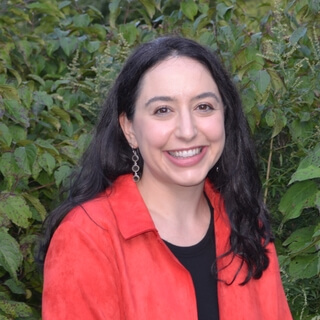
Here to share her insights and wisdom today is Laura Hartley.
Laura is an activist,
Writer,
And coach,
And founder of Public Love Enterprises,
A school committed to helping change makers unlearn and dismantle systems that inhibit our thriving while visioning and seeding a more just and regenerative and loving world.
Laura also has her own podcast called The Public Love Project.
And you may remember Laura from back in episode 29 of this podcast,
Getting Free,
Which came out about a year ago now and was all about healing from burnout and getting free from internalized capitalism and finding more abundance.
And to this day is one of my favorite conversations.
Welcome back,
Laura.
Thank you so much.
I am so honored to be back here.
Thank you for having me.
Thank you so much for coming back on the podcast.
You're one of my favorite people,
And I'm just so grateful to connect with you again.
Anytime.
I love this show.
Thank you.
So where are you in the world,
Laura?
Last time we recorded,
You were in Australia,
And I know you've been traveling.
Yes,
I'm now in Toronto,
Canada.
So I moved here at the beginning of the year and decided to try Canadian life for a little bit.
Well,
We're on the same time zone.
So hello from America.
Hello.
It makes a big difference.
So the time zones are wonderful.
I'm a whole new person now.
Laura,
Can you please remind people where they can find you?
Yes.
My website is laurahartley.
Com,
And I'm also on Instagram at laurah.
H.
Hartley.
Great.
I'd love to start the conversation today,
Laura,
By talking about things holding us back from finding more freedom.
What do you think are some of the internal and external barriers to freedom?
I love this question because I think there's a lot,
But I also think when we're looking at what the barriers to freedom are,
We also need to have an understanding of what freedom actually is.
And I think sometimes we think of freedom as this idea of just the ability to do anything without consequence.
So this idea that we can say whatever we want or do whatever we want,
Or we have unlimited possibilities.
And I think in a sense,
We kind of equate that freedom,
It sounds more like anarchy,
Right?
I think real freedom has beautiful limits to it.
It can have constraints to it.
It can have consequences and accountability.
A wonderful student in my course the other day called it gracious limits that we have around the edges.
So I think in understanding the barriers,
We need to first have an idea of what actually is freedom and that freedom isn't just chaos,
Right?
It's not just absolutely everything all at once,
Which I think is that movie,
Isn't it?
Everything everywhere all at once.
There are internal and external barriers to this.
Internally,
I think we need to look at our sense of connection to self.
Do we know what's true for us?
Are we connected to our body?
Are we connected to our desires?
Are we connected to a sense of meaning?
Do we have an internal sense of safety to express who we are?
But also externally,
Do we have the safety to express who we are in society?
Do we have safety to pursue what feels meaningful to us?
Because freedom without meaning,
Without authenticity,
Without joy,
I think it doesn't really make much sense.
So it's creating those conditions of safety,
Both internally and externally,
That allow us to experience freedom.
Such a great answer.
You're so right.
I totally agree.
And I definitely want to acknowledge,
Right,
That so many people live in places in the world that are not free,
That are fighting for basic freedoms that we take for granted in the Western world.
But I also think under the model of freedom that's touted by the Western world,
There's a lot to unpack there still,
And a lot more room to expand even deeper into freedom.
And Laura,
Here are my questions,
My foundational questions that kind of inspired this podcast episode.
If most of our lives are spent working for others in order to survive,
Are we really free?
If we don't have our basic needs met,
Like food,
Water,
Shelter,
Safety,
Like you mentioned,
Are we really free?
If you're living in fight or flight mode constantly with an activated nervous system,
Are you really free?
If you're a people pleaser and constantly seeking the approval of others,
Are you really free?
If you're a perfectionist and nothing is ever good enough,
Are you really free?
If you're dwelling on the past and worried about the future all the time,
Are you really free?
If you're controlling and trying to control your environment and other people all the time,
Are you really free?
If we're living from our ego mind all the time,
Are we really free?
If we're always worried about what others think,
Are we really free?
If we're addicted to our phones and computers,
Are we really free?
If we're clinging to relationships and possessions and stuck in attachment,
Are we really free?
If we're living from our limiting beliefs and old patterns and ways of being that no longer serve us,
Are we really free?
If we're super hyper-independent and trying to do everything ourselves,
Are we really free?
If we're suppressing our emotions and compartmentalizing everything,
Are we really free?
If we're stuck in scarcity mindset,
Are we really free?
These are the questions I think about,
Laura.
This is the kind of stuff that keeps me up at night.
I love this because these are the questions that keep me up at night as well.
But I mean,
I think the simplest answer to all of that is no.
But I think,
Again,
We have to come back to what is freedom really about?
Freedom in and of itself is a wonderful thing,
But freedom is also a tool for us to experience other things.
For me,
I think there is no point to freedom if we are not free,
If we're not able to express ourselves authentically,
If we are not able to create a sense of meaning and to pursue what feels meaningful to us.
With all of those questions,
Are people pleased that I'll be free?
Well,
No,
Because we're not expressing what is authentically ours.
We're not following what feels true for us.
If we're overworked and there's not enough kind of safety that we're kind of having to hustle 40,
60 hours a week and there's just never enough to get by,
Well,
Then no,
Because you don't have the space in your life to pursue what is truly meaningful to you.
And so there's always this kind of relationship of like,
Well,
You know,
Sure,
I might be free in some sense,
But do I actually have the capacity internally within myself,
You know,
Not being attached and afraid of what other people will think of me and not trading my authenticity for attachment?
And externally,
You know,
Is there actually enough safety in my culture,
In my society,
In my life to let me pursue a new path,
A path that feels true for me,
Even if it's a little bit maybe left of center,
Then we're not really free.
You know,
Freedom is always a tool to experience authenticity and meaning.
Yes,
Exactly.
I think you hit the nail on the head.
And this is just such an important discussion,
I feel,
And I'm so glad we're unpacking this today,
Laura.
I'm just so grateful.
So thank you for being here.
And I just want to acknowledge,
Too,
I felt like it was important to acknowledge that we are very privileged to be able to have this conversation publicly and ponder these big questions.
And I think it's important to recognize that since we are talking about freedom.
Absolutely.
You know,
And this is the thing when we're talking about external conditions to freedom,
You know,
I'm talking a lot to the culture that we live in,
You know,
We both live in North America.
I've lived through Europe and also in Australia.
And so we're talking about a very Western capitalist world and the problems that that entails.
But,
You know,
I'm also queer and I recognize the freedom that I have to be queer here that I don't have in other countries.
And there are levels to all of this based on our gender,
Based on the color of our skin,
Based on our religion,
That is going to intersect with external barriers to freedom,
Right?
And so we need to understand that component in order to to really be creating the conditions in the world for us to live what is truly real and meaningful.
Exactly.
There are layers to freedom.
And I think you pointed out something I wanted to talk about,
Which is that freedom is unique to each person.
Freedom is unique to each person's vantage point in life circumstances.
It's very personal what freedom is to each person,
Right,
Laura?
So I'm curious,
How do you define freedom for yourself from your current vantage point?
Oh,
Good question.
So it's funny.
You know,
I talk a lot about the term getting free and I talk a lot about liberation.
And I think that these are beautiful states that allow us that when I'm talking about them are really about untangling ourselves from the mindset of a system.
They're about untangling ourselves from the constant grind of capitalism that says you've never done enough.
You always need to be doing more.
That's untangling us from that mindset of patriarchy that has so many of us like in this self-shaming model,
Like I'm not good enough and I need to be better,
Or I need to be thinner,
Or I need to be like whatever.
Whatever it may be,
I talk about getting free from those systems.
But the point in getting free from those systems isn't just to be free.
It is in order to know,
Well,
Actually,
This is who I am and to express that.
Because to me,
I think that's like the greatest thing about life.
What is the purpose of life?
It is to express who we are.
That is why we are here.
That's what freedom is for.
So for me,
Again,
I think my definition of freedom is about an inner knowing of what's true for us,
Inner safety to feel that,
Which many of us don't have because of trauma,
Because of environments that we grew up in for many reasons,
And external safety in our lives.
That means in our finances.
That means in our family.
That means in our communities,
In our culture,
In order to pursue what it is that we want to do.
So freedom is the tool,
But it's not the end goal in my mind.
I have the biggest smile on my face,
Laura.
I love that answer.
I feel that deeply.
And thank you so much for sharing that.
For me right now,
I will share from my current vantage point.
Freedom is really freedom of time,
Expansive time,
Time to do whatever I feel like doing in the moment.
No rushing,
No packed schedule,
Room to rest,
Room to slow down,
Room for spontaneity.
That is freedom to me.
That's what I dream about the most.
I love that.
I think when we're talking about freedom of time and things,
What we're also talking about is a sense of possibility that underpins all of this,
That I have the option to.
And that is a beautiful thing.
And that's something so few of us actually have in our culture.
When we're stuck in these lives of having to just go to work,
And we're no longer working nine to five,
Let's be real.
So many of us end up working 8 a.
M.
And then we go home at 6,
And then we're still on our emails like at 10 p.
M.
So we're not having that sense of possibility in our lives.
We don't have a sense of spaciousness,
A sense of wonder,
Or any of those things that are really what we're searching for.
Exactly.
And I think that that is the big problem with the current model of,
Quote unquote,
Freedom that's sold to us,
Right?
Because what's sold to us is get a job.
Exactly.
The model that we live in,
And it sells us freedom to pursue a very superficial level of what is deemed success in our culture.
And there's so much wrapped up in this,
Particularly we have these ideas that we live in a meritocracy,
Which basically just means we think we live in a society where everybody gets where they are based on merit or based on hard work or talent.
That's completely untrue.
There are systemic barriers that prevent people from getting to where they could be.
We have ideas that success always means growing,
Getting more,
Being bigger.
There's never an end point to this.
We equate success with busyness,
Right?
We so rarely equate success with relaxation or slowing down or pausing or going on retreat or taking a sabbatical.
These things are all like,
No,
They're going to be really bad for you.
They're terrible for your success.
And so when we live in a culture that tells us,
Oh,
You're free to do whatever it is that you want to do,
But then the cultural models of success are things that are not actually making us happy,
Then what are we really free to do?
Because if we follow the path that maybe actually feels meaningful and true to us,
And it's not in alignment with culture's expectations,
Then we're not free,
You know,
We're kind of judged for it.
We're kind of seen as like,
Well,
Why would you do that,
You know,
Or there's like actual real consequences,
Like,
You know,
You're not going to earn enough money to live.
So yeah,
The freedom is wrapped up in so many different areas of success and meaning in our society that we need to unpack.
Absolutely,
Laura,
You're so right.
And I want to expand on this a little more to help those listening ponder what true freedom means to them,
Because I think that's really important.
And if you get nothing else from this conversation,
I hope you think about what freedom means to you for those listening.
So what do you think are some other attributes of freedom?
Like how can we define it further?
Here are some examples.
Freedom of expression,
Like you mentioned,
Body autonomy,
Freedom to speak and share our minds and thoughts and opinions.
I mean,
That's so important,
Right?
What else?
I think freedom without a sense of well-being is meaningless.
I think we're pursuing the wrong thing here.
You know,
Why is it that we care so much about being free?
You know,
Why do we not care about a sense of thriving?
Why do we not care about a sense of like,
Hey,
You know,
I'm really flourishing in my life or I have really great community in my life or I have really great connections in my life.
OK,
What is freedom without those things?
And so when we live in a culture and in a country that says freedom is the ultimate goal,
Then,
You know,
We're just going to design our systems really to be about,
Well,
You can do whatever it is that you want without consequence,
Without accountability.
Most of that doesn't actually lead to the things that truly make us happy.
There's a lot of science behind this.
When we start looking at really what makes humans happy,
You know,
There are key things like we need a sense of autonomy and that does need freedom,
Right?
We need a sense of agency over ourselves and our decisions.
We need a sense of mastery of competence.
So we need to be able to pursue a craft,
Pursue something that feels meaningful to us.
We need a sense of community.
We need like we need strong connections.
But we don't focus on those three things and we don't let alone start to add in things like,
You know,
Connection to nature or anything else,
Like we're just like,
No,
Just freedom.
But freedom without that concept of what actually makes a good life,
It doesn't really mean much.
Wow.
That's a lot to think about.
I totally agree.
And like you said earlier,
Freedom is basically living a life authentically to you,
Right?
Whatever that means for you.
And I also want to bring up freedom to create,
Freedom to slow down,
Freedom to redefine success like you talked about,
Freedom to rest,
Freedom over your body,
Agency like you just mentioned,
Freedom to play,
Like freedom to have fun,
Right,
Laura?
Yeah.
And I think all of these things though come again when we center well-being at the center of our societies and at the center of our ideals.
Like if we're centering well-being,
Of course we have time to rest,
Of course we have time to play,
Of course we have time in nature,
We have time with friends,
You know,
Because that's what is meaningful to us,
You know,
But when we just center like freedom at the center,
It's freedom for what?
Freedom to do what?
And it also is very hyper-individualist when we're just kind of centering at the center as well.
Like it's all about,
Well,
My freedom,
You know,
It doesn't matter about collective freedom.
It doesn't matter about,
You know,
The conditions externally.
It's just about you.
Just,
You know,
You're free to do whatever it is that you want.
Okay.
You'll be fine.
And so I think it's a really shallow definition of what a really robust society and a robust culture could look like if we were to redefine freedom,
Not as the end goal,
But as a tool that allows us to pursue what is meaningful.
I love that,
Laura.
And there's a beautiful quote from Toni Morrison that I wanted to share with you.
She says,
I think freedom ideally is being able to choose your responsibilities,
Being able to choose which things you want to be responsible for.
Oh,
I love that.
To choose your responsibilities.
Yes.
Right.
Again,
Because that's about the sense of possibility in our lives and about what feels authentically ours because we're like,
It's not just,
You know,
This is part of being an adult.
This is just what you have to do.
You have to like work these crazy hours.
You have to,
You know,
Live this life this way,
You know,
It's not,
I have the possibility to choose.
I want to be responsible for this family.
I want to be responsible for this piece of land.
I want to be responsible for this career or this role in this company,
That it's less about what I can get.
And it's much more about what am I responsible for a stewarding or caring for.
That is a beautiful quote.
And I'm going to remember that one.
So thank you.
Yes.
And then I also want to bring up as well,
Back to that kind of internal freedom.
In Buddhism,
Freedom is a state of being.
It's freedom from suffering by freeing your mind.
It's inner freedom.
There's just so many layers to it.
Well,
I think that's often when I talk about getting free,
In a sense,
That is the term that I'm kind of using.
So when I'm talking about freeing ourselves from systems like capitalism and patriarchy,
I'm very much not talking about like,
You know,
Unless you really want to,
Like going off to the woods and building a cabin and like,
You know,
Living your life out there.
Like,
You know,
We all live in cities and in a capitalist society,
But it's about freeing ourselves from the mindsets of those systems that do not serve us and that make us unhappy.
And it's only when we can do that,
That we can start to make real decisions that are aligned with what is meaningful to us.
And for me,
That's world changing.
That's not just life changing,
That is world changing.
Because if we are only living in the model of the culture that we live in,
Then we're never really able to shift it,
Right?
We're just tweaking the edges.
And so it's about transformation.
And so that getting free on the inside is that first step.
But then it is very much about using our privilege,
Using our freedom,
Using our responsibilities and choosing our responsibilities to allow the conditions externally for other people to be free.
And I want to say the easiest example that I see of this in the world today,
When I talk about internal and external conditions to be free,
Is with trans rights.
As a queer person,
I'm not trans,
I am queer,
But you know,
Queerness has very much given me an internal sense of authenticity.
It taught me from a very young age how to orient towards what felt true for me in a culture that said,
No,
No,
That's not quite right,
You know,
No,
You shouldn't,
No,
That's not right.
No,
Right.
And I was like,
No,
No,
But this does feel right for me.
And trans people and queer activists and queer people throughout the world have had this experience of having to know what feels authentically theirs for a very long time.
And so that internal sense of authenticity is already there,
But what we don't have is an external sense of safety for them to express themselves authentically.
And that is an example when we're talking about,
Well,
How do we create the dual conditions?
People need to be free to express themselves on the inside,
But there needs to be safety in our society for people to live the way that they want to live and to live how they want to live in this society.
So this is the dual approach that we always need to be holding.
Yes.
And that's that transformation.
That's that world changing piece,
Laura.
Yes,
Exactly.
You know,
World changing,
Because it's only when we can start to really free ourselves from the mindsets of the current systems that say,
This is the way things are,
This is the way things have always been,
This is the only way things can be.
And say,
Actually,
Well,
What if it's not?
Maybe it doesn't have to be that way.
Maybe I'm going to live my life a bit differently and I'm living my life a bit differently.
I'm also committed enough to my community to help create those conditions for other people to thrive and to center their well-being.
Exactly.
It's that connection between internal change,
Individual change,
And the larger connection to the whole,
Right,
The connection to community,
The connection to collective.
As we each get free,
We help others get free.
Yeah,
I often I use this term that self-work is world work,
You know,
And self-work is anything from like therapy,
Coaching,
Plant medicine,
Breath work,
Whatever it is that's your modality.
You know,
We sometimes just see them as,
Oh,
That's just for like resiliency.
It's just going to help me like keep up with the work.
I'm just going to I'm burnt out.
I'm going to add in some meditation or whatever it might be.
But I think when we can actually see that the work we do inside of ourselves to understand our mindset,
To understand the shoulds,
All those little stories that we're carrying of culture,
To do the work of creating a peaceful,
Loving state,
That is not just about resiliency.
That is actually going to change our external actions in the world.
And self and world are always connected.
So creating that kind of space to explore,
Well,
What does freedom really look like for me in my life,
In my body,
In my decisions?
Do I feel free?
And if not,
Why?
If I'm free to make any decision,
What decision would I make?
Why do I think I can't make that decision?
Okay,
What are the stories that are limiting me here?
And then starting to then take that outward.
Okay,
Well,
If I'm experiencing this,
What do I need in my community to feel safer?
You know,
Do we need,
You know,
This is a big one,
Like,
You know,
This is throwing the idea out there,
Like a universal basic income where everybody actually has their basic needs met.
You know,
Do we need more community centers?
Do we need free childcare?
You know,
What is it,
The external conditions we need?
Do we need free healthcare that can allow us to pursue the things that we want to pursue without the fear of ending up homeless or the fear of ending up attacked or the fear of ending up alone?
So there's always this,
Like,
Go inwards and then go outwards approach that I'd like to encourage.
Yes,
Thank you so much.
I love everything you share.
And I want to dive a little deeper into that feeling that you mentioned,
That feeling free.
What do you think that true freedom,
Which is like you mentioned,
Connected to well-being,
What do you think that feels like,
Laura?
And how can we tap more into that feeling of that true freedom?
So when I use the term getting free,
I often refer to it as a lifelong practice because it's never one moment.
We like to think of these big,
Beautiful moments where,
You know,
Like that cape comes off or like,
You know,
We're like bathe in the water and then like we're free and it's done.
And I think that those aha moments are lovely,
But we can't manufacture them.
And so when I refer to getting free as a practice,
I actually talk about us tuning into our body and about noticing the really subtle sensations that we're feeling there.
And so for me,
It's about,
Do I notice a slight expansion in my chest or a lightness of my shoulders when I start to think about this?
Do I notice this like little,
Like rising sense of like possibility that's like coming up from my belly up through my chest?
Do I notice,
Or like,
Is my jewel relaxed or is it tight on the opposite spectrum?
You know,
Do I feel like I have the weight of the world on my shoulders or there's a pain in my neck or like,
There's like this like band around my head of tension.
So freedom for me or the work of getting free as a practice is about tuning into our body and then noticing what do I feel?
What feels liberatory,
Which is what feels expansive,
What feels open,
What feels free,
What feels exciting,
And then following that.
That's to me,
And it's very subtle,
Right?
These are not always big sensations.
Like it's a practice for a reason of like really starting to tune in.
What do I feel?
What can I notice?
What other emotions are here in this moment that I can start to unpack?
And that's a,
It's work for life.
You know,
I don't think there's a day when it's really over.
You're right.
It's a lifelong process and it is subtle.
And I just want to highlight something you said,
Because I agree.
Freedom feels very expansive and light,
Right?
A lightness.
And I think too,
When I thought about this,
How I would answer this question,
Laura,
I think to tap into the state of freedom,
We need to look to children too,
Right?
Because children really embody freedom.
Children are free because they're present.
They're living in the moment.
They're tapped into their joy.
They're tapped into playing.
They're tapped into laughter,
Right?
They aren't weighed down by worries and fears in the world.
They hopefully feel safe and held and cared for,
Which allows them to run carefree.
They're in touch with their emotions.
They don't have all of this like shame and guilt and judgment and societal expectations weighing them down,
Right?
And they're in touch with their imagination and creativity.
And I really feel like when it comes to freedom,
We have a lot to learn from the children,
Laura.
We do.
And I think when we're talking about children,
We're talking about,
Well,
That age that hopefully they're not at yet,
Where cultures,
Beliefs start to become indoctrinated within them.
This is the way the world is.
This is the way the world has to be,
Okay?
So that is why we see it as free,
Because they're following what feels authentic and what feels true for them in that moment.
And I want to add,
Because there is one thing I didn't mention there.
The work of getting free,
Although I talk about it feeling good,
Feeling expansive,
These wonderful terms,
It doesn't always feel comfortable either.
I think this work of choosing what feels true,
Which is choosing what feels free,
Often is deeply uncomfortable because it goes against everything that culture has told us.
It goes against the expectations about family,
Against the expectations of ourselves,
Of our job or whatever it might be.
So it's not always comfortable.
Following what feels good is a radical act.
So it's not always that it is easy,
Right?
It is difficult at times,
But understanding that I can start to differentiate that experience within me,
That this is uncomfortable,
But this feels true,
Right?
This feels good and expansive,
But it also terrifies me.
That is the space that we need to be able to differentiate.
Getting comfortable with the uncomfortable.
That is the pathway to freedom.
It is.
I wish it wasn't so.
And I think I also,
Back to the children,
Another pathway to freedom,
I think,
Is through inner child work,
Right?
In adulthood.
So finding those childlike qualities again,
Playing more and connecting more with your inner child.
Oh,
Completely.
We have this idea that play just belongs to children.
Somewhere along the way,
Usually in adolescence,
We start replacing play with socialization.
It's like,
Well,
Instead of playing,
We start just hanging out and getting a coffee or talking.
And those are wonderful things.
We need that.
But we also do need play.
It is actually a human need.
And play is going to look a bit different as you get older to when you're a kid,
But there's so many different spaces,
Whether it's something creative with mosaic or pottery,
Whether it's improv,
Whether it's literally just getting out into nature and walking and hiking,
Like,
You know,
What is it that feels playful to you and that sense of lightness to it?
I think that's a really powerful place to start to play with this,
To use that word again.
Have you played today?
Not today.
It's too early.
I went to the gym,
But I'm going to play.
So,
You know,
I think as the more we can start to incorporate play into our lives and,
You know,
Part of my play later,
I think we'll actually be heading down to the water and seeing if I can enjoy these last days of summer.
Like,
We underestimate that just going to the beach can be playful.
So what is it that feels really fun to us to go and do?
I think that's a great thing.
I was just on a little vacation with my family and swimming in the ocean and like jumping into the waves was so playful and connected me to that inner child and just brought so much lightness and joy.
Exactly.
You know,
It's those little things that help tune us into,
You know what,
This feels good.
We deserve that,
Right?
We so often we think we have to earn it or that that's just you can't have that as an adult,
That adulting is just being stressful.
But the more we can actually start to say that is what living is,
That is what being human is,
That is what our life is about.
I think that's such a powerful pivot point that we can start to embrace.
Absolutely.
Absolutely.
That perspective shift.
And Laura,
Why do you think we feel freer on vacation?
Why do you think it's easier to tap into that feeling of freedom on vacation or when we're traveling?
So many reasons,
You know,
And there's a few I'll point out here.
The first is I do think travel is a portal to spirit.
I think it is what opens us up to awe,
To wonder,
To curiosity,
To possibility,
Things that we often don't have in our day-to-day lives.
Now,
We can cultivate these practices in our day-to-day lives,
But most of our kind of external systems in our world,
It's not really conducive to them.
But when we're on vacation,
Everything's new,
Okay?
It's kind of fresh.
And it's like,
You know,
We're also away from all of those like shoulds in our life,
All of those like stories that tell us,
Well,
I should be working.
I should check my email.
I should say yes to helping this person that I do not want to help.
Or I should say yes to this thing at the school that I have to go to and take on.
Whatever it might be.
So we're away from the shoulds and the stories.
We're opened up to a sense of possibility,
To awe and to wonder,
Which I think are like fundamental human principles that we need to be experiencing.
And I think as well,
It's one of the few times that we're also following what we desire,
That we're actually doing what we want,
Right?
Okay?
Because most of us aren't doing what we want in life.
We follow a sensible choice or we follow a choice that we wanted when we were 18 and decided to go to college.
Now,
Like it's 20 years later and we're like,
Is that really what I want?
And so vacation is a time when it's like,
Oh no,
I have permission right now to do this.
I have permission to lay in,
To sleep when I want to sleep.
I have permission to eat what I want to eat.
I have permission to go in the ocean.
We're often somewhere near nature.
Like there's so much wrapped up in this.
But there's a lot of reasons.
I think we can learn a lot from that experience and from asking ourselves why we feel free and then making meaningful changes when we return.
Vacation is a portal.
You're so right.
And when we're on vacation,
Laura,
We're out of our routine,
Right?
Away from the to-do list,
Our nervous systems are more relaxed.
We're spending more time in nature,
Doing things that actually bring us joy,
That are fun.
We're allowing ourselves to indulge.
We're more present.
So perhaps another pathway to infusing more freedom into our lives is starting to bring some of this into our daily lives as often as we can.
What do you think?
Absolutely.
I think,
Again,
We're looking at this idea of getting free.
Well,
Getting free is about returning to what feels joyful,
What feels true.
So the more that we can start to practice play,
The more that we can start to actually ask ourselves what feels good right now,
The more we can ask ourselves,
What do I really want?
You know,
Whether that is about food,
Whether that is about what I want to wear,
Whether that is about what I want to do today on the weekend,
Whether I want to sign up to this volunteer thing,
Whatever it might be,
Or a project at work,
What do I want?
I think these are powerful questions.
And the other thing I would share is a question that I kind of borrowed from Rob Hopkins,
Who has amazing work on imagination.
And he talks a lot about this question,
What if?
And I think the power of asking the what if question.
So,
You know,
When we ask,
Well,
What if I did things differently?
Or what if I tried this?
Or what if?
It opens us up to a sense of possibility.
It opens us up to a sense of expansion.
And ultimately,
That's what freedom and liberation is about.
It's about expansion,
Possibility,
Authenticity,
Meaning,
The ability to pursue what it is that we really want in life.
And so what if is very much a good portal into that space.
I totally agree.
What if is a great portal?
And do you have any other tips or tools along these lines to help us find more moments of freedom in our daily lives?
Yes.
So a couple of highlights that are easy to like introduce into our life.
One is a practice I kind of do that's just like sounds a bit silly,
But it's watching the birds,
Right?
So,
I mean,
I live in like the downtown core of a city.
There's not much wildlife,
But there's always birds wherever we are in the world.
Being able to just watch the birds,
Like to just watch them fly and be able to just stay present in our body,
I think it's a liberatory practice.
I think the more we can start to also connect with our body and notice what it is that we're feeling,
Like where am I tense?
Where am I tight?
Where can't I feel?
Where am I numb?
Is there a little tingle somewhere?
What am I feeling in my body?
That,
Again,
Is a liberatory practice because it's always returning us to the truth of our experiences.
I think when we're looking at inner freedom and internal freedom,
Meditation is a wonderful tool,
Right?
I think it is a practice that cultivates stillness,
That gives us insight,
And that lets us kind of untangle ourselves from the constant need to be doing something all of the time.
And I think externally,
If we're looking in our communities at how we can do this,
The greatest thing we can do is also build at the micro scale,
Is build a sense of community and build a sense of love and trust with those around us so that people within our orbits,
Whoever they may be,
Whether we know them or not,
Whether they're the barista that we see every day,
Whether it's the person on the street,
Whether it's people in our family or our friends or our workplace,
That they know that they are safe to express themselves with us as they are and how they want to be.
These would be the practices that I would suggest that we tune into.
If you're looking for a beginner stuff,
Start with the birds.
Watch the birds.
You know,
Head into meditation,
Listen to our body and practice love,
Practice community.
These are the foundations that we need.
I love that.
Thank you so much for those tips.
And this is what it's all about,
Finding more moments of freedom,
Consciously deepening into freedom.
And like you mentioned,
It's a lifelong process.
And freedom is not some perfect state you reach,
Right?
And like you mentioned,
It's not even the end goal,
But it's not like some perfect state you reach once and then you're there forever,
Right?
It's a fluctuating,
Shifting state of being that we can always deepen more and more into.
And we may lose it for a moment,
But we can always find it again.
Absolutely.
And I love the way that you say that because that's actually something that we didn't really touch on,
But there is a lot wrapped up in this idea of sometimes freedom and enlightenment,
Also being perfection,
Right?
That is the ultimate state.
And then it's a one-time state that you'll reach on your own with enough practice.
And absolutely,
I don't really believe in any of that.
You know,
I think Lao Tzu has this wonderful quote,
Like,
Before enlightenment,
Chopping wood,
Carrying water,
And after enlightenment,
Chopping wood,
Carrying water.
So no matter what it is that's kind of happening in our lives,
There is always this space of there is work to do.
There is still the work of life.
There is still the showing up.
And it's going to be an ongoing practice.
It's never a one-time event.
And it's never just about us.
Our freedom is always,
Always about how do we create more love,
More justice,
And more care into the world.
Absolutely.
And there's a lyric I wanted to share with you from a song by Florence and the Machine that I think it epitomizes kind of this concept.
And it's from her song that's called Free.
So the lyric goes,
I hear the music.
I feel the beat.
And for a moment when I'm dancing,
I am free.
That's beautiful.
That gives me goosebumps.
What does that mean to you?
Can I ask?
To me,
Like I mentioned,
It's about presence and finding those moments where we can tap into that feeling of freedom.
Dance is a great way to do it.
It is.
Presence.
That's where it is.
So Laura,
Switching gears a little bit,
I want to talk about the idea of freedom sold to us by the Western world,
Taking it out of this individual,
Going to the more collective,
And the idea fed to us by capitalism,
Which can kind of be summed up in the American dream,
You know,
That phrase and that connotation.
And do you think the American dream is really true freedom?
Is that all we should be striving for?
And also,
Do you think that these societal models of freedom like the American dream,
Are they keeping us playing small?
Oh,
That's a good question.
My honest answer is no,
That's not the real pursuit of freedom.
But again,
It's understanding the American dream,
To my understanding,
Is really about everybody should have equal opportunity to pursue success,
Right?
And so much of that is,
Again,
Wrapped up in,
Like I mentioned before,
This myth that we live in that says everybody has the same opportunity and they don't.
But it's also really a misunderstanding of what success means in our culture.
And until we address that,
Until we start to realize that the capitalist notion of success in our culture,
That bigger is better,
More is good,
You can never have enough,
The world is not enough,
Isn't that the James Bond movie?
That's not only like causing the climate crisis,
That's not only leading to ecological destruction,
Which is impacting humans very much so.
It's not just about the environment.
This is about our lives,
Our communities.
But it also doesn't make us happy.
It does not make anybody happy.
I don't know of anybody who really has reached a point within that culture and within that system that says,
Oh,
Well,
Now I have enough.
Now I know what enough is.
And so within capitalism,
We have lost this sense of satiability.
We've lost what it means to be satiated,
To feel enough,
To feel satisfied.
And if we don't have that feeling,
Then success will never be what we want it to be.
Because again,
We view it as like a destination that we can reach and not a lifelong practice that I'll be happy when.
And so the problem within capitalism and,
You know,
Wrapped up within this idea that,
Well,
We're free and we can do whatever we want,
Is this idea that,
You know,
Just keep going,
Just keep pushing.
One day you're going to reach this place.
And yet we never do.
That place doesn't arrive.
So there's just so much to unpack in this area.
But I think the idea of the American dream,
While nice in theory,
Isn't actually in our current culture about well-being.
It's not about thriving.
It's not about feeling good.
It's really just about perpetuating the system as it is.
I think you hit the nail on the head,
Laura,
And just blew my mind.
And to reiterate,
The American dream is intimately tied to capitalism,
Right?
So my question is,
Are we really free while living in late-stage capitalism?
Can we really be free while living in late-stage capitalism?
You know,
On one level,
I want to say yes.
And that is because internally,
I believe we can be free.
And I do think internally is first and foremost,
The place that we have the most agency,
The most power and the most experience or intimacy with.
Okay.
But at the same time,
I'm also going to say no.
Because I am not free,
And really,
Until all of us are free.
You know,
I think it was Lilla Watson,
Who was an Aboriginal Australian artist and activist,
Who said,
You know,
If you have come here to save me,
Then,
You know,
I'm going to paraphrase this,
Then you're wasting your time.
But if you've come here because your liberation is bound up in mine,
Then let us work together.
And so,
On this other hand,
The answer is no,
Right?
We are not free until all of us are free.
And we are never free living in late-stage capitalism.
Because late-stage capitalism is contingent on scarcity,
Contingent on people not having enough,
Contingent on the constant pursuit of more,
Contingent on the constant pursuit of growth.
And growth doesn't mean success.
You know,
There's this wonderful quote by Edward Abbey that says,
Growth for the sake of growth is the ideology of the cancer cell.
And that is what late-stage capitalism is,
Right?
It's growth for the sake of growth.
And the only thing in nature that grows without end,
Without consequence,
Is the cancer cell.
And so,
We need to be re-evaluating our entire systems because we're not free within it if we're constantly needing to be grinding,
Hustling,
Feeling burnt out,
Feeling exhausted.
If we're seeing people who are homeless and unhoused on the streets,
If people are lacking opportunities,
If there are systemic barriers to people pursuing what it is that they want to pursue in their lives,
We are not free.
And so,
There's so much there that needs healing.
We can really,
I think,
Have a strong understanding of even what freedom possibly is.
I think you summed that up perfectly.
And I wanted to share this,
Call it a quote that I've seen floating around the internet.
I don't know the origins of it,
But it's something like,
Humans are the only species who have to pay to live on this planet.
I mean,
Laura.
And guess what?
We made that up.
Humans did that.
That's a human construct.
And it's really wild when you think about it.
I know,
Right?
It is.
And I love that because it really speaks to just how unhinged our entire system is.
And it is.
It's unhinged.
It's unhinged,
You're right.
We think it is so normal.
And it's not.
We have to remember everything in this world was once imagined by somebody.
Nothing in this world is the way it is just because that's the way it is and it's the way it always has been.
This isn't the way things have always have been.
You know,
Capitalism's only a few hundred years old,
Okay?
It is entirely possible for us to reimagine this system.
And we all deserve,
I do fundamentally believe this,
It's one of the reasons that I am actually a bit of a proponent for things like a universal basic income.
We all deserve to live.
We all deserve housing.
We all deserve enough money to eat.
We all deserve enough money to have a foundation of life in our society and to pursue then what allows us to flourish.
And late-stage capitalism and capitalism as a whole does not provide that,
Unfortunately.
Yeah,
I totally agree.
Freedom to survive and thrive.
Yes.
Right,
Laura?
And let me tell you this,
You know,
As someone living in North America,
Living in late-stage capitalism,
Who's still on the Monday through Friday 9 to 5 grind,
Who still has massive debt from getting an education to do,
You know,
My job,
Whose majority of,
You know,
My paycheck goes to rent and food,
Externally,
I do not feel free.
Living in these systems.
Internally,
Different story.
Externally,
I do not feel free.
No,
And because the reality is,
Like,
There are consequences if you don't pay off those debts,
Right?
There are consequences,
You know,
If you are,
Even if you just stick to your hours at work and you're like,
Well,
I'm not going to work outside of the contracted hours or whatever it may be,
You know,
A lot of the times we're working in workplaces that don't make us happy,
But then we have to keep that job because we have to pay rent and we have to pay our mortgage and if we don't pay our rent or mortgage,
There are very real consequences.
Like,
I think we underestimate the very real toll that scarcity has on us and our psyches,
Right?
That within capitalism,
If you do not participate in the way that it needs you to,
If you do not have the resources,
Emotionally,
Physically,
Mentally,
To keep up the pace,
For whatever reason that may be,
And many of us do not because we're not machines,
Then you can fall off.
You can fall out of the train,
You can end up on the streets,
You can end up on the sidewalk and that is a very real fear and a very real threat that lives within each and every single one of us and it should not be there.
And so externally,
Those conditions of freedom are not present in our culture.
But I think,
You know,
We often have this idea then that to make change,
Well,
It's so big,
Right?
I need the whole government to change and the whole country and it's not going to happen.
To quote Rob Hopkins again,
Because I think this work really applies here,
He has a wonderful quote when he's talking about climate action where he says,
You know,
If we wait for governments,
It will be too little,
Too late.
If we work as individuals,
It will not be enough.
But maybe if we work at the level of community,
It will be just enough,
Just in time.
And so I think when we consider this,
That we always are in community,
Whether that's the people that we work with,
The people that we live with,
The people in our neighborhood,
We're always in community somehow.
And how can we start to ask ourselves together as a community,
As a collective,
What do we need?
How can we start to provide this?
How can we start to create greater conditions amongst ourselves?
And we have agency there.
We can do that.
That is such a powerful and possible place that we can work.
So that's the space that I want to encourage us to start to move into.
So rather than going into the powerlessness of like everything needs to change,
Even though it does,
And then into the powerlessness of I'm one person and I can't do anything.
How can I start to work with others to actually shift the external conditions?
And that might mean,
As an example,
You know,
If you have kids and you have other people on your street who also have kids,
I like,
You know,
Can you create perhaps a round robin of childminding to help each other out?
You know,
Can you create a carpool system?
Can you create a food bank?
Can you do meal preps and meal planning to support each other?
Like this is just really like simple stuff that we can start to really look at so that we take the emphasis off the individualization of our culture that's just about you and your nuclear family and instead look outward.
How can we support all of us that are in community right here together?
I love that.
And I think what you're really sharing is how to still find freedom while living in late-stage capitalism.
And I also want to share in addition to community action,
For me,
From my current perspective,
I think entrepreneurship is also a way to find freedom while living in late-stage capitalism.
What do you think about that?
Oh,
100%.
You know,
And look,
It was one of the reasons I pursued it myself is,
You know,
I do value freedom in my life and that includes freedom to travel,
Freedom of my time to make my own choices.
I was never very good at turning up to a,
You know,
9 to 5 and it was never 9 to 5.
Why do we still say that?
Like a 9 to 5 job and having to,
You know,
Dress a certain way and all.
It was never,
I never liked it.
And so,
Entrepreneurship for me has been a liberatory practice.
It's given me,
You know,
The possibility to choose where I live.
It's given me the possibility to choose the hours that I work.
And so,
It has created more agency in my life and also to choose my own income as well.
So,
Entrepreneurship is absolutely a path that I think more people in late-stage capitalism should be pursuing.
And there's so much nuance to that because I think we need to understand that it's about ethical entrepreneurship and feminist entrepreneurship and all understanding the way systems participate.
But really,
When we,
Whatever it is that we're doing,
We need to acknowledge that the systems around us are crumbling.
Capitalism is crumbling whether we want it to or not.
The world as we know it is done.
And what we are going through now is both the decline and the death of one culture and the birth of another.
And so,
It's in our interest in this time to start building,
To start getting creative,
To start getting innovative.
Because nothing is going to be stable over the next 10 or 20 or 30 or 50 years.
Climate change guarantees that and everything that will come with that.
So,
Get creative.
Entrepreneurship is one model.
Work with your communities.
Work in your local environment and use that to start to build the new systems that we need.
I have goosebumps,
Absolutely.
And I think this is also where finding more of that internal freedom comes into play as well.
And there's a quote from Tavis Smiley that I wanted to share.
And he says,
Freedom is a state of mind.
Freedom is an attitude.
Freedom is a spirit.
You can even be behind bars,
But you still have the capacity to be free.
Laura?
It reminds me of Victor Frankl's quote from Man's Search for Meaning.
Victor Frankl was in the Holocaust and was a psychiatrist after.
And he says,
In between stimulus and response,
There is a space.
And in that space,
We have the capacity to choose.
And so,
It's that idea that even in those darkest moments,
And this is why I do believe ultimately we need to look at the internal conditions of freedom,
Right?
People do find freedom in the darkest of places,
That we always have that capacity to choose with practice.
But the point of that choice and the point of that practice is to create the outer conditions.
And so,
Blending the two,
I think that's beautiful.
Thank you for sharing that quote.
Yeah.
And I think,
Too,
The recipe,
If you will,
For that freedom of spirit,
That internal freedom,
Is about living in the present moment,
Connecting with your intuition,
Reclaiming your wildness,
Connecting with your power,
Unleashing your creativity,
Dropping out of your mind and into your heart,
Following your curiosity and passions,
Quieting your mind,
Like you just shared,
Choosing differently,
Connecting with your soul,
And just flowing more with life.
I agree with all of them.
And I would add that it's really to do that in order to be able to do that,
Because I think it's a beautiful practice,
But I think in terms of the tools to get there,
We need to know the stories that are driving us.
And I recommend for anybody listening,
For one week,
Write down all of those shoulds that you're saying.
The shoulds are always a through line to stories,
Okay?
So,
Write them down,
And it will start to actually challenge them.
And we have to be comfortable with saying no.
That is the other thing,
Right?
Particularly as women,
We are not conditioned to be able to say no in this culture.
And especially if you have people-pleasing tendencies or you're conflict-averse or whatever it may be,
We need the ability to be able to say no.
And because no is what gives us that capacity to drop into our heart,
No is what gives us that capacity to really be in it present and to choose what it is that we want.
So,
I think that list of cultivating,
Returning to what's real,
Is such a powerful space that we can all start to work at.
Absolutely.
And I just want to reiterate,
I know we've talked about it a lot,
But I have to say it again,
In late-stage capitalism,
In this transition time,
Finding more play,
Having more fun will connect us to freedom as well.
Absolutely.
That is the thing.
Late-stage capitalism is about grind,
Hustle,
Survival,
Scarcity,
You got to fight for what's yours,
Survival of the fittest,
And anything that is deemed things that actually helped our species survive,
Right?
Things that helped our species evolve over millennia,
Which includes cooperation,
Which includes compassion,
Which includes play,
Which includes diversity,
Are deemed weaknesses.
And reclaiming them and recognizing that those were actually strengths.
Play is a strength.
Play is what leads to creativity and innovation,
Okay?
Play is what leads to connection.
Play does amazing things in our brains.
That is a through point in this time that can help build a new world.
And it sounds so cheesy,
Right?
Oh,
Play,
And it can help do it.
But it can.
And so,
I invite everyone to honour what you're saying here,
Because play matters.
Find what is fun for you,
Find what feels creative,
And it doesn't matter if you're terrible.
That's the point of play.
Just give it a go.
Yes,
Reclaiming that.
Absolutely.
And here's a big question,
Laura.
What do you think freedom will look like post-capitalism?
Oh,
Gosh.
Okay,
That is a big question.
That's an exciting question.
I think I want to return to that beautiful quote that,
Again,
I heard from a student this week called Gracious Limits.
I think freedom in post-capitalism will have gracious limits that allow us to explore what is true for us,
But also recognising what is within the bounds of the planet's wellbeing,
What is within the bounds of our societal wellbeing,
And what is within the bounds of our personal wellbeing.
Okay?
Because in our current model,
Freedom says that Elon Musk and Jeff Bezos can shoot rockets to the moon or out into the sky and whatever else with no regard for their surrounding environment.
And that's not freedom,
Right?
I think that's chaos.
I think that's just unchecked.
You can do whatever it is that you want.
And I really think that freedom with gracious,
Beautiful,
Generous limits is what allows us to explore and to play and to find meaning,
But also to do so within a framework of wellbeing.
That's beautiful.
Thank you for that.
I want to live in that world,
Laura.
And I think just back to the community,
I think community will be super important,
Post-capitalism as well,
And in finding freedom in community.
And I think post-capitalism,
We'll all have our basic needs met,
Right?
And we'll be supporting each other in community and helping each other thrive and,
Yeah,
Just finding more freedom in community.
And I think in this transition period,
Laura,
Just to bring up some of the points that you made,
This could look like maybe shorter work weeks,
Working less hours,
Universal healthcare,
Universal childcare,
Free education,
Universal basic income,
Higher wages,
Affordable housing,
Accessible and high quality mental health services,
Walkable communities,
More gardens,
More local farms.
All of these things can help us on the pathway to more freedom.
The list goes on.
Clean drinking water,
Fresh air,
Walkable streets.
Nature,
Yes.
And this is the thing.
So when we talk about capitalism,
So often the conversation goes,
Well,
What do you want then,
Communism or socialism?
And the reality is the kind of quasi-socialist states that exist today are still quite capitalist in nature.
And I think what we're really looking at is building a new system that doesn't currently exist.
And there are models of this being trialed all over the world,
Whether they're Amsterdam has been playing with donut economics,
Which is a really interesting model.
There's a wellbeing economic alliance that works globally to start to imagine how do we add wellbeing metrics into our society so we stop measuring just gross domestic product,
But we measure actually what matters.
Bhutan,
A wonderful country that I've been to,
Measures something called gross national happiness,
The wellbeing or happiness of their people.
And so the post-capitalist world isn't built on scarcity.
It isn't built on endless consumption.
It's based on meaning and it's built on connection and it's built on community.
And all of those things that you said are foundations that allow us to pursue what actually feels good and true.
And that's what freedom should be.
So I love that because that is what we need.
Yes.
Well,
That summarizes it so beautifully.
And I just want to say,
We don't have all the answers,
But it's so important to ask the questions and to ponder these big ideas and strive to create a better world for everyone.
It's so important to envision new ways of being because we're really only limited by our own imagination,
Right?
Anything we can imagine,
We can make a reality.
We can.
The world is shaped by imagination.
Everything in this world is once imagined,
Okay?
Everything can be re-imagined.
So the more of us who do this work of getting free,
The more of us who do the work of returning to authenticity,
The greater capacity we have to actually elicit that imagination and start to imagine something more just,
Something more regenerative and something more loving in nature.
Exactly.
We have to dream bigger.
And this is where human ingenuity and creativity and our powerful problem-solving superpowers,
I'll say,
Flourish when we identify a problem and yearn for better.
I mean,
Humans have unlimited power and potential for creation when we're focused.
So let's focus on a better and more free world for all.
I love it.
That's what we need.
A more just world and a more free world for all.
And this means re-imagining everything.
So whatever it is that we feel called to do in this time to practice freedom,
To practice authenticity,
To practice meaning,
Those are important pathways that each and every one of us can be pursuing that,
Again,
Is not just about changing our lives,
But changing the world in the process.
I want to live in that world,
Laura.
Me too.
Me too.
I think,
Well,
I do in a sense,
You know,
I'm very conscious of like the communities that I'm a part of and of trying to craft that.
And so I do,
In a sense,
Already live there because I practice that.
But I also recognize there's immense privilege in saying that because in the reality,
There are structural conditions that do not create that for myself and for others and for the majority of people in this world.
But the practice of creating it is also the practice of living it.
And that is where we can start to spread it.
So this is where I talk about this idea of seeding a more just world.
It is about living that world into existence in our communities,
In our movements,
In our organizations,
So that it starts to spread in the way that it can.
Thank you so much for being here today,
Laura.
I am so inspired and lit up by this conversation today.
And I'm just feeling so grateful for you and so hopeful.
And just thank you so much for being here.
And Laura,
It's been a year since I asked you this last question.
And so I'm very curious how your answer has changed.
What is your vision for the future of humanity and the Earth?
Oh,
Gosh.
Externally,
It requires a re-evaluation of everything.
I want a culture that has reimagined the industrial prison complex.
I want a culture that has reimagined our food systems.
I want a culture that has reimagined the way we live in our cities,
The way we walk out streets,
The way we cycle or commute.
I want a world in which everybody can pursue what feels meaningful to them and which everybody has the safety internally and externally to express who they are,
To express what they feel and to express what they want.
That's my vision.
But it's a big vision,
But it's the reimagination of everything with an arc towards justice.
I encourage you to get curious about your own barriers to freedom.
Where can you become even more free?
Where can you help others become more free?
What does freedom mean to you?
There are many pathways to freedom.
There is freedom in imperfection.
There is freedom in play.
There is freedom in surrender.
There is freedom in authenticity.
There is freedom in possibility.
There is freedom in the present moment.
But freedom is also a state of mind.
Freedom is a frequency,
A vibration that we can tap into.
And perhaps freedom is just a perspective shift away.
Or,
As Morpheus says in the Matrix movie,
You have to let it all go.
Fear,
Doubt,
And disbelief.
Free your mind.