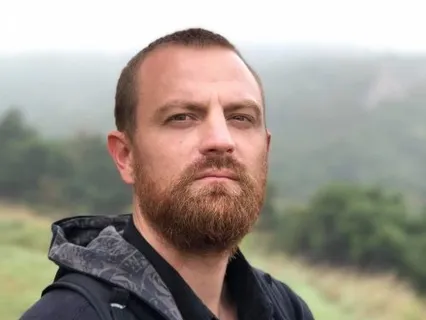
Today's guest is founder of Bipolar and Alive.
Com,
Lane Cornell.
I reached out to Lane because aside from just being curious about Bipolar,
I was wondering if I had it.
And this is something new for me.
I've been kind of like in this depressive funk for a few months and I was speaking with this business coach about like my work habits and stuff.
And he called out like,
Hey,
Maybe you have like some sort of mental disorder going on.
And I never considered that other than me just being moody sometimes.
But I looked into it and I was wondering,
Maybe I have this or at the very least I do seem to have like a cyclical mood.
I looked at my adult years,
Even into my adolescence and noticed like every so often I'll go from,
I'll swing from like a manic super productive,
Super creative,
Super happy phase down into like this depressed phase.
And I now I'm 29 now,
I was wondering like,
Is this just a thing that happens?
Is this because of some actions I'm taking and I'm not aware of?
Or do I actually have some sort of disorder that has me swing back and forth?
And for a long time,
I didn't really want to over label mental illnesses.
Not that I didn't think they existed,
But I do feel like a lot of people will slap a label on a mood or a condition or just like some sort of emotional experience and like,
Oh,
You have this,
You have this.
And then the person becomes kind of victim to me of like,
Oh,
I have this disorder.
This is why I can't do certain things.
This is why I need to be treated special or this is why I need to see myself as a victim who's incapable of this or that.
Obviously,
That's not the case in all situations.
I do know mental disorders do exist,
Obviously,
But this is why I was resistant to something that could be as vague as like mood swings.
So I reached out to Lane to have this conversation and he was really enlightening on the topic.
I was actually surprised at a lot of his stances and I did find a lot of useful information for myself or any useful perspective.
So whether you're someone who may have a mental disorder or does have a mental disorder or simply is moody and depressed sometimes,
Which I think is true of all of us,
I did find this conversation to be super useful.
So please enjoy.
This is episode 021.
Wait,
No,
It's not 021.
Sorry,
I need to go check.
You're listening to episode 023,
Lane Cornell,
Bipolar and Alive.
You're listening to the Ruwando Podcast,
Perpetual Orgasm,
Infinite Play.
Please subscribe on iTunes and enjoy the show.
All right.
All right,
After all that,
I'm going to blow my nose.
Yeah,
So anyway,
Yeah.
So as I was saying before,
I've been thinking I might be bipolar.
I want to reach out to you because you're the closest expert I know.
So I'm grateful that we got to speak this way however it was.
So cool.
Awesome.
I appreciate it.
And I actually get calls like this once in a while from people that I know from my childhood that are going through a rough time and it turns out they might be bipolar and they might not.
And so this is,
You know,
It's always good.
My message always is the same.
It's kind of like,
Welcome to the club.
It doesn't have to be a bad thing.
Yeah.
I was surprised after my Facebook post how many messages I got from my friends and acquaintances who said like,
Oh,
I'm bipolar and was like,
Oh,
Shit.
Like no one – yeah,
I was surprised.
I was also surprised at how many of my friends who are bipolar are afraid to speak about it because honestly,
I didn't know much about it.
I didn't know there was such a huge stigma.
I've dated women with bipolar which is – who were bipolar which is why I just thought it was not a big deal because they would talk to me about it.
I thought it was just like,
Oh,
Yeah,
I have whatever.
But now that I'm – like only these last four days have been researching it more and reading about it and like taking kind of dumb online psych quizzes to assess myself which obviously isn't like a real assessment.
But it's been interesting seeing what's in this world.
Absolutely,
Man.
As far as people being afraid to speak out about it,
When they do see somebody that is in that position,
They get empowered to do it.
Like I started writing about bipolar disorder a little over a year ago and it's kind of the same thing happened.
And I was really nervous about it because I started writing.
I was going through like a writing course and I was trying to figure out what would I write about.
And I wanted to like do something that would have an impact on people.
And so,
I started writing about bipolar and I would publish them to my WordPress site and just kind of like leave it in the hands of Google for people to find me.
But then I got to the point in the course where the instructor was like,
Okay,
Now it's time for you to start publishing your posts on your Facebook.
And at that point,
I was like,
Oh,
I don't know.
Was it called Bipolar and Alive or it was just like – Yeah,
Bipolar and Alive,
Right.
And so,
I like hesitated.
I was like,
I don't know if I want to share this like with people that know me.
And after talking with a couple of people,
It was just like,
Hey,
Man,
This is what you have to offer.
Like,
You're going to lose anything out of it.
If you lose friends because of it or something,
Then they weren't really friends in the beginning anyways.
But from there,
People reach out and you see other people will maybe start a similar site or just start talking about it more openly.
And that's a good thing because they're able to,
One,
Get help that they need.
They're able to start building a support system and the people that are in their support system are more able to kind of understand where they're coming from.
Yeah.
The one thing that actually I was nervous about was future clients,
Potential clients being like,
Oh,
I don't want to be coached by someone who's bipolar.
I was thinking like,
Does this ruin my credibility as a life coach,
As someone who people seek for stability to say that I'm so unstable?
And I actually,
I think it's because I'm in a depressive phase,
I kind of am just like,
Fuck it,
Which is the thing that I'm concerned to be about all of this.
Like I was telling you before,
The only reason why I even considered this was that a business coach told me I might have like a chemical imbalance.
Like I was asking him for branding advice and he's like,
No,
You got like an internal problem because like you don't care about anything right now.
And that's what made me go into this whole inquiry.
But yeah,
I kind of am in a fuck it mode.
So it wasn't like a bold decision to like reach out to people or help anyone.
I was just kind of just expressing myself because it was the one thing that felt good honestly in weeks was writing about how I might be bipolar.
Just getting it off your chest.
Yeah.
Yeah.
The other thing is bipolar,
It's hard to diagnose yourself really.
It's hard to like let somebody that's not an actual professional diagnose you or all that.
If it's really something that you think might be affecting your life,
Then it really is best to like reach out to a professional because there's a lot of research behind bipolar disorder.
It's actually like one of the few disorders that we know a lot about now.
We didn't for a long time,
But we do now.
And so there's a lot of treatments that are available,
Even if they're only temporary just to kind of get you out of a funk.
Right?
Like there's a lot of misdiagnosis that can happen.
So for example,
Somebody who is feeling depressed,
But they're bipolar and they don't know it,
They might just go into their doctor and say,
I'm depressed,
Give me some antidepressants.
And somebody who's bipolar that's taking antidepressants alone can really like trigger them to a manic state where they can't sleep and they're running around the streets and thinking they're Jesus and stuff like that.
That would be like bipolar one,
Like a more extreme.
Yeah.
Because like from what I understand,
The difference is like with bipolar one,
You actually have like psychotic episodes or like delusions.
Yeah.
There's a lot of variability to it and everything for sure.
Yeah.
So I guess you're not in a place to diagnose anybody,
But do you,
When you,
When you have all these people reaching out to you,
Do you have like an assessment?
Can you like tell,
Is there something that you know from your experience?
I mean,
I really just try to just not do it.
It's a big responsibility because the professionals really are in a place where if you're,
If you're in a spot that you can't seem to get yourself out of,
Like they can offer you help,
You know?
And I look at it as just kind of levels,
Right?
There's like,
There's the lowest of the lowest level of the disorder where you may have to like be hospitalized for a couple of weeks or longer in some cases,
Not you necessarily,
But somebody.
And I've been hospitalized myself.
And in those cases,
They're just like feeding you meds,
Just to try to like normalize you,
You know,
That doesn't mean you have to take those meds forever,
But once you get to a normal kind of clear state of thinking,
Then you can get on a more kind of personalized path,
You know?
And so that person,
If I asked like,
Are you,
Do you take meds now on a regular basis?
Currently I don't.
Okay.
Right.
And I,
And I don't like,
I don't tell people you need to take meds.
I don't tell people don't take meds.
I'm kind of more of just the advocate of living as healthy of a lifestyle as you can and making use of the tools that you feel are going to help you.
Right?
Like ultimately it's up to you,
What you put in your body.
Yeah.
I was actually surprised that I was,
I mean,
I was grateful that all my friends who were bipolar reached out,
Or I mean,
A lot of people that reached out,
But I was surprised that a lot of people had like pretty strong stances of,
Oh,
I took meds and they suck.
Don't you ever take meds?
And other people were like,
Hey,
I'm on meds and they're great.
You should take meds.
And I was like,
All right.
I was surprised like that anybody would have like that strong an opinion.
Yeah.
And I'm kind of,
I've been,
I've been running into that too.
And I'm just kind of different.
I'd like,
I have taken meds in the past and I'll tell you a little like background if you'd like.
Yeah,
Definitely.
I was going to ask you anyway.
So I kind of found out about it.
First of all,
There's a,
There's a kind of a history of it in my family.
You know,
I didn't always know about,
But I found out about later.
Like was it diagnosed in your family or is it just like you looking back,
You're like,
Oh,
It looks like a lot of people were kind of both actually definitely diagnosed.
And then some that's like,
Yeah,
They probably could have been.
So I experienced like a manic episode while living in Peru and came home to get treatment.
I was 24.
Okay.
Yeah.
And this is again,
Looking back,
I could see,
You know,
After now having like hindsight or anything,
I look back and say,
Oh,
When I was a teenager,
You know,
I didn't sleep for three days.
Yeah.
And,
And I didn't get out of bed for three days and you know,
Stuff like that.
It's like,
You know,
It was kind of some symptoms.
But so anyways,
I came home and when you're manic,
It's like,
You don't want treatment because the manic is great.
Yeah.
Actually love it.
You're like,
Hi.
You know,
You feel it's like all the grandiose feelings.
You feel unstoppable,
You know,
But it's hell for everybody around.
Especially when like they know the normal you they're like,
Something's off about laying,
You know,
And that was kind of the sense.
So I checked myself into a hospital kind of with the guidance of my loved ones.
I just,
When you were,
I guess this is after the episode,
It was over.
No,
I mean,
This episode was,
Went off for a while.
Like,
And did you think there was something wrong while you were manic?
No,
Not at all.
And you're just like,
I'm going to go see a doctor because everyone's telling me I need to basically.
Yeah.
And,
And,
And to tell you the truth,
Like looking back now,
I still don't think that there was something wrong with me.
And this kind of goes back to the levels that I was talking about.
Like there's the lowest of the lowest level where you're just totally unproductive and all over the place or just not moving,
Basically.
There's the levels where you're,
You're taking the treatments that are available to you to get to kind of live in a normal life.
And then there's,
There's kind of a level that you can get to where you realize that it's all just energy.
It's all spiritual in nature,
You know,
Like,
And that's kind of how I look at it now.
And when I was going through these manic phases,
They,
Mine would always come with spiritual highs.
And I would say things,
You know,
That maybe seemed out of the ordinary,
But at the same time would like ring true for people.
But it was just too much for like the everyday,
You know,
Experience.
Like it's just too much for people to,
To understand on a daily level.
It's like,
My mind's racing too fast.
I'm making connections where I see connections,
But other people can't see them.
And I just don't have the patience to slow down and explain everything.
When you come down though,
Do you still feel the same about that?
So that's,
That's,
That's the,
That's the trick,
Right?
So it's like when I came down,
I got super depressed and I basically was just in bed for like a month and would just only get out of bed and eat a sandwich and maybe shower if I could like get the energy to get into it.
And I,
I've never been suicidal and it is something that's pretty common with like depression and bipolar depression.
But I've just never had that like urge or like thoughts about how I would kill myself or anything like that.
But I did start thinking like I was ready to die.
That makes sense.
Like I don't want to keep living like this.
Like this is no way to continue.
And when I started thinking like that,
It was close enough to suicidal thoughts that I said,
Okay,
I need to get some help.
So I reached out and back out to the doctor that I'd seen before and said,
Okay,
Maybe you're right.
Let's talk again.
Cause he told you,
You were bipolar and you kind of just were like,
Whatever.
Right.
Gotcha.
And so I met with him.
He's like,
Okay,
So do you see like the changes,
The ups and downs,
Like how different you are now from when I first met you?
Cause you know,
It was pretty,
I was like inviting him to go play golf the first time.
I saw him in this time.
I'm just like,
I don't care about anything.
And so that was really like the only thing that got me to seek treatment was just realizing that I just,
I didn't want to continue living like that.
And so I started taking a medication called Lamictal which is like actually an anti-convulsant.
And I had mixed feelings about medication at the time,
But I was kind of at the point where it was just like,
What else am I going to do?
You know,
I didn't smoke or drink or anything.
I wasn't really self-medicating or anything,
Which a lot of people do if you ever go to like an AA meeting.
Yeah.
It seems like half the people you meet there have bipolar disorder.
Yeah.
I was dating someone who she,
We broke up cause she went to rehab and she,
When she told me from rehab,
Like,
Oh,
I was self-medicating cause I found out I'm bipolar.
Yeah.
I was like,
Oh,
That's what it was.
I thought you were just like nutty.
Right.
It's super common.
It's like,
It's,
It's trying to change the way that you feel is really all it is.
And which is good.
I mean,
There's,
There's positive ways.
There's constructive ways to do that,
But you know,
Drugs and alcohol is,
Is definitely not the way to go.
So anyways,
I started taking this,
Lamictal,
This medication and,
You know,
Within just like a couple of days,
You know,
I,
I started to feel a little bit better.
Like I felt good enough to where I could leave the house and I felt good enough to where I could call a friend and have a conversation and then eventually like meet up with some friends.
And then,
You know,
Within like a couple of weeks I found myself like smiling and laughing again.
And so that went on for like a good year.
And so I look at the,
The medication is basically it's a tool that's available to you if you need it.
Does most medications though,
Kind of prevent you from going up high.
Right.
So there are some that are called mood stabilizers.
Lamictal is one of them,
You know,
Depakote is one,
Lithium is kind of the traditional one.
And yeah,
They're meant to keep you from going up too high.
And that scares a lot of people because they're like,
I like to,
You know,
I want to go up high.
Right.
But it's,
That's really just,
It's nothing to be afraid of.
It's not like it's,
It's gonna,
You know,
Turn you into a zombie.
And people,
Some people do have that experience where they feel like,
I'm just not myself.
I don't like the side effects of this medication.
Cool.
Talk to the doctor about it.
Talk about either coming off of it and trying to do without it again,
Or try to switch it or maybe,
Which is common with a lot of medications is that there's just a period of time where your biology is kind of adjusting to this chemical change.
And you know,
It's kind of like a period of resistance.
If you can get through it,
Then,
You know,
You'll be okay.
But you know,
There is,
There is a lot of things to consider with taking medication.
Like some medications cause weight gain.
You know,
Some medications make you hard to sleep or whatever,
Like can make you tired.
And so,
You know,
There's things like that to think about.
Yeah.
I'm still averse the idea of medication and I still don't know what,
But like a couple of things you said,
I definitely was like suicidal at periods in my life,
Which is why I was looking back on my life and like,
Oh,
Maybe it's not that I just get depressed sometimes.
Maybe this is a thing because it does seem to be cyclical.
But in that I was thinking like whether or not I have something,
If I thought like,
Oh,
I'm just going to like be up and then down for the rest of my life.
Like how would I live my life?
And then I thought like,
What if that's just how,
What if that was normal?
Like what if it's like,
Like we talk about this,
Like with feminists a lot,
Like if the world was designed for women,
When women are on their period,
No one would expect them to work.
But like periods are a nuisance because women are expected to work all month the way men are.
So it's like the world was designed so that people are supposed to be down part of the year.
Is that even a bad thing?
Should we even call it a disorder?
Which is what made me think like why,
Which is my resistance in labeling mental illnesses.
A lot of times I think it just makes it,
Makes people think that there's something wrong with them or that they're a victim as opposed to like,
Oh,
This is,
This is your quirk.
Like,
And like aside from like the extremes of wanting to kill yourself,
If I'm just,
If I'm,
If I was just down a few months a year,
That wouldn't be that bad.
I'm afraid that I'm not,
I just,
It'll ruin my life.
That's like my fear because I feel like I need to be consistent.
And I'd imagine that's probably true for a lot of people.
Yeah,
Definitely.
And this is something that causes problems in relationships and also causes big problems as far as career goes,
Right?
Because if you're not able to show up as your best self to your job,
You're not gonna have a job.
Yeah.
And so the most successful people,
You know,
That have this type of cyclical energy,
Whether it's bipolar or not,
Seem to have like structured their business around that to kind of like plan for it in a way.
So they kind of do batch work,
You know,
Like knock out a bunch of blog articles or something while they're feeling good.
And then when they're not,
Then they can focus on self care and kind of,
You know,
Getting back to being where they should be at.
Yeah.
Like when I think about that,
If like,
If I was absolutely sure a manic episode was coming up where I could get a lot of work done,
I wouldn't be worried about this at all.
But I don't know if that's the case.
That's what makes me nervous.
Because actually the business coach I was talking to,
He didn't say he was bipolar,
But he says he has cyclical depression.
I mean,
That's the term he used.
And his assistant was on the call and he's just like,
My assistant knows that when I'm down to take care,
I mean,
He's been in business for a long time,
So he has this thing running,
But that seems like the thing to do.
And that actually sounds like desirable.
Like I would like to spend a few months of the year being slow and just like taking care of myself.
Yeah,
Definitely.
And there's one thing I'll say about,
You know,
Being down on a planet for being down.
This was a conversation I had with my dad before I ever even knew that was bipolar.
Right.
It was while I was in college and I asked him basically like,
If you're ever,
If you're feeling down and depressed,
Should you just like,
Just accept it,
You know,
And like,
Just let it ride out or should you fight it and kind of get back to being your best self?
And his response was kind of,
You know,
You should always just try to be your best self,
Like get back to doing it.
And I've,
As I've grown,
Like I've kind of taken his response with some of my own ideas and put them together where it's basically like,
You've got to accept the feelings that come to you for what they are.
Right.
Yeah.
I think it's like suicidal thoughts,
Right?
There's nothing to feel like guilty about because you have a thought,
Right?
Thoughts,
Who knows where they come from,
Right?
It doesn't mean that you're going to act on it.
I guess it becomes a problem where it's more ideation,
Where it's like constant,
You know,
It's like all day,
Every day you're having negative thoughts.
But as far as like what to do when you're feeling negative or you're feeling depressed or whatever you want to call it,
The best thing that I've found is just to believe that you can choose a thought that will help you feel just like one degree better,
A little bit better.
Like people with bipolar disorder,
We have a tendency to want to go from feeling terrible to feeling great like that.
Yeah.
Because we experienced that sometimes.
Yeah.
But it's unrealistic to do on demand all the time.
But if you're feeling really terrible,
Like you can feel a little bit better if you just take a shower.
Yeah.
You can feel a little bit better if you pound a glass of water,
If you go for a walk outside,
If you call a friend up,
Like you can do little things that will just help you feel a little bit better and then kind of trust the snowball effect.
Whereas if you just let those things build on each other,
You know,
You're going to come out of it.
Yeah.
It's interesting because when I,
That night that I was like,
Oh shit,
Maybe I'm like depressed.
Maybe I have a disorder.
I like really just like accepted it.
And I actually,
I spur like this mini manic phase where I was like,
Oh yeah,
I'm bipolar.
Like I don't care anymore.
And I wrote this post and it felt like the first time I did something with meaning,
Even though it's like a very,
I mean,
We give this shit about a Facebook post,
But like it felt important for the first time or felt good.
But then I was like,
Oh,
I need to,
I need to like double down on this.
I need to do something more to make this into an article now.
And then I died the next morning and I just was like,
I don't want to do this anymore.
And I've been noticing like I get caught catching a negative thought and then I get upset at myself and then it becomes this thing where it just like snowballs in the other direction.
And I'm probably keeping myself down longer than the cycle would have me if I was just open.
Yeah.
So like one of the things I love about bipolar disorder is that it's kind of,
I look at it as kind of like a,
I don't know,
Like a testing ground almost for the rest of the world.
Like people about course where we experienced stuff that everybody else experiences,
But on like a very intense level.
And so one of the things where you're talking about is just having these,
What's called automatic negative thoughts,
Like thoughts that just come up.
You don't know where they come from,
But they come up and when they come up,
They make you feel terrible.
And so there are some tools that you can do that don't require medication or self-medication or anything like that to basically alchemize these negative thoughts.
If you're familiar with that term,
It's taking something negative and turning it into something that's like gold,
Right?
And so a great tool is basically to step into the role of the editor.
So when a negative thought comes up you can write it down like most,
Like you would with a normal journal.
You know,
Like a lot of people in the journal,
They just kind of write and they beat themselves up and they write all the terrible things that happen and how terrible they feel about it and how they didn't measure up.
So go ahead and write all that stuff out.
But then don't close the journal.
Like say,
Okay,
Now I'm going to edit it for bullshit.
Like I'm going to go in and look at all these negative thoughts that aren't true,
Right?
Things that say that like,
I'll never be good enough.
Things that say like,
I always make mistakes.
You know,
I just,
You know,
This five-fourty-four won't let me,
You know,
Have a good relationship.
And so you can go through and you can start editing these things.
So you take one of those that says like,
You know,
I'm not,
I never do anything good,
Right?
Well,
That's trash.
That's not true.
It might feel like that and that thought came from somewhere,
But it's not true.
So you can edit that and you can say,
It feels like I never do anything good.
And so that's an example of like one degree better,
Right?
It's still kind of negative,
But it feels a little bit lighter.
Like I feel like I don't do anything good.
And then you can edit that and you can say,
It's not true that I never do anything good.
Sometimes I do good stuff.
Right.
And then you can even say like,
Last week I did some good stuff,
You know?
And so like just,
Just little by little,
You try to like take out all the negativity.
You don't have to turn it into some like new agey type thing where you're,
You know,
You know,
Like a lot of attractive stuff is kind of like,
Oh,
That would be so you got,
You got only good thoughts.
Like,
No,
Just think like a little less negative.
Yeah.
Like a lot of love attraction stuff seems like so phony,
Especially when you're feeling shitty.
You're like,
Oh,
Think positively.
What a,
What a bunch of phony bullshit.
But I really love what you just said about the testing ground thing because I used to have a lot of friends who were in recovery,
Like a different 12 step programs for addictions.
And one thing I've kind of envied almost about it was that when someone who's gone through 12 step talks about addiction,
It's like,
Oh,
You can have a drink,
But like I have to be so on my path.
Like there's no like margin for error.
But I think like,
Oh,
It's not good for me to have a beer.
Like it's not good.
It's not healthy for anyone to have a beer,
But it's like almost cool.
In a sense,
Like this is not a cool product,
The right word,
But like there's somebody who has to be so strict with like what's right that their margin of error is smaller.
That's what makes me think of when you talk about testing ground.
Like if you're bipolar,
You can't really fuck around with your mind too much.
So you kind of have to do the right thing,
Which would be right for everybody,
But other people might have a bigger leeway where they could fuck around.
Yeah.
And like these areas that you have to really,
Well,
They don't have to,
But that benefit you if you,
If you really commit to,
You know,
Being your best in are the same as they are for everybody.
Right.
And they start with like nutrition.
And that is like,
If I could give like one piece of just one piece of advice,
I would,
In somebody's like thinking on their Bible,
I would say like become an absolute health nut,
Right?
Like eat organic stuff,
Like eat as many super foods as you can a day,
Drink all the green juices you can drink a ton of water,
You know,
Get at least five minutes exercise every day,
Like take care of your body because that stuff affects your mood.
It's not going to fix everything.
Just like medication isn't going to fix everything.
Just like journaling is not going to fix everything,
But it's one,
It's one thing that can have a big impact on the overall picture.
Yeah.
Yeah.
Cause I've tried to apply that concept even like thinking about like,
Oh,
What if I was an addict,
But like there's too many variables.
Like if you're an alcoholic,
It's like,
Oh,
Just don't drink.
That's the thing.
But if you're talking about like something out,
Some other mental situation,
You have to think about like your water intake,
Your food,
Your sleep,
Like,
Oh,
There's a million things.
It becomes harder to focus on like that small margin of error,
Like that being on the right path.
Yeah.
And it's hard to eat healthy.
Like it can be hard if you have bad habits and you go out to eat a lot and it's like,
There's so many unhealthy options,
But even Walmart now is starting to like provide healthier options for people.
And it's just one of those things where,
Where before you make a choice,
You just pause and you say,
Okay,
How's this going to affect me?
Right.
High fructose corn syrup.
What's that going to do to my,
To my thought process?
Like what's that going to do to my emotions?
And it's not to say that you can never drink a soda,
Right?
You can't,
You just gotta be aware that when you do,
It's going to affect you.
Yeah.
Right.
And,
And you know,
You don't have to be afraid that it's going to necessarily like throw you off your game and all that.
And you have the hospital,
But there's a good chance it's going to affect your energy.
And then when that happens,
You kind of get the snowball going in the wrong direction.
It's like my energy is low,
So now I gotta drink a bunch of coffee.
Right.
It's like,
Yeah.
Yeah.
I was thinking like,
Why have I been so unproductive this year?
And like every time I brainstormed about it,
I'm like,
There's a couple small things that I've done that I didn't do when I lived in New York.
Like I've been smoking pot a little more often.
I never did that in New York as New York was too fast paced to be high.
Like,
You know,
Austin was like,
I could get high,
There's no harm.
And like,
It's not like smoking once makes a huge deal,
But I do eat a little more sugar,
Which means the next day I drink coffee and then I kind of like,
Yeah,
I kind of threw off my season,
I think.
I'm not sure,
But that's one of my theories.
Yeah.
Definitely.
And like discipline is huge.
Like I,
I reflect on this a lot.
Like there's periods in my life where I'm super disciplined about everything.
And then there's other periods in my life where I let it go.
And like the effect is obvious,
You know,
It's like the more disciplined you are,
The better.
The thing is that discipline is like a depletable resource.
Like it runs out,
Right?
You always have to be relying on your discipline to make good choices.
Then you're going to fail.
Right.
And so you gotta,
You gotta,
You gotta structure your life in a way that it's easy to eat healthy.
It's easy to drink water.
And a lot of that has to do with the people that are in your life and relationships that you have.
Right.
And,
And,
And something else that we haven't talked about yet,
Which is triggers.
Yeah.
Yeah.
I want to get to that in a sec.
I just like one thing I've been like journaling about a lot.
It was like a note to self,
Don't spend your gains.
Like for me,
It's like when I'm been in the right mode,
That's when I'm most likely to drink a beer or eat a donut.
Like when I've been like,
Oh,
I've been super healthy for the last week.
That's when I can like mess up because when I'm feeling shitty,
It's actually,
I found it easier to be disciplined because I was trying to not feel shitty.
So like I'll keep myself away from,
From all that.
But then that,
That causes the swing.
Like I do the right thing when I'm feeling shitty and then I feel good and they do the absolute wrong thing.
And then,
Yeah.
Yeah.
Like one of my favorite lines to kind of sum that up is if,
If something's not good for you,
It's not a reward.
You're right.
Yeah.
That's good.
Uh,
So triggers.
Yeah.
Triggers.
So triggers are just basically things that happen that cause a reaction in and it could be,
Uh,
You know,
Something that happens at work.
It could be something that happens,
Uh,
While you're just out and about in traffic or could be more commonly as stuff that happens like at home with the people that you live with and the dynamics of relationships.
I think about like something that triggers depression or stress is usually the first trigger for,
In my experience anyways,
It's like,
It was something that will trigger stress.
It won't feel like depression.
It won't feel like meaning.
It just feels like anger or discomfort or like irritation.
Right.
And when you let that sit in your body for hours,
You know,
You kind of lose your power if you don't handle it the right way.
And if you've got to handle that all the time,
Um,
It just wears you out.
And that's kind of where depression comes in.
It's just like,
Whatever.
Just don't care.
Hmm.
Yeah.
Two things come up for me when you say that,
Uh,
One,
I noticed like anytime I've been unexpected,
Like financial calamity,
Like some,
Some new bill comes in or something comes,
I noticed like that kind of fucks up my day.
And I'm like,
Oh,
Why me?
I've been so responsible with my money for the first time.
I like,
I guess it's something that happened a lot to me.
I had a couple of things,
A couple of huge expenses hit me and I was just like,
Oh,
I've been so responsible.
My money,
Like,
Why are you punishing me?
Universe.
Right.
And then I go into this weird like head space.
And another thing that supports like depression for me is like comparing myself to an ideal.
If I see someone successful doing more of what I want to do,
That puts me in the spins.
Or if I think about,
It's very cliche,
But I'm turning 30 this year.
I'm like,
Oh shit,
I'm not where I wanted to be.
That kind of puts me in the spins again.
And then that probably drags out depression cycles longer than it should be.
May.
So I have like seven months,
But I feel like a lot of pressure.
And then when I feel too much pressure,
I'm like,
I'm not getting anything done.
Let me just like not do anything.
Right.
Yep.
So then that's where the disconnect kind of comes.
And I don't know if I should be letting myself chill and wait for the upswing or should I just be grinding away?
It's like that question again.
Yeah.
Uh,
I think it doesn't have to be one or the other.
It's what,
What can help is just to take a break from it.
Right.
Um,
And step away for a minute and clear your head,
Go do something fun and then come back to it.
But as far as like those specific triggers that you mentioned,
Um,
Something like when a bill comes in,
Uh,
Or what was another one that you said,
Uh,
Like comparing myself to other people.
Right.
Uh,
So that's stuff that's going to happen for the rest of your life.
Right.
And so a good thing to do is to just like rehearse mentally,
Like what,
How could you respond to it differently?
And so like,
And this will go against everything you ever heard about in a lot of attraction,
Because you're not supposed to visualize bills coming in.
Right.
Um,
But if you do that and you visualize a bill coming in,
You know,
If you can rehearse in your mind that you're reacting to it in a way that gracefully,
Right.
Like oh,
Here's a bill.
I wonder how I'm going to,
You know,
Cover that.
I'm not sure how,
But I always do.
So I know it will,
You know,
Coming up with like rituals that allow you to respond to these triggers in a way that doesn't deplete all your energy.
Hmm.
That's that,
That makes me think of like,
Cause I do this with like relationships,
Like with women,
Like I just expect that certain times of the month or certain times of the relationship because emotions are emotions.
Like I,
I'm always anticipating something that seems like unpleasant to me happening and I trust that it's not personal.
This is this little past.
It's like,
I just do this.
I could do this with other people.
I just don't do it with myself for whatever reason.
Right.
Yeah.
That mental rehearsal is huge.
Right.
And then back to like comparing yourself to other people.
That's something that will come up cause that's an automatic thought for you and for a lot of people and for me as well.
But so if you can imagine seeing somebody that has something going for them when you don't and imagine that instead of beating yourself up,
You're like congratulating them.
Yeah.
And you're thinking like,
Wow,
I wonder how they did that.
Or I wonder how I could get there too and kind of rehearse it mentally in a way that leaves you feeling more energetic.
Yeah.
With that,
I've been trying to get out of the thinking of like thinking there's like some sort of ranking system.
Cause I think just as often,
Like if I look at someone as inferior,
I'm also feeding that same idea that we're not all valuable people who are peers.
Like,
And I try to remind myself that because especially if I feel insecure about someone doing better than me with someone who reaches out to me saying like,
Oh,
Can you help me?
I think like,
Oh,
Well at least I'm like,
At least I'm in the middle.
Right.
At least I'm not like at the bottom,
But that's like,
That's one that's not true.
Like that's just,
It's a foolish way to look at things.
It just supports my inferiority complex.
What kind of leads in beautifully to like a huge area that I think is super important for everybody,
But especially for people who buy Florida's word and the spirituality,
Right?
It's the way that I would put it is just,
Is just to say,
You know,
Own your spirituality and the reason that,
That what you're saying brings it up is because of that ranking system,
Right?
It's so like,
Anti-spiritual,
Anti-spiritual,
Right?
It's just like,
He's better than her or whatever ego base.
Exactly.
And,
And then it's all like based on the certain timeline,
Right?
It's like,
Yeah,
That guy's there now,
But who knows where he's going to be next year.
Right.
And maybe I'll be there next year.
And it's like,
What does any of that matter?
It's just,
It's just like,
It's just our timelines are off as all it is.
Yeah.
And so if you can be at peace with where you are spiritually that stuff can really fuel a lot of these other things that pop up and kind of give you a solid ground when these triggers come up.
Yeah.
Yeah.
When I,
When I let myself like chill on the bill coming in and like,
Just like be with myself or like when I'm just really stressed and I think like,
All right,
Like what,
What's the purpose of this?
I try to make meaning out of it.
I do return to this like spiritual truth,
Which I think is a truth,
Which is like,
It's always between you and whatever's out there.
God universe,
Like you're always taken care of you being everybody obviously.
And I do kind of laugh in those points.
It's like,
Why do I need to get depressed in order to remember this?
Like,
Why don't I remember this when I'm happy?
Cause it's so easy to forget.
But another thing of spirituality I was thinking about is like,
I know when I'm depressed,
My tolerance for bullshit goes to zero.
Like something that I don't know if it's,
I mean,
It's not necessarily positive,
But the last few months I've been cutting out things in my life that I just can't,
I can't do like,
Like my business,
Like my business partner,
Who's awesome,
But we had to split because it's just like me,
My,
My role here is not authentic and I could fake it when I was happy when I was manic.
I could just like,
Wait,
Whatever,
I'll write a sales letter.
I'll do a video,
Whatever.
I don't care.
I can just do it.
Do,
Do,
Do.
But when I'm depressed and like,
I can't do anything that's not completely myself.
I can only do what's like true to me.
I have to cut off all that shit.
And it makes me think of like the spiritual alchemy view of stuff,
Which is like when you're feeling shitty or fermenting,
You're burning off the stuff,
You're calcifying,
All that stuff.
So it's interesting.
It is.
Yeah.
And so like a depression so easy to look at it as a bad thing,
Right?
Because it hurts,
It's painful.
But it also gives you kind of the like natural resources from where you can create,
Right?
You can relate to other people.
And then like you're saying,
You zero tolerance for bullshit.
That sounds like a good thing to me.
Yeah.
Right.
Yeah.
So like right now I have very little bullshit in my life.
I don't have like much else clear about.
I'm like every time,
Everything I try to do,
I'm like,
No,
This is bullshit.
This is bullshit.
This is bullshit.
This is bullshit.
This is bullshit.
This is bullshit.
Yeah.
I'm like,
Here I am.
It's just like sitting here.
Yeah.
And so with,
With that,
Like depression and those dark feelings,
I kind of look at,
Look at it as those are all effects on the heart.
And if you look at the heart as a muscle and you think about exercising when you're exercising,
You know how,
And you're trying to get big and bulky.
You're trying to like,
Look like a,
Like you've been lifting weights a lot.
How does that happen?
Well,
You,
You're tearing the muscles,
Right?
And if you constantly turn the muscles,
You're not going to get bigger.
You got to tear the muscles.
So it hurts and then rest and then you got to rest and you got to like give it nutrients so that they can build back up.
It's the same thing with the heart.
Right.
And depression is like,
You know,
As painful as it is like it's tearing that muscle,
It's just breaking your heart open.
And if you can just kind of allow yourself to heal from it,
It'll,
It'll,
It'll heal.
And then when it does,
You know,
Your heart will be softer and you'll be stronger and you'll have a greater capacity to love.
Hmm.
Yeah.
When I,
Uh,
When I've been in a more negative spiritual lens,
If that makes sense,
Like sometimes I'm like,
Oh,
Am I depressed right now?
Cause I picked up bad karma from doing bad things.
And then I'm like,
Oh,
I mean basically it comes out to like,
Have I'm I down here because I closed my heart to something or I denied some sort of truth,
Which is not a good way to look at depression.
It's just self berating.
But um,
It is interesting to think like,
Did you go off your path at some point?
Did you close your heart to something because your ego wanted something or cause you're trying to do what you thought was right as opposed to what you felt?
Yeah.
As much as possible,
I would say like remove guilt from depression because it only fuels it.
It's like,
It just turns all the,
You know,
Hate that you might have just onto yourself.
Um,
And there's nothing to feel guilty about depression.
There are things to learn from it.
A lot of it is triggered by just not eating healthy and you know,
Putting harmful substances in your body.
Um,
And not moving around enough.
Like there are things that are in control that can cause it.
Um,
But even then,
Like guilt just,
It doesn't serve a purpose when it comes to depression.
Yeah.
Yeah.
I know I'm in a bad funk when my first thought of the day is like,
You suck.
Uh,
It's like,
It feels good to laugh about,
But it's like sucks.
Yeah.
Uh,
I was going to say something about,
But here's something that,
You know,
Has helped me and,
You know,
Maybe it helps you or somebody else,
But the negative thoughts that we have that come up are the most deceptive.
Those are the thoughts that you should trust the least.
Yeah.
Not trusting your own thoughts feels like a psychotic thing in itself.
I can't trust the voice in my head talking to me.
Sure.
Sure.
Cause actually when I'm manic,
I'm looking,
I've never thought of myself as like manic manic,
But like looking back at my life at times where I was super up,
Like I very clearly heard like words in my head that I was like,
Is that an auditory hallucination or am I just like talking to myself like so loudly that it don't rec like,
And uh,
Sometimes I felt like,
Like I'm connected to God,
Like I or an angel's talking.
I'm not that I fully believe that,
But in those episodes I'm like,
Yeah,
Well maybe I do have super powers right now.
And like,
And then there have been times where I feel like I've gotten like the correct life advice to do certain things.
Um,
And they're always after stressful events.
So I don't know if that,
I don't know what to make of that because a part of me wants to imagine that there is something super normal there.
Yeah,
No,
I can relate to that.
And I know a lot of people can like as far as,
Uh,
Like people with bipolar disorder having that feeling of,
Um,
You know,
Being like a prophet or being at one with God or talking to God or whatever,
Like it's very common.
And um,
Because it's common and because it helps people end up in,
You know,
Hospitals and stuff,
Like it's easy to write it off,
But I don't because I've had enough conversations.
I've had enough personal experiences.
And at the end of the day,
It's really about like,
What's the result of all that.
Right?
Like if you're getting,
You know,
Information,
It doesn't really matter where it comes from.
If you put it into practice and it produces a result that you want,
You know,
That's,
That's a good thing.
Yeah.
Right.
And so whatever interpretation you put to it is totally personal.
It's like nobody's business.
Right.
If you believe you're talking to angels,
Like nobody needs to know about that.
Yeah.
Right.
As long as the advice is sound.
Yeah.
I mean,
A lot of the top,
Like I'm thinking of Abraham Hicks,
Like you're familiar with them.
Yeah.
I mean,
She taught her career is based on talking to an angel and she gives great advice.
So yeah.
So it doesn't matter.
Right.
And so like whether or not I believe that she's actually channeling spirits doesn't really matter.
It's like,
What really matters is can I take what she's saying and put it into practice in my life and get results?
Yeah.
That's it.
Yeah.
Yeah.
It was all,
So before I ever consider that I might be bipolar,
I have loved the idea of manic depression.
Like bipolar doesn't sound like a sexy word,
But like manic depression sounds sexy.
Like,
Oh,
Like that writer was manic.
Like Jack Kerouac wrote his book in three weeks in a manic phase.
And like,
Just like the desire for that creativity is something I want.
Like I almost,
I,
If I knew that a manic phase would come after every depression or before I would willingly take the depression because I want that creative stroke of genius to come to me because in regular waking life,
Like I don't think I come up with anything profound,
But then the fear is when I'm depressed,
I think that profound thing is still profound because I'm now in a different reality.
Like actually this year I look back at some of the stuff I wrote this year.
I'm like,
That's kind of,
It seems like bullshit.
Like I don't know if I believe that I'm like embarrassed to publish that.
And I'm even,
And I'm upset that people believe what I was saying.
And then I go into this other weird spin,
Which is another thing.
Yeah.
I think my only kind of remedy to those thought patterns is just like bringing everything back to the present.
You can plan and prepare for being manic or being depressed which can be a good thing to do.
You know,
Like it's,
It's good to have a support system set up so that if you find yourself in this state of mind,
Then people know about it and then they're there to help you.
But at the end of the day,
Like what could happen or what might happen doesn't really matter.
It's like,
Where are you at right now?
So it's like always bringing things back to the present moment and just dealing with now.
Hmm.
Yeah.
Yeah.
So you were,
You were,
You,
Or you accepted your diagnosis,
What,
Like six years ago?
Shoot.
Yeah.
At least I'm 32 now.
Okay.
And how has that changed how you live your life?
So I took medication for like a year or so.
I stopped taking it for a while and I didn't do so well when I stopped taking it.
I wasn't really ready to do it.
The reason I ended up stopped taking it was because you know,
Somebody had made a comment about it being like a crutch for weakness or something.
I was like,
I don't want to,
I don't want to have a crutch or weakness or anything.
So you know,
I'm not going to take it.
And life got pretty hard after that.
And you know,
I realized,
You know,
I do need to be taking medication.
And so then I started taking it again.
And so I have,
There's been periods in my life where I've taken medication and periods in my life where I haven't taken it.
Right now I'm not.
But I'm also like doing everything possible to like stay healthy physically and mentally and all,
You know,
All these things.
So it's changed in a way,
The way I look at it has changed a lot.
I kind of see bipolar now is like,
It's a useful model that describes these extreme fluctuations in energy that some people have.
And that's what it is.
It's a model.
Like it's not the end all be all.
It's not everything like right now I'm at a point where I feel like bipolar is a part of my past in a way.
I still have the ups and downs.
But it's kind of like you were saying with the mental illness thing where after a while I was just kind of started feeling like I had to always be thinking like there was something wrong with me.
And I just hit a point where I just didn't feel like there was something wrong with me anymore and I did for a long time.
And so the bipolar model fit that.
And that was good.
Like that was what I needed at the time.
And I got the tools that I needed to get out of it and to make progress with my life.
Like if I didn't accept that,
Like I would still be stuck where I was.
That's interesting.
I didn't expect you to say something like that.
Because like that's actually one of my issues with the 12-step program is like are you familiar with it?
Like step one,
You declare you're an addict and powerless.
And like I feel like I know people who've recovered from alcohol.
I mean who are in recovery or who've gotten past their alcoholic phase in life with 12-step and without it.
And the people who did it with 12-step always see themselves as having a sickness.
Whereas I know people who had an alcoholic phase in their 20s and now they don't really drink or they can have a beer and it's okay.
But they don't think of themselves as diseased.
And like I kind of feel like that's kind of like don't you ever evolve?
Like don't you ever evolve past your sickness or you're just going to be sick your whole life?
And I think that is a negative.
Yeah.
And it is possible,
Right?
And so like my whole message with the things I write about or talk about when it comes to bipolar disorder is get the help that you need if you're in a tough spot and take his medication as long as you feel like you need to work with a doctor.
Like go through the model,
Like learn as much as you can about it.
Learn about it because you're going to learn kind of about yourself and you're going to learn about the triggers.
But then from there,
Maybe we can talk about this too.
You can graduate from triggers to anchors,
Which I think you probably know a little bit about.
Yeah,
Kick it easy.
Yeah.
So there's triggers,
Which are like things that happen to you that cause a reaction in yourself,
Right?
Then there's anchors,
Which are basically triggers that you set for yourself that kind of can create an emotion in you.
So something as simple as like a song,
Right?
Like you wake up,
You throw on a song that whenever you hear that song,
It makes you feel good.
That's an anchor,
Right?
And you can start your day off that way.
Like I got a couple songs that I listen to every morning and they just get me going and I hit the gym and it's like a great way to start the day.
And anchors are like super ancient.
There's one that's called the,
What was it called?
I can't remember the name of it,
But it's like where you put your,
The mudra,
Right?
You put your fingers together like that.
There's a bunch of different ones,
But you don't really need more than just the one.
You just do it when you meditate so that you can return to that meditative state.
So that concept of anchors is kind of like taking the,
It's kind of leveraging the power and like the susceptibility that we have to triggers and using it to your advantage.
Yeah.
Have you heard of Mark,
My major Mark?
Okay.
He's a hypnosis guy and he talks about anchors a lot and he was talking about how like,
Like what a talisman is in psychology is like anchoring an emotional state to an object.
So like he supposedly like anchored his love for his wife to his wedding rings.
Whenever he's pissed off at her,
He touches his ring and he feels better.
Like so for like those of us who are not hypnotists,
We can do something simpler like with music.
Definitely.
Yeah.
Yeah.
Music like aroma therapy can work really good.
And yeah,
And we don't even talk about meditation at all,
But meditation,
You know,
Is probably the best way to set those anchors because you're training your mind to,
You know,
Sit in stillness and,
And to invest at least a couple of minutes a day into like the real you,
Which is just that sense of wellbeing.
And if you're really depressed,
You might not feel that benefit right away when you're meditating,
But you know,
With consistent practice,
Like it's one of those things that comes,
You know,
It's,
It's different than drug use where you,
You know,
You take a hit in your height right away.
Yeah.
It's more like eating healthy where you eat a little bit healthy.
You don't really notice it.
But you healthy again the next day and the next day.
And then after a couple of weeks,
You're like,
Wow,
I feel pretty good.
Yeah.
It's hard to meditate when you're depressed.
It can be.
Yeah.
And so when it comes to,
To that,
I would say like guided meditations can be really helpful because when you're depressed,
You do get a lot of those automatic negative thoughts that pop up.
Yeah.
And when you're depressed,
Your mind kind of wants to be like spectator role a bit.
And so,
So like pairing up with some pretty solid guided meditations can be,
Can be a good fit for that.
Yeah.
Yeah.
Cause you're kind of in a receptive phase.
I mean,
Yeah.
I mean,
I just want to get like the alchemical thing,
Like you're going to the dark and just want to receive light.
Cause like I noticed like one thing that caused me a lot of stress is that I've been working on this book for a long time.
And the fact that it's taken me so long to finish the manuscript,
The fact that I put it away sometimes makes me really hard on myself.
But when I,
I guess when I'm depressed is a lot easier,
It's really easy to read,
Which I don't always like to do,
But it's hard to write.
So it's like maybe I should just read when I'm depressed and then write when I'm not.
Yeah,
Definitely.
Yeah.
I mean,
This is something that's been on my mind a lot.
Like there's this new term,
Maybe not new for you or for everybody,
But for me,
It's,
You know,
Doing things in alignment.
And so it's like spiritual cliche.
So like,
But the way it's interpreted a lot is like,
You should only do something.
It's like,
You feel good about doing it in the moment.
And I think that that can be like a really destructive way to think because if,
If you done some research and like you figured out that there's certain things that are,
You know,
Best practices for being healthy,
Like it's in alignment.
It doesn't matter how you feel about it.
Right?
Like you don't have to like be in alignment in order to like drink some green juice.
Right?
Yeah.
Like just drink the juice.
Like even though you want a soda,
Just drink the juice.
Like so there's,
There's something to be said for being able to experience periods of resistance things that are uncomfortable.
And kind of like forget the whole alignment discussion for a minute and just say like,
I'm going to resist this for purposes of my growth.
Yeah.
It's hard to separate that because I know before I started like exploring like feelings and the importance of like following your heart and stuff,
Everything I did was from ecological like four hour work week.
Like this is the most effective thing I can do.
And that definitely also,
I didn't think of myself as depressed at that phase in my life,
But I was definitely numb because I was doing everything analytically.
I was forcing myself through these things that weren't in alignment.
Right.
And I went,
I think I flipped in the other way.
This might've actually like made me more bipolar.
This is probably like egged it on,
But like doing everything that feels good.
Right.
That's also bad.
Like I said,
I know a lot of people who like,
Like spiritual people,
Spiritual in alignment,
Stage burning hippie folk who like let themselves really honor,
Honor in quotes their cycle,
But they're always in the same cycle.
They're always going from kind of successful to kind of not.
And they're in the same place in like 20 years goes by in the same place.
That's my greatest fear.
And like parsing out the difference between what is when you should like support your feelings and when you should be like,
All right,
Feelings,
You're actually not on point.
I think it's like,
I guess that's the whole figuring out mastery of life rule book for that.
That's super personal.
Right?
Like there is a point where,
You know,
You've been writing a lot and you're just not feeling it for awhile.
Like it's okay to like step away from it.
Yeah.
But there's also something to be said for just saying,
Okay,
Even though I'm not feeling it,
Like I can sit down for 20 minutes a day and like write something,
Even if it's not what I ended up publishing.
Yeah.
And I think a lot of this with also the discussion of whether you should label a mental conditioner or not comes down to the fact that we want to have like clear cut rules.
Like it's like,
It's kind of hard to leave it up to you trying to figure out,
Should I write or should I give myself a break?
Like what's being honest with myself in the same way.
It's like hard to be like,
I'm kind of,
I have this condition where I,
Or my experiences that I feel these moods at these times as opposed to saying I'm bipolar.
It's like a lot easier to communicate when you have this label.
Which is like,
I think one of the challenges,
Like I was thinking like you would do well on your website for instance,
To just be speaking about like how to live a great life,
But the people who really need to hear it are probably searching for the word bipolar online.
So like it's probably better to use that label even though maybe it's a little limiting.
Yeah.
And that,
That,
That's kind of why I,
I see it as like a useful model sometimes for some people.
Yeah.
It's not like,
It's not going to give you all the answers.
It's like none of the medications are going to fix your life,
Right?
None of the,
Not one single tool is going to fix everything for you.
And it's like when you need help,
You need help.
And luckily there's a lot of help available.
Still though,
At the end of the day,
It's your life.
Yeah.
Right.
And like,
You've got to decide what advice you put into practice.
You got to decide who you listen to.
You know,
You've got to decide what your rules are,
You know?
Yeah.
Yeah.
The,
My,
In my cutting out bullshit phase that I'm in right now,
Like anytime I see anything in personal development that says this is the thing makes me just want to be like,
Fuck off.
And then honestly I've written a lot of stuff like that.
I publish sales sales letters arrive,
Promise something.
I'm just like,
I can't put my name on that anymore.
Like that's,
That's not true.
I noticed I want to berate myself right now.
I'm going to let that thought go because it's not real.
Well,
You know,
Sometimes it is the right thing at that time.
Yeah.
Right.
And for the people that you're speaking to at that time,
You know,
Maybe that was the right thing.
Yeah.
And that's okay.
And it's like you evolve past it just like anything else.
Yeah.
So if I may get a little more personal,
Like how do you figure out like at least like,
Oh,
Where you're in,
Like you're kind of in a transitional place right now.
Like how do you figure out,
I don't know if you're up or down,
But like how do you figure out what's the thing to do?
You've experimentation.
Yeah.
And I don't mean like you got to go out and test every drug or whatever,
But you just,
You know,
Every once in a while I'll say something and I'm sure there's probably a million things that we've talked about so far that people are like throwing a fit over,
Right?
If they hear this because bipolar is a very sensitive topic and everything.
But for me,
Like people will say,
Well,
Didn't you see this research on this?
Didn't you see the research on this?
And I'm like,
Look,
Like I appreciate like research and all that,
But the only experiment that matters to me is the experiment that like conduct on myself.
Right.
And so,
If I hear some research and like those results are not conclusive until I do my own personal experiment from whatever their conclusion was.
Yeah.
Right.
And I put it into practice in my life and I may need some guidance with it.
So sometimes like a therapist or a coach can be helpful.
But you know,
Ultimately it's like just trying things out and just seeing what effect it has on you.
And just knowing that sometimes you're going to try something out and you know,
It could be like having a beer or whatever and it might not have the result that you want.
And like,
That's okay.
You know,
Tomorrow's a new day.
Yeah.
Have a new experiment.
And it's important to remember,
I'm telling this to myself too,
That like,
Because your N equals one experiment yielded something for you,
It doesn't mean it's true for everyone.
Because that's the problem with a lot of the noise on the internet.
Like someone figures out one thing that works in one situation,
They try to tell everybody,
Actually I got a lot of messages like that,
Right?
Of whether or not to take medication.
Yeah.
But yeah.
It's very personal stuff.
Right.
And so I really hesitate when it comes to like giving advice,
Especially about bipolar disorder,
Because even though,
You know,
People with bipolar disorders have a lot of similarities that they share,
Like their body chemistry is just as different as like anybody else's in their,
In their ways of thinking is just,
They're just as different,
You know,
Whether or not you have bipolar disorder or not,
Where me and you are like completely different people,
Right?
Yeah.
But it's a useful model,
Right?
And it's a place to start a discussion.
Something to connect over.
Because even if you have different experiences,
Knowing that I have other people who call themselves bipolar in my social circle makes me feel less lonely.
Yeah.
Even if their experiences are completely different.
Yeah.
Which is kind of silly.
Yeah.
And it's,
It's one of those things where like,
Sometimes when you open up and you,
And you're vulnerable about vulnerable about something like this kind of people take that as an invitation to like start throwing all kinds of advice at you.
Right.
And so then it's like,
Oh wait,
He said this,
You said,
Take medication,
Don't take medication,
Don't talk to her,
You know just like you can ignore all of that.
Yeah.
And at the end of the day,
You decide who you listen to.
Yeah.
Yeah.
Yeah.
Even like on my posts where I know people are going to throw advice about anything,
I kind of just like put a PS,
Like,
Please don't,
Please don't.
I know I'm open to hear your experience,
But don't tell me this,
Whatever.
How to be,
How to live.
Yeah.
But sometimes that,
I mean,
It's interesting reading comments and stuff.
I mean,
Solicited advice is a totally different thing.
Yeah.
I mean,
Coaches aren't big on giving advice.
Coaches can be sometimes depending on their style.
But I mean,
If you're,
If you've ever participated in like a mastermind group or something like that you know,
One of the things there is just say like,
Hey,
I'm open for feedback.
It's like,
Yeah,
Give me advice.
Yeah.
Give me advice.
And even then when people give it and you've asked for it,
You still don't have to take it.
Right.
Right.
So giving advice is,
Is a powerful thing.
Because you're more likely to put it into practice.
Right.
Right.
Right.
Yeah.
So I think something every coach learns eventually,
Or everyone who wants to be a coach learns is that coaching doesn't work unless they ask for it.
And I see a lot of people who call themselves coaches.
I'm probably guilty of this at some point in my life,
But they're just trying to give you like,
Oh,
You should be doing this.
You should be doing that.
And like,
It's not useful.
Yeah.
Even if it's good,
Like knowledge or whatever.
Yeah.
The best coaching experiences that I've had as a person being coached has been with people that are kind of like,
Well,
What do you think?
Kind of turn it back on like,
Hey man,
I don't have all the answers.
I'm here.
What you're saying?
You said it now you could see it.
We were back to you put it to you.
Now what do you think?
Like what advice would you give to yourself?
Yeah.
Yeah.
This is great book.
Love is written by therapists and they're talking about how like advice a therapist gives or what you say doesn't make a difference.
What makes a difference is like allowing someone else to like sink into your stability through just like emotional communication through empathy.
Like that's all a therapist really does is like offer empathy.
And I try to remember that as a coach,
Like I don't need to come up with answers and just help them with being there so they can be stable.
I come and re you know,
Reach into their own wisdom.
But cause the other way actually puts a lot of pressure on you as a coach and it kind of can fuck you up.
Like I need to come up with an answer.
Like I don't know shit.
There was one thing that you mentioned at the beginning about some fears that you had about sharing your experience about maybe having bipolar disorder and how that might affect your business and coaching and what clients might think.
Do I want to work with coach?
You've had bipolar disorder.
Yeah.
And like my first thought about that was like,
It's only weird if you make it weird.
Kind of like,
Right.
You know,
Romantic situations or whatever,
And it's only weird if you make it weird.
And in fact it can be,
It can be a huge plus,
Right?
Because people that have gone like to hell and back,
Like they have a more human side to it.
You know what I mean?
They there's,
There's like a,
There's a greater depth that you can bring to the table now.
And especially like when you figured this all out,
You know well,
I mean,
That's not the right way to put it,
But when you,
When you've grown from this,
Like this thing that's going on then you'll optimize it.
It'll be something that,
That's a good thing.
It's like,
It doesn't mean like,
Oh,
You only have to help people to have bipolar disorder either.
Right.
But if you can,
If you can overcome that,
Right,
Then you,
I mean,
You're in a position to help people overcome basically anything.
Yeah.
Yeah.
My,
Before I posted that thing about like,
I posted,
I actually felt like,
Oh,
Should I figure this out first and then share it?
Like my ego wanted that.
My ego wanted to like,
Like,
Oh,
I had this problem and here's my hero's journey.
And I showed it like,
But that was just like,
That would be just like for,
It would just be supporting my insecurity.
I should just put it out the way it is now.
And it felt good.
I don't know.
I lose clients over it,
But I guess I'm willing to take that risk because it's in alignment.
Cool,
Man.
Yeah.
I appreciate this conversation a lot.
Like I said before,
Like I wanted to ask you about these things out of academic interest,
But now that it's personal to me,
I mean,
Obviously it means a lot more and I appreciate it more.
Great questions too.
I enjoyed it.
Yeah.
Thanks man.
What do you have coming up?
How should people find out about yourself?
So if anybody's interested in like things I think about bipolar disorder,
I have a website it's called bipolarandalive.
Com.
Otherwise,
If you just want to reach out to me,
You can find me on Facebook,
Lane Cornell,
It's L A Y N E C O R N E L L.
Awesome.
Not too hard to find.
Yeah.
Yeah.
He's a good person to talk to if you didn't figure it out already.
All right.
Well,
Thanks for listening.
Don't forget to subscribe on iTunes or Stitcher.
If you want to be a part of the virtual audience for future episodes,
Make sure to follow me at crowdcast.
Io slash Rwanda.
See you next time.
See you next time.
Bye.
Get another one,
Hit it,
Don't freeze,
Don't knock,
Hop,
Hop And I hit it,
Run,
Dog,
Make a scream,
Don't stop,
Don't stop Get another one,
Hit it,
Run,
Dog,
Make a scream,
Don't stop