Welcome.
Allow yourself to settle and arrive.
We will begin in one minute.
Welcome.
If you've just arrived,
Allow yourself to settle and arrive.
We will begin shortly.
Welcome.
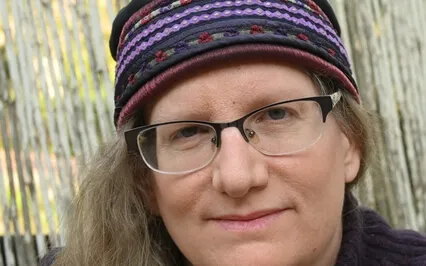
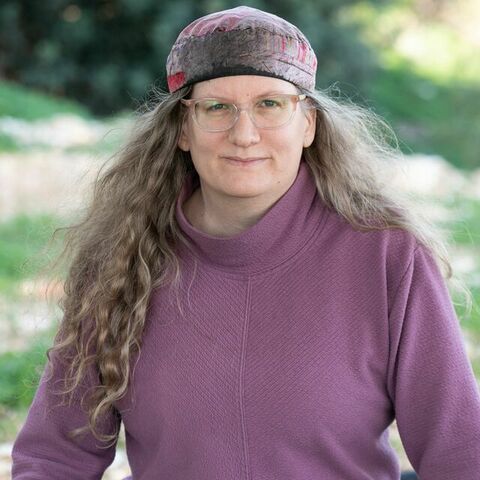
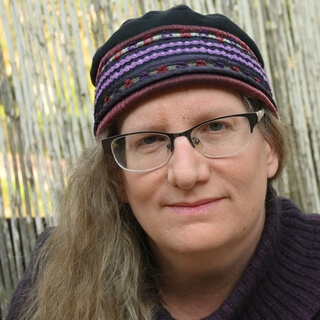
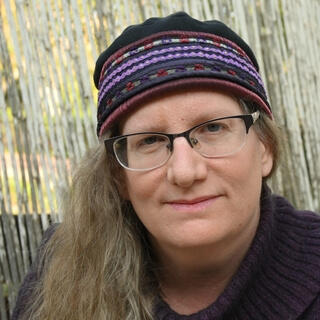
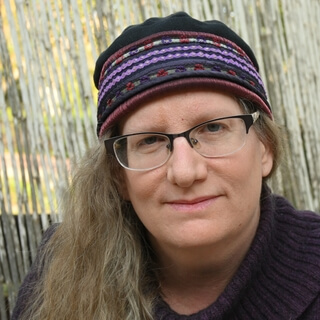
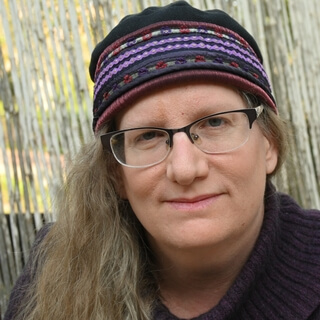
I am Rabbi Hasya Uriel Steinbauer,
The founder and director of Hamachon l'Kadusha,
The Institute for Holiness Kehelat Musar,
The Musar mindfulness community,
Where we engage in the daily practice of Musar mindfulness,
Combining the ancient tradition of Musar in the Jewish tradition and mindfulness and the dharma from the Theravada vipassana Buddhist traditions,
Benefiting and making the world a better place by learning from the wisdom of both taking refuge in community in God and in the lessons of Musar mindfulness.
Welcome.
I'm delighted to be back with you after two full weeks of being absent due to illness.
It's great to be here with you.
So we always begin with our kavanot,
With our intention for today's practice.
And if you are watching visually,
I will share my screen with you and you'll be able to see the kavanot before you.
If you are listening on audio,
You will be able to hear me read it out loud.
So the first one says,
Before doing acts of caring for the self,
Which we here at the Institute view this time together on Sundays at 3pm Eastern Standard Time,
As engaging in this awakening of combining the Torah and Musar mindfulness as a deeper radical caring of the self.
And so we say as part of our intention for today,
That this is something I'm doing to strengthen my own soul in order to be of benefit to others in the future.
And then we share the third one together before doing acts to strengthen your relationship with the divine.
This is something I'm doing to strengthen my relationship with the Creator,
So I can be a better conduit of God's good to others when they need me.
So we carry the deeds and tensions,
These kavanot,
In our practice today as we sit together as I move through a short talk,
As usual,
And then a guided meditation together.
So first,
I want to wish you Pesach Sameach,
A very happy Passover.
For those of you still observing in locations,
Chutzla'aretz outside of Israel,
You'll be able to watch this recording afterwards and I wish you could have been with us live.
I'm thinking of you and holding you dear in my hearts as we really move through this amazing festival of freedom,
We call it Chag HaKher Ruz Sameach,
A happy festival of freedom.
And it's no mistake that we do this year by year,
Because we never fully are free,
Are we as humans.
And in particular as Jews,
We carry with us a deep collective intergenerational trauma.
First from slavery that we might not even be aware of because it happened so long ago.
It won't be,
We won't be aware of it here.
We'll be aware of it in the embodied sense that we carry it with us,
It comes out in other forms.
And then thousands and thousands of years of oppression,
Kidnapping,
Colonization of our land,
Removal from our lands.
In a sense,
Another form of slavery and then of course,
Years and years of violence and finally genocide.
So,
When we say very seriously,
In our practice of Pesach,
Because it is a practice,
We say a very important statement in the Haggadah,
In our telling of the Pesach story that we read at the Seder.
We say here,
V'chol dor v'ador chayav adam l'orot et etzmon,
Ki ilu chuyatza mimitzrayim.
And now I'll read it in the feminine singular.
V'chol dor v'ador chayav et yishal l'orot et etzmon,
Ki ilu chuyatza mimitzrayim.
In each and every generation,
A woman or a man is obligated to see her or himself as if they personally left Egypt,
Right?
Left slavery.
Now it says,
Ki ilu,
As if.
And that's a difficult thing for us moderns to do,
Even as an exercise,
As a spiritual discipline of ki ilu,
As if.
It's almost like during Yom Kippur and even the days leading up in our Eilu practice,
May we ki ilu forgive ourselves.
May we ki ilu forgive others as if.
May we engage in the practice to lead to it.
And it's not even as ki ilu.
I'm going to challenge us,
Even if you look at other Musa masters.
For instance,
Rab Yitzhak Shir,
Who passed away in 1972,
May his memory be for a blessing.
In his Leket Sichot Musar,
He was the disciple of the altar of Sobakka,
One of the three schools of Musar in Lithuanian Eastern Europe.
And he really writes that to take this as a serious obligation to see ourselves as leaving Egypt.
And it's part of our het bonanut,
Our deep reflection on not only this festival,
But on our own embodied sense of us leaving Egypt,
Which we have to practice year after year,
Leaving slavery with God's help.
And I'm going to challenge us further by saying that this is part of not only of our personal redemption,
But of the world.
Because if we are in our own slavery,
And we haven't moved,
And we're not engaging in the practice,
Not that we can leave it,
I'm going to challenge us a little and say,
Not sure if we can personally leave Egypt completely.
What do I mean by that?
We are part of a people,
As I said,
Deep into collective and intergenerational trauma.
And that trauma is embodied.
We now know it's in DNA and passed on,
But it comes out in all forms,
Whether it's personal illness,
How we relate to the world,
Trust it or not.
But as much as there's the international intergenerational trauma,
There's also the intergenerational resilience.
And that's the practice.
That's the practice that we arrive at Pesach at Passover year after year,
To be aware in the embodied sense of where my mitzrayim is,
Where is my slavery,
Where is that Egypt still in me because it is,
And I carry it.
How does it manifest?
How do I take it out on myself and others?
How can I become more aware?
Practice that self-restraint.
Practice balancing those mitzvot so I may be a better conduit of God's good to others.
That's the practice.
So as we're engaging in this hit bonanu,
This deep reflection,
And this constant histadrut,
This effort that we do in our daily mussar mindfulness practice,
Right?
We do it through our midot,
We do it through our sitting meditation practice,
Our mindfulness practice during the day,
Our khesh bonanafesh,
Our counting of the soul,
In our journal,
In our daily reflection.
So we're not doing this just at Pesach,
As you know.
If anyone's engaged in this daily practice,
So first of all,
We're doing it in our tafila,
In our tafilot every day.
And we're doing it on Shabbat at Kiddush,
Where we're remembering and reciting that God took us out of Egypt so that we may serve God.
So that means we serve others as a way of serving God.
And it's an ongoing practice and we do this in community.
We don't do this alone.
This is why we're here today.
And I'm delighted,
Delighted,
Delighted to have you here.
So that's where I want to begin with this.
So instead of looking at a particular parshah,
A weekly Torah portion which we don't have specifically during Pesach,
We do read from the Torah and of course the prophets and the haftorot,
But we're going to instead look at deeply what is this project that we are to see ourselves leaving Egypt?
How do we do it?
How do we practice together?
And I want to begin by saying it's not a mistake that our ancestors created during the counting of the Omer,
Which we began on the second night,
That the mitzvah,
The commandment to count each day between Pesach,
Passover to Shavuot,
The festival of weeks,
Coming 49 days,
50 afterwards,
That we begin this Omer journey with the midah,
With the soul trait of chesed,
Of loving kindness.
That's not by mistake,
Because if we're going to face the embodied sense of the Egypt that resides within,
Of the slavery,
Of that intergenerational trauma that we carry that's embodied,
Then it must begin with chesed.
It must begin with loving connection with ourselves,
With God,
With Hashem,
With each other and community as we sit and practice together.
And so we take our first steps on this 40 day path of counting the Omer into the field of abundant loving kindness.
We call Hashem Ahavar Rabbah,
The great love.
We are carried by our God,
By the divine source that we're all connected to,
Created in the image and likeness.
So the infinite calls,
The infinite calls in so many ways during this festival.
Are we awake?
Are we aware?
The Seder has passed and still we have a week of this practice,
Of this festival,
Of Pesach,
Of Passover.
And it's up to us in our practice.
How are we going to be awake for it?
How are we going to engage in this?
How are we going to face the embodied sense to move,
To have some movement and to shuvah,
Some change of that which resides within,
That is our inner Egypt.
So we begin with this expanse of this wide,
Generous love of self-love,
Self-compassion.
And so we step with who we are,
With what we carry into this loving generosity.
We say,
Hashem,
I know you can carry this.
Teach me that I can.
Teach me that I can be present for this.
This difficulty of this inner Egypt,
This Egypt that I've faced for this past two years of this pandemic.
This Egypt that I face daily,
That I carry with me thousands of years of the ancestors.
Help me through this loving expanse,
Tap into this deep well of resilience.
Otherwise we wouldn't be here.
We survived.
We're surviving.
We're attempting to practice and be present.
So we're going to move into our guided meditation practice together,
Which is very important.
We want to attempt to do this practice daily.
It is well known that it is something about the everydayness of the practice of mindfulness meditation,
As well as the Musa mindfulness.
That that in and of itself,
That committed to this practice,
It brings something to life.
And if you're new to meditation,
This will be perfect for you because it is a beginner's meditation,
Focusing on breathing meditation and that focus on sound.
For those of you who are more advanced,
Of course,
You will still get something out of this.
We all do.
For those of us who've been sitting a long time.
So I will begin by saying the path of meditated developments.
Right.
It's a timeless pursuit.
It has to do with how we live.
Okay.
And so we're using our meditation practice as a support to help us discover our most true self.
To actually tap in and feel that inner Egypt,
Which is part of us to not deny it,
To not practice aversion by pushing it away.
And we discover our capacity for awareness,
For love and compassion.
And so we do this together.
We sit in community.
And in developing a sitting map practice,
It helps to have a fairly comfortable posture.
If you are someone who lives with any chronic pain or just deep discomfort today,
Or you're not able to sit,
Please lie down.
Eyes open,
Awake,
Alert.
You can also do a standing meditation or walking meditation.
The posture is an internal one,
One of internal dignity of sitting upright,
Awake and alert.
It's not the city itself.
So you want to sit if you are sitting so that the back can be alerts without being strained or stiff.
And it's perfectly fine to sit on a chair.
I always say please sit with your feet firmly rooted into the ground carried by Mother Earth.
This helps keep us firmly here in the present moment.
So if you do find yourself drifting away and are not able to pull yourself back to the present moment,
You may even open your eyes to know that you are here and can bring yourself back to the practice.
We tend to sit with our eyes closed,
Although it's not absolutely necessary.
Okay,
So if you find it more helpful to sit with the eyes open,
Please do so.
I just always recommend that you don't look around and that you place your gaze softly in front of you,
Relaxed,
Awake and alert.
So for those of you who are seated in the seated meditation posture,
You may take three deep breaths as I guide us now through this.
So,
We will begin by simply hearing,
Hearing whatever external sounds,
You may hear any internal sounds,
Perhaps even the quality of silence.
And we begin with hearing,
Because it points to something of the natural quality of mindfulness.
We don't have to make sounds come.
We don't have to go and define them.
We don't have to manipulate them.
You don't have to do anything about them to hear them.
The object of our focus of sound appears,
And we connect to that with relaxed spaciousness.
No need to fabricate anything.
They're simply here to listen.
From time to time you will hear me go silent for a minute or two for you to practice.
And we bring that same feeling tone of relaxed open spaciousness of awareness to whatever we're hearing we transfer that awareness now to the feeling of the breath.
Taking a few deep breaths in breath now.
Let your lungs expand your chest rise,
And the exhalation.
You may feel your shoulders relax.
Another deep breath arriving with each inhalation.
Now allow the breath to become natural.
You're not trying to force it or control it.
Just notice the place where you feel the breath most distinctly.
It may be the end and out movement of the air at the nostrils.
You may feel tingling and vibration,
Even changes in temperature.
You may feel the breath most distinctly in the rising and falling of movement of the chest or abdomen.
That stretching posture that stretching tension and release.
Find it most natural right now.
Right here in the present moment,
Where you can easily allow your mind to rest in that place.
Awaken alert to your breath to sharpen the concentration as you breathe.
Make a very quiet mental note,
A silent mental note of in and out.
Rising,
Falling.
Let go along with the actual experience of the sensations of the breath,
Very gently,
Very quietly in the mind to support your awareness of the actual sensations of the in breath and out breath.
We face our awareness with interest,
With curiosity,
With a sense of exploration and even happiness and joy.
This is not a course of activity.
If it is undesirable or daunting,
You may take a break and come back in.
We're developing awareness.
With this mind training and a pragmatic and practical way of putting this into practice,
We begin to become more awake and alert of the full embodied sense of what we are carrying,
What sensations in the body,
What emotions,
What thoughts.
And with each breath we become aware.
How was it for us this year during our Seder?
Did we practice becoming to the felt sense of our inner Egypt,
Of our inner slavery,
Of our intergenerational trauma?
There is no need to force anything or make it different.
Just noticing one breath at a time,
What is here,
What is real for us.
Find your thoughts wander from time to time and even become lost in thoughts,
Planning,
Remembering.
Perhaps it's even been quite some time since you felt your last breath.
There's no need to judge.
There's no need to analyze or try to figure out how you got there or how you got lost.
No need to worry.
Just letting go of whatever the distraction was and simply begin again.
Gently and with loving kindness.
Connect your breath,
Let go and return to the attention to the actual feeling of the breath.
Beginning again.
Or I say simply begin again is the essential art of mindfulness meditation practice.
Indeed is the essential art of practicing Pesach,
Passover,
Year after year.
We simply begin again.
We will have met that crossroad and realize we haven't fully left Egypt.
It is the nature of the human being to have suffering.
And we will face that again and again.
Just like we have the choice to simply begin again,
We have that space between the match and the fuse,
That space to choose our response.
And we finally tap into with that investigation of the felt sense with nurturing that inner Egypt,
That inner slavery.
So you may find your attention wandering constantly.
The mind has been trained to be distracted.
So in a very relaxed and patient manner.
Let go.
Reconnect and come back to the feeling of the breath.
And this very moment.
Normal breath,
No need to worry.
No need to worry when was your last breath.
When will the next one will come.
No need for comparing or anticipation if this is the right breath.
And so to with our practice of Pisa,
The Seder of the whole festival of Passover,
Where we may get lost.
And thought and worry.
Whatever it may be feeling of,
I didn't do it.
Correct.
I didn't do it right this year.
The same feeling we may feel after your own people.
It wasn't enough.
I don't feel forgiven.
I did not forgive.
I did not forgive myself.
I did not let go.
We simply begin again.
This fragile existence of being human.
Being part of people.
Vamos Rael.
Caring thousands of years of trauma and resilience.
We will not get it right.
And one time.
That's why God has given us a lifetime to do it.
So if you are sitting here right now in your practice with me and feel that the Seder wasn't right or correct or perhaps you don't feel that you've left your Egypt.
Perhaps you're caught in the mental noting of Kailu.
As if I had left Egypt,
But not really leaving.
We're practicing to leave.
Know that you will simply begin again,
Taking refuge and community with this practice that we will be here together.
Day in and day out,
Year after year.
This is Rata Sham,
God willing.
Take this time to go back to listening now simply to whatever sounds are around you.
Remind yourself of that effortless quality of mindfulness.
We don't have to make anything happen.
We don't have to make sound happen.
Even a gift from God,
We don't have to make the breath happen.
We don't have to be perfect.
We cannot be perfect.
We don't have to change it or simply trying to be aware,
Listening to the sounds external and internal,
Or to the silence.
Once again,
We return to the sensations of the breath.
No need to control the breath or make it different.
Simply at ease.
Whatever you feel.
Whether it's the beginning of the breath or the end.
The beginning of the rising movement in the chest or abdomen.
Or the following movement.
Remaining awake and alert to the felt experience.
Bring to your practice,
A gentle patience.
Nurturing yourself.
As you may have located that felt sense of that inner Egypt.
That narrow place.
And know that we are all connected.
And we all carry that trauma and resilience.
And we simply begin again.
Notice the pause between the in breath and the out breath.
Allowing the breath to settle in the body.
Notice if you can know the difference between feeling the breath and observing the breath.
Do you feel it tingling the heat,
The coolness in the nostrils?
The stretching of the pressure of the chest or abdomen.
No need to try to change anything to force it or to perfect it.
I always attempt to practice before each Seder.
How would I behave,
What questions would I ask,
What practice would I engage in?
If I knew this was my last Seder.
My last Pesach.
My last moment to with God's help leave my inner Egypt.
To face that intergenerational trauma,
To nurture myself.
And the same goes for our practice.
If this was our last breath.
What tremendous immediacy of attention.
We would place right here right now in this moment.
What a gift that we have been given to simply begin again.
Any distractions in our lives will come and go.
We may get stuck in the keelu as if I had left Egypt.
When we attempt to practice with our thoughts with our head.
We bring it into the embodied experience of our shared meditation.
And it is there that we locate the aches,
The pains,
Whatever might be there.
And knowing I can be with this.
I can take refuge in my community and in God and this practice can carry me.
I have the skill set.
If you've recognized that you have lost awareness and the breath.
Simply come back.
If you start to feel sleepy.
If you're seated,
You may sit up a little straighter.
Open your eyes.
Take a few deep breaths consciously.
And now the breath to return to its natural rhythm.
We will practice with God's help pay sock and pass over year after year,
And maybe we blessed with many years to simply begin again.
And so to with our mindfulness meditation practice together we will begin again a million times in the course of a sitting.
And that is the practice.
This daily mindfulness meditation practice together,
And that we share on Sundays really does carry us and prepare us for each festival that we need as a practice.
Before we end this meditation.
See if you could bring some quality of this presence connection to the next activity to this whole week of Facebook of passover.
See if you can carry this quality of presence form in this day,
Or in this week.
When you hear the bells you may gently and slowly open your eyes to meet us back in this shared sacred space.
Thank you.
Thank you for your practice.
Thank you for joining us here at the Institute for holiness.
Can heal up more sorry.
Thank you to God for sustaining us.
The mystery and source of all that infuses all life raises us up and brings us to this moment,
The shake piano.
Thank you for taking refuge and community,
Trusting me as your teacher.
Thank you for the wisdom of Sora and moose our mindfulness.
Thank you to our ancestors.
For caring and embracing life,
Despite the trauma,
The resilience of simply beginning again,
Over and over.
I will share a poem as we enter this week of counting the owner,
Really allowing God's great love to carry us for us to practice that self love that self compassion.
I share a beautiful,
Beautiful poem written by a rubber,
Rabbi,
Yeah,
Levy source of all with loving care guide us into the expense.
Help us be presence with abundant generosity that springs from creation.
Help us be lifted by the generous offerings of Earth,
Sky and waters.
Help us touch the wellspring of generosity that lives within us and realize that this is from the life force that flows through us all.
Mayor hands be open and our hearts be willing to give and receive kind generous love.
And in those moments when pain and trauma,
Trauma,
Desperation and fear.
Make generosity and love impossible to reach.
Maybe pause with calm,
Even deep breaths that simply begin again.
Place compassion upon our hearts and reach for the generosity that flows from the source of all.
May help us open to the expansive chesed of loving kindness of loving connection.
Let us experience the generous embrace of the source of all life.
And please for the healing and well being of all may we merit that in this practice right now.
Let us be messengers of generosity,
Kindness and love.
Maybe merit.
Bringing God's good to others.
I hope you've benefited from this practice today or if any of our Sunday free offerings of awakening Torah,
Musa mindfulness.
Do practice.
Donna in the Buddhist tradition truma in the Jewish tradition of offering donations to us here.
You can find all that information at our website at he let us our.
Com.
We do welcome sponsorships for each week sitting in memory of someone made their memory before a blessing.
And in honor of anyone.
And with your generosity and support of you opening your hand and your heart.
I want to thank you for your support and for your support to sustain us so that I can offer teachings and offer most our mindfulness to the world,
So that we may all benefits.
And with that,
I thank you again for today's sitting and for talk.
And this rotation I will see you next Sunday.
Facing the inner Egypt,
That you have leave you that you are leaving and will leave,
And it will be a daily practice.
I sending you strength.
I'm sending you said,
I'm sending you love.
And Rabbi has your Steinbauer,
On behalf of the Institute for holiness key he left us are hugs and math,
Happy Passover to you.
Happy Festival of freedom of math,
So it's.
God bless.