Shalom.
Hello,
Namaste.
Welcome,
Welcome,
Welcome.
Allow yourselves to settle and arrive as we move into beginning into our 39th sitting and talk teaching together.
A great moment to spend time on self-care and taking refuge in community for us to practice Musa mindfulness together.
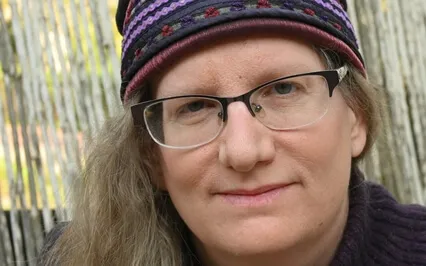
I am Rabbi Hasia Oriel Steinbauer,
The founder and director of Hamachon l'Kedushah,
The Institute for Holiness,
Kehilat Musaar,
The Musaar community.
As you know,
This is a weekly series.
We meet every Sunday,
Bezrat Hashem,
God willing,
This time at 1230 Eastern Standard Time here in Haaretz in Israel,
There's 730 p.
M.
,
Where we spend time looking at the weekly Torah portion.
For us here in Israel,
It is just past this previous Shabbat.
It was the parashat Korach.
For those of you who are outside of Israel,
You will be learning it this week and finally hearing it read in minyanim and batiknesset and synagogues throughout the world.
So this gives you an opportunity to jump in and spend some time learning it and applying your practice to it.
So today is Sunday,
June 26.
It is Kafzein Sivan.
I need to check.
Yes,
That makes sense because we're coming up on Rosh Chodesh Tammuz,
Bezrat Hashem on Yom Revi Yom HaMashiyeh on Wednesday and Thursday.
And so we always begin with our kavonot,
Our intention for today's practice.
So I'm going to briefly share screen for those of you joining live,
Live streaming on our YouTube channel right now and on Facebook.
Also on our Zoom link,
Which you can find at our website at kehilatmusar.
Com under our weekly offerings.
So I will read this out loud for those of you listening on audio.
We have taken time to move to all three of these kavonot,
All three of these intentions for our practice today.
And it'll make sense as we continue to move on growing and practicing together as we take refuge in Torah and the Dharma teaching with here with me as your teacher and with the help of God and taking refuge and community together and the va'ar and the sangha.
Number one,
Before doing acts of caring for the self,
Which we see this right now as an act of caring for the self,
We say this is something I'm doing to strengthen my own soul in order to be a benefit to others in the future.
Number two,
Before doing this act where we are doing this on behalf of others,
We is something that we are doing to strengthen our relationship to others.
So we're giving a better conduit of God's good to others when they need us.
And finally,
We're doing this act right now this practice together,
This 45 minute dedication to spending time together as acts to strengthen our relationship with the divine,
With God,
With Hashem,
However you may word it.
This is something I'm doing to strengthen my relationship with the Creator so I can be a better conduit of God's good to others when they need me.
So may we merit this today in our practice.
Today's session is sponsored and in honor of our new member,
Rabbi Lauren Tuchman.
I hope that I'm pronouncing your name correctly.
Please correct me if I'm wrong.
A beloved colleague who is doing excellent work out in the world with her rabbinate and who I hope and look forward to collaborating in the future on Musa and mindfulness in our practice together.
So you're welcome to sponsor every week session or any in memory of someone may their memory be for a blessing or an honor as someone.
We also live by your donations that you give Dana that you give Shuma that you give Sadaka that you open your hands for this offering that we give today with any amounts they range for instance on insight Tamir from $1.
99 to as much as you want to give.
And so we rely on your donations to continue to make these offerings.
So please do open your hand and open your heart.
Thank you.
All right,
We are jumping in.
So we are in parashat Korach again,
I usually provide a disclaimer before some of these more difficult parashat and this is one of them.
It's actually beginning to weigh a bit much on me studying these all very closely with you and applying our practice to it.
And I feel like I feel probably like how Moshe feels which you'll notice in last week's parashat actually to parashat ago when our ancestors were complaining about having to march again,
And then they they wanted fish and they said they wanted meat but we understand that to be the fish of meets rhyme of Egypt and and Moshe falls on his face and he says it's almost like he can't take it anymore.
He literally says to God I can't take it I can't bear these people anymore on my own.
Just kill me just take my life,
Which is really strong language.
We talked about this earlier.
We really sense and feel his bucket is full for a whole number of reasons.
And that's where we start getting the you know,
Shared power share prophecy in order to try to balance out but I still think overall and you'll begin to witness this with Korach that God God is missing something and he's missing a certain emotional intelligence missing a certain connection missing what the human being is really suffering with the harm and suffering is that needs to be addressed.
And,
You know,
Maybe that's in God's wisdom there for a reason.
So it's up to us humans to read that and figure that out and support one another.
But you're beginning to sense this very strongly.
So what happens in Korach and for those of you haven't studied yet yet do attempt to come to these sessions looking over at least an overview of the Parsha.
We essentially have a Levite who is actually the first cousin of Moshe Rabbeinu.
He is the great grandson of Levi himself if you recall Levi and Shimon brothers who for instance one of the most violent stories when they learned that their sister Dina had been raped by the son of Shechem,
Of Hamor,
Of Shechem.
They take it upon themselves to fool the men into circumcising themselves and then murdering all of them in the town of Shechem in which they see is part of that middah k'neggin middah that tit for tat justice measure for measure you did this I'm going to do this.
Obviously most of us today would say a rape of a woman doesn't equal murdering all men in a town and then kidnapping and taking all the women and children,
Female children and then the livestock also.
So this is the legacy.
This is Levi.
Keep in mind that this is who Korach descends from.
This is also who Moshe descends from.
This is all the Levites descend from.
That type of vigilante justice that taking matters into your own hands you feel like you are right and know what is fear of God,
What is expected of you,
What you are to do.
And this is Levi.
So Korach comes out of this and he if you recall coming out of last week's parasha where the whole spy episode happened we have at the end and I talked about this about how you notice these acts of cycles of violence between God and the people and Moshe and the people and the people and the people.
You have this tikkun at the end.
It's almost like the violence has happened and now I'm going to give you a gift and hopefully they'll make up for things or you'll remember to submit and follow orders.
So the tikkun in last week's parasha are the tzitzit that God feels if they have this reminder now of these tzitzit they'll remember the commandments,
They'll remember their relationship,
What they're supposed to do,
They'll remember their place,
Meaning they'll sit in it and stay.
And that tzitzit is like the garment is the garment up until now that only the kohanim have worn.
Only those who were considered separate and holy in that way.
So now everyone wears them.
Bene is where I wear them and as we know when you start wearing the like priestly garments you can begin to think priestly and you can also begin to think I am holy too.
God even said that this is going to be all of the ne' Israel shall be holy right?
Not too far.
See so Korach sees this and knows this and he decides it's not enough for him to be a levi and serving in the levite role he wants to serve as a kohanim and be in among the kohanim.
And so this is the background of what happens.
I want to remind you that there are four fences that precede this in rabbinic interpretation.
The first one is the sin of the golden calf and then supposedly Moshe prayed in response to that.
The second is the complaining episode where they complain over having to march and then wanting meat or fish.
Supposedly Moshe prayed then too.
And then the third is the spy episode where you could call them scouts also.
That in the spy one basically everyone over the age of 20 except for Kalev and Yeshua will end up dying in the desert.
And finally is Korach comes.
Okay and in this rabbinic interpretation Moshe is praying,
Moshe prayed then it escalates Moshe wants to die.
He's like having too much.
Then Hashem does that corrective the tikkun that he'll share power and prophecy with these other nisim,
These other princes,
These other leaders.
You know even Miriam and Aharon are starting to give a little rebellion,
Give a little question of do we have to accept this order,
This social order where the privileges and benefits those that are descendants of Aharon even though he's a levi and that this will forever for out time be through birth only that they will be the ones that get to serve God this way be the ultimate privilege and the ultimate power.
And you have to remember these people come out of a tribal system.
They came with a certain ancestor right our ancestors one of the 12 that come from Yaakov and they were the patriarch and head of their tribe.
They were known then by that tribal name like for instance levi became the tribe of levi and so that that is how the system ran and then all of a sudden now you move from kind of individuals to family units to tribal units to an am,
A people you know trying to move from vigilante law to a rule of law and then with that rule of law God comes and says well actually it's going to be Aharon and he's going to be a kohane and all his descendants are and the rest of you levi'im will serve as levites as less than meaning like you have lesser responsibility but you're still will be involved in the mishkan and the the sanctuary and the tabernacle and then B'nai Israel will have to be holy through their deeds and their acts and their mitzvot that they do.
Okay so that's what comes but if we take a closer look we can challenge through our close reading and our practice of Moshe mindfulness this rabbinic interpretation.
So the first with the sin of the golden calf it says that in the rabbinic's interpretation is that Moshe prayed.
If you recall Moshe actually orders the murder of his own brethren and three thousand of them are taken that day and presumably some of those are levites okay and because they are part of his brethren.
Then with the complaining episode it you know it says that Moshe prayed again the rabbinic understanding but we know that Moshe actually cries out and says just kill me just take me now I can't bear these people anymore myself okay and then with the spies and with them coming back with you know let's just say not a skillful wise speech response particularly in front of everyone we get this decree of everyone over the age of 20 who will die in the desert for the next 40 years.
So Korach and his rebellion his questioning of leadership of why and who is relevant this comes after the complaining episode of new leadership new shared leadership new prophecy new sharing of power and even the problem of the spies you know you're sending out leaders to come with their own interpretation and that share of power okay.
So I just want to say that there's rabbinic understanding and then that's what we've looked really closely and what we have here is that people who were involved our ancestors were deeply involved in the institution of slavery they were enslaved for hundreds and hundreds of years that creates a certain mentality a certain way of being a certain way of knowing it is trauma it is collective trauma it is intergenerational trauma that which passed on from generation to generation even in DNA and this is who you still have in the desert after all they've only been out there for a year or two this is who you have and we shouldn't think anything differently we shouldn't be looking at it now with the lens of thinking that they are healthy and fine and they're just complaining and they should be quiet similarly Moshe is really caught up in a cycle of violence with God and as I said he descends from the levy family who we know to be a violent ancestry violent family ones that take matter into their own hands we remember Moshe Rabbeinu with his vigilante justice when the slave was being beaten by an Egyptian he murders the Egyptian and hides the body this is not to question in the sense like was he right or wrong and would I have done the same thing it's just for us to take an honest assessment as neutral as we can of what we see in front of us okay the pleasant the unpleasant and the neutral okay let's hold that all right so let us recall that the whole purpose in wearing the seat seats and some of the signs that are being given to us and commanded and in relationship is really and even the name and they know that the cahangadol has to wear the the names of the tribes on his shoulders and keep him on keep them on his heart to know he's always of service to them and it basically to be holy and to be on this path fullyness to be serve as a kohane and then eventually as a levite and then again as as an Israelite right is to recall that we want to be on this path to toward God and towards service right and that we want to make sure our service is one that is for the community with love we talked about this a couple parashiyot ago the problem with the nazir right the nazir who wants to be the cahangadol or be like it which God creates is this framework to allow the everyday Israelite to be quasi-kohane for a set period of time based on what they must abstain from they're doing that service not for community with love they're doing it for their own spiritual practice their own self they have a deep desire to draw near and close to God like most of us we can we can start with good intentions with pure intentions to want to connect and be with God and do that service but as we know the nazir is off the derek is not on the path because it has to be in service of community with love when we do these acts and so that is why they have to be a korban there's a sin there they have to stop their service after a while okay so let's just go through this okay we have lots of examples from our ancestors where they have this pure intention this desire to draw near to God or to be of service to do service maybe there's even some desire for a little bit of honor maybe a little bit of greed so the first is nada the navi who the children of the cahanga dole aharon had this desire to draw near to God brought their own fire pans may have been drinking through the joy of the ceremony of coming into service who knows it gets interpreted later that they were drinking or drunk that's later interpretation it's not necessarily the simple meaning of the text bless God for the ability to drink tea okay so um we have a nada and a viju and then we have the episode of the golden calf um who obviously like i've talked about this during the episode of the golden calf these people probably had really pure good intentions the sense of like uh i want to be near god i want to be near a god i want to have a leader i want to be led i'm scared out here and so they build this golden calf right so it just gets warped which sin is being off the mark okay and how many of us go off the mark throughout our lifetime right so god does that corrective okay oh he sees the people want to draw near and they create an idol a golden calf so recognizes that they need some tikkun some other way to give and work their hands so they're bring the truma they bring all their offerings and then they help build the mishkan they help design it they help do everything that they can okay so now they're on the right path again then you have the nazir who comes who obviously wants to be the kohen gedol like a kohane and so you know the nazir nazira is given that path which to do to abstain from similar things will bring the korban when their service is over will cut the hair um then you have the people the spies or scouts for the spy incident you even have miriam and aharon in this mixture right they all have this desire to draw near to god or think that they might know best or you know to be of service okay and so unfortunately the spy incident as we know goes very poorly especially the sad scene where the people realize they made a mistake and suddenly gain enough courage in that moment of fear and say we'll go up we'll go now we'll listen to you god we'll go and there's no mercy there there's no pet talk there's not even opening so instead they go up and moshi says god's not with you that our own hakodesh is not with you and they die they get killed our ancestors more violence more trauma more cycle very sad moment very painful moment because i think we all recognize that like we made a mistake we weren't courageous enough we didn't trust enough we didn't try enough we're ready now we're gonna go and do it no there's no opening and then you get korach you get korach you get the tan and aviram and 250 men who follow them leaders some of them levie him okay for korach is that his service does not feel enough he doesn't feel he's doing enough the service that he wants or the right service or it's close enough to god maybe he actually wants to be a kohen gadolah kohane you have the tan and aviram who are not kohavi who are they they are children of ray who is the first born of yakov he is the son who is supposed to inherit the double portion the blessing from the father to lead the rest of the tribes that doesn't happen because he overturns his father's bed meaning he sleeps actually with one of his father's wife after the death of one of the father's wives he loses that privilege it's like karma there are consequences for your behavior okay not necessarily nida konegan nida because that gets really warped in ancient middle eastern practice and laws we see anytime somebody thinks that they're doing nida konegan nida it's like tenfold right right the spies were gone 40 days it's now 40 years all right so in the tanana v ram um really you can tell like have just experienced the spy incident where they really had trusted had come with their own leadership had come as the head of a certain tribe as the tribe of tribes the lead the people expected a certain privilege and honor with that expected to enter the land and only to be told now that they were going to live out 40 years of their life in the desert and die there they're not happy about that i don't think anyone would be happy about that i don't think there would be much acceptance about that and you might argue that this whole point of this parasha is about accepting that you're not going to get to do what you want or desire in your generation which a lot of us have to face as a personal practice particularly as we head into 40s 50s 60s 70s 80s and onward so a big port point in this mussar mindfulness practice of this particular parasha is all about channeling that the time in aviram and understanding have compassion for their anger and desire that they're not going to get what they want and it's always the and in our practice and trusty in knowing that their children ages 20 and under actually will go ahead and inherit the land that's a big part of our practice today okay so um just keep in mind that intentions may be pure and right they're not always in alignment with what the universe wants what god wants what the dominant leadership of bineh israel wants so um we have to have that compassion so um i will just go on to say that we must keep in mind the service for community with love right um even the spies and and the scouts headed off on service on behalf of everyone with love they went out to do that service for us to go check out the land and you know i bet there might have been at some point some fear around it and they were very courageous to head out but things go things things go wrong and and sometimes we don't act skillfully with wise speech all right so um what do i want to say to you here anything else to share quickly we just witnessed so much of so much cycles of violence and death we we witnessed the tan and aviraman korok lose all their families their wives and children this kind of cycle of greed hatred and delusion and this is essentially what trauma does to you the whole community is caught in this cycle of violence and um yeah and then it goes on unfortunately even once the 250 men are then consumed by fire just like nadav and avihu it's like constant recollection recollection of what happened to our ancestors prior who drew close to god in inappropriate ways all right and then finally a plague is sent murdering killing 14 700s um you have to think about just even think about for the partial that comes next who cuts i believe what what do you think is going to happen what do you think is going to happen next like think about who's left does this make for a solid skillful community built on service and love no so many times we we we go off the derrick right so many times so um i just want to say for our beloved members and those joining from the united states for example what has happened is the losing of the rule of law a movement towards me to connect me to this kind of measure for measure tit for tat justice towards vigilante justice going almost backward and i know you're all really caught up in reacting to with fear with pain sadness and we here at the institute for holiness wants to recognize and honor it as a dual citizen of both united states and israel i am there with you and for you i want to say that we can learn so much from our ancestors in the torah for this case right now because what happened in the united states is not just a one-time thing that just happened by accident it's been in the making since the late 1970s i'm old enough to tell you that the republican party however you vote has been working towards this diligently and patiently for years of wanting a certain system to be in power a certain way to be in power of those privileging those with white privilege and christian background it is their ancestry it's who they descend from who they come from and who they want to keep in power and of course there are individual republicans here and there who don't want that but you have to look at systemically as an institution so you have to keep in mind that we make choices we make choices as a people and this is a key moment for you to make skillful choices to not react to seek out community to take refuge in and to really begin to strategize how can we respond skillfully how can we use our practice and lose our mindfulness so that we don't perpetuate more fear more greed more hatred more delusion so that we really can be here for one another and support one another i know it's scary and i know these feel like tough times we as a jewish people have been through worse i can guarantee you that we have the skills we have that which to get through this so i'm sending you hizuk i'm sending you strength i'm sending you kohach i'm sending you great omets bravery let us continue and then we can move into our meditation um so um i just want to close before i move into our meditation that um we we cannot be dishonest with ourselves that just because god actually does choose this order and this leadership in this certain way that everyone's supposed to swallow that tea if anything i think there might be a hidden gem in there because it keeps being pushed and keeps being a tycoon that god recognizes that there's a need for something else at the end there may be a slight signal in there it's like what we call that arc that trajectory of history that we we're leading more and more to more equality and justice so that means equality that removes the power and the holiness from birth order a system of aharon and the koanim and their and their sons only to all of binai israel and of course that was brought on by the destruction of both temples the kidnapping and the exile and the galoot and jews having to live all over the world that helped usher that in as much as that was a painful and awful experience it allowed for there to be that essential impulse to want to be close to god and of service and to do it equally so that it isn't based on gender it isn't based on what family you're born into what tribe you're going into what time you're going into so that's what we're moving towards so although it may be clear that who god chooses it's not clear it's definitely not clear to god that the people are not satisfied and that they don't consent to god's choice god seems to have this idea towards the end that if you put the right sign up you know put the maqale of the shekeh dim the stick with aharon's name with the almonds growing on it or that you'll have the mizbe'ak the altar with the copper from the pans the maqtoate all flattened out on it from the 250 men that that will be enough of a sign for to get it and to know that this is how the order is and how it's supposed to be i want to say that that's not the issue i think the people are well aware of what god wants and what it's supposed to be and they don't want it so um it's really about benezarel accepting and submitting to in a sense a benevolent patriarch and that's not where we are and where we're headed what we want correct i apologize if i'm frozen on the screen and it seems to be the case i will keep speaking and hopefully it will correct itself and i apologize for the time closing before our city meditation i want to say um in closing that gods contain the livy im in order to do a tikkun and contain them almost like the nazir to give them an appropriate way to live and behave is so that they'll perhaps stop coveting and seeking more is that they're given much gifts and privileges in exchange for their work in the mishkan and so you know as i said in closing this is a story of not getting what you want in one generation and working on acceptance that your children will okay so um i'm trying to see here uh the technology is working um because it's showing frozen completely on my end and let me check in with the community watching on um our youtube live channel right now we can see and check in there what's going on and let's see it looks like it might be frozen there too okay and again on behalf of the institute for holiness i apologize for the technological difficulties i will continue moving us through the meditation practice it will be available by audio and recording and hopefully you'll be able to hear it if not then we will try to correct it later in the week what i want from you now is what we always do is i move you through a guided seated meditation now seated doesn't have to be seated as we all know if anyone's been practicing this long enough of mindfulness meditation which is our practice out of the vipassana thiravada insight meditation tradition and buddhism that you can lie down if you need to you're welcome to do a walking meditation for those of us who are going to be seated go ahead and plant your feet firmly on the ground and come to an upright position where you feel that you are created in the image and likeness of the divine because you are it's a dignified position whatever that might mean for you and we'll move through three deep cleansing breaths exhalation breathing in everything from your day and the day before all anxiety and fear and letting it go in breath coming to stillness exhale arriving settling noticing for yourself right here and right now what is it that you need to be here with my voice in the present moment are there any thoughts pulling you away something you're thinking about in the past any thoughts of planning for something in the future for some of you it might be getting caught up in certain emotions whether they be pleasant unpleasant or neutral strong sensations in the body pulling our attention away from the present moment our practice is to notice and then gently and lovingly bring the attention back to my voice as your anchor to your breath as your anchor perhaps to other sounds around you we always begin each day before every act with as much mindfulness and awareness and attention as possible asking ourselves to create a space between the match and the fuse is this behavior helpful are these words needed are these thoughts useful making sure that your words thoughts and deeds are not only in alignment with your values but are life affirming and when they're not to have the courage to have the strength and support to practice self-restraint to silence yourself when the speech is not wise to stop yourself when the behavior is not helpful to pause when the thoughts only seek to hurt you and others may all of our behavior be for service and community with love we begin with some phrases of meta of loving kindness of chesed to generate greater self-compassion and compassion for everyone in our concentric circles of obligation and love and well-being even to sentient beings may I be kind to myself may I accept myself as I am may I accept my life as it is if may I feel too much like a prayer or asking for permission from an authority figure you can say to yourself I wish to be or I hope to be or I want you can also add as possible if that is more realistic to you such as may I be as safe as possible may our brethren in the United States and throughout the world and Ukraine and Africa and the occupied territories and Israel wherever people are in need of support and prayer may we be free from danger may we be safe from inner and outer harm may we be safe and protected from inner and outer danger and harm may we live in safety may we live free from fear may we know safety and the causes of safety may our freedom be recognized in the personal autonomy of our bodies be honored may we be free physically strong and healthy may we wake a friend of our bodies maybe accept ourselves completely just as we are in this moment maybe we'll be well and body and mind may we awaken to full liberation and to be free of suffering As we sit in the next moment of silence,
I will ring the bells to come out.
You may continue your phrases of metta and loving kindness.
And if the floor is locked,
Sticks start Federal If you are new to meditation or you haven't bowed in a long time,
Even if you're an advanced practitioner,
I invite you now to give yourself an inner bow,
A bow to your fellow practitioners that you've created in this community and sangha and vahad,
Taking refuge together,
That you bow to God and to your wisdom,
The wisdom of the Buddha,
The wisdom that we gain from our mussa,
Our mindfulness practice,
Bowing to the honor of our ancestors of learning Torah all these years and from the Dharma.
I thank you so much for taking time out of your day to join us in this practice.
I ask that you join us next Sunday.
Feel free to join via the Zoom link or live and subscribe to our mailing list so you can get updates and newsletters and join our community through the membership page.
We will be having a members only gathering for Rosh Chodesh Tamuz.
It'll be delightful to have you there.
I'm going to close with my favorite band right now known as the big sons,
Big sons.
I hope I'm saying their name correctly.
Please correct me if I'm wrong.
Please accept apology.
If I said it incorrectly,
Big sons,
Maybe it's B-E-N-G-S-O-N-S.
I follow them on YouTube.
I follow them on Instagram.
What I find so joyful is Abigail,
Which I would call her Avigail,
We're in Hebrew,
Her soul of what she shares with us right now.
Sing it with me.
I am sovereign in my soul.
We will not,
We will not,
We will not be controlled.
I am sovereign in my body and I am sovereign in my soul.
You're welcome to follow them on Instagram.
Thank you so much for joining.
I'm going to pause.
There seems to be something with the technology.
I'll find you off with her latest one.
Here we go.
Tap here.
Who makes the future?
We do.
We do.
Who makes the future?
We do.
We do.
Look around,
Friend,
I'm right here with you.
Who makes the future?
We do.
We do.
Who makes the future?
We do.
We do.
Who makes the future?
We do.
We do.
Look around you.
I'm right here with you.
Who makes the future?
We do.
We do.
God bless you all.
Take care.