Shalom,
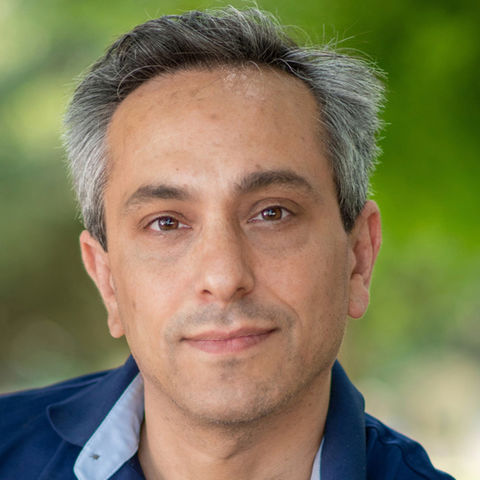
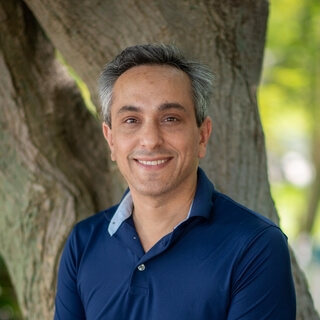
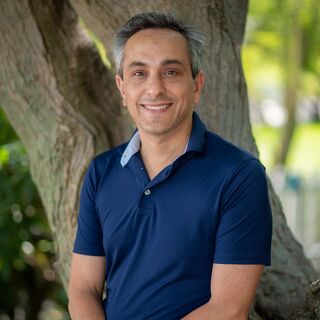
This is Rabbi Ben Newman.
Rosh Hashanah,
A Jewish New Year,
Comes just as our souls are crying out for renewal.
So relieved,
The seasons bathe us in newness and renewal.
This is a meditation on the sound of the shofar,
The ram's horn that we blow on the new year,
On the Jewish New Year,
Rosh Hashanah.
The ram's horn,
The shofar,
Is an ancient instrument,
Primal in its intensity.
We all need a yearly time to be renewed,
But we also need a way to connect year-round and the year ahead,
While carrying different stages of brokenness.
The Talmud,
The ancient Jewish sacred text,
Teaches us that the blasts of the shofar are meant to remind us of crying and heartbreak.
There are many things that have the power to break our heart as well as the power to expand it.
There's a verse in Psalms that says,
Karov Adonai l'nishpere leiv et dak'eh ruach yoshia.
The Holy One is close to those who are brokenhearted and saves and supports the depressed of spirit.
We all have in our lives various kinds of heartbreak,
Various sufferings,
Various things that happen to us in our lives that break us,
Either in small ways or shatter us.
The four notes of a shofar echo four different aspects of the human experience.
The first,
The tekiyah,
Represents innocence.
Those times in our life when we feel no pain or suffering,
Everything seems to be just steady,
Like the innocence of childhood.
The next sound of the shofar is the shavarim.
The three notes,
Three broken notes,
Which means broken or fragmented.
This represents those ways in our life that things don't quite go exactly the way we expect,
Challenges,
Times when we feel a bit broken,
A bit off.
The third kind of blowing of the shofar that we do is called chuah.
These are nine broken notes,
Which means ways in which we're completely shattered,
Or completely broken to pieces and broken apart from grief or suffering,
Pain or loss.
There are so many ways in which we might feel broken.
The fourth and final sound of the shofar is called tekiyagdola,
Which means the big tekiyah,
The big blast.
And this is one long blast,
Which is meant to include all of the different kinds of blasts,
The tekiyah,
The innocence before breaking,
The shavarim,
The three broken notes,
And the chuah,
The nine shattered notes.
It's all contained together.
The Holy Hebrew Bible teaches us that after the tablets of the covenant were broken,
The Israelites carried around the broken pieces of the tablets,
Along with the whole pieces of the new tablets,
Just as we carry around all of our suffering in our lives.
And so as I blow the shofar in the four different notes,
I invite you to think about the ways in which you are whole,
The ways in which you've been challenged this year,
The ways in which you've been completely shattered this year,
And finally,
The way in which you can bring your mind and your awareness to the fact that it's all part of living a human life.
Zen Master Thich Nhat Hanh said,
Go back and take care of yourself.
Your body needs you.
Your feelings need you.
Your perceptions need you.
Your suffering needs you to acknowledge it.
Go home and be there for all these things.
And blowing the shofar and being present to where how we are whole,
How we suffer,
How we break,
And how we come back to wholeness again.
We are being present.
We are coming home,
Returning to the land of our soul,
Acknowledging our suffering,
Acknowledging our humanity.
I invite you as we meditate on the promise of this new year to return to yourself and be present to your pain,
To your suffering,
And to your wholeness and your possibility.
Shanah Tovah.
Happy New Year.
And now for the blasts of the shofar.
Tikkiyam Shivarim Ruvah Kyagadolah Shanah Tovah.
May you come home to yourself in this season of renewal.