Welcome to the Explorers Mind podcast,
Where we will inspire and empower you through conscious conversations with explorers of the inner and outer worlds that have ventured into uncharted territory,
Pursued bold challenges,
Found their purpose,
And expanded their consciousness.
We will journey through the insights and experiences of adventurers,
Scientists,
Conscious leaders,
Founders,
Activists,
And artists,
And provide you with the practical tools you need to get out of your comfort zone,
Expand your mind,
Find deep fulfillment,
And create an inspiring vision for your life.
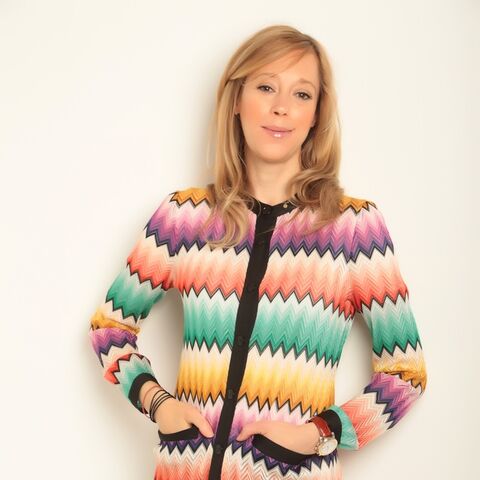
It's time to find your inspiration and open up new possibilities for a meaningful life with your host,
Palma Michel.
Welcome to the Explorers Mind.
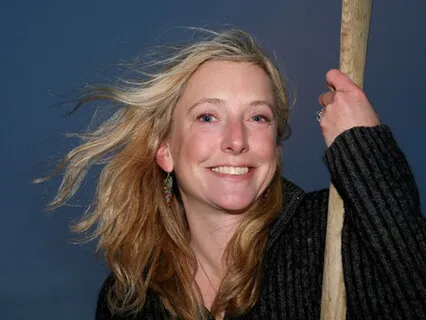
Today's guest is Ros Savage.
Ros is an ocean rower,
Author,
Speaker,
Lecturer,
And sustainability advocate.
Her feats have been described by Sir Richard Branson as heroic,
Epic,
Inspiring,
Historic.
She's best known as the first and so far only woman to row solo across the world's big three oceans,
The Atlantic,
Pacific,
And Indian.
Ros inspires audiences to think again about what is possible and encourages them to step up fully into the potential of their highest selves.
She's spoken to tens of thousands of people across six continents,
Including giving talks at Google,
EBay,
National Geographic,
TENT,
And many schools and universities.
Ros has also appeared on numerous TV channels,
Including the BBC and ESPN.
She has received an MBE in 2013 and is a guest lecturer at Yale since 2017.
Ros,
Welcome to the show.
We're so lucky to have you here today.
It's my absolute pleasure.
Been looking forward to it.
Wonderful.
Ros,
When we met about two years ago at the Closters Forum,
I was absolutely blown away by the talk you gave at the time and found it incredibly inspiring.
And so I'm really,
Really happy that you're speaking to our listeners today.
And what I found so remarkable was that you were not just born as an adventurer,
But you actually had a rather normal but quite successful,
Comfortable life.
Some people would call it the perfect life,
The husband,
The career,
The house,
The sports car.
But there was something like,
What's also true for many of my clients and many of our listeners,
There was missing like a nagging feeling maybe of not enough,
Not fulfilled,
But maybe not even knowing what that is.
And I'm really curious to hear what was the pivotal moment that changed everything for you?
Yes,
I sometimes look back over my life and kind of marvel at how it's turned out.
It could certainly been very different.
Just before I tell you about that pivotal moment,
Just a little bit of background that I feel is relevant here.
So during my childhood,
My parents moved around quite a lot.
My father was Methodist minister.
And he would say,
And I don't really believe this now I think about it.
He said that after a few years,
He would run out of sermons.
So we had to move house so that he could recycle the old ones.
I don't think that's a real reason we moved.
I think he was just restless.
So I always felt that I didn't really fit in.
I always seem to have a different accent from the other kids at school.
I always felt a little bit outside.
And I just wanted to be normal.
Because when you're a kid,
When you're a teenager,
That's all you want.
I just wanted to be completely ordinary and fit right in.
Then once I got to university,
And then my years as a management consultant,
I was like,
Yes,
At last,
I'm just normal.
I fit in.
And I thought that that was what I wanted.
And yet,
I suppose on some level,
There was a part of me that I'm not sure any of us are quite normal,
Really.
And maybe we all want something a bit more out of life.
And during my time as a management consultant,
Which I was so excited when I got that job,
My starting salary was going to be twice what my dad had ever earned in his work.
So I thought,
You know,
I'm all successful now.
But right from the start,
I think I knew that it wasn't right for me.
But I was so hung up on this story that money equals success equals happiness,
That I just squashed down those feelings of,
But I hate it.
I should be happy.
So I'm going to be happy.
But what really,
I think,
Lifted the veil on that was in the late 90s.
So when I was around,
You know,
I was in my early 30s,
I knew that something wasn't working.
And so I had started reading self help books.
And my memories of this are a bit vague,
What inspired me to do this exercise,
I think it was a combination of things,
But probably influenced by Stephen Covey's Seven Habits of Highly Effective People.
And the second habit is begin with the end in mind.
And he suggests this exercise,
Where you imagine your own funeral,
And you write two versions of it,
You write what people are likely to be saying about you,
If you carry on as you are,
And then you write what you want people to be saying about you,
How you want to be remembered.
And I can remember how I felt as I wrote the imaginary version of how I wanted people to be talking about me.
And I don't think many people get remembered for how many hours they spent in the office or how nice their desk was or whatever.
So I realized that I wanted to be remembered as somebody who just really lived life to the full,
Who tried to make a difference,
He tried to leave the world a better place than they found it.
And it's really strange,
Because the person that I was describing was so far away from the person that I was at that time.
And yet,
It felt really real.
And the way that I interpret it now is that for a moment,
It was like I'd asked my soul,
Like what do you want out of this lifetime?
And the soul went brilliant.
Like I've been wanting to have my say for years and years and years now.
And I'm getting goosebumps as you're describing that.
Yeah,
It was extraordinary,
To the extent that when I finished writing that fantasy version,
I was filled with joy.
And I just thought,
Wow,
What an amazing life I've had.
And then I had to remind myself that this was just the imaginary one.
And so it really did feel like I had opened a door through which I glimpsed the life that I was supposed to be living.
And the change was not immediate.
I looked at what I'd just written.
And as I reflected on it,
It brought up so much fear in me.
I was like,
But how?
I can't even see how I could get to that place.
And it would mean letting go of so many things that to me represent security,
The job,
The salary,
Probably the marriage.
I just couldn't even contemplate that.
So I put that away and tried to forget about it.
For how long was that?
Well,
It ended up being a couple of years,
At least.
And over that time,
I feel like I self-sabotage the career,
The marriage,
The things that I was so attached to,
The things I couldn't imagine being without.
But actually,
They were also the things that formed a kind of golden cage around me.
It might have been beautiful,
It may have looked perfect,
But it was still keeping me small.
So it was a bit of a messy process,
To be honest.
And I'm sure I caused my poor mother many sleepless nights.
What happened during that time was that these trappings of my old life melted away,
Sometimes gradually,
Sometimes more traumatically.
And what should have felt catastrophic actually felt incredibly liberating.
That without those things holding me down,
I was really free to explore who am I?
What do I want to get out of this life?
Because when I wrote that fantasy version,
It was pretty vague on the details.
Like certainly didn't mention ocean rowing.
So I sort of had a vision of how it would feel to be that person,
But I had no idea.
So what do I actually do to get there?
But I think there's a lot to be said for not being afraid to fail.
And so to fail quotes at my career,
To fail at my marriage,
To realize that actually it was okay.
You know,
I kept breathing,
The world kept turning.
I didn't die of failure.
Because I'd been such a good little girl,
I'd been really good at passing exams.
I wasn't used to failing at things.
And I think we have to be okay with failure if we're really going to home in on what we want to do with our lives.
It is going to require a bit of scrabbling around and a bit of experimenting and a bit of,
Well,
There were aspects of that that I liked and aspects that I didn't.
So I call it my happy dabbling phase now.
I was a photographer,
I was an organic baker,
I was going to renovate a boat to live on.
I experimented with quite a few different things,
All of which taught me something about who I was.
May I just jump in there?
Because that sounds fascinating,
Because from my experience,
So many people,
They know they want something different,
But they exactly at that point that you just described,
But they just don't know what exactly.
And very often it's not knowing what creates a little bit like a freeze.
And you just described how you dabbled into all these different things.
How did you even try to be a baker?
Where did these ideas come from?
And maybe how did you allow yourself trying on these new ideas that were very far away,
Let's say,
From security or success or those old paradigms that you were used to?
Well,
I think a lot of it was not really premeditated.
It was around that time that I read the Celestine Prophecy,
Which maybe many of your listeners have read.
And it blew my mind at the time,
Because I hadn't seen life through this spiritual lens before.
I'd seen it through a religious lens because of my father,
And also my mother was a full-time Methodist preacher.
But to see the world as being here to support our spiritual evolution,
To understand that there's no such thing as coincidence and that everything is there to teach us something,
To understand interactions with other people as an exchange of energy,
I was like,
Wow,
What a cool way to see the world.
Let's play with this and see if it works.
So I actually went to Peru,
Which is funny because that's where the book is set.
I went there for three and a half months with the specific objective of writing a book about my adventures.
So I decided to play with the Celestine Principles.
And I think when you travel to a new and very unfamiliar place,
It's a great opportunity to try on a new belief system because you're away from all your old default patterns.
So I really embraced that opportunity.
And it also really helped me that I had this objective of writing a book because it meant I didn't really mind whether things went according to plan or not.
And in fact,
I didn't even have much of a plan.
I was really just experimenting with serendipity and very open to new experiences.
And with the book idea,
Even if something was really getting a bit sketchy,
The old me would have been freaking out.
But the book writing me was going,
This is brilliant material for the book.
It's going to make such a good story.
So it actually made me less attached to the outcome of a particular adventure,
So long as it was interesting along the way.
And it was also then that I had my environmental awakening that I'm sure we're going to talk about later in this conversation.
Yes,
I would love to hear about that.
Well,
Just briefly,
What happened in Peru was amongst many other adventures,
I went on a pilgrimage from Cuzco up into the Andes and they sort of pretended it's a Catholic pilgrimage,
But really experiencing it.
I finally understood on the final day,
It wasn't to do with somebody having seen the face of Jesus in a rock.
It was much more to do with their ancient religion of the sun and the moon and the mountains and the life giving waters of the glacier.
But they also told me that every year they have to trek a bit further to get to the glacier because it's receding.
So this was 2003 and I hadn't really wised up to climate change yet.
I think we forget just how much awareness of climate change has grown since then.
An Inconvenient Truth came out in 2006,
Which obviously did a lot to promote that message.
So when I got back to England,
I did my research on climate change and all of the other environmental challenges that we are creating in the world.
And I was just on fire.
I was so passionate.
To me,
It felt like literally the most important thing in the world.
And I just had to do something.
I really had found my purpose and my passion.
So that really then set the stage for what came next.
Because for about six months,
I was sitting in this very yin kind of space of receptivity going,
I really,
Really desperately want to do something to raise awareness for our environmental issues.
But I have no platform.
I have no scientific expertise.
I have no idea what I can do for the cause.
And again,
That is something that is probably familiar for many listeners that they have something that they're passionate about,
In particular,
Like a big challenge like climate change.
It also seems so big and you seem so little and don't even know where to start.
But how did you then end up in a boat in the Atlantic Ocean from there?
I'll answer that in a moment.
I also realized there was something I really wanted to say a moment ago.
So I'm just going to wind back to that.
When it comes to finding out what I wanted to do,
It's definitely true of me.
And I think it's true of most human beings that we're terribly bad at knowing how we're going to feel about something.
So we might consider a certain career path and imagine that we're going to enjoy it,
Or maybe not enjoy it.
But until we actually get there,
We tend to be wrong a lot of the time.
So I just wanted to round out that happy dabbling point that I made earlier,
That I think it's so important just to try things and then reflect on them and unpick what was good,
What was not so enjoyable about that.
And to gradually build up a picture of what makes my heart sing,
To notice when doing something fills us with joy.
I'm just curious as you were just sharing this,
Which of the experiences that you dabbled in was the one where you felt like,
No,
That was a mistake,
I would never do that again?
I don't think any of them was something I would never do again.
I sometimes wonder,
Maybe I could have taken any one of those things.
And if I'd have chosen to take it and run with it,
Maybe that would have ended up being my vocation.
I don't think there's one right path and a wrong path.
But when it came to the ocean rowing idea,
Which brings me back to the question that you asked a moment ago,
There was something qualitatively different about that idea.
The others,
I felt like I had those ideas.
Whereas the ocean rowing,
It was like the idea had me.
The idea found you,
Right?
Exactly.
And Elizabeth Gilbert,
The author of Eat,
Pray,
Love talks about this a bit as well.
Like there are these big bold ideas wandering around looking for a human victim to land into,
Or to inspire,
I should put it that way.
So yes,
I've been sitting for about six months with this question of what can I do to support the environmental cause.
And I was on a long drive.
And you know,
Our brains sometimes just lapse into a steady state where we're not really thinking about anything in particular.
And there are many different ways that you could interpret this.
Either my subconscious finally saw its opportunity to get a word in edgeways over the chatter of my conscious mind,
Or the idea swooped in from the ether to inspire me.
I should say I had rowed at university,
I was familiar with this masochistic activity of ocean rowing.
I'd met a couple of ocean rowers,
But it had not sounded like much fun to me.
But in the middle of this long drive,
Suddenly this idea just swooped in.
If you rowed across the world's oceans,
Roz,
You could use your adventures as your platform,
Your way to get people's attention,
So that you can talk about this environmental message that you're so desperate to get across.
Powerful.
And I can again feel the goosebumps.
It's almost as if I felt how your idea found you.
Yeah,
And my first response when that idea came in was,
Oh my god,
That is perfect.
And then my second response was,
Oh no,
That's a terrible idea.
Because it was so audacious.
And did you in this case,
I guess,
Come across this view,
Deep knowing came with this idea,
But then there was like the small voice in your head that said like,
Oh,
But who are you,
And that's not possible,
It's difficult,
Or this voice didn't show up at all?
Oh,
It totally showed up,
And it wasn't a little voice either.
It was a very big loud one.
I think of it now as like head and heart.
I think I knew immediately in my heart that this was everything that I'd been waiting for.
This was the answer,
Like with capital letters.
But you know,
The ego mind's job is to keep us safe.
And it's so good at going,
Here are 1000 reasons why this can't work.
You will embarrass yourself,
You'll kill yourself,
You'll be a terrible failure,
You know,
Your mom's gonna hate this idea,
How are you gonna pay for it,
You know nothing about the ocean,
Just 1000 reasons why I shouldn't do it.
And so for about a week,
I went back and forth,
Like head and heart going at it.
And the cool thing that happens during that week was that it's like I would wake up every morning with more rational reasons why this ticked all the boxes of what I'd been looking for.
And so by the end of the week,
The brain was going,
Or the ego mind was going,
Well,
Not saying yes,
But if we were going to do this thing,
What are the steps,
What would need to happen?
So being the management consultant,
Albeit in recovery,
I sat down with my Excel spreadsheet and wrote a massive to do list of who would I talk to,
What books would I read,
What courses would I take,
What training would I do,
What I need to buy,
How much money would I need.
And by the time I'd broken it down to that level of detail,
That ego mind was going,
Yeah,
I think we could do this.
I was in alignment then.
The heart had persuaded the head and I think when you have those two in alignment,
There's not much that you can't achieve.
That sounds like such a powerful lesson again for the listeners looking at the worst case scenarios,
But then looking at the best case scenario and breaking it down into what are actually the steps,
What would be possible,
What would I need to do.
And it sounds like a really powerful process that you went through.
Yeah.
The clincher for me was that I had done so much work on myself.
So this was 2004 when I had that moment on the long drive.
So really since quitting my job in 2000 and leaving my marriage in 2002,
I had been learning so much.
One of the things that helped me to feel that I was on track through what could otherwise have been a very scary time was that lots of wonderful new friends and mentors showed up in my life that helped me to see the world in a different way.
And it had been a really formative and massively life enhancing experience.
And I felt like I'd made so much progress.
And so if I'd have received that call to adventure,
And I'd said,
No,
I would have felt like I had betrayed all of that work.
I mean,
They didn't feel like sacrifices,
But you can look at it from the outside and say,
You know,
I had sacrificed a lot of security.
It would have been a complete betrayal of all of that if I hadn't said,
Yep,
Okay,
Let's give this a go.
And there's just something else that I'd really like to mention,
Because I don't think my story is complete without it.
In early 2004,
I'd gone off to a cottage in Ireland for a month with a rucksack full of books on spirituality and religion and sustainability.
And one of the books that I read was Conversations with God by Neil Donald Walsch.
I think it was volume three of that series.
And there was a phrase in that that just rocked my world.
He's talking about how it's our job to evolve in this lifetime,
And how as we evolve,
We contribute to the collective evolution.
So it's not a self-indulgent,
Navel gazing kind of an evolution.
It's when we rise up,
We raise everybody else up too.
And this one particular phrase that just leapt off the page at me was about almost having an obligation to be the grandest version of the greatest vision that you ever had of yourself.
I was like,
Wow,
Because it was so expansive and bold.
And I'd grown up in this family where you sort of played small,
You know,
You didn't draw attention to yourself,
You didn't get too big for your boots.
And so that phrase gave me permission to dream really big,
Not as a self-indulgent thing,
But actually as my contribution to the collective evolution.
And I don't think that I could have even considered running across the oceans,
Had it not been for that phrase.
Yeah,
Really was another major pivot point.
Very powerful.
Yeah,
Because it doesn't serve the world for us to place more.
And I know that over the last 15 years since I started Rowing Oceans,
I got a lovely email just two or three days ago from a CEO who'd heard me speak in New York,
I don't know,
Maybe four years ago.
And I didn't remember him,
You know,
He was one in an audience.
But he had written an article about how I had inspired him.
And we just never know what seeds we sow,
What ripples of change we spread.
I mean,
For good or for ill.
You know,
That's a big responsibility.
And actually,
There was another phrase in Conversations with God,
Which is that everything you think,
Say and do declares to the world who you are.
And again,
I was like,
Whoa,
That's intense.
Everything I think,
Yikes.
Exactly.
If all our internal voices would be amplified.
Yeah,
Please let that never happen.
But actually,
You know,
Where they are amplified,
You know,
I do actually believe that spiritually.
And maybe one day science will actually explain this.
But I do think that every thought that we have does bend reality in some way.
Yes,
It does create who we are.
We are the witness to our own lives.
And we're always recreating our identity based on what we're thinking and saying and doing.
Yes,
Our thinking creates our reality.
Totally.
Yeah,
Well said.
Well,
This is fascinating.
So a little bit fast forward,
You ended up solo in a boat on the Atlantic.
But what I also remember you saying at the time,
Which really sounded quite dramatic,
Was that it was also the year that Hurricane Katrina happened.
So not only were you alone in a boat on the Atlantic,
But also the weather was not extremely favorable,
To say the least.
Yeah,
In fact,
There were 28 named storms that year of which Katrina was one,
Rita and Wilma and others.
So it was and remains the worst year ever for weather on the Atlantic Ocean.
So yeah,
My timing could definitely have been better.
And very quickly,
That bad weather started to break my equipment.
And I got tendinitis in my shoulders.
And things were not going at all according to plan.
And I actually felt really indignant.
I was like,
Come on,
Mother Nature,
I'm out here trying to be your champion to help protect you.
And you just seem to be determined to beat me up every which way.
So there was a real sense of what the hell?
And why did this ever seem like a good idea?
But I think it's fortunate that it's very hard to quit once you started running across an ocean.
You've pretty much just got to hang on in there.
And I imagine that possibly the loud voice in your hand was possibly a little bit louder on the ocean,
And particularly in the middle of all the challenges that you encounter.
Oh yeah.
How did you manage that voice?
Or how was it to be with that voice?
It was brutal,
To be honest.
Yeah,
The inner critic,
The ego mind really came back in a big way.
And I felt like such an imposter.
Like,
What the hell am I doing out here?
I don't really know what I'm doing.
I mean,
I've done all the courses.
I had prepared meticulously for this,
Because my life was at stake.
Of course,
I was going to be well prepared.
But it was just so much harder than I'd expected.
It was really tough.
And early on in the voyage,
I just fell into this depression.
And I felt overwhelmed at the prospect of rowing 3000 miles.
And I was in pain with the tendonitis and saltwater sores.
And I started skipping rowing shifts.
And I was just really going down a spiral.
And I had to give myself a stern talking,
Well,
Many stern talkings to over the course of the three and a half months that that voyage ended up taking.
But early on,
I realized that I wanted to be able to look back on this experience and be proud that I showed up and did my job.
I initially planned to do 16 hours of rowing a day,
I found I just couldn't do that.
It was just too much.
So first,
I felt disappointed that I was only doing 12 hours of rowing a day.
And then I was like,
Oh,
Come on,
For heaven's sake,
Give yourself a break.
It's a lot of rowing.
So I became a bit more compassionate towards myself.
I'm out there completely on my own,
No support boats.
So there's nobody to give me a pat on the back,
Or a hug or say they're there.
So I just had to fulfill that role for myself.
And I also realized,
And I think this is really helpful when you've got any massive,
Daunting challenge to undertake,
Whether it's writing a book or setting up a new business or rowing across an ocean is to get into a routine.
Because early on in the voyage,
I was in this constant negotiation with myself.
It was like the angel on one shoulder,
The devil on the other shoulder,
The angel going,
Come on,
You got to be disciplined,
Show up and do your job and the devil going,
Oh,
But you're feeling a bit tired.
Why don't you just go and have a lie down?
It doesn't really matter.
You got 3000 miles,
You could always make up for it later on.
And it was exhausting.
Just this constant bickering between these two.
And so when I said,
I'm just going to do 12 hours of rowing a day,
Four shifts,
Three hours,
No negotiating this,
Like,
That is the deal.
It just made it so much easier.
Because then when I did take a break,
My conscience was clear.
But while I was rowing,
That was non negotiable.
Another reason that it was so hard was amongst the many things that broke was my stereo.
So I'd planned to use music to keep my spirits up.
And that option went away very early on in the voyage.
So it really was just me and my thoughts.
And how early on in the voyage was that?
Well,
For the first month,
I couldn't use the stereo because all of my electronics were solar powered.
Obviously,
I had to be completely self sustaining on this boat.
And there wasn't very much sunshine.
So I had to conserve my electricity for the vital things like the watermaker,
The GPS and the satellite phone.
So for the first month,
No music,
Then the sun came out.
I was like,
Yay,
Now I could have music.
And about three days later,
The stereo just stopped working.
And I opened it up and it was all rusted inside.
So it was,
It was hard.
It was really hard.
And even worse,
Like I had volunteered to be out there.
It's I couldn't even blame anybody else for making me do it.
And I would say that at the time,
I was just like,
You know,
This is not what I signed up for.
It took me about 10 years,
I would say to be grateful for every single thing that went wrong on that voyage.
Because by the end of the voyage,
I felt like I had learned so much that I'd really grown as a person,
Despite all of the things that had gone wrong.
And it was only 10 years later that I realised that I had grown so much as a person,
Because of all the things that had gone wrong,
That if everything had been smooth and lovely and easy,
I would not have learned a fraction of what I did.
And what were some of the biggest things that you learned about yourself and maybe even the world?
Well,
I suppose to pick up on the routine theme,
That power of accumulation of tiny actions,
That when you apply effort consistently over time,
It's amazing what you can achieve.
And I often talk about this in the environmental context,
Because something you mentioned earlier is often people feel like I'm just one person amongst nearly 8 billion.
I am so small and insignificant,
How can what I do possibly make any difference?
So I use this metaphor of each oar stroke only got me a few feet,
But you take 5 million oar strokes and you end up crossing three oceans.
So it really does add up when you just keep going.
And I think,
Especially those of us who have a particular purpose and passion and a cause,
It is easy to feel very despondent.
But to use another metaphor,
I picture a set of balancing scales,
Like the scales of justice.
And I feel like through my advocacy,
I've added some straws or feathers,
Just like these tiny little weights onto one side of the balance.
And lots of people who came before me have put their contributions on that side.
And there'll be other people who come along after me and add to it.
And eventually the scales will tip in favour of a more sustainable future.
So no effort is ever wasted.
And again,
That harks back to everything we think,
Say and do makes a difference.
So that was one thing.
Another thing is,
Again,
With the sustainability message in mind,
I feel like this world is surprisingly small.
I rode around a pretty significant proportion of it very,
Very slowly.
I'm not tall,
I'm not particularly athletic.
I've managed to row around a significant proportion of the world's circumference in 520 days.
And this was one of the things that I wanted to get out of my voyages was to have a real sense of how big is the world?
Because when we just get in a plane here and get off a plane there,
We don't really get a sense of the size of it.
Whereas when you're,
I mean,
Even though obviously there aren't really landmarks,
Literally,
There are no landmarks on an ocean,
There aren't trees or mountains,
But I still got a sense of my connection with the world,
I suppose.
And its smallness.
And I frankly have no idea how it manages to support so many of us.
8 billion is a lot of people.
And I could sort of feel it groaning under the weight of us all.
And not just the numbers of us,
But how much we each consume and throw away as well.
It's interesting that you say that because I also heard a number of astronauts saying when they look at the world from space,
They see how little it is,
But also feel in some ways how fragile it is and how incomprehensible how this is all working,
Particularly the numbers of people and the systems and how miraculous it is,
But also how fragile it is somehow and that it needs protection and nurture and care.
Yes.
And it does drive me a bit crazy when people talk about colonising Mars.
I suggest that we should learn to look after this planet first,
Because it is a beautiful,
Amazing planet that Mars is never going to be this.
I mean,
Sitting in my kitchen here and I'm looking out at my garden and the hills beyond and seeing the flowers and the trees and the butterflies and the bees and oh,
That rhymes.
Just the absolute beauty of it all.
And we'll think ourselves so clever when we can go and land on another planet.
But I would love us just to love and appreciate and cherish what we've got and also to really feel our connection with it,
Because this is something else that I don't think we can solve our environmental challenges until we truly,
Deeply understand the interconnection of everything.
We are not separate from nature.
We are part of nature and we eat nature and we breathe nature and we drink nature.
We came out of nature and we will go back into nature.
And there's something spiritual there,
But there's also something really pragmatic and scientific that when we pollute our surroundings,
We are polluting ourselves.
And we're really seeing the evidence of that now.
Even Covid has brought this to the forefront that people who live in cities with bad air quality are extra susceptible to the virus.
And so we're really reaping the whirlwind now of the disrespect that we've had for nature.
I couldn't agree more,
But I'm curious,
Given all the work you do around environmental advocacy and just the connection with nature that you just spoke about is lost for so many,
What are some practical steps people can take to really understand that,
Not just on an intellectual level,
But really on a heart level,
That they're one with nature and connected and from another understanding,
Then how can they maybe start embodying that as well?
That's a great question.
I think we all have access to a little bit of nature,
Even if it's a pot plant or even a weed growing near your front door.
Just watch it and appreciate it.
I love it when you see these little videos on YouTube of the urban wildlife explorers who will just find the beauty in any little patch of wasteland in the city.
I do wish that I could do a mind meld with people so they could see what I saw in the middle of an ocean when I looked up and saw the Milky Way,
Like these gazillions of stars so far away from light pollution.
But we can often see the stars closer to home as well.
So I found it very humbling to look out at the stars.
I had a kind of quite an intense spiritual experience on just one occasion in the middle of the Pacific when it was a beautiful calm night,
Which was rare on the ocean.
I actually was being bounced around like a tennis ball for a change.
And I lay out on the deck and looked up at the stars and imagined all of the planets going around those stars and the moons going around the planets and try to imagine what other life forms there might be out there.
And just had this moment of really deep connection with it all,
Of feeling so tiny and so insignificant,
Like a little moat of dust in all of that,
But also at the same time feeling like I was all of that.
So in the same moment I was everything and I was nothing.
I think that is accessible to all of us.
Yes.
One of the things that makes it accessible is meditation practice,
For example,
Really noticing how one is one with everything in that connection.
And sometimes one of those moments can change everything because you cannot unsee an experience like this because it's a full body moment.
It's your heart,
It's your mind,
It's everything and it cannot be erased,
Those kinds of experiences.
Yes,
I have to confess,
I'm a pretty terrible meditator and not as committed to it as I could or should be.
But when I do remember to,
I do have a little morning routine where as part of my stretching,
Breathing,
Shaking off the sleepiness,
I do take a moment to really feel the soles of my feet on the ground and to imagine roots shooting out of the soles of my feet and down deep into the earth.
And it's actually really lovely as an exercise of the imagination to feel the earth supporting me,
To feel that groundedness,
That rootedness.
And I do try and remember to do it throughout the day.
I tend to default back up into my head.
It's just why I've lived most of my life and it's still my default mode.
But when I remember to just put the soles of my feet flat on the ground and I'm doing it right now,
It's very reassuring.
There's something that feels safe and connected about it.
And I think especially during COVID when everything does feel so tumultuous and I've been through my fair share of tumult,
My paid work went away as a keynote speaker,
Which led to a few days of panic.
So there are things that can even get Ross out of your comfort zone.
Yeah,
I know.
I am fortunate.
I do feel my experiences have equipped me better than most people to deal with this.
And yet,
And yet,
I mean,
It's,
I think really a sign of how unsettling and how intense these times are with COVID,
With the race demonstrations.
Those are the first two dominoes.
I think there will be more dominoes that will go down before we're done with this disruption.
I think this could be the new normal for quite some time.
And so I think we're all going to need to find ways to ground ourselves.
And what happened for me was after four days of panic and waking up in cold sweats at 3 a.
M.
,
Just wondering how I was going to pay the rent.
I reminded myself that life has supported me so far.
I mean,
I'm here.
I haven't starved to death.
And that life probably,
I just decided to believe that life would support me.
And of course,
You know,
I did also roll up my sleeves and start looking at other ways to generate income.
You can't just sit on the sofa waiting for life to show up and do something for you.
But I feel like it's a dance.
Back to that moment when the inspiration struck the call to adventure to go row across oceans.
I'd been waiting for six months for that idea.
I'd been there in YIN receptivity,
But I had also been doing things.
I'd been talking to people about my mission.
I'd been in many ways rewiring my brain,
My new identity of environmental advocate.
So I feel like when we show up and we're willing and we say to life,
I'm here,
Use me,
Work through me,
I can bring certain talents to this.
But please,
I'm sort of waving over my head here.
The universe's ideas are definitely better than mine.
So please let me be a channel.
And then life goes,
Yeah,
Okay,
You're on.
Okay,
Let's do this dance.
Beautiful.
That's just how I,
Yeah,
It's well touch wood,
It's working for me so far.
At the same time,
You know,
I do recognize my own privilege.
I know that I have options.
I have education.
I have friends.
I have resources.
So I do recognize that.
And I try to use my privilege to support and help other people too.
And you founded a network called the sisters also,
For us to support different causes.
Can you tell us a bit more about that?
I would love to.
I have had a hunch for a while that if we had more women in positions of power,
Feminine power specifically,
Then we would probably have a more sustainable and peaceful world.
The masculine dynamic has created wonderful progress.
We've had so many innovations and technological breakthroughs.
And that has been fantastic to see.
I am in complete awe of human ingenuity and engineering and technology.
So I'm not disrespecting or ungrateful for any of that.
But I also think that what has got humanity to here is not going to get us to where we want to be over the next hundred or even the next 10 years,
That we have had a very yang masculine kind of culture.
And we need to balance that.
I mean,
We don't want to go all the way to the yin feminine,
Because that would be as bad as being all the way yang masculine.
But,
You know,
This bird has been flying on one wing,
And we need both wings now.
So that plus the fact that I am blessed with a bunch of awesome female friends has inspired me to create the sisters.
And the idea is that we are forging a web of connection around the world,
And particularly by collaborating on specific projects,
Which are partly about the social impact that the projects create.
But it's also very much about the friendships that are forged by collaborating.
So it kind of operates on those two levels.
And I've also been designing a complementary currency called the yin that rewards the behaviors that I think we need more of in the world,
The caring,
Sharing,
Collaborative,
Inclusive pro-social behaviors.
Because when we look at our current dominant economic model,
It has tended to reward competition,
Self interest,
Getting away with what you can get away with in terms of extraction and pollution of nature.
So again,
I think we need a balance.
I'm not trying to replace the current economic model,
But I think we need a counterbalance to it.
So that's my humble little plan to change the world.
We're very any days with it at the moment.
Well,
Yes,
I mean,
I'm,
It's a bit like ocean rowing.
Yet again,
I'm setting out to do something massive and daunting that I've never done before,
With enough naive optimism and stubborn pride that,
You know,
I will see this through or die trying.
And I don't even know yet how much I don't know about this,
Which is probably a good thing.
But again,
Coming back to that power of accumulation,
I call it my bifocal approach,
You know,
Bifocal glasses through the top half of the lens,
Which is for long distance seeing,
I've got the vision of where I'm trying to go with this.
And through the bottom half of the lens,
Which is for close up work,
I can see what I need to do today to get a little bit closer to my goal.
And I try not to spend too much time thinking about everything between here and there or else it just becomes overwhelming.
Wonderful.
I mean,
You do so many things,
You even wrote a new book just now,
I think,
During quarantine about like a short guide to thriving in isolation.
And who could write that better than you having probably been more isolated than most of us on three different oceans?
Yeah,
It's called The Gifts of Solitude.
And as you say,
It's a short guide to surviving and thriving in isolation.
And I felt called to write this,
It took me 17 days and 17 years to write,
Because I wrote the first draft in 17 days,
I just sat down and blitzed it.
But it's really the greatest hits,
I suppose,
Of all of my accumulated wisdom,
Such as it is,
Like I say,
It's a short book.
But my accumulated wisdom from the last 17 years that I wrote very much to try and help people who are feeling challenged by these times,
Particularly if they're feeling lonely in isolation.
And it's a book of two halves.
The first half is about surviving.
So that's for people who are finding this really hard,
How to just get through this.
And that sort of reflects my experience on the Atlantic,
My first ocean.
But then the second half of the book is about thriving,
Because I do passionately believe that there are real gifts to be found when we have the time and the opportunity to get to know ourselves and to accept ourselves and maybe even love ourselves for who we are with all of our imperfections,
That we're able to show up to be better friends,
Partners,
Family members for the people in our lives.
And that it's also a wonderful opportunity to know who we are and really get clearer about what we're here to do in this lifetime.
So that I hope people won't just write off this time of lockdown,
That they will actually take it as an opportunity for a pause and a reset and recalibration to prioritize what's really important in life,
Which is so often not what advertisers tell us is important or certain kinds of magazines.
You know,
Ultimately,
When it comes to the end,
I mean,
Again,
Coming back to that obituary exercise,
I want to be able to look back at my life and not have regrets.
I don't want to say,
Oh,
You know,
I wish I'd tried that thing.
Or I wish I'd spent more time with my friends.
I want to be able to look back and go,
You know what,
I wasn't perfect,
But I did my best and I trust that I left this world a slightly better place than I found it.
Beautiful.
And if you would have one last tip for our listeners who have dreams but don't know how to get started,
What would that be?
How can they start their dream journey?
Well,
I suppose the easiest answer,
But not the easiest thing to do is to just start,
Just to begin to get some momentum.
I'm actually going to defer to a guy called Mike Dooley here who,
Like my second book was published by Hay House and he is too.
And he uses this lovely image of a GPS.
Obviously,
I'm very familiar with GPS as well.
And when you're in your car and you're setting your destination,
The GPS doesn't usually know which way you're pointing until you actually start moving.
So then even if the first thing the GPS says to you is make a U-turn because you've headed off in completely 180 degrees the wrong direction,
At least now you know which way you need to be heading.
But the point is you have to start moving in a direction,
Any direction,
Even the wrong direction before you could do the course correction.
So even if you run off down a few dead ends and have a few false starts,
It doesn't matter because you've started.
So pick something really,
Really small and manageable,
Nothing too ambitious right at the start because what you want to do at the beginning is to boost your self-confidence that you can do something you haven't done before.
So pick something small,
Achievable.
I also find it really helpful to enlist an accountability buddy or just go around telling people that you're going to do this thing because then it makes it that much harder to back out of it when you go,
Oh,
I don't really think I want to do that.
So pick something small,
Achievable,
Tell people,
Say the intention out loud,
Write it down,
Stick it on a post-it note on your mirror.
Absolutely commit to doing that thing.
And then when you've done it,
Just check in with yourself,
See how you feel.
Because I know even when I do something,
I go out for a walk before breakfast every morning and I know that if I walk a route that I've never walked before,
I get a nice little glow of I did something different.
You know,
Just something that small can just give you that glow of accomplishment and it can become,
It does become quite addictive.
When you keep surprising yourself,
In fact,
One of my favourite quotes that I try and live by is by an act called Delham Elliott and it's surprise yourself every day with your own courage.
I love that.
It doesn't have to be a big surprise,
Doesn't have to be big courage,
Just something little every day.
Again,
That power of accumulation.
Every day,
Push yourself a little distance outside your comfort zone and over the course of a lifetime,
Just imagine that trajectory.
You'll end up on such a different trajectory.
Every day you're a little more expansive and a little bit braver than you were the day before.
By the end of your life,
You'll end up in a very different place.
Amazing.
We could not end on a more powerful note,
But before we go,
How can our listeners keep track of your work or get in touch or find the book?
Yes,
Well,
The central place is my website www.
Rozzavage.
Com.
That's rozz with a Z or a Z.
From there,
You can access the whole archive of information.
I write a blog post every Thursday on whatever I'm interested in at the moment.
Right now,
It's the race demonstrations in the US.
Sometimes it's economics,
Sometimes it's spirituality,
Always with a focus on how can we learn and grow and become better people.
I also have a website for the gifts of solitude,
My book,
But that's linked from rozzavage.
Com.
I'm also on Twitter,
I'm on LinkedIn,
I'm on Facebook.
Yes,
Please get in touch and contact form on my website.
I love hearing from people.
Please feel free to reach out and connect.
If you want to buy my book,
It's a nice short book available as paperback and ebook.
Here in the UK,
It's a bargain at £2.
81.
Oh,
Wow.
Round number.
I think it's $3.
99.
I'm afraid I published through the evil empire of Amazon in the interest of getting it out into the marketplace to be timely during COVID lockdown.
I hope you enjoy it.
I'm sure our listeners will and I've really enjoyed speaking with you.
You're such a fresh breath of air and incredibly inspiring.
It's been my pleasure.
Thank you very much.
I would like you to pause for a moment and just ask yourself,
What do you see fresh on you after listening to my interview with Ross?
Is there anything that you see fresh or new?
Ross shared that the pivotal moment for her was when she wrote her own eulogy,
The eulogy she would have if she would pass away today and the one she would ideally like to have at the end of a really fulfilled life.
For the past four years,
I've been volunteering in a hospice and I had many conversations with people at the end of their lives.
No one has ever said to me,
I wish I would have worked harder or I wish I would have been more successful.
The regrets that people have mostly shared with me were that they wish they would have followed their dreams,
That they wish they would have been more courageous,
That they wish that they would have been more true to themselves and lived their own life instead of someone else's life,
And that they wish that they would have loved more,
Spent more time with their families,
Have been more silly,
More kind with themselves,
Or just generally appreciated what they had much more.
I have asked many of my coaching clients to write their eulogy and almost always the results have been life-changing.
So if you would like to do this exercise,
You can find the full instructions in the show notes page for this episode on palma.
Michel.
Com slash explorers mind 03.
Palma michel.
Com slash explorers mind 03.
For now I invite you to contemplate the idea of a happy death.
What would you need and what would you need your life to be like to feel happy on your deathbed?
And as always,
Just see whatever comes up for you.
Thank you so much for listening to the podcast.
I'm always trying to make the show better for you all and would love to hear your thoughts.
If you are on Twitter,
Tweet us your thoughts about the show.
My Twitter handle is at here now all time at here now all time.
I look forward to hearing from you.
Thank you for joining us on this journey of the Explorer's Mind podcast.
Now it is time to find your own unique path.
We can help you to connect with your innate wisdom and create an inspiring vision for a deeply fulfilling and meaningful life.
Apply for a discovery session on our website palma michel.
Com.
Until next time,
We look forward to continuing this journey together.