Welcome to the Explorers Mind podcast,
Where we will inspire and empower you through conscious conversations with explorers of the inner and outer worlds that have ventured into uncharted territory,
Pursued bold challenges,
Found their purpose,
And expanded their consciousness.
We will journey through the insights and experiences of adventurers,
Scientists,
Conscious leaders,
Founders,
Activists,
And artists,
And provide you with the practical tools you need to get out of your comfort zone.
Expand your mind,
Find deep fulfillment,
And create an inspiring vision for your life.
It's time to find your inspiration and open up new possibilities for a meaningful life with your host,
Palma Michel.
Welcome to the Explorers Mind.
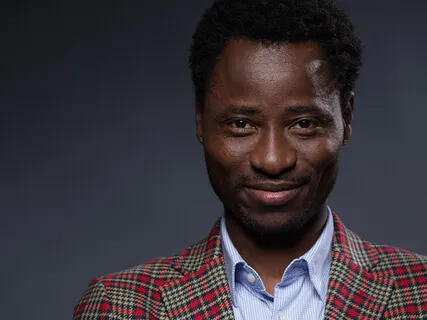
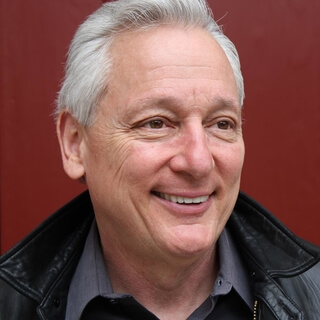
Today's guest is Bizi Alimi.
When I met Bizi,
I think about a year ago almost to today,
I was really taken by his energy and presence and infectious spirit.
And I knew that there was something really special about him without knowing anything about his story.
But later on,
I found out about his story,
Which is one of resilience,
Of authenticity,
Of courage,
Of speaking his truth,
And really powerful advocacy for HIV,
For LGBTQ plus rights,
And for refugees,
And for creating a really extraordinarily positive impact in this world.
So I was really keen in getting Bizi on this show.
And I look forward to speaking with him today and sharing his story with you.
Bizi,
Welcome.
Thank you so much,
Palma,
For having me and for the opportunity to be part of this amazing podcast by entering.
So thank you so much.
Now,
What will be really amazing in preparation for this show,
I familiarize myself with a lot of other talks that you have been giving and your whole story and journey.
You grew up in Nigeria and also in a part that wasn't very privileged and in some ways even quite dangerous.
Could you tell us a little bit about your background and your story?
Yeah,
Like you said,
I was born in Lagos.
And to give people a better idea of what Lagos is,
It's on the coast,
It's on the coast part of Nigeria.
It's in the west and southwest of Nigeria.
I think,
If I'm correct,
It's the most populous state in Nigeria and second or third most populous city in Africa.
The wealth disparity is very glaring.
I mean,
About,
I would say less than 2% of the population of Lagos owns the wealth.
And you have almost like 90,
70% living in poverty.
And I grew up in poverty.
I grew up,
My father was,
By the time I was born,
My father was a retired police officer.
And then he ended up being a security officer and my mother was a cleaner.
And so we were just living on that.
That was basically what we're living on.
I remember that we,
My mother was giving a plot of land,
My father's land where we built the one bed apartment that we were living.
So it was my mom,
My dad and five children actually just living in one bed apartment.
And that was all I knew.
That I grew up,
I spent at least almost,
I think 25 years of my life living like that.
For us,
A lot of time,
We have to make a choice to have breakfast or to have lunch or to have dinner.
And I think to some extent to say I have an impact on me because now I'm actually not a great fan of breakfast.
Not because I don't like breakfast,
But because you know,
It's part of my makeup.
I grew up like that.
And I remember that as young as 80 years old,
I was a street hawker.
So I do go on the street and stuff because again,
It's part of how we survived.
So that was my life.
But I also grew up in a neighborhood that was quite dangerous.
It was full of drugs,
Of crime,
Guns.
And I mean,
To paint a picture,
One minute we might be sitting in front of our house in the evening.
And the next minute you will hear a gunshot of robbery taking place or rival gangs fighting and you have to rush in and take cover.
And five minutes later,
You're back sitting where you were as if nothing has happened.
So that was the kind of lifestyle that I grew up in.
And I think it kind of prepared me for the madness of the world that I was going into.
And also another thing is that my father is a Muslim and my mother is a Christian.
And that doesn't really fit well within the context of Nigeria.
That kind of setup happens a lot in the Southwest,
But even without its own restrictions.
So being able to exist in that kind of religious setting and to some extent,
Having a bit of religious freedom,
Also from part of my own journey to individuality and finding my own voice.
I studied the Quran,
I studied the Bible.
And when I was very satisfied with my knowledge,
I realized that I don't want to practice any one of them anymore.
There was a bit of a struggle,
But it was something that I knew that I could do because I had that whole understanding of the fact that I could practice any religion.
It's okay.
And I could practice no religion,
Though it would be challenging,
But it's okay as well.
And at what age did you realize that you were gay or that you were interested in men rather than women?
I think it was a very young age.
I realized my sexuality as quite a very young age.
I mean,
For a young child,
I think if you are not the norm,
You will know quickly compared to if you're the norm because the norm comes to you from a default position.
So you don't even have to be aware of it.
You don't even have to notice it because it is what it is around you.
Like,
For example,
A white child growing up in a white neighborhood will not realize their whiteness,
But a black child in that same neighborhood immediately realized that there's something different about me.
And I think that that is how my sexuality worked for me.
And I realized at a very young age,
But again,
Like that black child,
I couldn't conceptualize what it means.
So I knew that there was something,
For lack of a better word,
Not really right about me,
Quote unquote,
But I don't know what it is.
So,
And I grew up,
I had my first kids when I was 11,
And I was still in primary school,
And I didn't left,
I went to an all-boys school.
And I think it was at my secondary school that I had a little bit of freedom to explore all my sexuality.
But it was also the beginning of one of the most traumatic experiences in my life.
And that really affected me because prior to that experience,
I was a graduate student,
And I just went off that I had to spend,
I finished secondary school in 2003,
And I did not get into university until,
I think it was 1999.
So I wasted six years of my life because of the fact that I had to go through this extremely traumatic experience,
And my grades were just falling.
I became a very rebellious young man.
I hated everything I loved.
I hated myself and all of those things.
So it was also for me a journey to,
Even for the rediscovery of myself.
So to go back and answer your question,
I think my first experience was when I was about eight years old,
That was when I realized that I do kind of have feelings for me.
And it was,
And I believe still is forbidden in Nigeria.
Yeah.
So it's still a crime constitutionally in Nigeria.
Socially,
The conversation is changing,
But it is still heavily on the side of homophobia,
But the conversation is changing socially,
But legally in the southern part of the country.
We have two laws.
We have the criminal code,
Which also stipulates 14 years imprisonment,
But that is mainly if you act on it.
So if you're caught in the act of burglary,
Which is a leftover of the colonial Victorian law,
And then you have in 2014,
When the president signed into law,
The same-sex marriage prohibition act,
Which kind of,
In a way,
Takes away the freedom of association,
The freedom of expression and all of those things.
And that's for the whole country,
But it's very,
It's a law that is applicable in the south.
And then you have in the north,
In addition to this true law,
The Sharia law,
Which is to some extent,
Quite extreme,
Which has stipulates turning to death.
And for anybody known or perceived or caught to be homosexual.
And then the two things that I want to explore with you,
I heard you say before you grew up where you grew up,
But you didn't really want to be defined by that.
And you had,
You basically had a dream at the time when you were young to become an actor,
Because you were also enjoying reading books,
Et cetera.
Can you tell us more about that?
I think,
You know,
Right from my very young age,
I have found the stage as the first place for me.
And when I,
You know,
I struggled to accept that reality because I was,
I was brought up to be ashamed of the fact that I have passion for fame or for stage or for spotlights in a way,
Because people always say,
Oh,
You like the spotlight.
And you're always telling to me,
I have something that I should be ashamed of.
And I should reign in instead of exploring and developing what that means.
But for me,
Right from my young age,
I love dancing.
I love acting.
I love being on the stage.
I love being in the spotlight.
I love the club.
I love the applause.
And I,
From my primary school,
I was part of my cultural group in primary school.
And by the time I was in year four,
For people who are living in the UK,
But in Nigeria,
We'll call it primary four.
By the time I was in year four,
I was leading the drama group and the dance troupe in my school,
A position left only for a woman.
And I was like,
I would come on stage as a girl,
Dressed up as a woman,
I just did the dance.
And I just,
I just loved doing that.
But also because I had an upbringing where I experienced my time of rejection.
My mother never wanted to have two sons.
She wanted to have just one son.
And my brother came before me.
And I think that my mother struggled with that.
And so at a very young age,
I felt it.
And a few times she said that she never wanted me.
And then I realized that she's always very proud of me every time I am in the spotlight.
So I started using it as a way to,
You know,
Get my mother's attention,
To just have one thing that my mother would be proud of me for.
And this also drove me to academic excellence because I realized that when I do very well in school and I get gifts for doing very well,
She's always very proud of me.
So it's that feeling if I perform either academically or on stage,
Then I get attention equals love,
Then I'm safe.
Yeah.
And then,
But it's like a drug,
Isn't it?
Because it doesn't last for long because she knows who she loves.
And then she goes back to my brother and then I have to come up with another antics.
And sometimes I just seek attention unnecessarily because it isn't there and I have to get it.
So at that very young age was when I realized that,
You know,
The act is my world,
Is the world that I'm going to exist in.
And so I devoted a lot of time to it.
I did some,
Even when I was young,
I did some dramas,
Young people drama series on TV.
I was part of a few community drama group at a very younger age.
I was in my church drama troupe and won awards for best actor.
I mean,
In university where I studied theater art for two years back to back any production I was in,
I,
I would win the best actor for it.
And also because I I'm kind of like,
Until I went to university to learn act acting,
I never really realized that I was kind of a metal actor.
And so I,
When you put me on stage,
I just go away from who I am and it's just because I've been consumed.
I get really consumed by the characters and by the words that I'm saying.
And I heard you say before that you kind of exactly,
You enter a different space or something different that feels very different to,
To who you normally were kind of like a trance,
A flow.
Yeah,
Exactly.
It's like,
I remember that once in uni,
I was playing a role that I,
I was supposed to attempt suicide and then rescued and I was supposed to cry.
And it was funny because after the rescue and I'm taking out stage,
I'm supposed to come back and then the lights will go off and then the light comes back and I'm supposed to come back and have a monologue about what had just happened.
But I couldn't stop crying backstage because I was so much into this,
Into this role that for me to come out of it took me some time.
But again,
I realized that I had to go into the stage,
But acting was not the only thing that I could do.
The stage,
But acting in a completely different role.
So for me,
It's just like,
It's just like someone I know,
A lot of people might find it a little bit annoying and offensive,
But I'm sorry for me acting is to me,
It's like,
It's like bipolar,
Right?
One minute point,
My script says,
Go to the extreme and cry.
And the next minute,
My script,
My script is saying,
Jump up and laugh.
You can see me going from then to that.
And that is something when I went to uni and I realized,
And luckily for one of my professors who saw that in me,
He just tapped into it and he said,
Oh my God,
You're such a beautiful method actor.
And he's also a method actor trainer.
So he really trained me to then be able to switch and not stay too long in the entrance to know how to come out of that transit.
I can go into another role and yeah,
So acting for me and every time I've been on stage,
I've just been very safe.
It's just home.
It doesn't feel like home,
It is home.
And even now I think what has happened is going on stage,
To now do my public speaking,
To do my poetry.
It's just like now another form of my acting.
And that is why one minute you see me sitting there with a production team,
Planning what I'm going to say and having the list.
And then I come off stage and the production team are like,
Oh my God,
What just happened?
Who was that on the stage?
And I was like,
Honestly,
I don't know.
You don't know,
Right?
Cause something else comes through you in that moment.
Exactly.
I always don't know.
And when I tell people that I'm introvert,
They also don't believe me because it felt like,
Look at that person and say,
Yeah,
It's not me.
But the real me is a very shy introverted,
Very quiet person.
I mean,
Who knows what the real you is?
I would almost dare say that comes through you when some of the control of the mind maybe relaxes.
Yeah,
That's true.
That's true.
Who is the real me?
Is it when I have control or when I don't have control?
Yeah.
I'm sure you will find out one day.
Maybe I'm not.
I don't want to because I think I'm a little scared of what I might find out.
Now that you mentioned,
I guess the control part,
That's also something that I picked up in the other interviews that you said growing up where you grew up,
It was really important also for you to sort of exert a level of control in many ways.
Could you tell me a little bit more about that?
Because it came up many times also when we will go later into your story that you control the narrative and things like that.
Yeah.
Now that you said it,
I never thought of it that way.
I say it in a correct way.
I say it all the time.
Like I said,
I grew up very,
Very poor.
And at a very young age,
When I went to my secondary school,
That as a mixture of middle-class and lower-class kids,
At that very young age,
I realized that if I'm going to make it in life,
I have to reign in my street life and then be like these people that have the opportunities.
Right.
And when I went to university,
The thing that a lot of people used to tell me is that you don't look like someone,
You don't sound like someone that comes from where you come from.
Right.
And so,
And then I realized that what that means to me is if I don't control how I project where I come from,
It would be an obstacle to my success in life.
And sometimes it comes out,
The street life is me.
And I always say this,
The street life has brought me to where I am today.
Right.
Because when I see things coming,
It's just like a dog,
A stray dog on the street.
They sense danger before it gets there.
A dog brought home in the comfort and loving of your home.
We not know danger is coming,
But it's street dog news.
And I'm like a street dog.
So I know when a danger is coming.
But sometimes I have to reign in my over-alarmness.
I have to control that my over-alarmness.
And it's also about the narrative of the street.
You have to control what people hear about you.
If you have to stay on top of your game,
You have to know on the street how to tell your story.
And so when people talk about the street as being very dangerous,
I say that you have to understand that the brotherhood,
The sisterhood,
The community sense that operates on the street is so powerful.
And that is why you see people that come from the street excel so beautifully when you put them in a situation with the tools that can help them understand where they are.
And so that idea of being very street smart also means that I have to be conscious of the environment I find myself.
So that I don't come across as threatening.
I don't come across as overtly imposing.
But also that I tell the story the way that people will want to hear it.
And whether that is good or that is bad,
That's up for debate.
And yeah,
And so my life has always been about controlling.
And there are times I control what I wear to certain events,
How I eat a certain event,
How I drink at certain events.
And yeah,
So but the unfortunate thing is that you can only control as much.
There are times that the real you comes out.
And when it doesn't,
People say,
Oh my God,
I love that.
And some people say,
Oh my God,
I'm scared of that.
And I think another thing that happened was that the moment I became Black in the UK,
I also quickly realized that this is another learning process for me.
And how do I use this process?
How do I use these opportunities?
And not control my Blackness,
But how do I use the power of my,
Of the awareness of my Blackness in a way that is helpful to me and supportive to other people like me.
And what were your insights around that?
I think that I was talking to a friend today about life.
And,
You know,
One thing that coaching,
Meditation,
And actually having people who have a lot of awareness around me,
It's that I only have this much control.
And all the time that I've felt that I've always been in control,
That things have just worked out the way that they have.
And it's not that me just putting one plus one together and getting two.
That life has its own purpose and life has its own cause.
And there's nothing I can do about that.
And so what is happening is that maybe my mission or my control is in alignment with the way life wants me to go.
And that is what has happened.
If it is not in alignment,
There will be crises.
And that I should open up myself more to opportunities,
Open up myself more to explore,
But equally be aware.
And that is something that I am really,
Really trying to do because it's not been easy.
Now,
I am seen as a public figure.
I'm seen,
I don't know why people think so,
But I'm seen as a celebrity.
And what that means is that there are certain things I can't say.
There are certain ways I can't say things that even if I feel like wanting to be angry,
I can't be angry because it's not an emotion that someone like me should project.
And so,
Now I have to control this thing again,
But I just want to swear.
I just want to let this out.
I just want to just let it go.
But I can't because there's a young boy or a young girl or a young gender non-binary person who shouldn't see me this way.
So yeah.
And with anger,
And thank you for sharing that really truthfully from your heart,
Have you found ways of working with your anger?
Because anger is an emotion that's absolutely valid.
Obviously,
Every emotion is valid and there are very valid reasons for being angry.
Expressing your anger is one thing and suppressing your anger is another one.
But in between is I guess using that anger to really feel it,
But also to transform it into a force for good,
For example.
How do you work with that?
That's a very good question and a very good way to actually describe it.
So if I had to make a comparison,
I would say that when I was young,
My anger was very powerful and very consuming and very destructive.
I would fight,
I would destroy things,
I was very,
It was very fiery.
And in its wake,
It was this huge destruction that happens with friends,
With families,
With people that sometimes people like to tell their kids not to play with me because you just don't know when it's going to come out.
And because I was a kid who had a lot to deal with.
And I don't blame this on my parents,
I don't blame this on anyone.
I think I also have a responsibility to take in who I'm becoming and who I have become.
But I think the situation around me puts me in a position where the only language people around me could hear when I was growing up was the language of anger.
And the moment that I realized that it was a powerful tool,
I started using it.
And I was lucky enough to have a very powerful mentor who supported me and are still supporting me to help me rein that in.
And one of the beautiful ways that I think that I've been using my anger is to start initiatives.
Okay,
I'm angry about this thing.
What do I do about it?
Normally,
You would have said,
Oh,
Play some fire.
But the new me will now say,
Okay,
How do I create a pathway to a solution to this?
So I'm acknowledging that I'm angry about this.
I'm angry about racism.
I'm angry about homophobia.
I'm angry about sexism.
I'm angry about ableism.
I'm angry about political turmoil in the world,
About the refugee crisis,
About climate change.
What do I do?
Work with a refugee organization,
Volunteer my time for a climate change group.
Speak up when I have my platform and use my platform to speak up on sexism,
On racism.
So that is the shift now to my anger because now I realize I have the platform.
I don't have to be distracted with my anger.
I have to inspire and I have to mobilize.
And I think that that has really,
Really been very helpful for me in being able to see my anger as a source of inspiring a generation of people that can make change happen.
And that is,
Again,
That will come back to what you talk about,
Right?
Control.
And that as well.
I guess that,
You know,
Being able to control something,
It's not like it's completely negative,
Right?
I can control it for good and you can control it for bad.
Yeah.
Very powerful.
Thank you for sharing that.
I would like to return a little bit because again,
You mentioned the control,
But from some of the interviews that I listened to,
There was also somewhat of a defining moment when you were 17,
When you realized either I can basically live my truth or I can run away from things,
But then they will define me in some ways.
If I understand,
Understood that correctly.
Could you tell us a bit more about that?
So I hinted on it when I talked about my teenage years.
So the journey started actually,
Because it took about three years for me to get to that crisis when I was 17.
So the journey started when I was 15.
And I was in,
So that would be year nine.
That's what they would call it.
They would call it year nine years.
So that would be my third year in secondary school.
I was already a very rebellious teenager.
I was a very,
Very rebellious teenager.
I had a couple of friends who were also gay.
And so we're very close in secondary school.
It was our junior high.
It was our last year in junior high.
And towards the winter break,
There's the Christmas and everything.
And so there was a group in our unit,
In secondary school called the scripture union.
And they are this group of students who are Christians and they organize events in school.
And it was like a Christmas themed event and it would show a theme and a lot of those things.
And there were a lot of social activities as well happening in different groups.
So I was a member of the literary and the business society.
We had our party.
So everybody always,
All different clubs in school,
We have parties.
A close friend of mine who happened to be a Christian invited me to this event.
And at the event,
They showed a film called The Born in Hell.
And this for those people that don't know,
The Born in Hell is a thing that was made,
I think it was in the 70s.
That basically,
The sum of it is just like,
It shows you what happened when you die as a sinner and what happened when you die with God's forgiveness,
The idea of heaven and hell,
Good and bad and all of those things.
And we were just teenagers.
And this was presented to us as teenagers.
And at this point,
I was already asking question.
I've become fully aware of my sexuality because I'm in an all boys school.
I started having boyfriend,
Never had sex,
But I started having boyfriends,
Started kissing boys and all of those things.
And all of a sudden I'm faced with this reality of the fact that what I am is a sin.
And the motive behind inviting me to this event is because the person knows about my sexuality and kind of like wanted to help me to get over it.
And by the time this thing finished,
I was a wreck.
I was crying.
I was really traumatized.
And when they made an altar call,
So an altar call is when the pastor say,
If you're here and you want to confess your sins and you want Jesus to come into your life,
Come out.
So I went out and I gave my life to Jesus.
So this whole thing went on and then we left school.
By the time we came back,
I was 16 because my birthday was in January.
So I was 16.
And then from that became a born again,
Chris name became a youth pastor.
I stopped talking to my gay friends.
I disconnected from everyone.
And I remember that from my house,
Normally I walk from home to school.
I started taking the boss because that gives me opportunity to stand up on the boss and preach.
And I'm not sure whether you are aware of all this people preaching on the train and all of those things.
So that used to be kind of pressing that I will be,
And I will rain condemnation and judgment and all of these fire and really stone on everyone and everyone that have not given their life to Jesus.
And I was doing this,
But I also was not really satisfied with myself.
See struggling with these around about when I was 16,
I told my friends in church about the fact that I'm still really struggling.
And I came out to them.
One of them is dead now.
And I came out to them and I say,
This feeling is not going away.
And they prayed with me and they discuss it with a senior pastor in church.
And the senior pastor invited me to come and I went and he prayed with me.
And then he told me that maybe I might need deliverance.
And he projected for me at 70 deliverance.
What does that mean?
Deliverance?
So deliverance is like exorcism.
Yeah.
So it's a process where they exercise you and kick out the demon that is in you because I was told I've been possessed by this demon.
It's a very,
Very destructive path with demon.
And he,
I was told that he was responsible.
He's responsible for my very rebellious teenage years and what I'm becoming as an adult is holding me back from becoming who I'm going to become.
And you know,
All of these things I was told,
And I needed all of these things to help me get over.
I need to cast out this demon specifically.
And so I agreed to the seven day prayer and fasting.
And it was quite a very traumatic experience for me.
Not forgetting I was 16 going to 17.
And I think it was on my birthday.
I was in school and my boyfriend that I broke up with when I became a born again Christian approached me and was talking to me and he brought me something for my birthday.
And I don't know one thing led to another.
And then we kissed.
And this happened after spending seven days for this exorcism.
And after being told that if it doesn't work,
It's not because God has not done it,
But it's because I didn't have faith.
Right?
So the burden of proof is not on whether God has done it or not.
It's whether I have faith that God has healed me.
And if I don't accept that healing,
It's my fault.
So that ran through for me when this guy kissed me.
And I just ran home.
And for the very first time,
I attempted suicide,
Which I escaped,
But I never recovered from it.
Even up until now,
Sometimes I still had my flashback.
I see my doubts and all of those things,
And I never recovered from it.
And so that was for me,
I wouldn't say it was the first pivotal moment in my life because the first was when I kissed my classmate when I was 11.
And that gave me,
Oh my God,
Could this be real?
To four years later to have that happening.
And then by the time I was 29 to coming out on national television.
And these were not things that I had control over.
So I'm going to go back to control.
I didn't have control over the keys.
I didn't have control over maybe to some extent.
I wanted to say that because that was what was happening to me.
Okay.
Now,
If I die now that I'm confessing my sin,
God is going to forgive me and I'm going to go to heaven because I don't want to live another day because I know if I live another day,
Temptation is going to come and I'm going to fall and I don't want to fall.
So that was my aim that God,
Please forgive me.
And I know that you're forgiving me,
But I don't want to leave another second.
I want that.
And I think that a 17 year old graduate student shouldn't be thinking about that.
You know,
They should be thinking about their books,
About their friends,
About being a teenager,
About,
You know,
Having two more years in teenage years before they become a younger adult and what that means for them,
Understanding their bodies,
Their lives.
But I was so devastated from 15 years,
So devastated on the fact that I might go to hell because I'm gay.
Hearing that makes me really sad and really angry that that shouldn't be happening.
It's just awful.
Yeah.
And that's why I,
You know,
That's why again,
I'm still angry about it.
And that's why I lend my voice to the ending of conversion therapy,
Because a young person should not ever be made to,
Even I joined a campaign in Nigeria,
Demanding that no young person should be introduced to any religious text until they are 18,
When they will make a decision for themselves that this is what they want to know.
It's unimaginable what you have gone through from the outside,
Not having been in that situation.
Yeah,
It was,
It was tough because again,
Going through that and not having any support network.
I mean,
Here you see a lot of organisations talking about,
You know,
Call this number if you're a suicide as an LGBT person,
You have organisations that support you.
So I'm talking about the 90s in Nigeria,
The 80s and the 90s,
The conversation around sexuality was even nowhere.
So I was just like,
Like being in the wilderness,
Basically.
And there is basically no way out of it,
Because there's no path.
There's a road unknown,
There's a road that no one has ever travelled on.
So you have to practically create the path.
And relatively early on,
In your life already in the 90s,
I think you started becoming an HIV activist as well.
Yeah,
Yeah,
I think that that was again,
Another thing I couldn't control.
But then when I got into it,
I started controlling it,
Right?
Because it all started with the death of my best friend.
And that drove me into HIV world.
I was already my second year going to third year in university,
You know,
I was kind of like,
Very set in my ways of becoming an actor,
Which is what I wanted to do.
I've been going from some auditions,
TV auditions,
But I was already on the stage,
I was in theatre production,
I was in a very good place.
And then my very close friend in school that happened to be like one of my strong support network,
Died of AIDS.
And I went to see him at a hospital,
And I had a soul searching conversation with him,
And made a promise to him to do something right about it.
And that led me to looking for HIV organisations to join.
And I found one,
I started volunteering for them as a programmes director,
And eventually became a full paid staff.
And,
And then again,
That led me on another road,
Unknown,
Where I had to come out on national television.
And so going into HIV world for me wasn't something that,
Oh my God,
I'm going to wake up this morning,
I'm going to do HIV.
I don't even know,
I don't have any idea about it.
I don't know.
It was when I was on the job,
I started learning about how much is devastating our community in Nigeria,
And how much,
You know,
Young people,
Or just young gay men were just dropping down and dying like the autumn leaves,
And nobody cares.
And even within the community,
Nobody calls it out for what it is.
There's a hush-hush culture around you cannot name what is killing us.
And because of the shame and the stigma,
It was so powerful.
And this stops a lot of us from testing,
Stops us from accessing treatments.
And it was just huge.
And people were just dying.
And I think I was really,
Really upset.
And that kind of like,
Led me to do something about it.
It was powerful how you used your feelings and your emotions then to show up and stand up for,
Not just for yourself,
But for the whole community.
Indeed.
And again,
I'll say this is just a part of,
You know,
The straight line,
The brotherhood that you form on the streets means that when you notice things,
You have to guide your team,
You have to guide your hood,
You have to protect your hood.
And that tomorrow,
You might be the one that is vulnerable,
And people are going to stand up for you.
And tomorrow,
You might be the one that has the power.
And that for me was something that I'd learned on the street,
Right?
It was something that I picked up on the street.
It was how we survived the street.
And when one of us is down,
All of us were down with that person.
And when we are all up,
We are all up.
And that is why I get upset when people talk about the street as if it's some kind of dangerous place.
Because,
You know,
The street is Wall Street,
Right?
The street is the city of London,
Is in New York Stock Exchange.
That is the street.
That is the hood.
It's the London Stock Exchange.
It's a financial institution.
It's capitalism,
You know,
Where the boys are the top,
We always have each other's backs.
And it doesn't matter who has to fall to pay the price for that.
That is the street.
But the difference between that street and the street that I grew up in is that we're not ruthless just for the sake of it.
We're not ruthless just for the fun of it.
We're more like Robin Hood.
We're ruthless because we want to protect the community that gave birth to us,
Right?
We're ruthless because we want to protect our mothers and our sisters and our brothers and our kids.
The street of capitalism is ruthless because they want to protect the interests of the very few minority.
But they are also gangs,
Right?
As much as I am also a gang on my own street,
They are also gangs.
And it upsets me when we only see that street,
When we have 101 documentaries about gangs,
About thugs,
About hoodlums,
Forgetting that the operational model,
Right,
Of Wall Street,
Of City of London,
Or wherever it is that capitalism is,
It's built around,
You know,
The thuggery,
The concept of hoodlumism that we talk about when we talk about the streets,
Basically.
And when I was just listening to you,
When you said,
You know,
When one of us gets down,
We all rise up and we support each other.
I was getting the goosebumps because I was just feeling if we would not compartmentalize ourselves,
Like,
You know,
I'm belonging to this group and not to that group,
But we're all humans,
We're all living beings together,
Even including the animals,
Like,
You know,
When one of us gets down,
Everyone else gets down because we are one.
If we would feel that way,
We would live in an entirely different world.
Yeah,
And that is completely true.
But the reality is that power doesn't want us to be like that,
Right?
And this also fits to the culture of the streets.
If I see the rival gang as being equal to me,
Then why do we have to have rivalry,
Right?
Then that is the end of rivalry because,
Okay,
They are equal to me,
So why will I fight them?
And racism is built around this notion of someone who has more power.
Sexism is built around this notion of who has the power.
And so we tilt the balance of equality to one person's side.
And it is always,
Always men.
And in the hierarchy of it,
It's always,
Always white men.
And so when you talk about this,
Sometimes people get a little bit gee-vee and they don't want to talk about it,
But the reality is that it is what it is.
And if we remove that sense of rivalry,
That sense of power,
Then we all gain.
But the structure is created in a way that because we are instinctively animals that live on survival features,
So we create a system that makes it easy sometimes for other people to survive and eliminate competition in a way that is beneficial to a certain group of people and not to a certain group of people.
And that is already a bit questionable,
That whole Davenistic narrative that was coined around,
We are all about survival of the fittest because what Davin also said,
What wasn't really propagated was that we're actually also quite compassionate and there is this sense of community and collaboration.
And it's not just survival of the fittest.
And humans are born with compassion initially until to a certain degree,
It's educated out of us.
And that's why it's so,
So,
So,
So important that we retrain our brains to rekindle that feeling of compassion and to tap into that space within us that's bigger than that individual narrative where we can reconnect with that feeling of oneness as well.
Exactly.
And it's a sense of awareness and it goes back to what we were saying earlier,
You have to unlearn a lot of things that you're aware of.
And one of the most difficult things with human beings is that what we learn,
Social conditioning,
That creates a space of comfortability for us.
And our learning is very uncomfortable.
And many of us are not ready to face that.
We're not ready to face that idea of learning something that is going to challenge my power,
All things that I've been taught.
Am I ready for that?
And the answer has always been no.
And in that situation,
Things will always remain the way they are.
Now,
You came as a refugee to the UK after,
It was a journey of a few years after you came out on national television in Nigeria,
Which was incredibly courageous.
Yet I heard you say the person,
You don't really know who was sitting on that seat,
So calm and relaxed.
There was again something else coming through you in some way.
And now you have become the executive director of Safe Place Greece also,
Of a really powerful organization.
What would you say can anyone individually do to basically leave that comfort zone and question some of the things that you have become accustomed to,
That keep us separated?
What is your advice to anyone listening,
Basically,
To take a stand and to start that process of change?
Thank you so much for actually talking about that journey from being a refugee myself to all of a sudden finding myself leading a refugee organization.
I was having a conversation once with someone and said,
How many refugees are actually leading a refugee organization?
And the number is really,
Really small.
And so having myself at the table to talk about things that really matters to me and to people like me,
For me,
It's such a great honor and a great privilege.
Now to answer the other question that you asked is,
What can people do?
There are books to me,
And so many books that I have been written by different refugees to capture their lives.
One of them I had on my podcast,
The angelic troublemaker,
His name Gulwale,
Who talked about his experience of traveling from Afghanistan to Europe when he was at the age of 12 and what he went through.
And picking up this book and just reading his journey and just going on that journey with you will just touch you.
You will just touch your heart,
Right?
There have been a lot of documentaries that have captured the real experience of refugees.
And if those ones are make believe,
Take a trip to Greece.
Greece is just around the corner here.
Or go to France or go to Turkey where there are refugee camps.
I'm not even telling you to go to Lebanon or go to the Middle Eastern countries that I've practically just become a refugee camp,
Basically.
Go to Greece.
I was on Lesbos Island.
You have just been there,
Right?
Yes.
Yeah.
I was just on Lesbos Island and I just want you to know I broke down completely.
I just couldn't hold it and still talking about it now.
It's just like,
I saw those little kids.
And because the interesting thing is the Moira camp in Lesbos,
They created another Moira camp.
And this Moira camp that they created is next to the water that brought these people from Turkey to Greece.
These people traveled.
I was talking to one of them and he said,
We traveled for three hours on the dinghy boat.
And we were told for three hours not to move or shake because if we do,
The boat will capsize and we were all done.
And this person was with a little child and I said,
With this child,
She was even younger than this.
And we have to carry her.
And we're just hoping that she didn't want to pee.
And that's the point.
She had to pee on herself.
She had to poop on herself.
We couldn't do anything.
And the boat was smelly,
But we just have to hold on because that was all that we've got.
And I kept looking at those little children and kind of like just seeing what they had to go through.
And then this week,
And I saw the BBC talking about a DJ who is dedicating our lives to stop refugee from coming to the UK.
And that kind of like,
Again,
Just got me angry for lack of a better word.
That just got me really angry because if people think that the water is safer than the ground,
Going back to what you said the other time about our humanity,
About our compassion,
Then we need to ask ourselves questions why we've made the ocean safer for human beings than the land.
And that is a fundamental question that we've not been able to answer.
People have views about Germany.
I would say that Angela Marco has been practically the only forthright world leader that has stood up and have tapped into that compassion that you talk about,
That tapped into that humanity.
And I think she should be commended for that.
It takes a lot of bravery considering what is going on in Germany to actually stand up.
It was quite weird seeing during the lockdowns in March,
Etc.
People panicked by pasta and toilet paper and all sorts of things.
But then not having compassion for someone needing to leave their country and taking a trip that's risking their entire lives,
Not just their livelihoods,
Their lives of their children,
They're leaving everything they knew behind and they're making a trip like that,
Coming to Europe and then wanting to send them back.
Like how people can even come up with an idea like this is mind-boggling to me.
Yeah and I think it fits into European sense of individualism,
Nationalism in a way because there's a difference between being patriotic and being nationalistic.
And also the negative narrative that is created of some people are coming and when they get here we're going to be in a minority.
So again it's about going out of your comfort zone and you don't,
You see yourself being in a minority and you ask yourself are you in a minority to tigers or to lions or in a minority to fellow human beings as yourself?
Did you see them as fellow human beings as yourself or did you see them as someone I would never mention their name because I would never give them the the power to ask cockroaches and swamps that you need to you know take action against.
And these are fundamental discussions we need to have with ourselves as human beings.
And you have founded the B.
C.
Alimi Foundation,
You've been involved with a number of other organizations and now you're the Executive Director of Safe Place Greece.
What is the best way for people to support all these initiatives?
What is it that you need from us?
Is it money?
Is it writing to politicians?
What are some things we can do?
So you know I always say this people know how best they can use their power but sometimes we have to also guide people.
So every skill set is needed to make the world a better place.
So if you are an accountant,
If you are a doctor,
If you are a lawyer,
If you're a journalist,
If you're a graphic designer,
If you're a dancer,
There's something that you can give.
For example,
If not for the lockdown,
In Greece the plan is to set up a refugee drama group where these people can write their journey into a play that they can perform.
It would be nice to have someone with great in script and script writing come and help them write the script and you know get people to perform it and all of those things.
We need money to be able to do the work that we're doing whether it is at the Bisa Alimi Foundation in Nigeria or at the place Greece in Athens.
We need money for the work that we do.
We need people to share expertise on our board.
That is also great.
We need people to host events for us.
You know it could be online events now with the pandemic where you can fundraise for if you don't have the money but you have the network of people that can you can organize auction event or whatever kind of event that you can.
But like you said as well,
You can read more about these countries and tap into you know the possibilities of saying using your your voices,
Your signature,
Your connection to make a difference in the world or in the work that we do.
But I always just ask when people say ah but I am this and I can't I say no.
Even a cleaner can make a change and that is very very important because you can give your time to teach these refugees how to use certain tools to clean better you know or more effective eco-friendly ways to do certain things.
So everyone can make a difference but also there's another part is that the refugees also have a lot to teach the world and taking time to say you know what it's not about me teaching and want to volunteer to learn about your journey will also be great.
And it almost starts by not using the word refugee because these are people like anyone else who have their unique talents,
Their unique aspirations,
Their unique stories and they're equal human beings that doesn't need saviour but they need to be acknowledged and they need to be learned from listen,
Integrated that they can shine their light again.
And that's why you know when I joined Cipolis Greece the first thing I did was remove help from all our communications because we're not helping this refugee we're supporting them.
They can go on this I mean they've travelled all the way to get here right all we need is just to hold their hands if they want us to and we should not lord it over them and just walk with them on this journey and I hope that translating that to real life that you know the people with privilege with power can learn that all they need is to hold a space,
Is to hold someone's hand so you can help them,
You can help me about racism,
You can help me about homophobia,
You can help about sexism but you can be the difference,
You can be one less person to be racist,
You can be one less person to be homophobic,
You can be one less person to be sexist and that is a job that you need to do for yourself and with yourself and if there's anyone that needs help it is you who needs help and not the other way around.
100% very powerful.
Is there anything last that you would like to share with us because the time was just flying?
Yeah I know I looked at it and thought my god it's fast to have.
I mean nothing really that I want to share apart from the fact that thank you for doing this podcast and you know for everyone that is listening I want you to believe that you have the power to make a change happen.
It's not going to be easy,
Sometimes it's going to be uncomfortable and sometimes the people that you want to be there for will tell you that they don't need you.
Realize that it's not about the fact that they hate you,
It's just about the fact that they are not ready and together we can make the world a better place and I know that sounds like a cliché but the reality it is what we can do and we must be doing.
Thank you Bizi,
It was wonderful having you here.
It was so much more that I wanted to explore but this was a really powerful experience for me and I trust for our listeners as well and we will include links to all the organizations mentioned in our show notes as well.
Thank you so much for having me.
Thank you.
Thank you.