Funneling all your energy into this single divine point.
And the ideal is to get absorbed by it.
So if your single focus is love,
There is a point when there is nothing else but love.
And if your focus point is peace,
Then there is nothing but peace.
And the opposite is true as well.
If your focus point is hate,
And you know,
There is a point when there is nothing but hate.
Hey there everybody,
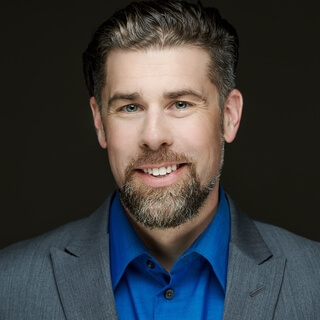
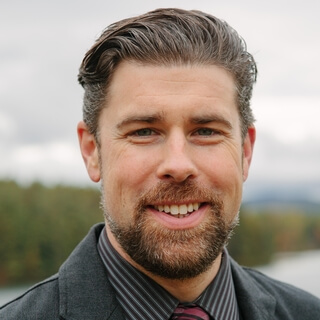
I'm Tom Bushlach,
And thanks for listening.
This is episode six of Contemplate This,
Conversations on Contemplation and Compassion.
This interview is with Myra Rucker,
A yoga instructor from Minneapolis,
Minnesota.
And this episode was particularly fun for me because Myra was my very first yoga teacher,
And she's since become a very good friend and a wonderful conversation partner on this path of contemplative transformation.
There's a saying that goes,
When the student is ready,
The teacher appears.
This is how I understand getting to know and practice with Myra.
About seven or eight years ago,
I walked into a yoga studio at the YMCA in downtown Minneapolis.
My wife and other friends had been suggesting to me for years that I should try yoga.
And I had known many other people in the climbing community that I hung out with who found yoga helpful for increasing balance,
Strength,
And flexibility.
So standing outside that first class feeling very awkward,
I told somebody else that it was my first class.
He gave me this soft sort of knowing smile and said,
You're going to love it,
Myra is amazing.
Little did I know.
Like many Americans who go into a yoga studio,
I thought of it mostly as a physical practice.
But gradually I learned so much more about how yoga is a truly contemplative tradition.
How asana and pranayama,
That is the physical posture and breath,
Are only two aspects of the eight limbs of ashtanga yoga,
Which culminates in a single pointed union with the object of one's meditation in samadhi.
Myra gets into this a little bit in the discussion.
What I do recall during those first few classes,
Which were a vinyasa or flow style of yoga,
Is sweating really hard,
Feeling really awkward and out of balance,
But then resting down into shavasana at the end of practice and experiencing this joyful release that is hard to put into words.
I couldn't really describe it other than to say that what I felt was that I was literally letting go of some kind of knots or tension that I had been carrying in my body for as long as I could remember being alive.
And the release was ecstatic.
There were times when tears were running down my cheeks at the end of class,
And they were tears of both joy and sadness at the same time.
It wasn't long before I started sticking around after class to ask Myra questions,
And she started feeding me different ideas of books or texts that I should read on the yoga philosophy.
I now began to understand what I was experiencing in that ecstatic release.
In the yoga philosophy,
There are channels of energy that flow throughout the entire body called nadis.
When they come together in points of focus,
Those are the seven chakras that many of us might be more familiar with.
When we store tension,
Stress,
Or trauma in our bodies,
Those nadis or energy channels become clogged,
And those blockages are called granthies.
This ancient wisdom is consistent,
Interestingly,
With neuroscience that notes how memories can become stored in our physical body,
In our implicit memory systems,
At levels that are below our usual conscious level of awareness.
The practice of yoga is one of refining our awareness into those subtle layers of our mind-body experience so that we can gradually release those granthies or blockages.
And as we do so,
We naturally move toward deeper states of meditation,
Contemplation,
Or union.
The purifying dimension of engaging a yoga practice with mindfulness has been invaluable for me,
Especially for moving deeper into a contemplative practice.
I've also found that a regular yoga practice has been the single most effective practice for me for dealing with severe anxiety,
Though I do believe that this is an effect of the contemplative transformation more than the goal in and of itself.
Okay,
I wanna add one other quick note about our conversation.
After we recorded it,
Myra and I were texting back and forth and we both noted that the conversation didn't go exactly where we thought it might.
She gets into some deeply personal reflections about both religious and racial identity that we hadn't even really breached in many of our previous conversations.
So I'm particularly grateful for Myra for her vulnerability in discussing this publicly on the podcast.
And I think it really speaks directly to many of the issues that we're dealing with at this crossroads between contemplative practice,
Personal identity,
And social justice issues in our culture today.
I hope you find this both refreshingly honest and personally challenging as I did in listening to her experience.
All right,
So I'm really excited to share with you Myra and Myra's wisdom with you.
And thank you all again for listening.
You can find the show notes and links to more information about Myra at thomasjbushlack.
Com forward slash episode six.
So thomasjbushlack.
Com forward slash episode six.
That's episode and the letter six.
I'm sorry,
The number six,
No spaces.
And as always,
I'm gonna be sharing my story and as always,
If you can leave a review on iTunes or wherever you subscribe to the podcast,
I am very grateful as that helps to spread the word to others.
And you can always make a donation to support Contemplate This at thomasjbushlack.
Com forward slash donate.
All right,
With that introduction in place,
Let's jump right into my conversation with Myra Rucker.
Well,
Thank you for being here.
It's a pleasure to have you on.
Thank you for asking me to be here.
It's an honor.
Yeah,
Cool.
So I usually ask people to just start,
Kind of tell us a little bit about who you are.
And you know,
The title of the podcast is Contemplate This.
So conversations on contemplation and compassion.
So I like to capture a little bit of your like,
Your background,
How you got into your particular contemplative practice,
Which I take it is primarily yoga,
But we'll unpack that.
And then just kind of learn about your own approach and how it's affected you,
So.
Okay,
So wow.
The question is where to begin?
I mean,
I think it is fun to go all the way back,
Like.
Yeah,
We'll go all the way back.
Family,
Like where you grew up and what,
I know you went to,
I know we,
Like we've had little bits and pieces of conversations,
But I've never heard you kind of put the narrative all the way together.
So I know there's like Catholic school in there somewhere in Texas,
In and of itself is interesting.
Yeah,
No Catholic school is in Maryland.
But so okay,
So we come back and I'm from Texas,
Born and bred.
And at,
Because my dad was getting his PhD at Howard in Washington,
DC,
There was a point very early in my life where the family moved to the Maryland DC area.
And that's where I ended up going to Catholic school for a while.
During that time,
We would still go back to Texas.
That was our summer vacation.
That was like camp or people going to their cabins up here.
So I moved to Texas and part of it would be in Houston and part of it would be in Paris,
Texas,
Because both sides of my family are from Paris,
Texas.
My mom's family was in town and my dad's family was from the country,
So that's very different.
But the thing that was,
That everybody had in common was going to church.
And in Texas,
Just like in much of the rest of the Bible Belt,
Going to church on Sunday meant you went to church on Sunday,
Like all day.
That's what you did.
All day,
That's what you did.
So you got up and you went to Sunday school and then you went to church at your church and you would eat there.
And then you,
In the country at least,
Then you would sometimes more often than not go to somebody else's church further into the woods.
And yeah,
So that was my real introduction.
And there's such an emphasis on religion and God and everything in that context that when I was in Maryland going to school and everything,
Like there were times when I would get up in the morning and I would walk to church,
Even if no one else was going to church,
Because it was that important to go to church,
So I go to church.
It was habituated into you.
It was totally habituated.
And was there a particular denomination that was important or like your family?
Yeah,
So at that time,
Most of the churches of my family,
So my family background is United Methodist.
Okay.
And going to Maryland,
You're still in the south,
But you're creeping up there in that Northern Territory.
So then you get into the politics of why are there United Methodist churches versus Methodist churches?
Why are there AME churches versus United Methodist?
And so then you get into the politics of the civil rights and going all the way back to the war of Northern aggression as they like to call it down there.
And,
But it was also like,
But I had already an introduction to how things were different in different churches because in the south,
On Sundays,
In the country,
We would also go to Baptist churches sometimes.
And so then you also had the difference between the Southern Baptist Conference and just the Baptist and the Holy Roller churches and everything else.
And so right around that time that that was my summer experience and then I'd go back to Maryland and I would walk to church on my own sometimes.
During that time,
I was also at one point going to Catholic school and living in a neighborhood where a lot of my neighbors and a lot of the kids that I played with were Jewish.
So you had like an inter-spiritual encounter from the get-go.
Right,
And then my dad,
A lot of his contemporaries in school were from other countries and they had other faiths as well.
So I just had that awareness there.
And this is where the problems happened because we had a lot of Socratic experience at the dining room table and that kind of filtered out into school and everything else.
And so I had an inquiring mind and started asking people.
And by people I mean the ministers and the pastors and the nuns and the priests questions.
And they were theological questions.
Yeah.
I was too young to ask.
And that was an issue,
That was a really significant issue.
And maybe it wasn't as much of an issue for them as it was for me.
Because I was a child at that time who was used to getting answers.
Yeah.
Inquire,
Even if there was like,
Go sit and contemplate it for a while,
It'll come to you or whatever,
Or it won't.
But it was not,
But the answers I kept getting was,
Don't worry about that,
I can't tell you anything about that.
You really shouldn't be asking that.
On the flip side,
The friends of mine that were Jewish were having a completely different experience with their theology and their religion.
Ask the question,
Let's talk about the question,
Let's go back to the Torah and let's see what that's all about and what does that feel like to you and what do you think about that?
And they're the same age as me.
Yeah.
And sometimes they weren't very interested in it,
But that was their experience and I had a little taste of that.
And my questions were things along the lines of,
When I went to Catholic school,
I couldn't take communion.
And as a Christian at that time,
I was like such a big thing,
Taking communion and the host and the blood and everything was just like so vital to the whole experience.
And then it was heartbreaking to be in fifth grade in Catholic school and being told,
You have to go to mass every day,
But you can't take communion.
And I was like,
Why?
And so this is me in fifth grade.
I don't understand,
When we go to church at the United Methodist Church,
We say we believe in the Holy Catholic Church.
Does this mean you don't believe in us?
And you actually have the name Catholic.
Well,
I had no concept of capital C versus lower caste.
Had no concept of that really.
And so the priest and the nuns weren't answering that question.
And then I went back to the United Methodist Church and they weren't answering that question.
I went back and forth.
And then to add to that,
Go to Texas and every small church in the middle of nowhere would be like,
If you're in these four walls,
You're going to heaven and everyone else is condemned to hell.
And I'd be like,
How is that possible?
Is it possible that the only people that are going to heaven,
The only people that have an honest,
Authentic relationship with God are the people that are in this room.
And if I go 35 miles down the road,
Further into the woods,
All of a sudden they're the only people that have,
Like what happened in that 35 miles that I went into another sphere.
You drove through the devil's country,
Right?
I did die.
I went through the devil's crossroads and we didn't sell our souls.
So there was no music.
So we didn't have a Robert Johnson moment.
We just kept going.
And nobody was really answering the question.
So then I just kept,
But I had this relationship and I had,
This was also a time when Pope John Paul was coming to DC and it was this huge thing when we looked up there.
I had,
You know,
Other kids had posters of like the Cassidy boy,
Like Sean Cassidy.
And I had a picture of the Pope.
Wow.
So you were a United Methodist kid at a Catholic school with a picture of the Pope.
Wow.
I was going to convert and I was going to be a nun.
That was.
Wow.
You've never told me that before.
Oh really?
Yeah.
Yeah.
That was also during the time where I was going to be a veterinarian and I was going to be a psychiatrist and I was going to be a writer and I was going to be,
You know,
A musician and I was going to be a actor.
And it was all these things that,
You know,
In some ways I am.
Yeah.
I was going to say actually a lot of those might fit from what I know of you,
But.
Yeah.
So can I go back to the,
What was your dad getting a PhD in?
I forget.
Neurology and physiology.
Okay.
So.
And so he went on to teach doctors medicine.
He went on to.
So he teaches at a medical school or taught.
Yeah.
Yeah.
Okay.
Before he retired,
Yeah.
Okay.
So do you think that like inquisitiveness,
Did that,
Was that encouraged actively by your parents?
Absolutely.
Okay.
So it was like,
This was like part of the dinner table of like,
We're going to be in.
Yeah.
I wasn't like necessarily at dinner having these conversations because my parents were experts in other things.
Yeah.
I didn't really consider them experts in God.
Yeah.
And the way in which,
Especially the,
Like my grandmothers and my great grandmothers and my grandfathers and my great grandfathers and everything,
Their relationship was such that I didn't necessarily view them as experts on God either,
Even though they very easily could have been considered.
I didn't,
You know.
Sure.
They didn't expect them to be.
So that's not where I automatically went with my conversation in that regard.
Okay.
Because there were people that were experts.
There were people that by their title,
By their roles,
They were the experts.
Right.
Who were not giving the answers.
What was your mom doing?
What was her?
My mom worked as an administrator at different times.
So we were in DC,
Well,
We were still in Texas.
She worked for child protective services when we worked.
And when we were in DC,
She worked for public defender's office at different times when we were moving later,
She either worked for lawyers or doctors.
Yeah.
So do you think when you were asking these questions,
Obviously you didn't stop.
I know you well enough to know you didn't stop asking the questions,
Which I love.
I mean,
That's like the biggest thing I tell my students on day one of every class I've ever taught.
The most important thing that you bring into the class is your questions.
Because sometimes asking the right question is actually what opens up new insight.
So I think that's an important skill and probably one that a lot of people who find themselves called to some kind of contemplative path,
Whatever that looks like,
Share to a certain degree.
So you were asking these questions,
Not getting answers.
Do you think they were not able to answer the questions or were they just kind of feeling like they didn't wanna deal with you at that age asking those questions?
I think it was a combination of all of that and a little bit more too.
I also don't know that,
I mean,
At this point in my life,
I would say that it's not really appropriate for somebody else to answer those questions for you.
It's one thing the politics of it,
And obviously for somebody to explain theology is one thing.
I was looking for the kinds of answers that I would get from my parents or from my grandparents or my great grandparents,
Or even my adult cousins about the things that they did.
So they were very hard and fast,
Concrete answers.
And that's what they were not able to give.
And in some cases,
Just not being comfortable,
In some cases,
Not really knowing,
How do you answer this seven,
Nine,
13-year-old black girl,
These questions,
How do you answer that?
And so you don't.
Yeah.
That's the answer.
I mean,
I don't know how it is now for somebody that age,
But you don't in that case.
And also,
Because of my parents,
I had an educational experience at home and in school that was different,
And so the expectation was different there.
It wasn't something that most of the religious leaders that I encountered at the time,
It wasn't something that they were used to dealing with.
Just don't do that.
Yeah.
You also sound really sacrilegious.
Yeah,
No,
I agree.
And yeah,
Depending on your perspective,
I'm fascinated by you having that encounter with Jewish kids in your neighborhood.
Yeah.
Because I do think that is a kind of distinction in the Jewish tradition,
That wrestling with questions,
Putting out those hard answers,
Even in the Hebrew Bible,
That's much more common,
Where I think we've gotten this idea in the Christian tradition that the goal is not to wrestle with questions,
It's to be kind of given the answers and then conform to that.
No,
That's not everybody's experience,
And obviously it's not mine,
Or I wouldn't still practice in the tradition,
But I do think that's probably the way it's most popularly thought of.
So you had that encounter,
And I was thinking a lot of people spend a good chunk of their lives trying not to ask those kinds of questions.
So even as a little girl,
That could be challenging to them,
Like pushing their buttons,
With difficult questions that had nothing to maybe even do with you,
Necessarily.
Yeah.
Right,
Absolutely.
And something that I wasn't really completely aware of all of the politics,
Some of the politics,
But not all of the politics.
No,
Because you're just a kid asking questions and curious,
Yeah.
And very,
I will say too,
And very,
Very sheltered from a lot of the racism and the prejudice that existed then and now.
Yeah,
That goes on.
Why do you think,
Yeah,
I'm curious,
There's a couple areas I wanna go,
Because I also wanna circle back around to your comment that I think was really profound,
Which is,
These are questions that you have to answer for yourself.
Each of us has to answer.
I wanna hold that.
But yeah,
So can you say a little bit more about how were you sheltered from that?
I mean,
If you were in the South or in Maryland,
Your dad was at Howard,
It seems like you would have been sort of like right in the heart of some of that.
So this is,
Yeah.
So I am the oldest of my brothers and the oldest of my first cousins that I come up with.
And I'm the only girl.
And so I was,
As you imagine,
I mean,
I was treated like a princess as a little girl and just like,
That was,
And so there were just,
And also,
Just above and beyond everything else,
Women of color have a very different experience than men of color in this country.
And it is much easier if you live in upper middle,
Or at least during the 70s,
80s,
And 90s,
If you lived in upper middle class areas and you had a certain level of education,
It was possible as a girl to get by and not feel everything that was happening and not experience everything that was happening.
It's rare,
But it happened.
I just happened to be in that little window of area where it was happening.
My brothers had very different experiences because growing up,
They were boys.
So they were confronted with things more directly?
Oh yeah.
Okay.
And I mean,
Like I remember we lived in Lubbock,
Texas for a year when I was in high school.
So I went to high school in three states and one of the places where I went to high school was in Lubbock,
Texas.
And it was the worst year,
Socially speaking,
For everyone in the family but me.
And part of the reason why it was a great experience for me was because it was the most diverse experience I had ever had up until that point.
Like in school and social and everything like that.
And for everybody else,
It was just like a constant,
Just constant encounters.
We looked right next door to the mall,
South Plains Mall,
Which was like the biggest mall in a tri-state area.
But we'd also get people from Mexico going to that mall.
And my mom went to take a watch to the mall and the person that was at the jewelry shop said,
Oh yeah,
We can fix this.
It'll take da da da da da,
Like however many days it would take.
And then we'll ship it over to the other mall so that it'll be closer to you and you won't have to come out of your way to pick it up.
My mom was like,
How is this coming out of the way when I live right across the road?
But the assumption was because she was a black woman that she had come across town.
Oh.
To go to the mall.
Yeah.
To do this to get her watch fixed.
Yeah.
And that it would be more convenient to ship it back over to the other mall.
Huh.
The smaller mall.
Yeah.
It was in the black neighborhood.
Right.
Which would have actually been farther for her to go at that point.
Yeah.
Right,
Right.
Yeah.
Right.
So,
You know,
Stuff like that,
Like anecdotally,
It's one thing to hear about that even as a kid.
It's one thing to hear about that.
It's one thing to have that directed at you and to understand where it's coming from.
Yeah.
You know,
There's a lot of things that I just had complete,
I mean,
In terms of spiritual bypass,
There was a lot of things with regard to racism.
And when I was growing up,
It just like totally over my head,
Under,
Around.
I just,
It was like I was the rock in the water and all that sludge was just going past.
And I had nothing to do with me.
Yeah.
Even though it did.
Sure.
And it just in my circumstances were such that it was really easy to do that.
Huh.
I recognize now that that was not everybody's experience,
Even other girls my age.
And definitely later in life,
Women my age.
But I,
So,
You could call me the Black Rachel Dozier.
Okay,
I don't actually know who that is,
But.
Yeah.
So,
In the sense that I knew that my family was black,
But there was a period of time in my early childhood where I didn't realize I was black.
Oh.
Just had no concept of that.
But it's not like you thought of yourself as something different,
It just wasn't part of your identity,
Is that what you're saying?
I mean,
I totally did think of myself as something different.
Oh,
Okay.
No,
Absolutely.
I was blonde hair,
Blue eyed.
I was like,
Had Farrah Fawcett hair and Lindsay Wagner hair and,
You know,
And that comes from like the straightening of the hair and everything else.
And also because I was in situations where it wasn't,
I wasn't constantly being reminded of the fact that I had black skin.
Huh,
Wow.
And so.
Did you ever feel pressure to straighten your hair or dye it or anything?
Or was that just something that you did because?
There,
I mean,
It's hard to say there was pressure because at the time.
I mean,
There's cultural pressure.
They call,
No,
I mean,
What the time,
So if you go back to the 70s and you look at,
For instance,
Like a handbook from the airlines in terms of the stare at us and stuff like that,
And they have pictures of what is professional hair and what is appropriate and anything that would be remotely natural in African-American.
Yeah.
It would not be considered professional.
Yeah.
But it wasn't even like,
You can't say there was like pure,
I mean,
There was pure pressure and there was societal pressure and everything like that.
But as a child,
I didn't know that.
I didn't know.
I wasn't in the kind of environments where there was any other option or even the consideration of other options.
You didn't think about it.
Yeah.
It's just what you did.
Yeah.
And you didn't think about the scars that that caused physically or emotionally or mentally.
It's just what you did.
And for me at that time,
I didn't,
You know,
You just don't,
It wasn't even something,
As to say contemplate this,
It wasn't even something that you contemplated.
Right,
Yeah.
It was just what it was.
But as we've seen,
There are other ramifications for that.
And for me,
Those part of that ramification was that there was this piece of myself that was part of me,
But it was so pushed over to the side.
And it was something that was so obvious to other people,
But it wasn't obvious to me.
Yeah.
So it was so pushed over to the side that I didn't really have any concept of being a person of color,
Really truly like internalized concept of what that meant or what that meant in this country until late in high school.
And really didn't know what it meant or even had any concept of it until I was in college.
And it wasn't until after college that anyone like called me the N-word or anything like that.
And then it wasn't until I came up here that I was like,
Oh my goodness gracious,
This is like,
This is,
Yeah,
This is different.
So up here is Minnesota for,
I don't know,
Yeah.
Which is the Scandinavian of the United States.
Yeah.
I've got a good friend from college who grew up in Kentucky and then went to college with me in Minnesota.
And he would always say,
I mean,
He himself was white,
But he would say,
You're nicer to people of color to their face in Minnesota,
But you're actually way more exclusionary than we are in Kentucky.
I don't know,
Does that fit with your experience?
Absolutely,
Absolutely.
Yeah,
Absolutely.
Yeah,
I mean,
Like in the South,
You know where the racism is and you know what you're dealing with.
And up here,
You don't always know that.
But anyways,
Going around and around,
I mean,
Like the bottom line is that there was an aspect of myself and therefore an aspect of my spirit that was just completely off to the side and not considered until I had certain experiences where I was confronted by that.
And then again,
It's that thinking about that.
Why is this like this,
You know?
Yeah.
And this actually,
And how this is relevant going back to that conversation of spirit also is because I,
You know,
Obviously in school you learn about,
Or some people learn about Middle Passage and slavery and everything and going through civil war and reconstruction and everything that's related to that.
I wasn't really interested in any of that,
But I would spend copious amount of free time reading about the Holocaust and reading about Holocaust survivors and all of this other stuff.
And also like reading about how they dealt with all the persecution and everything like that from a spiritual level.
And this was like a kid,
Like even with school that I couldn't have any time,
Anything to do with slavery,
But there's this other thing going on.
And I was just like steeped so far into it.
And it is like,
There's total parallels,
Not only in the persecution and not only in the oppression,
But also in the way that these communities and these cultures carried their faiths with them through these really,
Really hard,
Challenging times.
And so on a certain level,
Like now I look back and think,
Okay,
Psychologically,
I had certain blocks and I wanted to live my life and be the child that I was.
And I had the privilege to do that,
To have those blocks in place,
Even though there are people in my family and people around me in the community who didn't have those,
I had those blinders and I on a certain,
Very subconscious level wanted to stay within those blinders because life was really good there.
But it wasn't totally gone.
And proof of that is that,
Like I said,
I so much free time,
Because I was a big reader.
At any given point in time,
I would be reading something about the Holocaust and studying something about like people's experiences and how people dealt with that.
But I read like every Tony Morrison book that came out when I was in school all the way up through college,
Except the Bluest Eye,
Because it was too close to home.
Too close,
Yeah.
Too close to home.
Now I didn't have any of the sexual trauma that she has in the book,
Right?
But everything else is right there.
Yeah.
So earlier you kind of talked about it as a,
I think you used the language of a spiritual bypass.
Yeah.
So can you take us through,
I mean,
Obviously the bypass got closed at some point.
And what was that like,
You know,
Particularly kind of as a spiritual practice or struggle and where was the question,
Like a lot of those early questions about faith and spiritual tradition in all of that process?
So part of it was college.
Part of it was- Which was where again?
I went to Rice University in Houston.
Okay.
So part of it was college.
Part of it was going through a religious studies course where I did go and explore different faiths,
Including,
You know,
During a period of time,
Going to synagogue and considering like,
What would life be like if I converted that way?
Yeah.
And part of that was being,
Again,
As I was in Lubbock around more diversity and being around people of different ethnicities and different races and different nationalities who,
And this gets into education,
Had a certain level of education to be at that school.
And so I should go back in terms of like that high school in Lubbock being the most diverse because a lot of the programs that I was in previous to that had been honors programs or academic programs where there's just a really small group of people in there.
And then your percentage of people of color is gonna change as well.
Yeah.
In that time,
Right?
So when I went to Lubbock High School,
There was a lot of everybody.
And it wasn't about color and it wasn't about gender and it wasn't about education.
It was just like everybody's in this pool together and now you get to know people in this pool,
Not based on what they look like or what they do or anything else.
And so there's an acceptance there.
Yeah.
That I really didn't have before because I didn't have to have it,
Right?
But here there's an acceptance that then just starts to become like,
If somebody is your friend,
They're not your friend because you're smart or because you're this color or because you're this gender,
They're just your friend.
And so as other people start to accept more of you,
Then you start to accept more of yourself.
And then I went to high school in Nashville and I had a guy that I was really good friends with and hadn't thought of as anything but a friend telling me,
We couldn't go to Palm together because his father would beat him because he was white and black.
And my reaction was so visceral and violent on so many different levels.
And one of them being that consciously it hadn't even occurred to me to go to Palm with this guy.
He was bringing up that we couldn't go to Palm together.
And the other piece was that like,
How dare you?
But that was a moment too of wait.
So then I go from this moment of being accepted and starting to go,
Oh wait,
What does that mean?
To then going to this other school,
Also in the South where somebody is telling me,
Well,
You're different and that is unacceptable.
And I didn't really,
I was able to skip over all that growing up,
That acceptance or not acceptance because of the environments that I was in academically.
And then I went to college and you gotta think,
You gotta think.
And I had really,
Really close friends,
Like my best friend in college didn't grow up at the same economic level that I did,
But he's white and he's Catholic and there should have been so much privilege there.
And there was,
And he was a guy and there was some privilege there,
But it wasn't the same kind of privilege that I had.
And we have had in our lifetime since college,
A lot of discussions about faith and about society and about politics and about how that's all interwoven.
And when you start to consider those things,
When you start to contemplate those things,
When you start to think about those things,
You overcome that bypass on a certain level.
Unless you don't.
They can talk about it and it doesn't ever get internalized.
It's just,
They're a talking head.
Yeah.
Why'd you point at me when you said that?
No,
I was one of the three types.
Well,
Right now we're both talking heads.
That's true.
Yeah,
No,
But it was,
Yeah,
I mean,
It's funny.
I teach and practice at a Buddhist center here in Minneapolis.
And I remember having a conversation with one of their directors a while back and it was a group discussion,
But I had some,
And it was a discussion where they were talking about how to get people to really consider the topic at hand.
And I was like,
Well,
They're already in pre-contemplation,
So if they show up,
They're going into,
And then that's where she broke it down to me.
And she was like,
No,
No,
No,
No.
In this context,
Just because somebody is aware of the fact that this training is happening or this Dharma talk is being given or whatever,
Just because they are aware of the fact that,
For instance,
There's racism or sexism or anything else in the world,
Doesn't mean that they're actually contemplating it.
Okay,
This is really key.
I think this is a really important question that people in contemplative traditions are asking right now,
Because I agree with you that there's a difference.
Yeah.
It's sort of hard to name.
I mean,
How would you explain the difference between being aware of it,
And then I guess I would put it almost,
I don't know how you would put it,
And encountering it on a visceral,
Embodied,
Emotional level?
Yeah.
Does it mean anything to you?
Right?
I mean,
Even with the pre-contemplation,
And somebody who is Buddhist and is a Buddhist scholar and sits with that might have a different way of saying this,
But to me,
It's does it actually mean something to you,
Or is it theory?
If you're thinking about it as theory,
If it's something in a book,
If it's something that somebody's telling you,
And it's something that,
Once you walk away from that table,
Once you walk away from that book,
Once you walk away from that podcast,
Doesn't really have a place in your heart as far as your mind knows,
Then you're thinking about it.
You're not really contemplating it.
You're not even in that pre-contemplation,
Because you haven't gotten to that place where it actually means something to you.
Like this discussion we were having,
This leader and I were having was along the lines of,
To me,
The minute the Buddha saw suffering,
He saw that people age,
And he saw that people were sick,
And he saw that people sometimes didn't have something to eat.
To me,
The minute that he saw it,
That was pre-contemplation,
But it wasn't,
Because he could have kept going.
So it's the next moment.
It's the moment when he starts to consider it,
And he starts to consider,
What can I do?
How does this affect me?
It's not just somebody else's experience.
It's also my experience.
Somebody else might have a different idea on this,
But for me,
At this point,
It sounds like when you get to that point,
Not when you first encounter it,
But when you stop,
When you pause,
And you're like,
What does this have to do with me?
How does this affect my heart?
How does this affect the hearts of the people around me,
Including these people that are suffering?
Like now,
You're starting to get to that,
But that's pre-contemplation.
Okay.
So for me,
I can't see,
Either in my own experience or other people that I've known,
The only way you get to that heart level is if you have some kind of relationship with the person who is,
Say,
Undergoing that suffering,
Or do you think it can happen outside of that?
I think so.
Well,
And the reason why I think so is because I think you can have a relationship with the person who's going through it and still not go through it.
Yeah,
Okay,
So that's what I wanna get at.
Yeah.
So,
Okay,
I wanna get at that,
And then I wanna understand a little bit what you mean by pre-contemplation.
Yeah.
Because it sounds like you have kind of a technical understanding at play there.
I know there is a technical understanding.
Okay,
Well then give me the Myra non-technical understanding of it.
The non-technical,
It's that pause.
It's that pause.
Like,
However that is defined,
Whatever length of time that is,
It is that pause.
Because once you pause,
Things change.
Right?
Yeah.
So this is like Tara Brach talking about the sacred pause.
Yeah.
I mean,
Maybe,
And that can be something that you choose to do.
Right,
Like I'm about to go into a stressful meeting or talk to a person that really bothers me.
And so I'm gonna pause and take five deep breaths and practice my mindfulness or whatever.
Or it can be literally some kind of arresting experience.
Right,
Right.
I mean,
I saw that on a city-wide after the Jason Stockley verdict here in St.
Louis.
Yeah.
People just,
Literally it was like people stopped.
Yeah.
And life was different.
Yeah.
And I wasn't,
I hadn't moved here yet with Michael Brown,
But people that I,
Family and people I know that it was even more intense then.
So you're seeing that as kind of a pre-contemplation.
An invitation,
Is that a fair word to use to like?
Yeah,
I think that's an,
I think it's accepting the invitation.
Because the invitation's always there.
Sure.
The invitation's always there,
It's accepting the invitation.
I feel like,
Yeah,
That's a fair way of describing that pre-contemplation.
From my understanding of it,
It is accepting that invitation to step into that space.
And it is,
Like you said,
It's a space of suffering,
But it's not necessarily people you know directly,
It could be people you know of.
Yeah.
People you're seeing,
There's all this stuff that's happening in this country,
That's happening in this world that we're all aware of because of the media or because of you know,
Professional media or social media,
We're aware of it,
It's out there.
Yeah.
What are we willing to do about it?
Even if what we're willing to do about it is not make it worse.
And that's tricky,
Because I think it's a really important thing,
And I tell people that all the time,
I tell myself that all the time.
Sometimes the only thing you can do is not make it worse.
And if you take a moment to even consider that,
It can be huge.
But there's a lot of people,
And this to me would also be that pre-contemplation.
Because to me,
The minute you encounter a situation,
You're in a position to not make it worse.
You're in a position also to make it worse,
You're also in a position to make it better.
But not making it worse can also make it better.
Yeah.
Well I can stop the,
I think about that in terms of like,
Nonviolent tactics,
Right,
Of disengaging from destructive and violent cycles.
Sometimes just that initial disengagement is a way of getting out of the cycle of it,
The samsara.
But there's a lot,
Yeah,
Yeah.
But there's a lot of people that don't ever consider those possibilities,
Because they're in,
Because they haven't reached that pre-contemplation.
So they're not considering those possibilities.
They're not considering how this situation is affecting their heart.
They're just going on as much as they're able to deal with their lives.
And everything else is a disruption of their lives.
And that's an experience I think that happens regardless of your race and regardless of your gender.
Regardless of your sexual orientation,
It happens.
Yeah.
And there are people that are being forced to answer that question before it's even asked,
Right?
There are people who are being forced because their lives are at stake.
But there's a lot of us that,
Even though our lives are at stake at any given moment,
We're not thinking about that.
That's huge.
Because I think we,
We wanna convince ourselves that our lives are not at stake in some of these big questions about our society.
But if you pause at that pre-contemplation,
Then suddenly you have to wake up to the fact that your life is at stake.
Yeah,
Yeah.
Your own liberation is tied up with that of others.
Yeah.
So I'm really,
So this is good stuff.
I mean,
Not good,
But like,
It's sad that we have to talk about it,
But it's the human condition.
Right.
I think you use the language of like possibilities.
So some,
And I think that,
How should I put this?
Being a contemplative and having that moment of pre-contemplation of being brought up short by an experience and allowing it to touch you.
And then entering into that with some kind of contemplative stance or practice opens up possibilities that maybe wouldn't be seen.
Would you agree?
Yeah,
Absolutely.
So I don't know if you wanna talk in general terms or in your own experience about what is it,
What opens up then when you bring that into that experience?
What opens up?
Is that what you're asking?
Well,
How do you do it?
Right,
I mean,
Most of us don't have,
Like most people in general don't have a contemplative contemplative practice perhaps.