Welcome,
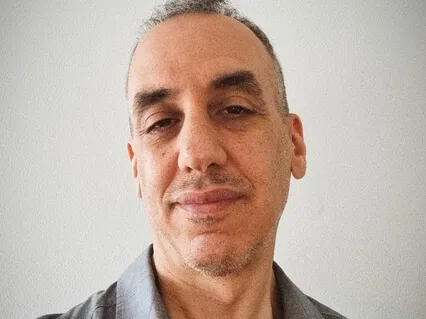
I'm Michael Morphis and as always really really grateful and glad to be here with you today for our mindfulness meditation Metta loving kindness and gratitude practice so as the name of the Kind of court,
You know Calas is called relax and be aware This is a really critical component to our practice is that somehow I think a lot of us come to our practice to relax and to be aware and to kind of incorporate that immediately from the Onset or to weave it into each part of our practice,
Especially if we're feeling anxious or caught up or wound up It seems like well if I was relaxed and aware,
I wouldn't need to meditate but the reality is that We have to wake up every day and recommit ourselves to the process of staying relaxed and being aware and I think this is evidenced by the unfortunate occurrence of what are sometimes called fallen gurus and Very advanced people from all disciplines right all religions and disciplines where these are obviously really Special skilled talented people that went really far and probably had tons of really great Intentions and maybe even did spectacular work but somehow They didn't keep it up or something went awry right something Kind of got in the way of there being able to stay in a really wholesome state where they were able to avoid doing damage to themselves and doing damage to others and so this daily commitment to our practice a Huge part of this is defining for ourselves what our ethics are what our morals are what's important to us?
Why we're practicing and then in every moment and every day to recommit to that The ideal is not to have to go in the Sisyphean way from zero to the apex of the mountain every day that we kind of make some progress and then we create a base camp at a certain level of Again ethical behavior and attentiveness and awareness and then from there we continue the journey But life is really complicated.
Sometimes things are really challenging and we find that we've kind of either backslid or find ourselves in a situation that we'd rather not be in as far as our reactivity or the way that we're feeling or behaving and This is a normal part of the process So this is where again the relaxation and the being aware really comes in handy,
Right?
So that no matter what's going on We are Not giving up right?
We're really intent on Continually caring about ourselves and others and trying to help the world and help ourselves but at the same time knowing that we've undertaken a tremendous task and that the way to Keep moving is not to strain is not to force So like,
You know,
If we want to lift weights Let's say we have a goal of being able to lift a hundred pounds over our head We've never lifted weights before we wouldn't start with a hundred pounds We'd start with maybe two pounds and then get really stable with that and then go to four or whatever it is,
You know,
So slow and steady and There's that saying slow and steady wins the race.
So this isn't so much a race but although in the Dharma they do speak about recognizing the Fleeting and ephemeral nature of our existence We never know exactly how long we have and so not to panic into you know,
Really getting things going and moving towards flourishing and living our lives to the fullest but Certainly not being complacent about it because without the work and without the attention life is fleeting right just there's a great lyric from a Pink Floyd song something like Staying home to watch the rain and then they're looking out the window and the next thing,
You know Ten years have got behind you.
No one told you when to run you missed the starting gun.
It's so the good news is that You know right here in this moment.
This is our big chance,
Right?
Every moment that you're aware every moment that you are recommitted to the practice You're in it and you're back in the game.
So that's That that's really good news if you're a week aware And that's all right.
So even people they teach mindfulness to people in hospice right where they're they're getting ready to move on to whatever's Waiting for us after this existence nothingness or who knows but They realize time is precious.
Every moment is precious so on that note,
Let's do a bit of open awareness in a hopefully relaxed way and in open awareness we are cultivating this really unique and special skill set of Accepting and Acknowledging whatever it is that the mind is knowing that's just one way of saying it of what you know of what you're aware of and And specifically and deliberately trying to have a very relaxed attitude around it So if it's a thought if it's an emotion if it's a sensation in your body Right,
It's something that you smell something that you taste something that you hear It's this acknowledgement like right now.
I hear some cars driving by my window.
The mind is knowing the sound of cars Okay,
Right if there's you know,
I'm in the midst of a challenging emotional situation Okay,
The heart is aching the mind is knowing that and Certain things seem a lot more like hot-button issues like we can just immediately start to get entrenched in them but here we're practicing a Different skill right a different habit pattern cultivating a way of being with these things where we just say,
Okay This thing is here.
Let me see if I cannot get sucked into the gravitational vortex of it and And it takes practice and it doesn't mean that we're going to not care about things in life or get things done It's actually the opposite right if we are not immediately pulled into again I think you know It's like a black hole type of effect where something just pulls us in because it feels so intense and heavy if we have the strength and the ability to Hover at a distance where we can keep an eye on ourselves and try to watch the situation the probability of making healthy decisions Seems to go way up because we're not just caught in a whirlwind and the vortex of the intensity We can take a breath say hmm.
What's gonna be useful here?
How can I do the least damage to myself and to others and that is one of the guiding principles of the Dharma practice?
What's good for me?
What's good for other what's good for both and That can almost be one way of thinking about ethics It's just you know,
Something's not really good for me if it's really scurrying over somebody else So and then if I'm being taken advantage of that's not good either So,
You know,
How do we feel our way into really healthy decision-making?
We have to be able to calmly and in a aware and relaxed way Have that perspective on things where we don't get immediately triggered by what's going on.
So let's practice that for a few minutes positioning yourself where you're alert and yet relaxed physically and Become curious and go into this special mode of being an observer.
The observer is there,
Right?
There's a part of your mind that is aware and doesn't get pulled in and we're aligning the more Kind of active parts of the mind with that part of the mind the quiet wise of watcher Say hmm,
That's interesting and you can maybe even do that no matter what your mind is noticing So that's interesting or if it's not interesting being oh that's here All right,
But we don't want to pretend it's not here,
But we don't want to get sucked in either So sit well Or lie down or stand or whatever you're doing eyes can be opened or closed Maybe a couple of deeper breaths to kind of just let the word sink in as we go into a quieter phase of our practice and get curious and you know the Ongoing question is what is the mind knowing?
What's being noticed?
Can I notice it and let it go?
It takes a bit of discipline and willpower to not pick up and Run with the ball of what the mind is knowing So in a kind way,
Maybe in a humorous way in a playful way Notice how quickly the mind does that as soon as we notice something we're off to the races totally normal exert some Executive decision making and say okay this thing that I usually do that humans usually do is happening But I'm trying to explore this different skill set Putting it down not playing with it Not trying to fix it or change it or do anything besides notice it It's a pretty wild thing to be playing with It's really not To a large degree what we were I dare say designed to do at this point in our evolution We're kind of skipping ahead.
I think to a very very more advanced Way that the mind can be in Relationship to what phenomena it's encountering So if it's difficult don't be surprised and try not to get too frustrated with yourself and just realize oh i'm kind of wandered down the path of Less than conscious or aware thinking But now i've remembered To return to the exercise to the practice of Noticing and letting be noticing and letting go feeling acknowledging and just being curious Now just a note on if when we're paying attention to our present moment's experience.
There's rumination Cyclic thinking you keep coming back to the same thing.
You can't break away from it for some reason at this moment.
You're obsessing You can practice what I sometimes playfully call legitimate ignoring and there's other ways to describe this process,
But If like again,
Let's say you're going through a particularly difficult event,
Right maybe physical emotional mental or Maybe it's not difficult.
Maybe it's just something you're super excited about you're trying to meditate you keep thinking about this thing,
Whatever it is A skillful thing to do is to switch your attention to something else that's in the moment,
Right?
So let's say you have a bad knee and your knee keeps on distracting you trying to sit.
It's hurting it's bothering you It's kind of two ways to go So you can either get really interested in the particular discomfort that you're feeling and start to study it a little bit be like well What's the type of discomfort?
Is it burning?
Is it tearing?
Is it tingling?
Is it throbbing?
Is it pulsing?
Is it the same every moment?
Does it change?
Things of that nature so you're kind of seeing that Something that seems to be a fixed event is actually also like everything else in flux And so that may free up your attention to be able then notice other things that the mind is knowing The other thing that can be done skillfully is saying my knee is hurting me Okay,
I can acknowledge that i'm not going to pretend that that's not happening But is there something on my body that's not hurting me or something else that I can think of?
That's in the moment that's real so we don't want to go into some fantasy world Of I wish my knee wasn't hurting or anything like that.
We want to stay in reality and say okay Well,
My other knee isn't hurting or my arm isn't hurting So let me switch my attention over there for a few moments And that's skillful because again,
It's not going into some fantasy world of uh,
You know Wishing things were different or hoping they'll be different.
Uh,
And you know,
That's not necessarily,
You know working towards better Towards making things better.
So that's not going to be a skillful way to do that Better,
Uh to making things better is not unwholesome.
But uh,
If we can't change what's going on in the moment shifting your attention for a few minutes to something that is not going to keep you in a cycle of of ruminative thinking You're kind of freeing yourself from a trap,
Right?
It's kind of like you got stuck in your knee because your knee hurts,
But that's not the only part of your body Um your liver is doing 300 things right now to keep you alive.
Well,
We're not aware of it We don't feel it but the body's a miracle the fact that you can hear the fact that you can see the fact that you Can breathe the fact that you can move around these are all Statistical impossibilities like the number of things that have to happen in order just to be awake and alive It's like trillions to one and yet,
You know if we have one little problem or a couple of problems We're just completely so obsessed on that.
So these little reminders can be really important and useful just be like,
Okay This is happening.
But something else is happening too and it doesn't have to be in your body You could open your eyes.
You could say i'm seeing my Monitor i'm seeing a flower i'm seeing a you know,
The paint on the wall,
Whatever it is.
That's real That's in the moment and it's equally real to the sensation that you're feeling in a part of your body.
That's Uncomfortable or an emotion that you're having or whatever other thing that's kind of Caught you,
Right?
We want to be free We don't want to be caught into these things and we can train ourselves to to be liberated from those things So be patient with yourself again humor goes a long way playfulness Curiosity is huge.
The brain scans are showing that when we get genuinely curious about something it Bypasses the brain centers that cause anxiety and stress,
Right?
So less energy flows into the stress anxiety producing brain centers More energy flows into the curiosity centers and all of a sudden we're less anxious.
We're less Worried we're less obsessed.
That's pretty huge meditators from all All over the world all different disciplines have basically pointed to the same thing So Every culture had really smart folks who were aware of this kind of stuff that took on different Names and different disciplines how to get to it.
We're now exploring more the southeast asian Interpretation of this work the buddha's work but there were buddhas and Enlightened quote-unquote enlightened beings wise beings from almost every tradition interested in Suffering less living more thriving being more loving being more compassionate kind These are the geniuses these are the shoulders upon which we stand Their work their again their genius we're gifted with that and as the living generation,
Right,
Hopefully we can Create something that we share with those that are coming after us But it's all about being in the moment,
Right?
We do that by being in the moment more completely More genuinely Okay.
So this idea of legitimate ignoring or skillful relationship to something that is An impediment something that's in the way of us moving forward As part of a triad from the dharma lists it's called the three elements of what they call merit-making and the other way of Sometimes interpreted as like the three things that can make us happy or generate happiness so those three things are Donna generosity right on all levels,
Right so generous with our time generous with our energy You know generous with Financial support when that's possible what?
Generosity in all ways and forms Is said in the dharma to produce well-being and happiness sila,
Right,
Which is ethical living and behavior Really important and then this last one of like A skillful meditation,
Right and that's part of this is like when you're meditating and you're stuck to skillfully know that an option is to shift your attention and to give yourself time to To think about to Not obsess on the things that are holding you back.
So those are all post those as we finish out our session so moving on to our meta practice and the meta practice the loving kindness practice is the practice of caring caring for generating genuine feelings of caring for ourselves and others seems foundational right to Living a life of flourishing and well-being so We want to as we do the recitations as we repeat the phrases to ourselves Keep on being very real with ourselves and see how does it feel right?
How does it make sense to us?
Are we feeling it?
Are we not feeling it if we're not feeling it?
You know at some point,
You know,
Just kind of leaning in a little bit more and trying to understand what's in the way There's so much trauma in life trauma with little t trauma with big T emotional Traumas,
You know misdeeds that have been done to us and us to others right so many Impediments to just loving and caring for ourselves and everyone so it's no wonder right?
It's a challenging world and the meta practice is Designed to help us to again try to tear down these walls between our you know Our interpersonal relationship with ourselves and our interpersonal relationship with others and the other beings on this planet to figure out a way to coexist in harmony and peace and So and to feel it right to to keep on trusting our feelings more and more to feel into the body deeply What we're saying what we're doing what we're experiencing Because if we feel deeply then we're more inclined to act from a place of caring because we can feel what's going on as the walls go up we just care less because we don't feel the impact of our thoughts and actions and it was kind of a Symbolistically lumbering through life.
I think that's kind of like the I don't follow these movies in particular But I know there's like a lot of zombie movies and horror movies around zombies And I think that's where these very clever folks were like look at these people walking around it's just like they're technically walking around but they're barely alive and then Aristotle said,
You know,
The unexamined life is not worth living.
So can we not be you know,
It's kind of Shambling from one event to the other can we really be there and this metta practice is a way of feeling into that so Repeating to yourself for yourself.
May I be safe happy healthy and content may know compassion empathetic joy and Equanimity and again,
You know,
These are words,
But hopefully they're not just words,
Right?
Hopefully these are these mean something and they're resonating and They're making us go.
Hmm,
You know that either feels really delicious and beautiful and lovely and I want more of that And I'll try to find a wholesome way of getting more of it into my life Or there's a wall or there are barriers and we're a little bit like hmm sounds good But not quite there today or in general for some reason and that may be worth Exploring right if we're feeling it enough right feeling that disconnect I this going out on a limb,
But I think it's it's safe to say that we all want to feel connected and loved and loving and if we're not feeling that then to To acknowledge that and to feel both deeply for feeling it then it's pretty good You don't want to miss out on feeling it.
And if you're not feeling it to say hmm,
What does that?
Feel like to not be able to feel it.
What's that experience like?
Now to others right as many as we can include from our nearest and dearest to the people that we find most difficult and Challenging they're all other right.
We other people sometimes in a bad way now Let's other them in the good way trying to expand our sphere of caring to others and to others.
May you be safe Happy healthy and content.
May you be filled with compassion empathetic joy and equanimity and again,
Let these sentiments resonate as deeply and as Fully as they can Okay friends,
So I posted just a very very short Version of the three pillars or the three grounds for making merit or happiness moral restraint meditation and And concentration and again the concentration part was about skillfully knowing When to be calmly at peace with what you're knowing and then went to practice legitimate ignoring or switching your attention and then moral restraint Sila and then generosity so You know again,
I strongly recommend Accessing the Dharma lists either through my website under mindfulness There's the Dhamma lists or you can just simply Google Dhamma lists.
They're easily accessible and They're really I think just a great way to kind of get more into your practice and to have lots of interesting things to read and to reference and to think about and remember that The more we practice the more we get out of our practice.
So Whenever you can do your formal practice setting a timer sitting quietly and then From the moment you wake up to the moment you go to sleep.
You can always check in.
What is the mind knowing?
Can I have a relaxed and aware relationship to what the mind is knowing?
Where's the heart?
Where's the heart mind the ability to care for myself and others and what I didn't get to gratitude But I was thinking just how grateful I am to be here with you all on this more regular basis Really grateful to insight timer for providing this platform grateful for people being interested in hearing the Dharma sharing the Dharma and You know,
But if you have a few extra moments,
I'm sorry to get to it today,
But Sit quietly and just try to think about what are you grateful for?
And again,
Hopefully it goes beyond just the intellectual exercise,
But it's a deeply felt experience of gratitude and appreciation and you know,
This is apparently one of the main keys also for generating happiness,
So That's all for today folks.
Thank you so much and hope you have a great rest of your day and Hope it's filled with peace and well-being.
Take care