Welcome everyone.
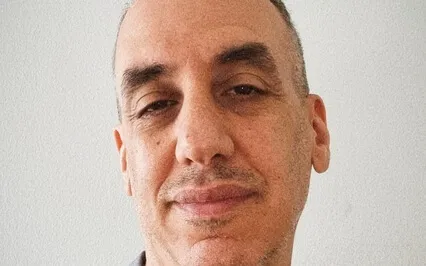
I'm Michael Morphis and as always really glad to be here together for our mindfulness meditation,
Loving kindness,
And gratitude practice.
And I very often end with gratitude part of the practice,
But I just really must say that I am so grateful to be here.
I'm very grateful to Insight Timer for providing this platform for us to get together.
I'm really grateful for the opportunity to share the Dharma and to do my own practice as we practice together.
And as instructors,
As teachers,
We do that.
We try to be doing our practice while we're teaching and doing all kinds of other activities in life.
So again,
Just thank you so much for joining in and being here.
And there's two things I wanted just to touch on before we do our more kind of formal sit.
And one is this thing that is talked about,
And I think it's a really important thing to consider,
And something called spiritual bypass.
And it's when we use our spiritual practices to sugarcoat or to pretend that things aren't the way that they are.
And in the Dharma practices,
We want to be practicing what we call radical honesty.
And so if we're feeling great,
By all means,
We want to really enjoy that and kind of perpetuate it if it's wholesome joy and really kind of keep on building on that whenever and however possible.
But it's not uncommon that sometimes life is challenging.
Life,
Things are difficult.
We're having a hard time.
We're suffering.
And it's kind of a counterintuitive thing.
But it turns out that the way to kind of move beyond the things that we're contributing to make a difficult situation worse has to do with saying yes to whatever is here with us.
So physically,
Mentally,
Emotionally,
If there's something very difficult going on,
We keep on doing our best to say,
Okay,
This is actually happening.
This is what I'm feeling.
This is what I'm experiencing.
And again,
The counterintuitive part,
It seems like unless and until we have that radical acceptance,
That deep yes to what is here,
We never really reach a foundation from which we can then create the transformation that I think brings a lot of us to the practice,
Suffering less,
Being more okay,
Finding the resources and the energy and the motivation to move beyond what's holding us back.
And so in this context of spiritual bypass,
We can avoid that by giving ourselves permission and wisely turning towards the truth of our experience,
No matter how difficult.
Now,
There's a point where if things are just so overwhelming,
We don't have to clobber ourselves with it or bombard ourselves with it.
We can kind of focus on something that may be a little bit more neutral,
A little bit less pressured,
But the intention is to keep going back to the biggest elephant in the room for us physically,
Mentally,
Emotionally,
Psychologically,
What is kind of in the way of our flourishing and how can we learn to work with it so that it is no longer an impediment,
But a stepping stone to becoming the happiest,
Most well-balanced and productive people we can be.
So just wanted to kind of put that out there.
And then I wanted to share a quote.
Again,
I'm really into this teacher,
Tejaniya.
He's one of my favorites at the moment.
And his quote for today is,
The learning process happens at its own pace.
You can't rush it.
You can't panic through it.
So just maintain your interest,
Relax and learn.
And the title of this session that we do together,
Mindfulness,
Relax and Be Aware,
Relax and Be Aware is a book by this guy Tejaniya.
And I'm not like a disciple of his per se,
But I really love his teachings.
And for me,
That advice of relax and be aware has just been so powerful and so useful that that's why I wanted to share it with everybody who's here.
So we're going to do our set.
We're going to do open awareness.
And the suggestion is that we say yes to whatever is showing up to the part of our mind that knows.
So this is kind of a little bit of a,
It's an interesting thing to consider.
You know,
To consider that there are different facets of the mind that do different things.
You know,
There's the creative parts of the mind.
There are the brain centers that seem to adjoin and align to create our emotions and our experiences.
We talked a little bit in our last section about categorization and contextualization and conceptualization as processes that the brain goes through to help us to understand our experience.
So as mindfulness practitioners,
We want to hang out and get much more familiar with the part of the mind that is the observer,
The quiet,
Calm,
Relaxed part of the mind that can just take it all in,
Can hold it and just say,
Yes,
So this is here.
The good,
It's here.
The challenging,
It's here.
The very,
Very difficult and painful,
It's here.
And we'll do a second layer of this where we acknowledge what it is that we're knowing.
So let's say like right now,
They're doing some construction work outside of my apartment and I can hear the truck churning away and it's so,
So the mind is knowing sound.
And for me,
The first thing that my mind goes to is I wish that sound wasn't here.
It's distracting me and I'm concerned that you guys will be distracted by it if you can hear it.
So that's the thought process that is triggered by hearing this phenomena of audio waves traveling through the air,
Coming through my windows and through my walls,
Hitting my eardrums,
Registering in my brain.
And then the contextualization,
The conceptualization happens,
Good,
Bad,
Other.
And this is just kind of a,
This is how we interpret our existence to a large degree.
And in the mindfulness practice,
We want to become aware of this process so we can have some safe and healthy distancing.
So this isn't the type of unhealthy dissociative event that people have when they're having a severe mental break.
This is picking and choosing and knowing and acknowledging in a very wise way,
Oh,
This is the machination.
This is the process by which all phenomena is interpreted through this being that I call me.
And having a more realistic relationship to this process allows us to pick and choose,
Oh,
I'm going to get more involved in this.
I'm going to leave that because this thing I'm deciding is wholesome and useful for me right now.
This thing is not.
And that's how we can take control of our lives in a healthy way,
Right?
There's healthy control and there's unhealthy control.
So to be interested in knowing the process by which we interpret the phenomena that we encounter and then picking and choosing which way we're going to continue to engage with that or disengage with it is something that as yogis and meditators,
We're very interested in.
So we're not just being triggered by automatic habit patterns and reactivity.
We become more consciously involved in all the processes that we can be aware of.
So situating yourself in a position where you are striking a nice balance between alertness and comfort,
Eyes can be opened or closed.
Let's do a couple of deeper breaths,
Conscious breaths to help us to feel the body more directly and to acknowledge our existence here in this very moment.
The only moment that we really have.
Past is gone,
Future is uncertain.
Here we are.
This is it.
This is our big chance to live fully,
To kind of flourish as much as we can and to lay the paving stones to greater flourishing.
What's the feeling tone?
That's a term that we use in the Dharma practices,
The feeling tone.
Your general sense of being pleasant,
Unpleasant,
Or neutral.
And it may be a little mix of mixed bags.
Some things are fine,
Some things are difficult,
Some things are kind of here and are there.
We can acknowledge all that.
And then we will go into this open awareness,
Acknowledging what's coming through the ears,
The eyes if they're open,
The nose,
The tongue,
Smells and tastes,
Sensations through the sensory nerves,
And then cognition,
Thoughts,
Planning,
Worrying,
Figuring out,
Remembering,
Grieving,
Fantasizing.
Whatever the mind does,
It does all these things and many more.
And we'll try to just kind of acknowledge it on this very,
Very oversimplified level.
And then we'll just,
The next little thing that we'll do is we'll notice are the automatic processes beginning around what we're noticing.
The physical sensations,
The emotional,
The mental.
And then the practice is to see if we can acknowledge that these things are happening and then say to ourselves,
Well,
I know that the wheels are starting to turn,
But I'm going to take a step.
I don't know if it's back or forward or sideways or whatever it is,
But notice the process of engagement beginning and then make the executive decision.
Instead of engaging,
Meaning thinking about,
Figuring out,
Getting lost in,
We go back into this noticing mode.
Just going to be a noticer here,
A quiet,
Relaxed noticer.
And when we get caught up and we go from being a noticer to getting pulled down the stream,
We'll try to remember that the muscle that we're trying to develop here is the muscle of paying attention quietly.
So we'll drag ourselves out of the stream of consciousness,
Dry ourselves off,
Sit back on the shore and watch what's floating by.
So remember that nature gives us between six and nine hours a day of not thinking about stuff.
It knocks us unconscious,
Right?
It puts us to sleep.
And so we're not sitting around worrying about our stuff,
Planning,
Figuring out,
Trying to fix.
It's built right into our neurophysiology and biology.
Here we're doing it consciously while we're awake.
We're creating a different relationship to the phenomena that we encounter.
It's huge.
It's a hugely radical thing to be doing.
And if it's tricky to not get caught up in what phenomena you're noticing,
Thoughts,
Emotions,
Sensations,
Sounds,
Tastes,
Smells,
Etc.
Be patient,
Right?
Give yourself a break.
This is a complex and challenging skill.
And the more you practice,
The better you'll get at it.
And the better you get at it,
The more the nervous system calms down in the healthy way,
Right?
You won't lose your edge.
You won't lose your ability to be highly productive and functional.
It'll go the other way.
You'll be able to be more functional,
More productive because you're clearing the clutter.
You're taking out the garbage and sorting out and paring down and keeping what's useful and letting go of what's not.
And this process of noticing and letting be,
Noticing and letting go is a habit pattern that allows us to move in that direction.
What is the mind knowing?
Let's refine the game here a little bit.
So we'll notice what is the mind knowing?
A thought,
An emotion,
A sound,
A smell,
Whatever.
And then we'll just try to very quickly assess entangled or free.
What's the reactivity to the phenomena that we're encountering?
And because of the remarkably complex nature of the mind,
We can observe this whole process.
There's a stratification of the way that the mind is able to perceive.
So we can be the participant,
We can be the observer,
We can be the observed.
It's really remarkable to be a human being and to play with these layers of our awareness.
So you will notice something,
The mind will notice something,
And then you'll just try to get a very quick and honest read.
Am I starting to get entangled or am I just letting it go?
And you can do this without judgment.
You're not really great if you can do it and really weak and poor if you can't.
It's simply getting more familiar with the way that the mind works,
The way that your mind works,
How normal and calm it is to get entangled and to get a clearer perception and clear understanding of how that feels,
How it feels to be disentangled and how it feels to get wrapped up in something.
So relax and stay aware and notice what the mind is doing as it notices things.
And the formal practice is the time for this to be okay.
Like when we're working or interacting with others,
We can be mindfully aware of what's going on,
But it's actually very useful to do that.
But we may have to get more involved.
Here we have the luxury of just simply being in the laboratory of the mind,
Noticing what happens when the ingredients start to mix together,
Phenomena,
And our reactions or reactivity.
Okay,
So we're going to be moving into our Metta loving kindness practice.
And before we do that,
I just wanted to talk a little bit about something in the Dharma list,
Something off the Dharma list,
Called the five daily reminders.
And it kind of reads like a list of bummers.
And that's not the intention.
The intention,
I think of it is to kind of be like these are vaccinations or inoculations that when we take a small dose of it,
When these things come to visit,
We're more prepared mentally and emotionally,
Psychologically,
And maybe even physically to weather the challenges that arrive with these things.
And we can deal with it with less stress and less anxiety because it doesn't really catch us so off guard.
So the five daily recollections or reminders are that I am of the nature to grow old.
I cannot avoid aging.
And I thought about this one.
And I know some people that died when they were really young,
Some friends,
Family members,
You know,
30,
A little bit older than 30.
And you know,
I know a lot of us,
Unfortunately,
Know people that didn't even make it that far.
And I was thinking about this one.
It's like we're of the nature to grow old.
We can't avoid aging if we're lucky,
Right?
There's a lot of challenges that come with aging.
But I think if we had the opportunity to communicate with these folks that perished so early,
Would you rather deal with the ravages of aging or would you rather kind of not?
I think,
You know,
I'm just assuming that they'd rather be here with us and deal with that.
So sometimes aging feels burdensome,
But then we can remind ourselves,
Well,
We're lucky to be here.
Yeah,
It's a little bit of gratitude with these as well can go a long way.
So I am the nature to become ill and injured,
Right?
You cannot avoid illness and injury,
Right?
That is just part of the contract of being alive.
I personally,
I don't think there's one person on the planet who's never been ill or injured.
It's just what happens to human beings,
To living beings on this planet.
And so when we kind of know,
Like it's written to list and we know we don't take it so personally,
It's like,
Oh,
Why me?
How could this have happened to me now of all times?
You know,
Why did I,
Like,
I just went snowboarding last week for the first time in 10 years.
I fell,
I really hurt my ribs.
There,
You know,
Hurts to breathe now.
You know,
Just,
Just was a reminder of the nature to get injured,
Right?
That's just what happens.
And so when it does,
It doesn't mean to be reckless or to avoid doing things.
It just is a reminder that when it does happen,
Don't take it so personally,
Right?
It's like,
That's life.
That's what happens to living beings,
To human beings.
So,
And then this next one,
I am of the nature to die.
I cannot avoid death.
So again,
Maybe in the context of the spiritual bypass,
Let's not play games here,
Right?
We have a shelf life.
We have a,
You know,
No matter how well we take care of ourselves,
You know,
These bodies last,
You know,
It seems like the oldest people live to about 120.
Most of us will live to maybe 80 or 90 if we're lucky.
And we have to incorporate that into our awareness because life is precious,
Right?
Hopefully it lights a fire under our butts in a healthy way to like,
Oh,
This is my big chance to really live,
To really flourish,
To really thrive,
To be joyful,
To find love,
To find connection and not to waste this precious opportunity,
This one wildlife.
And you know,
Some,
A lot of folks have different belief systems around what happens after we leave this body,
Leave this plane.
You know,
I don't know,
Personally,
I don't know what happens.
It seems like nobody's reported from that other side at this point that I know of.
And,
You know,
We know that we're here now and that this is really an important chance to do what we want to do.
So all that is mine,
Dear and delightful,
Will change,
Right?
My relationship to what I'm connected to will change.
Sometimes it changes for what we might label better.
Sometimes it changes for the not better.
But because of the first mark of existence and permanence,
Everything is changing all the time.
You know,
So if we try to lock anything down,
If we try to cement anything into a consistent,
Unchangeable thing,
We're going to be really disappointed.
And when it does change,
Which it's going to,
It might be quite harsh,
You know,
When we realize that it's not what it was.
So this reminder is to say,
Hey,
Don't,
It might not be wise to mentally,
Emotionally,
And psychologically expect things to stay the same because they just simply will not.
And then I am the owner of my actions,
Right?
So I'm related to my actions,
My actions impact me and others.
I'm supported by my actions.
And I will inherit the outcome of my actions.
And this is really taking ownership of,
You know,
These things that we can control,
Our words and our deeds.
And so,
You know,
To really keep this at the forefront of our daily radar of our activities can be really,
Really useful.
So,
You know,
Pushing right to the edge here.
So just a very,
Very short loving kindness practice,
Short and sweet,
Hopefully.
And just because of time constraints,
We will think,
We will kind of address the loving kindness recitations to us,
Right?
Meaning ourselves and all others,
All others being our nearest and dearest to the person in the world that we find the most offensive and the most difficult because like it or not,
We are here with them.
Our relationship to them is affecting our daily existence and everybody in between,
Right?
Our close acquaintances and friendships,
Our casual acquaintances,
People we barely know,
Challenging interactions.
So let's set aside all the technicalities of like,
Well,
You know,
These well wishes couldn't possibly affect these people or whatever it is.
Let's just set that all aside and see if we can get into the mode of caring and kind of feeling like,
Okay,
Well,
What could I do?
How willing am I to care about myself and others?
So directing towards ourselves and others,
May we be safe,
Free from inner and outer harm and danger.
May we be happy,
Free from mental and emotional suffering.
May we be healthy and do our very best to keep the vehicle of the body running as smoothly as we can figure out how to do.
And may we be content and find a way to survive that isn't too difficult.
May we know compassion,
Right?
The beauty and value of both giving and receiving compassion.
May we know empathetic joy,
Which is the ability to be honestly and genuinely happy for others that are happy without resentment,
Envy,
Or jealousy.
And may we know equanimity and stay pretty balanced through all of life's ups and downs.
And let's just kind of see how that's resonating in this radically honest way and this mindful way.
Does that feel really nourishing,
These considerations?
Do they feel uplifting,
Nourishing?
Do they warm and open the heart?
Do they make us feel more grounded,
Stable,
And balanced?
Super,
Right?
If they do,
I think that was the Buddha's intention,
Was to kind of help us to get more connected to the heart,
To the part of us that cares,
To the intelligence that keeps us connected to these ideas and actions.
Sometimes we're not there,
Right?
We know it all sounds great,
But we're just not feeling it.
Can we give ourselves permission to have that experience and to feel that,
Right?
So the radical honesty part of the practice is it's a top priority,
Right?
To give yourself permission to be who you are,
To have the experience that you're having without judging,
Without trying to fix,
Without trying to transform yourself immediately.
Because by feeling deeply whatever it is that you're feeling,
You will start to be able to feel your way towards what you are seeking,
Right?
And unless you give yourself permission to know where you are,
It's hard to then know where you want to go.
So be kind and patient with yourself as you explore these ideas,
These practices.
And then just a few moments of our gratitude practice.
So again,
As much as you can feel this,
Moving it from an intellectual concept to a lived experience,
What are you grateful for?
What can you feel gratitude towards,
Appreciation of?
It could be something really small,
It could be something really big,
It could be something really normal,
It could be something what you might think others might consider to be a little bit odd.
It doesn't matter,
Right?
This is your practice.
What do you think of that makes you feel gratitude and lucky,
Right?
Okay,
Friends,
So that's all for today.
I'm just noticing in the notes that Christine was kind enough to write down the five daily reminders.
Thank you so much for doing that.
Again,
Just try to find the Dharma Lists,
Again,
Either through my website,
MorphysYoga.
Com,
Under the Dharma Mindfulness section,
There's a link to the Dharma Lists,
Or just Google Dharma Lists.
They're really,
Really useful.
It's an incredibly powerful toolbox to keep on familiarizing ourselves with the concepts of the Dharma,
The great teachings that the Buddha laid out.
He laid out like 90% of it,
And then,
You know,
For the last 2,
500 years,
There's been other teachers that have contributed to it as well,
But he did a bulk of the groundwork.
And remember that any time of the day,
You can check in and say,
Well,
What is the mind knowing?
And practice this healthy,
Dissociative,
Untangling between you and what the mind is knowing.
And again,
We're not looking for an unhealthy,
Dissociative event.
We want to just be able to know that we have some breathing room,
That there's a space between phenomena and reactivity.
And in that space is our freedom to choose,
Right?
And sometimes it doesn't seem that way.
The triggering is so quick that it seems like,
Oh,
I had to do this,
Or I had to say that I didn't have a choice.
But the reality is we always have a choice.
And that's probably probably the most important and empowering thing that we can remind ourselves of.
In every situation,
We have a choice,
Right?
And we can choose to be more caring,
Loving,
Kind people,
Or we can kind of not.
And as meditators and as Dharma practitioners,
I dare say that it's our orientation and our intention to be more caring people,
Right?
And it's good for us,
It's good for other,
And it's good for both.
And again,
We're not meant to take anything at face value or just because we heard it.
We're meant to think about it and contemplate it and write about it and create about it and go through process and figure out,
Well,
Does this make sense for me?
Does this ring true?
Does it feel valuable?
And then to take it from there and to make the practice our own.
And same with the Metta,
Loving kindness practice and the gratitude practice.
Formally,
If we do a sit with the timer in a quiet room by ourselves or with friends,
Amazing,
But portable anytime,
Anywhere.
What is the mind knowing?
Can I notice the process around which my mind responds or reacts to phenomena?
Can I remember caring for myself and others?
And what am I grateful for?
And there are many other threads that can weave a beautiful fabric of our lives,
But I find these to be some of the most powerful and useful.
So that's why I share them so regularly in the practice that we do together.
Okay,
Friends,
These are donation-based classes.
Any and all donations are really helpful and really appreciated to help incite time for us to provide this forum for us.
And it's actually part of the practice.
They say dana is the Pali and Sanskrit word for generosity,
Where it's part of our practice to find the ability to be generous,
Whatever that means.
If it's not money,
Then,
And any time,
Regardless of what's happening here,
To be generous with our kindness,
With our energy,
With our time,
Whenever and however we can be.
And,
And again,
I'm very grateful for the time here together.
Thank you so much for being here.
If you found this useful and you think somebody else might find it useful,
Feel free to let others know,
And look forward to seeing you next time.
Take care.
Bye-bye.