I remember having a conversation at one of the early SRIs actually,
And everyone was talking about meditation,
Meditation,
Meditation.
And I said,
And other people joined in and said,
You know,
Really,
We should be talking about something in the plural.
Because it's like saying sports.
It's like everything is the same.
That would be ridiculous.
You know,
Curling is not like soccer.
It's not like tennis.
What we needed was a term that would enable us to very easily be clear that we're talking about something that is multiple.
And so that's how we started using the term contemplative,
Because contemplative practices really emphasizes the plurality of these traditions.
Welcome to Mind and Life.
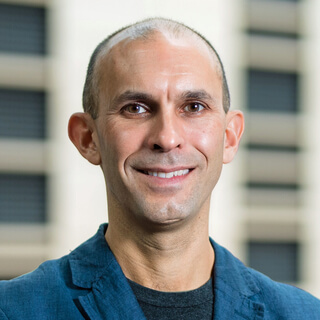
I'm Wendy Hasenkamp.
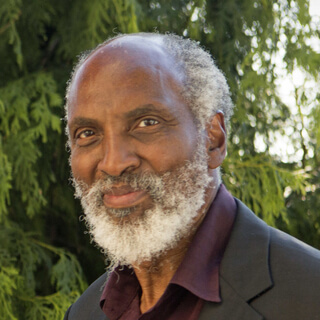
My guest today is Buddhist scholar John Dunn.
John's work focuses on Buddhist philosophy and contemplative practice,
Especially in dialogue with cognitive science and psychology.
He holds the distinguished chair in contemplative humanities at the Center for Healthy Minds at the University of Wisconsin-Madison.
As you'll hear in our conversation,
John has been involved in contemplative science since the earliest studies.
In fact,
He worked with scientists to help design some of them.
Our conversation covers a lot of ground.
We start with his path to integrating Buddhism and science,
And some reflections on the early days of contemplative research.
He also unpacks two common forms of practice that are known as focused attention meditation and open monitoring meditation.
We then take a deep dive into meta-awareness,
And we get into subject-object duality.
And John tries to help me understand whether anything really exists.
He also describes the different ways we experience the sense of self and the possibility of transcending the self through hallucinogens and non-dual contemplative practices.
That gets us into ideas of decentering and de-reification,
And we end with where John thinks the field should go next.
This episode is full of references to papers and people that have been central in the development of contemplative science.
So please do check out the show notes if you'd like to dig deeper.
Also,
This conversation,
Like John's mind,
Runs at a pretty fast clip,
So if you miss something or you want to spend a little time reflecting further,
You can always listen again.
And I also highly recommend checking out the transcript of this episode.
This is a little bit of an aside about transcripts,
But I have to say,
I'm the person who has these conversations,
And I also listened to them numerous times during the editing process.
And I still find that as I work on the transcripts for these shows,
I always pick up new things that I missed.
Somehow the content comes through differently when you're reading versus listening.
The mind really is an amazing thing.
So anyway,
I encourage you to check out the transcript for any episode you're particularly interested in.
They're all posted in the respective show notes at podcast.
Mindandlife.
Org.
It was a great pleasure to speak with John for this.
We sat down last year in Germany before the pandemic,
Where we were together for a number of contemplative science meetings.
I hope you enjoy the conversation.
I'm very happy to share with you John Dunn.
John,
Thanks so much for joining us today.
You're welcome.
Glad to be here with you.
So I was really excited to talk to you on the podcast because you are a very rare bird,
I think,
In this field,
And that you have expertise in Buddhist philosophy and you're a Buddhist scholar,
But you also have spent a lot of time talking with scientists and cognitive scientists in particular.
So I was wondering if you could just share a little bit about the path that's gotten you here.
Okay.
Well,
I was born in New York City.
So although I go pretty far back,
Actually,
Maybe say that,
You know,
Part of I've always had an interest in science.
I wanted to be an astronaut.
So I ended up at the Air Force Academy,
United States Air Force Academy.
So this is,
For some reason,
This has become a kind of part of my personal biography,
And explain how I got where I got,
Because part of what happened is that dream kind of fell apart.
I couldn't take it anymore.
I left the academy after two years,
And I ended up at Amherst College,
Where I met Bob Thurman,
Who was teaching there at the time.
And I was sort of,
You know,
In an identity crisis,
I guess you could say,
Really not sure what my life was about.
And that's when I encountered Buddhism,
Which is really a perfect time.
And I tell this story,
The way I remember it is when the first class I took with Bob,
Which is on some aspect of Buddhism,
He would say a few things for five minutes,
And then he would basically spend the rest of the class goading me by debating with me about whether I really existed or not.
Just you?
Yes,
I seem to,
This is what I remember,
This might be,
You know,
Highly filtered memory,
But and the rest of the class kind of being very annoyed by this process,
I think.
So it might be a slight exaggeration.
But I because I was,
Had gone,
You know,
I was interested in science,
And I'd actually studied a fair bit of science for my two years at the academy and had an ongoing interest and maybe had a sort of orientation like that to some extent.
So but I didn't need to take any more courses of that kind,
Any what we call now STEM courses.
When I finished at Amherst,
So I didn't do any more really formal education in the sciences ever since then,
Actually.
What I did become very interested in over time was,
You know,
A key question,
Because I was especially involved in a style of Buddhism,
In Tibetan Buddhism.
That's the tradition known as the glukpa.
And that's the tradition that His Holiness the Dalai Lama is primarily trained in.
And they're very,
Very philosophically oriented.
And they place a lot of emphasis on analysis,
Rational analysis,
But also on what you can call epistemology.
How do you know things,
Which means it's all about models of mind,
Models of inference,
Or rational analysis,
Models of perception.
And that leads to,
You know,
Questions around,
Well,
What are what's affect,
They don't even have a category of emotion,
Actually,
But you know,
What we call emotions,
How do they analyze those?
How do we understand how what attention is and how the mind attends to objects,
Because all that's relevant to transforming the mind,
Not just relevant to meditation practice,
But you know,
In general,
Just what is the mind.
So because I studied all that stuff,
And then eventually ended up at grad school at Harvard,
I really wanted to focus especially on epistemology.
And I studied a Buddhist philosopher by the name of Dharmakirti,
Who wrote in Sanskrit in the seventh century.
And he's really the most prominent kind of Buddhist epistemologist.
And that background then meant that when I ended up eventually,
After a couple of years at the University of Lausanne,
I ended up at with my first academic job,
Or my first job as a professor,
I should say,
As an assistant professor was at the University of Wisconsin,
Madison.
And pretty soon after ending up there,
One of my students actually,
Who wanted to do an independent project on Tibetan Buddhism and mental health,
A young woman named Erin Eman kind of,
You know,
Practically dragged me into Richie Davidson's office,
I had no idea who Richie was.
And then we started to talk,
You know,
It's like,
Oh,
You know,
This person,
I know that,
You know,
Alan Wallace?
Yeah,
Sure,
I know Alan,
Alan taught me Tibetan,
You know,
When we were together at Amherst,
Alan taught me Tibetan,
And you know,
And this and that and the other thing.
And so he ended up that he needed help doing this,
They were just starting these ADEPT studies.
And this was about when?
This is 90,
I think end of 99.
Late 90s.
Okay,
So this is very early days.
Yeah,
Maybe spring semester 2000,
Something like that.
So really,
Not much had been going on at all in terms of research or meditation.
So it's before that famous meeting when His Holiness came,
Or what's famous to many of us,
Because it's the meeting in which His Holiness came to Madison.
That's when I met Antoine.
Antoine Lutz.
Antoine Lutz,
Yes.
And that's when His Holiness had this really touching kind of last conversation over video,
Which didn't even really exist then.
I mean,
There was no Skype.
But they set it up with Francisco Varela,
Who passed away not long after that.
So you were there for that?
I was there.
Yeah,
I was really quite moving.
Did you ever meet Francisco?
I spoke to him on the phone.
I think once,
Because I helped work on this book,
Sleeping,
Dreaming and Dying.
And so I once had a brief conversation with him on the phone,
But unfortunately never actually met him.
But in any case,
So then at first,
I was just going to translate literally the Tibetan language.
And I'll know for the practitioners who were coming into town,
Because many of them couldn't speak English.
But then,
Things kind of developed really quite quickly.
I remember Chaitanya Rinpoche and Mathieu Ricard came and so Richie said,
Hey,
You should come to this.
And we started talking about,
Well,
How would these practices affect things like habituation,
For example,
After a startle response?
And then we said,
Oh,
This and that.
And pretty soon I was just drawn into that conversation.
And then that was it.
The rest is history.
The rest is history,
Really.
It kind of started out with first,
Not just linguistic translation,
But really kind of experimental design.
And then it started to get into translating,
In a sense,
The Buddhist theories about the meditation and the techniques.
And then also a long period when Mingyur Rinpoche was visiting,
Where Antoine Lutz,
Mingyur Rinpoche and I in particular,
And sometimes Richie would have these really quite long conversations about,
You know,
How do we do this?
And do we have the right design?
Are we looking for the right stuff?
And it was really quite a fun period.
And that's where all this is going.
Yeah,
Right.
And that was pretty much what broke open those early studies with Mingyur Rinpoche and Antoine Lutz.
And you and Richie were some of the first that were ever done.
Yes,
Certainly.
I think those were the,
You know,
There were some earlier studies that were done on Zen practitioners way back when,
Even in the 50s,
I think.
And then there were some studies,
Of course,
TM studies.
But these were maybe the most first time that,
The first fMRI studies for sure.
And also working with meditators who really had so much experience.
I mean,
These are meditators who had been sometimes,
You know,
Two,
Three year retreats.
And so,
Yeah,
It was definitely groundbreaking,
For sure.
So you've then been in dialogue with scientists for 20 years about now.
Yeah,
I guess that would be to yeah,
About 20 years.
Yes.
Oh my God.
I know.
And so.
.
.
Oh my Buddha,
I should say.
Right.
So what do you think,
In your experience,
What's the benefit or value or importance of having someone like you with a background in Buddhist philosophy and Buddhist studies working with scientists who are doing this research?
Well,
I think the thing that's probably most important,
It's definitely important to have someone who can speak the language,
Obviously,
So that you can explain if you're working at all with subjects who don't speak the language,
You need to have a translator.
So there's that.
But there's also,
So I think the additional,
You know,
Aspect of my background is when I met Bob Thurman way back when,
I also then he brought in a visiting professor who by the name of Tharur Rinpoche.
And Tharur Rinpoche,
Who at that time was the Abhay of Gyuthur monastery became my main,
I actually started to study with him.
And part of what happened with that exposure is that I actually then became really interested not just in the philosophy,
But in the actual practice.
And he was a remarkable person,
Really,
You know,
Someone who'd practiced a lot in his lifetime.
And you see that sometimes with these people,
Ritchie's talks about this too,
Sometimes you sort of meet these people and you say,
Well,
I've kind of would like to be like that.
So I started to also practice Buddhism.
And you know,
I won't get into all the details.
But let's just say by the time,
You know,
I was dragged into Ritchie's office,
I'd already been practicing Buddhism for almost 20 years.
And so it's not just the philosophy,
It's also that I think it's important to have some actual concrete experience with the practices.
You don't have to practice every practice,
But to have some understanding of how that works kind of on the ground.
And also not just the philosophy,
But the meditation manuals,
Because one of the key things that one of the first thing that Ritchie,
Antoine and I wrote together,
One of the points we made is like,
There are books about meditation,
Modern books,
There are classical texts about meditation,
There are oral instructions about meditation,
And then there are what people actually do.
Right.
And those can all be different.
Yes.
Right.
So it's good to know that and to be able to know each of those different phases.
So it's so that hopefully one can kind of negotiate those differences.
At the same time,
Both the philosophy and then the meditation manuals,
Even though a meditation manuals may say one thing,
And I've seen this several times,
And then you ask a teacher or whatever,
They say,
Well,
Yeah,
It says that,
But we don't do that.
You know,
So it may say one thing,
But you do another thing.
Nevertheless,
The even the fact that it says that still has an impact,
Right.
And it's also reflecting some kind of underlying theoretical commitment.
Now,
Sometimes there are theoretical commitments you're supposed to keep,
But you can't really keep them if you practice this way.
So there are all these tensions that emerge from that.
And those are things that have effects.
But then also,
You know,
More straightforward way,
Really like knowing what are the models of mind models of cognition,
What are the theories of transformation,
Either explicit or implicit,
That are found in the textual tradition.
That really helps a lot for designing just even like experimental design,
Like,
What am I looking for?
What's the hypothesis here and how do I design an experiment to check it out?
So looking back,
Kind of what's your take on how the field has evolved?
I think it's amazing.
Like,
You see those graphs of the number of articles that,
You know,
Antoine,
I think,
Made one of those before.
There are others who,
I forget the fellow who runs that mindfulness newsletter who made one.
David Black.
Yes.
But Antoine made one,
You know,
Even before that.
And already,
I can't remember when it was some years ago,
Like 2007 or something,
Even then you could really see some significant increases.
So Mind and Life in particular had this tremendous impact,
Partially through the great generosity of Barry Hershey,
Who helped to create the Varela Grant.
So I remember the day that happened actually at the SRI.
And it's just had a tremendous impact.
And so you can just see simply the quantity of research,
The number of people who are doing research is really,
It's tremendous just to see how much it's exploded.
But also,
I do think that,
You know,
We collectively as a community have really contributed to the quality of research too.
One of the aspects of that is a really simple thing is that I remember having a conversation at one of the early SRIs actually,
And everyone was talking about meditation,
Meditation,
Meditation.
And I said,
And other people joined in,
Or,
You know,
Maybe I wasn't the first to say it,
I don't remember.
But I said,
You know,
Really,
We should be talking about something in the plural.
Because,
You know,
It's like saying sports,
You know,
All the same.
Sports at least is plural,
Actually.
You know,
It's like everything is the same.
Let's just that would be ridiculous.
You know,
Curling is not like soccer,
Not like tennis.
So what we needed was a term that would really kind of,
You know,
Enable us to very easily be clear that we're talking about something that is multiple.
And so that's how we started using the term contemplative,
Actually,
Because contemplative practices is something that is doesn't quite maybe roll off the tongue quite as easily as meditation,
But it really emphasizes the plurality of these traditions.
So that was actually one of the reasons we started to use that word.
So that's interesting.
Yeah.
So then we saw after a few years,
Instead of having in the abstract,
You know,
Just this is a study of meditation,
People started to talk about which kind of meditation like exactly what are we doing here.
And then that led us to also,
You know,
A little bit around the same time,
Actually,
We then coined the terms FA and OM.
Yeah.
Can you explain those practices?
Yeah,
Sure.
So we in this is a I think this is an article in Trends in Cognitive Science that came out in 2008,
I think,
Or 2007.
And it's what is it called meditation.
Attention monitoring.
Yeah,
Exactly.
I can't remember the title.
I know the paper very well.
How embarrassing.
But anyway,
I'll put it in the notes on the website.
Okay,
Good.
So in that paper,
When we were first formulating it,
We were trying to figure out,
Okay,
We need to help people have some easy,
Heuristic way of parsing in some basic fashion differences between meditations and our styles of meditation.
And so we created these terms,
Focused attention and open monitoring or FA and OM.
And now that paper has like 2000 citations,
Literally,
A seminal paper.
Yeah,
Because it actually gave people at least some way,
You know,
Obviously,
In a very imperfect way,
But it gave them some way to start to distinguish the kinds of practices they're doing,
Because even just saying mindfulness,
So people will stop saying meditation,
But then they would say mindfulness,
But actually,
That's not even that helpful either,
Because you could be doing a focused attention style of mindfulness or an open monitoring style of mindfulness.
And the way we tried to operationalize those is that a focused attention style is basically about maintaining sustained attention on a particular object.
There needs to be at the same time,
Obviously,
You have to have some kind of error monitoring so that you know whether or not you're on the object.
You mean an object could also be like the breath is a common.
.
.
It could be the breath,
It could be a visual object,
Right,
It could be a sound.
So there's some object in which one is maintaining attention.
Generally focused attention styles of practice tend to have a fairly narrow object,
Meaning there's not a.
.
.
We wrote a later paper in 2015 that introduced this idea of the aperture,
You know,
How,
In a sense,
How big or small is that focal aperture.
In other words,
Am I focusing very tightly on just the sensations around the nostrils,
Or do I have a sort of broader focus on the sensations of breathing at the abdomen?
Am I looking at a small pebble,
Or am I looking at,
You know,
A much larger object?
Or even the whole sky?
So it's like the size of the spotlight,
You could say.
Yes,
Exactly.
And so the focused attention styles all have a spotlight,
Basically.
And most generally,
You know,
Even when you do that kind of sky style of meditation,
It might start out as if you have a spotlight,
But then it will often dissipate.
Likewise,
When you do focus attention meditations,
If it's too large an aperture,
It seems like it kind of falls apart.
So generally,
They have a pretty small aperture,
Like they're focusing on something pretty narrow.
And the more it seems like the more one is really trying to cultivate sustained attention,
Right,
The ability to just remain focused on an object,
Generally,
The smaller that aperture is going to be like,
If it gets too small,
That's a problem too.
But then there's also simultaneous with that.
So there's like,
Am I on the object?
Am I distracted?
Or am I starting to lose the object?
We talked about two kind of features in the Tibetan tradition coming from India,
We talked about two basic problems in meditation are agitation,
Which is called in Tibetan,
Jingge.
So there's Jingwa means a kind of sinking or dullness or laxity.
Like a sleepiness?
Kind of,
It's not,
Doesn't have to be sleepiness,
Actually.
Sleepiness is a very gross form of it.
And then Gopa,
Which means like excitement or agitation or even just arousal,
Right?
High arousal,
That's a scale.
In a way Jingge itself is a scale of arousal.
Because like in Tibetan,
If I want to say temperature,
I say it's Sajang,
Which means hot cold.
There's no word for temperature.
It's like you say hot cold.
The endpoints of it.
Yeah,
Sajang katsudae,
How much is the temperature?
It's like you say Sajang.
So Jingge is really,
Probably we should just call that arousal,
Degree of arousal.
That's how it would be in cognitive science.
Right.
So one end of that scale is where you have very low arousal,
And that heads down eventually into sleepiness.
Right.
And then you go higher and higher and higher,
And then you're starting to get toward the Gopa end when it's,
When you have this kind of excitement or agitation.
Right.
And what does that feel like subjectively?
So one of the ways that that feels like,
And very often a kind of symptom of this kind of arousal,
High arousal or Gopa excitability is that just feel like suddenly you have so many thoughts.
You know,
That would be one of them.
Or you try to focus on an object and your mind just goes immediately to something else,
Even if it's not a thought,
Like another sensation or something like that.
And sometimes it even involves like physiological like jitteriness and so on.
Right.
Just like the opposite end,
Like the physiological expression of really low arousal of Jingwa is you fall asleep.
And so there can be physiological expressions of really high arousal where there's like muscle tension and,
You know,
Muscle ticks and stuff like that.
Do you think this relates to the actual amount of energy in the body?
Well,
I mean,
Sure.
Yeah.
I mean,
We also talk about this in terms of lung,
Which is vayuh in Sanskrit,
Not parana actually,
But vayuh.
But in any case,
So it also like in the medical literature,
When you're having really kind of a lot of stress or you're feeling,
You know,
Anxiety,
Agitation,
That means you have a lot of lung,
Right,
Which is this kind of energy in the body.
And if we have too much of that,
It can be really quite,
Quite negative.
And you can induce that by meditation.
There is a particular kind of wind illness.
So lung means wind.
It's a metaphor for energy.
And there is something called life wind illness,
Sok lung,
Which it can be induced by meditating improperly or meditating too hard,
So to speak.
And it basically looks like generalized anxiety disorder,
Pretty much,
Sometimes with psychotic symptoms.
Anyway,
When we're trying to understand the way in which these practices are working,
Right,
One of the things that's important about the way those practices are developed is you've got theoretically this notion,
But seems to be also developed in very practical ways of this degree of arousal.
And then there are going to be techniques to actually counteract that degree of arousal.
So that's an example of where the indigenous theories can actually be very helpful for us to understand what meditators are doing in terms of technique.
So anyway,
To get back to like the FAOM distinction,
The distinction between focus,
Attention and open monitoring.
So when you're doing focused attention practice,
One of the things you're monitoring for is this degree of arousal,
Like do you have,
You know,
How much jinga is there?
And you need to have that.
Now,
Some traditions say that that's a kind of intermittent kind of introspection or middle awareness,
Where you have to actually drop the object and check how you're doing.
That's one account.
But another account that is favored by the non-dual traditions is that the kind of capacity to notice the quality of the meditation practice,
Because you can notice the claim is even while you're on the object,
Especially an expert meditator can start to notice whether there's getting too much arousal or too little arousal.
And so they can notice that without losing the object,
Without doing an introspection.
So that means there's this other feature,
Which you could in a rough sense called meta-awareness,
But it's implicit.
It's like constantly running in the background during that kind of practice.
Right.
And so you're sort of aware of your monitoring the quality of your attention on an object.
And then what you can do is you can just drop the object.
And now you're just monitoring.
That's what we called open monitoring.
A lot of people like Mathieu Ricard really didn't like that.
Because,
You know,
If you're in a non-dual tradition,
The implication of overmonitoring is there's something to monitor,
Which means you're still in a dualistic kind of stance.
And of course,
Beginners are when they do this.
And I want to unpack the non-dual thing in a minute.
Okay.
So beginners are like that.
In other words,
When they first try to do this kind of what is in the Mahamudra style would be called objectless shamatha,
Shamatha without a support.
So when you first try to do that,
There's still a very strong kind of dualistic orientation.
But there are also traditions that do something like this,
Like you find many Vipassana teachers teach something that's kind of like this,
Where you don't develop a lot of focused attention style awareness on,
Let's say,
The breath at the nostrils,
But then maybe eventually move to a point where you stop focusing on anything in particular,
And you simply attend to whatever arises.
So that's how the practice is.
Well,
We would put under that rough rubric of open monitoring.
So you've mentioned a couple terms that I think it'd be worth just unpacking a little bit.
One is meta-awareness,
And you described it somewhat.
But maybe if you could just kind of give a succinct description of what that means,
As some people might not be familiar.
Well,
There's a little debate about what it means.
Exactly.
But Evan Thompson,
Jonathan Schooler,
Who's participated in a number of Mind & Life events.
He's at UCSB,
Evan's at University of British Columbia,
And myself just wrote a paper on this mindful meta-awareness,
We called it.
And so,
You know,
Jonathan's early work on meta-awareness was really very influential,
Continues to be very influential.
And one of the ways he conceptualized meta-awareness is that it's,
For example,
The moment that you notice that you've been reading,
You know,
A scientific article or something.
And like you get three paragraphs,
Four paragraphs,
And then you realize,
I have no idea what those paragraphs meant.
I've never had that happen.
No,
No,
Of course not.
And so that moment of noticing is a moment of meta-awareness.
Because as Jonathan put it early on,
I think around 2000,
He says,
It's basically just noticing the current contents of mind.
Very simple kind of definition.
So being aware of what's going on.
But it's an explicit judgment about it,
Like,
Oh,
I am not paying attention or,
Oh,
I am daydreaming about a beach in the Bahamas right now.
So that is an explicit moment,
Right?
That happens at a moment.
And part of what,
You know,
In a series of conversations that Jonathan and Evan and I had a little while ago,
And we may pick up again at some point,
You know,
We were saying,
Well,
That seems to be only capturing part of what's happening when you do certain kinds of practices.
So even in a focused attention practice,
You're focusing on your breath or some object.
And then at some point,
You notice,
As inevitably you do,
Right,
Oh,
I'm,
You know,
Thinking I'm planning my lunch.
And that moment is a moment of explicit meta-awareness where I,
At a particular moment,
I make a judgment like,
Oh,
I am doing X,
Right?
And it's often in a linguistic form,
Actually.
Yeah,
Sometimes,
Although sometimes I feel like it could just be.
.
.
Some of Jonathan's work suggests that it's often got a linguistic,
It sort of presents itself subjectively in a linguistic way.
The phenomenology of that moment often involves a kind of,
You know,
Inner vocalization.
Yeah.
But of course,
That has to come from somewhere.
The ability to detect it?
Unless you're just constantly kind of switching and monitoring inward,
Which means you're dropping the object constantly,
Right?
Unless that's the model,
An alternative model is that there is some kind of capacity to be aware that is giving us information about,
In a sense,
Not just the current contents of mind,
But the current processes,
Like what's going on,
Not on the object,
But more generally.
So for example,
You know,
As I'm talking to you right now,
And I say,
Boo,
And then I ask you,
When I said boo,
Were you sitting down?
You say yes.
And is that an inference?
Like,
You know,
Oh,
Well,
I don't remember getting up.
And I would think I remember sitting at.
.
.
Last time I checked,
I was sitting down.
Or you know,
That moment,
Almost still in your working memory,
Maybe,
I mean,
It's right there for you available,
But that encoded with the memory of the sound,
Which is what you were attending to,
Is your body position.
That's right.
So that's being presented to you in your experience,
But you're not attending to that,
Right?
But that's constantly being presented.
So that's this idea of what we call implicit mental awareness that we think is not intermittent,
It's sustained.
So that's always happening,
Ostensibly for everyone?
Right.
So in a way,
There is one position which says this is actually an ongoing feature of every moment of consciousness,
Right?
But whether that's the case or not,
When we're doing these kinds of practices,
The idea in open monitoring style of practice is that when you drop the object,
Which is what you do in the open monitoring,
So the monitoring is always going on,
Right?
This sort of background sustained implicit awareness that's presenting to you things like your body position,
But also the state of your awareness,
Your affect,
Right?
That that,
And that's how we get the signal,
So to speak,
To then make a judgment,
Oh,
I'm distracted.
So that's the theory here.
This is presenting information about the quality of our awareness,
And sometimes that becomes salient.
Right,
That was gonna be my question.
So if it's always going on in the background,
But certainly,
At least as an early meditation practitioner,
You're not aware of it for a lot of the time until that moment,
When you somehow become aware.
But that moment comes from somewhere,
And I think there's basically,
So we have various kinds of competing streams for our explicit or conscious attention or a kind of attention that we can report about.
So there may be a kind of attending,
And that's a little bit of a difficult term because it means we're focusing on an object,
But we may have,
Sometimes we talk about the distinction between phenomenal awareness,
Ned Block,
The philosopher,
Developed this idea,
Phenomenal awareness and access consciousness,
And a very simple way of putting it is,
When I'm doing something that's the level of access consciousness,
I can make an explicit judgment,
Like,
Oh,
I see that,
But I can still sense things.
There's a literature on noetic feelings,
For example,
That's about this.
I can sense things and not in a sense even know that I'm sensing them.
So part of this is probably the way we would account for the fact that if we show you a face and it's too fast or it's masked in some way,
Even though you can't explicitly report on whether it looked angry or not,
It still affects your behavior.
Right.
You've somehow encoded that information.
Yes.
So that when we ask you,
We show you a neutral face later,
And we just showed you an angry one that you didn't really,
You don't know you just saw it,
You still report the neutral face as being less pleasant,
For example,
Right?
So it's like contaminating the moment of experience.
Which means that in some sense,
You were aware of it.
Yes.
Right?
Not consciously,
But somehow.
No,
But not that word conscious is really tough.
Maybe if we did train you,
Maybe you could become,
Or maybe if we did a micro phenomenological interview on you,
We'd discover that actually you were aware of it.
You just,
You know,
So maybe.
Maybe.
Yeah.
So who knows?
But in any case,
So there's something that's presenting that information,
Right?
Like the way that works,
And this is a good example of meta-awareness is what's really being presented there is not the face,
It's our emotional response,
Our effective response to the face.
So that affects,
So in this theory,
Like affect is part of what's being presented by meta-awareness.
So for example,
Let's say I'm having a conversation and,
You know,
This is like an academic danger.
And I'm sure I used to be more like this when I was younger,
Like you're in a conversation is getting really heated debate about something and you know,
People are getting more and more irritant,
I'm getting like more and more like,
You know,
And then finally,
I realized I've won the debate,
But I've lost a friend.
Right?
Why?
Because this channel that was presenting my affect to me was like the signal wasn't strong enough.
So part of what meditation practices can do is in a sense,
Improve the strength of that signal,
Of that meta-awareness signal.
So when I use that metaphor,
What I mean is this,
You know,
If we're sitting here and suddenly there's a loud sound,
That's going to capture our attention,
It's going to become salient,
Right?
Why does it become salient?
Because one of the sort of ongoing tasks is what David Meyer calls the task of life,
Right?
And meaning you're going to survive.
And or at least that's part of the task.
Yes,
Right.
So a loud sound is this kind of anomalous thing that we got to pay attention to,
It becomes salient.
So whereas there are other soft sounds that are actually all auditory,
You know,
A system is actually detecting,
But they're not salient,
Right?
They don't,
You know,
We can't report on them,
We don't,
They don't capture our attention.
But that information is being processed to some level anyway.
And in any case,
You know,
It's got to be available there for it to actually become salient at some point,
Right?
So likewise,
We have information from our senses,
But we also have information in a sense from that sort of mental channel,
So to speak,
Meaning there's all of that information about affect,
It may actually be something you could decompose into more than just one thing.
You know,
We could talk about proprioception and interoception,
And this may all be bound together into this,
What we're right now calling meta-awareness.
In any case,
That's,
You know,
The concept,
At least as I understand that is that all that's also being constantly being presented.
But then there are times when it becomes salient.
Right.
So and why would it become salient?
Because it's important.
So if my task is to stay on my breath,
Then if my,
You know,
That's going to kind of prime that particular,
So I'm holding that task,
That's the task set that I'm retaining in that moment.
And then there's information that's relevant to that task.
And when that information becomes strong enough or clear enough,
Then it's going to become salient and I'm going to go,
Oh,
I'm not on my breath anymore.
So whatever becomes salient is determined by kind of your intention in that moment or what you just called the task set.
Right,
Exactly.
So let's,
You know,
If the task set of your meditation probably doesn't include the sensation in your right big toe most of the time,
That information is available.
But you know,
It's like,
When your right big toe moves slightly,
Please,
You know,
I don't know,
Stand on your head.
That's the new practice that we're developing to save the world.
No,
Probably not.
So but you know that so then it would become relevant.
Right.
And that might be something that watch your breath.
But if you're right toe move or if you feel,
You know,
Moving in your lower body,
Then do something.
Do something.
Right.
So if you feel your breath,
And if you realize your mind is somewhere else,
Then come back to the breath.
So the idea is that there can be this kind of information that's often,
Certainly information,
I would think it's probably also interceptive and proprioceptive information.
But it's definitely what we could think of as affect and other features of cognition that are being presented to us as a feature,
Just like your sitting position was presented to you as a feature of your memory of me making that sound.
So constantly,
This is kind of being presented to us.
And then there are kinds of meditation that are really trying to kind of up that signal,
Make it stronger,
Because it's really good signal.
Like if you want to do emotion regulation,
You need to notice your emotional state.
And that's not a matter of constantly looking inward.
Because if you had to do that,
You would,
You know,
Do anything else,
You couldn't do anything else.
So the styles of practice that do that are like all mindfulness practices do that because they emphasize,
To some degree,
This kind of monitoring.
But then other practices do it,
There are styles that do it even more,
Because what they do is they drop an object.
And now you're just trying to sustain that meta awareness without focusing on any object.
So just monitoring whatever's happening.
Right.
But then at some point,
You even drop that kind of attitude of monitoring something.
And now you're into what would,
You know,
A term we could use there is open awareness.
That's a very particular kind of practice that you only find in traditions that are trying to cultivate a non-dual state,
Meaning a state in which you're not,
There's no structure of a subject focusing on an object.
Right.
So let's talk a little bit about the non-dual.
Can you say a little bit more about what it means to be in a dualistic experience?
Actually,
This starts to get into the idea of where it's not just,
We're not just talking about meta awareness.
We're also talking about something that's kind of more like a feature of consciousness,
Which is reflexivity.
And that's very,
It's very,
But on obviously,
Because of the way I think about these things.
And I think the way,
Especially,
Probably both Evan and Jonathan,
But maybe especially Evan thinks about it,
We had a debate like,
Should we try to get into this or not?
And when Antoine and Michi Jia and Cliff Sarin and I wrote that paper in 2015,
The American psychologist that we called the cube paper,
Because it's got that cool cube diagram.
Figure one.
We also thought about,
Do we want to get into reflexivity when we talked about meta awareness?
There we didn't even use the implicit,
We just kind of use this,
Like it's a judgment,
It's a moment of noticing.
But anyway,
Reflexivity is important here because it is,
When you hear that sound,
Or if you just look at something here,
Have a look at the microphone or something like that.
When you do that,
You have a sense of it being over there.
Which means you have to have a sense of also there being in here.
Yes,
I'm over here.
You are over there.
But you're not focusing on the you in there,
Are you?
That's not an object,
Is it?
Nope.
I hope not.
That would be kind of weird.
That would be weird.
That would be quite a trick,
Actually.
You could do both of those.
So you have an object focus over here on a visual object,
Right?
But at the same time,
Precisely even that sense of it being located somewhere means that there's a sense of there an in-hearness,
Which is like a sense of subjectivity,
Like a seer,
The agent,
The apparent agent of the moment of seeing something,
Right?
So that's also being presented.
But it's not being presented as an object.
Like when I teach this in class,
I'll make a sound or something like that.
And I'll say,
Oh,
Were you sitting down?
And people say,
Oh,
Yeah,
Obviously.
How do you know that?
And then they go,
Yeah,
I guess it's just part of the experience.
And then I do it again,
Make another sound.
And then I say,
So were you the one hearing this sound,
Or was it somebody else?
And they go,
What?
Because it's so obvious.
Obviously,
It's me.
Yeah.
Yeah,
Of course,
Unless you have certain kinds of psychopathologies.
But yeah,
Obviously,
In our ordinary kind of experience,
There's just this sense of being the hearer of a sound.
But we're not focusing on that as an object.
We're focusing on the sound.
So that means that that's constantly being presented.
Both the object and the subject are being presented.
And in the non-dual traditions in Buddhism,
And actually outside of Buddhism,
Too,
But we'll just focus on Buddhism.
And these would basically be in Tibet,
The ones that I know best,
And that we've done some research on in terms of contemplative practices,
Is our Mahamudra and Dzogchen.
And the style that I'm most familiar with actually combines both of those.
So the main feature of these non-dual styles and Zen tradition,
Chan,
Zen,
Seon in Korean,
And so on,
They are also non-dual traditions.
And the main feature of these traditions is that,
Without going into a huge amount of detail,
Is that suffering is caused by a fundamental cognitive defect.
Early Buddhism says the fundamental cognitive defect has to do with the way we conceptualize our own personal identity.
Then Buddhist philosophy develops,
And eventually we get to the point at which,
Well,
Actually,
No,
The fundamental defect is deeper than that.
It's the mere fact of there being a structure in consciousness or cognition that presents objects and subjects.
So to see what's really going on,
You have to see the moment of consciousness or experience consciousness without that defect,
Which means you have to experience it without subject-object duality.
So there's a whole story about why that makes sense,
Just saying it right now,
Just like,
What are you talking about?
Why would that follow?
So there's an argument,
Well,
We could go through it,
But there's a condensed version we could go through.
But basically,
Very briefly,
I will say this much.
So when you look at a visual object,
Like even as a scientist,
You know that the color red of this object over here is not outside of your mind,
Because color doesn't exist in the world.
Even if we're very,
You know,
We'll be very physicalist about it and say,
You know,
There are photons,
There's some substance here.
Certain wavelength of light.
Yeah,
And photons aren't red.
Red is the construct in my mind that corresponds.
Exactly.
Right.
So and that's the way your visual system encodes photons at that particular frequency,
Right?
So where is the red?
In the mind.
Yeah,
Right.
It's within your consciousness.
Yeah.
So therefore,
That means that it seems like we're always seeing stuff outside of our mind,
But actually we're seeing the effects of the interaction of our visual system with that stuff.
What is actually presented in experience is in consciousness,
Right?
So that's just presumably every scientist's vision would accept that,
Right?
There are philosophers who really don't want to believe that,
Western philosophers,
But pretty much,
You know,
I can't imagine a cognitive scientist who would say otherwise.
Yeah,
No,
That's pretty dogma.
Yeah,
It's like,
Yeah,
Pretty straightforward.
So this is the same kind of position,
Actually,
Which is that,
You know,
There's a cause for the visual cognition,
But the actual,
What you actually see,
So to speak,
In your experience,
Like the color red is not a thing in the world.
It's a product of the interaction of your sensory system with some causes,
And you see red as a result.
So really,
The thing I'm beholding in my mind is not out there.
It's encoded as being out there.
There are things out there.
Well,
It's encoded as being out there.
So at one level of Buddhist philosophy,
Buddhist philosophy has these levels of analysis,
You know,
Kind of lead you along the primrose path,
So to speak.
And so at one level,
We say,
Yeah,
Of course,
It isn't outside your mind.
But the reason it looks like it's outside your mind,
And therefore you have an out there-ness and an in here-ness,
Even though both of those are just in your mind,
Right?
The in here and the out there are nothing other than just that moment of consciousness.
But there looks to be this differentiation of in here,
Out there,
Because the cause of this red image I'm seeing is outside my mind,
Or was,
Because.
.
.
Something in the world.
Yeah,
Something in the world that interacted with my sense.
So that's why it looks so it's just an accurate representation,
In a sense,
Of,
You know,
The features of the cause,
Right?
So this stuff outside my mind that caused me to see blue or red or whatever,
It's outside my mind.
So that's why even though what I'm actually seeing is inside consciousness,
Within the field of consciousness,
It looks like it's out there,
Because it's just faithfully encoding the fact that the stuff that caused it is out there.
But on this level of philosophy,
There's no stuff out there.
Oh,
No.
Yeah,
I know.
There's other levels,
Though,
Where there is stuff out there,
Right?
Yeah,
You can just stay at the lower level if you want.
So this doesn't mean that everything is.
.
.
We don't exist in a vacuum.
No,
No,
No,
There's still causes.
Right.
Right?
There's a physical reality.
No.
It looks physical to you.
And that's a model you bring to it.
There are causes for your perceptions.
But the stuff that the causes that make up the causes does not matter on this level of analysis.
Okay.
Okay.
So it's a,
It gets complicated.
But one way of thinking about the major influence on this kind of non-dual approach in styles of practice that are non-dual styles of practice is they're influenced,
Especially by a form of Buddhism called yoga chara,
Which literally means practice of yoga.
And that style of Buddhism says that those causes are actually the kind of stuff that your mind seems to be made of.
Like there's the inside and the outside,
They're actually made of the same kind of stuff.
So it doesn't mean that everything kind of gets sucked into the subject side.
Like everything is just,
You know,
Your sense of subjectivity is the reality.
No,
Because that,
If there's no outside,
There's also no inside.
Okay.
So the subject and the object both have to go,
But whatever is making all the stuff,
All the causes of our perceptions and you know,
Our mental experiences are all made out of the same kind of stuff.
So in tantra,
That's a kind that will then move to models where you say it's made out of energy,
Right?
And it gets a lot more complicated.
And some of the traditions,
You know,
Kind of hem and haw about this and so on and so forth.
We don't need to get into it.
But in any case,
This is,
That's just the metaphysics,
Right?
There's a basic claim.
But you can do this practice,
You know,
Whether or not you can drop that kind of subject-object duality,
Even if there's what's causing the sense impressions are external.
So how do you drop that sense?
Well that's,
Yeah,
How do you do that?
So in other words,
And it could still be very useful,
Especially therapeutically,
Because part of what happens is we get really fixated on our sense of subjectivity.
And we think we're just kind of,
You know,
There's no way we can change or we can have very negative sense of ourselves.
Right.
So we have a very inflated sense of ourselves or whatever.
When you say the sense of subjectivity or the subject-object division,
To me,
That sounds really exactly like the sense of self that we talk about in psychology.
Two ways of talking about self though.
One of them is the self as a kind of object,
Like a character in a story.
Okay.
When I think about myself.
So a lot of the time when we have like schema,
Self schemas,
Like I have,
You know,
A schema where I'm a jerk,
And I'll always be a jerk.
But those models are really like I'm looking at myself as if I'm looking at somebody else.
So I'm turning myself into an object and describing myself.
But there's also another arguably subtler and maybe more important,
Therapeutically more important sense of self as the one who's doing stuff,
The one who's seeing stuff,
You know,
The seer,
The hearer,
The feeler,
Right.
And that also we can get,
We can have a sense that,
You know,
Part of our sense that,
Well,
I can't change.
So we have a story about ourselves and we feel it can't change.
But that also can be rooted in a sense that that subjectivity also doesn't change.
So having an experience in which it radically changes or even disappears,
And this is like one of the hypotheses about what happens in psilocybin and other psychedelic experiences and why they may be helpful for people who have treatment resistant depression,
Is that they kind of hit it as Robin Carhart Harris,
Who's worked a lot on this says it's like hitting the reset button.
You know,
Ego dissolution is a hypothesis that's relevant here,
That it's kind of you fall apart and then and you realize,
Wow,
Like all this BS I'm telling about myself,
Is radically wrong.
Because not only does the story disappear,
I disappear,
Like my sense of being the ones thinking or the ones seeing even that like falls apart.
So that's can be really therapeutically powerful,
Even if you don't have the metaphysics like,
Oh,
There isn't really stuff out there in mind in here.
So it can be a powerful moment.
And also you can do practices that induce that kind of a moment.
So those are the practices you find in the various non-dual traditions.
And they are often involved like a very beginning style of that is it starts with what we call shamatha,
Which is stabilizing the mind.
Like an FA.
Right.
It would start with an FA style very often,
Like in mambudra anyway.
And actually you find this in many of the non-dual traditions,
Even when it's not explicitly discussed,
Like you'll focus on some object initially,
Then you start to develop that monitoring capacity.
And then you slowly kind of let go of the focus.
Alan Wallace has this nice metaphor that maybe you found in some text somewhere,
Which is just like you have your hand on a buoy in the water.
And then you sort of slowly pull it back and let go.
So the breath,
For example,
If you're using your breath as a focus,
It's you first focus on the breath and then slowly,
Slowly,
Slowly just kind of release lighter and lighter focus on the breath or attention on the breath.
And then you just stop attending.
What's left is that so-called monitoring,
Which still is probably very dualistic because it's kind of,
Well,
Is there something,
Wait,
Where to go,
Where to go?
But then eventually that dualistic sense of it sort of starts to dissipate and it becomes a truly non-dual awareness,
So they say,
Which you could call an open awareness.
So that's the way of trying to describe that kind of truly non-dual state,
Which is really beyond the open monitoring kind of state.
Remember open monitoring is not a Buddhist term,
Nor is focused attention.
They're just heuristic terms that are meant to kind of roughly categorize different kinds of practices.
So we at least could start,
You know,
Saying not,
This is a meditation study,
Like,
Oh,
Okay,
It's mean like a sports study.
They were developed to help researchers.
Yeah,
At least a little bit start to parse the different kinds of practices.
And they've been super helpful.
I mean,
I feel like most papers.
.
.
Yes,
A lot of papers refer to those and Richie and Antoine and Cortland Dahl at our center,
They wrote another paper,
A little kind of like a follow up to that paper that introduces some additional kind of categories like a deconstructive practice and a constructive practice.
And our cube paper was also intended to try to give people the tools to maybe specify in a somewhat more finely grained way what kind of practices they're looking at,
Because that's really important,
You know.
Yeah,
You have to be able to compare apples to apples.
Yeah.
And it's still the case that a lot of the time,
You know,
I was just involved in a research conversation in which we were talking about meditation.
Yeah,
Writ large.
Yes.
And it's very rarely the case that that makes sense,
Actually.
You were talking about this experience of self or the subjective side kind of dissolving.
Yes.
What do you think are the impacts of that in terms of one's experience in the world or you know,
One struggles maybe with,
You mentioned clinical relevance?
Well,
I think one of the things,
So again,
If you think of like a psilocybin experience,
People fall apart in that way also,
But this is induced by the medicine.
So hypothetically,
And I don't think anyone really knows this yet,
But people are really working on this,
Hypothetically,
That experience and the memory of it and the retelling of the story of the self that's made possible by that,
That is their therapeutic kind of secret ingredient of psilocybin,
Right?
So that it basically wipes out,
You know,
The story and even the self who could tell the story.
And then when it comes back,
It's like,
Oh man,
That wasn't true.
That whole story about myself is just a story,
Right?
And even the sense that there's kind of a fixed self in there who can't change,
Even that feeling is not true because it just went away,
Like the whole thing,
You know?
So you could therapeutically also maybe not go all the way there because that's pretty hard to do in meditation practice.
It can happen to people.
And one of the issues with this kind of style of practice is it can sound like a dissociation in a way,
Right?
Yeah,
I could imagine.
And it's a target,
Like a dissociative state is a kind of target.
But what's important is that you have to contextualize that state.
So like in psilocybin,
When people are using psilocybin for therapeutic treatment,
The key thing is that the interviews,
The integration sessions that are done after the dosing,
Right?
Yeah,
To create a framework that's helpful.
Exactly.
And also very often,
Either explicitly or implicitly,
They kind of set people up too.
Yeah,
Beforehand.
Yeah,
Exactly.
And the same is really true in meditation.
Like meditation,
You could say we could talk about technique,
But there's also all of the context before and after meditation sessions and whatever experiences might arise.
So one of the issues,
I think,
When we sometimes see certain kinds of people encounter certain kinds of problems with meditation,
Sometimes they have like these dissociative experiences,
But they haven't been properly contextualized.
And they don't know what to do with that.
But if they're properly contextualized,
Where like your sense of self begins to kind of dissolve and you're not sure where you begin and the world ends or where the world ends and you begin and are you the other person or is the other person you?
And it's all kind of becoming somehow just completely interpenetrated.
Which could be really scary.
Which could be really scary if you're really clinging very tightly to the self.
And of course,
People in psychedelic experiences often have fear.
But if you're kind of prepared for it,
Right,
And it's like this is going to happen and this way of just seeing that there's a plasticity to your own identity,
Things might start to dissolve a little bit.
And often in meditation,
It's not a matter of complete dissolution into a non-dual state.
That's relatively rare,
Especially in people who haven't meditated a lot.
But there can even just be a little bit,
Even people I've been in context where I can teach a style of practice called,
You know,
Objectless shamatha,
As I described,
You know,
When I sometimes teach that to people,
There are people who occasionally like,
Oh,
You know,
I started to disappear.
And they,
You know,
You have to be sure you intervene and make them feel comfortable.
But they're also prepped ahead of time.
So even if that prepping is really a priming,
Like for them to start to notice a little dissolution,
Nothing wrong with that.
We're not,
You know,
Doing an experiment here.
Like,
Does this technique work?
Like,
If all we need to do is prime people,
And they just conceptually have an experience of dissolution,
That's just fine.
Yeah.
So the point is that there needs to be again,
Not total dissolution,
Which is rare,
But this sense like,
Oh,
Like,
The kind of,
You know,
Assumption that there's this fixed subjective standpoint starts to fade a little bit.
And when that fades,
Obviously,
The story of the person is going to fade,
Right?
Because the story is about somebody,
But if that person,
You know,
Like,
If we're telling a story of Frodo Baggins,
But Frodo Baggins keeps flipping in and out of existence,
It's like,
Wait a second,
Where'd Frodo go?
You know,
What's the story about now?
The story is not so powerful.
Yeah,
Right.
There isn't a story,
There isn't a Frodo to talk about,
You know.
So that's the idea there,
That it actually kind of,
At a very foundational level,
Gives one a,
You know,
Like a visceral experience,
Not even necessarily of just,
You know,
These techniques of not necessarily inducing really non-dual,
Where the subject-object structure totally collapses,
But even it just kind of weakens a little bit.
And there's this sense of,
You know,
Things becoming a little dissolving,
Or the sense of subjectivity,
Like,
You know,
Not being so sharp and clear anymore.
And that can be very powerful if it's,
You know,
Contextualized in the right way.
And so having that lessen or dissolve or kind of destabilize a little bit,
The idea is that that would reduce suffering,
Because the suffering is coming from the original clinging to that?
Well,
Yes.
So I mean,
Then in the Buddhist world,
The suffering is certainly coming to clinging to the,
Through a sense of a fixed identity,
Which is certainly caught up in a fixed sense of subjectivity.
But then,
You know,
The non-dual traditions will say this,
You know,
Even just this idea that there's a real world,
Objective world out there,
Not only is there no,
Like fixed subject in here,
There isn't a fixed objective world out there either.
And that's also,
That belief is also part of the stew of suffering.
I mean,
That's also what is producing suffering.
But we don't need to,
As I said before,
That those metaphysics,
Right,
Those accounts of what the ultimate nature of reality might be,
Are not necessary in order to do the practice or to have therapeutic results from that practice.
And this also feels like the concept of de-centering,
Which is related to mindfulness,
A less extreme form of this,
Maybe.
Well,
De-centering is an extremely,
Like,
Ill-defined term,
As far as I'm concerned.
There are kind of two separate features that are really,
I think,
Important to separate when we talk about this kind of phenomenon,
Because this is not de-centering,
What we're talking about on my view.
So one aspect of de-centering is something that's more like psychological distancing,
Where like Ethan Cross's kind of model where you kind of,
Instead of being so completely involved with your mental content,
It's like you sort of step back like you're a fly on the wall,
And you try to see it like in an objective way.
And often even the phenomenology of that is like it actually kind of,
You feel a sort of mental distance,
Like you just step back.
Yeah.
As a metaphorically,
Mentally,
And you sort of look at it like more objectively.
And that also has,
You know,
He and his people have done some research which suggests that also has really useful,
You know,
Therapeutic outcomes.
Is that what de-centering is?
Some people seem to think that's what de-centering is.
But then there's also a very much more specific kind of event and a skill involved in this event,
Which is tied to this kind of moment of dissolution in a certain way,
Which is being able to recognize that a thought is a thought.
So John Teasdale,
I think in a 1999 or 97 article referred to this as,
I think,
Metacognitive insight,
I believe was the term that he used.
And we decided to use the term de-reification because we thought it was much more,
Like is actually described what was going on because something that's reified is made real.
So if you de-reify something,
You make it unreal.
So you realize that the thought is not real.
Yeah.
But of course,
You know,
Our cognitive system has evolved so that thoughts seem real to us.
So like if I think of a strawberry,
I often use that illustration.
You know,
Everyone seems to think I really love strawberries.
I like them,
But not that much.
Oh,
I shouldn't say that.
Now they won't give me strawberries anymore.
So you think of it and you can make your mouth water,
And that's because we have this amazing capacity,
Which probably is pretty rare out there in the world of mammals,
That mammals can do mental time travel,
Probably.
You know,
They're good simulators.
But we're really good at it,
And we do it to this incredible extent.
So when Robert Sapolsky wrote his book,
Why Do Zebras Not Get Ulcers?
,
It's because they can't mental time travel to that extent with that vividness of what Larry Barstool calls subjective realism.
So you can't just like be immersed in this memory or anticipation of a really difficult argument,
So much so that,
You know,
I have a stress response,
And I get a big inflammatory response,
And I've got muscle tension everywhere,
And I can't eat.
So that is because I'm not in this stressful conversation,
But I am as if in it.
You know this very well,
Because you've done work on this kind of thing.
Yeah.
So the basic idea is that when you are simulating an experience,
For example,
An experience of a stressful argument or something,
Your body responds as if you are actually in that experience.
And that's because our thoughts seem real in that way.
Right.
So when you visualize,
You know,
Think of a strawberry,
Do it well enough,
And if you like strawberries and you haven't just eaten,
Your mouth will water.
But then if I just say when,
And the way the technique is in a certain way,
It's just like,
See it as a thought.
Like,
And when I teach this,
Demonstrate this to people,
I get them to their mouths water,
And then,
Okay,
Now do it again,
Visualize it,
And now see it as a thought.
And when you do that,
For most people,
It's interesting,
There's really curious about how people react to this.
So most people,
It just goes poof.
Disappears.
Some people are kind of like fades into the background.
And generally,
Those people seem to be the ones who also say that they're disappointed.
They were clinging maybe more.
I guess,
I don't know.
It's really,
That's a really interesting to think about individual differences and how we let go of thoughts.
Yes.
How easily we can let go of thoughts.
That's the stickiness concept that Richie has talked about.
Yes,
Exactly.
So when it goes poof,
Actually,
That actually is a technique also,
The poof moment can then be used to do a non-dual kind of meditation,
Because you can still,
What are you paying attention to then?
Right,
The emptiness that's left.
There isn't anything there.
Yeah,
Right.
But you're attending,
You're aware.
Yeah.
So then that kind of,
You know,
Subject-object kind of structure can then attenuate a little bit and that even can be used.
It is used as a technique in like Chok Chok,
Mamujaa Dzogchen traditions,
That particular kind of moment.
But also,
It's really powerful as a means of just like helping as a trick or a skill for people who are really getting caught up in their thoughts,
Just like,
Look at it directly it's just a thought.
Poof meditation.
Yeah,
Poof meditation.
So it's called the self-liberation of thoughts when you put it in a traditional context.
And in some ways,
That's kind of an advanced practice,
But as a technique,
It can be very therapeutically useful.
So that,
You know,
So de-centering sometimes,
When people talk about de-centering,
Sometimes they mean that,
Sometimes they mean psychological distancing,
Sometimes they seem to mean something entirely different that I haven't figured out yet.
Yeah.
Like some kind of just reinterpretation of experience.
Yeah,
Exactly.
It's all a bit messy.
Yeah.
So,
So yeah.
So I think there's more work to be done on that construct.
But so de-centering is not really about non-dual experience.
De-reification can be.
Yeah.
Could be a technique for it.
Well,
I know we're coming up on our time.
Just given your experience in the field,
Where do you think the field should be going now?
Or what's kind of the most important thing that we should be looking at?
I think that we need more people like me.
And I wish there were more people like me.
Meaning.
.
.
We all do.
Yeah.
That was a pretty egotistical thing to say,
Wasn't it?
But all I mean is that I get.
.
.
I know what you mean.
I also wish there were more people like you.
I get called a lot,
Because there are not that many of my Buddhist studies colleagues who really seem to want to engage with this kind of work.
And there are many humanities scholars and religious studies scholars who are able to and get.
.
.
It's difficult to speak both languages.
I think,
Yeah,
It's true.
And I did have,
As I say,
But I haven't had any formal education since an undergrad.
I've done a lot of informal education and my scientific colleagues.
But part of it is I've just gotten used to not knowing and realizing I don't need to know.
Like,
I'm terrible on brain anatomy.
I have no idea.
Like the amygdala.
.
.
Yeah,
That's not your role.
The amygdala is a little bit behind the occipital lobe.
Is that it?
I think so.
Yeah.
Right?
I'm not quite that bad.
But I don't even want to know.
And you don't need to.
I have deliberately.
.
.
I've had moments where I think,
Oh,
You know,
I should really learn more brain anatomy.
And I go,
Nope,
Don't do that.
Because I'll never be an expert in brain anatomy.
And I don't need to be because I can ask you.
Yeah,
You can look it up.
It's not that important to memorize.
I don't even have to look it up.
I wouldn't bother to look it up.
I'll just call you up and say,
Hey,
Wendy,
You know,
The nucleus accumbens.
So I don't need to know.
And actually part of it,
And this is the thing about interdisciplinary or transdisciplinary work is really getting used to like being comfortable with not knowing.
You don't need to be an expert.
And you're also very skilled at translation,
Literally language translation.
But this is another kind of translation.
Yeah,
That's part of it.
And also maybe the personalities like Richie and I hit it off right away.
That helped a lot.
And Antoine came.
We also became friends very quickly.
So you know,
Maybe that's part of it.
But I also think that it's tough when you're an academic,
And you're not really supposed to not know things.
Yeah,
I know what you mean.
And you know,
PhD means piled higher and deeper.
So you think you know everything,
Right?
About the tiniest window of things.
That's how much of the,
You know,
How much poop you can produce is piled higher and deeper.
Yes,
Just more and more of it.
But that's one obstacle,
I guess,
For people.
So I do wish there were more people.
And there are some people,
You know,
Who've been engaged.
Students who you've trained are good at this.
Some of them definitely.
And you know,
And someone like one of my students,
David Saunders,
Is actually a psychiatrist,
Right?
So that's a totally different kind of context.
But then there are other people like Bill Waldron,
And people who've been involved in Mind and Life,
You know,
Definitely people out there,
But it'd be great to see more of that.
Evan is actually an example of someone too,
Evan Thompson.
So I think that actually,
That's one thing is getting more people like that involved.
But even just those people,
Regardless of whether they want to directly engage with scientists,
Doing more anthropological work on what people,
Not what the texts say,
Not even what the teachers say,
But what practitioners actually do when they do retreats.
And I think it's so important,
Like,
You know,
What is just like a good ethnography of meditation communities and what they do.
And there are a few things out there that are kind of in that direction,
But not quite really that finely grained yet,
As far as I know.
Maybe I'm ignorant,
Undoubtedly I am ignorant of something written,
But nothing's crossed,
You know,
My desk yet.
So that's a biggie,
Really getting better at describing what people are doing.
Another biggie is really getting better at trying to understand individual differences,
You know,
And why some practices work for some people,
And they don't work for other people.
And what is it about those people?
And I think,
You know,
Some of that is about statistical power and having big enough studies,
But I think some of it is also getting better at really hypothesizing what's going on.
And that's the next one,
Which is like getting,
You know,
There's been more attention.
Like when I first got involved in this field,
Meditation was just a black box.
You know,
Meditate,
Something happens.
Right.
You know,
Not even a scanner.
Yeah.
Whatever kind of is just a meditation.
Yeah.
It's not even,
You know,
FAOM,
You know,
Leave alone something more finely grained.
It's like,
Oh,
Meditation,
You know,
Put someone in the meditation box and come out the other side,
You know,
With horns on their head.
Yeah.
So,
We're much better than that,
But still we need a lot more work on mechanisms,
You know,
And really being very clear about the constructs of different styles of meditation and that kind of thing.
So that's another really big place.
And then there are very specific kind of capacities that seem to apply in many different styles,
You know,
Maybe even all styles,
But certainly many different styles that we need better measures of.
So de-ratification,
So Esther Papias and Ayyubarsli have done some great work there that you know about,
You've been involved in.
But I think those measures,
They're good,
But I think we can get even better ones.
And also a biggie,
Another biggie is meta-awareness.
Even the explicit kind of,
You know,
Moment of judgment,
We could probably get better at that,
But if somehow we could get more at this kind of implicit metacognition that I think we.
.
.
The background.
Yeah.
The meta-awareness that's presenting affect and so on.
It would be finding a way to get it drilled down into that or just to assess,
Just to measure it would be good.
And I don't think we have any measures at all of that.
So we're trying to,
I think,
You know,
These are the kinds of things at the Center for Healthy Minds that we're definitely thinking about.
You know,
And our old friend and colleague,
Christy Wilson Mendenhall is actually working on some ideas for measures right now.
So we'll see where that goes.
But yeah,
Those are,
I think,
Really important.
Just a few of the really important things.
Great.
Well,
We didn't even get to touch on a bunch of things I wanted to talk about,
Like concepts and free will and prediction and all these,
But maybe we can have a part two sometime.
Okay,
Sure.
Well,
Thank you so much for joining us today.
It's been great to talk with you.
My pleasure,
Wendy.
This episode was edited and produced by me and Phil Walker.
Music on the show is from Blue Dot Sessions and Universal.
Mind & Life is a production of the Mind & Life Institute.