Hello to all of my Insight Timer friends.
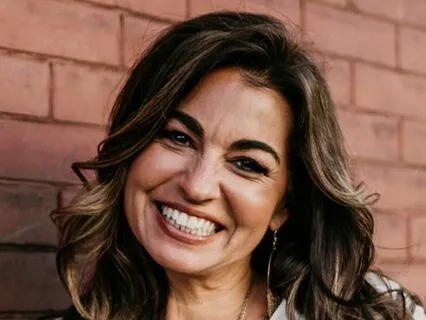
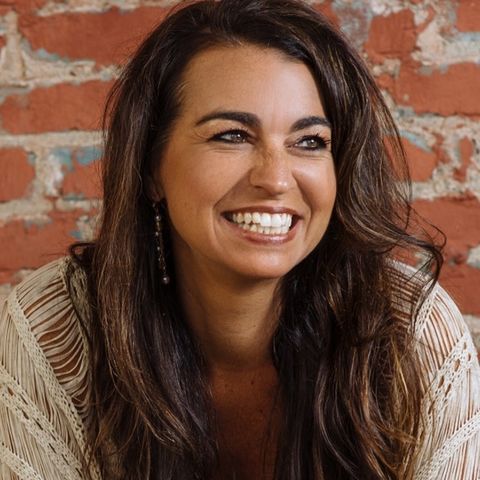
My name is Michelle Schelfant and I'm delighted that you're here with me today.
Welcome to my latest talk.
And as always,
After the show,
I love to hear your comments.
So make sure you leave a comment so I know how you liked it.
We'll talk soon.
And here we go with the latest episode.
So let me tell you a little bit more about Dr.
Stan Tatkin in case you do not know him.
He is a clinician,
Author,
Researcher,
PACT developer,
And co-founder of the PACT Institute.
Dr.
Tatkin is an assistant clinical professor at UCLA David Geffen School of Medicine.
He maintains a private practice in Southern California and leads PACT programs in the US and internationally.
He is the author of We Do,
Wired for Love,
Your Brain on Love,
RelationshipRx,
Wired for Dating,
And so many more.
He's got a lot of great books.
Let me just tell you.
So I look forward to you guys hearing this interview.
We had such a great conversation.
Here we go with the one and only Dr.
Stan Tatkin.
So welcome to the Adult Share Podcast,
Dr.
Stan Tatkin.
Hi,
Michelle.
How are you?
Oh my gosh,
I am.
I'm really great.
How are you?
I'm good.
Okay,
Good.
I want to start out by saying thank you to you for writing this book.
And again,
You do such beautiful work in the world itself,
But thank you for writing this book.
It is called,
For those of you watching on YouTube,
In Each Other's Care.
It is phenomenal.
What I love about this book,
And I'm sorry,
Let me say the whole title,
In Each Other's Care,
A guide to the most common relationship conflicts and how to work through them.
What I love about this is it's like short,
Sweet,
Little,
Like some of it's not just like a half a page,
Right?
Questions that every couple has,
Right?
Now again,
Not every single couple,
But very,
I mean,
These are such common.
I'm going to give a couple of them or a few of them.
What do you do when your kids are sleeping in your bed?
My partner is a sex addict.
I need to socialize,
But my partner doesn't want to.
We never make decisions together.
Like these are,
I mean,
In my own private practice of over 20 years,
When I did work with couples,
Common,
I mean,
But everything in here,
It's this whole book is on these beautiful questions that as couples,
I know,
And you being a master with couples,
That they probably asked you,
Is it over like how many years is this?
These couples been asking you these questions like forever,
Right?
They're so common.
So beautiful.
So what made you write this book based on really complaints by couples?
I,
You know,
I wanted to do something new and what I did was actually fun to write.
I thought,
Okay,
There,
I get all these complaints that are similar.
And because my,
My recent obsession really has been couple organization,
Organization,
And in the manner in which people speak when under stress,
Those were the two things lately that I've,
I've come to think the two big areas,
Why unions dissolve,
Why they don't work in one of them has to do with the lack of partners,
Co-creating a culture of their own,
A co-creating the architecture of their relationship,
Which is what any other union would likely do it maybe not well,
But they would know to do that,
Right?
Do we have a shared purpose,
A shared reason for being where are we going,
Right?
And other unions,
Other alliances or businesses,
Or,
You know,
A rock band,
A dance troupe,
Anybody who unionizes because they want to do the same thing and they see it the same way they have the same vision or goal in mind is a necessary condition for people getting on board.
And so for some reason,
Couples don't do that.
They just don't.
And the second,
Which is just as big reason why relationships will dissolve eventually.
When I say maybe not dissolve,
But I'm interested in longevity and happiness,
Not just longevity.
So the other reason is the manner in which all of us will interact when one or both of us is under stress.
And this has to do with,
With threat,
With whether we experience some modicum of threat where our brain changes and,
And we start to,
On some level believe that the other person is not an ally,
Is the enemy.
And so it's like real or perceived threat,
Right?
Real or perceived doesn't matter.
Yeah.
It doesn't matter.
It's,
You know,
We,
We were scanning constantly for anything that would threaten our survival.
That's nature.
That's supposed to do that.
But it gets in the way,
It gets in the way of relationships because we can accrue a lot of memory based on our whole experience,
Based on our earliest memories,
Even.
And again,
Couple relationships are the only ones that do this.
The only ones that have this memory and have this,
This issue of automating each other,
Taking each other for granted,
Not having a structure,
Not knowing what to do when they start to get aroused or start to feel stressed and then talking in a manner that is threatening to the other person.
And that's what the book is really.
It's a repetition of saying no structure.
This couple doesn't have one.
They don't have agreements.
They don't have permission to enforce any social contracts.
And then the manner in which people would interact,
Which is why I,
It's everything is,
It's also gone over in terms of narrative,
How people will go back and forth and get themselves in trouble.
I'm just thinking of this.
Cause I have a company and do you find that even in a company,
Did you ever do corporate consulting because I have been gracious.
Like I'm just sitting here thinking about like,
Even in business,
You know,
I have,
I've worked with so many clients over the years.
They're like,
I can't stand my boss or my boss triggers me all the time.
Or my boss gets triggered by me or my coworkers trigger me.
It's all about relationships.
It's all about relationships.
Everything is about relationships and how we navigate our way in those relationships.
So no matter who we are,
But I know that this book is about couples.
So,
But you just got me thinking about,
Wow,
Like even in a company,
You know,
We get,
We all get triggered or,
You know,
Someone's pushing my buttons because of my own wounding.
But anyway,
Yeah.
Interesting.
And in families too,
This,
You know,
A lot of this comes from Ivan Bozerman-Inaj,
The systems thinker,
One of the originals who was the only one that put fairness and justice as a matter in family systems.
And so he believed that the,
That the system that was too unfair and too unjust would create kids that in a revolving ledger would make society pay for the sins of the parents.
And that holds really true in the way that we operate and insecure attachment in some way follows that unfairness of having to give,
Having to give up my independence to have a secure base or to give up a secure base because I'm supposed to be independent.
Ooh,
That's good.
So you talk about the idea that partners are in each other's care,
And I'm wondering about shouldn't each partner instead care for themselves first?
Well,
That's,
We think that way,
Don't we?
In our field,
Like every other aspect of,
Of call of modern culture,
Our sciences are influenced by the times.
And,
And there was a time in the seventies where we reacted to behavioralism and we reacted to psychoanalytic theory and decided we got to think more independently or too much unconscious or too undifferentiated.
And the language was I and me and you,
Right?
No longer we or us.
There was a distinct period and we're still coming out of that of self-made person and it's all about me and I don't need anybody.
And that of course is not true.
So we overcorrect.
Yes.
Yeah.
And now we're coming back to this idea of interdependence that we are,
We are that creature.
Oh wow.
Okay.
But self-care and self-love is important.
Yes,
Absolutely.
But it's intertwined with other love.
So when we're talking about empathy,
Learning how to get along with another person,
Learning how to be cooperative,
Collaborative,
Learning about ourselves is intertwined with learning about another person.
So we don't,
We don't come out of the womb loving ourselves.
We don't even know what that means.
So that's all done externally first and,
And through life in some way it does come externally.
Our self-esteem waxes and wanes depending on our relationships.
So they're not,
They're not isolated.
It's not like you have to love yourself first.
It's not,
That's not how the sequence goes.
Interesting.
I learned to love myself as I learned to love you,
Which is how it starts in infancy.
So then when we enter into a new relationship with somebody,
We need to,
I feel like,
Like almost change our thinking about that other person.
Like in the first,
Of course,
The honeymoon phase,
The first,
What is it?
Nine months when we have that hormone cocktail going on in the brain.
It could be longer.
Yeah.
That's all we think about is the other person,
Right?
Like,
It's like we are like other focus.
Is that true?
Would you say that's true?
Like,
Yes,
I think the same way we would be with a baby or anything that we're becoming attached to the attachment system,
We,
We mistake for being love,
But it really isn't.
It can bring about feelings of love,
But the attachment system is,
Is a biological function that's built into us to the glue that holds us together and keeps us from not pair bonding,
From not sticking around to raise a child,
From not,
You know,
Getting together in groups to protect ourselves as a unit,
To prosper as a unit.
Right.
So all of that's really important.
The only problem with nature's glue is that we also can't quit each other once we're in a relationship and we may not make the best decisions.
Right.
Yeah.
So it cuts both ways,
Like all of nature.
It's a good thing.
And yet it's also a problematic thing,
Especially for us clinicians,
Because how do we help people out when they really shouldn't be in this agreed upon union?
Right.
Yeah.
I can't quit you then.
I can't quit you.
Oh,
Okay.
So one direction I wanted to go,
You just opened something else.
Sorry.
No,
Keep going.
No,
Keep going.
But,
But,
But,
But the point is,
Is that we are,
I believe interdependent creatures and any denial of that,
I think is denial.
We don't do anything alone very well.
We need other people in so many different ways,
In profound ways.
And couples is just one of those situations where there,
There is a dependency need that emerges in these relationships only,
Not in other unions like businesses or anything.
So the,
The romantic couple is,
Is unique and more difficult because of that,
I think.
Interesting.
So what happens then after the,
You know,
That quote unquote honeymoon phase,
The hormone cocktail starts to fade after however long,
Nine months,
A year,
However long it's different for everybody.
And let's say,
Yeah.
And then,
You know,
It's like we get more invested again,
We get more invested in our friends or children that we've had or jobs or whatever.
It's like the focus gets taken off of our beloved,
Right.
In some way,
How do we keep that other person?
Like what needs to change?
Tell us a little bit about what happens and what needs to change.
How do we need to see it in a different way?
Our awareness that,
That anything new is going to be old very soon because of,
Of a principle of energy conservation,
Which is to take novelty and to turn it into procedural memory of ordinary daily life.
So that's,
That's how we operate.
We learn new things and then we relegate that new thing or things that we are learning to automation,
To cheap memory that allows us to do our day without thinking.
So we're basically automatic creatures operating by memory all day.
And our partner's part of that memory.
And we'll take that person for granted.
We stopped looking,
We stopped being present and attentive.
And so we drift,
Right?
The mind is looking,
The brain is looking for something else novel and something else that that needs to be worked on because our brain,
Especially the neocortex loves novelty.
And so we have to understand that the only remedy to automation,
Which is what we're all going to do is presence and attention.
There is no way around it that we,
We have to build things in that ensure that we earn love or in respect.
Otherwise we won't,
You know,
Naturally we'll pair bond.
Nature will want us to procreate.
We'll stick around for four years and then go and mix up the gene pool.
That's if we were left to our own devices,
Right?
We didn't have a culture,
We didn't have religion,
We didn't have expectations.
So I think that's,
That's,
That's a way out is building and rituals,
Building in things,
Principles that keep us connected throughout the day.
I think it's something you do.
Otherwise you'll just lull into a pattern of leading separate lives.
And then before you know it,
Kids are out of the house and we're back together again.
And who are you?
Yeah.
Yes.
Oh my gosh.
That's a whole other,
Okay.
You're making my brain get confused because I'm like,
Gosh,
I have five questions right now.
I want to ask you this first.
And this actually goes,
Goes along with that.
Cause that,
This happens.
I've heard this for years and years and years,
You know,
The kids leave the nest and all of a sudden you're looking at that person that you've lived with for 20 years.
Like,
Wait,
Who are you?
Do I even like you anymore?
Okay.
But in addition to that,
I've had this question over the years of having a private practice,
Which is what happens when you have a partner that does not want to,
And you sit with you,
Talk with you about what's going on.
And you know,
So if you and I are in a relationship and I'm saying,
Stan,
You know,
Let's,
Let's talk about what we're feeling.
Or can we start spending an hour a week together and just connecting?
And you say to me,
Why,
What's the matter?
We're fine.
You know,
And you don't want to do that.
How do we address that?
If we're the partner that's saying,
But I want to connect with you more.
I want to know,
What are you feeling?
And we're reaching.
And that partner just either doesn't know how they're not interested.
They're uncomfortable.
How,
What do you say to those people?
That's hard,
Isn't it?
I know,
Right?
Yeah.
Because some of that,
Some of that discussion should have happened a long time ago,
But here we are.
So better now than never.
I think in the book,
What I'm trying to say is,
Is one very important way to do this is to build this thing now for going forward.
So if we had a system where you and I re-opt,
You know,
Every few years,
We gave each other performance reviews and we decided,
Okay,
This needs to improve and this needs to improve.
We need this,
Right.
And,
You know,
I just decided for this next,
For this next contract series,
I don't think you meet the criteria for where I'm going.
So love you,
But I think this is where we part ways.
If we had that,
Then,
You know,
We won't,
But we might think differently about not where we've been,
But where are we going because life is in the present,
Is in the present and how we're imagining it going forward.
We too often live in the past and don't watch where we're going.
So this good time is ever to say,
Do we both want a relationship where we are in contact with each other during the day and that we feel tethered,
You know,
That'd be a good thing with,
Is that attractive to you?
And the person says,
No,
It's not.
Okay.
Then let's re-evaluate why we're doing this.
What is the,
What is our purpose going forward?
I think we shifted our purpose from being a couple long time ago to being just parents.
So we're a couple again,
What's our purpose?
Why are we doing this?
So there are ways of having,
I think,
Conversations to find out,
Is your partner interested in being alive and being vital and to think about what's next,
Right?
Or are they just solo sport?
People have to realize that it's possible that they've been living with a potential deal breaker.
Maybe that's why we spend all our time focusing on the kids because we never had a purpose as a couple.
I find that actually mostly it's women that have asked me that question,
But I actually just spoke with a man the other day who was asking me this exact question.
Like my wife won't talk to me,
You know,
When I bring it up,
She says,
Stop talking to me and,
And she gets triggered.
What do you mean you want to,
You know,
But mostly it's,
It's been women over the years that have asked me this exact question.
Like my husband will not talk to me.
He gets angry when I ask him,
What are you feeling?
What do you mean?
I don't want to go there.
Why are you bringing up,
You know,
Emotions?
So I typically recommend like,
Well,
You need to,
You kind of need a third party.
You know,
A lot of times we need a third party to come in and just be that person that comes in and says,
Do you see what's happening?
You know,
And really work with both couples,
Both,
Both people.
Would you agree?
Yeah,
I would,
I would.
Cause we do,
We do go into threes when dealing with even,
Even being brought together and dating in the free,
There's a third party.
And so why wouldn't there be a third party also in brokering the future?
Yeah,
Yeah,
For sure.
Something that you have taught me a lot about over the years has been something called quick repair.
Tell us what is this all about and why is it important?
So it,
You know,
Everything I talk about isn't about politeness,
Isn't about,
You know,
Nice cities,
It's all tactical,
It's all strategic.
Same with quick repair.
The reason we want to repair quickly is because of threat,
Because our mind isn't Disneyland.
And when we are stewing and simmering and,
You know,
Kind of sitting in our corner,
Right?
From our partner,
We're suffering.
And that experience,
The longer we wait before we get relief is it will go into long-term memory.
That's because of the production of adrenaline and adrenal fluids that helps form long-term memory,
Right?
So it has a practical thing.
If we don't want to remember a bad thing that happened,
It would make sense you and I fix it right away,
We won't remember it.
So on a memory level,
That's really good.
On a health level,
It's also very important because the attachment bond that I was just talking about is an existential biological matter of survival.
So if you and I aren't doing well,
We had a disagreement,
We're likely to carry some awareness that the relationship may not exist anymore.
And that's an existential threat to us.
So the longer we go through that,
The more wear and tear on our brain and body.
So there's a real physiological danger there in terms of getting sick and longevity and all of that stuff.
That's a bummer.
That's terrible.
And our relationship gets more threatening because in my mind,
I'm practicing everything.
You're not here to correct it.
And so I'm going to practice my own suffering,
My own being treated badly.
That doesn't just go away very well by itself.
So there's no upside to taking longer than an hour.
Okay,
That was what I wanted you to talk about.
So how do you do it?
Because when a couple has an argument,
Everyone is different.
Some people want to talk about it immediately.
And you might have one partner that wants to talk about it immediately and the other person needs to wall off.
You might know a couple or two that does this.
That sounds like a lot,
A lot,
A lot,
A lot of couples.
And it's different for so many reasons.
Like for me and for Graham and I have to say,
When we have any sort of argument,
Small or larger,
I need a moment to process.
And it's not that I'm stonewalling him by any means.
I just need a little bit of time to not only feel my emotions and let them metabolize through me,
But to be able to articulate what I'm feeling and what I'm thinking.
I just need some time.
What I've learned is if I don't at the least,
And you've taught me this,
If I don't at the least go to him and say,
Listen,
I need a moment.
I need some time to process feelings,
To think through my thoughts.
I'll be back with you in a day,
An hour,
Whatever it is.
Just to say that,
It depends on how big it is.
Yes.
I need some time.
I can't talk about it immediately.
But just as,
And I used to just go into this,
Like,
It's again,
It's not stonewalling.
It's just like,
I'm in process mode.
I'm in deep process mode,
But I wouldn't say anything.
I would just get quiet.
Well,
That would send him into outer orbit.
Like,
Oh my God,
Are you leaving me?
You know?
And then he goes into awfulizing with his thoughts and makes up stories.
But what I've learned to do now is to say,
Hey,
I just need a minute.
I need an hour.
Let's talk at lunch today.
And then he settles himself down and everything that happens that you talk about in the brain,
It's so helpful.
You can also say,
If you wish,
You can say,
You know what?
I'm mad.
Yes,
But we're okay.
It's the we're okay that I think settles us down.
Totally.
Because that's the part of our brain that wonders if mommy dies,
I die.
If this is over,
I'm dead.
Am I dead?
Am I not dead?
And just that,
That's why Tracy and I have had this thing.
If we can go to bed,
Excuse me,
We can go to bed angry,
But we have to at least touch tops,
Toes,
Excuse me,
Keep burping.
It's the,
It's the touching that is an unquivocal message that we're okay.
That's why we just calm down.
We don't have to settle anything.
We don't have to fix anything necessarily.
We really just need that.
So you could also do that too.
That's really what everybody wants to know.
Okay.
Yeah.
I remember my grandma said that to me.
He's like,
You didn't even touch my toes at night.
I'm like,
Cause I was angry.
So now I will take my toes and I will touch his toes.
Even if I'm like,
I'm not that I'm ever raging mad when I'm going to bed.
Cause I wouldn't feel better.
You'll feel better by the way.
I'll touch his toes.
And I'm like,
I'm still in process,
But here are my toes.
You know,
That's what I'm thinking.
Here you go.
I went through the same thing where I,
You know,
I don't think so.
I don't think I want to do that right now.
Yeah.
No,
But the takeaway I think is that when we are in an argument with our beloved,
It's so important to give them something while we are in process and don't take a week or two to then come back.
Right.
Which I mean,
I know people that have done that too.
You know,
I've done that for days sometimes,
And this is the old me of course,
But before I had these tools,
But I realized the importance of I'm not in a good place.
I will be back in touch with you.
And I like what you just said,
Like you're okay.
Like everything's okay.
Or what was your,
What was your statement?
Yeah,
We're okay.
Yeah,
We're okay.
That does settle down the nervous system.
And then it's like,
Okay,
But I think it's important to say,
I'll be back with you like tomorrow or I'll be back with you.
Like there needs to be a time when we can connect,
Reconnect and reattach.
It seems like that's important.
So thank you for that.
It'll be good for you too,
By the way,
This whole thing of we're okay is settling your system as well.
Not just your body.
That's good.
Yeah.
It's,
It's,
This is an existential issue for all of us.
Oh,
That's really good.
So talk about what's the pepper tool.
Pepper.
So Alison Howe,
My dear colleague,
Friend came up with this.
We were doing a retreat in Tuscany and she came up with this acronym of pepper.
And,
And over time it's been reworked and reworked to now where it is,
Is predict,
Plan and prepare for anything that's coming up and revise as necessary or repair as necessary.
So so let's say we're going to go on a vacation and we imagine,
Okay,
We're going to have a great time,
You and I,
And that's where we're pointing.
That's where we're ending up.
We're going to high five each other at the end.
And that's how we're envisioning our trip.
Now we think about what could go wrong.
And and we go through the list of predicting each other,
How we could get into a fight and then,
And then eliminating the dangers there.
Okay.
How about if we do this to keep that from happening?
And if I do this,
You do this,
Or if you do this,
I'll do this.
How about that?
Would it sound good?
Okay.
So we're planning to make sure that we meet our vision.
We're going to,
We're going to have a great time.
So then we go down,
What,
Okay,
What about,
You know,
Drunk uncle Harry,
Or what about the,
They're bringing their dog?
What,
What do we do if this happens?
How are we going to handle them politically so that we're good,
But we don't do anything to hurt anybody by protecting ourselves.
Right.
So if possible.
So we just,
This is,
This is a kind of you and I against the world.
We're plotting,
Planning how to meet the future by,
By using the gift that God gave us,
Which is to be able to predict and plan and prepare.
You and I even have a plan for if something happens,
We couldn't have expected we'll meet in the bathroom and,
And reconvene and come up with a new plan.
So that are so that we're a team.
That's the whole thing.
Not just waiting for the same things to happen again and again.
So good.
What is secure functioning and why is it so hard to do?
Secure functioning is,
Isn't about,
About attachment actually.
So I'm big on attachment as well,
But this is,
This is social contract theory.
This is the idea that any union in a free society that's getting together based on a shared mission and a shared vision idea of why we're doing this,
Not love,
Right?
Has to play it a certain way in order to have both longevity and happiness,
Right?
The only way to have longevity and happiness is to set up shop and to create a structure with a hierarchy and what we're going to do and what we're never going to do.
We're basically creating our relationship ethics from scratch,
Our,
Our relationship moral values.
And we're fashioning basically our own civilization of how we're going to prosper and survive and how we're going to protect ourselves from each other because people need protection from anybody because it's not about feelings.
It's about having a set of purpose,
Meeting the criteria for what we're going to do and what we're never going to do and then cooperate with each other so that we have a long lasting relationship.
We're not remembering unfairness.
We're not accruing resentment.
We're not constantly litigating the past.
Oh gosh.
I'm not getting anything done.
Okay.
That's,
I just have to stop you.
It's so important because so many couples bring up the past,
They drag it around with them and they bring it up in fights or in conversations and they throw it in their partner's face.
I might have done that once or twice.
Just once or twice,
Stan,
You know,
In the past,
But it really,
It's about being conscious not to do that and carrying that crap.
It's crap.
Carrying that crap around doesn't serve us as couples.
Well,
It goes back to repair.
Because anything that repeats is causing inflammation and the person who was in distress,
Because I'm not getting any relief.
And this goes back to infancy,
You know,
With a very early,
I'm,
I'm feeling that you're doing something and you're not paying attention and you're not listening.
And you're not responding to my cries,
My pleas for relief.
And you continue to do it.
I get louder,
I get louder.
I start to spread the content of my,
My discontent.
You know,
It gets bigger because I cannot get you to stop.
And so that's why we end up with this long-term memory that gets reanimated every time I experienced something like you did.
And that's why it sounds like you never forget,
Right?
Well,
It's because you never fixed it and you're still doing it.
Right?
And that's why.
So we have to understand how memory works.
We have to understand this whole idea that the quick repair actually saves us downstream because we don't want to keep building up inflammation.
It spreads like it does in cells in the body.
So it's just the smart thing to do is to fix things now so that we don't end up spending all of our time really in the junkyard,
Not living life,
But sorting out everything we did wrong.
You know,
It doesn't,
It doesn't make sense.
We know this,
But,
But the moment is too seductive.
You know,
I know this,
But I'm going to,
I'm going to feel better at the cost right now doing the right thing.
It's so important to come up with.
And I think the last time you were on the show last August,
You were talking in your last book about this,
Which is like,
Do you come up with a set of rules that you follow as a couple,
Just rules that you follow?
But I don't think that it's your ethical,
It's your culture.
It's your ethical framework.
That's that's we're a couple it's hours and hours alone,
Right?
We're constantly shaping.
So I just want people to understand that it's not rules.
It's that one person made up.
No,
It's together.
It's coming together.
Yeah.
Yeah.
It's like when we decided to enter into a relationship with someone,
We all need that book of yours.
It's like a relationship Bible.
Like you need to read this thing to understand how to have a,
It's not even,
I mean,
Yes,
It's loving,
But it's a successful relationship.
Nobody really talks about this.
You know,
We just jump right in because we're in love.
Well that changes so quickly.
You've got to have this framework where how to have a long-term successful relationship.
And that's what I love about all of your work because that's what you teach so well.
If you and I don't,
If,
If you and I don't create co-create something from scratch and,
And continue to mold it like clay,
We're going to fall back on our family of origin.
We're going to fall back on the culture we grew up with.
And I'm going to do it my way.
You're going to do it your way.
And we're not going to be happy because it's not ours,
Right?
Together it's mine.
And we'll just automatically mindlessly do what we know.
And you know,
Yeah,
You get married and then you become a parent and then you retire and then you die.
That's what I saw.
I don't expect anything else.
Yeah,
Exactly.
Exactly.
Oh my gosh.
I have some more,
I have a few questions for you before we end here.
What do you do,
You know,
We talked about what we were just talking about.
I want to ask you about not carrying the past into the present day.
What do you do as far as building up trust after there's been deceit or cheating in a relationship?
That's,
That's the tough one,
Right?
How's that for a small little question,
Stan?
Yeah.
One is a general question about memory coming into the present.
Again,
Memory,
You know,
The past is present.
So the way our minds work,
Since we're memory animals,
The past is,
Is present.
That's why it feels like we're dragging all that along.
What we make a mistake is not like Norman Lear said,
The secret to happiness,
Know the difference between what's done and what's next.
We spend too much time on what's done.
We don't think of how to correct it next.
And then going into the future,
That would take care of that.
So that's the general,
Right?
But with betrayal,
Boy,
We can,
We could be here a long time.
I could take up a whole hour on that at least.
Which kind of betrayal are you talking about?
Because there's many kinds,
There's the worst kind.
And then they,
Then there's others.
Betrayal in,
And I,
Yeah,
I'm thinking of a few different kinds,
As you say that.
Number one,
Let's just go with,
There has been infidelity.
Yeah.
Okay.
You know?
So infidelity,
And I like to broaden the idea of infidelity to not simply mean sex or affairs,
But infidelity to our agreements,
Our principles,
That's your problem,
Right?
If we don't have any,
Then we default to sex.
So the main problem with most issues around affairs,
Cheating is the line.
So the cheating,
Of course,
Is a betrayal and is a shock to the system,
But it's the misuse of shared information.
It is the,
I did not allow you a choice to decide to get off this boat by saying,
I,
You know,
I'm going to go out and I would like to have,
You know,
Another sexual relationship or I want to become polyamory,
Or I'm not sure I want to be married anymore to you,
You know,
To allow you to be part of a process.
Instead I cut you out and deny you the ability to make a decision based on valuable information that you should know.
I cut you out and that's what does the biggest damage.
Biggest damage is I,
Is the reveal of information that if I had known would have changed everything for me,
That causes PTSD,
That causes mayhem and that's most devastating kind.
So that could be an affair,
That could be an offshore account,
That could be,
I have actually two other families,
Sorry to tell you,
I'm actually 20 years older than I said I was.
Anything that radically changes your understanding of what we are and what we've been doing and,
Is going to throw you for a loop for a very long loop.
And that's the problem,
Which is why I say the free flow of information in partnership is one of the greatest commodities.
In order to do business,
You and I have to have the same information.
In order to be in charge of everyone and everything,
We have to have the same information.
And as primary attachment figures,
We feel entitled and that we have a right to have this information.
And when we don't,
It's a big shock.
You left me out of that information.
You decided unilaterally that I didn't need to know this.
I did.
And so it is a devastating reveal,
Discovery that usually brings us about and devastating and very hard for couples to repair.
They have to really see a clinician that understands how to put this together properly so that it doesn't happen again.
It's a very rigorous,
Painful.
Yeah.
I would think we can't do it alone.
Like you can't do this alone.
You need help.
Would you say that you,
Like you said,
You have to bring in a clinician to repair.
There's a reason for it.
And the reason is that we all want to get out of suffering as soon as we can.
And partners in a betrayal like that are in consistent,
Constant pain for different reasons.
But it's very hard to bear and very hard to find reason to have to bear it.
Like if I'm the discovery partner,
You've completely blown it with me.
This is treason.
I have no idea who you are anymore.
I have no way of knowing what's the truth.
That's the situation I'm in.
I have no,
Why,
Why do I want to do this?
Well,
The attachment system.
Yeah,
I can't quit you biology.
It tells me there are a lot of,
There's a lot of moving parts here.
We have kids,
We have a house,
We have financial interests.
All while all those are true.
There is still that part of me that believes if this ends,
I die.
Right.
There's just that dread of,
I can't quit you still.
So that's good.
If that's what's holding you together,
I can work with that and leverage that towards a secure functioning relationship.
That's the good news.
Have you been hearing,
You mentioned something here,
Polygamy,
Monogamy,
And you mentioned that in your book,
I think as well.
I remember reading that.
Are you hearing that there's more and more of that or what are you hearing in your practice?
I'm not,
Because we didn't carry a lot of stats in terms of all these alternative lifestyles.
It was mostly,
You know,
A thing that people would reveal usually to people within their community and people who were tolerant to that kind of lifestyle.
So that makes sense.
It's hard to know whether it's a consistent population that's interested in consensual non-monogamy or polyamory or any other varieties of relationships,
Right?
Because just like our sense of sexuality has expanded,
I think we're all thinking more gender fluid today as a more realistic term than other time.
I think the same is happening with lifestyles,
Right?
To each his own.
Everybody has a different way of determining what is happy for them,
What they want to do.
So we want to catch up with that sensibility because I think I've been guilty as a lot of other couple experts,
Thinking only dyadically,
Right?
Thinking of only heteronormative couplings and so on.
I've become very aware and very sensitized to how many people are excluded from that lifestyle.
And then what about us?
I mean,
You know,
How come nobody's writing to include us?
And I'm guilty of that.
And so I'm just now beginning to re-imagine,
Reconfigure in my head,
How does attachment as a biology work out in these other lifestyles?
Because unless I can understand it myself,
I can't articulate it well enough.
So I'm in process with that.
And I'm writing about it.
Because I think science and I think the social sciences are not as inclusive as,
Not nearly as they need to be.
And so.
Are you including open marriages or open relationships,
I should say in that?
Yeah,
Absolutely.
This is not,
You know,
I don't want to be,
I'm trying to stay away from being somebody who says this is how it should be.
I'm trying to say the opposite.
I'm trying to say,
Do whatever you want,
As long as you both agree.
You can do any kind of relationship you want.
I don't care.
If you can imagine it,
And you both want it,
Do it.
Just make sure you're both on board.
That's all.
Just make sure you think it through,
That you adult and you're doing it in a way that will be fair and just and sensitive.
And that can work.
You have to,
Right?
Yeah,
It goes back to open,
Honest,
Raw communication,
No matter what kind of relationship that you're in.
Right.
This will help.
Here's an example,
If I might.
So I had a couple ones,
And they decided they didn't want to get married.
They didn't believe in it.
Not that it's a religion,
But they just didn't.
And they wanted to defy sort of some of the social norms.
And so they've had a very stable relationship regardless.
And they wanted it to be consensual non-monogamy.
So they were free to have sex with anybody they wanted.
And then as they went through time,
There were more additions to,
But tell me first.
Don't tell me afterward.
So it kept changing until it got to the point where one of them got into their 40s,
Which is a midlife.
And in midlife,
We know we get certain changes in the brain and biology.
All mammals go through midlife depression.
We evaluate things.
And this one who in their 40s started to protest and said,
Well,
I haven't been doing it by choice,
But we're still free to do it.
We're still free to do it.
I'm not changing the rules.
We're still non-monogamous.
But if you loved me,
You wouldn't do it.
Now that's not secure functioning.
That's insecure functioning.
That's not a social contract.
That's very confusing.
And I understand why that person did that.
They just didn't want to let go of their ideology.
It wanted to bend reality in order to make it fit their need.
Right?
Yeah.
I'm not going to say,
No,
We are free to do whatever we want.
It's just,
Again,
If you really cared about me,
You wouldn't do it.
Ooh.
Yeah.
So that's the difference.
Yeah.
Interesting.
Your adults,
Your legislators,
You decide what this is.
Don't play games with that.
Mm-hmm.
Interesting.
Do you have time for one more question?
Sure.
Okay.
Finally waking up.
Okay,
Good.
I know it's really early for you.
Sorry.
You're in no sleep.
All right,
Here we go.
It's a whopper.
So what do you say to somebody?
I'm thinking about all the secure functioning,
Secure attachment,
And how we have such a hard time because of the secure functioning and our secure attachment of letting go when things are not going well in the relationship.
So whether- Right.
When to stop or letting go?
Yeah,
Like what do you say to somebody that's in a relationship that really is an unhealthy,
Abusive relationship?
It's almost like,
And I'm thinking of the clients that I've worked with and the people I've worked with even since I haven't been seeing clients over the last few years,
It's like we feel almost like this feeling of,
I have to stay.
And I'm wondering,
Is it because of that secure functioning or secure attachment?
This is all I know,
Even though it's unhealthy.
What do you say to these people that are in this sort of relationship and they don't feel like they have options?
This is probably the hardest,
One of the hardest things that couple therapists,
I'll speak for myself,
Hardest things I have to deal with.
It is,
From the outside,
It seems so clear,
Right?
From an outsider,
From a spectator.
But this whole thing about,
I can't quit you,
Isn't a rational drive,
But it is powerful as hell.
And some people are afraid that they can't do better.
Some people are afraid that they need the other person to be able to survive.
People feel trapped in their situation.
So there are real,
It's not simply this,
I can't quit you.
There are real things.
I'm just saying the,
I can't quit you,
Biology could complicate things because it may keep somebody from trying to figure out how to make this okay for themselves by garnering support,
People that love them,
That are able to think about how to extricate themselves.
But that's a whole other problem because a lot of people in this situation are under resource and they don't want to tell anybody.
So this is,
You're right,
This is a very complicated area and very,
Very hard as a witness to see this and be powerless,
Really powerless because a therapist doesn't have any leverage here.
Thereby the grace of God go I.
This is not my,
I'm not living that particular problem.
So the best we can do is to support embolden the person who believes they're trapped and scaffold them in terms of reality to support that part of them that's in reality in the hopes of getting them to do something that's best for them,
Even though it's the hardest thing to do.
That's really what we're talking about.
Doing what's best,
Even though nothing about it seems good,
No direction seems good,
But there is one that is still is better than the other.
Yeah.
Thank you for that.
There's one that's better than the other.
And it's very hard for people to think through when they're in that existential threat.
Well,
When they're living in fight or flight,
You can't think straight.
I mean,
That executive functioning part of the brain isn't even online.
So how in the world?
Well,
Even in between when they're not in fight or flight,
Even in between,
I think that that becomes so overwhelming that it's hard to think.
You just said something,
I don't remember the whole sentence or the whole comment you made,
But you said that they,
I think you said something like the word that stuck out for me was they believe.
They believe that they are stuck,
Can't get out,
Whatever it was.
They believe that.
And then you also said,
When we're on the outside looking in,
Whether it be friend,
Family,
As a therapist,
As a coach,
Whatever,
It's like so obvious to us looking into the situation.
Right.
But when we're in the middle of it,
It's a whole different story.
So it is.
I think people are always doing their best.
Our best is hampered many times by the nature of being human and our situation.
And so the people I worry about the most are those that are isolated,
Couples that are isolated.
I think of them as potentially folly ado couples.
And if your audience doesn't know what that means,
Folly ado is as a two person madness.
We pull each other down into madness because just like isolates that are,
You know,
Individuals that go off into the woods tend to go crazy because they don't have any interaction.
They don't have any reality testing support of other people.
And we know what loneliness does.
We know what isolation does.
It get,
We get crazier and crazier until we put tinfoil in the windows and write a manifesto.
That's a function of loneliness.
So couples can be lonely too.
Isolated like,
You know,
George and Martha from,
Who's Afraid of Virginia Woolf is a classic folly ado couple.
And so I worry about that with any couple,
But a lot where there's abuse,
A lot of them folly ado or potentially that.
They're definitely isolated.
They're not talking with other people.
It seems to me that these couples that,
You know,
One is the abuser and then the victim of the abuse or is needing help with self-worth because it's,
They don't,
You know,
They don't know who they are.
They feel completely unworthy.
Would you agree with that?
Or what can they work on if someone's listening and they're thinking,
This is me,
Wow,
This sounds a lot like me.
What do you recommend?
I don't want to organize the fact that we pick each other based on recognition of familiarity.
And so they picked each other.
Why did they pick each other?
There's a history here of recognition.
That's also the bite that fits everyone's wound,
Right?
I have the bite for you and I,
Mary,
I'm definitely going to have a bite that fits your wound.
You're going to have a bite that fits mine.
Nature builds us and it's weird.
So there's that,
That I'm locked into a relationship that also tells me how to feel about myself.
I'm playing a role in that.
I picked a partner who's going to play a role in that.
And we're both doing reenacting things together.
So we can't forget that.
But also that there's,
There's something about the helplessness and the hopelessness of,
Of doing the right thing,
Right?
My self-esteem gets injured every time I do the wrong thing,
But I did it because I needed to feel better right now.
So that's a little bit like an addiction,
Right?
I need to do something that relieves my pain,
Even though doing that is going to cause me more problems.
I'm not thinking that way.
And so I'm weakening,
Literally weakening that,
That part of my brain that would tell me not the best thing to do.
Think downstream,
You know,
That don't be penny wise,
Pound foolish.
Don't just take the immediacy of a relief,
Even though it's going to set me up for more hurt.
Every time I do that,
And as a kind of a foodie addict at night,
I know what this is,
Right?
I want to feel better now.
I don't want to put off that relief.
And so I'm constantly giving in to,
To this aspect of me that wants to feel better right now,
Even though it's not the right thing to do.
My self-esteem goes down every time.
Every time I make the decision not to touch my wife's toes,
If I'm mad at her at night going to bed,
I'm going to hurt my self-esteem if I don't do it.
So it gets chipped away bit by bit,
By bit,
By bit.
I'm doing it.
I'm doing very hard to say that to somebody who feels that they're,
That they're being victimized,
Which they are.
But we have to remember that we're dealing with adults,
That as human primates,
We're warlike.
You know,
Someone who looks like they're helpless,
You still don't mess with them,
But we forget our size.
And we regress to being little and helpless.
And we don't realize that I could do damage to this person who's doing damage to me.
Sometimes we do hear about that in the courts,
But it's a going back,
I think,
To a way of being probably in our family of origin where we fold our cards.
That's what we do,
Just continue to fold.
And every time I fold my cards,
I chip away at my self-esteem.
Because when we do the right thing,
When it's the hardest thing to do,
The benefit,
You only know when you do it,
Is you feel really better.
You feel good about yourself.
Now,
I,
Yeah,
I created a loss,
But I,
Wow,
Look what I did.
I was able to do the right thing when it was the hardest to do.
There's something about that,
That's,
That is goes in the other direction.
And so,
Again,
There's a lot of re,
It's very complicated,
Right?
There's a lot of moving parts to all of this.
I think that's part of it too.
My decision-making to feel better at the cost of being better also hurts myself.
You also said something important,
Which is because something that people typically say,
How did I,
Why did I pick this person?
Why did I do,
How did I,
How did this happen to me?
I don't understand.
You know,
I tried to pick someone that didn't look like my dad and didn't,
You know,
I'd moved across country and I swore I wouldn't do it.
And here it is.
It's this unconscious thing that we do where we just,
Like you said,
We plug in,
You know,
Our wounds are plugging into them and they're plugging into us.
Doesn't matter.
It's,
It's,
Um,
Nature doesn't think,
I don't,
You know,
I don't think this is a personal issue.
Uh,
It feels personal,
Right?
But I don't think it's personal.
I think that there is a,
Uh,
A process of mate choice that is both psychological and biological,
Psychobiological,
Right?
A lot of it's happening under the radar.
Nature's doing its thing by making sure that our immune systems line up and all that other stuff.
There's all this stuff going on that we don't know about in mate choice.
But then there's other things that we're kind of aware of.
And that is,
You know,
The alcoholic that will find the one person they want to go out with and that's the person who's asleep in their soup,
Right?
That's an old joke.
We pair bond by recognition because you have to be familiar enough to me to want to spend my life with you.
Otherwise you're too stranger-ish and I'm too far away from home.
But if you're too familial,
You're,
It's kind of incest.
It's right.
I'm not interested in you really for that.
So there's gotta be a mix of stranger-ness and familial and familiarity.
And so nature is,
Is not making a mistake.
The problem is,
Is that we're picking by recognition,
Not our fathers or mothers,
We're picking people that we,
Including ourselves,
That we recognize.
We still don't know how to handle this state that we get into with this,
With a person,
Right?
We still don't know how to handle anger or whatever.
I think it's more like that.
Yeah,
I recognize you.
You're great.
I see all the good stuff and oh,
There's also that too.
That's coming with it.
The bloom is off the rose.
And now I'm dealing,
I'm incompetent with dealing with who else you are that I recognize,
Right?
So it's a competency thing.
Because we don't see it when we start dating these people,
You know,
We don't see it.
And then all of a sudden,
Yeah,
It just starts coming out later on.
Which is why we have a natural vetting process of taking our new,
Newly minted or our candidate,
Parade them around to our people,
You know,
Of different ages and different genders so they can sniff them out.
Because one thing our friends and family do is they also know what's familiar and what's too strange and what's too familiar and not strange enough.
And so if people would only say,
Hey,
Tell me the truth,
You know,
When you see us,
Do you like this version of me?
Do I seem like myself?
Do you like this person?
What do you think they're like?
Do you see anything that bugs you?
I want to know this because I'm not in my right mind.
Of course we're not.
Yeah.
And pay attention.
Yeah.
Right.
Eyes and ears a bit.
Yeah.
Because they're not in the relationship with you.
So pay attention to what people around you say.
That's a big takeaway.
What you just said here is when your friends and family and people say,
Ooh,
Do you notice this?
Don't get angry.
Just listen.
It doesn't mean you have to even take it to heart.
But when I always say if more than one person shares something like that to you,
You better take a look.
You better take a look.
Right.
It's part of the vetting process.
Yes.
They have to fit into your friendship culture,
Your family culture in some way.
Otherwise,
You're going to be cut off in some from those people.
And that's not good.
So those people say,
Oh,
I don't need other people's approval.
Just wait a few years and see how that's going at family holidays.
And right.
See how many people you had to give up for that.
Yeah,
That's really good.
Well,
I'm going to have to not ask you the next one.
Let me see 10 or 15 questions.
We need like an afternoon podcast.
Oh,
You're so good.
Can I see one more shout out for why secure functioning?
Please.
Yes,
I'd love it.
First of all,
It's the only system I and others around me believe is the only system that can actually last a lifetime.
Any other system pans out as too unfair,
Too unjust,
Too insensitive too much of the time.
So that's just logical,
Rational.
You can just understand.
Everyone can understand it.
But the real reason is we want to lower interpersonal stress in these relationships.
Why?
Because interpersonal stress is a major killer,
Shortener of life,
Cause of mental and physical ills.
Because interpersonal stress,
Chronic stress causes wear and tear on all four systems of the body.
And so it isn't enough to be in a relationship to increase longevity and health.
You have to be in a secure functioning relationship because an insecure functioning relationship by definition is a lot of interpersonal stress,
Which affects the health and wellbeing of everyone around,
Including the couple.
We've proven that kids' autoimmune systems are affected by the way the couple is operating and how much stress they're under.
So lower interpersonal stress take threat out of the game completely.
And to know,
Be skillful how to do that.
That's really the goal.
That's really the goal.
We know through a longitudinal study at least,
But many studies that the secret,
All things being equal genetics,
The secret to longevity,
Happiness,
Mental health,
Physical health is the presence of at least one secure functioning relationship in your life.
Otherwise you're more exposed to all the illnesses of our species.
Loneliness on one side,
Chronic interpersonal stress on the other side,
Both will kill you.
You've mentioned loneliness a few times today.
That seems to be a big problem.
It's a mental health and therefore physical health pandemic.
It's happening.
What's happening?
Why are we,
What is going on with the loneliness?
What is,
Is this is just rising like since COVID or?
Yeah.
I mean,
The pandemic may not be accurate because there are countries where that like in India,
I don't think they're,
They're still very relational,
But in our country,
There's more and more isolation.
People are not,
Are not getting together as often,
But we were on that trajectory before COVID.
Yeah.
Yeah.
Yeah.
Yeah.
Yeah.
COVID was an accelerant.
I think other countries like Japan is,
Is much further along that route than we are.
They've been dealing with loneliness and you know,
Their,
Their suicide forests are,
Are shockingly horrible.
If we're looked into them,
Their isolation,
They're not face to face as much.
They're not skin to skin as much.
They're not having sex now a lot.
And so there's this this siloing that's been going on in certain cultures,
A trajectory,
And we're one of those countries,
I believe it's on that trajectory.
And that's becoming a mental health issue.
What do we do?
What do we need to do to change that?
We need people.
We need to,
We're interactive creatures.
If we don't interact,
The mind isn't Disneyland,
Like I said,
A million times.
It's why you know,
Solitary confinement is considered cruel and unusual punishment.
Yeah.
So true.
It's torture.
Yeah.
It's torture.
And we go crazy.
Like you go crazy.
You can't.
I mean,
With these things,
Is this,
Is this why the cell phone,
But even zoom,
You know,
I mean,
This is not,
Does having a zoom meeting help with loneliness or a FaceTime call?
It's not enough,
Is it?
I'm out of my wheelhouse to say,
I don't know.
I suspect just in my own feeling,
How I feel when I see couples in person,
As opposed to on telehealth,
I feel better being in person.
Me too.
I agree.
I feel lazier and more in my,
My laziness is gratified this way.
My avoidance is gratified this way,
But my need for human connection isn't.
So I think our technology,
But I,
I not only our technology,
But our,
We're,
We're busier today than ever before.
We're bombarded by data that causes,
And it's like the TV's on all day in our heads.
And we've,
You know,
We'll see whether we can adapt all of this stimulus without sacrificing our ability to attend,
Because that seems to be happening too.
There's retention deficit in the adult population simply because our technology and our pace and how much we switch things,
Tasks is contributing to becoming accustomed to things that are happening like this and no patience for long stories,
No patience for slow dramas,
No patience.
So we see all of this happening and yet we're all enjoying the toys that we get and the bright colors and all the fun things they do,
Which of course people who produce these items understand how the,
How the brain works and understands how dopamine works and how that we're constantly overloading the dopamine system reward throughout the day.
Yeah,
It's true.
You know,
And I'm,
And I'm hearing from people that say to me,
I'd like to come to your,
You know,
I do a,
Just a live event every,
Or I do it twice a year.
And I can't tell you the number of people that have emailed in and said,
I really want to come.
I want to learn this adult chair,
But you know what?
I'm too anxious.
I don't,
I won't know anybody.
I'm like,
I promise you,
You'll make some of the best friends you've ever had at these events.
No,
No,
I'm too anxious.
And I'm hearing that I've been doing these events for seven years,
More and more,
More and more over the years.
Like I,
It makes me nervous to be around that many people.
I'm like,
Oh my goodness,
We have so much fun.
Come on.
No,
They're nervous.
You know what happened to me?
We went to the Spain retreat last year.
We put on a couples retreat in Spain and I'm shocked.
I,
Coming out of COVID first time doing this,
And I used to do it regularly.
I was shocked how shy I felt.
I went back to my old shyness and feeling like I didn't want to be around that many people.
And I was afraid.
I mean,
It really was surprising.
I had to really warm up again because of the effects of quarantining.
I wasn't accustomed to being out there anymore.
I think we need to start taking some,
This sounds like the wrong word,
But risks of just being or inviting people over for dinner or out to coffee or go to lunch.
And it's not to say you have to be around a hundred people,
But start taking that risk and be brave and start connecting more.
We need in-person connection.
I'm not somebody who wants to be in big crowds,
Especially right now.
Yeah.
Yeah.
No,
Me neither.
Yeah.
I was in the,
Well,
You know this,
I was in the emergency room last night and I was sitting there.
And for the first time I became aware that somebody can come up and shoot the place.
I never thought about this.
Oh my God.
I've talked to more people that keep saying this to me.
I had the same thought.
I had,
I'm starting that thought.
It must be in our collective consciousness.
Cause I mean,
I had the thought like,
Oh,
I got to run down to the mall.
And I literally,
My next thought was like,
Hey,
Does that save?
I was like,
Well,
I had to go return something.
I'm like,
Well,
I can do it at the mall instead of email or mailing it back.
And I thought,
But wait,
That's not safe.
Like,
That was my thought that drifted into my brain.
I'm like,
Oh God.
So talk about loneliness.
This thing is this whole thought is going to create more loneliness if we're not careful.
Well,
I think this is a loop,
Right?
A loop of anxiety and fear and avoidance gives rise to more anxiety,
Fear and avoidance.
Right.
So,
So yeah,
You know,
We,
We,
We're an adaptive species.
We seem to find our way.
That's what I'm going to trust.
Yeah,
We do.
Thank goodness.
Yeah.
You know,
We find our way,
But,
But you're right.
There's ways to get together with people in very small groups in your own safe room if you wish,
Where you can still,
You know,
Meet and greet and get together.
It's really,
It's really important.
Yeah.
So we,
I think we just need to be more intentional about that and,
And push through our fear and just do it.
Have someone over for dinner in your home.
Yeah.
Just wear your Kevlar.
Yeah.
Stan.
It'll be in fashion someday.
Yeah.
Yeah.
Yeah.
Yeah.
This is,
This was so wonderful.
Thank you.
Thank you.
Thank you.
Thanks for a gosh you've done.
I mean,
So much research throughout all these years.
Thank you for what you're doing.
Cause it's gosh,
It's,
It's incredible.
Okay.
Yeah.
And,
And,
You know,
I,
I consider myself,
You know,
What I do in my practice and what I do,
The clinical research I do in my practice.
But,
But I don't,
I'm not a researcher in the sense that I do original science that I'm a clinician first and the clinical research I do has been added to that joy.
Yeah.
I mean,
I mean everything you just,
You referenced so much as you speak like,
Oh yeah,
Well this and this,
And then your book.
So I really just appreciate your,
Your dedication to the human species.
I mean,
Just say that because Holy moly,
You're a wealth of information.
I have a selfish interest.
Yeah.
Well,
I love it.
And your work is just phenomenal.
So tell people in,
In just in case someone doesn't know who you are,
How would they find you?
What do you have coming up?
What are you offering outside of this book and each other's care?
Everyone does need to buy this.
It's such a,
You know,
The chapter that I love to was fighting do's and don'ts.
I mean,
That's so good.
Everything's so good.
It was such a quick read because it's so darn good.
So anyway,
How do people find you?
Go to the PACT,
P-A-C-T,
The PACT institute.
Com.
There you will find information.
If you're a clinician in the mental health field,
We train therapists all over the world on this kind of very complicated polytheoretical approach to couple therapy.
But we also,
Tracy and I,
My partner,
My life,
My partner,
My wife,
My,
I love my wife.
We do couples workshops online throughout the year and we do couple retreats in places like Spain and next year,
Portugal,
Which hopefully you're coming to.
Oh,
I'm coming to that one.
I'm telling you right now,
I'll be there.
Yeah.
And I'm now working on the revision,
Then a second edition of Wired for Love.
Ooh,
Good.
That's such a good one.
And I can also attest that the eight week course that you,
Well,
It's not eight consecutive weeks,
But the eight week intensive that you can do with your beloved and you and Tracy is phenomenal.
Again,
I think anyone that is in relationship with anyone needs to sign up and take that.
They will reap so many benefits from your work and those,
Those eight weeks,
What is it like two and a half hours?
Yeah.
Just amazing.
And study materials.
And then we do things and people can be as anonymous as they would like.
Yeah.
Cause you're working together basically.
In a group,
But Oh my gosh,
So,
So good.
So I highly recommend that.
And we will put all of this information in the show notes so people can continue to find you and sign up for all this good stuff that you're offering.
And of course,
Is your book available on Amazon and everywhere?
And this time I actually did the audio book.
Did you read it?
I did.
Oh,
I love that.
Oh,
Good.
It was fun.
I love audio books.
I was writing it.
I thought it would sound like I was reading,
But actually it was so much fun.
I thought,
Oh,
My second career,
I could just read books.
You have a great voice for that too.
So well,
Thank you so much,
Stan.
We appreciate you being here today.
Always a pleasure.
Thank you.
You're welcome.
Thank you so much for joining me today.
I wish you a beautiful week and I'll see you next week for the next show.