Hi,
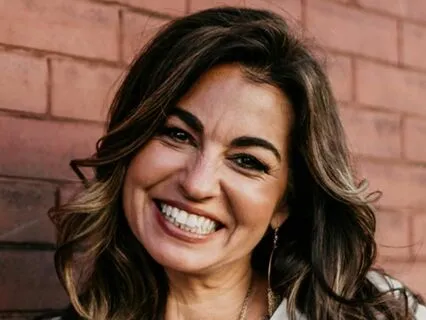
I'm Michelle Chalfant,
Psychotherapist,
Holistic life coach,
And human,
Just like you,
Learning to navigate life's challenges.
With over 25 years experience,
I teach people how to get healthy using the Adult Chair Model.
The Adult Chair Model is where simple psychology meets grounded spirituality,
And it teaches us how to become healthy adults.
From anxiety and depression to codependency and relationship issues,
You can use the Adult Chair for just about anything.
Each week,
I share practical tips,
Tools,
And advice from myself and a wide range of experts on how to get unstuck,
How to live authentically,
And how to truly love yourself,
All while sitting in your adult chair.
Welcome to the Adult Chair Podcast.
Hello,
Everybody,
And welcome to the Adult Chair Podcast.
I am Michelle Chalfant.
Today I've got a very interesting show for you all.
We're talking about conscious medicine.
How about that one?
So conscious medicine bridges science and spirit.
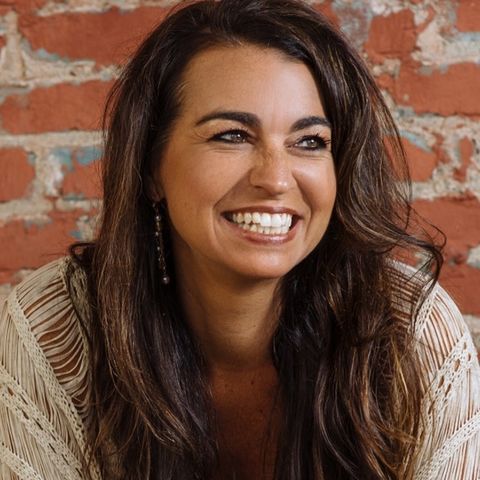
We have on the show today Dr.
Katie Deming.
She is the conscious oncologist,
And she's a radiation oncologist,
Inventor,
And TEDx speaker who's transcending the boundaries of conventional and integrative medicine to evolve the current paradigm of disease prevention,
Treatment,
And healing.
She blends conventional medicine with holistic practices and ancient wisdom to address the hidden roots of disease.
It's always about getting to the root of the disease,
And activate the body's innate capacity to heal.
We had a fascinating conversation all around.
Of course,
We talked about cancer,
Healing cancer,
And the prevention of cancer,
But she does it from a conscious place,
And she has quite a story that I did not know about until we started speaking today.
So I think you're going to love the show.
It's very relatable,
And I love how she breaks things down for us today.
So without further ado,
I'm going to welcome to the show Dr.
Katie Deming.
Here we go.
So welcome to the Adult Chair Podcast,
Dr.
Katie Deming.
Hi,
Michelle.
It's my pleasure to be here.
Thank you for having me.
Yeah.
Thank you for being on today.
I'm really looking forward to talking to you.
I've never spoken to a conscious oncologist before,
So this is exciting.
I would love to hear before we jump on in,
Or I guess we're going to jump on in with your story.
How did you become who you are today?
Sure.
So I have been a radiation oncologist for 20 years,
And practiced as a radiation oncologist and also as a healthcare leader,
And specifically interested in designing better healthcare for people to get services through the whole spectrum,
From prevention,
Through screening,
Into treatment,
And end of life or survivorship.
And so that was my career.
I had done that.
And also I'm an inventor,
And I have an invention for women with breast cancer.
So I've done kind of like a lot of different things,
But it was deep in Western medicine.
And in 2020,
I had a near-death experience.
It was different than a traditional near-death experience,
But basically the same outcome is that I saw what was outside of this reality,
And it totally changed me,
And totally changed the way that I saw Western medicine.
And I had a feeling,
Like in 2019,
I was starting to have this sense,
Like,
I don't know that we're really making the impact that I want to.
Why is everyone getting sicker?
Why am I seeing younger and younger people with cancer?
And so I had this sense that something was wrong,
But after this event,
I saw it,
That I was like,
What we're doing is not true healing,
And that if I'm going to be true to who I am,
I need to leave.
And that was like,
It caused a lot of commotion in my personal life,
If you can imagine.
But basically moved through that transition,
Left Western medicine in the summer of 2022,
And have now launched what would,
The closest thing you would describe it to is an integrative practice,
Integrative oncology.
But I call it conscious oncology because it's a little bit different than a traditional integrative practice,
Where in integrative medicine,
You could really choose any different area of holistic medicine to do.
So someone could be just focused on herbalism and diet,
And someone else could be just focused on incorporating acupuncture and Chinese medicine into their practice.
And for me,
Conscious medicine is a holistic approach that addresses all of the areas that need to be addressed for healing,
Which healing means wholeness,
Right?
So it's bringing back wholeness.
So my approach is balanced in the physical approach,
Mental,
Emotional,
And spiritual,
And addressing all of those things to bring,
Help people bring wholeness back so that they can heal their illness.
Wow.
Okay.
I did not know you had a near-death experience that kind of gave you what I would call an awakening.
Please correct me if it wasn't,
But it sounds like you,
Your eyes,
Your eyes were open before,
But after your near-death experience,
You went,
Whoa,
I need to do things in a whole new way.
Right?
Absolutely.
Can you share just a little bit about the near-death experience?
Sure.
So,
And I say a near-death like experience on my website,
Because most people don't even know the experience that happened to me happens,
But basically it's called a shared death experience.
And it most commonly happens to healthcare professionals or emergency personnel who are at the scene where someone dies and they have a metaphysical experience that is very similar to what people who have near-death experiences report.
So seeing the light,
Feeling the love,
Being outside of this veil of reality.
And so that happened to me.
And it was interesting because the one that happened to me,
I was not actually physically at the scene.
I was meditating and a woman's voice came into my meditation and she said,
I can't let go,
But it's not because of me.
It's because of them.
And I've cared for over 5,
000 patients in my career.
And a lot of my practice was palliative.
So people who were going to die of their cancer,
And I spent a lot of time around death and actually I'm very comfortable.
I actually love being around people as they transition.
And so I knew instinctively that she was dying and I knew that she was talking about her family or friends.
And so I just,
Even though this had never happened to me before,
I just started talking to her as if I was with her.
And I told her there's no rush,
You know,
You'll know when the time is right and I'll stay with you.
And so then I just stayed with her in meditation and the whole meditation was maybe 35 to 40 minutes.
At some point I saw the woman's,
Like who it was.
And I had a friend,
A colleague whose best friend from childhood was dying of breast cancer and I had been helping my colleague help her friend.
So making sure that her wishes were honored,
That she could stay home,
That her pain was managed and also coaching my friend through the loss of her best friend who was only 30 years old or she was in her early thirties.
So this is not something most of us have experienced with.
So I was helping my colleague through that process,
Both for herself,
But then also to support this woman whose name was Misty.
And during the meditation,
I saw that it was Misty.
And then at some point I started to feel her pulling up and out of her body and all I could sense was just,
There was like a separation that was happening.
And then there were like,
Almost like strings that started to pop,
Like pop,
Pop,
Pop.
And all of a sudden the sky above me opened up and it was just the brightest light I'd ever seen.
I've never seen a light this bright and just love it.
And it just engulfed me.
And she gasped and said,
Oh my gosh,
I never had to worry.
It's so beautiful.
And then she was gone and I was just in this space.
And I don't know how long I was there because time is,
When you're in this space,
There's no time,
Sense of time.
And so I was just there.
And then eventually I came out and I had no idea what had just happened.
I hadn't done drugs.
I wasn't drinking.
I was like,
I don't know.
I literally had no context.
I did not know if it was real.
I didn't know if it was,
I made it up in my head.
I'd never had anything like that happen.
And so I went to sleep.
And the next morning when I woke up,
I woke up to a text from my colleague thanking me for helping her with Misty and that Misty had died the night before.
No way.
Oh my gosh.
Yeah.
And so I,
I didn't,
I couldn't even admit to her that this had happened because I thought it was like going to be,
You know,
So weird.
Like I just didn't even know what to say.
And so I said,
Well,
I know this is like a weird question,
But what time did she die?
And she was pronounced dead within like five minutes of the end of my meditation.
And so I think that happened,
Or I know that that happened to give me confirmation that this wasn't a real event.
And then that really did happen because I think it would be easy to dismiss it.
It's like,
Maybe I was imagining things.
So anyway,
But that was,
You know,
A big life shifting event,
Just like people who have near death experiences,
It really shifted my perspective on many things.
So you,
Did you come back with,
Um,
Cause I know people that have near death experiences come back oftentimes with so many new awarenesses and they're given even spiritual gifts and healing and things like that.
Was that,
Did you experience anything like that as well?
So the best now I've done lots of studying to try to understand what had happened,
But reading David Hawkins work power versus force was really helpful for me because he talks about near death experiences and how people have near death experiences are like bathed in very high frequencies and those frequencies tune them.
Right.
And if you think about the reality that we live in,
It's like pretty low frequency,
Right?
Like we're bombarded with all of these things that kind of keep us numb and kind of inflamed and low frequency.
And so that's what I interpret happened is that I was just bathed by these high frequencies and it's almost like I was tuned.
It's like we're antennas and suddenly I was tuned to higher level information.
And so I don't know how it happens or why,
But when I hear something that's true,
It's almost like it resonates now.
And so that's,
I live my life very differently than I did before,
But it's like,
I can sense information that rings true for me.
I don't know that there's a truth,
Like a truth and quotes,
You know,
But like for me,
What resonates as true for me is much clearer after that event.
And then for a long time,
I didn't share any of this,
But it came up recently on another podcast was that in,
Because you asked about gifts is that I realized that this is a gift for me,
That I can help people when they are transitioning and leaving this body and going to what's next.
And so I've done that now with a few patients.
I did it with my mom when she transitions,
But basically I can connect up with the soul and help people release this,
This part of the reality,
Which is actually the hardest part of that initial transition for people to when they pass.
And so that is something that I can do.
And I basically can take them up to it's different for every person,
But there's like a light or a tunnel and I can help them make that transition and feel safe and kind of comforted through that.
And then,
Then they,
They walk through the tunnel by themselves.
I can't,
I don't go past that,
But that is a gift that has opened for me since that experience.
This is so beautiful.
I love this.
I didn't even know.
I'm so happy to hear all this.
Thank you for sharing all of that with all of us.
I really appreciate that.
So I was,
One of my questions,
My next question was,
So how has your practice changed?
So you're,
You just shared part of it.
So you don't do that with every client or with every patient then.
You know,
And actually that's not even part of my practice right now.
I just told someone for the first time that I can do that because it's weird.
Like these things are like,
How do you,
I mean,
How do you even come out and start talking about that?
So most of the people who work with me probably have no idea.
Maybe they'll know after this,
But they have no idea that I can do that.
But my practice is I do multiple things.
I support people through different periods of the journey of healing cancer.
My goal would be to get ahead and help people teach them how to prevent it,
Which I love the things that you're teaching with the physical healing and wellbeing,
But you know,
All of the pieces to kind of,
So that we don't get sick,
Like one in three women will get cancer in their lifetime.
And one in two men,
That's not good.
Like we,
That just to me,
That's terrifying for me.
So some of my practice is teaching people how to prevent cancer,
But others it's really walking them through,
You know,
Making decisions about care because oftentimes with Western medicine,
People feel like just they're pushed into doing these treatments really fast.
It's like you have cancer and you got to do this.
And so I help people slow things down,
Help them make the best decisions for the body with real information and data and not basing their decisions on fear so that when they decide to do something,
They're really clear about that and know what the benefits and the risks and doing treatments that are aligned with their values.
But then I also help people through conventional treatment.
And then I also help people who are not doing any conventional treatment and want to heal naturally.
So I,
Because of my background,
I really span the whole spectrum of you know,
Traditional cancer care,
Helping people through that process to healing naturally and activating that potential in us.
And the reason why it's called conscious oncology is because all healing is spiritual and it all ties to higher levels of consciousness.
And if you get,
You know,
Our bodies,
Like the inputs to our bodies,
Correct physically,
Emotionally,
Mentally,
And spiritually,
You can connect,
Line everything up.
And that's when divine healing happens.
You're speaking my love language.
I can't even take it.
I'm like,
I'm so happy to have you on the show today.
I didn't know all of this.
I knew a lot of what you did.
This was not on my one-sheeter right here.
So thank you for sharing this with us.
Thank you.
I love that you just said all healing is spiritual.
I want everyone to hear this again.
All healing is spiritual.
Expand on that.
It's not just physical.
And I love that.
It's not just about going and getting chemo.
There is a consciousness that can be invited into this whole process that I love that you're doing with people.
And the word that I've been using,
This is the word of the last few months,
Because I was on sabbatical for three months and people are asking me where I was.
I said,
I was taking a sabbatical to really get in touch with my soul,
Do some true deep soul alignment.
I felt very deeply called to do that.
What I hear you saying is you help people walk through cancer using soul alignment or aligning with their soul.
That feels right for them because it might not feel right what their doctor is saying or what so-and-so is saying for them to do.
Is this what pretty much you're talking about?
This is how you guide people,
It sounds like,
Right?
Yeah.
And I think that I love that you took a three-month sabbatical to get in touch with your soul.
That's beautiful.
But I don't often explain my work in the words that we're using because a lot of people can't grasp what that means.
But one of the things that was very clear since that shared death experience is that we come here just to learn lessons,
Like we're growing,
We're evolving our soul and whatever we do here doesn't really matter.
And I knew this from being around a lot of people who had died.
I came into medicine actually through volunteering for hospice and I initially volunteered hospice because I wanted to cross medicine off my list and I thought the one thing that I wouldn't like about being a doctor would be that people died.
And so I volunteered hospice,
Like going to cross medicine off my list,
And obviously this did not turn out the way that I expected.
But basically what I found by being around people who were close to that door of death is that they started to see what this life was really about.
And all of them would tell me,
Like,
I wish I hadn't listened to what everyone else wanted me to do.
I wish I had just been true to myself.
Like none of the things that we do matter.
We just are here to be ourselves.
And this,
I like heard this over and over and over again.
And so one of the things that became clear after that shared death experience was that,
Oh,
Like everything that I was seeing from those patients who were dying is they were showing me this,
But this,
What we think like what we're building in this life,
It's like we don't take any of it with us,
None of it.
Not even the food that I ate before I die is going to come with me.
It's like,
We're leaving all of it.
And so what we actually do here doesn't matter in the way that we think it does when we're living our 3D life.
What matters is what are the lessons that we learned?
How did we use everything that was put in front of us as an opportunity to grow on a soul level?
And I think this is one of the reasons why I love being around people who have cancer is because the quote by Rumi is like,
The crack is where the light enters me.
And cancer is a crack,
Right?
So any crisis is a crack in the facade that allows the light to start to come in.
And it's a question of whether you take that and use that opportunity or not.
And the word crisis in Chinese is symbolized by two symbols.
The first symbol is danger,
Which makes sense,
But the second symbol is opportunity.
And so in every crisis,
There is opportunity for growth.
And this is what I now in my practice is helping people see the opportunity in their diagnosis and that your soul is talking to you.
It's showing you something.
And,
You know,
At first it starts like a,
You know,
Soft whisper,
Right?
It's like,
Are you paying attention?
Are you paying attention?
No,
Right.
And it's like by the time you have cancer,
It's like they're,
You know,
Hitting you over the head,
You know,
With a bowling ball.
And it's like,
Oh,
OK,
Well,
Now maybe we're going to listen.
And so this is the way that I see the life that we're living.
And so cancer is an opportunity for that.
And then the amazing thing that I've come to realize through,
You know,
Studying after having this experience is that actually healing comes from that place of realizing that you're just a soul here having a human experience.
And that when you see that,
You see that there's nothing that needs to be healed.
You are already healed.
You just need to or not need you don't need to do anything,
But you can connect with that divineness at any point.
And so,
You know,
The things that I do with clients is like I work with them on diet.
I work with them on grounding.
I,
You know,
Sunlight,
All the things to like the way we were designed to get inputs and then the emotional work,
Mental and spiritual.
But all of it is towards this goal of cleaning them out of the toxins that we've been exposed to,
Whether that's emotional toxins,
Physical toxins,
Mental toxins,
Clearing all of that out and then teaching them how to nourish their body with what it needs.
And that's different for everyone.
Right.
So it's very individualized.
But and I don't always explain what I'm doing because they just want me to help them.
Right.
So I'm like,
OK,
Well,
Let's address your diet.
But all of these little pieces are geared towards aligning them so that then they can have access to their divine right,
Which is healing.
On all levels,
Have you found that since starting your new practice compared to the old,
How are people healing compared to what you were offering before versus now?
Sure.
Well,
And my.
Yeah.
So my practice is new.
So I started in October of twenty twenty three and we're now at the end of April.
And so I haven't had a lot of like,
You know,
Before I had thousands of patients and I seen their follow up and all that stuff.
And so what's been interesting for me is that a lot of the people that I've seen have already had,
You know,
Treatment,
Surgery,
Chemo,
Whatever.
And so it's hard to assess,
Like,
What are the results that I'm getting from the treatment that I'm doing with them because they're doing all these other things.
But the one client that I've worked with who did not have everything removed,
She had can't breast cancer that had spread to her brain.
And she came to me when her cancer came to her brain and she had a treatment called radiosurgery.
And radiosurgery is like very focused radiation of the brain.
And when you see the results of that on an MRI,
What you'll see is the tumor is actually a little bit bigger after you've received radiosurgery,
But maybe it's a little bit less bright.
And then even years down the road,
You'll still see like the physical remnants of the tumor,
Although it's less active on the scan.
So that's what I was used to seeing.
So she worked with me and the work that we did was like we did a prolonged water fast.
We did a lot of emotional healing work that that needed to be done.
And she had a scan,
An MRI done,
I think it was four months after her,
No,
Three months after her treatment.
And the results were unlike anything I'd ever seen.
The tumor was absolutely completely gone.
There was no remnants of scarring.
Normally we see necrosis,
Which is dead tissue around the radiated area.
She had none of that.
It was just basically like a cavity that was completely empty.
And when I saw that,
I was like,
OK,
I'm like,
Thank you.
It's like another thing of like that text that I got the morning after Misty.
It's like,
OK,
This is something this is like different than what we do in Western medicine.
And so that was exciting.
And that just happened a couple of weeks ago.
Wow,
That's so exciting.
You know,
I'm thinking back.
I worked with when I used to see clients one on one.
I had one of my clients that had come in and she said to me,
My mother had breast cancer.
My sister had breast cancer.
Now I've got it.
I want to schedule with you every week and we need to figure out why I have it,
Because it's not just hereditary.
Right.
Would you agree?
It's not.
Well,
It's not hereditary.
So for breast cancer,
90 to 95 percent of it is not hereditary.
Only five to 10 percent is related to a mutation.
So what would you say the cause of it is instead of modern,
Modern lifestyle?
Yep.
And break that down.
Modern lifestyle like.
So we are living a lifestyle that is disconnected from the natural environment that we live in.
Right.
So we are not designed to be living in homes,
Not connecting with the sun,
Not connecting with the earth.
The water that we drink is contaminated.
It's not alive like the water that we would have drank from springs,
You know,
Or natural running water.
The food that we eat,
You know,
Has been contaminated.
The glyphosate in the soil,
The highly processed foods,
The way that we're eating,
You know,
We're not we evolved to eat the food that we could hunt and gather.
But we now have such a plethora of food that it's you have to really be intentional about what you're eating.
So the food that we're eating,
But then also emotional toxins.
So modern industrialized life with the media and the things that are fed to us are toxic.
Like these are just like physical toxins.
The news,
You know,
The first thing I tell my clients is don't watch the news.
Turn off all of this information that is coming at you.
Also,
From a thought perspective,
The things that we've been conditioned to believe.
And I think this is actually worse for highly educated people than less educated people because we're indoctrinated into systems of thought that are just not correct.
It's like Mark Twain.
I think there was a quote that said,
It's not what you don't know that will get you in trouble.
It's what you know for sure.
That's just not so.
And I think that I know that in medicine,
Like what I thought was true and I thought I was an expert in now,
I realize is just not correct.
So anyway,
All of these pieces and then also we are conditioned into lives that are not authentic to who we really are.
We take on the beliefs and the aspirations of our society,
Our parents,
Our teachers,
And we start to become people that we're not.
And that's actually part of the work that I do with people is starting to unlayer the conditioning so that they can remember who they are.
You know,
Who are you?
Who did you come here to be?
And,
You know,
That's actually a process because we're all trained out of that.
Yeah,
Yes,
This is this is what I love working with people on is it's uncovering their false self.
We do,
We become who others want us to be and to try to get love,
To try to get acceptance,
To try to get to feel like we belong,
But we've abandoned our true selves.
We've got to align back with that part of who we are.
And that's a process,
Like you said,
Where would someone that's listening,
You know,
You talk about preventative,
You talk about one in three women.
Is that what you said?
I mean,
That's that's pretty darn high.
And again,
For God's sake,
Our food is so different than it was X number of years ago,
20,
30,
40,
50,
100 years ago.
Everything is different.
We have microwaves.
We have cell phones.
We have computers with bouncing out the Internet wave.
I mean,
There's so much that's going on in our air that we don't even know.
So where does someone even begin?
Whether and I'm wondering if someone has cancer versus someone does not,
Is the protocol the same if we're just starting to clean up and improve our environment,
Our diet,
All the things?
Yeah,
And I love that you said that it's the same.
This is what also I think a lie that has been told to us is that there are all these different diseases,
But it's all the same.
Diabetes,
Cancer,
Neurodegenerative disease,
Obesity,
All of these things are contributing to our illness as a society.
And so getting back to true health is really similar for all those things.
And maybe you have to adjust some different things because some people have a toxic burden of something that's different than another person.
But I would say in general,
The things are the same.
And I think you interviewed Clint Ober.
Yeah.
Oh,
Yeah.
That's one example of something that everybody should be doing.
Everyone should be thinking,
I mean,
Sleeping on a grounding mat.
Like that's just an example.
Unless you're putting your feet and you're working,
You know,
You're out like with your feet in the soil every day,
But we're all ungrounded.
So the things that we do are they can be pretty simple.
And also what I like about the idea of something like grounding or,
You know,
Sunlight,
These things are we don't have to fight the world and be like,
Oh,
No,
They're putting cell phone towers up in my neighborhood or whatever.
And how do I protect myself?
And do I have to sleep in a Faraday cage?
It's like we're never going to change those influences in our environment completely.
Right.
So we can.
But you don't have to fight it.
But you do need to understand how we were designed and how these things can influence us so then you can implement things into your life that can insulate you against that.
And that's what I teach people is how do you insulate yourself in a modern world?
How do you still use a computer?
Right.
We still need to use these things that are devices that are in our world today,
But we want to use them in a way that doesn't make us sick.
Mm hmm.
So what give us a few ideas for someone that is listening right now.
So what would we do,
Let's say,
For our computer?
Well,
Blue blocker glasses is a good way that you can do that.
And the,
You know,
Grounding when you're working.
So that's I have a grounding pad that I sit on while I'm working.
But the water that you drink is actually really important.
That's one thing since I started studying the science of easy water.
Exclusion zone water or fourth phase of water is that the water that we drink can fortify us against some of the cell phone towers,
The non-native EMS.
And so water is a big one,
Getting your water right.
And so water,
A lot of people think like,
Oh,
That's just like filtration.
And that's the first step.
So you do need filtration for your water because most municipal waters have carcinogens,
Which I think people know,
Like fluoride and chlorine.
Not everyone has fluoride,
But these are examples of carcinogens in the water.
But I think what people don't understand is that also there are pharmaceuticals in the water because of the way that our municipal water is filtered,
The water that is from the sewer is filtered with the clean water.
And you get basically,
You know,
Remnants of chemotherapy,
Antidepressants.
All of these things are in our water.
So filtration is important,
But then you also need to understand that water is alive when it's in its natural state.
And so it should be mineralized.
It should be structured and also water has light.
So there are a lot of different things that you can be doing with your water,
But water and grounding and sunlight,
Those three things,
If people did those,
Got them right,
It would make a huge difference for people in their health.
Okay.
So sunlight,
This is,
I've argued with moms when my kids were little,
I'm like,
Stop putting so much sunscreen on your kids.
Can you give them an hour in the sun?
And I understand,
I don't want kids to burn,
But can you help us understand,
Because we need vitamin D.
In fact,
I was just with a doctor a couple of weeks ago,
And I was talking with her about vitamin D.
I did one of those skin checks where she's looking for moles and everything.
And she's like,
Okay,
You want to wear sunscreen head to toe.
And I'm like,
But what about the vitamin D?
Because I want natural vitamin D.
I'm Italian.
I did not,
I use baby oil when I was growing up.
I mean,
I'm sorry.
I'll put it on my face now,
But you know,
I like getting the vitamin E.
She's like,
Just take,
Take a pill.
I'm like,
No,
I,
I do not want to take a pill and I will.
I also take that in pill form all winter,
But tell us about this.
Can you please clear this up?
Because we need sun.
Our eyes need sun.
It affects the brain.
It affects hormone health,
But it also affects our health,
Our skin health,
Our organ health.
So can you talk a little bit about that?
Back me up,
Dr.
Katie.
Yeah,
Well,
It'll make you feel better.
I don't wear sunscreen.
I do like,
I just came back from Mexico.
I was there for a week.
And so I did,
You know,
Wear it so that I w because I was out in the sun for many hours,
But normally I do not.
And one of the things that I think is important to talk about is that sunburn has a lot to do with your diet.
And nobody talks about this,
But actually that when you're eating a diet that is high in carbohydrates and inflammatory,
You are more likely to burn.
So if you're eating a diet that is lower in carbohydrates,
Higher in fats,
You actually can spend more time in the sun.
You don't burn.
There's lower skin cancers.
And so sun exposure is not just the sun it's tied to the lifestyle that we're eating and,
And the inflammatory state of our body,
But everybody should be getting sun exposure.
You should spend as much time as you can in the sun without getting burnt.
And that's going to be different for each person.
If you want a way to monitor and make sure that you get what you need,
Because you actually need more sun than I do because you have dark skin.
So people who have more melanin in their skin actually need more sun because you were living in a place like your ancestors were living in a place where they were getting more sun.
That's why their skin was darker.
So in order to get the same amount of vitamin D,
You need to spend more time in the sun than someone like myself.
So there's an app called Deminder,
And you can use that and put in your skin type,
Your hair color and all of that.
And it tells you how much time to spend.
And then you just set the timer when you go out and it'll let you know when to stop.
So that's a way to get safe sun exposure,
But absolutely getting vitamin D from the sun is different than if we supplemented.
And the other thing is,
Is that it's not just vitamin D.
So I talked a little bit about water,
But we are 99.
9% water by molecule.
So if you look at the,
All the molecules in the human body,
99.
9% of them are water by volume at 70%.
So 70% of the volume of our body is water.
But if we are mostly water,
Then the state of that water is important to the health and vitality of the organism,
Just like in plants.
So plants are mostly water.
And what happens is,
Is that the sun actually structures the water in our bodies.
So I talked about drinking water that's been structured is helpful for us,
But actually,
Even if you drink water that isn't structured,
Your cells,
When they are functioning at an optimal level,
We're structure the water so that it promotes health and vitality.
And one of the most profound ways to impact your water is through sunlight.
So infrared is actually something that structures the water in the right way in your body so that your cells can function at an optimal level.
And infrared comes from human connection,
Right?
So this is why like being together,
Actually,
This is why hands-on healing actually is structuring the water in your cells and it's healing because we're providing infrared to the body.
Connecting with animals.
Why do we live longer?
People who have animals live longer.
It's the infrared from the connection with the animals,
Obviously connecting with other humans is healing when it's done in a loving way.
And these are all infrared connections to structure the water in your cells.
But the most powerful source of infrared in our environment is from the sun.
And so it's not just about the vitamin D,
It's actually structuring the water that we hold and we are water.
So if we drink water,
Let's say from our tap or from the fridge that's filtered and then we go in the sun,
That will restructure the water that's maybe not so great for us,
But it restructures it within our system just because we're in the sun.
Yeah,
So we're a lot like plants,
Plants do photosynthesis with the sun.
We are doing similar processes.
We're just not taught that in biology,
But actually the sun is influencing the structure of the water that we hold.
Wow.
So do we have to be in a bathing suit or should we,
It can't go through clothing or can it?
Yeah,
Well,
So it's best like for vitamin D,
It's the less clothing,
The better.
With structuring of your water,
It actually comes through your scalp.
It's heating you up.
It's less about that,
But it's good for the sun exposure.
So if you can go out with less clothing,
That is actually going to benefit you from a vitamin D standpoint,
But the water,
It,
You know,
It's basically just that heat that we're,
It's heating up our body.
I love this.
Okay.
So water and sunlight,
This is such good stuff.
And of course,
Grounding.
I mean,
Every time in between podcast recordings or anything I do,
My shoes are off and I'm standing on the front yard,
Even sometimes in the winter,
Unless it's very,
Very cold.
But,
Um,
I love this.
Talk to us about also our emotional health and our thoughts when it comes to cancer.
What can you share about that?
Sure.
Well,
Cancer.
Yeah.
So,
I mean,
Just in thinking about cancer,
It's like even the word cancer brings up fear for people,
Right?
So imagine when people are diagnosed,
Fear is basically running the show,
But our bodies don't heal when we are in fear,
Because basically we're putting ourselves into a sympathetic response and people who are dealing with cancer are basically like in this constant fight or flight response.
And I talk about this in relation to language in my Ted talk.
So I gave a Ted talk,
Um,
Titled how to talk to someone with cancer.
But basically what I talk about in there is that the language that we use,
The words that we use are really important because they have emotional impact on us and our emotions impact our ability to heal.
And I'll go back to David Hawkins work of the scale of consciousness,
Where he talks about the different emotions and the vibrations.
But basically what he described in that book is that healing happens in love,
In joy,
And the highest level of healing happens in peace.
And so if we can teach people how to release past trauma,
You know,
So that they're not hanging on to emotional trauma,
But then also help them become fluent with their emotions.
So they're not stuck in that fear.
They can experience it.
You don't want to suppress it.
It's normal to be afraid if you've been diagnosed with cancer or someone in your family has,
But how do you manage that and move through it?
Allow those emotions to,
You know,
Have their natural course because they will,
If you allow them,
Right,
They'll come down and you can neutralize.
And so that's a lot of what I do is teaching people how to become fluent with their emotions and then look at,
You know,
Past emotional trauma that may have developed coping mechanisms that are not helping their health long term,
That they're suppressing and developing habits that ultimately they hold those in their body and can ultimately manifest in disease.
Wow.
I love this.
One of that client I was telling you about,
Something that she,
When she came in and she started getting her cancer treatment for,
It was interesting because she would come in sometimes right after she went to get her chemo and she'd say,
Well,
You know,
And she would be upset.
The nurse would say to her,
Okay,
So you can expect to be nauseous and throwing up and blah,
Blah,
Blah.
And I said,
How does that make you feel?
And she'd say,
Horrible.
Like I,
You know,
I have to go home now and I almost expect it because that's what the nurse told me.
I was going to,
I said,
From here on out,
And this is what we did.
And I want to say it was podcast number 43,
For those of you that want to listen to it,
But we walked through cancer for many,
Many months together,
But we did it from,
I want to say a conscious place,
But I can't remember,
But definitely from,
From what I would call the adult chair,
Which is more of a conscious place.
But I really had her stand up for herself and had her feel into the words that she was using,
The words that the doctor was using,
The words that the nurses were using.
And if she didn't like them,
I said,
Please ask them to not share with you what to expect after you get chemo.
So she would go in and she started bounding herself.
Oh my God,
Katie.
It was such a beautiful process.
We also did a lot of visualization for,
I remember one time she'd come in and she said,
I want to go to the beach.
I can't go to the beach because what was it?
Her white cells needed to be higher.
Is that what her white cell?
And I said,
That's okay.
We're going to imagine it.
Let's go.
I said,
Let's imagine this is what your white blood cells look like,
You know?
And I think I said,
They were like little like emojis or little things like that in her system.
Let's imagine thousands of them.
I imagined them.
I took mine.
I dumped them into her heart.
She went in the next day.
What do you know?
White blood cell count was off the chart.
She went to the beach.
So for me,
That was conscious.
Is this the kind of thing that you're talking about?
It's really taking the reins.
Also,
One more thing before you answer.
She did not like,
And I don't want to ever deter anyone from doing this if it's helpful,
But she said,
I keep getting told to go to the cancer groups,
But they're really down.
They make me feel sad.
I said,
Well,
Then don't go.
I said,
You want to find things like you're saying that are bring you joy and happiness.
So I want to get your approval on how I,
How I worked with her for the year.
Because I love it.
I love it.
That's exactly what I would be doing with someone.
And I think one of the things,
You know,
That you started with is basically this is informed consent in medicine.
They,
You know,
We're trained that we have to CYA to explain all the potential complications so that when someone consents,
They know what they're consenting to.
But when I started to,
Like,
When I had that shared death experience after that,
I was like,
Oh my gosh,
I wish I could like take an eraser and just erase everything I just said to them,
Because I've just basically put into them a seed of thought around these things.
And so our,
Our mind is the most potent pharmacy.
Our mind can create thousands of chemicals in our body,
And it all starts with our mind.
And so what we think about something is really important.
And I love that you explained to your client to set boundaries around that,
To say what you want to,
You know,
How you want to be spoken to.
And that's part of what I talk about in my TEDx talk as well,
Is like,
It's,
We need to be talking to each other about what language feels supportive for you.
And that it's unfortunate that sometimes the person who's sick needs to start that conversation to make the other people recognize around them that their language is impacting them,
But it's really,
Really important.
And so I love both of those things that you talked about.
And then the support group is really interesting because I do not like cancer support groups.
And I,
I have no,
I'm not dissing anyone who's listening,
Who goes to a support group.
And if it's been helpful for you,
I actually think that's great.
I,
My concern that I have around those is that you basically have a lot of people who have emotional toxicity because they're sick with cancer.
And so what I'm learning and I'm seeing is that there's a lot of toxicity that is unrecognized,
And then they get this diagnosis and they're justified for having these feelings.
But then in these groups,
What happens is that they can dump on each other and they can basically worsen the way that they're feeling.
And so I really think that support groups have to be managed appropriately to have someone who can see this and understand.
And,
And so it's interesting.
My mentor has discouraged me from having any kind of group program where I bring people into like a community,
Because he said there are two things.
Number one is that they can affect each other and you have to be very diligent about managing that,
Which can be really hard to do.
But then the other thing that he said,
Which I think was so beautiful,
Which I would not have thought of myself,
Is that he said,
You're also teaching them to rely on each other.
And you really want them to learn how to support themselves and have the people that are actually in their life,
Their family,
Their friends,
Learn how to support them in their nucleus.
And so then you're not pulling them out because this happens actually with cancer.
People start to identify more with the people in these support groups,
And then they're disconnected and they're less able to self-soothe and get the things that they need.
And you're recreating a reliance.
And so that's stuck with me where I'm like,
And I want to at some point do something that is a community,
But teaching people how we want to use the information that you're learning to become self-reliant and learning how and resourced so that you can self-soothe and you're not dependent on these other people or me.
And this is actually part of what I teach with my clients.
Like,
I'm not the healer,
You're doing all of this.
I'm just a guide who's kind of helping you.
My goal is that we work together so that when we're done,
You don't need me.
That you have all the tools inside.
And so I know that's not a popular point of view with the support groups,
But I'm really hesitant and I pay attention to some of the things that I've heard and it can be problematic.
You know,
Just with people,
Let's say that might not even be ill,
In a way when we go into support groups and I've led these groups as a therapist,
Like I've been in these groups many years ago.
I haven't done it obviously recently,
But it does sometimes it's just negativity starts to feed and then it just that's the energy.
If we're looking at energy and we have to tune into the energy of healing when we sit and talk about what's not great.
And it's not to say,
And I want to,
I am a believer in that sometimes we do have to get things off our chest,
Right?
But like you said,
Go to a friend,
Go to a family member and teach them how to listen to you because they don't know what to do.
I can't tell you how many people over 20 some years that I've had that have come in and said,
So-and-so has cancer,
So-and-so's sister died,
So-and-so this is happening over here.
What do I,
How do I show up?
And my answer has been the same every single time.
Why don't you ask them what they need?
Because I don't know.
Everyone is a unique human.
So ask them,
Then you can show up for them.
So if someone is sick,
The people around you want to help.
They don't know what to do.
It's our job to share with them and ask for what we need and then they can show up.
And sometimes it's just,
Can you just listen to me?
I'm angry.
I'm mad.
I need to cry.
I need to yell.
All I need you to do is witness me.
That's all I need.
Or can you just listen to me?
Absolutely.
Well,
And I think also there's something to be said here is that it's the support group.
It's the group setting.
Actually,
I think it is really,
I just got off a call before I came on with you about the feeling of aloneness when you're going through an illness is real and that people don't understand.
So having people who've gone through it can be helpful.
But in this group setting where it's like you're encouraging people to just share and they can get into this negativity and like you said,
Energy,
But also it takes on a life form of its own thoughts and emotions.
And it can kind of build and you just don't want to be building that in like a group setting because ultimately everyone walks out of there.
And what is their frequency when they're walking out of there?
Like what,
You know,
What has been kind of transpired in that setting?
So,
Yeah,
It's a it's tricky.
And I also this I encourage people to tell people how you want to be supported.
But then also I talk a lot to caregivers and people who have friends or family who are sick.
And I say,
Get curious,
Just ask.
Like,
It's OK to not know.
I don't know what to say sometimes when someone is that I know is diagnosed with cancer.
And this is what I've done for 20 something years.
And so,
Of course,
You're not going to know the perfect thing to say,
But telling people like I love you,
I am here for you and I want to know how I can support you.
What words are helpful for you?
Please tell me.
Like,
I want to be able to support you in the way that you need to be supported.
So I think it's just like getting curious and also being vulnerable to say,
I don't know.
But like,
I'm just telling you,
Like anyone who's listening,
If I don't know and I've spent like over two decades with this,
It's like who's supposed to know exactly what to say.
Like,
We're not.
And like you said,
Also,
Everybody is different.
So everybody needs different support and different language.
And if they don't,
Because I've had multiple family members with cancer and other illnesses,
And if they don't like how you're showing up,
They'll tell you.
Right,
Like it's too much,
You're calling me every day,
Please stop,
OK,
We'll deal with you.
What do you need?
So,
Yeah,
I mean,
I certainly don't want to make light of someone that has cancer by any means.
This is absolutely a difficult thing.
But there is I'm here today to bring you on to talk about the healing of this.
And it is so much,
If not everything,
To do with energy because we are energetic beings.
So we want to get in alignment with the highest frequency and vibration that we can so we can heal.
That's what this is all about.
Yeah.
And it's not about avoiding.
And sometimes people they're like,
Oh,
Well,
I'm just supposed to be happy all the time.
It's like,
No,
You're a human being who is we have emotion.
So it's not to avoid those lower frequency emotions.
It's allow yourself to move through them so you just don't get stuck in them.
But you also said something in there that I think is really important is that sometimes we need to set boundaries when we're healing.
And so this is something I talk about as well as like I think of healing as like you're a little seed that's just been put into the soil.
And when you plant a garden and you plant new seeds,
You don't let just anyone walk all over those seeds,
You know,
And stomp on the soil.
You put up a little fence and you tell people to stay out.
And so setting boundaries with people in your life,
Even if you love them,
But it's just not helpful,
Is really important because basically you're creating that safe little garden space for your seed to grow and come out of the ground before it's trampled on.
And so,
You know,
I really encourage people to think about who are the people who really lift me up,
Who are the ones who can handle it when things are tough,
Like things get real when you have cancer.
That's why I love being around it.
But like,
Who can I have by my side?
Maybe those are people that are already in your life.
Maybe it's a coach.
Maybe it's your,
You know,
The doctors that you choose.
But choosing who gets to come inside that little fence and then putting up the fence so that the people who probably don't need to be in there for a little bit are out,
You know.
I love that.
Choosing.
That was a powerful word.
It was like,
Choose who gets to come in your fence.
The certain doctors,
The nurses,
The friends,
The family,
The whomever,
You get to choose.
The word that keeps coming to me is empowerment.
This could be a very empowering process.
Again,
I am absolutely not making light of this by any means,
But it could be.
And this is another thing that dawns on me as when I think about what you're doing.
It's really helping people gain power versus disempowerment during such a disease as cancer.
So anyway,
Thank you so much for the work you do.