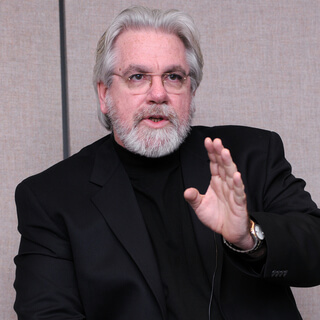
Step Beyond the Silence of Fear by Michael Carroll from Awake at Work from Shambhala Publications.
In April 2003,
Senior management at the New York Times discovered that one of their reporters,
Jason Blair,
Was consistently lying when reporting the news.
Typically,
Businesses treat egregious behavior such as fraud,
Theft,
Sexual harassment,
Or in this case misrepresenting the news,
As the occasional severe personnel problem that requires swift action.
Fire the culprit and get back to work.
Unfortunately,
Such behavior is often a symptom of a greater problem,
And this was apparently the case at the New York Times.
While the executive editor of the paper,
Howell Raines,
May originally have hoped simply to fire Blair,
Learn a quick lesson,
And get on with business,
The staff at the Times felt otherwise.
In reaction to the scandal,
Newsroom employees,
Reporters,
Editors,
And staff throughout the paper expressed angry complaints not about Jason Blair,
But about feeling bullied,
Poorly led,
Ignored,
And generally disrespected.
For many at the Times,
Blair was not a passing problem,
But a window into a deeply troubled workplace where a sense of decency was either taken for granted or lost in the rush to pursue news.
At the heart of the troubles was a very simple and painful reality expressed starkly by the executive editor himself.
Fear is a problem to such an extent,
I was told,
That editors are scared to bring me bad news.
What Howell Raines discovered in firing Jason Blair was the silent and deadly effect fear has on business.
In the end,
The scandal cost Mr.
Raines and some of his senior managers their jobs,
But the impact was far greater than a few people being fired.
What became painfully clear when the dust settled at the Times was that an entire institution known worldwide for honesty and accuracy in reporting was,
In fact,
An organization that could not be honest with itself.
A culture of fear had put into question everything that was valued and respected about the New York Times.
Of course,
There are many examples of fear overcoming organizations—E.
F.
Hutton,
Arthur Andersen,
Enron,
WorldCom,
Even the Catholic Church.
Most of us have been afraid at work at some point—afraid to lose our job,
Afraid of being criticized or embarrassed,
Afraid of being disliked,
Afraid of confronting an uncomfortable difficulty.
We usually keep our fears to ourselves.
We're not going to tell the executive editor that we feel he is a bully or say to our colleagues at a meeting,
Hey,
I think I screwed up the system conversion.
We may even pretend otherwise,
Acting tough and unapproachable rather than confused or hurt.
Generally,
Just as at the New York Times,
Workplace fear remains in the background,
Staying hidden and avoided until something breaks.
Being awake at work,
On the other hand,
Requires that we carefully examine our fears right here,
Right now.
The supervisor who hesitates to share an idea with an insecure boss,
The secretary who is troubled by a colleague's light but sexually suggestive remarks,
The board member who rubber-stamps disturbingly generous bonus payments to undeserving executives,
The sales rep who is pressured to move product that she knows lacks quality,
Appreciating the fear behind these common workplace circumstances is central to being authentic at work.
To do so,
We must first understand fear's most unmistakable feature—silence.
Ordinarily,
Silence brings to mind a peaceful setting or a quiet moment where we're free from the speed and clamor of life's demands.
But the silence of workplace fear is not peaceful or quiet.
It is the tense,
Unspoken anxiety of people unwilling to say what is really on their minds.
By simply acknowledging the pain of such awkwardness,
We take our first step beyond the silence of fear.
Of course,
To step beyond the silence of fear is not just to speak our minds whenever and to whomever we please.
Offering opinions at the right time and in the correct setting is central to cultivating Lee and being effective at work.
In order to step beyond the silence of fear,
We must first simply witness how silence conceals fear at work.
When the assistant who is rudely dismissed by his boss in a meeting becomes sullen and withdrawn,
We see the silence of fear.
When the accountant keeps her eyes down as the sales manager presents highly questionable sales numbers to the CEO,
We again see such silence.
The fuming medical intern,
The embarrassed waitress,
The room full of operations clerks with arms folded.
By noticing such hesitation in others and examining our own reluctance to speak our mind,
We heighten our awareness of workplace fear and set the stage for understanding the real difference between being cowardly and being fearless at work.
Being cowardly is to live our lives in a gnawing,
Uneasy state of hope and fear,
Fearing what might go wrong with our jobs and hoping to be safe and successful.
Rather than trusting ourselves and being authentic,
We view work as a basic threat that must be handled in order to avoid being embarrassed.
We keep our fearful thoughts to ourselves and accept the status quo no matter how dysfunctional rather than speak our minds which could possibly invite the worst.
Our instincts to be decent and authentic conflict with our anxious desire to be safe and we stress out and silently freeze up in order to protect our career,
Paycheck,
Reputation or job.
Such cowardice is shallow and pathetic and never achieves its goal in the end.
Being fearless on the other hand is to live with no guarantees.
Things not only might go wrong at work,
They will,
But we trust ourselves to do our best.
Rather than relating to work's messiness and difficulties as a threat,
We engage them from a basic stance of confidence that being who we are where we are is powerful and sufficient.
We admit that being authentic is our only option and that hiding out in the silence of fear is fundamentally pointless.
Behaving cowardly at work is not something to be ashamed of however.
To step beyond the silence of fear,
We need to admit that there is something in our lives to step beyond,
Namely that we are afraid.
By admitting our cowardice,
We express the very courage we are seeking.
When Howell Raines at the New York Times met with his employees days before he resigned,
He attempted to confront his cowardice,
Admitting,
I was guilty of a failure of vigilance and you view me as inaccessible and arrogant and I'm here to listen to your anger.
Despite his actions being too little too late,
Raines nonetheless sought to acknowledge the reality of fear and to model the possibility of courage.
As a leader,
He engaged his people in what was described as an unusually raw,
Emotional,
Incanded session where he faced work's messiness and took an important step beyond his own hard-charging style of cowardice.
Step beyond the silence of fear encourages us to be highly attuned to how denial masks fear with silence.
Particularly if we are in a leadership role,
We can speak skillfully with others about our fears and apprehensions and listen intently to others speak about their sensitive issues.
When we hear,
I could be fired for saying that or we'll get in trouble for that,
We should listen carefully and witness from the heart.
Recognizing such awkwardness in others and ourselves is central to being fearless at work.
Stepping beyond the silence of fear requires too that we be attentive to how we conduct ourselves,
Alert to any mixed messages we may send that could confuse or upset others.
Accepting criticism,
Listening deeply,
Collaborating with others,
Respecting privacy,
Discussing difficult topics thoughtfully,
And being precise in our speech,
All are part of how we skillfully and consistently build a workplace free from fear.
To step beyond the silence of fear is to deeply appreciate the suffering many of us experience each day in getting our jobs done,
And to admit that all of us are worthy to be free from anxiety and fear at work.