In this episode of the Project Mindfulness podcast,
You will learn about the meaning crisis,
Lectio Divina,
And zombies in the West.
Honest and open to all religions,
All traditions,
All ages,
And all levels of experience.
Radically accessible,
Pragmatic,
And eye-opening.
Simply for everyone.
Welcome to the Project Mindfulness podcast.
We'll take you on a journey across the globe and talk with other meditators about their practice,
The lessons they have learned,
And what they want the world to know.
Good day and welcome.
This is episode 22 and I'm Christian Netesen.
Thank you for joining us.
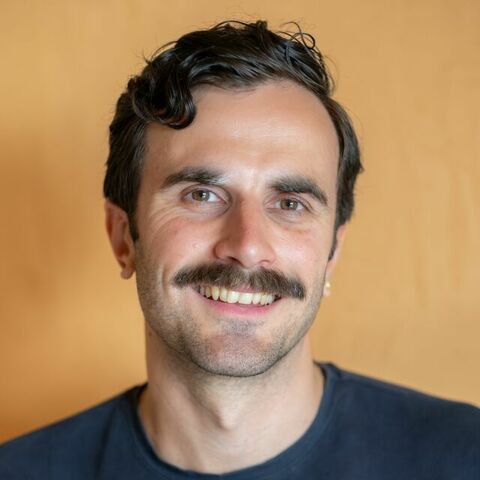
Today I talk with John Verweke,
Doctor of Philosophy and award-winning lecturer at the University of Toronto in the departments of psychology,
Cognitive science,
And Buddhist psychology.
We talk about his practice,
His journey into meditation,
His unique approach to Western philosophy,
Eastern philosophy,
And evidence-based science.
Welcome,
John Verweke,
To this episode of the podcast.
Happy to have you here.
Thank you very much for having me.
It's a pleasure.
Very cool.
So,
John,
Tell us a bit about yourself.
Who are you and what do you do in life?
So,
I'm an assistant professor in the teaching stream at the University of Toronto.
I'm 60% in cognitive psychology where I teach a lot of the courses on cognition,
And in some of those courses I teach on mindfulness as a scientific construct.
I'm also in the cognitive science program,
So I teach in both cognitive psychology and in cognitive science,
And there I do the introductory course,
But I also do a lot of work on the nature of consciousness.
And then I also teach for a minor program that's called Buddhism and cognitive science.
Well,
I'm sorry,
The course I teach in that program,
The program is called Buddhism,
Psychology,
And Mental Health,
And the course I teach in that program is called Buddhism and Cognitive Science.
And of course the topics of mindfulness,
Meditation,
Contemplative practices,
Transformative experience,
Enlightenment,
They all come up.
In addition to that,
As a way of responding to the mental health crisis and the meaning crisis that are particularly acute,
At least the mental health crisis version of it at the universities,
Especially the University of Toronto,
I teach extracurricular courses on Vipassana meditation,
Metacontemplation,
And Tai Chi Chuan.
And I've been doing that at the Multi-Faith Centre for I think now,
I don't know,
A very long time,
I think it's maybe 12 years or so.
Wow.
I've been doing that,
Something like that.
Yeah,
10 years.
It's not clear in my mind.
I haven't kept track,
But I've been doing that for a long time.
So I have a new video series out called Awakening from the Meaning Crisis,
And it tackles a lot of these issues I've briefly mentioned,
And the topics of,
As I said,
Of mindfulness,
Mystical experience,
The cultivation of wisdom,
Enlightenment that comes up in the course of that video series.
So that's sort of who I am and what I do in a way that would be relevant or interesting to your listeners.
Awesome.
Well,
It is indeed very interesting,
And it makes me wonder,
Like,
How and when did you stumble on meditation in your own life?
Okay,
So that's,
I had done a bit sort of informally when I was in high school as a kid.
I wasn't really supported by my family,
So it was sort of something I did.
I don't want to make it sound clandestine,
But I sort of did it,
You know,
Secretly,
And that sort of fell away.
And I got to university,
And by that time I was really,
In later high school and early university,
I was really wrestling with this issue of meaning in life,
You know,
And I'd been reading important,
You know,
At least some important literature about that,
Like from Manhassa,
And I'd been introduced to Jung,
And,
You know,
And then when I got to university,
I got introduced to Plato,
And then the whole topic of wisdom just came,
You know,
Just came to the fore for me,
And it's not just to the fore for me,
It went to the core of me.
Right.
And that,
And the figure of Socrates really sang to me,
And then as I went on academically,
That topic of wisdom and the cultivation of wisdom that I saw exemplified in Socrates really dropped off the table in academic philosophy.
Now,
I found that there was,
The academic philosophy had an independent value about helping me to understand,
You know,
Knowledge and argumentation and reasoning and science and culture,
And that was valuable to me,
But that hunger for the personal and transformative cultivation of wisdom and self-transcendence,
That was not being met,
And so I decided,
I gave up basically on looking for it within a Western framework,
Kind of a move a lot of people,
I expect,
Make today in the West.
I think it's a mistake,
Because I do think we have the resources within our Western heritage for cultivating wisdom,
And what's happened in academic philosophy is the topic of wisdom and its cultivation has now come back and made a very powerful resurgence,
And it's also now a very important topic within cognitive psychology and cognitive science,
But at that time there was nothing,
So I went to this place,
I was living in Pickering,
That's a place outside of Toronto,
And there was a place there,
It was a Tai Chi and meditation center,
And I was fortunate,
They taught three things,
And they sort of taught them in an integrated fashion,
They taught,
As I said,
The passive meditation,
Metacontemplation,
And Tai Chi Chuan,
And that ecology of practices and the way they mutually compensate and scaffold each other,
First of all,
Was very transformative of me,
And it made a deep impact on me,
And so I started to go very,
Very deeply into all of the practices,
And that started around,
I guess,
1991 or so,
And then much later,
About six years later,
You know,
I'd been practicing for quite a while,
And practicing very intensely,
And then I started,
I came across the work of Alan Langer,
And I started very quietly,
I think it was the first person at the University of Toronto,
I started talking very quietly,
Maybe one of the first,
Maybe Adam Anderson and Phil Zelazny might have talked about it as well,
But I was at least one of the first people to like formally start teaching about mindfulness within an academic setting,
At first it was kind of like,
Oh,
You know,
Introducing it very carefully and cautiously,
But then it just took off,
Right,
It just took off in just a major way,
And so what happened is that these two streams of my life that had departed in the early 90s came together and started to talk to each other and reinforce each other a powerful way in the late 90s,
And then that has just accelerated and grown as time has gone by.
That's amazing,
I think it's very beautiful how this,
Well,
So to say,
Philosophy and contemplation also,
For me,
They very naturally connect with meditation and mindfulness,
But as you said,
For a lot of people,
There seems to be a separation between the two,
One you sort of do,
So to say,
With your brain,
And you use it very actively,
And the other one is the opposite,
But I find that they combine very well,
Actually.
They should,
I mean,
Yes,
I mean,
Part of the work I do on wisdom is you want mindfulness in order to enhance insight and in order to prevent that propositional,
Inferential part of your cognition,
Your inner speaking mind,
From interfering too much with your processes of insight and learning to use attention to change what you find salient and relevant,
So you have to shut off the inferential processing sometime in order to enhance the insight processing and mindfulness meditation is,
And I think also mindfulness contemplative practices,
Because I distinguish between those,
But I think both of those are very powerful for enhancing insight.
On the other hand,
You need at times to,
Right,
To really protect your inferential processing from effects of salience,
Right,
And jumping to conclusions,
Right,
That insight machinery and that salience machinery can mess up your inferences,
And you can jump to conclusions and you can fall prey to conspiracy theories and all kinds of stuff like that,
And you need another,
You need a compensatory and complementary cognitive style that's called active open-mindedness,
And I think you need to cultivate both of these and you need to cultivate them in this kind of friendly partnership,
Kind of like Lenin and McCartney or something like that,
Where they're sort of competing but also cooperating,
Checks and balancing on each other in powerful and important ways.
Yeah,
So one of the two alone will cause an imbalance,
So to say,
Is that correct?
Exactly,
Exactly.
And so can that also happen with,
Like for instance,
I know in certain,
Sometimes I remember I asked some questions on a Soto Zen forum and then sometimes I was told to just sit,
And sometimes I felt like,
I mean,
I understand the intention behind it,
But then I also felt like if you just sit there,
So to say,
And not integrate all these things into your life and also actively interact with it in some way,
It feels like you,
I wouldn't say become a stone,
But it definitely seems like that for me.
If you're only doing,
Like,
You know,
Only meditation without any of these mindfulness practices and contemplative practices about insight and wisdom,
I feel that it's kind of one-sided,
So to say.
I would think so.
I mean,
Yeah,
I don't,
I,
So I'm being very cautious here because I have a tremendous respect.
I know some people,
The Zen community in Toronto,
I have tremendous respect for them.
And so I don't want to characterize Zen,
Like,
You know,
In total like that.
Right.
Yeah.
So what I would say is I have seen cases,
So now that I'm clear that I am not making this a general statement about all Zen practitioners or Zen communities.
Yeah,
I practice Zen too.
So it's,
Yeah.
You understand my concern then?
You're simply,
Thank you.
Thank you for reinforcing that.
But I have seen,
Let's say,
People using Zen as an excuse for anti-intellectualism and intellectual laziness.
And that's just,
I think that's kind of inexcusable in a very important way because,
Well,
Zen of course is enhancing very important parts of our cognition and our consciousness in ways I think that can be very,
Very beneficial to us cutting through the bullshit on our lives and the self-deception in our lives.
That there are important aspects of our cognition that,
You know,
Can also be developed and trained.
These inferential propositional,
The kinds that come to the fore when you become a very good,
You know,
Scientist,
A practitioner of science,
And that's what you do.
You practice science.
It's something you practice and it's a community you belong to.
It's not just the application of a simple method.
Yeah.
And so if you really,
There's aspects of your brain and your mind and your cognition,
Your consciousness that are developed and trained by a scientific way of thinking and investigating and questioning that are also,
I think,
Central to affording your ability to overcome self-deception.
The scientific method was designed as a psychotechnology to compensate and help us get through the ways in which we bias ourselves and delude ourselves and fall into self-deceptive ways of thinking and believing.
That's what the scientific methods are all about.
Right.
And so to ignore that or to denigrate it or to,
Right,
Or to claim that your method,
Right,
Is somehow,
You know,
Complete and comprehensive for all issues and all ways of getting at reality.
I think that's just misplaced and it borders on arrogance and narcissism.
And so,
Yeah,
It's very clear.
I'm going to repeat one more time.
I'm not saying this about the Zen community as a whole or anything like that.
I would recommend people in Toronto to the Zen Center.
I think it's a great place and a great community.
I'm talking about a particular way in which I have seen people who claim allegiance to Zen using that as a disguise for,
I think,
A kind of pernicious anti-intellectualism that does not afford the overall goal of getting us better at cutting through self-deception and into contact with what's real.
So that's what I would say about that.
Yeah,
Absolutely.
It makes a lot of sense.
I think for the Zen tradition,
There's also this clear,
You have this koan tradition where it's like,
It's not contemplative,
But in a way it's like,
For me,
I connect very deeply to it because it's the questions that drive me since I was young,
Like who am I or why do I exist or these central questions that drive you.
And I find it fantastic that they employ it in a way to break through all these biases and conceptions.
And I think one of the things that we should remember,
And this has been lost to some degree in the West,
This is an idea that I owed in two discussions I've had with Jinsun Kim,
But this is the idea that these questions that you posed,
Right,
These are not questions that you can come up with an answer to just by generating a theory.
You actually have to undergo a process of transformation.
And it's the transformation itself that in a very important sense is the real response to these questions.
Right.
Exactly.
Yeah.
And so I get,
And there are definitely times when you have to realize that this,
You know,
These questions are not problems to be solved in the sense of,
You know,
Here's an intellectual puzzle that I have to reason my way through.
These are important mysteries that have to be confronted because of the tremendous way in which we go through transformation in that confrontation.
And it's the way we are transformed that is the answer,
If that's even the right term,
The answer to these mysteries.
Like,
Look,
When,
You know,
I have a dear friend,
He's going through tremendous grief,
Loss of a loved one.
You know,
You can say all the things,
Right?
Yeah.
And he knows all the things that need to be known as propositions.
That's not the issue.
I mean,
The issue is,
You know,
One of the wisest person I ever met in my life said to me,
You know,
There's only one way through grief,
You have to grow through it,
You have to become a different person.
That is the only response to grief that really,
Really has any authenticity to it.
If you try and,
You know,
If you try and come up with platitudes or propositions or statements or claims,
It just doesn't,
It's not the deep human response to something like grief.
What the only response for many of these deepest issues is how we commit to,
If we do commit,
But how we can commit to and participate in and be transformed by going through this process of developmental change.
Right.
Yeah.
And it's,
It is a process,
But do you,
Do you believe there is an end to it?
Do you believe there is a certain state or a certain moment where you say,
Aha,
And you found it?
So this is a difficult question.
I,
And some of the episodes,
I think,
Like 9,
10,
11,
12,
A bit of 13 of my recent series,
Really,
So that's a lot of time,
Right?
That's about three and a half,
Yeah,
Dedicated to really tackling this question.
And even in those episodes,
I say this isn't a complete answer.
I'm going to have to return to it again later on in the series.
I'm just saying that as a preamble to let you know that I take this question very seriously.
I think very,
Very important question.
I think there,
I think there really is a state that we could call enlightenment.
And I think it's becoming increasingly plausible.
This is part of what I argue,
That we can come to a cognitive scientific understanding of what that state looks like and how and why it optimizes our cognition and consciousness so that we go through a developmental change analogous to the change we went through from being a child to being an adult.
I think all of that,
And that's what I argue for in the series,
I won't repeat that argument at length here,
But I do think that that makes sense to me.
I think there are higher states of consciousness that people get into that cause them to have a sense of,
An intensified sense of realness,
Both an interior sense of their true self,
Which could be understood as a no-self.
I'm not going to get into the metaphysics here,
But they have a sense of this is who I really am or what I really am.
And then they have a sense of this is what reality really is.
And what can happen in these states is it can trigger a very fundamental kind of systematic insight.
Not just an insight into this problem or this situation,
But a set of,
An interconnected set of biases and distortions they have in their life.
And what that can lead them to do is transform their self into a system of their self,
Like who and what they are,
And transform their lives in order to try and,
You know,
Break apart this systematic pattern of bias and illusion.
They start to see through that illusion because they want to keep close to it.
They want to conform to that realness that they've experienced.
And I think that when that capacity for that kind of comprehensive change,
And psychologists and cognitive scientists are studying these states and transformations more and more often,
And philosophers,
I keep recommending this to everybody,
L.
A.
Paul's book on transformative experience is just a masterpiece that everybody needs to read.
But the thing is,
When that machinery of such fundamental and deep transformation to bring us more and more into conformity with this profound realization of,
You know,
Of realness,
When that addresses some of the perennial problems that threaten our existence,
Right,
And the perennial problems of absurdity and despair,
Self-deceptive,
Self-destructive behavior,
When that higher state of consciousness leads to this fundamental transformational developmental change in a way that really,
Really helps us respond and grow through the way we grow through grief,
Grow through some of these perennial problems that beset us,
That I think is what we could call enlightenment.
And I'm doing a lot of work on that with—I'm writing a book right now with Daniel Craig and Madeleine Abrahamian and Hannah Cho.
It's called The Cognitive Continuum from Insight to Enlightenment.
And that's the core of that argument.
It's not my argument alone.
They're also helping me.
But it's also building on a lot of other people's work about these states that people can realize and the developmental change that it can afford and how it can alleviate the ways in which systematic patterns of self-deception and self-destruction,
You know,
Rob us of our agency and our capacity for flourishing.
And I think when we get that,
I think that's what we can mean by enlightenment.
At least,
That's what I would want.
Yeah,
Sure.
What I mean by that is,
See,
I'm a cognitive scientist,
And I think the project of trying to a priori define what enlightenment is,
And many people do this,
Or try and derive it from some sort of historical authority,
I'm very suspicious about these endeavors.
I'm not very confident that they'll get us what I want.
I want to do what we always often do at cognitive science.
We do reverse engineering.
Instead of trying to define what a state is,
Right,
Let's say what goals,
What problems are we trying to achieve,
What problems are we trying to solve with this state,
And then reverse engineer what kind of cognitive processes,
What kinds of transformations of cognition and consciousness and character and community would we have to bring about in order to realize.
That's in order to realize these goals,
In order to resolve these problems,
In order to confront these mysteries in an optimal manner.
And that kind of reverse engineering is how I would go about,
How I go about trying to provide an account of what I think enlightenment is.
So that's my very long and convoluted answer.
I think there is such a state,
And I think it is something that we can render scientifically understandable and investigate in a non-reductive fashion.
I know for some people that might seem threatening because it might take some of the mystery or the mystique away,
But I am,
I think,
Sorry,
I don't want to claim to any kind of identity relationship with the Buddha,
That would be terrifically presumptuous.
But what I meant is,
I think the Buddha is very clearly much more interested in the how,
How we get this alleviation of suffering,
How we recover our agency,
How we find freedom from dukkha and how we find the freedom to flourish,
Rather than coming up with some metaphysically sac,
Sacrosanct definition of what enlightenment is.
I find these definitions,
Like I say,
Almost always parochial and self-serving in some fashion.
Right.
And for me,
I connect with what you're saying about like finding out the state of the,
Let's say,
To how to get there instead of looking at the people who were enlightened and then infer from that how or what it actually exactly means.
And right now in the community,
We're reading Robert Wright's book,
Why Buddhism is True.
And Robert proposes certain aspects to enlightenment that I found very fascinating.
At first,
I had a real struggle with that,
Because as you said,
It was taking a little bit of the mystical element away from it,
Because enlightenment was a,
I don't know,
A magical word for me.
And after reading that,
It became more of a,
Well,
More defined.
He,
I think he mentioned like emptiness to be one of the parts,
No self,
Certain realization of impermanence.
But these things,
To me,
The time that I've looked into books about Zen and about other traditions,
They seem to be very clear pointing towards a certain point.
Like it,
It seems to be going to an experiential,
Well,
Just the experience of these concepts without thinking about them.
But I mean,
Thinking can be part of it.
It's not separated,
But more of a,
Yes,
As you said,
When someone loses someone,
There's an experience that you can't explain into theory.
That's impossible.
But yeah,
But the other point is true,
Right?
So the person who's going to explain to you is true,
Right?
So it's a person going through grief though,
But if we study grief scientifically,
We could actually afford people a lot of good counsel.
Not because we're giving a theory that will take the place of them going,
Like if we frame what we're doing correctly,
We're not giving a theory that will take the place of them going through the transformative change.
But we may come up with a theory that helps us give good counsel and advice for how to best through that transformation and change.
And I think that is in fact what's happening.
Like there's a lot of very good advice you can give people.
And I don't mean this in a dismissive fashion.
I mean this in a caring fashion that you can give to people going through grief because of what we're learning about what's going on in the process.
And often,
Right,
Even giving them an understanding of what's happening to them,
You know,
What's happening physiologically,
What's happening to them psychologically can be tremendously empowering because without that understanding their own states of mind can seem so alien and strange.
Right.
You're caught up in that alienness and that strangeness and that can itself be debilitating and then thwart them in their endeavors to go through the grief in an efficacious manner.
That makes a lot of sense.
Yeah.
And so talking about your practice,
You talked about tai chi a little bit in vipassana.
So what is your day-to-day practice?
Do you have a certain routine going through that?
Sure.
Yeah,
Yeah.
So I mean I usually start my.
.
.
I have manures in my left ear.
It's a disease in which the.
.
.
They don't know what causes it,
Which was the left ear.
Sorry,
In which in my case the left ear,
Which one ear or maybe two in some horrible circumstances.
The inner ear fills up with fluid.
It causes pressure and pain and ringing and just the worst verb ago you can ever experience in your life.
So it's a very debilitating experience.
So I have a set of exercises I do for that and those are sort of my warm-up exercises.
And then I do a sword form of tai chi chuan.
I do a fast striking form called the jin.
And then I do a mixture of i chuan and chi kong.
And then I do a Beijing form of tai chi chuan.
And then I sit,
I do some pranayama.
And then another set of exercises that are basically sort of more chi work.
And then I sit and I do sort of a basic vipassana.
And then I do a metta practice.
And then I do a practice called prajna,
Which is a non-duality practice that integrates the inward movement of vipassana and the outward movement of metta into a dual kind of experience.
And then I then follow that up usually with some practices,
Contemplative practices drawn from the neo-platonic tradition.
And then I bring it back all together with just some basic following the breath at the end.
And when my balance is not being thrown off by the menirs,
I'll often put some yoga into that as well.
So that's what my morning routine usually looks like.
Then I usually follow that up with Alexio Divina.
This is a way of reading where you're not reading for information.
You're learning,
It's called sacred reading,
You're learning to read a text so that it can resonate within you.
You're not seeking information,
You're seeking to resonate with the text in a way that's much more transformative.
It's analogous to the way in which you read a poem,
As opposed to the way you read a newspaper.
Right.
And so is most of this self-thought or have you had teachers in the past or still have teachers?
I had teachers,
Like I said,
For a considerable time for the Tai Chi Chuan,
For the Vipassana,
And for the Metta.
And then I mean,
I haven't had in-person teachers from some of the neo-platonic stuff and stuff drawn from the Stoic tradition because those people are largely dead.
And so part of what I've been trying to do,
In fact,
Is reverse engineer what some of the spiritual practices from our own Western history looked like and felt like.
And there's other people endeavoring to do that both scholastically and also experientially.
And I'm trying to learn from that body of work what these practices look like.
Again,
Trying to reverse engineer them.
And so I could try to understand then what these transformations were like so that when I read the literature that accompanies those transformations,
I can understand them more deeply.
It's like if you have never done Tai Chi Chuan or Qi Kong or Yiquan and you read the Tao Teqin,
You'll get one understanding and there's value to that.
But if you're doing,
I mean,
You don't even do Tai Chi,
The Chinese word is you play,
Like play music.
If you are participating in Tai Chi Chuan,
Then when you read the Tao Teqin,
It sings to you in a different way,
Right?
So I do that with,
Like I said,
With our own wisdom tradition.
So that part,
I don't have any explicit teachers in person.
I'm largely,
I'm hoping I'm not doing it autodidactically.
There's a bunch of people I talk to who have similar interests and are engaged in cinema projects and are also educating themselves on it.
And like I say,
I run experiments connected with this in the lab I have at the University of Toronto.
So I'm trying to do everything I can for some of these practices,
For which I don't think a teacher right now could be found.
Right.
No,
That makes a lot of sense.
And so the reading of a text,
Like a poem,
Could you shortly,
Like,
If you had to guide me to do that,
What would you advise how to approach that?
I would recommend first getting,
There's a book,
There's some really good books to introduce you to Lectio Divina.
One is called,
Oh,
I can't remember the author,
But I think it's called The Art of Sacred Reading.
And then what they do is they can go through the practice.
Now,
Most of the people that do this,
Are talking about it,
Do this from a Christian tradition.
And you can take that for what you want,
How you want to take it.
I'm neither promoting nor denigrating Christianity here.
And I think we do owe a lot to Christianity for preserving at least some of the important spiritual practices for wisdom cultivation in the West.
But I think those,
And I hope this is not meant to be taken to be disrespectful,
I know it wouldn't be disrespectful for some of the authors,
And then you can learn to transpose that style of reading to sacred texts from other wisdom traditions,
Which is what I've done.
And as,
Like I said,
I'm particularly interested in using that for the Taoist,
The Buddhist,
And especially right now with the Neoplatonic traditions.
So I would recommend getting those books.
I would recommend having the corresponding set of practices.
So learning to read the text as Lectio Divina is a technique in its own right,
A psycho-technology in its own right.
But that should be set into an ecology of practices that give you actual existential access to the worldview that those texts are living within.
So like I said,
If you're going to do Lectio Divina on the Tao Te Chien,
Learn how to do Lectio Divina,
But then also you need to be doing something like Tai Chi Chuan,
So that the combination of the two will then really get you to the depths.
Because when the monks were practicing Lectio Divina,
They weren't just doing the reading,
But this was set into a community within a monastery of prayer,
Contemplation,
Of meditation,
Of discussion,
And so forth.
That would be how I would recommend how you get that started.
So tying into that,
I had a question from one of our listeners who said,
In your current lectures,
Awakening from the Meaning Crisis seems to bridge Western philosophy and evidence-based science with Eastern spirituality.
Is that an accurate representation of your work,
He asked?
Oh,
I hope so.
I hope so.
I mean,
One of the things I really want to do,
I mean,
It's made an explicit goal,
Is to use the methods of cognitive science,
Which is a method of bridging between various disciplines like psychology and machine learning and neuroscience and philosophy and linguistics,
Use that ability to bridge between discourses,
To bridge between a scientific understanding of the kinds of processes,
Cognitive processes,
Altered states of consciousness we're talking about here,
And the spiritual traditions that gave us sets of practices and psychotechnologies for bringing about these transformations in consciousness and cognition and character and community.
One thing I would make,
So the answer to that is a very strong yes,
But I would put one modification into it.
I think it's not only the Eastern spirituality I'm trying to bridge with the Western science,
Which is very accurate,
And I was deeply influenced by the Kyoto School in that,
You know,
The work of Nishita and Nishitani and Masoabe,
Tanabe,
People like that.
But I would add one more point.
I'm also trying to bridge between the Western science and,
As I would say,
Our own traditions,
Largely the neo-platonic tradition within the West of how,
Again,
Sets of,
You know,
Practices,
Ecologies of psychotechnologies were created by which wisdom,
You know,
Transformation,
We're guided and cultivated and supported and scaffolded for a very long time in the West,
And I want to recover that for people as well.
So I actually see myself as trying to bring these three things into,
I hope,
A really important bridging relationship,
The Western science,
The Eastern spirituality,
And then the Western spirituality.
Right.
Yeah,
It makes a lot of sense.
I mean,
When I read,
Oh God,
I always pronounce the names wrong,
But if I say it right,
Zhuang Tzu,
I think it's definitely pronounced different,
But one of the founders,
Or at least one of the main people for Taoism to rise up in history,
He,
The way he approaches nature and the lessons he gets out of them,
Like when I read Darwin or about Darwin,
I get so much,
I feel so much connection between these two,
Because they both,
In a contemplative way,
Went into nature to observe and study what was happening and got a lot of insight from that.
And I feel,
As you said,
That there sometimes is now a movement either to only Western and it's more like straight evidence,
You know,
It's all about,
Or it's this Eastern approach where,
As we talked about earlier,
There can be a certain anti-intellectual mood.
And I feel that the bridging of those,
It's so important.
I think that's what we need.
I think that's,
I mean,
This sounds pretentious,
I guess,
But I think that's what the world needs,
Right?
I think the idea of the single way is something that is not going to stand up to the kind of world we are now in.
And so that's why I think,
That's why,
Again,
I mentioned it,
That's why the Kyoto School,
The Kyoto School took it on as a project to integrate between Zen Buddhism from the East and continental philosophy from the West.
And I think one of the most profound books I've ever read in my entire life,
Religion and Nothingness,
Is by Nishitani from the Kyoto School.
And that's just been a profound and constant influence for me,
Almost as deep as Plato has been for me.
And let's remember,
Let's remember,
The Zen tradition itself was born out of an integration,
Right,
Of,
Right,
A form of Buddhism moving into China and meeting Taoism,
Meeting with Taoism,
And then Chan Buddhism,
Which was born out of that,
Then migrated to Japan and integrated with aspects of the Shinto religion there to produce Zen.
Like,
This is what I mean.
Yeah.
Right.
It has always been a case of this of this attempt to bridge and create,
You know,
More extensive ecologies of practice.
That's always been the case.
And to pretend otherwise,
I think,
Is to be ahistorical and anachronistic.
Like,
I want to be clear.
I'm criticizing people who make these kinds of parochialism claims.
That's different from another individual who I do not want to criticize.
I can understand many individuals,
Right,
Who say,
No,
I found a home in Zen,
And Zen is what is working for me.
And yeah,
It's going to be,
I am not criticizing those people at all.
Of course,
Of course,
Of course.
Right?
Yes.
I'm talking about people who present,
Right,
Anything as this is,
You know,
The sole single path.
I don't even like that in the martial arts.
I mean,
The reason why the MMA people keep kicking the asses for people who are purists is precisely because of this,
Right?
Having an ecology of practices that have relationships of mutual support and complementarity makes you just a better practitioner than somebody who's a purist.
I think that's very,
Very clear now.
Yeah.
And that's just natural adaption to the environment and to.
.
.
I think so.
I think so.
I think so.
I mean,
That's,
And one of my criticisms of the way the West,
I think,
Is misappropriating mindfulness.
But remember that the Eightfold Path has right mindfulness in it,
Which means wrong mindfulness is a possibility,
Right?
Right?
Like,
You have to take that seriously,
Right?
But one of the things I don't like is the way that mindfulness was actually a whole ecology of practices captured in the Eightfold Path,
Right?
There were meditative practices like the Pasana,
There are contemplative practices like Metta,
Or,
You know,
The Three Marks of Existence.
There are ethical practices for cultivating character.
There are,
What I think,
Are something like philosophical practices,
Reflective practices of right understanding,
Right?
All of this,
Right,
All of these different ways in which mindfulness and the cultivation of wisdom were set into,
You know,
This living system,
This ecology of.
.
.
All this has been reduced to a single practice of sitted meditation and following your breath.
And I think that's a mistake.
I mean,
And I was very fortunate in that I wasn't taught a single practice,
As I said.
I was taught the Pasana and Metta and Tai Chi Chuan and that ecology and the way they work together,
Right?
The way they compensated and counteracted and balanced each other and the way they complexified together to produce something emergent beyond each one of the components,
That has stuck with me as sort of a profound insight that I think should be central to our understanding of things like mindfulness.
Absolutely.
From time to time,
I read someone saying that meditation doesn't work for me,
And then they describe that they,
You know,
Do the sitted practice and they don't reap certain benefits.
And I always,
Yeah,
I always feel like,
Yeah,
Okay,
But you know,
You can't just expect one to do one thing and then have your whole life transformed.
That's,
Yeah,
It's not a miracle drug.
No,
No,
And that's exactly,
I think that's exactly it.
I mean,
Part of the problem is,
Right,
You can also fall into the Einstein kind of effect.
This is,
You get something that solves certain problems and then you stick to it with all your problems,
Right?
That,
You know,
Meditation can,
You know,
Address a lot of problems,
Can block you from,
For example,
Taking up some contemplative practices or some moving mindfulness practices that help to conduce getting into the flow state,
For example,
That will help you address a whole other set of problems that the seated meditation is not optimal for responding to.
Right.
Yeah,
That makes a lot of sense.
I also want to dive into another question from one of our listeners.
He asked,
Please,
I'm very interested in any questions your listeners might have.
Cool.
Yeah,
This,
He asked,
Many of our listeners,
Well,
I suppose about the podcast,
Are meditators with long-term practices,
But we are aware of the current trend to hack or shortcut process.
Is there a way to do this in the quest for awakening?
There's a resurgence of interest in psychedelics.
Do they provide the way to shortcut the process?
So,
I mean,
I just,
I was just reading a report,
A scientific experiment today.
I'm going to go over it more carefully,
So please take that under advisement.
But yeah,
Where,
You know,
That psychedelics in combination with mindfulness practices seem to lead to more extensive and more permanent transformations in brain functionality.
So,
Is the reason to believe this might be the case?
Yes.
However,
And this is very important to say,
The way in which,
The way in which we should approach these psychedelics has to be,
Has to be much more reflective.
We shouldn't think of the drug per se as bearing the capacity for bringing about the change we want.
I mean,
If you look at the research,
Right,
It's a synergistic effect.
It's the,
What the psychedelics do is basically just get parts of the brain talking to each other that aren't normally talking to each other and sort of altering the patterns of dominance in what brain areas are active or not.
And this is just an opportunity,
Right?
That can as much afford you spiraling off into self-deception,
Helping you to leap into enlightenment.
So,
What's happening in the psychedelic revolution is more and more,
I mean,
When you hear the stories of,
You know,
The psychedelic experience,
You know,
Alleviated person from,
You know,
They had,
They did one thing of psilocybin and they were alleviated from their addiction to cigarettes,
Which has happened by the way,
Or,
You know,
You've got treatment resistant depression and the psychedelic.
When you have to read those reports,
It's never just the psychedelics.
It's always a psychedelics in conjunction with therapy or in conjunction with something else,
Right?
Right?
It's,
It's,
So rather than seeing it as a shortcut,
I think what you should do is think about,
No,
Instead,
Right,
The ecology of mindfulness practices can provide a very needed framework,
Not just mindfulness practices,
But I'm just using that as an example,
Right?
This ecology of practices can provide a much needed framework around these experiences and help them,
Help steer them in the right direction.
So I'm hopeful,
For example,
That an integration of mindfulness practices with therapeutic practices with psychedelics might give us some very powerful tools for therapeutic intervention in people's lives.
Do I think it's a shortcut?
I don't think so.
I mean,
I would strongly,
And I'd have done this explicitly in talks,
Right?
So your listeners can go and look at some of these,
But I would strongly recommend that you do not take psychedelics unless you have situated them into a context where you have a committed community of practitioners in a lot of these psycho technologies who can give you both guidance and corrective feedback.
And only within that context should you consider experimenting with psychedelics as a way of trying to enhance the mindfulness.
Think of it more synergistically rather than thinking of it as a shortcut so that you don't have to do the long-term practice.
I think that's a misframing of it in a very important sense.
I've tried to address that.
Right.
Makes a lot of sense.
It's also what we talked about before,
How only meditation won't solve all your problems.
And so psychedelics is also not the magical drug that can heal.
Nothing is.
We have to give up the magic bullet.
We have to give up these two tendencies we have.
You see it everywhere.
You see it in the diet industry,
Right?
In many areas,
What we do is we pick the thing to demonize or we pick the thing to divinize,
Right?
Oh,
This is the faculty of my cognition that is always going to give me the truth.
There is no such faculty.
There is no such practice.
And neither is there some aspect of you that is always the source of self-deception.
Your intellect can be the source of self-deception.
Your meditative practice can be a source of self-deception,
Right?
Stop demonizing and divinizing particular practices,
Particular cognitive processes.
But where does it come from?
Does it come from a quest for permanence?
Is that sort of the thing that we want?
Really good question.
I mean,
I suspect part of it is,
You know,
A quest for a very simple solution that often gets confused with an elegant solution,
Right?
Yeah.
The same thing.
A sort of bottom line mentality that is reinforced in the West,
Even though there's no good evidence that this is even a way to run your economic affair as well.
So,
Yeah,
I think there's that.
I think there's the commodification of things.
If we could hold something up as,
You know,
The one true way,
Then it's easier to,
You know,
Sell you either products or ideas.
I don't know.
I'm just sort of thinking off the top of my head.
I think it's probably a constellation of those factors that drive us towards this kind of existential laziness.
I mean,
I don't want to be harsh.
I think that's what it is.
Yeah.
I think we have to be.
.
.
One of the things that tends to make us irrational,
And I don't just mean illogical,
One of the things that makes us irrational is falling prey to that kind of cognitive laziness and existential laziness.
And so for the technology side,
Something like a neurofeedback and these kind of things where the brain sort of can be,
Well,
Not rewired but in a way retrained,
And you see slowly this combination of neurofeedback coming up with meditation and people learning how to meditate based on the measuring of their brainwaves.
Do you think that is something.
.
.
Because it sounds like a hack,
Right,
That you can basically trick your brain or rewire yourself to get into these states faster because you basically reward or punish yourself with a certain sound so to indicate you're not going the right way or.
.
.
Yeah.
So I want to respond because I think there's different things to be said about different technologies.
I think a lot.
.
.
I've been on the inside and I've talked to people on the inside.
So I think most of the meditation apps are largely bullshit.
I mean,
The reason I say that is because the science isn't there for the technology.
I'm in the science.
I'm in the science.
I know.
.
.
Like,
If you were to tell me I have worked out the cognitive processes in mindfulness,
I've worked out what changes in consciousness are occurring,
And I've worked out how that's going on in the brain such that I can reliably measure all of this,
Then I would have said,
I need to see all of that scientific research first.
I don't know of it,
Right?
It's not there,
Right?
And pretending,
Isn't that what it is?
Pretending that it is there,
I think,
Is a very worrying thing to do.
Now,
If people are using these things and it's sort of helping placebo them,
Right,
And it's measuring some things that might be contingently related to certain aspects of a certain kind of one single kind of mindfulness practice,
Meditation,
Right,
Then perhaps.
But I'm generally very suspicious of this for the reason.
I don't see the science there.
I'm a little less suspicious of things like transcranial direct current stimulation and the potential of integrating that with mindfulness practice.
This is something I also sort of guinea pig on myself.
There's a lot more sort of scientific research.
It's more than preliminary,
But it's nowhere near consensus,
So try to take it in that sort of status.
But there's increasing evidence for the effects of TDCS and the possible combination with certain kinds of different kinds of mindfulness practices and how they can,
Again,
Enhance each other.
I've found that if I combine some TDCS,
Different montages with different mindfulness practices,
I can get a kind of enhancement effect.
And I tested that by sort of using it,
Non-placebo effects like what are called end-back tests and certain more objective tests on working memory and things like that.
So that's to be very clear.
I'm not claiming to have established anything.
Please do not take that.
I'm claiming as a much weaker claim that I regard the idea of TDCS in combination with mindfulness practices as a plausible thing worthy of more serious study.
Yeah,
I take that much more plausibly.
Right.
All right.
Well,
I think that answered my question.
And I have another question,
Which is,
Is it right to say your book Zombies in the West argues that the popularity of the zombie genre and its ugliness reflects the contemporary West and its anxiety,
Alienation,
Disconnection,
And disenfranchisement?
Sorry,
I have to pronounce it.
Disenfranchisement.
Is this the meaning crisis?
And if it is,
How do we escape?
Yeah,
Yeah,
Yeah.
Well,
Yeah.
I mean,
The book I wrote with Christopher Mastapriatro and Philip Missevik,
The zombie book that you mentioned,
It's just the beginning of a set of four books that are coming out on this.
But yeah,
I mean,
And that's what the whole of the video series is about,
Awakening from the meaning crisis.
I think we see a lot of symptoms of the fact that people are feeling a kind of,
As you said,
A kind of alienation,
Absurdity.
They're feeling radically disconnected from themselves,
From each other,
From the world.
And so there's a,
And I'm using this word in a technical sense,
Derived from Harry Frankfurt,
There's a pervasive sense of just more and more bullshit and that most of our institutions are in some sense breaking down,
Not operating properly.
People are suffering an increase.
I couldn't believe this.
I just read it on the news the other day.
Do you know that childhood suicide is spiking in the United States and probably also in Canada?
This is not adolescence now.
These are kids who are turning.
That's crazy.
Right.
And so,
Right.
And you see that.
You see the increasing turn to violence.
And I don't mean to be insensitive here.
So this is really important to me.
I'm not going to be sensitive here.
So this is really important to me.
I really do care about and sympathize and empathize with the people who suffer these heinous acts.
So I'm not putting that aside to make a theoretical point.
But the point I want to make is the fact that these people almost always want to attack like churches and mosques and synagogues and schools.
They're attacking the wisdom and knowledge.
They're attacking the meaning-making institutions in our culture.
And I think that is not something we should ignore.
I think that's telling about how deeply frustrated people are with the meaning aspects of our culture,
The proliferation of conspiracy theories and the effects of social media.
But I would also point out that other symptoms of the meaning crisis are some of the things we've been talking about here.
I think the mindfulness revolution is a response to,
Right?
A cultural response to the meaning crisis.
I think the psychedelic revolution is a response to the meaning crisis.
I think the revolution that's occurring,
Right?
What's called the authentic discourse,
The authentic dialogue revolution that's occurring.
And I've just become more and more aware of this.
And all these various groups that are attempting to set up communities of practice for the cultivation of the meaning system.
And I'm just getting to meet all these people more and more.
All of this is happening.
That's also a response to the meaning crisis.
So I think there's both negative and positive symptoms that could be understood as our culture is really suffering from a meaning crisis.
And I think the zombies are what we argued,
What Chris and Philip and I argued in the book,
Is the zombies are our sort of current mythology.
When I use the word meaning,
A false fable about the past.
I mean,
Myths are symbolic narrative ways of trying to articulate really deep problematic patterns that we have to confront.
And I think the zombies are mythological representations and expressions of the meaning crisis because they have all of these features that just point to the meaning crisis in powerful ways.
And so the whole point of these discussions that I'm having with you,
Such wonderful discussions with people I get to meet and the video series,
Right.
And let's be clear,
I'm not claiming to be the only person working on this.
The whole point of this is exactly to try and get people to understand what this meaning crisis is,
All right,
Both historically and scientifically,
And then also understand what can we salvage,
What can we transplant and regrow from these wisdom traditions so that we can cultivate a new ecology of practices that are directly engineered to be responsive to the meaning crisis so that we can awaken from it in a way that will alleviate a lot of this suffering and perhaps give us some guidance towards how we can reconnect with a pathway,
I should say,
Both individually and collectively for seeking a flourishing way of life.
Right.
And so how central is faith to that,
If at all?
Well,
It depends what you mean by that term,
Right.
And so part of what I think,
And this is what we argue both in the book and what I argue in the series,
Part of the meaning crisis is the way that term has been altered to be equivalent to belief.
We even use the terms interchangeably,
And we talk about religions as beliefs,
Right,
Or systems of beliefs.
Right.
That the core of a religion is to assert a set of ideas so that religions are ultimately ideologies.
And I think that's a mistake.
I think if you pay attention to some of the people that have a deep influence on me,
Stephen Batchelor's work,
Right,
How he's progressed through and beyond Buddhism,
Precisely because he wants to reject that notion of faith as belief.
That's why he wrote the book Buddhism Without Belief and now After Buddhism.
Or you can think of Kars' beautiful book,
The Religious Case Against Belief,
Where he's trying to argue,
Right,
That understanding religion in terms of the assertion of beliefs is a mistake,
And arguments I myself make that are consonant and convergent with those.
I think if we understand faith as the assertion of beliefs because of some movement of the will,
Some irrational movement of the will,
You know,
I think that's a mistake.
Right.
But there's older notions of faith.
And,
You know,
If you go back to the,
You know,
The Hebrew notion of da'ath,
Right,
Or,
You know,
This idea of faith as participating in,
Right,
A course,
Right.
So you sense that you're within a process that you are changing as it's changing you,
Right,
And your deep religio,
That might be one of the etymological origins of the word religion,
Which means a connectedness,
A bonding,
Your religio,
Right,
The way that process permeates you and you indwell that process.
And so you can sense the course of things,
The way you can sense how your relationship is going,
That sort of,
That participatory sense of the course of things.
If you,
If that's what you mean by faith,
And I think faith is integral to this because that sort of aspirational sense of belonging to and flowing with the course that I'm on,
I think is very,
Very important for people,
You know,
Engaging and committing to a long-term path of developmental change.
I mean,
You know this,
Right,
You're in a relationship with somebody,
Right,
You're participating in the relationship,
You're changing the other person as they're changing you and the relationship itself is changing out of that.
And you're sensing how that is going,
The course of that,
And you know,
When transformation is needed and when stability is needed.
And of course,
This is a very difficult and tricky thing to do,
But as you get better,
Right,
At sensing that you get better at being able to,
You know,
Have a kind of trust and a sense of participatory flow with the course of relationship.
And that's the kind of faith I'm talking about,
That ability to deeply trust your partner and trust in the relationship.
I'm very fortunate to be in such a relationship right now and having that kind of sense,
Having that kind of participatory trust,
If that's what you mean by faith,
Yes.
If you mean the assertion,
The willful assertion of beliefs without good evidence,
Because of certain biases,
Or certain things I want to be true,
Then no,
I don't think faith is important.
Yeah,
Yeah,
Makes it makes a lot of sense.
And looking at your current series,
And I think I believe you stated that it will run to 50 episodes.
We're currently at episode 11.
Can you give us an episode 13?
We're at episode 13.
Oh,
My.
I suppose.
Yeah.
13 was released today.
Ah,
Awesome.
All right.
So 13.
Well,
Can you give us an indication of where it's going?
Like where?
Yeah.
So we get up about,
I think,
Literally halfway through 25.
And that finishes the historical analysis.
I'm tracing this history all the way through the entire genealogy.
Well,
Sorry,
That's a little,
That sounds too pretentious.
But at least a comprehensive account of the genealogy of the meeting crisis and all the historical factors and forces that have led to it.
Right?
Now,
Along the way,
I'm doing tons of cognitive science,
Right?
Now,
What happens is it flips,
Right?
And what happens is the cognitive science from episode 25 on becomes foregrounded.
And we start doing much more of the cognitive science that's already been,
You know,
Prefigured when we were doing the historical analysis.
That comes to the core.
And we really dig into,
You know,
The cognitive science of what is this meaning-making machinery?
Well,
How is it related to the cultivation of wisdom?
How is it related to these transformative experiences?
How it related to altered states of conscience?
And all of that gets now foregrounded,
Right?
The cognitive science gets foregrounded.
And then the history then serves,
Right,
As a foil.
And so what you've got,
Right,
Is you've got the two arguments.
And the intent is the historical analysis is supposed to give us an understanding of how we're in this cultural historical situation we're in.
And the cognitive scientific analysis is supposed to help us understand,
Right,
The cognitive machinery of meaning-making,
Self-deception,
Wisdom,
Self-transcendence,
And,
You know,
An understanding of what kinds of psycho technologies can intervene in those perennial problems and afford those kinds of perennial transformations that we seek.
Right.
The idea is to,
And then,
Is to have an integration between that historical analysis of the historical forces and then a cognitive scientific analysis of the underlying cognitive processes and problems,
And then integrate that all together.
And then I plan,
After that,
Along the way and after that,
I'm also going to,
I'm going to have a series of interviews and discussion with people who are responding to the meaning crisis and what they're actually doing feet on the ground to try and create real change in people's lives for addressing the meaning crisis.
And then I'll probably also,
In conjunction with that,
Introduce,
Do some instructional videos.
I have a few out there,
You know,
Some basic meditative practices,
Contemplative practices,
Dialectic practices,
Movement practices,
Etc.
Right.
Okay,
Well,
Very interesting.
I'm looking forward to hearing and seeing those.
And to sort of ask you the last question in this episode,
What would you give as an advice to anyone listening right now to the podcast who is probably either practicing or is looking into practicing meditation and mindfulness?
I would,
Well,
I mean,
People come to it for very different reasons.
I would recommend you find a place,
First of all,
Don't do it in an autodidactic fashion.
You need to learn this from people in the community of people.
If you can find a community that teaches an ecology of practices,
One of the reasons,
For example,
I would recommend the Zen Center in Toronto,
Not exclusively,
But one of the reasons why I would recommend it is because I know they're teaching,
You know,
Zazen sitting,
But they're also teaching classes on meta,
Right,
And how those could be integrated together.
Look for a place that really emphasizes the path and provides you an ecology of practices for trying to follow that path and a scaffolding community that you can belong to to help give you some,
You know,
Corrective constraints,
So how you can avoid pretty prototypical patterns of falling into self-deception that we can get into when we undertake to learn mindfulness practices.
Right,
Right.
Thank you so much for that advice and I'm also very interested to take a more,
Well,
I don't want to use the word holistic approach,
But it's a unified approach to living daily life and doing whatever we are doing together with meditation,
With mindfulness and contemplation.
And I think that's very inspiring how you talk about that and I'm sure a lot of listeners will learn a lot from that,
So to say.
So thank you so much for joining me today.
Thank you very much.
Great to have you.
It's been a great pleasure and I really,
It is my sincere hope that I can provide some help,
Guidance,
You know,
For your listeners as they practice the cultivation of wisdom.
If you enjoyed what John talked about,
Make sure to check out his YouTube channel mentioned in the description of this episode.
Shout out to our Patreons Jay,
Greenheart,
Candace,
BeeBait,
Kat and Benjamin.
Thank you very much for supporting us.
We are currently streaming daily meditation on Twitch,
So make sure to give us a visit at twitch.
Tv slash project mindfulness.
Remember to subscribe to our podcast if you enjoyed this talk.
Thank you for listening and have a great day.