My experience of mindfulness,
It's something that's natural.
It's something that we've always had and that we always will have.
But there are lots of reasons why we lose it.
Honest and open to all religions,
All traditions,
All ages,
And all levels of experience.
Radically accessible,
Pragmatic,
And eye-opening.
Simply for everyone.
Welcome to the Meditation Mind podcast.
We'll take you on a journey across the globe and talk with others about their practice,
The lessons they've learned,
And what they want the world to know.
Today in the podcast,
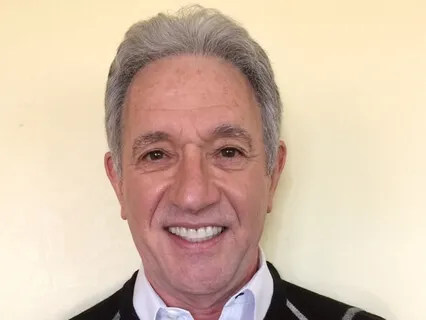
We welcome Paul Sugar.
Paul completed the advanced mindfulness-based stress reduction teacher training in 1994 at the Center for Mindfulness,
Pioneered by John Kebad Zinn at the University of Massachusetts Medical School,
And is a certified MBSR instructor through the Mindfulness-Based Professional Training Institute at the University of California,
San Diego.
In addition,
He's a mentor for the MBSR certification candidates there.
And Paul is also a mentor for MBSR certification at the Center for Mindfulness Studies in Toronto,
Canada.
He worked with MBCT,
MBPR,
But I reckon,
You know,
We just get into the podcast and get to know Paul.
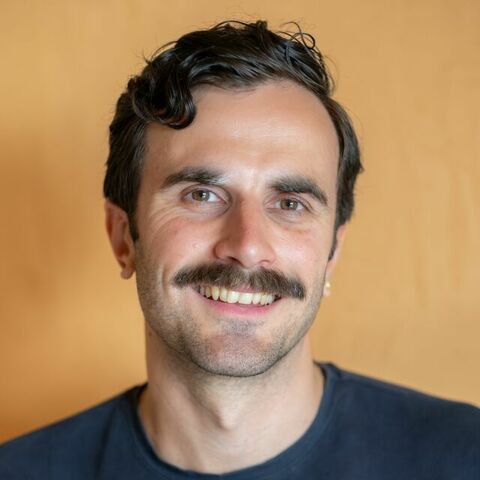
Paul,
Welcome to the podcast.
Well,
Thank you,
Christian.
I appreciate being here.
The first one of the first things I wonder when we have a guest on the podcast is how did you end up discovering mindfulness and meditation in your life?
Let's see that that probably started in 1969.
And I was having some very stressful issues going on there related to my fear of dying.
I was just graduating college at that time,
And a lot of things were coming to a head.
And one of those things was my fear of dying,
Which I was coming to the conclusion that I had been born with this fear of dying.
But by the time I was graduating from college,
It was really coming to a head and I knew that I had to deal with it.
So as it happened,
I was attending summer school at Syracuse University.
I had graduated there,
But I was taking a class that I needed to take.
And I had just gotten back from Woodstock,
Believe it or not,
Because Woodstock was right down the throughway from Syracuse.
And when I got back from Woodstock,
I connected with an old friend who had joined a combination meditation group in Syracuse.
It was a combination of yoga and meditation and Kabbalah,
Kabbalah being the esoteric tradition of Judaism.
So I started attending these classes.
I had explained to my friend that I was really having these troubling issues with the fear of dying.
And she told me that a lot of those existential issues are dealt with in this group where they really drill deep into the yoga tradition,
The Kabbalistic tradition,
And all the various meditation traditions.
So that's really how I began my exploration,
Being driven into it by that intense fear of dying.
Interesting.
So in that sense,
The suffering brought you to possibly the enlightenment of the suffering.
Yes,
Exactly.
Exactly.
And so from there,
From that group,
Did you find answers to that fear of dying or did it work out?
Like,
Did mindfulness have a sort of answer to that fear?
Yeah,
Yeah,
It did.
And of course,
Mindfulness,
It was really a three-pronged approach.
It was yoga,
Kabbalah,
And mindfulness combined.
We also did study the other traditions,
But in practice,
Those were the three that we were using.
Those were the three that we were using.
And yes,
I was very fortunate in that almost as soon as I started practicing,
And at the time,
What happened was I sort of shifted away from the yoga tradition and was emphasizing the Kabbalistic tradition combined with mindfulness.
And I started having the most amazing experiences,
Which you might call them out-of-the-body experiences,
Visions,
Lucid dreams,
Things like that.
I was having these experiences in meditation and in the dream state and so forth that were just rocking my reality,
Making me question everything that I had believed up to that point.
And of course,
The thrust of my particular search was investigating,
Exploring what happens after we die,
Because to me,
That was what was going to answer the fear that I was having.
So for me,
I was always plugged into,
Hey,
I need some experiences that are going to tell me what happens after I die.
And so subsequently,
What happened was I went in that door,
But then as the door opened,
It broad-based and I started getting experiences that went way beyond answering my questions about dying.
And lots of visions,
Almost biblical in nature,
Stuff that you might read in the Bible.
And then I started having experiences where I was attending a class out-of-the-body.
So I would go to sleep and then I would wake up in my dreams and then sort of be ushered into these classrooms and discovered that the subject of my dreams was the subject matter in these classrooms were everything having to do with consciousness and cosmology and things like that.
And I met lots of other,
I hesitate to say people,
But we'll call them people for now.
I met lots of others in these classes and had lots of different kinds of lectures from different traditions from here and there.
And then that seemed to be like my major thrust those classes.
But then I had my minors,
Like giving the college analogy,
My major in college,
My minor in college.
So my minor in the classes was learning how to die.
So after class,
I would go into my own particular experience where I would practice dying.
And so what would happen was I would die in different ways.
Usually,
Well,
I had a lot of deaths where I would die in an atomic explosion.
And then I had some deaths where I was shot and some deaths where I was killed with an arrow or spear,
Things like that.
And in the end,
And in the beginning,
I had a very hard time sustaining the experience because the fear overcame me.
And then though with practice,
As I kept practicing dying,
I got much better at it.
The fear started to go away.
And then I was able to remain conscious through the whole dying experience.
And as I was able to remain conscious,
I would go into the white light and then pop out the other end.
And when I popped out the other end,
I was,
For lack of a better phrase,
I was out there in the universe,
Sort of flying around,
So to speak,
Transporting myself from one place to another,
Exploring planets and stars and different dimensions from the planets and stars.
I mean,
It just went on and on and on.
And these classes went on for me for about 20 years.
So I practiced plenty of dying and also learned a lot in the main classroom.
And all of which spurred me to have lots of other experiences as well,
Exploring different time zones and civilizations and little things like learning how to breathe underwater.
It was interesting.
I went through a sequence of learning how to breathe in a small pool.
And then I graduated from that to lakes where I would learn how to breathe underwater in the lakes and then finally graduated to learning how to breathe in the ocean.
And of course,
All of that has its own symbolism.
But in the meantime,
What I discovered was through these experiences in my waking life,
The fear of dying was gradually going away.
So over this period of time,
It was actually making its way into my body,
All of those experiences.
And so that fear of dying gradually went away completely.
And then within a year or two,
I was teaching this combination of mindfulness and kabbalah and meditation,
A little bit of yoga as well.
And I kept,
So I continued teaching in that particular way.
I sort of came up with my own curriculum for that.
And then in 1993,
I met Jon Kabat-Zinn,
Who pioneered the eight-week mindfulness-based stress reduction program.
And I was very impressed with what he had developed over there at the medical school at the University of Massachusetts.
And it was very much along the lines of what I thought would be the best way to approach and present the practice of mindfulness.
At this point,
I had pretty much gone through my kabbalistic studies to the point where I felt like I was satisfied from what I had gotten from kabbalah,
As well as yoga and all the other kinds of meditations that I had practiced.
But I saw mindfulness the same way Jon did,
That it should be and could be part of mainstream healthcare delivery system.
And so I studied with Jon,
I went through all the training with him and went through the advanced training as well and started teaching the eight-week MBSR program,
Mindfulness-based stress reduction program in 1993,
And have pretty much stayed on that path since then.
And so the classes that I teach are of course informed by all of those experiences that I had over the years,
Including my background with kabbalah and yoga and the other types of meditation,
But it sticks pretty closely to the curriculum.
And so even when I'm not teaching the eight-week mindfulness-based stress reduction program,
If I'm doing an abbreviated presentation or retreat or something like that,
It's all based on the eight-week program,
The curriculum that Jon developed.
And as so many of us know out there,
That program has really become the gold standard for the delivery of secular mindfulness throughout the world with a robust number of research studies behind it.
I think there's well over 6,
000 studies worldwide right now,
And I've done some of the studies myself.
I did one of the early studies in mindfulness in the schools,
But these studies really touch on almost anything you can imagine in the field of health and wellness and consciousness and things like that.
It touches on all of those points and really shows the advantages and the effectiveness of that MDSR program.
Right.
And that's why I've stayed close to it because I do like to teach evidence-based programs,
Even though there's plenty of good stuff out there that's not evidence-based yet,
A lot of which are not evidence-based yet,
A lot of which of course I've experienced myself.
And science hasn't gotten around to the kind of experiences that I've had.
But I do believe that at some point they will,
That really all of these things having to do with consciousness will eventually be able to be measured and be predictable and so forth and so on.
Right.
I mean,
It's an amazing story,
But I wouldn't say it's a duality,
But it seems like there's two parts to that story,
Which one side is more like mystical as a taric,
And then there's actually the part that is science-based,
Secular.
And how did that switch happen?
And did you find it hard to basically,
Because I can imagine,
I don't know if that's true,
But it sometimes feels like you have to hold yourself back.
Is that true?
And how did you experience sort of this switch between these two sides of mindfulness?
That's an interesting insight.
Can you say that again about holding myself back?
Right.
So the things you've experienced through,
I would say,
This,
You know,
Kabbalah and yoga and these different types of meditation and the visions you've had,
I can imagine when you work with a class in MBSR,
Doing the curriculum,
It has a rather linear way of working and it's all very,
You know,
Science-based,
Very secular.
And I've done the program myself once.
It's very useful to present to a Western audience.
While the things you've experienced before that seems to,
You know,
If you tell that to a Western audience,
A lot of people would be like,
This goes over my head.
I don't know what to do with this.
And so when you teach MBSR,
Did you feel like you had to hold sort of this part of you back that is almost more esoteric,
A little bit the unknown or the,
You know,
Unexplored part of meditation?
Yeah.
So the answer to your question,
And this is great.
I mean,
You're the first person that's ever asked me that question.
I love that.
And so,
Yes,
There's a part of me,
Particularly in the beginning,
Where I felt like I was holding all that stuff back,
You know,
All that stuff that I had experienced for the previous 25 years and taught as well.
And so what I had to learn how to do was to distill all of those esoteric mystical experiences into a secular presentation streaming through the vehicle of MBSR.
And so it's been a gradual process of synthesizing everything that I experienced the first 25 years into everything that I've been teaching for the second 25 years.
But for sure in the beginning,
It felt like I was holding a lot of stuff back.
And in fact,
There's still some of that going on where I feel like I'm holding things back.
I'm holding things back.
And frankly,
It's only recently,
Like the past couple years,
Where I've felt free to talk about the things that you and I have been talking about so far today.
It's very,
It was very,
Very rare for me to go in that direction.
Because I was just very much focused on staying in the mainstream,
Staying with the secular presentation of mindfulness,
And so forth and so on.
But I feel a lot more at ease the last couple of three years,
Talking about these kinds of experiences to particular audiences.
I don't,
I don't,
I still don't talk about these experiences in the eight week MBSR program.
Because I do believe that I have been able to integrate those experiences into my teaching method,
My teaching energy,
So to speak.
Right.
Makes sense.
Yeah.
And,
And you,
You worked with MBSR,
You also worked with MBCT,
Which is the Mindfulness-Based Cognitive Therapy,
Which focuses on the,
Well,
Mindfulness on the one hand and sort of cognitive behavioral therapy on the other hand.
And combines that into a program.
It's also really interesting,
Also completely science-based and very secular,
But very effective.
And you also do MBRP,
Which I've heard about,
But I haven't really read up much about.
So it's Mindfulness-Based Relapse Prevention,
For Addictive Behaviors.
So it's really focused on people dealing with addiction and addictive behaviors.
Yeah,
That's not as big a field.
Mindfulness is very slowly making its way into the addictive community.
And I'm not sure why,
Because it's really a natural home for mindfulness.
And I think it's very important to think about this.
But it's gradually seeping into the addiction community.
As far as the Mindfulness-Based Cognitive Therapy,
That was developed by three guys,
One guy in Canada,
Two guys in England from Oxford University.
And essentially,
What they did was they studied with Jon Kabat-Zinn,
MBS,
And did MBSR.
But being cognitive therapists,
All three of them,
They decided that they wanted to create something that the cognitive therapist community could embrace as their own.
So they developed their own curriculum,
Which I studied with them,
And I've been trained by them.
And I can tell you from my own experience that it's the NBCT program,
Mindfulness-Based Cognitive Therapy program,
Is 95% MBSR.
But they wanted to create their own brand.
And so the other 5% is they focus a little bit more on thought patterns,
Cognition,
And breaking those habitual patterns,
Becoming conscious of the patterns,
Being able to intervene when those patterns begin to unfold.
That's also in MBSR.
It's just MBCT likes to focus a little bit more on that.
But what I've done when I deliver a program is I've really baked the two of them together.
It's because MBCT is 95% MBSR.
But I do add a little bit more of an emphasis on thinking and cognition and those thought patterns and so forth and so on.
Right.
I mean,
The cognitive part of that is very interesting because of the thoughts that can drive us for so long.
And even when meditating,
People can have thoughts unconsciously that still drive them even though they meditate.
At least that's my experience with the program is that I really find it refreshing to because sometimes you notice that from meditation is that some people say,
You know,
Just meditate and it will come up.
And on the one hand,
Of course,
That's true.
But sometimes you can need a little extra push.
And I feel like MBCT does a really great job in sometimes,
You know,
Making it clear,
Like,
Hey,
Look at these thoughts,
You know,
Look at these thoughts that you keep repeating or that underlie your behavior and take that with you and sort of,
Yeah,
I really love that about the program of MBCT is that it Yeah,
Yeah,
Yeah.
Well,
The general consensus is that,
You know,
As you mentioned,
Most of our thoughts are unconscious.
And what mindfulness does is it brings those unconscious thoughts and patterns into our conscious reality,
Thereby giving us choice.
Choice is a big deal with the practice of mindfulness.
So let me back up for a quick minute and just give you the 30,
000 foot description of what mindfulness really is,
Because there's a lot of misconception out there about mindfulness.
Coming from the the popularity that it has gained over the past,
You know,
Five,
10 years,
It's just become so popular that people just lump everything together under the umbrella of mindfulness when in fact,
Mindfulness is a very,
Very specific approach.
And I consider it to be a hub of the healing wheel,
So to speak.
So if you imagine a wagon wheel,
With a lot of spokes on it,
And each spoke representing different approaches to to consciousness studies,
And stress reduction,
Whatever you want to call it,
All very valid approaches.
Mindfulness is the hub.
It's what keeps all those spokes in alignment.
And and it's what makes those spokes work even better.
And then they would normally work.
So mindfulness,
When I teach,
I always teach that mindfulness should come first.
And then if you want to explore the other traditions,
The other approaches,
All well and good,
Do it.
So here's the key to mindfulness,
That 30,
000 foot description that I find that very,
Very few people even talk about.
And yet it should be part of Biology 101 in school.
And so here it goes.
So when you talk about stress,
Or the extreme stress experience,
Fight or flight,
Right,
Fight,
Flight,
Fight,
Flight or freeze,
What a lot of people don't know,
And what is relatively recent in the research community,
Is that we have a tendency,
Once we go into fight or flight to get stuck there.
And so it's all about the autonomic nervous system,
Because the autonomic nervous system is in charge of fight or flight.
Or in other words,
It's in charge of our survival.
So fight or flight is is our survival response,
So that when we have a perception that our survival is being threatened,
Then the body sees that experiences that puts us into fight or flight and keeps us there until the event is resolved.
And so what we've been discovering in research over the past 10,
15 years,
Is through a lot of different ways of measuring the body's responses,
Which weren't available to us before the 10,
15 years ago,
What we're discovering is that so many people's autonomic nervous systems get stuck in the fight or flight mode.
Now,
The catch-22,
And I'm not saying just for a couple hours or a day or two,
I have many,
Many people in my classes who once they get to a certain point in the eight-week cycle,
They begin to realize that they've been stuck in fight or flight for years.
A lot of them tell me they've been stuck in it for decades,
You know,
20,
30 years.
It's not unusual for me to hear that.
And this is from people who are long-time meditators.
They just never really came out of fight or flight.
They have great meditations,
But when they're not meditating,
It falls apart for them.
So the key here is that when we go into fight or flight,
And here's the catch-22,
When we go into fight or flight,
The way we cope with it is we have this ability to disconnect.
It's a protective mechanism so that when the saber-toothed tiger jumps on us,
We're not connected,
We're not there,
We're not present.
And so we don't fully experience the pain and suffering that can come from being attacked by that proverbial saber-toothed tiger.
And so what do we disconnect from?
Of course,
We disconnect from the body,
The thoughts,
The emotions,
And the breath,
All of which are really part of the body.
They're all interconnected,
Of course.
And so unless you are proactive in coming and reconnecting back into the body,
You're going to stay disconnected because it's almost as if the autonomic nervous system,
Which is really the parallel to the unconscious in the body,
And I consider the autonomic nervous system to be the master switch.
Every other system in the body plays off of the autonomic nervous system,
Once again,
The unconscious.
But if you're not proactive about reconnecting to the body,
The body being the doorway into the present moment,
If you're not proactive about that,
You're going to stay disconnected.
It's almost as if the autonomic nervous system hasn't evolved yet to the point to catch up to where we are right now.
It's still way in the past,
And I think it takes time for these big systems to evolve.
But so getting back to mindfulness,
Which is really paying attention moment by moment to the body,
Thoughts,
Emotions,
And breath.
So what we're doing through the medium of attention,
Attention being a very,
Very big deal,
Attention is really a big deal.
So through the medium of attention,
By simply focusing the attention on the body,
The thoughts,
Emotions,
And the breath,
What happens is we begin to reconnect to the body at that point,
To the body.
At that point,
It's as if the body senses that we're reconnecting.
And when it senses that we're reconnecting,
It reasons that,
Well,
There's no more danger out there to our survival.
So it figures there's no more danger,
Going to take this thing out of fight or flight and bring it back into balance.
And so that's really the essence of mindfulness.
It's the realization that the body is the gateway into the present moment experience.
And that by reconnecting to the body,
It mellows out,
Balances out the autonomic nervous system,
Which being the master switch in the body has that domino effect throughout all the different systems in the body.
So that once we get back into balance,
We can actually begin.
So what I mean by beginning is we start with stress,
We practice mindfulness,
We get back into our bodies,
Into the present moment,
We're in balance.
So what comes next?
A lot of people think,
Well,
We're done at that point,
But no,
We're not done.
We're just beginning.
What comes next is we start to experience those flow states that we heard probably for the first time in the sports world,
But are being experienced and talked about in every walk of life now.
So peak performance,
Being in the zone,
Whatever you want to call it.
And so if you continue with your practice and you're at that beginning point of balance,
You start to move into the experience of the flow states.
And from there,
You just keep going deeper and deeper into those flow states,
Into those present moment experiences.
So that's really the very specific understanding of mindfulness that I think really needs to be taught starting at a very early age in the schools,
Which I started pioneering back in the 90s and continue now working with a very excellent group called Inner Explorer.
It's a nonprofit organization and I oversee the curriculum there and we're in front of over 2 million kids right now delivering a curriculum that I oversee that is delivered by audio in the classroom every day so that the kids and the teachers can practice the eight to 10 minute exercises together.
Very,
Very effective program.
Nice.
Yeah,
That sounds very useful to start really young because kids pick it up really easy.
And yeah,
We in our online community,
We had one member,
I think he was around 12 or 13.
And the way he practices meditation,
It just amazed me how with ease he did it and he was able to pick it up where,
You know,
If you're older,
Then sometimes you have all these patterns of thought or behavior that that can easily get you out of the meditative state,
So to say.
So yeah,
That's amazing that you're working on teaching the young ones to program is for pre K to 12.
And and you know,
You're right about that kids have a much easier time when I did my first study.
I did a two year study working with first,
Second and third graders.
And and I had never worked with kids before teaching mindfulness.
It just blew me away how fast they caught on to this stuff.
And just Yeah,
Well,
You're right.
They don't have all those patterns that have been built up,
You know,
For those of us who have lived longer years than that.
Right.
So it comes very,
Very easily to them.
And they love it.
I mean,
They just have a great time.
Yeah.
And I feel it's also because mindfulness is not something unnatural.
It's actually very natural to have these moments in between where you you almost like a transition into one thing to the other.
And there's this this space in between where you you,
You know,
As you mentioned with the nervous system,
It switches back it,
There's a transition you you transition back or forth or and it seems very well,
It's nature's way.
I mean,
We have the seasons,
Always transitioning,
Always changing.
But somehow we humans end up trying to always be the same,
Always beautiful,
Always strong,
Always effective.
And we don't take into account sometimes these seasons of transition and change.
And I feel the children are far more connected to that still.
Yeah.
And so why,
Why,
Why is MBSR?
Why is the mindfulness based stress reduction program so effective?
Like what makes it effective?
For so many people?
Is it the science or is it?
Yeah.
Well,
My personal experience is,
And you know,
I've,
I've known John for many years and spent time with him.
And we've talked a little bit about this too.
But I'm going to talk from my own experience,
I always prefer to talk from my own experience.
A lot of people associate mindfulness with different meditative and contemplative traditions,
Such as Buddhism,
For example.
And,
And so they end up associating it with these different traditions,
Which then separates people from each other.
My experience of mindfulness is,
As you said,
It's something that's natural.
And it's something that we've always had,
And that we always will have.
But there are lots of reasons why we lose it.
But as I went deeper and deeper into my mindfulness experience,
Into that present moment,
Those flow states,
I began to realize,
I began to realize that,
Hey,
This is,
This is us,
This is how we've always been forever,
You know,
And that it really is nothing whatsoever to do with Buddhism,
Or Hinduism,
Or Taoism,
Or any of these other traditions,
Absolutely nothing.
And I think the reason that they got baked into these other traditions is because the people that started these other traditions realized the place and the importance of mindfulness in life.
And so they just built it as part of their commitment to it,
Built it as part of their traditions.
But in fact,
Mindfulness is way,
Way older than any of these traditions and mindfulness,
Well,
Mindfulness takes us into those timeless experiences.
So it,
It predates everything in all of these different traditions.
And because of that,
And,
You know,
And I guess by definition,
What I'm describing is a secular approach to the practice.
And because of that,
I think there are many,
Many more people who can relate to it,
Because they don't have to embrace a particular tradition in order to go into the practice,
And to have the experience.
And as I say,
These traditions are,
They're all very excellent,
But they do tend to separate people from each other.
Whereas if you just take it from a secular approach,
In and of itself,
I think it tends to bring people together,
And you don't have that resistance.
So I think,
To me,
That's why mindfulness,
Being taught in a secular way,
That's why it's become so popular,
And has taken off,
Not just in the West,
But in the East,
As well.
I get plenty of people from the East in my MBSR classes,
Not just the West,
But the East as well.
And they're very,
Very curious about this.
And there are lots of MBSR groups in Japan and China,
All over the world.
And in fact,
My mentoring,
You know,
When I certify people to teach MBSR,
I've got mentees all over the world from all different cultures.
So they're really all embracing this particular secular approach,
Because I guess they feel they don't have to go through these other things,
They can go,
You know,
Right to the source,
And have that particular experience.
And so,
So it is natural.
Unfortunately,
It's not normal,
You know.
Yeah,
I mean,
We'll make a distinction between normal and natural.
Normal is what most people experience and what most people experience is not mindfulness.
But they can get to that point where they start to experience what's natural.
And what's natural is that present moment experience in the body,
Those flow states,
That's what's natural.
Right.
And so,
You know,
A lot of people in my classes asked me within the context of thinking,
Because a lot of people have these compulsive thoughts and,
You know,
Incessant thinking and it just,
You know,
For them,
What's normal is these thought loops,
A lot of them being negative,
Because it's being energized by the fear that's coming from being stuck in fight or flight.
Right.
So when we talk about mindful thinking,
I'll say,
Look,
Yeah,
Yeah,
Yeah,
I understand that you've got these compulsive,
Obsessive thoughts.
And that is normal.
But it's not natural.
And then all of a sudden,
There's silence in the room.
And they and surely,
There's always somebody who says,
What do you mean,
It's normal,
But not natural.
And so I go into that.
I say,
Well,
Yeah,
Most people have these obsessive thoughts.
But what's natural is being able to stop those thoughts and being able to choose when to think and when not to think and what to think and what not to think.
And where it's not energized by the fear that's coming from being stuck in the fight or flight mode.
And so that's usually a big aha experience,
Because a lot of people are very concerned about the obsessive thinking and things like that.
And a lot of you just don't realize that it's being initiated by the all of that fear energy coming from being stuck in fight or flight.
Yeah,
As you you mentioned,
You know,
With with all these different traditions,
Sometimes can create a gap between people.
I sometimes like to think as mindfulness of a way to just being human.
It's like,
I wouldn't say humanism,
Because that already is a loaded term.
But in a way,
I feel like mindfulness is I feel like mindfulness is part of being human,
And fully human,
And nothing more and nothing less.
And so yeah,
I'm glad that you mentioned it in that way,
Because that's how it resonates for me too.
I've I have a study group with my teacher from Taiwan now for three years or four years,
I think even,
And he studied in the Chan tradition,
So Zen.
And I get a lots of incredible knowledge from that.
But I always felt like,
For most people that I know,
This is a step too far,
They won't be able to get this.
They won't and that doesn't,
I don't mean that in a negative way.
I mean,
It's just too far off their beds.
Like they don't.
While mindfulness,
Especially MBSR,
It's,
It's,
It's close enough,
They can just,
You know,
Don't have to step so far out of their comfort zone and have to learn all these terms,
You know,
On ways of the tatakata and all these,
These words,
They,
They don't have to go through that border.
And they can just tap into,
Okay,
But you know,
What's going on with me?
And how can I apply mindfulness to create a,
I don't like the word better me,
But to create a more me maybe or just.
And yeah,
I really resonate with that with with mindfulness as a sort of not attached to any tradition.
Way to to connect with the present moment for sure.
I love your phrase fully human.
Right?
Because it's because it implies that there is an experience that's partially human.
And that's correct.
And so,
You know,
The way that I would describe your phrase of fully human is that so many people because they're disconnected,
Because they have that fear,
Because their,
Their nervous system is stuck in that fight or flight mode,
They don't have the opportunity to fully experience life.
And so they're,
They're not fully human.
But once they come into their bodies,
Once again,
That doorway into the present moment experience,
Then they begin to become fully human,
And fully experience life,
From moment to moment.
So I think you really nailed it with that fully human phrase.
Yeah,
It's beautiful that we can do that.
And I think it's so beautiful that it's there for everyone.
There's not a single person who's left out because we all have a body.
And we all have this gateway to the present moment.
And so we talked a little bit about mindfulness.
And for instance,
You had a fear of death.
But how can mindfulness help,
You know,
Overcome anxiety?
Like in what ways does it aid to overcome anxiety or fear?
All right,
So let's,
Let's flip back to the 30,
000 foot level,
Which is fear comes from being stuck in fight or flight.
It's our response to a threat to our survival.
Okay.
And it serves a purpose.
Because if we didn't have the fear,
We wouldn't have that motivation to effectively survive and protect ourselves.
So we need that fear.
What we don't need is for it to linger once the threat is gone.
So and I used to do this a lot in meditation,
And I do it in all my classes in class four during the eight week cycle,
I do an exercise called meditation,
Which is the most powerful thing that can happen during the eight week cycle,
I do an exercise where I ask people to imagine something in their life that triggers the fight or flight response.
And then,
And then I ask them,
What changes do you notice in your body,
And your thoughts and your emotions?
I give them three or four minutes to reflect on that to go into the experience.
And I use three categories physical,
Mental and emotional.
And for sure,
Physically,
Mentally,
And emotionally,
When we go into fight or flight,
There are profound changes that take place.
That if they continue to linger,
Causes all kinds of problems,
Physically,
Mentally and emotionally.
And I draw those connections at that class during this experiential interactive experience.
But you're asking about fear and anxiety that will go under the category of emotion.
And once again,
I want to emphasize that I although I make three separate categories,
Physically,
Mentally and emotionally,
They're all interconnected.
But if you look at the primary experience of fight or flight,
It's fear.
And I've done this exercise with people,
Thousands of people,
Hundreds of,
You know,
So many times,
And it's always the same answers.
Under the emotional category,
It always starts with fear.
But then they also say,
Well,
You know,
There's also anxiety,
There's hatred,
There's,
There's frustration,
There's depression,
There's all of these things.
And once we get all of those things up on the board,
People's different experience,
I'll say to them,
Well,
What's the primary mover of all of these different emotional experiences?
And then we vote on it.
And inevitably,
Once they see it up there on the board,
I said,
Well,
Yeah,
It's fear.
It's not fear.
It's not fear.
And once they see it up there on the board,
I said,
Well,
Yeah,
It's fear.
And I'll say,
Well,
Why is it fear?
Well,
It's because that's what our body presents to us when there's a threat to our survival is fear.
So then I'll say,
Okay,
So what you're telling me is all of these other experiences,
The anger,
The frustration and the anxiety and so forth,
Those are simply iterations of that primary fear.
And then the light bulb goes on.
And they realize,
Oh,
My gosh,
That's right.
And I don't,
You know,
Then they begin to realize,
Hey,
I don't have to delve into where all of these other things came from.
All I need to do is focus on getting the autonomic nervous system out of,
Out of fight or flight,
Getting rid of the fear.
And then once that goes,
All of the other things resolve by themselves.
Right.
And so,
You know,
That's to answer your question directly.
And then the same thing happens mentally and physically as well.
There's,
You know,
A lot of things that change when we go into fight mentally,
We use,
We lose our ability to focus.
There's an abundance of adrenaline,
You know,
Our vision narrows because we need to focus in on the saber tooth tiger and it gets stuck like that.
You know,
Unless we do something about it,
We need to widen the vision,
Learn once again how to focus the attention for more than two or three seconds at a time.
And then physically the same thing.
You've got all those stress chemicals ravaging the body which are affecting it in so many different ways.
And so that's why they say that stress is related to over 90% of issues that are going on out there in the health and wellness field because it really does.
And once again,
I think that this whole phenomenon of the autonomic nervous system being the master switch and how I get stuck in fight or flight,
That needs to be taught in biology one-on-one because that's the whole ball of wax.
Right.
Yeah.
And it's so funny that we as humans then sometimes get stuck in two to why.
So there's something happening.
And then the thing passes,
But we're still stuck into why.
Why did I feel this?
Why did it happen?
And that in itself becomes like a thought loop.
And I think it's so interesting to see how I feel like we keep ourselves busy.
It's the mind,
Right?
I believe in also in MBZ they make this sort of the doing mode and a being mode.
And it seems like this doing mode,
Once there's a space,
A gap,
It tries to fill it up sometimes with something new.
Like you're just sitting there and something comes up,
A thought pops up like,
You know,
Something someone said yesterday to me or whatever.
And it wants to zoom in on that again.
It wants to go into that same run like a,
Like a,
A a rat in a maze every time solving the maze and then it's done and then it needs a new maze.
And mindfulness is sort of like being right?
The letting go of the why almost.
Yes,
Yes,
It is.
In fact,
Mindfulness is the coming together of the being and the doing.
Okay.
If you're just doing without being,
You're unconscious.
If you're just being without doing,
Then you're disconnected.
And you're also very right about forgetting about the why.
It's just not necessary.
It's just way too complicated.
You know,
You'll never figure out the why.
It's like a dog chasing its tail.
It's never going to catch up.
And it is part of the lack of control of the mind.
You know,
The mind just getting caught in that obsessive loop,
A lot of which is being stimulated by that overabundance of adrenaline that's coursing through our system because we're stuck in fight or flight,
Which by the way,
I'll mention,
It's my own theory.
I don't think there's really been a lot of research is just starting now.
It's my own theory that the gateway drug to addiction that the gateway drug to addiction is adrenaline.
I think that we're looking in the wrong place.
I think the true gateway drug is adrenaline.
I think that's what we get addicted to first.
And I'm just starting to see studies going on like the last three or four years.
That's why I think that eventually mindfulness will have a much bigger role in the addiction community than it does now because it's very,
Very effective in that way.
Just recognizing the importance of that adrenaline addiction.
Interesting.
So it's the high almost of the adrenaline that starts off this high low pattern,
Where people start to seek for the next high,
Or the people's high,
And then when they get burnt out from the high,
They look for ways to get low,
And then they're on the seesaw.
But it all starts with the adrenaline high.
Interesting.
Well,
That's a first here on the podcast.
You heard it first.
Yeah,
Like I said,
That's my own experience.
Right.
And,
You know,
What I've learned over my practice for many years,
And but I do think that the research is just beginning to catch up in that field.
I think we're going to start seeing more and more of that.
Right.
And you mentioned working on a program in schools of mindfulness.
And do you notice a sort of significant difference between,
For instance,
The MBSR program and doing it for kids?
Is there a different emphasis or a totally different approach to that?
Well,
I base,
I base everything that I teach to kids on MBSR.
And so for example,
With inner explorer,
And if anybody wants to google them,
It's inner explorer.
Org.
I mentioned that I oversee the curriculum there.
And so they send me scripts that are eight to 10 minutes long,
And I rewrite them so that they are in sync with the MBSR program,
In other words,
So that they're completely secular.
Because the schools are very,
Very sensitive about bringing religion,
Or any kind of tradition like that into the classroom.
Right.
Which I wouldn't do anyway.
Because I feel like the secular approach is much more widely accepted,
Works better,
And is the result of my own personal experience.
And so everything that I teach there is a result of that secular approach,
Including when I,
Back in the 90s,
When I was teaching that two year program to the first,
Second and third graders,
I went into each class having no idea what I was going to say.
I made it up every single class as I went along.
Now,
Fortunately,
I got a graduate assistant that came in with me for every class and took notes,
Otherwise,
It would have all been completely lost.
And what I ended up doing was emphasizing physical education,
Because young kids like that have tremendous amounts of energy.
So what I did was,
I integrated a lot of the practice into movement,
And exercise.
And once they started to get the hang of it,
Then I started to introduce the stillness and the quiet of the meditation practices.
So I sort of did it in the reverse way.
Right.
And in the end,
They were able to fully participate with the stillness and quiet of meditation and also the movement of physical education.
And so I kind of just made that up on the spur of the moment as I went along.
And it seemed to work really well.
And I,
And I make sure that I baked that into the inner explorer programs,
The,
You know,
The importance of combining those two and the sequence of how it's presented,
And so forth and so on.
Right.
Interesting.
Yeah,
That's,
That's a common thing I see too,
In the community that people are really not able to sit.
And then sometimes I see that it's not necessarily because they're not doing their best or something.
They're not.
It's because they have a lot of energy and a lot of things going.
Oh,
Right,
Right.
Yeah.
And it's so so funny to see how something like Qigong or yoga,
Or these kinds of things can can be like a bridge to mindfulness and to meditation.
That people notice like,
Okay,
Well,
If I,
You know,
Did some movements,
I did them consciously,
Then I'm able to sit down for five minutes,
And I'm able to fully concentrate.
And of course,
With children,
I think it's,
Isn't it like the the thing that's overrunning the schools almost that children can't sit still anymore and you know,
More and more get the label of ADHD,
And and and I think it's so great that you actually managed to implement the movement there.
Because yeah,
You know,
And a lot,
A lot of kids are stuck in fight or flight too.
In fact,
There's been a lot of research that's come out that shows that there are a number of children who when they're born,
They're stuck in fight or flight.
Usually it's because the mom has some kind of addiction.
But it's because they're stuck in fight or flight.
And so it's,
It's a lot of people think that the mom has some kind of addiction problem,
And it wax out the nervous system with the newborn.
So that's a problem.
But you know,
Even in my MBSR classes,
When we're starting to do the 30 minute formal meditation practices,
I will always emphasize,
Look,
You know,
It's all about creativity and imagination,
You need to make this practice work for you in whatever way you want it to work best.
So just use your creativity and imagination.
And if,
For example,
When we're doing our sitting meditation practice,
You're feeling jittery,
Or restless or bored,
Which by the way,
Are the key experiences that most new meditators experience is the boredom and the restlessness,
Which also is an indication that the meditation is starting to work.
But but you know,
If you're if you're experiencing that,
And you just can't sit,
Well,
Then get up,
And when and just stand and do the meditation.
And if standing,
You're still feeling jittery,
Then walk and do the meditation.
So I give people,
You know,
Permission,
So to speak,
To use their creativity to do whatever they have to in order to enter into the practice,
Because those same skills that are cultivated in the stillness,
And the and the quiet of the formal meditation need to be transferred into our 24 seven experience.
So,
You know,
Once they know that they can do that,
Then they do that.
And it's a short line between then moving into being able to still and to be still and quiet in the formal practice.
Right.
Yeah,
It makes sense.
Super interesting stuff.
And I've also digged more into the the MBCT side and MBSR,
I think the last two years or so,
I mean,
Especially with COVID and the whole pandemic,
I find it very useful to to,
You know,
Get that extra push sometimes to practice because for me when sitting at home,
And I think for a lot of people when sitting at home,
You especially get this sort of restlessness all the time almost like it feels like you know,
You can't go somewhere you can't do the stuff you normally do.
And then meditation became very hard for me at some point.
Because the act of of making that time to sit down when all the borders between work and private life and everything seemed to fade.
It was really hard.
And I found joy by by,
As you said,
Stop restricting myself too much.
You know,
I don't need to sit there.
I can lay on the bed.
I can sit on that chair.
It's not like it's so funny how I just know that like my mind bakes up all these rules that don't necessarily have value to the practice.
I mean,
It's good,
You know,
To always have a place where you go and it's sort of your space for meditation.
But if it becomes a nuisance,
Then it's fine to drop it too.
And yeah,
It was really great to to experience that like,
Okay,
Well,
You know,
It's fine.
Yeah,
Because in the end,
It's it's not about all those other little rituals that we think we need to do.
It's simply about attention.
You know,
It's that old saying if you if you consider,
And this is I think this is very true,
And it's been my experience where attention goes,
Energy flows.
Yeah,
So that's why that's one of the many reasons why attention is so very,
Very important.
Very,
Very important.
And you know,
It was one of the first lessons I learned with those quote,
Mystical,
You know,
Esoteric experiences I had back in the old days,
When I was out there in the universe,
So to speak,
The way that I would get from one place to another was attention.
As soon as my attention shifted,
I would find myself somewhere else.
And in the beginning,
I didn't have any control over that.
And so what would happen is I'd be out there and and I just be going all over the place.
And I discovered that just like there are currents and waves and so forth here,
There's curtain waves over there as well.
And they can take you from place to place.
Oftentimes,
I think of a metaphor for mindfulness being like a boat on the ocean without a rudder.
And unless you've practiced mindfulness,
What happens is you're going to be unless you've practiced mindfulness,
What happens with that boat on the ocean is it goes wherever the currents and the waves take it.
But as soon as you put a rudder on that boat,
You can steer where you want it to go.
And so choice enters into the equation.
And to me,
Mindfulness is the rudder.
Right.
And so that's why that's why I know attention is so very important,
Because over the years,
As I honed my ability to pay attention,
And I would have those other experiences,
Then I would be able to choose where I wanted to go from here to there from here to there.
And,
You know,
In the esoteric world,
There's another old saying as above,
So below,
And I found that to be true as well that,
You know,
There's parallels between how things are in other places as they are here.
And there's definite parallel there.
Right.
That was my experience and continues to be.
Interesting.
And so one of the members also asked about mindfulness and dreams.
And what is the effect of meditation and mindfulness on your dreams?
Did they change when you practice or did they stay the same?
Yeah,
They changed.
And generally speaking,
As I came out of fight or flight,
And I came out of the fear mode,
My dreams got to be less fear based and much more,
Much more uplifting.
And,
You know,
I,
It's not that I tried to change my dreams,
It's just that the channel,
So to speak,
Was getting cleared out by the nervous system coming back into into balance,
Sort of like,
Sometimes I think of it like these old time radios where you had knobs,
You know,
Where you actually had to tune the radio onto a station.
And so what mindfulness does is it makes sure that the radio is actually tuned right on the station rather than getting static,
You know,
From a couple digits away from that station.
And once that static goes away,
Once again,
My own experience,
The quality and the nature of my dreams changed completely and became very uplifting.
Interesting.
And so you still when you practice now,
Is there a specific technique that you practice yourself?
Or does it vary day by day?
I practice exactly what I teach in the MBSR program.
The same exercises that I teach in that program are the same exact exercises that I do every single day in my own personal practice.
The only difference is I also have been doing Tai Chi for many years.
I don't teach Tai Chi and MBSR.
Although I do have a Tai Chi warm up sequence that we use as one of the mindful movement sequences,
But it's not Tai Chi itself.
But other than that,
The meditations and so forth and the mindfulness and daily activity,
It's exactly what I'm teaching in class.
Right.
And so do you still do anything with the vision sort of the the or do they come up as you practice?
They have decreased in frequency.
Like I said,
The first 20,
25 years,
They were there on a regular basis.
But then when I decided to just do the mindfulness and and connect with the MBSR program,
I got the feeling that all of those experiences from the previous 25 years were being integrated into my life.
And so those experiences in that particular form changed.
I still do get those experiences from time to time,
But not with the same frequency as I used to.
And they just seem to be more integrated into the present moment,
Into my daily life,
So to speak.
Right.
Interesting.
Okay.
Then I have a sort of last question,
Especially for our listeners.
And that is usually the question.
What would you from your experience and your journey would like to give to our listeners as a final word for this episode that you feel like,
You know,
That is really something you'd like to like them to know if we didn't already talk about it,
Of course?
Yeah,
Well,
I guess I'll repeat something that we already talked about.
And that is,
There's a lot of great traditions out there,
Meditative and contemplative traditions.
And what I would encourage people to do is first develop a mindfulness practice,
Because it's going to ground you in the present moment,
It's going to make sure that you're connected to your body,
Because when you're not,
That's when the problems occur.
And a lot of these other traditions,
Sort of disconnect you take you out of your body,
So to speak.
A lot of these traditions are geared to taking you to,
For lack of a better phrase,
Your happy place into the bliss states and these heaven worlds and so forth and so on.
And there tends to be a there's a tendency to disconnect and become too attached to those kinds of experiences,
Which causes lots of problems,
Lots of imbalance in different ways in the life in your life.
And so,
You know,
A lot in your life.
But if you've got a solid mindfulness practice where your main focus is being in the bodies in the present moment,
Then you can not only more safely practice these other traditions,
But also get a lot more out of them.
Right.
So that would be my advice to the listeners.
Do that first,
Do the mindfulness first,
And then,
You know,
Go for it,
Explore everything that you want to explore.
And you can be rest assured that you'll get a lot more out of it,
A lot more insight,
A lot more positive experience,
So forth and so on.
Awesome.
Well,
Thank you so much,
Paul,
For joining me on the podcast.
It was a pleasure talking with you about all your experiences and people can find you on stress beaters was it dot com dot com.
Yeah,
Stress beaters dot com.
All right.
Thank you so much and have a great day.
Have a great day.
Thanks.
You're very welcome,
Christian.
It was a pleasure talking with you.