In this episode of the Project Mindfulness Podcast,
We talk about the deeper states of meditation and why we need a healthy dose of skepticism.
Welcome to the Project Mindfulness Podcast.
We'll take you on a journey across the globe and talk with other meditators about their practice,
The lessons they have learned and what they want the world to know.
Good day and welcome to the Project Mindfulness Podcast.
This is episode 11 and I am Christian Nethersen.
Thank you for joining us.
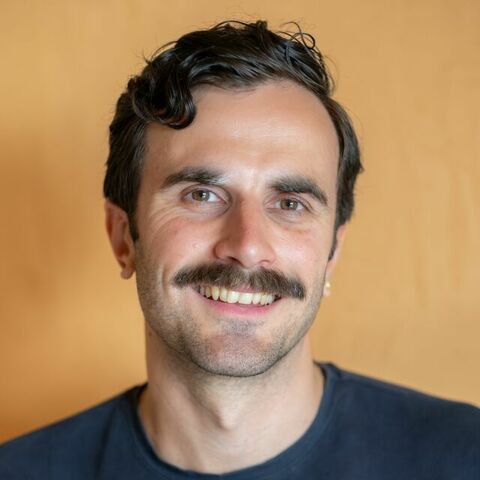
Today I talk with Silas Dey,
Writer,
Dharma student and meditation teacher on Insight Timer.
We talk about his practice,
The deeper states of meditation and the lessons he learned after around 11,
000 hours of practice in various traditions and methods.
My wish is that this episode inspires you as much as it did inspire me and encourages you to keep returning to your practice.
Today we welcome Silas or Silas Dey.
How do I say it?
Pronounce it right.
What's the right pronunciation there?
It's Silas.
Silas.
All right.
Well,
Today we welcome Silas to the podcast.
Welcome Silas.
Great to have you on here.
Hi.
Thank you.
I'm happy to be on here.
Awesome.
So Silas,
For the people who don't know you,
Tell us a bit about yourself.
Who are you and what do you do in life?
Well,
I am Silas Dey.
I am a meditation teacher on Insight Timer.
I am a meditation teacher in the local community center and I've done it in several places.
I'm a meditator at home.
I've written and self-published some books that are enjoyable,
I think.
And I work in the creative realm.
Right.
Just to go off on that,
What you said,
The creative realm,
What does that mean for you?
Is it music or photography or what is the creative realm?
Well,
It has to do with meditation.
What I mean by the creative realm is that.
.
.
So I feel like creativity is the only way to approach a problem that I've encountered as a meditator.
And this is,
I have a lot of friends and a lot of people around me who I've had the interesting experience of having to explain what I do,
Why I'm doing it and how I'm doing it in so many separate ways and kind of pull them into my way of seeing things before I can even begin to talk about it in greater depth.
And so the problem that I'm seeing is people viewing meditation and mindfulness and all of these ancient traditions as kind of dead and woo wooey,
Right?
And what it is to me,
At least,
Is that they're simply not used to the language,
The cantor or even the practice that comes along with these things.
And this is due to all sorts of problems,
Cultural,
Scientific,
Material,
All these kinds of things.
And so kind of my goal through my work in creativity is to find a way to show people whether or not they exist within the spiritual realm or they're meditators or anything,
That through these practices,
These claims and these intriguing discoveries that you can do and have on your own,
That there can be a real dialogue there of a whole realm that really hasn't been explored,
At least in Western culture very much.
Right.
And so that realm is the creative realm.
It's the realm of creation,
So to say.
Is that accurate?
No,
Not particularly.
Where the creativity comes along in it,
I think,
Is finding the right language to converse with people in ways that they'll understand.
It's not that you're watering down concepts and not that you are hiding ideas and concepts from people,
But you're simply saying that.
.
.
Well,
Okay,
So I'll give a good example,
Right?
So you say,
Well,
Specifically people ask me a lot about Samadhi or Dhyanas or Jhanas,
The deeper states of meditation,
Right?
And the things that can happen within them.
And they say,
Well,
Do you have any proof?
All right.
And I go,
Okay,
Well,
Yes.
Here is the method that you can practice to kind of have these things occur or similar things to them,
Right?
So there's that.
So I show them a map,
Right?
And then I describe it to the best of my ability.
I describe the map,
Okay?
And then I say,
Well,
But this is actually nothing like the actual experience itself,
Right?
Right.
So you can lay that out all for them,
Right?
In the same way that a scientist would describe how atoms work,
Right?
Well,
If we look at them this way,
And then you look at it this way,
And you do these things,
Then you'll see an atom,
Right?
Or you can describe an atom.
Right.
Yeah,
But you can't actually show the atom itself in that way.
Exactly.
Exactly.
So they go,
Well,
Okay,
But what if you're just making this all up?
Do you have verification,
Right?
Yeah.
And that's what I love,
And I totally understand,
Because if anything,
One should be a skeptic.
I go,
Okay,
Well,
Here's 1,
500 years,
At least in my tradition,
I'm speaking mainly from Buddhism.
Here's 1,
500 years of people doing these things that I'm showing you that you can do and producing these same results.
Add infinitum,
You know?
Yeah.
And I just think it's so interesting,
That dialogue.
But that's what I mean by creative realm,
Is it's kind of furthering that dialogue and showing people that meditation is something that you can do,
That it can improve your life,
And that these ancient traditions of Buddhism,
Vedanta,
You know,
Taoism,
Meditation,
Mindfulness,
Yoga,
What have you,
Whether it's a Gnostic school or a well-known school,
Offers intriguing ideas and theories behind a practice that is real and in actuality rather than the,
You know,
Grandest secret ever kept,
I suppose,
That everyone is just making all this up.
Right,
Right,
Right.
The biggest scam of our age.
Right.
Yeah,
No,
Definitely.
It makes a lot of sense,
Especially the creative approach.
Is that something that you also use in your meditations on,
For instance,
Inside Timer,
You're a teacher on there,
You make courses on there,
And your guided meditations,
Do you approach them in the same way?
Do you think of your listener and think of how can I approach or communicate this lesson or this teaching the best way possible?
Absolutely.
I try not to think about myself at all when I create these meditations.
What I do is I look out into the community and the world and the people around me and the questions and ideas that come from my students that I suppose I'd never consider.
Right.
And I use those as kind of a framework to proceed from because if I was going to teach myself,
I would not say half the things because my brain wouldn't even consider it,
Right?
I'm more of a strict method guy than anything.
And I found that,
Yes,
I do use the creative aspect of it.
I do draw on teachers from the past that I do find more creative and then I try and intermingle them with modernity in the best ways possible and use the characters and ideologies of our time that are sort of in the greater logos right now to help explain concepts without trying to water them down.
But being that the world that we live in is so entirely different from many of these teachings but so entirely the same,
The creative aspect is reaching through that unknown and pulling out something that is somewhat comprehensible.
Yeah,
Makes a lot of sense.
And so going back to your own practice,
When did you stumble on meditation?
Was it early in life or how did that happen?
Well,
I suppose the first time I ever meditated,
I was 12 years old and I had just finished reading not the autobiography of Gandhi,
But I just found some web pages on Gandhi and one of them said something about meditation and I had never heard that word before or if I had,
It had never really registered what it was.
And I decided to,
I remember it so clearly,
I was 12 years old and I,
For some reason,
I knew nothing about Buddhism,
I knew nothing about Asia or the cultures or traditions or paths or methods,
But I figured tea would go along with it well.
And so for I think like three weeks,
At a certain time of night,
I would make white tea,
Just awful tasting white tea that we had in the house and I would drink it and then all I knew about meditation was that you were supposed to cross your legs,
Close your eyes and breathe,
Right?
But I found that to get boring pretty quickly but I found that if I looked at something,
It was much more interesting.
And so I started by watching a candle flame,
Right?
And it's funny years later because that's one of the suggested like artifices of meditation is a candle flame that you can watch and check time and everything.
No,
So I started around when I was 12 and I think I sort of had a knack for it simply because of the way I was raised and the ideas that I was presented that my mind was fresh and ready for a method that could be used to explore the reality before me.
Right.
So,
Yeah,
So I started when I was about 12 and I piddled around with meditation and yoga until I was probably 14 or 15.
And then I had read enough and understood enough that I decided to start to have a serious practice.
And so I had studied Soto Zen and Chan the most at this point,
The traditions within Buddhism and I practiced Zazen for a long time.
I practiced Zazen until I was 19,
20,
Probably 20.
I practiced Zazen,
No,
19.
And what I would do is I would slowly increase the time I meditated just to push myself and try and kind of push myself towards something.
I didn't know a lot.
I was working a lot with the everyday Zen community with Zeketsu Norman Fisher.
If you're interested in Zen,
I highly recommend Norman.
He is an incredible teacher that is pragmatic and well-respected.
And I was working with the writings of Dogen,
The character Alan Watts,
The early Zen guys and Buddhists and basically everything I can get my hands on like Suzuki Roshi,
DT Suzuki,
Everyone fascinated by Zen as I think most people are to some degree when they really do get into it just because of how peculiar it can seem.
From that point when I was around 19,
I felt as though I had hit a plateau in my practice and sort of began to look elsewhere.
I began to look into the Theravada tradition and I really like the teachings of Mahasisayada.
I really like the teachings of Bhikkhu Bodhi.
I really like a lot of the Theravadans.
They're very,
Very good at the basic practices to really get you into the base meditative states.
And then I started looking elsewhere and found a real connection in Vajrayana Buddhist practice,
Which is Tibetan Buddhist practice,
Specifically the practices of Dzogchen and Mahamudra,
Which is what I practice today with a focus on shamatha meditation currently that I intersperse with Vipassana or insight meditation.
Interesting.
So your current tradition is now mostly Tibetan?
Yes,
Mostly Tibetan.
But I say that simply to give people a title that if they wish to apply to me,
This doesn't mean that I'm a sectarian in any way.
And I find the teachings from most mystical traditions to have some merit or value.
And in fact,
If it had not been for my own culture's mystical tradition of the Gnostics,
I don't think I would have pursued meditation as far as I have so far.
Interesting.
And so currently in your practice,
So for anyone actually not knowing what a samatha practice is,
What do you do in your sitting practice?
So shamatha or samatha,
One is Pali,
One is Sanskrit,
Is a concentration based practice.
It is a practice that is done with the eyes open or can be done with the eyes closed,
But I do suggest the eyes open and you pick a thing,
Whether it's a rock or a statue of a Buddha or a spot on the wall or the space of the mind itself,
The space of the area of awareness around you,
That can be a focus.
If you've done it for a while,
You can even do your thoughts.
If you cannot get attached to those in any way,
But simply observe them as a thought,
You can use those.
And you sit there neutrally.
And what I mean by neutrally is in equanimity.
You aren't giving any preference to anything.
Even your meditation object is something simply that you give focus to,
But you aren't giving preference to so that everything settles in an equal and neutral attention and awareness.
And what shamatha does from there is allows you to have and refine your concentration ability by allowing the mind to settle in its natural state.
And so what you are doing through shamatha is attuning and training your concentration practice through observing the mind for what it is.
You're observing the space of the mind equally.
And by observing the space of the mind equally,
It allows the mind and the self and the ego,
Whatever you'd wish to call it,
To collapse back into its natural state.
Instead of having all these fetters that are constantly trying to grab your attention,
You're honing in the concentration deeper and deeper.
Right.
And so from there on,
You develop this deeper meditation state?
Yes.
Well,
For sake of vocabulary,
I'm going to refer to the states as shamatha jhanas.
And then the insight states is just jhana,
If we do get to that.
So with that,
When you are able to hone the attention enough,
What most people would experience is strange things begin to happen.
But in the most interesting of ways,
If you've been practicing correctly and understand the kind of field and ground of this concentration practice,
A lot of the concentration states,
The jhanas or the things that happen or the things that you seem to be able to do,
The samadhis,
Powers,
Were all talked about way before the Buddha.
They'd figured out samadhi,
They'd figured out the jhanas through concentration-based meditation.
I mean,
You can see this in the Upanishads,
They speak of this.
But it is a honing of the mind in concentration to be able to work with vipassana,
Insight practice.
And so that's what shamatha is.
And the deeper states are referred to as the jhanas,
Which are incredibly deep states that can collapse the mind or that which is other than no mind back into,
Depending on your level and state of practice.
But some of those require incredibly high levels of practice where you're meditating seven or eight or nine hours a day and have a good teacher and a good setting and aren't getting tripped up or stuck on a wall or something.
So it takes some time.
But things like access to the first jhana through shamatha meditation,
I would say if you meditated for an hour a day or half an hour a day for two years,
You could probably get there.
So just for your everyday meditator and that's strictly shamatha practice,
Concentration practice and trying to bring it off the cushion.
That's what shamatha is in the states that are before it.
Sorry,
I'm rambling on.
No,
No,
It's very interesting.
I love to hear about it because there seems to be a gap between sort of the intro to meditation,
People learning through apps like Headspace,
They learn about meditation,
What it means.
And then sometimes there seems to come a point of nothing where they practice five minutes a day or whatever.
And like personally for me too,
I feel that at a certain time,
An amount of time per day,
It brings you certain calmness and peace and you think,
Oh,
This is great.
You know,
This is handy.
And then sometimes there's this gap of actually hearing about teachings from the Buddha or teachings from experienced meditators where you're suddenly like,
Wait,
There's a whole lot out there.
There's a whole lot more to be seen and heard.
So I understand where you're coming from entirely.
There's the jumps from beginner to adept to what some would call masters of meditation.
It's a rough transition.
And unless you are interested,
I think,
In pursuing the exploration of consciousness and meditation and mindfulness and yoga that these things never really come up,
I guess you could say,
Or they seem to like grand explorations and illusions of things.
But I think to answer your question in a few parts,
The first being the difficulty from getting all those beginner's lessons to becoming an adept practitioner of meditation,
I would say is because the practice of being an adept meditator is simply the practice of those beginning meditations pushed further.
Right?
So I could teach you the Four Noble Truths.
I could teach you the Eightfold Path.
I could tell you that reality as you perceive it is an illusion and is transient and nothing not even for a microsecond stays the same.
I could quote Ram Dass and tell you that we're all God in drag.
Or I could talk to you about the substrate consciousness and all these concepts,
But all they are is just draping a different curtain over the same things you've been hearing in the beginning meditations.
Focus on the breath,
Watch thoughts,
Etc.
,
Etc.
And what I think gets people so confused is that you just keep doing that.
Yeah.
It's like,
Wow,
You just keep doing this every day?
Yeah,
Just keep doing it.
Do it a little better every day.
Just keep doing it.
Work with yourself in morality.
Work with your practice in concentration and work with your insight in wisdom.
And there you go.
There is this real Dharma cowboy that I like.
His name is Daniel Ingram.
And he is.
.
.
That might be someone good to talk to if you can get him,
But he is.
.
.
How would I put this?
He's big on that,
On saying that just continue to do those base things,
Right?
But also know that there are deeper things that can help you with.
You could do meta meditation,
Compassion meditation,
Insight meditation,
Concentration meditation,
With the breath,
Which all the way to enlightenment if you see so fit,
Right?
If that's your gig,
If that's your thing,
Your shtick.
Because that's what the Buddha did.
That was his concentration when he attained enlightenment was the breath,
Mindfulness of breathing all the way from beginning to end.
But there are different strokes for different folks,
You know?
And what I mean by that is.
.
.
So in Tibetan Buddhism,
There is this analogy of four different kinds of horses.
There are horses that when you crack the whip in the air,
They run,
Right?
And then there's horses that when you crack the whip on their skin,
They run.
Then there are horses when you crack the whip on the muscle,
They run.
And then there are horses when you crack the whip on the bone,
They run,
Right?
So there are people that get it instantaneously.
And then there are people who it takes a really long time to understand it,
Right?
We all have our proclivities.
And so it is just that I think in a very roundabout way to answer your question,
It is the interest of the people in the exploration of their own consciousness that causes the problem.
Or it simply is that they aren't very good at it,
And so they have much farther to push in the beginning than they would think.
Which may not mean that they're bad at the later states of meditation,
You know,
The later ideas.
One may be an incredible philosopher of the Madhyamaka school,
Which is kind of the really high level intellectual school of Tibetan Buddhism.
But you may be incredible on,
You know,
Just the base practices,
Or it could be flipped the other way around.
Right.
The whole idea of like,
When you go to a gym,
And you see someone lifting a lot of weights,
You say,
Oh,
That guy trained for a long time.
Right.
And with meditation,
It sometimes seems to be so much more abstract because you can't see it if you know where to look.
But you know,
You can't see someone being super muscle or lifting these heavy weights.
And so it's much more abstract.
And I think it's easy for people to say like,
Okay,
So you just watch the breath and that's it.
Where do I go now?
What do I do now?
Instead of seeing like,
Wow,
I can get there.
And you know,
Yeah,
It's it's funny,
Because you bring up the workout analogy,
And I'm an avid fitness person.
And my wife laughs at me because I on my calendar and Google calendars,
When I am scheduling my workouts for the week,
I just put down lift heavy things over and over.
Like,
That's because I mean,
That that's just watch the breath over and over.
And after a while,
Wow,
I'm,
You know,
I can I can lift so much more or Wow,
I can have total and complete concentration,
When all things are equimaniac and in that find,
You know,
Incredible things and explorations of my own consciousness and reality.
And I've only been doing it for three months or like,
Wow,
Everything is entirely equal for five seconds,
Right in my in my mind stream.
And that's,
That's crazy,
Because I used to not even be able to do one second.
But I do agree,
The the physicality of meditation isn't quite as in your face as other things.
Right?
Yeah,
It's sort of hidden.
Although,
As I said,
Like,
You can see it if you know where to look.
But on the average,
It seems hidden.
Right.
And that is one of the,
I think,
Peculiar problems with meditation is that if you want to verify the claims of these meditators,
Whether it's like Adi Shankara,
Or Patanjali,
Or Buddha,
Or I mean,
Even some of the Christian meditators,
Like,
Pseudodionysus,
The areopagite,
Or St.
Thomas Aquinas,
And these things,
Is that you actually have to do it.
Like,
There's a like,
Yes,
All of these things are true.
No,
I can't show you,
You have to be the ones that run the experiment to understand the yes,
What I'm saying is truth,
Or what I'm saying is a method for the exploration of consciousness.
Right.
Yeah.
And it's a big leap,
Because would you say it requires faith or trust?
Did it require faith or trust for you?
Well,
I would say that a certain measure of doubt,
And a certain measure of skepticism can be the seeds that sow the tree of faith.
And as long as we keep our doubt and our skepticism upfront,
And we are pragmatic with our approach,
And we are watchful,
And don't take things for their face value,
But then go on to discover that what a teacher says,
The methods that a teacher is teaching,
Or the teachings of a tradition and observations of tradition into the study and inquiry of consciousness,
And the states that can be brought about by these various things,
That faith is spawned from that pragmatism,
Doubt,
And mistrust.
But the problem is,
Is you have to tend to that doubt,
And you have to test those things and not let that doubt stay the seed.
So I suppose one could say that faith is grown through questioning,
And in that questioning,
I have faith in these methods merely because I have seen that they produce the things that they state that they are going to produce.
It's not that I'm taking them for the blind value of,
Oh,
Meditate for a long time,
And all these weird things and concentration states and inside states can happen.
It's,
Oh,
Let me do those and figure out whether or not they happen,
And maybe I'm doing it the wrong way,
So do it a different way,
And oh,
Okay,
That was it,
And you discover more and more,
And then those things begin to happen,
Which a lot of people get freaked out by,
I think,
And they call that faith,
Or you've found someone that you're very trustful of,
And they say they do these things,
And you say,
Well,
Okay,
If that's the case,
Then that's the case,
But I don't like the word faith,
But yes,
Faith.
I know I get also why,
Because somehow,
At least how I also see it in the West is that faith is equal to blind faith,
Someone faith meant for a long time that you blindly trust that something is there or something that is written in an old book is true,
Which is really different from the actual trust that you get from exploring these things yourself,
Because as you said,
You first doubt something,
Then you're going to test it,
And then after you've tested it and observed the results,
You're like,
Hmm,
Okay,
So now that makes sense,
So then some could say you become a believer,
But actually what you've done is just you've proved it for yourself,
And you can even prove it to others by saying,
Yeah,
If you do it this and this way,
It will happen to you.
And I think that's the key difference between what I mean and what faith is,
Is that you can do these things and get to the same conclusion as me,
Right,
Or get to a similar conclusion,
Where someone that has absolutely zero belief in any deity or mysticism or woo woo or anything can do these things,
And the results will be,
You know,
Happen.
You have to,
I guess you have to take the time to properly do them,
But yes,
Even in the face of incredible doubt,
The practices can produce the same fruit than faith,
Which is more,
You know,
I may never be able to prove this,
But I believe it anyway,
Right?
Right.
Yeah.
So you're saying people can test it out for themselves,
They can test out meditation and see if it works.
And also if it produces those,
Well,
More like the Jhanas or things you hear less about at the beginning and more when you read on into meditation and those who meditated.
And actually on that note,
Is that,
Is there like an end goal for you?
Are you practicing for a certain end,
Like enlightenment or liberation or what have you?
Well,
Here are two separate answers for that question.
And I suppose you could say one is based in faith,
But the first one,
Which I refer to as my more orthodoxical answer,
Though it does not,
It is as true as my other answer is that my inspiration in practicing meditation is Bodhicitta.
And what Bodhicitta is,
Is that I'm practicing meditation and mindfulness,
Not for my own sake to attain enlightenment or awakening,
But so that when I do that,
I can help others attain that,
Or I can help others receive,
You know,
Happiness,
Forgiveness,
Joy,
Understanding,
Concentration through these teachings so that I can be the best teacher to be the best teacher to them.
So that's,
That's my more orthodoxical answer for you in that regard.
End goal wise,
I suppose I'm not very worried about it.
I in many ways observe myself more as a scholar and a philosopher rather than a meditator.
Meditation is my microscope to consciousness.
And it is the tool that I use along with yoga and exercise and the readings of all these different traditions and ideas that I use as kind of a framework to make forays into that world for my own sake,
Simply because it's what I'm absolutely fascinated with if you haven't gotten that yet,
But it's something I feel is incredibly important in our modern landscape so that we can advance our understanding of not only ourselves,
But the universe further.
Because it is while the,
To put it as blatantly as possible,
As the scientific materialists have pushed the understanding of the physical world to its limit,
You know,
Quantum physics,
String theory,
All these things,
And we are breaking it down to the most fundamental aspects of the universe,
Which are entirely incomprehensible with anyone that doesn't have a,
You know,
Three PhDs,
Right?
When you want to get right down to it.
I feel as though that is one side of the coin and the other side of the coin is being absolutely ignored,
Which is the inward study of the inward universe and exploration that's going on there that has been going on in the East for arguably 4,
000,
If not longer,
Years and offers such an entirely world shattering and changing lens that it is a fool's errand to think that we are going to be masters of the universe if we,
You know,
Can't even watch the breath or can't even understand the object of our consciousness or the aspect of our consciousness and how our viewing of this reality and that reality and all these things is intrinsically connected to all other aspects of ourselves.
Right.
So it has to do a lot with science too,
Could I say it like that?
Is it for you also a scientific interest in a way or a similar interest?
Absolutely,
I think it's a scientific interest.
But I would never dare call myself a scientist.
I am,
If anything,
I suppose as I am not a scientist,
I'm more like,
I am more like a scientist as an alchemist would have been a scientist,
I think.
Right.
It is that I have these methods and I have kind of this rudimentary understanding of what's going to happen if I put this with this,
But I don't really know,
Like,
Within my own cultural terms how to talk about that yet,
Right?
And then I'm bringing it to the other smart people of my culture and being,
Look,
Check this out.
And they're like,
Oh,
That's just magic.
Like,
No,
We need to sit down and figure out why this is happening.
Right.
There are these people from far away that have so much to say about this and we can't just ignore it.
So in those regards,
I suppose I'm a scientist,
I test methods and I look into them and I use them and I try to be as impartial as I can.
But yeah,
It's just trying to bring that dialogue and that whole other world of exploration into our kind of cultural ethos and logos to try and better not only our culture,
But the world as a whole,
Just as science has done,
Just,
You know,
Just as these understandings and explorations have done.
I think that these things,
If we can look at them through a similar lens,
But recognize them as a different thing,
Can have world changing effect.
Yeah.
That makes a lot of sense.
What I also wonder about is you talked about how you started with meditation when you were 12 years old.
It might be hard to recall,
But how has meditation changed your life or how is it still changing it if you can even,
You know,
Put two pictures of yourself next to each other?
Well,
I would say it's had its dark sides and its light sides.
I would say that meditation has made me have extreme concentration.
It's made me have the ability to step back from situations and look at them through a neutral standpoint.
It has allowed me to quell my anger.
It has allowed me to see the world through a variety of lenses and not merely the lens of my own eyes.
It has done all those health things,
You know,
Lower blood pressure.
I can use it to,
You know,
Move blood around in the body to more focused areas.
That's something interesting that you can do if you want a physical thing about your meditation.
Right.
Right.
And so it's helped me in those ways a lot and as well as it's always been my fascination and I've loved working with meditation,
I think,
From day one.
That doesn't mean all meditation days are good days.
It's just that overarchingly it's positive.
Yeah.
Because some days are way harder than others.
But I would say that meditation kind of has had a dark side in the fact that you can use it to gain mental stability and ability to,
You can kind of use it as a tool for your own gain where you can take that concentration,
You can take that insight,
You can take those things that are happening or you can take just the stability and emotional balance and mental balance and then use that for negative gain instead of positive gain.
Right.
Right.
Like,
I can have the focus to notice this,
That or the other before someone else and I can get that thing before they do even though they deserve it way more than me.
Right.
Right.
Or I can,
You can feel out a situation better or you can walk into a room just exuberating confidence and from that use that potential energy to make everyone else seem like you're confident during those kind of things.
So that's the darker side of meditation where you can then take those same things and apply them in good situations and have positive effects.
So it's made me a calmer,
More collective and cool person,
But it has also taught me about my shadow.
Right.
Which I think is incredibly important.
Yeah,
Because there there's definitely a shadow side to looking at yourself or whatever it is that's going on inside yourself.
And that's definitely,
I talked about that with Dwayne in another episode too,
That there's a lot of stuff you discover about yourself and others that's,
It's not always the most positive thing to see.
Well,
No.
And then you have to recognize that those things that you discover about yourself are simply an aspect of yourself and you are not that self and you remove and step back from that and from that observation,
You know,
If you go about the exploration as the mind itself,
You're going to run in those problems and face those emotions and try and get around them instead of going directly through them as a third party would.
Right.
Right.
And so the dark side that you discover about yourself is intrinsic to the understanding of both the duality of the own way you see your world and the duality of your own being.
That makes sense.
And as a last question,
I would like to ask actually,
What has been one of the most important lessons that you've learned?
Well,
It's a big question,
But one of the most important lessons that you've learned in your time meditating that you would definitely want the listeners to know.
I have a few.
That's good.
That's good.
One is keep going because you can fall off the horse pretty quickly,
Especially if you have a talent for it.
Keep going every day.
Even if you had the worst meditation ever and you didn't have a single second where you felt like you were able to keep your attention on the breath,
That is some of the most valuable meditation you can do.
Some of the most valuable meditations in the world are the first 10 days of meditation that you ever do simply because the brain is being scrubbed with so much muck on it that of course so much stuff is going to come off.
And so no matter how good or bad you think a meditation is going,
Just keep going until your timer goes off.
Secondly,
I would say be incredibly skeptical of any experiences that you have.
Be skeptical of relaxation,
Be skeptical of bliss,
Be skeptical of happiness,
Be skeptical of sadness,
Be skeptical of anything and everything you're feeling or experiencing simply because through the act of meditation,
In many ways,
I think that is the ego trying to fight our understanding of ourselves.
And so continue on and be skeptical of everything.
If everything in the world is telling you to get up off that meditation cushion,
Stay on the meditation cushion.
Right.
It's like side effects.
Yeah,
Basically it's side effects.
And the third thing I would say is study that a broad understanding of the mystical paths of the world,
The meditational methods and explorational tools that we can use to delve into our own consciousness are incredibly important because there have been incredible things written and taught over the past 4,
000 years that we in the modern day can use just as much as they can.
And through that study,
You also learn the language of the environment because there's a lot of concepts that we simply have no language for in English or in Spanish or in German or in Latin that have to be,
You have to use that Pali or that Sanskrit or that Chinese or that Japanese word to understand.
And so study is a big part of it.
So study your butt off if you can,
Continue to meditate and be incredibly skeptical would be my three biggest tips for anyone in meditation.
Awesome.
Well,
Those are some really solid tips.
And with that,
Thank you for joining Silas this episode of the podcast.
Thank you for sharing about your meditation and the things you discovered.
And thanks a lot for joining me.
Hey,
No problem.
I was happy to talk to you.
If you'd like to know more about Silas day,
Make sure to check out his website mentioned in the description of this episode.
Don't forget to subscribe to this podcast if you enjoyed this talk and thank you for listening and have a great day.