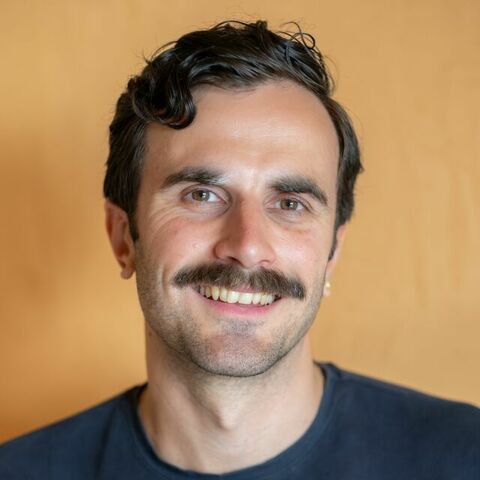
In this episode of the Project Mindfulness podcast,
We talk with the author of seven practices of a mindful leader,
Lessons from Google and a Zen monastery kitchen.
Honest and open to all religions,
All traditions,
All ages,
And all levels of experience.
Radically accessible,
Pragmatic,
And eye-opening.
Simply for everyone.
Welcome to the Project Mindfulness podcast.
We'll take you on a journey across the globe and talk with other meditators about their practice,
The lessons they have learned,
And what they want the world to know.
Good day and welcome to season two of the Project Mindfulness podcast.
This is episode number two of season two and I'm Christian Netesen,
Your host.
Thank you for joining us.
In this episode,
I have a talk with Mark Lesser.
We talk about his current book,
Seven Practices of a Mindful Leader,
A book about the most important lessons Mark took away from being in a Zen monastery kitchen for 10 years and working as a CEO afterwards.
His work involves collaborations with companies such as Facebook and Google.
The episode talks about mindful leadership,
The importance of habits,
And emotional intelligence.
Today on the podcast,
We welcome Mark Lesser.
Mark Lesser is a speaker,
Facilitator,
Workshop leader,
And executive coach.
He is the CEO of ZBA Associates,
An executive development and leadership consulting company.
Mark has led mindfulness and emotional intelligence programs at many of the world's leading businesses and organizations,
Including Google,
SAP,
Genentech,
And Kaiser Permanente,
And has coached executives and led trainings in Fortune 500 companies,
Startups,
Healthcare,
And government.
Mark founded and was CEO of three companies and has an MBA degree from New York University.
Thank you so much for joining us on the podcast today,
Mark.
It's my pleasure to be here.
To learn more about your journey leading up to where you are now,
How and when did you encounter meditation and mindfulness in your life?
Well,
I think I first learned about meditation when I was an undergraduate student at Rutgers University in New Jersey here in the States and started to get quite curious and even passionate about wanting to know more about mindfulness,
Meditation,
Zen,
Spiritual practice,
And I took a one-year leave of absence and went to San Francisco.
And then when I was in San Francisco,
I was part of a small community,
Kind of a program that's no longer around called the Humanist Institute,
A small meditation study community.
But while I was there,
I found out about the San Francisco Zen Center and I walked into the Zen Center one day and it immediately felt like home.
And my one-year leave of absence turned into 10 years of living at the Zen Center.
And yeah,
So that was my introduction to practice.
That's incredible.
So you trained 10 years at the Zen Center in any particular thing or was it,
Because I know that for instance in Zen you have a koan or you have the just sitting and what was your main practice there?
Well,
What's interesting,
That's a great question.
I would say that of course I was steeped in the meditation practice and Soto Zen doesn't emphasize koan study,
But it does study of koans and stories and relationship with a teacher,
Very important,
And being part of a community,
Very important.
But one of the things that ended up very much surprising me and in some way being a core part of my practice was work.
And that from,
I found myself working in a Zen monastery kitchen when I was very young.
I got asked to be on the kitchen crew and then the following year I was a tasahara baker and there's a very rich tradition of being a bread baker and several books have come out of tasahara.
And a few years after that I was the assistant to the head cook and then I was the head cook in a very kind of well-developed work and practice tradition.
And it's interesting how in the Zen tradition and in the Soto Zen tradition there's a well-known kind of piece of writing by Dogen who was the founder of Zen in Japan in the 13th century,
A piece that's translated as instructions to the head cook.
So super interesting I think that from seven or eight hundred years ago there was this document about how,
Very detailed instructions about how to practice,
How to integrate practice in this role of running a Zen monastery kitchen.
And then a couple years after that I was asked to be the director of a tasahara Zen mountain center and it was even kind of upped the challenge of leadership role and integrating leadership in Zen.
And I ended up deciding that this would be kind of the course of my life,
Of my work career and practice and I ended up going right from that role of being director of tasahara to going to business school getting an MBA degree and then I ended up starting a couple of different companies and much of my life has been this aspiration and integration of kind of practice,
Mindfulness practice in the world of work and in the business world.
Right and the role of a head cook,
That's not just something,
Right?
It's a very important thing actually in a Zen temple or monastery.
Yeah it's called the Tenzo and the that piece of writing I'm referring to is called the Tenzo Kyokan which is translated as instructions to the head cook.
And just as an example one of the core teachings in that essay by Dogen says that the head cook should always be bringing three minds to the work of running the kitchen.
A joyful mind,
A grandmother mind and wise mind,
Right?
So the the mind of you know joy of appreciating everything.
The grandmother mind is the translation but basically the mind of unconditional love and wise mind,
You know kind of the mind that is steeped in a sense of kind of impermanence and this kind of intention aspiration of seeing reality as much as we can and that this was a core part of practice in the kitchen.
Right and one of the sayings from Zen is chop wood carry water which emphasizes this applying of awareness in just daily activities and that I imagine is something that really sparked this bringing mindfulness into the workplace,
This attitude of Zen towards work which is almost I wouldn't say a holy act but it is a very important act to just do what you gotta do,
You know wash your bowl,
Do the dishes.
Well that's another you know very kind of famous Zen story about the student that comes to the teacher you know arrives at the Zen temple and says you know to the teacher you know teach me I'm here you know I'm ready for the teaching and the teacher asks the student have you had your breakfast and the student says yes and the teacher responds then go wash your bowl and this is this I think very much sets the tone of Zen practice as that if you want to learn that the way to learn is through doing through activity you know it's not about sitting in a lecture hall and having me tell you something but it's like learn from your experience like have breakfast and notice what you can learn by doing that.
And notice what you can learn by the sensations,
The act of your relationship with your bowl,
Your relationship with your mind as you're washing your bowl and you know and I was 24 years old when I was the dishwasher my first summer at at Tassajara Zen Mountain Center and it was washing dishes by hand in the kitchen and there was this I think the experience of kind of collaboration and learning and connection and love that I felt I felt that as dishwasher I felt that as baker I felt that when I was on the kitchen crew that there was something about the how kind of intimate and magical and ordinary right that of working together caring for each other and also this very high bar about high bar for attention for care and for results you know that that it was you know no messing around of producing producing really beautiful healthy high quality vegetarian meals for because Tassajara is you know it's a traditional Zen practice place,
Zen monastery in the winter but then it turns into a conference center in the summer and there are 70 or 80 overnight guests and there's a reputation for the the quality and quality of the vegetarian meals so there was some a good deal of expectation pressure even stress right in the midst of this kind of practice place and practice community so and I it was it was really lovely and I remember you know asking myself like why why isn't why isn't everyone working in this way and you know all these studies that I was reading about the kind of stress and lack of engagement there was in the workplace and I thought maybe this is a place where I can contribute.
Yeah that's incredible and you've gone to write an incredible book on mindful leadership called seven practices of a mindful leader a lessons from google and a zen monastery kitchen so how did that book come about how how did you come to these seven practices?
Yeah well I you know after business school I ended up starting and running a publishing company for about 15 years and I also did some other started a couple of other startups but you know I found myself doing some executive coaching at google with google engineers and then in the midst of that was when a a google engineer had the idea of creating a mindfulness program within google called search inside yourself and I got asked to be the kind of the initial part of a team of people who developed that program and and then several years after that as the program this program became really really popular within google that we decided that we would create an organization to take this these teachings mindfulness and emotional intelligence teachings out outside of google and started a non-profit called the search inside yourself leadership institute and and at the same time we were looking for how to how to scale these trainings inside of a large company like like google and we're we're training a group of about a dozen google engineers and a few other few other people to to be mindfulness teachers inside of google and to teach to teach mindfulness and and these seven practices kind of emerged within within that context of the the question was how how what do you need to know what are the core core teachings and core values of being a mindfulness teacher and these these seven practices love the work do the work don't be an expert connect to your pain connect to the pain of others depend on others and don't be an expert i'm sorry the last one is keep making it simpler they emerged they emerged within within the context of training these google employees and then they kind of broaden broaden beyond that and that's how the book book emerged right and google and zen monasteries what do they have in common when it comes to leadership yeah well i i like to call it the um you know the the dirty little secret of the business world is that it's all people all all human beings uh people working together people working together uh with a common a common intention common aspiration and and i think it's you know uh there's a lot of commonality that i found uh with working in a zen monastery kitchen with a group of people all trying to do their best to produce great meals and and i think at google i found myself working with groups of people on different teams engineers and leadership people working together you know trying to uh trying to do their best um to to uh implement implement particular visions and and and lots of the same uh lots of the same challenges and lots of the same kind of opportunities and i felt like uh there was something in that in that zen monastery environment that um that they were not quite not quite aware of of what the possibility was of of mindfulness and emotional intelligence and uh bringing practice into google was uh was a kind of wonderful kind of challenge and opportunity that i that i had and i still i was just um uh i uh i did a talk a few days ago at google and uh pretty pretty interesting to see the the uh openness and curiosity um in that large you know behemoth organization but when you are there it's just a group of people who i think are are um trying to do their best right and from the side of um the the zen center and uh your teacher there did they approve of this use uh like sort of mixing of of business and and zen is that something that they are behind yeah well you know it's interesting i'm um i was just reviewing some notes um the uh you know i i think i i get brought in from time to time to work with the leadership of the san francisco zen center who um again you know they uh it's interesting it's a it's a practice place it's primarily a place around meditation mindfulness you know study and practice of of zen and yet um there's an organization you know the the san francisco zen center uh has um has a a complex leadership structure where there are there are people managing the administrative side there's an another group of people managing the kind of the spiritual and practice side and they very much have to be integrated and and and work together um and again it's it's people it's people in um teaching roles and leadership roles and um so i think there is um a good deal of uh interest and passion in in this this work that that i'm doing and that many and that many people are are doing um i'm i i was just reviewing some notes the uh the zen center is um san francisco zen center's involved in a project now of creating a kind of a senior living facility uh looking at um uh you know the zen center has been around for more than more than 50 years and there's uh quite a few people who've been practicing there for a long time who who find that they're getting older and that right this um there's this need need not only in the zen center but you know in in this question of aging and an aging population and there's a project around creating a senior living center not just for the zen center community but for people anywhere who want to be part of a kind of a zen inspired or buddhist inspired senior living center and um i'm i'm meeting with a group of people who are developing that to kind of uh talk about to kind of advise explore some of these questions about uh how do you integrate zen into many different um environments from a business environment to what does it look like when people are living together in community out outside of a traditional zen community right and because the reason i asked the question is in a lot of spiritual traditions and sort of say you know when it comes to spirituality there's there's this sometimes this idea of like yeah but you know it's not about money and you can't make money and there seems to be almost like i don't know it's it's like there has to be some sort of separation between making money or you know um pursuing a sort of spiritual path and for me that never resonated because well for a time i did believe that it you know it was sort of you have to give everything up in a way which i still believe in a way um but you have to give everything up you know to to find sort of that deepest inner you um but yeah yeah yeah yeah i you know there's definitely tension there and there's there's tension there and there's paradox there but i mean that tension exists you know even within uh you know like the i talked a little bit about the tasahara zen mountain center which is a zen monastery and then turns into a into a kind of a conference center and and in some way from a certain perspective it looks it looks a lot like a business um you know that people pay money and and there are you know there's there's income statements and balance sheets you know with just just like any other business and yet and yet there needs to be a sense of not looking at it like a business but see but looking at it from a you know what are we offering of practicing together and the the business aspect is there but the the core core values and core tenants are around are around practice are around generosity are around mindfulness and and at the same time you know there's there's money involved there's leadership in issues involved and again this is true this this tension i think exists in any business and in any in any practice place i think i think it um it can serve uh it can serve businesses well when they if they could more and more realize that they're primarily there to serve people primarily to solve problems uh not and it's easy to get confused and think they're primarily there to maximize wealth or shareholder wealth and and i think i think businesses that that get um uh too much uh on that kind of wealth production well we generally find that it's hard it's hard to create it's hard to create a good culture and it's hard to be to be sustainable when that's your um uh kind of primary motivation so there's again there's there's many motivations there's tension there's paradox and something potent about the practice of letting it all go and the practice as kind of as you were saying that this this need this need for and i think this is why um you know meditation practice is such a core practice at embodying this sense of letting letting go of needing to accomplish anything and um you know shinryu suzuki the the founder of the san francisco zen center you know often spoke about the the paradox of of moving moving from attainment to non-attainment which sounds so uh you know in contrast to how we normally think about business or or leadership and yet there's something within that i think that is um a really valuable tension and really valuable paradox for for any organization to better understand and embrace right i mean from the last thing that you said about attainment and non-obtainment i think this fits in well because for many people having a job and going to work means they have they come home and are tired of the work day they're drained with an incredibly busy mind maybe still at work so how do we do the work without struggling for it yeah well again it's um i love the the paradox around effort and effortlessness um so i think you know i i i one of the things i do i do a fair amount of executive coaching i also do a fair amount of trainings and and speaking inside of companies and i think what you just painted doesn't have to be right we don't have to be exhausted and depleted we can and the way we can not be exhausted and depleted is by bringing more a sense of attention and intention like to pay attention what what what is our energy is our energy level how are we best using our energy what gives us energy what does take away from our energy how can we work with our how are we working with our energy with our state of mind how can we be uh you know give give what we have to give but at the same time to find a sense of um of practice and again going back even going back to dogan's instructions how can we find and practice with joy and unconditional love and wisdom in in whatever in whatever we're doing yeah it it's funny for me because the practice when i um like i've been doing it for some time now like a few years of of chan practice and and reading about these texts and learning about you know the early zen masters and more and more i noticed that i became sort of it became a little bit of energy management like what you said you start to manage like what what am i like dedicating my attention to my focus to how can i use that in a more efficient way how can i maybe reduce it a little bit there so i will feel less strained here and it seems like you become a manager of your own energy yeah well your your energy and in a way your your state of mind and your emotional life like like again i think the um stay being being uh noticing the gaps between you know how you want to be showing up and how you are showing up noticing uh what people are you find are uh really give you energy when you're around certain people when you're doing certain tasks and other people and other tasks you're feeling are are really a struggle and really hard hard work and and to be pay attention to what is that what what is it what what filters what attitudes am i bringing that that are influencing my energy my state of mind my feelings and and this is um to me this is the this is the on the ground practice you know we talk about uh you know it's interesting how what what i notice is it's easy it's easy to feel like um like you're a victim right that like you were describing right you go home from a day of work and you're depleted and you have trouble being with your family and you have trouble concentrating well yeah that's well that's that's a great starting place for practice like huh like what's that about and um what what am instead of being a victim mentality how is it that i'm doing that how am i acting in such a way that i'm depleted that i'm unhappy that i can't concentrate what do i need how can i shift that what can i do to shift that right yeah and you you as you said you worked on this search insight yourself program for google and why does google embrace mindfulness and and mindful leadership oh for many many reasons i think for one um you know google would google would say that it is a core part of their initiative around well-being right that they they notice you know they do a lot of um a collection of information and they find that there is a good deal of people feeling stressed people feeling depleted people feeling like they they um as as you were describing that they are unable to leave their work in and be with their friends or families in a healthy way and and they found that these um these practices meditation mindfulness emotional intelligence practices were quite successful were quite impactful in helping people's states of mind their their emotional intelligence um bettering their their their well-being i would say that um uh what i've noticed not only at google but in other places there is a a tremendous need for people to collaborate uh to work work with greater listening greater empathy greater understanding and that these practices help with that and i would also say that you know people who are people who are in a better state of mind feeling more centered more sense of appreciation are generally more creative are are able to be better at whether it's sales or product development or or the various activities that make up successful businesses right and so mindfulness basically can cultivate success in our work in our career yeah definitely i think there's um um i know the german-based company sap uh is one of a handful of companies that are doing a good deal of data collection and research and i think they've come up with i think it's on their website now some of the statistics about the roi that they found in mindfulness and meditation programs um you know in in terms of sales and product development and well-being and those kinds of um uh numbers and data that they've collected right so so it just works mindfulness is something that we can use to create success in our career and our personal life um but from what i get from you is that it's a lot about priorities right it's about making a priority out of mindfulness above some things that actually may feel more important um yeah well i think it's it is about um priorities and and it's also i think um kind of seeing and and feeling the power and relevance of of practice of having you know it has to be more than maybe it starts with an idea maybe it starts with a with a hunch often again it starts with pain it starts with feeling depleted feeling disconnected and and looking for what are the what are some of the ways that i can be more engaged less depleted uh more connected and um and these uh these practices this kind of a this practice of you know of listen listening listen and pay just paying more attention of being of shifting this shift i think in some way a core part of practice is shifting from this passive kind of victim that i'm a victim of my situation to being uh more um taking more kind of a kind of a radical responsibility for my own state of mind for my own feelings um for you know for my energy all the all those things right to quote um steven kovey about the circle of concern versus the circle of influence our mind and our awareness is in the circle of influence and that's what you're saying yeah yeah yeah yeah no his um his work is was from 20 30 years ago still quite quite relevant and of course you know i i borrowed i i borrowed the number seven from him right he wrote the the seven habits i wrote the seven practices and and uh i think habits are are really really important right his his concept of of having really healthy habits and and at the same time i i really think there's something potent about practices that practices have a bit more kind of intention and and are are things that are uh ongoing that will you know these these practices that i talk about in my book seven practices of a mindful leader are are all meant to be kind of ongoing kind of lifetime practices what we never you know we'll never achieve something like you know don't be an expert or um you know depend on others or keep making it simpler and these seven practices they it's important to daily put them in your uh life right to put them in your practice when you take a moment in the morning for instance to meditate to maybe contemplate them and throughout the day and how would you advise like these seven practices to to take them up and really absorb absorb them in your life because i sometimes hear from people in the community you know that they they get very motivated to do something for a few days and then they lose that and they get overwhelmed with life and they lose it again and i feel that you know this habit building is so important and how would you advise like making it a habit to to implement these seven steps um well in some way uh i think the first and the seventh are good places to start right the first is to love the work right is to is to um to lean into and and feel how how primary how primal important uh meditate having having a regular meditation practice is having an integrated practice a mindfulness practice of of paying attention of actually paying attention to one's energy level and state of mind and feelings um and and taking a kind of responsibility this so in a way this is the the first practice of um you know love the work the work of developing self-awareness it was interesting i was i was just reading this morning um one of my one of my habits is reading the new york times each morning and there is a there is a some study i just saw that said 95 percent of people describe themselves as highly self-aware and um and yet the actual when people are tested for self-awareness it's it's much much lower than that right but uh but but then also the seventh practice of keep practice of keep making it simpler which is to um you know in a way to pick one thing you know pick to do you know if uh you know maybe it's just having a meditation practice of sitting for you know 10 minutes five minutes you know taking a few breaths every every day but something something that is consistent something that's doable or just one practice like like you know paying attention to your uh to your energy level throughout the day like and really noticing what is it what is it that gives me energy what is it that depletes my energy so uh keeping it simple i think is um important as well yeah makes a lot of sense i i recently read the culture guide from daniel coil which talks about successful groups like pixar and google and what makes them successful as a culture and one of the skills he highlights is being vulnerable which you know to me sounds exactly like don't be an expert that is so essential to to being to create a successful culture and i've noticed in many workplaces the the opposite is actually done a position of power is seen as some sort of authority that shouldn't be questioned by the employees so how do we as as leaders get to a place where we can be vulnerable with others without risking our position or our perceived influence yeah again it's a bit um it's a bit paradoxical right the uh the paradox between um kind of leader leadership success and um finding your your true sense of your own kind of authority and power and empowering others and that um the importance of um of a vulnerable making yourself making yourself appropriately vulnerable doesn't mean that you're giving up your authority and in fact there's a lot more and more evidence that transparency and vulnerability are correlated with um with leadership leadership success and business success yeah and i remember reading about daoist leadership for instance where they talked about i think they quoted this part from the dao de qing where they talk about making yourself the lowest point so that all water returns to you i think they use the analogy of water and how the river goes to the ocean because the ocean is lower than the rest and and of course that's like an analogy to say like if you lower yourself or but i don't i i don't connect that much with the word lower i think it's as you said it's more being vulnerable at the right place if you do that then you will find that people are actually um they're they're attracted to what you are doing and the way you approach things and yeah i think yeah i think it's primarily in some way a lot of it has to do with a connection and seeing again going back to my statement i made earlier that you know the dirty little secret of the business world is it's all human beings i i think that uh i think pretty much people get the importance of emotional intelligence in the business world that that uh that there are wisdom there's real wisdom to our uh our feelings and the and how much our feelings are are connected and that they're the need the need for really healthy communication the need to um this integration i think of um of ethics of honesty of transparency and um and the skill the skills that it takes to have uh to give to give good feedback right to deal with difficulty to deal with failure uh to deal with um to deal with working in a way that to deal with um to deal with working in in uh stressful challenging situations and to um and as a leader uh to be able to be uh to keep that connection uh to keep the the bar really high in terms of what we're expecting of ourselves and each and each other's and to uh and to work in ways that are inspiring right and can anyone become a leader or is it something that depends on character or emotional intelligence or talent well this word you know this word leader you know i think on the one hand there is a a role of a leader right in in the business world and and it's and it is a very particular uh has some particular challenges and opportunities but and and i think there are many many skills uh that can be uh that can be learned mostly it's i think mostly it's i think um uh team building and communication skills and how one expresses a a shared a shared vision and and being able to um to connect to connect and inspire and motivate people but on i i also think from another perspective we're all leaders in the sense that we all have influence uh we're all whether we're in a leadership role or not maybe we were maybe we will be uh but but we all are responsible radically responsible for our own lives and we all have probably a lot more influence than we than we tend to realize right and so something like emotional intelligence that's that's not a fixed number you can it's you can work on that is that correct yeah i think um uh and that this is a really interesting relatively recent finding is that the connection between uh being able to uh well there's there's the um the fact that uh you know that our brains are are not fixed and always changing uh and that we can um you know neuroplasticity is a relatively new finding right that our brains our brains are always changing and thus our our feelings and our ability to grow our self-awareness and our uh to under to under to better understand our motivation and to increase our empathy and our communication skills these these are all kind of uh ongoing uh ongoing practices that we can develop and that um these are not things that we can just read about or study we actually have to have some kind of a practice and some kind of a somatic or body practice and this is i think why um why mindfulness practice and meditation practice have become so um so popular why there's so much interest in these uh in the business world and in many worlds in that there's there's i think more and more evidence that we we can grow and develop our emotional intelligence including our leadership capacities and that and that having a this mindfulness practice and meditation practice are are very valuable ways to to do that right okay mark i really wanna i'm super interested about our guests their habits and how they go through their daily routine so um i would like to go through your daily routine of how you what what habits you have in the morning when you wake up and what are the ones that really get you ready for the day yeah i i find um it's interesting that i i have a daily meditation practice um i sit for about 30 minutes um every morning i sit once a week uh with a group i run a group here in mill valley called mill valley zen i sit with a group of people um i like i like to do a a half day or a full day sitting you know once a month or once every other month and then i do a yearly longer like a five day or seven day um retreat so my my sitting practice is important um my uh i have a writing practice i usually do a little bit of writing every day sometimes it's more more free and open writing sometimes it's more directed if i'm working on a book book project i'm always studying something um i'm usually uh studying something in the in the buddhist or mindfulness tradition sometimes in the leadership tradition but um reading and and studying and that's i find i'm i'm i do a fair amount of teaching so so in some way those those practices for me of sitting uh writing studying uh are are really core my um my my exercise practice is um pretty much every day i'd say at least five days a week i'm i'm hiking uh in the hills here in in northern in northern california um anywhere from 30 to 90 minutes at a time i'm often doing it with someone i'm kind of combining connecting with a friend or sometimes it's a more of a businessy meeting but usually not it's usually pretty pretty relaxed um and and i would i would say uh that throughout the day i'm i find that i'm kind of tracking those questions that we were talking about earlier noticing what is it that gives me energy what is it that is depleting my energy um you know and my uh a lot of my life is bringing these teachings into the world of work and it's um quite a beautiful thing that i get to listen to myself you know i actually get to learn from the things that i'm teaching others about about taking you know taking responsibility about tracking energy or like i'm like oh yeah i need to i need to be paying more attention to this i need to be doing doing this this more um i would also say uh that that cultivating close connection and relationship spending time spending time for me with my family members spending time with close friends and cultivating those those relationships i think is a really core uh core part of my own practice as well and what are you studying right now if i may ask you know it's interesting i um uh last night i was rereading a book by Yuval Noah Harari called Sapiens uh with which i find is actually a really interesting kind of book about uh kind of combining history and a uh kind of raising great questions about uh influence and and what is reality and i'm um and i'm also uh rereading um a book uh by Robert Wright called Why Buddhism is True which i think is a a good kind of inquiry into kind of core Buddhist practices and how the relevance of Buddhist practice in today's today's work world right it's funny we're also reading Why Buddhism is True right now in the community since a month or two and it's it's super interesting to to hear about these um the evolutionary perspective on on psychology and how Buddhism actually saw a lot of these things happening and we're like yeah that's what you need to work on yep yep yep totally coming back to to to um the person that you were when you just started this journey of of you know going into meditation and mindfulness and the person you are now how do you feel it has changed your life yeah you know my i suppose my i'm tempted to give you the zen answer which is no change right right still the same person and and that's true in a lot of ways you know i'm i i can feel um yeah i i i still in fact i i still feel like often i feel like i'm um 20 20 years old starting out in this in this practice um and yet and yet you know i look in the mirror and i'm not 20 years old and and i also feel i could say that i'm you know completely transformed i'm completely another another person and um yeah i feel tremendous uh gratitude for the uh these teachings and teachers that i've had and the many years that i got to spend uh living living in in community and and and i love now i feel this great um it's a great honor to be able to to go into uh places to go into places like google or or other companies or non-profits and to help bring in uh these uh these teachings and to help create a healthy kind of connection and community right yeah so change is definitely happening in our working culture and business mindset so to say your work is a incredible inspiration an example to pursue that change and use it effectively and successfully um a sort of testimony that mindfulness can and will change companies and structures that sometimes hold us and hold these companies from achieving success in their business how do you see the the future of leadership in uh in in in our companies and in our world so to say yeah i mean my hope my hope is that um that more and more leaders will be drawn and to this work and transformed by this work and again i think it's um you know to me uh zen practice and mindfulness practice is really about uh how can we become more full alive conscious human beings right how can we how can we become um less less ego driven and more more connected more interested in healing and compassion and i think i think that this is becoming more essential for leaders today whether it's issue issues around you know around bias and inequality and climate change that we all need we all need we we need to be waking up as leaders we need to be waking up as a in our various companies and cultures and whether it's companies or government and i think essentially these practices are about helping us to wake up more as human beings right well thank you so much mark for joining me on the podcast and sharing what you shared about these practices of a mindful leader and how to basically pick up this leadership in our own lives and and create a change and cultivate success um is there anything for our listeners that you would still want to like share as a giveaway or as an advice if they want to start to well cultivate leadership right now i i i seem to there's a few um uh i think of a a couple of lines from a the poet david white who um inside a poem of his he says um you must learn one thing the world was made to be free in right you must learn one thing the world was made to be free in and i think that leadership and being a human being is ultimately about finding our real our real the power in our uh the freedom freedom from our ego freedom from our freedom from greed hate and delusion which have been very popular for thousands of years right yeah that is beautiful um thank you so much mark for sharing that advice and joining me on the podcast thank you christian and um just want to let people know you know that they can find me at mark lusser dot net it's and it's m-a-r-c l-e-s-s-e-r dot net awesome thank you so much and um have a great day you too thanks a lot if you enjoyed what mark talked about make sure to check out his website mentioned in the description of this episode we've noticed there are people who cannot hear our podcast but still would like to be part of it and learn from it we will start to transcribe every episode so that those who have a hard time hearing us can still be part of our podcast and read with us shout out to our donators ember j chris justin joseph paul wendy patrina dizzy's krish fizzy elf and yuri thank you very much for supporting us remember to subscribe to our podcast if you enjoyed this talk and give us a review on the platform you are listening to it helps us immensely next week i'll be talking with mark romero who is a sound therapist and he will play something for us live on the episode thank you for listening and have a great day