Hey,
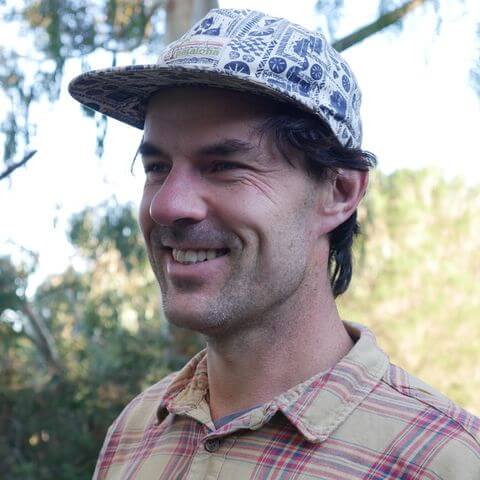
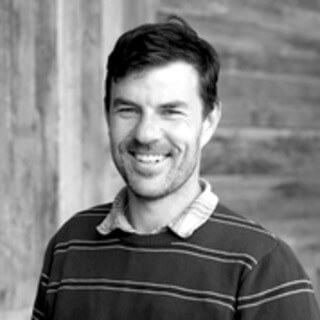
My name is Luke McLean.
Yeah,
I'm your host of Conscious Conversations.
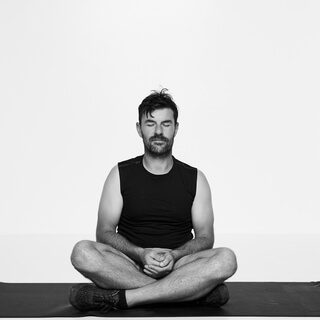
I'm a meditation teacher and a life coach.
If you want to check some of me out and what I'm about,
You can hit me at ecolifecoaching.
Net or lukemclean.
Net.
It's going to take you to the same place.
On Instagram,
It's lukemclean__ mindfulness.
So that's where I'm at.
That's what I'm doing.
I have actually just hit up a new website.
So I've got my podcast on there.
I've got some meditations and I'm hitting you with a little daily blog.
It's a little paragraph that I'm going to hit with each time and I'm coming up with this sort of new model that I'm playing around.
And you'll see it on the website and I'm really excited for it.
I'll talk more about that later.
But it's not about me.
This one's about Kate James.
Kate James is an author.
I think she sold 110,
000 copies of her book.
She's got four books out.
She's been in the mindfulness and mindful coaching space for over 20 years.
So she's been bringing this a long time and she's the real deal.
She's well respected.
She's well represented in mindful coaching,
From books to speaking to retreats to working with big companies and big bosses.
She does the works.
She's got a great diverse coaching range.
Everything that Kate delivers is world class.
From an Instagram post to a website,
Just to how she uses her languages or it's an online course,
She brings an authentic professionalism to her,
To this practice of coaching.
Which in coaching you can see a lot of people trying to get the fast fix really quickly.
And in my time,
You've got to find your voice and you've got to be patient in how you deliver it.
You're better off trying to deliver something that's really nice and you're really proud of than a lot of things done poorly.
And I've learned that lesson firsthand.
So without further ado,
Welcome Kate James to Conscious Conversations.
Luke?
Yeah.
We're relocating a house at the moment,
So we moved it from Furniture Gully and we've moved it to Birragurra.
So it's been a process.
I cut it into three pieces and they relocated it.
And at the moment we're just getting it put back together and just doing all the fun stuff to the house.
So it should be about four weeks away before we're looking like getting in.
Wow,
That's pretty exciting.
It's super exciting.
Yeah,
It's going to be nice.
It's got a big shed out the back,
Which I'll be able to actually have an office to be able to do some coaching and some stuff,
Which I haven't had in the other houses sort of away from the kids.
That's exciting because you've got lots of kids,
Haven't you?
You've got five.
Yeah,
Amazing.
So it's hard to get a quiet space in the house and that's why we sort of put the shed,
Will be like a rumpus room sort of play area for them.
Yeah,
Perfect.
So yeah,
It'll be nice.
Oh,
Good one.
Well,
I'm really glad.
I'm glad things are good for you.
Yeah,
We're getting there.
So I'm going to be excited to do this little chat because I think there's a lot for us to get through.
Is there anything,
Especially Kate,
That you wanted to touch on or talk about in it or just to.
.
.
No,
Let's just see how we go,
Hey?
Yeah.
Oh,
I just,
You know,
I haven't got the other phone.
That's good.
I'm just making sure this phone's on,
Doesn't have vibrate on.
So I'll just do that.
I'll put on do not disturb.
That's fine.
Okay,
All good.
All right.
So I think where I'd love to kick off,
You know,
And when you did the session at Cotton On,
I'd love to kick off sort of and start with before you got into the coaching and the meditation teaching and sort of how you transitioned,
You know,
From,
You know,
Like a mum and a previous to the coaching and sort of how you made that leap into your own business,
Your own brand and what that looked like for you.
Sure.
Is that okay to start with?
Yeah.
Okay.
Perfect.
So I think we'll kick off there.
I think it's just,
Kate,
You know,
If you could just,
You know,
Start with what life was like before meditation,
Before mindfulness and before the coaching and what you were doing,
You know,
In that life almost,
You know,
It would feel like another life ago,
But,
You know,
And when you were a mum raising the kids,
You know,
How did you sort of transition into the coach?
Yeah,
Sure.
Okay.
So it's sort of multi-layered really.
When I had my kids,
I'll just backtrack right to kind of the beginning of my interaction with meditation.
So I actually first tried meditation when I was 21.
I'd always been interested in sort of alternate things or from the time that I was about 14.
And at 21,
I read a book called The Calm Technique by Paul Wilson.
And I remember sitting at the end of the bed going,
Okay,
I'll do exactly what he's described in the book.
And I closed my eyes and thought,
You know,
I'll try meditation according to these sort of rules or this outline that he'd given.
And my experience was that nothing happened.
And you know,
It took me a long time to realize that that's pretty much the essence of meditation.
And so I gave it away at that point in time.
Still had an interest,
But I didn't practice.
And then fast forward to when my eldest daughter was five and my younger daughter was two.
And my husband who works in the film industry is a freelancer.
We were going through a period in our lives where there was no work.
And that had been,
It was about six weeks of no work for him.
And I was working part time,
But you know,
It was a real challenge.
And I was trying not to be stressed and noticing though that I was getting stressed with the kids.
And I really have to revisit this meditation thing.
So I learned transcendental meditation,
Which is,
You know,
It's quite a commitment financially and also time wise.
And I was very aware that it wasn't really ideal timing to be committing to anything financially,
But I really knew that it was the right thing.
And some of my family members helped me out a little bit with the finances,
Which was lovely.
So I did that.
And from that day forward,
Meditated every day.
And I still do.
I meditate every day.
And that's a long time ago now.
So 25 years ago.
Well,
Kate,
That story,
Which,
You know,
It always amazes me,
But like what in your heart or what was it?
What did it feel like that was telling you that you had to get back to meditation and that this was the right thing to do,
Even though in the head wise financially,
It might have seemed the wrong thing to do,
But you just,
What was that urge or that feeling that you had that told you that?
Well,
I can only say that it was an instinct and I feel that if I'm,
You know,
Really listening to myself and listening to my instincts,
There are so many different examples that I have of being guided towards the right answers.
And,
You know,
I can't sort of describe exactly what that looks like,
But it's,
I suppose firstly it means slowing down a bit because I tend to,
You know,
Despite the fact that I teach mindfulness,
I tend to be one of those people who speak go,
Go,
Go.
And so,
You know,
Just slowing down enough to be able to see myself in that moment.
It's a long time ago now,
So I can't really remember exactly what that was like,
But I know that this plays out in my life even now.
And just going,
You know,
What do I need?
And so often I think the answers are within us.
And I knew that meditation was something that had called me for a long time and I've just been ignoring that calling.
And you know,
I would say it's the single thing that has transformed my life more than any other thing.
You know,
So being a mum transformed me and being married to a beautiful partner is life changing,
But really the thing that has had the biggest impact on me as an individual has been meditating.
Yeah,
Well,
It kind of acts as a boundary line a little bit for how you live,
Like it just keeps everything,
You know,
Not as it has to be,
But it sort of just brings everything together in a way that you can show up,
You know,
Authentically.
Yeah,
I completely agree.
The question I just,
You know,
I get fascinated by really great questions,
Kate,
And I think,
You know,
You just asked a really important question and I gather it's a question you would ask people that you coach a lot,
But you know,
What do I need right now?
You know,
The process of a question like that,
You know,
How do you go through,
How did you go through that and how do you go through that these days in terms of answering that,
You know,
With authenticity?
Well,
Again,
I think it comes back to slowing down and I,
You know,
I noticed that I get back into the habit of getting busy in my life and,
You know,
Doing rather than being,
So I don't create that stillness.
I do meditate every day,
As I said,
And I try to do a practice like a yoga practice,
A physical practice that gets me into my body,
But still I can get very caught up in the busyness of life and,
You know,
Coming back to that just a little tiny bit of space and ground,
I find grounding really important,
So some people like to prefer to use the experience of earthing,
So really sort of feeling your feet planted on the ground and then again,
It's intuitive that the experience of,
You know,
What do I need right now?
It might not be anything huge,
It might be,
Well,
You just need to,
You know,
Take an hour off or you need to go for a walk or you need to eat a bit healthier or whatever it is or you need to change relationships or,
And then it can be bigger things like you need to change your life in some way,
But I think the beginning point is probably just slowing down enough to feel as though you get into your body,
Into the physical experience of being in your body and for me,
It helps to be grounded.
Yeah,
Yeah,
Well,
I think that's beautifully put.
I think personally I know that when you can slow down,
You can actually cultivate some space from that,
From the slowness and then the space to receive what needs to be received becomes important in that part of the practice.
Definitely,
Yeah.
Okay,
So you did the TM course and you talk about the importance of the financial commitment because that was a little bit of the catalyst in terms of taking a bit more seriously,
Is that true?
Yeah,
Absolutely and,
You know,
With TM they teach in a much more rigid way than I teach,
Which for me was actually really good because they said in that course that you make a commitment to meditate twice a day every day for 20 minutes and,
You know,
I guess because I've made the big financial commitment and also because we're in a challenging place,
I thought,
Well,
If I'm going to do this,
I'm going to do it properly and so I did meditate twice a day,
Every single day for three years without missing a single day,
Which was hard with two little kids.
I can imagine a two-year-old and a five-year-old sometimes weren't that keen on the idea of me being in the room.
I can imagine that really well.
Yeah,
Sometimes they'd be having a little tiff outside the door.
You know,
I'd try and meditate when play school was on or I'd meditate before they got up in the mornings,
But it didn't always work out like that.
But it was transformative and I think it was literally about three weeks after I started that I just felt this complete shift in my energy.
It was like someone turned the volume down.
Yeah,
Nice.
Yeah,
You know,
It was just the most beautiful thing.
And then after three years,
I think I got a bit,
You know,
Maybe a bit arrogant with it and I thought,
Oh,
I think I'm pretty cured now.
You know,
I'm good.
I don't have to meditate every day twice a day.
And so I dropped it for a little while,
Not for very long.
But it was just about a week later that I remember,
I remember this really clearly driving down the road near my house and someone cut me off in traffic and I felt this irritation.
And I thought,
You know,
I hadn't had that feeling.
Things that would potentially irritate you in life when you're meditating consistently.
I think that,
You know,
That's what I mean about the volume being turned down.
You just don't feel that rise of frustration or irritation that is synonymous with so many of us.
Yeah,
It takes a lot more to get you to that point,
Doesn't it?
Once you've.
.
.
Yeah,
It really does.
When you're in shape.
It's a lot,
You know,
With being in the wellness background,
Kate,
It's similar to working out and getting fit.
It's like you get fit and you don't realise how fit you are,
Whether it's,
You know,
Surfing or running until you stop it for a few weeks and then have to get back and start again that you realise,
Hang on,
I was actually in really good shape and how quickly I could lose shape after three or four weeks of not doing anything.
And absolutely agree that meditation is exactly the same sort of principle behind it.
I think that's a really good analogy actually.
And you lose it quickly,
But you can get it back quickly.
So,
You know,
That's comforting to know.
And luckily for me,
I did.
I went straight back to it and I got it back quickly,
Which was great.
But it was quite,
Probably in a way,
Quite helpful to see or to become aware of that distinct difference of,
You know,
With meditation and without meditation.
Yeah,
Okay.
And in this,
You're going through this journey,
You know,
With the young kids and I know that your kids are growing up now.
So sort of what's the landscape of meditation and mindfulness back there?
Like,
Cause I imagine it's nowhere near what it is now.
And you're one of the first,
You know,
Sort of coaches or life coaches to really put the spotlight,
Especially in Australia on meditation and mindfulness as a coaching platform.
So what was the meditation and mindfulness landscape like at that stage?
You're right.
It was really different.
So I didn't start my business until the kids were a bit older.
I started the business in 2002.
So that was,
I think about nine years after I first started meditating.
And even then,
So,
You know,
25 years ago when I first started meditating,
It was really quite a,
It wasn't a mainstream thing.
That's probably the best way to describe it.
So there were a few spiritual groups,
But that was about it.
TM was probably one of the more mainstream versions of meditation that you could learn.
And then,
So then I'd been working as a business manager for creative people.
I've always hung out with creative people and,
You know,
Never really considered myself to be creative.
So I like to just hang around creative people to make me feel like I was at least something for the best of them.
I've learned since then that actually everyone's creative.
You just got to find your way.
But so I was working as a business manager for creatives and I really loved the people that I worked with,
But I wasn't loving the work that I was doing,
Which was more sort of businessy.
And,
You know,
I'd ended up getting into areas like IT and finance because I've got a reasonable good business brain.
But I thought,
I'm not doing something here that feels really purposeful.
And so I started looking around for alternatives and looked into doing psychology.
And then I found a coaching course and I thought this will be perfect because I can coach creative business owners to help them be a bit more business minded.
Which is something that I felt like I had a good experience in.
So I did the coaching course and started the business.
And it wasn't long after starting the business that I had people who were coming to me say,
You know,
What do you do to manage stress?
So this is,
I feel like this was the beginning,
This is 2002,
This is the beginning of people really starting to get stressed or that was my experience anyway.
You know,
Life was getting busier and people working longer hours.
And I said,
Look,
What I do is meditation.
And even then,
Meditation wasn't big.
So I'd say to people,
Go and look at TM,
But TM was quite expensive.
And so a couple of those clients asked me if I'd teach them.
And it began just organically like that.
I thought,
You know,
I can teach them what I know.
And so I started running classes and that started to grow quite quickly.
And then I had a few fairly brave corporates ask me if I'd go into their corporate,
In fact,
One of the first ones that asked was National Australia Bank,
And teach them meditation.
And you'd walk into the room and they'd be really skeptical about it.
I tried to make it very accessible and,
You know,
Really uncomplicated.
And that did really well.
And I remember adding meditation to my website.
I was building my website myself back then,
Which I actually still pretty much do these days.
And I remember thinking,
Oh,
I don't know if this is going to go down well with the business world,
You know,
Putting meditation in a business coaching website.
Because that's sort of,
You know,
Especially back in those days,
That set you apart,
I guess,
Good and bad,
Because you're putting a word out there that's really strong that sets you as an expert in a field that isn't as well known or as well accepted in the business world as say,
For instance,
It was around relationship or team building.
Totally,
That's right.
Yeah,
So I really felt like I was putting myself out on a limb.
And you know,
I wrestled with it so much in those early days.
One day I'd feel confident about doing it,
And the next day I'd be really conflicted and think,
Oh,
Maybe I should take it off.
And you know,
Probably I would have taken it off a couple of times along the way,
Because,
You know,
It was so easy to change the website then.
But again,
Like the calling to meditation,
This call,
You know,
Within me,
This sort of deep intuition that this is actually really what I'm meant to be doing was strong.
And so ultimately,
I just went with it.
And I think,
You know,
In the end,
It's ended up being the greatest gift because what it's meant is that it's been a beginning platform for me to really explore what my version of coaching is,
Sort of not looking outwardly at what other people are doing.
And I'm really mindful to,
You know,
Just forget about what competitors are doing and really focus on what do I feel is right for me.
Yeah,
Well,
I think a couple of things I think is really important.
What you're saying is living what you're coaching,
Like I'm expecting that you'd probably be having the same conversations with your clients when they're starting businesses or trying to be more creative is to,
You know,
To live your version of that.
And that's going to become the best outcome for you not trying to copy what everyone else is doing or make it fit perfectly.
Absolutely.
And I think meditation and mindfulness,
You know,
Having done quite a bit of it myself,
It's so much information that you take from it and you find what works for you.
And that's,
Everyone's is different.
There's not,
You can't just copy one teacher and try and be that teacher exactly the same.
You've got to take the TM or,
You know,
The vipassana or whatever it is and find pieces that you sort of make that's yours to use and also yours to teach if that's the case.
Definitely.
And I think you're absolutely right in saying that I talk to people about,
And not just business owners,
But individuals.
So these days I work with people who are wanting to find a new direction and usually one of the other things that I work with people on is sort of building their self-belief to pursue whatever it is that they're passionate about.
And the beginning point for all of that is understanding your own values,
Your sense of purpose and what feels authentic to you.
And actually your business is a great example too,
Luke,
Because you bring your life into your business.
The fact that you've got five children and that eating healthily is really important,
Strong connection with nature and movement as well as the mindfulness part,
It all sits beautifully together.
So people who have the same values will be attracted to your business and I hope that that's still what I do,
To try and model the things that are really true and meaningful for me.
Yeah,
And that's where the uniqueness comes out and I know speaking to you and knowing you for a while now,
That's the authenticity without trying to prescribe the authentic look.
It's just what comes naturally and then finding a nice way to deliver that,
That people can digest,
That people can actually then use and you'll attract the audience that sits there that wants what you've got,
Which you do,
I think better than anyone else in the mindfulness space because you're really sort of clear with the simplicity of the messaging.
And I'd love for you to talk about the work you've done on yourself to get that clear and that understanding of if you're doing a retreat or a half day or a business that you can talk with real simplicity and clarity about what it's about and what it's going to do.
Well,
Thank you for that lovely feedback.
That's very kind of you to say that.
You know,
I have to say just on that note of sort of putting the message out there,
Marketing doesn't come easily to me.
It never has and putting myself out there has always felt uncomfortable.
So I want to probably say that,
You know,
Just maybe for somebody who's listening,
Who's starting out doing their own thing,
It can feel really clunky to begin with.
And it took me ages to get my head around,
You know,
How to write a copy for my website or how to write an Instagram post or all of that stuff has actually been quite effortful,
Not it hasn't come naturally.
But it's nice to know that it does look like it's authentic.
So I really try to make sure that I stay true to myself and don't get caught up in,
You know,
What should I say,
But rather just try to stay true to myself.
So that is really important.
And so your question is really around how I do that.
Is that?
Yeah,
I just think it's how you get really clear about,
You know,
What the outcome is going to be of this course or this retreat.
It's that it speaks really simply and clearly to the customer.
It's not,
I think you find we can,
You know,
Especially if you're a coach or you're someone that's trying to sell something,
You can get lost with trying to give them so much stuff and it becomes too much that they're actually not sure of what they're getting from it.
Yes,
Yes,
That's a really good point.
Okay,
So with the retreats,
It's a good time to have this conversation actually,
Because I've just been addressing this right now with the retreat that we run in Byron Bay.
So years ago,
I went on a retreat,
A yoga,
Mainly yoga retreat,
Not so much meditation.
And the focus of the retreat was really strong vinyasa flow practice,
So lots of yoga.
And so I had in my mind that when you run a retreat,
It should be quite energetic and you know,
A bit of a workout.
And don't ask me why I had that in my mind,
But it was just,
You know,
Sometimes you get caught up in something and you think,
Oh,
It's got to look like this.
And so we've always had yoga at our retreats,
Which I love.
But what became really evident to me over the last couple of retreats that we run,
And probably because I was working with my daughter,
Actually,
My daughter,
Meg James was teaching meditation was teaching yoga,
Sorry,
At our retreats,
She has since dropped the yoga and now teaches meditation full time as well.
But when Meg came on retreat,
She,
She said to me,
No,
Really,
I think that this is more about nurturing people and slowing down and nourishing them,
Which was such a great insight.
And I think I was a little bit caught up in the idea that it needed to be something different.
And again,
You've got to just sort of step back and have a look at what is it that I'm offering and be really clear that it's,
It's not this,
But it is this.
And so this year,
I've changed the name of the retreat to meditation and mindful movement.
So it's not,
You know,
It's not that hardcore exercise element.
Yeah.
But it is about,
You know,
Deeply nurturing and finding that sort of stillness and quiet within your body as well as movement that supports that.
So we've actually got as well as a couple of gentle yoga classes this year,
We're including chi gong and walking,
But it's not again,
It's not hardcore,
You know,
Really fast walking where you've got to try and get fit.
It's much more about sort of being in nature and,
You know,
Having that gentle experience.
Yeah.
Well,
I think there's a couple of things on that I think Kate,
Which you've nailed is,
You know,
When you put yoga and retreat in the same words together,
It can come across that it's a real immersion into yoga that,
You know,
Is pretty full on because you're going to go there for five or six days to really,
You know,
To work out pretty hard.
So you know,
If it's a nurturing piece and the word mindful movement is a lot softer and more understood about the education and the importance of it to make you a better person as opposed to the workout.
But I want to talk about,
Which I wanted to talk about Meg,
Because,
You know,
Firstly,
What's that like now,
That relationship where Meg's,
You know,
Teaching meditation and how does that feel to have your daughter sort of following your path?
Well,
Firstly,
I'd say that,
You know,
The word that comes to mind is just joyful.
Yeah.
You know,
She's a beautiful teacher and so gentle.
It's funny with your kids,
You know,
If you're passionate about something as I was about meditation,
You introduce it to them when they're little.
And when they were,
You know,
Tiny,
I used to read them meditations before they went to sleep and,
You know,
I'd read them a story and then I'd do a meditation with them and then we'd sing a couple of songs and the nighttime routine just grew longer and longer.
And they loved it then,
They really loved it.
And then they got both of my girls,
Got to their teenage years and they were really dismissive,
You know,
As they do when they're teenagers.
They're like,
Oh no,
That's just mom's hippie stuff,
You know,
We're not into that.
And both of them have come full circle.
So they both practice meditation now.
And it was,
For Meg,
It was sort of,
It was actually yoga that got her sort of coming back I guess.
And she started to experience some anxiety when she was a teenager and got into a yoga practice and she began practicing Bikram yoga.
So she was doing that much more hardcore practice and sort of working her body really hard and pushing really hard.
And it helped her but I think she recognized,
It wasn't too long before she recognized,
Although when I say not too long,
Maybe a couple of years,
That the more gentle practices were going to be better for her and quieten down some of that anxiety.
So she did her,
She was working in a job where it was really long hours and good salary and she was doing really well.
But she recognized that it wasn't fulfilling her.
So she did her yoga teacher training and then just took a bit of a punt and quit her job and decided that she'd take a career break and explore the option.
And you know,
Being a yoga teacher full time is not an easy thing to do.
But explore the option of teaching yoga.
And not long after she started teaching,
She injured her knee.
Which meant that teaching yoga was actually really difficult.
And so she was doing a little bit of meditation teaching on the side but she thought,
Well,
I'll just move into that for the time being until my knee heals.
And just discovered such a love for it and such an affinity.
She's a really natural meditation teacher.
So watching her grow and blossom into her own style is just such a beautiful thing.
She actually posted on Instagram just the other day that her word for this year,
Her word for 2018 was grow.
And what she didn't realize at the time when she chose that word was that she was,
She's pregnant.
So she's about to become a mum.
Well,
There you go.
Yeah,
Well,
That's amazing.
She's growing in multiple ways.
Yeah,
She's going to grow and she's going to grow as a person and grow the family,
Which is,
You know,
It's an amazing journey,
As you know,
To be on.
Yeah,
Exactly,
That's right.
So yeah,
It is a joy seeing her teach and,
You know,
It's such a beautiful experience teaching with her.
So that's been a real blessing.
And how's that process that you sort of mentioned then,
Kate,
Around,
You know,
You've been doing meditation for sort of 25 years and how do you still have the agility of thinking or what does that look like when Meg or someone says maybe we're more about nurturing and we need to shift how you do things away from how you've always done it and continue to build the brand and build yourself?
How do you go with accepting that information and then making the change?
Well,
First of all,
I want to say that there's been a real mindset shift in me around change.
So years ago,
I used to think about the fact that I would one day get the offering on my website,
Total Balance,
I'd get the offering right,
You know,
In inverted commas,
I'd work it out.
And then somewhere in the last probably really 10 years,
I started to realize that it's actually not about getting it right,
It is about evolution.
It's about continuing to shape it and mold it to fit with who I am now and I'm not going to stay the same,
You know,
I'm always learning.
And being brave enough to then listen to whatever's coming in and,
You know,
It might be from somebody,
Like in that case it was Meg or from,
You know,
My intuition and just moving in that direction.
So yeah,
I recognize that it's an evolution,
It's not ever going to be set in stone,
The offering and I do keep changing things,
You know,
You often look at my website and see that something's different and that actually feels really exciting now and that's part of the,
Probably the recognition that I have,
That I'm quite creative in that I can just tune in and think of something that I want to do next and,
You know,
Create,
Hopefully create that and make it happen.
Yeah,
Well,
You know,
I think you're right and I think mindfulness and coaching,
It's a moving market,
It's constantly evolving now,
It's becoming,
You know,
More and more popular so I think you've got to move with it as well because,
You know,
There's a new tool or a new way to do things and,
You know,
We could talk a little bit about the stuff that you're doing around self-compassion which is becoming a lot more popular and for good reason,
But if you're sort of stuck in a certain way or a certain way that you run your meditations and,
You know,
You don't do self-compassion or you don't do loving kindness and you put the barriers up,
Then you,
You know,
You cut yourself off from a potential audience but also from the ability for you to grow as a person as well.
Yeah,
Look,
The self-compassion stuff is just,
It's content that I absolutely love and I'm actually heading up to Queensland this weekend to do a bit more training in that.
I really feel as though this is something that's just so needed.
So yes,
Whatever I'm learning about,
I always want to share and you're right,
I mean,
The landscape's changing all the time and the great thing is that there's so much research now so,
You know,
Back when I started,
There wasn't a lot of research to draw on to be able to tell people this really does work.
It's not just us imagining that it works as anecdotal,
As,
You know,
As anecdotal evidence is now,
Empirical evidence that says it really works.
Which I think for a lot of people that science has made a big difference in terms of how they receive mindfulness and the same thing's happening with self-compassion,
You know,
There's lots of research being done.
In fact,
A couple of years ago,
I went to a conference in Sydney which was the Mindful Leadership Conference which was run by a wake-up group who are on a bit of a sabbatical at the moment while John O'Soberg is staying.
Sounds true.
But at that conference,
There were researchers from Harvard and Stanford and Berkeley and lots of discussion about compassion and self-compassion in leadership and,
You know,
I feel like it's just the beginning of that conversation.
It's really positive.
Yeah,
Well,
I know I just listened to the e-book Altered Traits which,
You know,
Which sort of took a lot of the research from,
I think it was Dan Goldman,
And just sort of spoke about it in real terms like it's just how it is and self-compassion and loving kindness was one of those ones that they've researched that,
You know,
Really does bring a greater sense of equanimity to the moment and it's actually been proven really strongly as,
You know,
As a real tool.
Well,
Yeah,
There's lots of evidence that says that loving kindness is one of the most beneficial particularly for people suffering from anxiety.
Yeah.
And I know personally for me being a man,
Like I think that a way to get that to more men to be able to create a practice around that's really important so they've got the ability to show it and appreciate it and use it rather than sort of bottling everything up.
Yeah,
Well,
I think you're right.
It's so important to see men role-modeling this stuff.
I think again it's being more broadly embraced.
We still got a way to go,
Don't we?
But you know,
You will see that men are comfortable to talk about meditation and even,
You know,
Mental health just in general which I think is such a positive thing.
Yeah,
For sure.
All right.
So,
Kate,
You've got the business which I loved and you're up and going.
Now,
The next bit where we sort of met was when you were really in that early stages of books and writing.
Can you give us an overview of how that came about and what the first,
You know,
12 months of that process was like for you to take on books and take on being an author?
Yeah,
Sure.
So,
I think the only thing that I've ever known in my life about what I would do when I grew up was that I wanted to write.
So,
I've always adored books and loved writing and knew that one day I would want to write a book and I had no idea what it would be about.
So,
Right from the very beginning of my business,
I thought one day I'll write a book.
And I spent a long time sort of umming and ahhing about what the book would – I knew what the content would be.
Mostly,
I've got so many journals that are full of,
You know,
It will be about this and it will be about that.
They're all the things that I've written about.
But funnily enough,
I didn't – I needed to have a title.
I needed to kind of have the concept to see the rest of the work around.
And it took me forever to come up with the title.
And one day,
It just came to me just out of nowhere.
And so,
That first book is called Believe in Yourself and Do What You Love.
And it came and I just – I didn't doubt it at all.
I felt complete confidence with it.
And I was catching up with a friend of mine who works in advertising for Brekkie and I said to him,
What do you think of this title?
And he said,
I absolutely love it.
You should go for it.
And so,
I think that that was about 2013.
And then,
Maybe six years earlier,
I had been to an event.
There's a magazine called Dumbo Feather which is a beautiful magazine that talks about sort of real life stories and often people who are making some significant change in the world.
And the girl who founded that was a girl called Kate Beaser.
And she had an event in Flinders Lane with a fairly small group of people just talking about her work and how she'd come to found the magazine.
And I went along to that.
And when I was there,
I met a guy called Martin Hughes who was then,
I think,
The editor of The Big Issue.
And I chased him up afterwards and we had a coffee.
And we kept on catching up,
Maybe once every six months.
And I was saying to him,
I want to write a book one day.
And he'd written a book called The Slow Guide to Melbourne.
And sometime after that,
He became the editor at a small publishing house called Affirm Press.
And when I finally hit on this,
Having an idea for what the book would be,
I gave him a call and I said,
Would you have time to have a coffee?
And he said to me,
Yeah,
Actually come into the office and we'll have a meeting.
And he said,
I'll invite our sales director as well.
And I thought,
That sounds pretty promising.
But I was calling him to find out about self-publishing because I never imagined for a minute that I'd get a publishing deal.
And I thought,
I might just put together a book proposal to make me look like I'm serious.
And so I did this quite long and intense book proposal,
You download a template online for a book proposal.
And it's a fair bit of research,
But I did it and I felt like this is coming together really well.
And I felt really proud of what I put into the book proposal.
And was heading in to have a meeting with these guys.
This is funny,
I haven't thought about this story for ages.
I was heading in to have a meeting with them on the Monday.
And on the Saturday,
A lovely friend of mine called me and she actually,
She'd just come back from being overseas and she'd had her handbag stolen and she was a bit upset.
And I dropped over to her house and just to have a coffee.
And sitting underneath her coffee table was a book by a guy called Paul Arden called,
It's Not How Good You Are,
It's How Good You Want To Be.
And I said,
I can't believe you've got that book sitting there.
I've been thinking about my book and thinking that I want to make it a small book so it's really accessible,
Which is what Paul's book was.
And anyway,
I kind of dismissed the idea and went into the office on the Monday to meet with these guys with my book proposal.
And I had this idea of a little book in the back of my mind and started talking to them about the book.
And Martin,
The editor,
Said to me,
You wouldn't consider making it a little book,
Would you?
And I said,
Well,
Funny you should say that.
I've been thinking about it.
And he said,
Let me just go and grab one and show you as an example.
And he came back into the room with that same book.
Same book.
It's How Good You Are,
It's How Good You Want To Be.
It's not how good you are,
It's how good you want to be.
And I thought,
Well,
There's a sign if ever there was one.
And so that's what we did.
And they offered me a contract.
And yeah,
It's kind of like the rest is history really because it just took off.
Well,
It's one thing,
Kate,
And I think this is like for anyone that's listening or whatever,
The fact that you put something that you want out there to enough people that you just speak,
Not sort of preaching,
But really clear about that you'd like to write a book and this is what you're about.
And when you start to put those things into the universe in the right way with real intent,
That you'd be surprised in how often they can come to life and you meet the right person that can actually take that information and use it and all of,
You know,
Exactly the story you're talking about is about the right timing of things working for you.
So I think that's an amazing story for people to learn from.
Yeah.
And look,
You know,
It's funny,
Look,
I love science and I've always looked for the evidence for everything,
You know,
Give me the data and I'll believe it.
I didn't have the science with meditation,
But I really believed it that I was desperately yearning for the sciences back when I started.
And I don't have the science for this idea of synchronicity,
Although,
You know,
Was it Albert Einstein who talked about it?
I think it was.
Yeah.
But I have had that experience in my life so many times that I just,
I can't deny there's some truth in it.
You know,
There have been some incredible miracles in my life that I feel hugely grateful for.
And you're right,
You know,
Just putting a bit of energy out there in the world about things can,
You know,
It can create some change in your life that is sort of beyond what you expect.
Yeah.
And it's even with the science behind it,
Kate,
I think like when you coach someone,
It's about them getting really clear about what they want and how they can tell that story or paint that picture so they can actually take next steps.
But it's similar.
It's like just getting really clear and understanding of what's,
You know,
What's important to you or what you want and how you want that to look just makes it so much simpler to get it if you've got a sort of a fuzzy idea,
You're going to get a fuzzy outcome.
So I think that that's exactly what the book was sounding like for you.
And then it wasn't just one book.
I think it's three books now that you've written.
Yeah,
Four actually.
Four now.
Yeah.
And I'm in the process of writing the fifth.
Are they getting longer or are you staying with that short format?
This new one will be a bit longer.
It's still,
I'm really clear that the work that I do is about gathering lots of information.
So I love reading and I love researching,
But what I like to do is distill that into sort of bite-sized pieces for people.
So just making a whole lot of different things accessible.
So lots of the content in the books is content that I've researched.
So it'll still be relatively short,
But a little bit longer than the previous ones.
Okay.
And what's the writing process?
Are you getting more efficient at that or what's that look like for you now in terms of how long it takes for you to research,
To get it to pen to paper,
To get it to publish?
In this sense,
I'm actually a real creative.
It's a messy process.
It's not linear and I'm not structured at all.
It's all a bit mad.
I think I am getting better and as you know,
We've shifted house.
We moved out of town a year ago.
And one of the things that I've discovered since being here,
Our house has a really strong connection to nature and I've always known that nature is my spiritual practice,
Being in nature.
So that is very healing for me in its own way or certainly nourishes my creativity and I'm finding that I'm writing much more easily or much more readily here.
So it's a joy being here and writing,
But the process is pretty much ad hoc.
So I'll brainstorm the chapter ideas at the beginning of the process and just check them off with the publisher.
And then I don't write it from cover to cover.
I'll just sort of again,
Quite intuitively think about what is it that I want to write about today or something might pop into my world and I think,
Oh,
That's really appropriate for that chapter.
So the book kind of,
You hear a lot of writers say this,
The book kind of writes itself and I might start with a list of chapter headings,
But then other things come in and even right down to the last data,
Something will come in and I'll think,
Oh,
That really needs to be included and that'll get put in there.
I've discovered that I write really well on planes,
So it's been very helpful that my oldest daughter lives in New York or she was living in New York,
She's moved to LA now,
But those long haul journeys to go with her were really good.
For a couple of chapters?
Yeah,
Yeah,
Lots of chapters.
I could belt content out on a plane.
I think probably largely because there's no distractions.
So yeah,
And I love getting away to write.
This weekend I'm heading up to Queensland,
As I said,
To do some training and I'm going a couple of days earlier,
So there'll be some writing time in there and that's really probably where I do my best writing.
Although having said that,
If I'm here and I'm not working,
If I'm here at home and I have an opportunity to go for a walk or something in nature before I write,
It's really easy.
And I think the nature piece,
Kate,
How important is the coaching environment?
Like I get the content,
But the environment of if you're coaching where you live now,
Closer to nature,
Or if it's for a bush walk or if it's on a retreat,
Can you get an idea or give an idea of how the different environment affects the coaching and the information?
Yeah.
Oh,
I think it's a really good question.
So I started working at home in our old house and then I shifted my coaching practice.
After about four years,
I shifted into the city.
And while I would say I've always,
The intention is always of course to do my best work,
I really noticed the difference in the energy of being in the city.
And I was in the city for probably about four years and it was great for clients because it meant that they could just leave there.
I was working with a lot of lawyers and bankers and people who worked in service-based businesses in leadership positions.
They could just leave their office and walk down the road and see me in Collins Street.
But I knew in my heart that I did better work at home.
And so the environment that I had in the other house was really beautiful.
But what I've discovered since coming here is that this is really the place that I do the best work I've ever done.
I work in a small room.
It's not nearly as beautiful as the other room that I worked in.
It's unrenovated.
It's got brown windows and daggy carpet on the floor,
But it's got the most beautiful energy.
So yeah,
The work that I do here is really I think my best work.
And I think that's an amazing point because I think how do you hold the tensions between if you're coaching a client and the decision-making process comes between having an abundance of work or getting extra work but doing good quality work.
Like how do you choose the relationships and the people you get involved with as opposed to financials or what they could give you as opposed to will this bring out the best quality in me?
I think it's a really delicate line and it's like a lot of things.
And this is a concept that I refer to in a couple of the books.
It's a paradox.
It might be that you do your best work in an environment like this,
But of course I'm away from the city,
Which means that it's harder then to get clients because I've got to have clients coming all the way out of,
Mostly they're coming from Melbourne.
And I changed my fee structure to reflect that.
I figured that I can't be charging Colin Street prices here,
It just doesn't feel appropriate.
So I've actually dropped my fees since coming here,
Which felt,
And again,
It's always intuitive.
It felt like a good decision to do that.
And that still feels really,
Really right.
But I think there is a tension between what's the work that will generate enough income for me to pay the bills and what's the work that feels inherently soulful.
I try to keep pretty practical about that.
So for a lot of years I actually had a part-time job because my coaching work wasn't generating the kind of income that I needed to pay the bills.
These days my business as a whole does.
The coaching work is part of it.
I'm speaking,
Running workshops for corporates.
I've got books and other products,
I've got a course that I'm selling on Insight Timer.
So there's various different streams of revenue coming in.
But I think that it's an imperfect equation.
You can't just necessarily say that it doesn't matter where you are,
That you can charge whatever you want and so on.
I don't really necessarily agree with that concept.
I think that it's about,
Again,
Listening to your intuition.
Yeah,
Okay.
I was going to touch on the Insight Timer courses and the speaking.
And how do you,
Kate,
You do have a lot of irons and a lot of different fires,
But it's the same fire which I think is really important.
It's not like you're going to talk about environmentalism and mindfulness.
It's around coaching and personal development in your unique way.
But how do you find the right mix or blend for you that you still feel productive but you've got enough diversity that there's income coming from multiple streams?
So you've got diversity,
You're not relying on coaching.
If that goes bad,
All of a sudden you're struggling.
Yeah.
It does take a fair bit of energy to have diversity.
So you're jumping from one thing to another.
But I quite like it because,
As I said earlier,
I recognize that I am pretty creative.
And for me to create a new program or a new offering is something that it actually energizes me.
The challenge is not so much the creation.
The creation is a fun bit,
But then marketing a new program,
That can take a little bit of energy.
But I just try to keep checking in and make sure that I'm not overdoing it.
And I definitely don't get that right all the time.
I sometimes push it too far and then I've got to scale something back.
Yeah,
Because it's not just the thing that you don't get right that it affects.
It affects all the other stuff that you might have right that you're taking from that to try to put into this one program that hasn't had legs yet,
For instance.
Yes,
Definitely that's right.
So it's a constant evolution really.
And I think it just takes that willingness to stop.
You know people talk about work on your business as well as working in your business?
Yeah.
It's that.
It's sort of stepping back from it and going,
Okay,
What are the things that I'm doing in my week that are really energizing?
What are the things that I'm doing that are draining?
How can I do this better?
And not just in the business,
But also in my personal life.
Try to do that all the time.
Really just reflect and make sure that I'm getting it right.
And there's always some adjustment to be made.
Yeah,
Okay.
Just to finish,
Kate,
How do you renew your energy?
Because I'd imagine that with what you do and the speaking and the coaching and the retreats and workshops that it's an intense time and that you need to be on at your best.
So what's your renewal practice or process look like?
Yeah,
Well I probably haven't been as good at this lately.
I'm lucky though because I'm living in an environment that really just naturally restores me.
But I actually,
I love being outside.
I love being in nature,
That is very restorative for me.
I need a bit more time for exercise because we've been renovating our house and that's been,
You know,
All my spare hours have been going into sorting that stuff out.
Being in the garden is really healing for me.
I love cooking.
I really,
I do love socializing,
But I'm also coming around to the fact that I love time alone and I need to create time for just,
And when I say alone,
It can be just completely by myself or with my husband,
Chris.
You know,
We're really good together just creating,
You know,
Sort of a bit of space and stillness.
And so instead of feeling bad about asking for that,
You know,
In years gone by that would have been something that would have made me feel a bit guilty to say,
Look,
I actually need some time out from being social.
These days I'm starting to prioritize a little bit more.
Do you have a view of a calendar,
Say six months ahead,
Where you've got blocks of holidays or,
You know,
Time to go and see your daughter that you can actually,
You know,
Visibly see the busyness or the bookings and then go actually that here's a pause moment?
Yes,
I'm finding that that,
Well,
I've always taken,
Chris and I have always taken,
Or not always,
Sorry,
For the last,
Since the kids left home,
Which is quite a few years ago now,
Five years ago.
We've taken a little mini break once quarter and that's been fantastic.
And the holiday,
You know,
Not necessarily really long holiday,
But maybe 10 days in winter to go somewhere warm.
So we do try to still do that,
Although we feel like we need to escape less being here.
So,
You know,
Just creating some decent pauses while we're here is really good.
So that might be a four day weekend.
In terms of catching up with Meg,
They come down,
You know,
Usually every second weekend,
Which is beautiful.
So we get to see a lot of them,
But I'm going to be a grandma in October.
Wow.
Yeah,
Which is crazy.
So I'm actually scheduling out a day for catching up with her,
But also my mother-in-law is aging.
So spending a bit of time,
You know,
Taking care of her as well.
So yeah,
You know,
I try to structure my week fairly thoughtfully to make sure there are blocks of time where I can work on the business and blocks of time where I can see clients,
You know,
Blocks of time where I'm writing and,
You know,
Times for my own practice,
If you like,
My meditation practice and exercise is always first thing in the morning.
So I do try to structure my week reasonably well to have blocks of time,
You know,
For those different things.
It doesn't always work out like that,
But that's the intention.
Yeah,
And I think that's a bit back to the,
It's never going to be perfect.
It's just got to be,
You know,
It's 80-20 type rule,
Which I think is the same with,
You know,
Whether you're a coach or not a coach or a meditation teacher.
I think there's this belief that you have,
You're going to be perfect,
Like you're going to have the perfect meditation practice every day and you'll have the perfect,
You know,
Calendar and allocation of time because that's what you do.
But it's,
You know,
The realness is it's a challenge for everyone.
Yeah,
That's exactly right.
And I think it's really important to recognize that none of us have got it perfect.
It's a,
You know,
It's a bit of toing and froing.
And I,
You know,
I talk about this in particular to living in alignment with your values.
If I look at,
You know,
Let's say for example,
My top value of inner harmony,
That could be really high when I'm on holiday and it might be a little bit less high when I'm working really hard towards something.
But the value of achievement might be a bit higher.
So I then need to just balance them out.
Okay,
You know,
Maybe it'd be less achievement,
A little bit more inner harmony might be good.
Yeah,
And I even think that,
Kate,
Like if I,
You know,
Sometimes if I'm working with someone,
It's like,
It might not feel like inner harmony right now,
But if you complete something that you're really proud of and that you've done that your best effort,
Then the inner harmony will come later.
Mm,
That's right.
Which is really important.
Yeah,
Definitely.
So Kate,
Where can people sort of follow you and get a hold of you if they need to?
I know that you've got the courses on Insight,
Which are amazing,
Or a course on Insight and the books and the speaking and the retreats.
Like where's the best place for people to get a hold of you?
Just the website,
Really,
Totalbalance.
Com.
Au.
Everything's there?
Everything's there,
Yeah.
And social media,
If people are into social media,
The links are there on the website as well.
I notice you're a bit like me,
You're an early poster.
Do you get up early and get the,
I get my inspiration really early in the morning to post?
Yeah,
I do,
Although I'm posting less these days.
A little bit the same.
Yeah,
I find that,
Look,
Social media has got a really beautiful place,
But it's also,
It's a lot of noise and I,
You know,
I figure that maybe less posts and,
You know,
Just keeping some quality there is a good thing.
But usually I don't actually write them always first thing in the morning,
But I'll schedule them.
Really?
Yeah,
I'll schedule them early because I think that that's a nice time to,
A lot of people are using social media early and I feel it's a nice time to sort of hopefully inspire somebody in their day.
Yeah.
No,
Kate,
I've been an amazing chat because it's been,
I think,
Beautiful to get your insights into your journey.
I think some people,
You can have this betrayal that if someone's an author and are really successful in what they're doing,
It's just been a natural progression from,
You know,
A great job that go into just an easy coaching job and it just all falls into place.
But then to hear that,
You know,
That meditation came about when you were financially struggling and there was,
You know,
Some serendipity and into the books and how that all took place was,
You know,
Not just by pure structure,
But by just putting it out there and really working hard that it makes the story for someone else who's in a similar position trying to make those changes,
It makes it real and achievable.
Yeah,
Thanks Luke.
And look,
There've been lots of,
I mean,
We haven't talked about the failures along the way,
But there've been lots of those as well.
Things that just didn't work out the way that I'd hoped.
So it's definitely not linear.
But I think,
You know,
The key is just trusting your intuition and just keeping going forward with whatever feels really right for you at the time.
Yeah.
And one thing I noticed with a lot of people that I connect with,
You know,
Around mindfulness and coaching is just the constant discipline to put good energy out there.
You might not always get it back,
But the people that I find that I connect with,
Not all the time,
Like,
You know,
You and I might only chat every six to 12 months,
But those are the people that are really just thoughtful and continuing to be disciplining what they do with the right intent.
Yeah.
I think discipline's underestimated,
Isn't it?
You know,
That willingness to get up every day and to be productive and,
You know,
Do the things that you need to do to create the kind of foundation,
That's just so key.
Yeah.
That's the thing I'm sort of looking at the moment is the discipline or the process to deliver the performance,
Which is the discipline.
You know,
It's for a lot of people,
It's the 20 minutes to meditate takes a lot of discipline early to create it and embed it.
But you've,
That's the work there that I think that's got to start not to go to something that's three minutes or two minutes and try to wind it back and find the hack every single time that you've got to create practices that really mean something and take a bit of effort to do.
Yes,
I completely agree.
Awesome,
Kate.
Thank you very much for that chat and yeah,
We'll catch up another time.
Thanks so much,
Luke.
It's been really lovely to talk.
Perfect.
Thank you.
Okay,
So that was Kate and it was a great chat.
It was a chat I really enjoyed.
I feel like I just got to listen a lot and just sort of really tried to be as present as I could in her stories and in how she was talking about what she does and how she was,
You know,
Sort of just elaborating on her coaching and how she shows up.
But I was just really trying to listen and be present for that because there was so many moments where I was learning and thinking about that,
What I do and how I can make people better and I was learning a lot myself.
So,
You know,
I hope I did the conversation justice.
I hope you got a bit out of it and I would strongly recommend checking out more of Kate,
Especially if you're in that creativity space,
Trying to get things off the ground but not sure or you're just off the path a little bit.
You know,
Check out some of what Kate does,
What she talks about and I think you could learn a lot.
Until next time,
That was Conscious Conversations and my name is Luke McLean.