Hey,
Welcome back or welcome to Conscious Conversations.
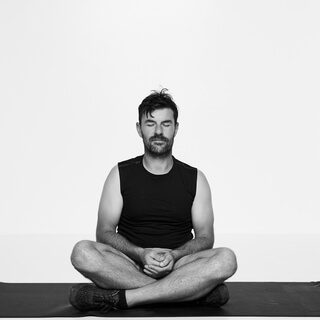
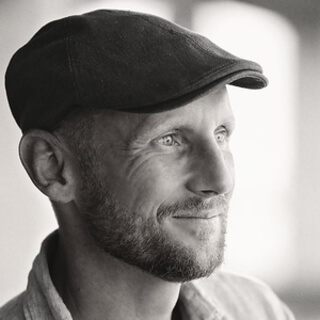
My name is Luke McLean.
I'm a meditation teacher and I'm a mindfulness coach where I do a lot of work with people to provide clarity or help them provide clarity for themselves and create some space for them to find their true purpose,
Their authenticity and their right path.
Because I think everything we've got is with insiders,
But sometimes it can get busy and overwhelmed and we get lost.
And it's just a matter of helping and working with people to find that within themselves.
So that's really,
You know,
The essence or the crux of the work that I do.
And it's a really meditation and mindfulness based coaching practice that I work with people and leaders and teams on.
This podcast is a real reflection of the work that I do because what I do in Conscious Conversations is catch up with people that I believe are living a really conscious and authentic life,
A real purposeful life.
It's a lot around wellness and mindfulness and meditation.
I catch up with some authors and all sorts of different people that have got these amazing stories of transition and transcendence that they've taken.
And also to talk about their story of where they came from,
But the tools and beliefs and values that they've drawn upon to live that way and to be successful in that way.
So that's really important for me.
And I think these podcasts do capture that.
And this one's like,
This one's really out of the box because,
You know,
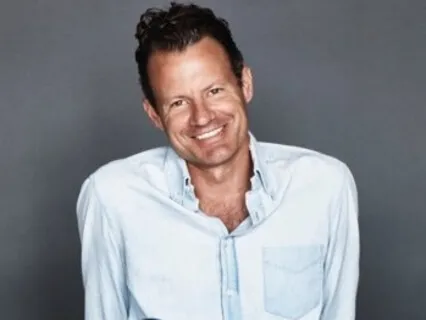
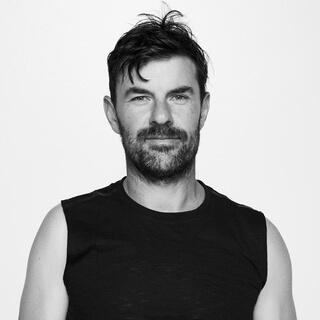
Nico Plowman,
Who's the co-owner of Insight Timer,
Which is a meditation app that I've spoken about before,
But you know,
Nico was five years ago,
Sort of living that corporate life and sort of found meditation and mindfulness,
Tried to transition into it a little bit.
He found that he got sort of dragged back to corporate life.
He'd go on a retreat and feel great and get dragged back again until he sort of made the decision to do 12 months of intensive meditation teacher practice.
Then he became a meditation teacher and with his brother Chris went over to San Fran,
I think it was,
And bought Insight Timer,
Which had a hundred thousand users at the time,
Which is an amazing story.
Insight Timer now has about six million people have signed on and hundreds of thousands of people meditate on this every day.
This is the most used meditation app by far on the market.
And you can see that there's some heavy players around,
You know,
Headspace and those types of apps and Calm.
But Insight Timer has the majority of the audience share because of the community it creates.
So we get into Nico's story,
How he's used his business,
You know,
His business savvy really to bring to a conscious community and really do good with it.
I also talked about his,
You know,
His retreat company that he's starting and what he's up to in that space,
Because this is a journey for him of self discovery,
But also how he's used previous skills with business to create this amazing app that everyone can use.
So without further ado,
I hope you like this conversation with Nico Plowman.
So we've got Nico Plowman from,
You know,
From a few things.
Is it Edmund and Amelia?
Is that the other company you've got Nico?
Yeah,
So I have recently started a retreats company called Edmund Amelia.
Beautiful.
With my partner Katya and Sir Edmund Hillary,
Who we all will at least to us in the Southern Hemisphere will know is the person who scaled Mount Everest first.
Amelia Earhart,
Who we who,
You know,
Did great things in aviation and and you know,
We felt that was a nice combination of purpose and fearlessness and masculine and feminine and a little bit of a hark back to the old days of it.
That's a that's an awesome name.
Like when you put those together and tell that story,
It's really beautiful.
It's been good.
Look,
Very,
You know,
Very early days and we we we really pulled together a brand and that you know,
That some reflected that and we launch we launch,
You know,
We've got three retreats coming up this year,
One in upstate New York and then second one will be in India.
I run retreats in India each year and then a third in Switzerland.
So it's looking it's looking good.
So that's that's sort of been one thing that's sort of spun out of,
I guess,
My journey into meditation over the last,
You know,
Five,
Five years teaching and before that a whole range of things.
All right.
Cool,
Mate.
Cool.
So,
You know,
Where your meditation and mindfulness journey began,
Like,
Did it did it start,
You know,
Relatively recently or was it something from a childhood that has planted seeds and sort of evolved?
So certainly more the former,
But I I started exploring things in my early thirties.
I was I was a little unwell.
I wouldn't say I was sort of seriously unwell,
But I but I had something that flared up when I was about 32 years old and I I sort of embarked on a really focused program of yoga.
Back then,
Everyone was doing Vikram yoga.
Yeah,
I was a pretty sort of all or nothing type of person back then,
Work hard,
Play hard,
Did all that.
And so I went and learned Vikram yoga and then of course did the 60 day straight and and stopped eating anything.
It was not healthy for me.
And for about for about nine months,
They had a really sort of very conscious experience and then got married and children and was building a software company.
So a lot of travel around the world.
And my wife at the time had a very fast growing business as well as a fashion business.
So between the two of us,
It was really busy young children.
Yeah.
And I was curious about what it meant to go off and find something healthy and good for my body.
And I'd go to retreat places and I'd explore different types of meditation.
But I found really in that next five years that I didn't whenever I went away and had a great experience,
If I came back to this household lifestyle,
Which is,
You know,
You know,
Children and businesses and those sorts of things,
I couldn't maintain whatever practice was that I'd kind of,
You know,
Learn for that for that year.
And it wasn't until I'm now it wasn't until eight years ago that I met someone in Sydney who taught me Vedic meditation.
Beautiful.
Okay.
And mantra based practice 20 minutes twice a day.
And you know,
A week later,
I was still doing it twice a day a month later.
And hey,
Here I am still doing meditating twice a day.
And for me,
The practicality of that practice,
And then what I found to be the very quick benefits that came from it,
It just worked for me.
And I over the ensuing two years ended up selling out of the business that I'd spent some time building and made the decision to become a teacher,
I spent 12 months very,
You know,
Sort of intensive 12 months studying to be a teacher.
And I've now been teaching for almost six years.
So yeah,
Okay.
It's and really was a pretty like it was a pretty fast 180 from what was a busy,
Not I mean,
I was fit,
But it wasn't overly healthy when it comes to playing and you know,
Going out and those sorts of things.
And then I sort of decided just to pin my ears back and go the other way.
And so been all that,
You know,
Since then.
And it go ahead.
Like,
For a lot of people,
I think are in that similar situation.
And you know,
There's an element of awareness that gets raised.
And similar to myself earlier on,
And then there's quite a long transition to that 180 that actually takes place.
And that 180 can then happen,
As you said,
Quite quickly.
But the buildup can be quite slow.
Can you just dig a little bit more into how did that feel when you were going away for those retreats,
But not being able to maintain it in the day to day realm,
But then how that converted to a full 180?
Yeah,
Very,
Really good question.
And I think people are we're all researching,
You know,
Consciously,
Subconsciously.
And what I think we all do is we we you know,
Humanity has a sense of its deeper,
More conscious experience we you know,
We have to really there's a subconscious layer,
Which is,
You know,
Is more empathetic and compassionate and happy and all those types of things.
We kind of all know that about human nature,
Because we see it on display.
But when that when when human nature is challenged,
And there's the stresses of normal life,
Or the stresses of the macro,
Which,
You know,
Play out politically,
Socio economically,
All those types of things,
The nervous system gets overwhelmed.
And so we we,
You know,
We struggle a bit now.
So I think if we're,
You know,
So we might have moments of expansion,
And then we contract and expand and correct contract.
And often enough,
I think,
You know,
Our identity can get caught up in what it means to go away for a weekend and learn a meditation practice or spend a month,
You know,
Do no alcohol for the month of February,
Or whatever it might be.
And and at the end of these experiences,
We feel good.
But then we don't it's hard back in that busy life to maintain it.
Right.
And is it because do you think,
Okay,
Sorry,
But because in societal these days,
It's not the norm,
Like,
It's not the norm to not drink forever.
And it's not the norm to continually slow down every day and pause and create space.
Do you think that's because it's,
It's,
The society doesn't really allow that as as being perceived as what we do?
Well,
That's a really so.
So I think it's an interesting time.
You know,
We would see,
You know,
If we were to look at the noisy end of the spectrum at the moment,
We might say that societies around the world are driven by,
By by populism by,
You know,
A lot of noise by social media,
You know,
And we get distracted by the noisiness of that edge of the spectrum that doesn't feel so good.
Let's call it for that moment.
Okay,
Quite destructive in some way.
At the same time,
We have this this undercurrent,
But it's quieter and it's softer,
Which is this expansion of mindfulness and otherwise we're having this conversation right now because there's something going on.
Yeah.
And,
You know,
My brother and I bought a meditation app four years ago,
100,
000 users,
We've now got over 6 million.
Yeah,
It's crazy.
You know,
I like to think we've done a good job at doing a whole range of things to make that product better and to bring conscious experiences to people,
But we wouldn't have done what we've done if there wasn't an appetite for a different way to be and a different way to feel and those types of things.
So just as you can say that people who preach division and anger have an audience,
You also can say that that the platforms and teachers and otherwise who lead with knowledge in a certain way to be relate to others.
And so we've actually got this quite,
There's polarity at the moment,
Which is interesting.
And there's this force,
You know,
It's that power versus force,
You've got the force of the noise and the anger and the division and you've got that soft power of where consciousness may be shifting.
So back to the question you ask,
I think at the moment,
If we look at the meetings that people are considering or find appealing,
It is the social media,
It is the people with 120 million Instagram followers and it is all that sort of thing.
It is the idea that we're going to get satisfied through the material and through the relative when of course,
We know that doesn't,
That just doesn't have much longevity to it.
And so we have this little idea,
We remember our true nature,
Which may be that we have an experience,
We go away for something,
We learn to meditate or we spend 30 days not drinking or we go on a health kick or we eat well,
We have this little,
We kind of remember our true nature.
And then we have this period of forgetfulness and then we might remember again and forget again.
In fact,
Humanity is doing that too,
But it's just in big cycles.
It's like in sort of 5000 new cycles.
And so at an individual level,
We have this expansion,
We remember,
We contract,
We forget.
And I think as people start to open the doors further into their little conscious journey,
I think the gaps just get smaller.
And then people who,
As you say,
They go on that steady little experience,
Experience,
Experience and then eventually something clicks and they're like,
Okay,
I'm running with a different way to live.
Right?
Yeah.
Does that answer it?
Yeah,
I think you're right.
I think it really does sum it up.
And the baseline,
I think too,
Nico,
Is what everyone is doing the best they can with what they've got.
So like they're trying,
They want to live good lives.
Most people want to be happier and more content and have more space and respond in a true and beautiful nature.
They're trying to do the best they can with the knowledge they got in the environment they're in.
And it's not always as easy to do that because often there's,
Again,
The awakening of the consciousness of the knowledge and the environment's not conducive to the response that they would prefer to have given because of stress and things like that.
That's right.
So I think what you're saying is exactly spot on.
Well to simplify it further is that,
And this is when I sit down and give intro talks for meditation courses,
Whatever it might be,
And we've heard it before,
But we're all in our conscious cinema,
Life's a movie,
All that sort of thing.
And if you're in the front row of your conscious cinema,
Then your nervous system is going to be reacting to the experiences that you're having.
And so I see,
Hear,
And feel experiences and that triggers a whole bunch of things that go on in your nervous system,
The chemical makeup,
The adrenaline,
The cortisol,
And of course you feel stressed and you feel anxious.
And so you're going to respond in a way that isn't probably the best version of yourself.
But if you're able to adopt a practice,
A meditation practice,
A daily practice and otherwise you're going to be releasing a whole bunch of the chemicals,
Which is endorphins and serotonins and things,
Your body's going to relax,
It's going to release fatigue,
You're going to access energy and creativity,
And you move back in your conscious cinema.
And so from a comfortable place in the conscious cinema,
There might be stressful experiences,
But you're going to have more time to respond in a considered way as opposed to just consistently in fight or flight in the front row.
In fact,
If we're stressed,
We're our faces up against the screen of that movie.
So I think if we can understand that and there's a little bit of will involved and there's a bit of discipline,
But once we get further enough back,
We're like,
Okay,
Well I can see why this is happening.
It is because of meditation practice.
It is because I do things on a mindful basis.
It is because I'm exercising more.
We're actually bringing our physiology along in the journey.
We can intellectually,
You and I can intellectually agree right now that we want to be happy,
Full of love,
Empathy,
Compassion,
And do all sorts of things to make people feel good and all that sort of stuff.
But if our nervous system is not feeling great,
Very hard to convert that into action.
Yeah,
That's exactly right.
It's not going to get applied and get behaved and practiced because we can't.
So we need to help these bodies along in a period of ever increasing activity,
Movement,
And speed.
We're just,
Everything's moving faster.
So these nervous systems need to adapt to that and it's not going to happen.
All of that adaptation exists inside our own pure conscious experience because our body's going to regulate,
Our nervous system's going to be healthier and happier.
It comes down to all of us to put that into place because we're really,
For a short lived time you might be able to listen to a guided meditation or you can go away and have a nice weekend.
And there's all sorts of stuff,
But we ultimately have to take responsibility for that at an individual level.
Nico,
How important in this journey and I also teach meditation,
But how important in this journey is it to meet people where they're at and the ability to apply a relative story to them that they can understand and take and use that's not so far off cuff that it doesn't,
They can't get their head around what you're trying to say.
So it's the simplicity of the story that allows them to use the information properly.
Well,
If you can't do that,
Then you're not going to relate to someone.
So you have to,
Yeah,
It's like I think,
I often think that some practices may have the idea,
Let's just sort of think you might picture someone standing on a roof and that they might say to the person on the ground,
Hey,
The view's great up here,
Come up.
And they're like,
Well,
How do I get there as opposed to saying,
Okay,
I've really loved the view from up here,
I'm going to go back down to the ground and I'm going to have a conversation with someone,
I'm going to help them back up so they can come and see the view.
And so,
You know,
I mean,
You are,
You have to be able to have a conversation with someone at a,
You know,
On a basis in which they're going to relate to.
Otherwise,
You're absolutely right.
It's just not relatable.
And they're not going to see in you what it may be that could help them because they just don't relate to you.
Yeah,
And I think is yes.
And to your point,
As a teacher yourself,
Yes,
You have those conversations,
You find a common thread,
And then you go from there.
Yeah,
Well,
I find myself when you go a little bit is spending a lot of time on the narrative,
Like what you've mentioned in the movie cinemas and being either in the movie or so close that you can't step back and look at it from another lens.
But even things like that,
To just the simplicity of the narrative takes a lot of work.
So people,
When you say that to someone,
Their heads nod and they're like,
I get it now,
Like I get it,
Because it's been explained to me.
And that's where I think there's a lot of need from people who want to raise the consciousness and the expansion to really work on the story and the simplicity of the story,
Not to tell a story to sort of to tell back to themselves of how much they actually know,
But to tell to the other person so they can use it.
Yes,
Find the things that people are challenged by.
I mean,
I'm sure like yourself,
You know,
A vast proportion of the people who learn to meditate with me,
Obviously,
Anxiety is a huge one.
Yeah,
Sleep is a big one.
You know,
You could probably bracket,
Certainly on insight time,
One of our huge categories is sleep.
Our second huge category is anxiety.
And those,
You know,
People are looking,
They want to trust that a meditation practice or whatever it might be is going to really help them and really quickly because they are,
You know,
They've turned up to a course,
Whatever it might be.
And they're a little bit out of their comfort zone to think,
Well,
How is it that a practice like this could,
You know,
Have such a,
You know,
Have such an impact and they want to feel comfortable about that.
And then they need to trust the process.
So yes,
We have to,
I think one has to really find those places to relate to someone.
Yeah,
That's cool.
I think I think you made a really good point.
They want to have to make them feel comfortable.
All right,
Back,
Mate,
Back to the story of yours.
Like,
Can you step through a little bit more detailed in terms of the transition from,
You know,
From normal business to the step to buy insight time,
A hundred thousand,
You know,
What,
What do those weeks look like when you do purchase it and the vision that you and Chris initially have for this,
This app and the potential?
Yes.
So we,
When I started teaching,
When I started teaching,
I was quite busy,
Quite quickly.
And so,
And Christopher and I had,
He,
He'd built a successful online product company here in Australia and we were talking,
He'd also learned to meditate.
So we were just,
You know,
Getting into that and I was teaching and the conversation was just around what I felt to be a challenge as a sole practitioner in terms of just keeping in touch with clients and students and those types of things.
And I'm reasonably well resourced on that and put a website together and I can use a lot.
But I thought if I'm a sole practitioner who wants to free up my time,
I think there's a bit of a gap.
So it came from a problem that I had around managing that.
And then it then sort of evolved.
We got the idea,
We both got background in,
You know,
Running software teams and those sorts of things.
So always we thought if we're going to look at this,
We want to buy something not built from the start.
We want to build something that's not built just too hard.
And so we looked at a lot of apps and there was a lot of meditation apps now.
So crowded.
So we looked around,
We looked around,
Calm was getting going,
Headspace was on its way.
And then I remember Christopher Ramey one day and we'd looked,
We probably looked at Insight Timer,
But people who on this audience may remember that Insight Timer was the first meditation app in the app store back in 2000 and,
Oh,
I'm trying to think now,
But I think they launched in 2008.
So we were not far behind 2009.
And it was called Zen Timer back then.
Yeah,
I remember that.
I remember that.
Yeah,
Not to lose track of this conversation.
But what happened was we realised that despite how simple the app looked,
It had this really great community behind it and it had a few teachers on it.
And we thought we think this is the one.
And so we contacted the owner,
A guy called Brad Forma.
And we went to San Francisco and we bought it from him.
And we always felt that at the time actually it was a paid premium app.
You had to pay $2.
99 to download it.
So we made it free and we felt that we wanted to have really,
You know,
It was conscious first,
Commercial second.
And we just used,
I think,
Our experience and some of the things we've done,
Both in terms of pulling teams together and financing and that sort of thing.
And one thing led to another.
And so the first steps were just sort of cleaned it up and start to refine the UI.
And then we got lots more teachers on board.
I think there were,
Might have been 10 teachers back then.
I think there's well over 3000 now.
And so what we really saw was the beginnings of teacher supply,
User demand,
And to sort of keep investing in either side of that experience.
And then the growth somewhat took off,
You know,
Like it's taken care of itself.
I mean,
We don't advertise.
We don't spend any money.
So we have essentially all of those 6 million registered users by word of mouth.
So that's all organic.
Mate,
How do you,
That's like,
Sorry,
The story is really amazing.
Like going to buy the app and the thing I love about the app and,
You know,
Is the,
It's the community,
Like the community and the foundation of it as a being about the customer and about raising the consciousness of mindfulness and meditation over the profit,
Which is,
You know,
Astronomical compared to some of the other meditation apps,
Which do,
You know,
They're not cheap.
But how do you make that decision?
And obviously from a business and career sense that like know that it can be financially viable eventually,
Like how does that play out in the planning?
Well,
It takes some trust.
And we were fortunate to be approached by some like-minded individuals from the States.
So we have a couple of shareholders,
We have a group of shareholders who,
You know,
Sort of just have been very supportive of that vision,
Which has been good.
And we've,
Chris and I think have always been very clear with people who wish to be involved that this is consciousness first and commercial second.
And so people,
They buy into that.
And then we always felt that a certain point in time,
We have to face up to commercial reality of that.
We have a pretty,
You know,
We have a team of almost 40 people.
We have some outsourced services.
I'm sure we have a call center.
You know,
There's plenty of overhead now.
And with the obviously the size of the audience are hosting goals with Amazon.
I mean,
You know,
It's a proper operation.
But what we then always felt was important that,
You know,
An extremely good free product for all,
But then teachers also needed to see ways that they can make a viable income.
Hence why you can now see there's a premium subscription product.
There's also courses and,
You know,
A very decent proportion of all our revenue goes to teachers more so than other platforms.
As far as I'm aware,
You know,
We really felt that the teachers needed to make the majority of that.
And so I think that's always been important to us was that if there is a teacher out there who maybe thinks that they could spend more time teaching meditation or selling courses,
That they actually feel that that investment of time is worthwhile.
And then maybe they can follow their dream to be a full time meditation teacher.
And that insight that that,
You know,
That the inside time the platforms away,
You know,
To help facilitate that.
So we have been very gentle around what it means to introduce revenue,
Because it's just a fact of building an operation like this.
Over the last four months,
We've introduced some subscription,
Some courses,
And we continue to refine that.
And so far,
It's you know,
Like it's gone very well.
And then over the sort of next 12 months,
It will be about to just continue to grow that and continue to refine it.
And yes,
It's been,
You know,
As you know,
To have done it organically,
I think is really testament to the power of the community.
Yeah,
Okay.
It's a very engaged and loyal community.
There's 6000 groups of meditators on there,
Which is pretty amazing.
And that's what people love about it.
And the community is something that you know,
You won't find elsewhere.
And I think over the next 12 months,
We'll actually provide more tools to get a lot more happening in those groups and create better ways for people to communicate around messaging.
It's all pretty clunky still in there.
It is clunky,
Nico,
But it's legit,
Like it's legitimate conversation.
And it's legitimate care in those groups that you see people with a problem or a challenge and someone will come in with an,
You know,
With a tool or a resource or a comment.
That's not it's really nice.
And there's,
You know,
There's some really,
There's some high level people with some real consciousness and some great ideas that that get on that feed and contribute,
Which is also what I love that they're not just sort of not contributing.
And it's just like backwards and forward sort of crappy communication.
It's quite deep and meaningful communication.
It is it is I think with all communities,
You know,
You have,
You know,
You get all types,
But yes,
I think that that stuff that that basis,
I think is it's part of our DNA.
And you know,
Christopher,
Who's the CEO,
And you know,
Drives that product side of things with such a capable team.
We,
You know,
We recognise that.
And we also don't want to change that unique thing about insight time,
Which is,
You know,
Where it feels down to earth,
It feels community based,
It feels that we are somewhere that people can come,
You know,
For a for a for a simple meditation experience,
And that won't change.
And you can see that in terms of just how we've moved the look and feel along a bit,
We don't want to come,
You know,
To we don't want to take that too far.
We don't take that too far.
Are you mindful of that when you have your meetings and you build your strategy around,
You know,
How you keep the foundations and the cause and have real clarity on what those are,
But then continue to elevate the experience and the product?
Absolutely.
It's a it's a fine line because there are a couple of the other players who,
Who,
You know,
Have a very,
Have a very above the line strategy around securing customers.
They've,
You know,
Raised 10s and 10s of millions of dollars,
Advertise,
You know,
In a whole bunch of different places.
And we don't do that.
And so of course,
It does require sticking to a strategy that while simple and maybe less less colourful,
Or less,
You know,
Less sort of in your face,
It takes trusting that.
And I think it'll hold us in good stead.
But yes,
We do.
You know,
We,
We remind ourselves that as much as sometimes the the temptation might be to do things differently,
We've essentially added 6 million registered users,
And it's just been through word of mouth.
Yeah.
And so if we can further build those relationships,
There's no question why that doesn't,
You know,
Why that doesn't double,
Triple,
Quadruple,
Because we continue to activate people who are people and teachers who really like to support us.
And that's the reality is,
With it is that you've got,
You've got the market share of people that are on the on the apps,
Which is pretty clear by the metrics that the teachers and the people come to you guys for whatever reason,
But you do.
And that's and that's power.
Like when you've got the people power,
You've got you might not have the dollar value right now,
But you have you do have the people value.
I think that's right.
And you know,
It is against the backdrop,
It always comes back to the first comment we were making,
Which is that we look around society and what people gravitate to,
And it is the noise,
It is the above the lines,
The big advertising,
It's the Instagram,
All that sort of stuff.
And we,
We obviously use some of those channels,
But we do it in a quite a different way.
And yeah,
Look,
It remains to be seen,
But we continue to grow really well.
And we don't think we should,
We know,
We don't think we should change that it's it's a it works well.
We'd like to be doing a few more things.
I think over the next 12 months,
You'll see us far more,
You know,
Activate certain channels.
I mean,
Look,
We,
You know,
The,
You know,
The absolute,
We put up a billboard in San Francisco this week.
I saw that.
That was a bit shaky.
That's the extent of advertising,
But we thought it was an interesting,
It was a bit of fun.
Yeah,
Fun.
But that was just a little experiment we ran just to sort of see whether we get a conversation started.
But no,
But back to your point,
More time is spent on insight time than on any other meditation app combined.
Yeah,
Which is a vast,
Vast number.
And and you can see how many meditation apps out there,
Including some of the bigger ones.
We have incredible engagement.
Is there any is there any sort of future planning,
Nico,
As you said,
To create different channels?
When you say that,
Do you mean more online channels?
Or would there be potential to create like a physical present channel in terms of studios and that type of thing?
I don't quite confident that we wouldn't that we wouldn't,
You know,
Get into bricks and mortar.
Yeah,
I know that,
You know,
Other other apps talk about that sort of thing.
It doesn't feel like something that we would do.
But you know,
We have 6000 groups of meditators who convene on the app.
Yeah,
Well,
Certainly if they wanted to,
You know,
Find it easy to,
You know,
To convene offline,
That would make sense,
You know.
And so localised versions of people come together physically,
You know,
That we could all sort of enable that.
Yes,
That to me would be what we would maybe think about offline would just be so okay,
Well,
How do like if people are in New York,
And you want to find a like group meditation,
You use inside timer as the tool to do that,
That would be that would be where I'd say we would end with that.
That offline implementation.
Yeah,
That makes sense.
Because I think what you're doing with the retreats and that as well,
I think it's important to have an omnichannel presence in the meditation because online,
You definitely need it because you can't get to a class or you can't get to a retreat all the time.
But my feeling,
This is just my personal feeling is that we need we can use meditation and those sorts of things,
Almost like a church now to build community and build talks and create a conversation around a common ground,
Which is meditation,
Which is around being more mindful,
More present,
More kind that we but we need a face to face connection,
Just as much as we need that online.
Absolutely.
And,
And,
You know,
You would understand that as a meditation teacher is that you love being in front of people,
You love teaching.
And,
And I think that that's what teachers feel good about.
They feel good about sitting with people and if they can sell a course online,
That's fantastic.
If they could,
You know,
For instance,
If there was a nice little meditate together,
A live,
You know,
Some sort of,
You know,
Meditate live,
I think that'd be really nice.
But I think,
For me,
I feel meditation teachers are somewhat motivated or defined by the time they spend sitting in a group,
Sitting in a circle,
You know,
Enjoying Q&A,
Having experiences,
Going on retreats and those sorts of things.
And so I think the two coexist.
Yeah.
And for you personally,
Nico,
Like what's your current but what's the what's the future hold for you?
Where do you sort of want to take your practice and your evolution in how you're growing Edmund and Amelia and insight as well?
I feel fortunate to,
You know,
There's sort of three,
There's three channels of what I do.
I spend,
If I put my attention to something teaching meditation is essentially what is the foundation of all of this for me.
And despite,
And I think the retreats,
You know,
The retreats platform,
Edmund and Amelia sits in alongside that.
And that's sort of where it started.
And so that's the foundation of course,
Insights becoming,
You know,
A much more serious operation and we're moving into other sort of other markets,
Things like that.
But Christopher really runs that and he and I,
You know,
You know,
He and I are partners in that.
But I wouldn't,
I wouldn't,
I wouldn't move my focus away from,
You know,
From running meditation courses and taking people on retreats,
Because it's essentially the foundation for how this whole thing started.
So that's where my,
My attention starts.
And with that in,
That in play,
Then obviously,
You know,
My attention shifts back,
Back to insight.
But for now,
Put it this way,
If,
If I,
If I had,
If six years ago,
Seven years ago now,
I'd have said that this would be the things I'd be doing,
Given what I had been doing and the sort of life I'd be leading,
I wouldn't have believed it.
So for now it's more just about probably putting time and energy into each of these sort of three,
Three channels and seeing what comes of that.
And for me,
What I feel fortunate to do is it feels somewhat that's like yourself,
We can impart a technique,
You know,
We can pass on a technique to people,
Which hopefully is going to make them feel a whole lot better about a whole lot of things.
That makes you know,
That makes that,
That has a good feeling about it.
And for now,
It would just be to make sure that,
You know,
Through each of those three methods that I'm doing it,
That I do it to the best of my ability.
And so I think there's a lot of room to do more of that.
Yeah,
Teach more people,
Run more retreats and make insight,
You know,
Something better than it,
You know,
Than it's becoming.
Yeah,
I like that.
How in your meditation practice and how has it affected,
You know,
Life and I know that you've got kids as well,
Nico,
In terms of your parenting and other aspects of your life,
What have been the shifts and changes,
You know,
From a not just meditating itself,
But then moving your career and a lifestyle that sits next to that meditation practice that becomes immersive as one?
It has led to a lot of change in my life.
And change can sometimes be challenging.
And so,
You know,
I would say that I'm yet to probably be able to reflect on how that all settles down.
You know,
I it's a really good question.
And I'm probably still working through that.
But when you choose to change certain things,
Or in fact,
You're almost rendered choiceless by virtue of the path you choose to take,
A lot of things can change.
And I'm sorry,
I'm sounding a bit creepy,
Because it's a I'm in the middle of a lot of change at the moment,
Which is impacting family and all those types of things.
And I think when you do sort of step into that path,
You have to somewhat surrender to the change that you don't really know that is coming,
Which you have to understand will continue to come if you're going to continue to get up and continue meditating,
Continue to explore and to,
You know,
Go to places where you can access more knowledge.
I mean,
I was in India twice last year.
So I have chosen to continue to do the work and move down that path.
And it has come with a lot of personal change.
Right.
And sometimes that change can be very difficult to step through.
And sometimes that change,
Because it can be,
You know,
Really,
Because that change can be happening all around you and impact others.
There are times when it looks as if that change is,
You know,
Is,
You know,
You have to trust that you're playing the long game,
You see.
And so it's changed everything.
It's changed how I feel physically.
It's changed my view on things.
It's changed what I do on a daily basis.
It's changed a whole lot of relationships on a family level,
On a friend level.
It couldn't have,
I mean,
I like to say that the change is progressive,
But sometimes it can be,
You know,
It can be quite dramatic.
Yeah.
Do you ever,
And because this is probably reflective,
What you were saying feels like a reflective piece of how I've gone through it as well,
Because it's a similar story.
Do you ever think that sometimes it'd be easier not to have sort of unlocked a lot of stuff that you've unlocked and would have been easier to shift in to continue a more of an unconscious path and just go through life?
Yes,
Absolutely.
It is.
And ignorance is bliss.
And I do.
I had a conversation with someone last night about exactly that.
That sometimes change and shifting things is challenging.
And would it be easier just to,
What would have happened if the path hadn't started?
But of course,
As I can sense,
You must have experienced yourself once you start moving that way.
It just becomes this continuous sort of removing of the layers and you just,
It won't stop because I think there's not,
It's very difficult to just turn around and make an intellectual to do so if you continue to step up,
Meditate regularly,
Do the work,
You just,
You know,
Your reaction starts to reflect your state of consciousness.
So you don't really have much choice in it.
No.
Yeah,
And I think,
I think,
Nico,
What you're saying too,
What I've come to understand in this is that you remove,
I think initially you think when you remove some layers,
Then you'll find it'll be good,
It'll all set itself and settle down.
But the more layers you get and the deeper you go into it and the more you uncover and actually the harder it gets sometimes and it's like it's a bloody tough road.
Like for a lot of the time that you do question yourself and you do question others and there's a lot of stories that play out in your head and you get more information and it creates more ambiguity and you sit there for a long time until you can sort of sit there and be okay to sit there and feel that that position right now is okay and that's sort of when for me personally,
It's settled down.
Yeah,
I'm,
Yes,
I'm,
I'm,
I'm,
I'm,
I'm,
I'm,
I'm chuckling with you as I'm self-reflecting too as we're both self-referring.
But you know,
I really thank goodness for our meditation practice in the middle of all the change because one's a catalyst and then one also becomes a way for us to,
You know,
For one to hold the space in the middle of that and change when you,
When you,
You know,
When one shifts then other things have to shift around you.
So often enough a lot of the feedback can,
You know,
Be challenging particularly from loved ones.
Yeah.
Because of course if one thing's changing in the midst of things that are quite locked in old patterns then that story has to change and then they have to change and it can be a really challenging time.
So what I try to do and I at times I'm not sure that I do it as well as I'd like to,
I just have to trust the fact that I meditate,
You know,
Remove stress,
Remove fatigue,
Access creativity,
You know,
My individuality has that kind of universally experienced a couple of times a day and then I'm just moving in a direction so I don't like as much as my intellect might sit there and say,
Well,
This is tough.
I don't find myself acting on it any other way than just turning up again,
Turning up again,
Turning up again.
Because the only way that,
You know,
The only way that that progressive change would stop would be that I would stop meditating revert to old ways and essentially just,
It's just not,
It's just not happening.
And it would be someone having to reject the whole sort of premise for this,
You know,
For this journey,
Which I think you'd probably relate to yourself.
And yeah,
I absolutely,
You know,
A word that I use a lot,
But I'd love to get your reflection piece on it.
Like how important in that journey for you is authenticity?
Well,
I think we,
I think if people are meditating regularly,
And I keep coming back to that because I think of course we might use yoga and all that,
But if you're meditating regularly,
Then your mind is moving from that surface layer of identity and ego and other things to a more authentic part of yourself.
Okay,
So you're having experience of your true nature and then you open your eyes and you go into your morning or go into your evening and there's a reflection of you that through regular practice is just an authentic version of yourself.
So you know,
To think about authenticity is more like just be who you are as a regular meditator and I think that's the way you move through your life.
And I think we can label something authentic or be us and just trust that we are by virtue of the way that we're implementing our practice and by virtue of that,
The way that we engage with people,
The way that we try and relate to people,
Even the simple things,
The way that we see people during the day or speak to them or smile at someone and you can't make that up.
No.
You can't make it up.
So I don't know if I answered your question because it's a good one,
But I think it's more that we,
If we're going to turn around and be committed to a meditation practice and move for those layers of individuality and the relative and all those things and all the storyline and all the identity and having sort of moved through that to sit with our pure conscious experience during meditation,
Then when we open our eyes,
That's as authentic a version of yourself as there is.
Yeah,
That's a really good point for people,
I think,
Nico,
Because the sitting of meditation is the practice to be more mindful,
But that needs to,
The purpose of it is to show up in how we behave day to day and the shifts that we make.
And it's not the 20 minutes or the 30 minutes that you sit that if you do a good sit or if you feel like you meditated well,
But you're 20 minutes later,
You're acting completely out of who you want to be,
Then the practice is not really serving itself.
It's every interaction and meeting and chat and behaviour that connects to each other that actually shapes who you are.
It does,
But I also think that we still have to be comfortable those moments when we are stressed and we are tired and we are this and we are that,
You know,
That's just,
That's what happens when the human nervous system has to run through this ever increasingly challenging world,
You know what I mean?
And then of course we're going to get tired and of course our adaptation levels are going to be lower and that's fine.
I think a regular meditator is somewhat defined by how quickly they might bounce back from a stressful situation.
You know,
Or if maybe someone who doesn't meditate finds themselves heavily impacted emotionally and somewhat depressed for a few days,
Maybe someone who starts meditating will notice that those heavy periods are for two days and then one day and then it's more just a few hours.
And if someone who came to a stressful situation used to overreact and then get really get a B in their bonnet for a day,
They might find that as a regular meditator,
Their recovery is so much better.
They might go,
Wow,
I was really,
You know,
I really got dragged in the front row of my conscious cinema over that comment.
But I've forgotten about it and our lady would be like,
Oh wow,
I've recovered quickly.
And so I don't think we're trying to avoid stressful situations,
They go all around us,
But we have to trust that we can engage in a way that yes,
We'll be more objective.
But we're not going to take on,
You know,
The impact of that on our nervous system will be less,
Which means we're,
Which means we actually clear it out and we're ready for the next experience.
Stress is a really,
Really important human condition.
You need to get stressed to run for flight.
There's all sorts of stuff that that stress response is designed for.
The problem is we're kind of doing it the whole time because we're flicking through our phone.
Yep.
And,
Or whatever it might be.
So it's about our recovery.
We're not going to turn around and say that we're just some big broad enlightened people who,
You know,
Don't get cranky sometimes.
But if we do,
It's short,
Sharp and all over.
Yeah,
I think that's,
You've,
You've really articulated that well,
Because it's not,
There's no perfection and you don't want perfection because that's the human experience.
Yeah.
In fact,
The comments we talked about before,
If you're sitting there sort of just all woo and perfect,
People are going to go,
I can't do that.
If you're happy to share,
You know,
How you might feel about things or show,
You know,
A whole bunch of parts that make up your character and personality,
People say,
Okay,
Well,
There's a regular meditator.
I really like the certain things and how they can,
These parts of it,
But they're also happy to say how,
You know,
They're a bit tired and those sorts of things.
And,
You know,
Someone just annoyed them.
And do you think,
Nico,
That's a bit of what you're,
What you're saying.
You've really said it well is when you hear teachers and people talk about self-awareness and the importance of self-awareness is that,
That self-awareness to understand,
Oh,
Hang on,
I did,
You know,
I am tired or I did go off at the kids for that.
But the self-awareness then to reflect and come back to say sorry or to ground yourself back and faster.
Like,
Say you're not holding onto it for two days.
You can within 10 minutes,
You're back saying to the little boy or the boy,
Hey,
Sorry about that.
You know,
How are you?
And that's what we're trying to get out of this whole,
Whole thing.
Yes.
I think that's very good.
It's like,
Okay,
I've responded in a certain way and then you can turn around and say,
Okay,
Let's say,
Yeah,
Exactly right.
Forgive me for that.
I was just,
You know,
Overwhelmed by something.
And so we can immediately turn around and just self-refer on it and have a conversation.
I don't know who it is.
It's one of those big meditation teachers who says,
You know,
No matter how enlightened you might feel,
Try spending,
You know,
Three days with your family over Christmas.
And it was someone,
One of the very,
I think it's one of the big names.
I can't think who it was,
But someone says,
Well,
Okay,
We all can act in a certain way,
But also old patterns of behavior that are often triggered by family and those types of things,
You know,
We're probably going to find ourselves back in those,
You know,
Back in behaviors that just come from when we're kids.
And there's all that sort of stuff that's so inbuilt.
It goes back a long way.
Oh,
Mate.
And I know for a fact,
Like I've,
You know,
We live in a relatively small house and I've got five kids and they're quite,
Quite young.
So that,
You know,
For me,
That the meditation,
The mindfulness,
You know,
The,
The,
The look in the mirror is how,
How do I show up each day with those guys and give them the availability in the space?
And as you said,
I'm not perfect.
Like I don't sit there and can just give them all the time.
I react and,
You know,
Lose it some time is,
But my ability to,
To be self-aware enough to then come back and be with them.
And one of the biggest things that I've learned is,
You know,
That in this is to say sorry,
To apologize and to sincerely be wrong and show my kids that I am wrong sometimes.
And that I am sorry that,
You know,
In generations gone by that the parents or the,
The elders didn't say,
Sorry,
It wasn't just a done thing that you just moved on and no one spoke about it,
But to talk about why you're sorry or why you got it wrong and that it's,
Everyone's going to do that.
That's been one of the big shifts in our practice at home is to really talk through that and for people to feel that and show vulnerability.
Yeah.
I think children need to see that parents,
You know,
You know,
That,
You know,
That human,
That human emotions span the whole range,
Right?
And that it's okay for a child to express frustration or whatever it might be,
Or that,
You know,
Sometimes dad or mom get frustrated,
But they also would notice that mom and dad bounce back pretty fast and,
You know,
Leave it behind rather than sort of brooding on it.
Yeah.
But child's able to express themselves and say,
Okay,
Well now,
Whatever,
You know,
That nervous system is now,
You know,
Clear of that onto the next thing.
So yeah,
I think,
You know,
That's,
That's an important,
That's an important thing for our children,
You know,
Not to feel that,
Oh,
I might feel this way,
But I'm,
But I'm not allowed to,
You know,
Don't bottle it up.
Like don't bottle it up.
Yeah.
Yeah.
So,
Oh,
It's really interesting.
Five,
Five youngsters.
That's,
That's busy.
Oh,
It's,
It's for me,
It's like,
I don't get to go on retreat yet because I have got the kids and it's,
I don't think it's fair that I go away for two weeks and leave my wife with the kids so I can go and do that.
But I've almost resigned to that's probably as good a training as anyone's going to get,
You know,
They're 12 and under.
So there's,
There's,
There's still quite young and there's still a lot happening every day in the house and there's a lot of noise,
But it's,
It's,
It's a great test of the practice that I'm doing and what I'm teaching to bring it to life in the day to day,
Which I think when I'm teaching people that that's when you want it to really work and be beneficial.
It's in the moment.
It's not just here in yoga or in the meditation to nail it here.
You've got to nail it in the day to day.
And for me,
That's when you sort of meet your maker.
Absolutely,
Very true.
I remember when I was younger and I was starting to meditate and,
And if the kids,
You know,
Like if the girls maybe I'd get frustrated and they'd look at me and go,
Have you meditated today?
And that was a good,
That was good.
What they did see was that when I did meditate,
They could sense that that was a more relaxed version,
Whatever it might be.
And then of course,
If they saw me getting frustrated,
They'd be like,
Hang on.
So they immediately made that connection between,
You know,
Meditation and dad being less,
You know,
Less responsible,
Less over responsive.
And so it was great.
Fantastic.
And I'll be like,
Okay,
Yep.
Just sort of give me 20 minutes.
I'll be back.
Yeah.
And that was,
That was just,
It's amazing feedback.
Really good feedback.
Yeah.
Well,
It's amazing what exactly you just said.
It's amazing how they know.
Like if they notice,
They notice they're so grounded and connected that they notice the slightest shift in moods and the slightest changes in the,
The environment of the house that they can say to you and,
And,
But it feels safe to say to you,
Have you meditated yet?
But imagine a house that doesn't have people that meditate that has a lot of conflict and shifts in energy constantly that they're still noticing all the shifts and they're picking up when there's tension in the room,
But they can't say anything because again,
That's not safe to say it.
And the parents aren't aware that they know about it.
So you got this,
You know,
Cyclone that continues to happen that affects,
Affects the kids later on.
That's right.
And those nervous systems can get a little bit overloaded with that stress and that leads to all sorts of things.
And so,
You know,
We might see deep rooted sort of patterns of behaviour,
Get,
You know,
Get caught there and yes,
Until they may be older,
They might not have a practise and otherwise in a way to sort of,
You know,
Get that sort of,
You know,
Accumulated stress out of the nervous system.
So yeah,
Of course,
Us as parents meditating in those types of things is really,
It's important to try and bring that to children at a certain stage in their life as,
I mean,
As early as possible.
Hmm.
Yeah.
I think you're spot on,
Mate.
Mate,
We'll leave it,
We'll leave it there because it's been a great chat.
Thanks,
Luke.
Just Edmund and Amelia,
Where can I find you on that?
Yeah,
Edmundandamelia.
Com or on Instagram,
Edmundandamelia.
Yep.
And nicoplaumann.
Com.
I do,
That's where I do my,
You know,
Some of my teaching stuffs on there around courses.
And of course,
InsightTimer.
Com is the app.
So it's all there.
On my Instagram page,
Nicoplaumann,
There's actually links to both of those as well.
Perfect,
Mate.
Thanks for that.
Really insightful and a great chat to get into,
A,
What you do,
But also,
You know,
Your thoughts and your lens on meditation and life and your story.
So I really appreciate it.
Luke,
Thank you so much.
Really appreciate your reach and it's been great to connect.
Thank you.
Perfect.
Thanks,
Mate.