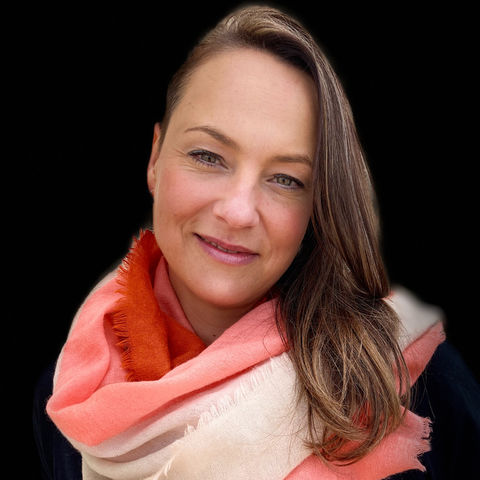
Welcome to the You Are Loved podcast.
My name is Liv Downing.
I'm a psychologist and meditation teacher.
And my vision for this podcast is to provide all of us with different access points to this sense of coming home,
This sense of connection and belonging.
You Are Loved is the title of my forthcoming children's book which will be released at some point in the future,
Hopefully in 2022,
But we'll see.
And in it,
I really explore the possibility that that sense of love and connection is always available to us.
And then I offer meditation as a way for us to experience that.
I also know that meditation is not necessarily for everybody.
So over these series of podcast interviews,
I'm wanting to provide different ways for all of us to come home,
To sense this feeling of being loved no matter what wonderful life throws at us.
So thank you so much for joining me and my beautiful guests.
And I look forward to sharing this series with you.
I am just thrilled to be introducing Carrie to you guys today.
So we cover a lot in this interview,
In this discussion,
And really the key takeaways are really around the actual application of mindfulness and being clear on our values and how we can apply that into our life and how it can really enrich our sense of connection to ourselves,
Other people and the world as a whole.
So we explore the concept of psychological flexibility and which is really around how we experience our psychology.
So our thoughts and our emotions and therefore our behaviors.
Carrie shares with us some wonderful practical tools.
So the couple that are in the discussion are the hands as thoughts exercise,
Which you'll learn as well as the fantasy speech,
Which sounds interesting.
And really the key takeaway for me from this very enlightening session with Caz was really around how our values are not necessarily outcome-based.
I think when we think about the concept values we think that it's how we should be living outside externally or the kind of behaviors we expect from other people,
But from an acceptance and commitment therapy perspective or from an ACT perspective,
While it's important to be clear on who we wanna spend time with and the environment we wanna work within,
The boundaries we wanna set,
Our real power lies in our own adherence to our own value system.
So it's really more about that internal alignment because the truth of the matter is really that's all we have full control over.
And so then this sense of internal alignment builds this solid and secure relationship with ourselves.
My favorite quote from the whole interview is this,
This is such good news.
The one thing that really matters,
Which is how we show up,
How we connect to ourselves,
How we connect to others in the world is the one thing we always have complete control over.
So I hope that you enjoy this discussion with the wonderful Dr.
Carrie Hayward.
I certainly got a lot out of it and I hope you do too.
Welcome Dr.
Carrie Hayward.
Thank you,
Liz.
Thank you for having me.
It's wonderful to be here.
My pleasure.
Thank you for joining us.
So everybody out there,
Kaz and I have known each other pretty much our whole lives,
Interestingly.
So I was best friends with her sister at primary school,
Would you believe?
And then our lives have come back together as we're in similar professions and we live in similar areas and our kids are similar ages.
And I have always admired Kaz,
Your commitment to acceptance and commitment therapy.
And I was really excited about this chat with you because I have dabbled with acceptance and commitment therapy or ACT in my own personal practice in my own life.
But I really wanted to grab this opportunity to share,
You know,
More about this particular technique and theories and application and to hear from you because we can read books,
But it's always lovely to hear from a real life human.
So I'd love to just start by asking how is it that,
Would you,
First of all,
Would you say that ACT is your primary kind of therapeutic discipline?
Yeah,
Yeah,
Absolutely.
So I was first trained in ACT in 2007-ish,
Roughly.
So just as I was graduating from my degree.
And so in that regard,
There probably wasn't a lot of room for other therapeutic approaches to come into play because I was trained in it from,
Yeah,
The very,
Very beginning of my career.
And look,
It's an approach that it does often take a little bit of training to really connect to.
So if I reflect on my experience with it,
It was probably,
You know,
A good couple of workshops and training sessions before I really felt like I got it.
But obviously it really spoke to me from day one.
And I think probably the reason why is because of its essence and what it's really about.
Yeah.
Yeah.
And tell us more about that.
Tell us more about the core kind of the philosophies.
Yeah.
ACT is a mindfulness based therapy.
And when I say mindfulness based,
What's really important to clarify there is we're not necessarily talking about meditation,
Which as you and I often talk about,
Those two are still very much confused.
So when you say the word mindfulness,
A lot of people still jump to meditation and that's what we're talking about,
But you can certainly be practicing an ACT process or experience without meditating.
Meditation rather can come into it.
And what a relief.
I mean,
How cool to have a practical application of mindfulness that doesn't require us to sit and watch our breath and feel our body.
Cause that can be really limiting for a lot of us.
Yeah,
Look,
Absolutely.
So when we say mindfulness,
Particularly in an ACT paradigm,
We're talking about really that,
That ability to be consciously aware.
So really paying attention to the moment on purpose and in particular,
What's coming up for ourselves internally.
And when we say internally,
We're talking about our emotional experience,
But also what we're experiencing at a thought level,
Cognitively.
And so we're bringing real active awareness to that in the moment.
And then that really gives us choice.
And so what we're essentially doing in ACT is bringing that more mindful approach to our internal experience in the moment,
Which helps us to change our relationship with how we might be feeling or thinking and having that difference in how we're relating to our thoughts and feelings,
As I said,
Can give us space and therefore give us choice.
And we then ultimately have access to how we want to show up in the moment,
Rather than what our thoughts and feelings are necessarily telling us to do.
And then showing up,
Our behavioral response becomes connected to what we call our core values,
Which as I said,
Is essentially the person we wanna be.
So that's kind of ACT in a nutshell.
Yeah.
And I have to say it's the practical application of ACT that I have really loved.
And as you and I have spoken about over the years,
Mindfulness is amazing.
You know how much it's transformed my life and helped me develop my relationship with myself.
But what I think it's missing is that behavioral component.
So what does that mean?
What do we do with this awareness?
Where do we put that?
Yes,
Exactly.
Yeah,
And that's 100% right,
Because so much of the mindfulness movement is about the noticing and observing and the acceptance piece,
Absolutely,
Which has to come first.
That is the first experience to then be able to have any flexibility.
And when I say flexibility,
That is one of the core things that we're building in ACT,
Which is what we call psychological flexibility,
Which as I said,
Really is to have more flexibility in how we experience our psychology.
I was just gonna say,
Rather than being automatically fused and reactive from our thoughts and feelings,
The flexibility around it,
As I said,
Gives us choice.
And we're constantly assessing,
You know,
Is how I'm reacting and engaging with my psychology and engaging with the world,
Is that allowing me to live a rich and meaningful life,
Which as I said,
Is really informed by our values and being really connected and conscious with those values.
And so,
And I love the values component.
And at the same time,
It's really hard for many of us to work out what on earth our values are.
It's very good.
And especially within the workplace,
You know,
We have these values like integrity and authenticity and teamwork up on the wall,
But what do they mean?
And so give me some hints on how we as individuals,
And then maybe within a work context,
We can work out what on earth our values are.
Yeah,
Yeah.
It's such a good point,
Liv.
And I actually even struggle with the word values because it's such an another sort of overused term.
Oh,
We're talking about values and you know,
Yes,
It is often coming up in the workplace and it's often spoken about differently in our everyday as well.
And what I mean by that,
And you actually just sort of pointed to that then when you said the word integrity or I can't remember the other one you said,
But often what we do is we frame them in a way that's outcome-based.
And so often we'll say,
You know,
I value integrity or I value honesty or I value friendship or whatever it might be.
But when we term it and phrase it that way,
It's outcome-based.
And then that can actually lead to a struggle for us if the world and what's going on for us in our lives is not fulfilling that at an outcome level.
So if I'm in a relationship where that person's not behaving with integrity or trust or respect or whatever it might be,
Then of course,
Naturally I'm going to struggle with that.
But if our attention is on the outcome of that,
Rather than the behavior of that for ourselves,
Then that's where the real struggle and distress lies.
So in ACT,
We're talking primarily about values from a behavioral level.
So it's about how I want to behave with integrity,
How I want to behave with respect,
Because that's A,
What we've got full control over.
And B is what forms a really solid and secure relationship with ourselves,
Which actually helps us to deal when the world doesn't give us that.
Ooh,
That is a piece of gold,
Dr.
Carrie Hayward,
Because I don't remember a whole lot from university,
But one thing I do remember is that in order for relationships to be successful,
We must have aligned values.
But then with that,
It kind of can set us up for a little bit of a challenge,
Because I love what you're saying about we're looking at that outcome in other people,
But we can't control that.
So how do we manage that?
Because I do know from my experience,
Both personally and professionally,
That if my values are misaligned with somebody,
That relationship is likely to be less restrictive.
And so I guess is the process identifying what it is for me?
Take me through the process.
So look,
You're right,
And obviously a relationship is going to be more healthy and is going to be more compatible and thrive if our values are generally aligned.
And look,
More often than not,
They are.
If we look at various sort of core values,
Like kindness and respect and trust and honesty and all that,
Most people would say that that's important to them.
Yeah,
Okay.
So most of the time,
There will be enough alignment there when we are actually looking at what's core for the other person and ourselves.
But what we really want to keep bringing it back to is how that's playing out in a moment.
So even though another person,
Whether that be a partner or a colleague or a friend,
Even though they also might have the value of being honest and being respectful,
We can't guarantee them behaving that in that moment.
And as I said,
Because we're not,
We are not perfect at living that ourselves every moment.
And there's a whole reason for that,
Which we can go into,
But fundamentally that's our humanness.
And when we're not mindful of our psychology,
That actually causes us to react away from our values.
So just like that happens for us,
That happens for other people.
And so this approach is firstly recognizing that and recognizing,
Well,
If my attention is fixed exclusively on the other person's behavior and I'm not getting what I need there,
Then we are in a real world of lack of control and struggle there.
And so we want to be able to,
As I said,
Bring our attention back to,
Well,
How do I want to show up in this moment?
And then what we can do is this beautiful thing of being able to separate in this moment,
How I'm feeling about what the world is giving me or not giving me,
Or what another person is giving me or not giving me,
Versus how I feel about myself.
And if we have attention,
Attention rather on how I'm being in that moment and therefore a solid and secure sense of self of me in that moment,
As I said,
That's what anchors us in being able to deal with what might be going wrong outside.
I love that you've used the word anchor because it becomes our foundation,
Doesn't it?
And for so many of us,
We kind of,
That's that question,
Who am I?
What am I here for?
What's my purpose?
And if we can uncover those values as guideposts and really let that ground us.
And as you know,
The theme of this podcast is connection,
Belonging.
And it really sounds like ACT is a beautiful pathway to bringing us home,
Bringing us,
And then we can respond to the world,
Regardless of what it throws us with that wisdom and kindness.
A hundred percent,
Exactly.
Yeah,
Yeah.
So how I'm interested to know from an ACT perspective,
And I guess because it's an individual therapy,
It's been developed for the individual,
But how can we apply it out in the world?
Yes,
It's about our internal psychology and how we manage ourselves and our insight and bringing that choice to our responses.
And then how can we kind of apply that awareness out into the world,
As far as maybe applying for a job or finding a life partner or the way we parent or,
So I guess it's the,
I'm asking about the application of that insight.
So,
And it's really,
I guess,
With what we just spoke about,
With whatever we are facing or experiencing or what's over context or role where we're finding ourselves in at any moment,
It's really coming back to that.
Okay,
Well,
How do I wanna show up in this moment?
How do I wanna show up in that job interview?
How do I wanna show up on that first date that I might be having?
And really being connected to that,
Which allows us to,
As I said,
Feel a sense of control in that moment.
Well,
This is what I actually can control.
I have no idea what questions I'm gonna be asked in that job interview.
I have no idea how that's gonna go.
I have no idea what this person that I'm meeting for the first time is gonna be like,
And there can be a lot of anxiety that comes up.
And I mean,
That is the essence of anxiety.
And it's why we struggle so much as human beings on an anxiety level,
Because again,
So much of our focus is on the external and the outcome and what could happen and what could go wrong.
And we know intellectually and rationally that we can't fully control that yet our mind stills.
Try is really hard to do so.
The mind just doesn't quite get that.
It just wants it,
Wants to have that sound.
It wants to have that control.
So it focuses and focuses and worries and worries about outcome,
Outcome,
Outcome,
Outcome.
So what this approach allows us to do is firstly recognize that problematic anxiety is when our attention is out there and needing that outcome to be a certain way,
Worrying about what could happen and bring our attention back to,
Okay,
Well,
If I just focus on how I show up in whatever I'm presented with,
Even if things don't go the way that I hope for,
How do I feel about what I did?
Yeah.
And that ultimately,
As you said,
Then comes down to how do I feel about me as a person?
And it's not because that is,
It's not in the sense that we're being kind of self-focused in that way.
It's,
As I said,
Finding a groundedness,
An anchor of,
Well,
This is actually what I can control.
And this is actually also what allows for me to have meaning in whatever happens in my life.
Because turn it around,
We can have a job interview go well in the sense of,
You know,
I get the job and we can have the date go well in the sense of this being the person of my dreams.
Okay.
All right.
But if I'm not connected to who I want to be in that moment and conscious about that,
Then we don't feel and experience the full meaning of that.
There can still be a lot of anxiety and worry and even,
You know,
Dissatisfaction because we're losing that connection to self.
Yeah.
What a beautiful explanation of it.
And I love that you used the word meaning,
Which I guess is,
You know,
One of the key things that are missing in the world at the moment.
You know,
The research tells us that global levels of loneliness are the highest they've ever been.
And the definition of connection or lack of loneliness is meaningful connection.
It's that is meaningful relationships and actually having finding meaning and whether that connection is meaning within ourselves,
Meaning within our job,
Meaning within our relationships.
Absolutely.
Yeah.
Yeah.
Because with the loneliness experience that you're describing,
You know,
We're pretty well aware of,
And I'm sure what you're referring to there is not just people who are single and are not in relationships or not,
You know,
And don't have children or whatever.
There are plenty of people in long-term relationships with families around them that are lonely.
Yeah.
And so what does that tell us?
Yeah.
It's not other people that's not.
No.
No.
Okay.
It's connection.
It's an,
And connection has to start with the connection to self a hundred percent.
Yeah.
Yeah.
And so I'd love to hear from you,
Kaz,
Some practical techniques,
So some tools that you share with your clients,
Some ACT,
You know,
Specific tools for perhaps working with thoughts and emotions,
Or maybe,
You know,
Identifying who we want to be when we show up.
Yeah.
Right.
Yeah.
So this is an easy question.
ACT is very experiential.
It's a very experiential therapy.
And what I mean by that is when we're sitting in the room,
We try and learn and teach through our experience as much as possible,
Rather than just chat,
Which I'm always challenging myself with,
Because as you can probably see,
I could talk about these endlessly.
There's a lot of chat,
As we have talked about,
A lot in our heads.
A lot in our heads.
It's the way we're trained.
It's all right.
We're retraining ourselves.
But yeah,
So ACT,
You know,
In terms of learning ACT and practicing ACT,
Where we're equipped,
If you like,
With a lot of practical tools and techniques,
And that's largely driven by metaphor as well.
So we use a lot of metaphors in ACT to help really connect to these processes.
So a really,
Really common one,
Which is really helpful,
Is what we call the hands as thoughts exercise.
And that's encouraging somebody to basically just hold their two hands together,
Sort of,
So your palms are sort of side by side,
Basically.
And to just imagine that that's our mind and everything that our mind does,
Okay?
So that's all of our thinking.
And in particularly what we're really talking about there is our automatic thinking.
So this is the thinking that just comes up throughout our day,
Very involuntarily.
We don't have control over that,
Okay?
So this is the thinking,
And then it's inviting somebody to then slowly lift their hands that are held together to rest against their face.
And so that it's flat against their face.
And then it's to imagine that everything in front of them,
Beyond their hands,
Is their life.
So out here,
Beyond their hands,
Is their life.
It's what matters to them,
Okay?
It's their loved ones.
It's the task they have in front of them.
It's the place where they really enjoy visiting.
It's their life.
It's everything that really matters to them in front of them.
And it's getting them to really experience what it's like to be behind these hands,
The curtain,
The screen of these hands,
Which we imagine as our thoughts,
And to really kind of experience what that's like to live behind this screen of thinking that ultimately disconnects us from what is in our life.
And again,
In that moment,
We always want to bring it to the moment,
Okay?
And that is essentially what we experience throughout our day,
Because we know we're in our head,
In our thinking,
At least 50% of the time.
50% of our waking hours,
We're in this stream of thought.
Okay?
And it's pretty hard to then fully connect to what is in front of us when we're in this thinking.
And so then we encourage the person to experience what it's like to then slowly peel the hands away from their face,
Okay?
And so anyone can do this right now.
And just imagine just getting a little bit of distance from the hands,
Okay?
And then seeing what it's like to experience that moment and what matters to us in front of us with a little bit of distance.
Wow,
I can even feel that now.
It's the only thing that happened for me was just this space opened up.
Yes,
Wonderful.
So the lights came back on.
All the lights come on.
I just,
I felt like I had options.
Yeah,
Great.
Love it,
Love it.
But the important thing to recognize about it is what we're doing there is we're noticing our thoughts and by noticing our thoughts,
We can't be in them.
We can't be in them and notice them at the same time.
So if we're noticing our thoughts as thoughts,
We've got a little bit of distance and space,
As you said,
Okay?
A nice way to think about it is that we unhook.
We can unhook from our thinking.
But unhooking from doesn't mean getting rid of.
No.
Doesn't mean pushing the thoughts away.
We would love to be able to do that,
But we know we can't.
If we could,
We would.
Yep.
What we can do is we can notice them as thoughts,
Which give us some space,
Allows us to unhook,
Which as you said,
I love that you said,
It gave you options,
Gave you flexibility,
Which is what we're wanting to experience there,
To then bring your attention out where.
Yeah.
And a lot of people I work with will often actually do that with their hands throughout their day,
You know,
Or when they're lying in bed and they can't sleep at night because their mind's so busy,
They will actually practice,
You know,
Holding their hands together,
Putting it flat against their face,
Picturing those hands as to all being all the thoughts that they're really fused with.
And that moment and then to experience themselves just unhooking from those hands.
And it can be really helpful way to do what we call diffuse from that thinking.
I love,
You know,
I think definitely in my own mindfulness practice,
And as you know,
I came through it more the meditation route than the,
The pure mindfulness route.
And I,
That was my key learning.
That's continues to be my key learning that I have.
I'm not my thoughts and what a beautiful practical tool to be able to give people to help them identify and really experience that.
And so I have a follow-up question and that question is,
How do we know which thoughts to pay attention to and which thoughts to let go?
Very good question.
Very good question.
Cause the mind very good at convincing us to pay attention to all thoughts.
All the thousands of thoughts are coming.
So there is a general question,
A really powerful question we can always ask ourselves in terms of that.
And that is basically how helpful is this thinking to me right now?
And the two kind of key parts to that are the helpfulness.
And what we wanting to do there is step out of,
Is it true or false or right or wrong?
Because that's what the mind is trying to,
To basically draw conclusion around.
Okay.
The mind likes,
As we know,
Certainty and,
And being fully explained and problems out.
Okay.
So it wants to,
That's what we,
You know,
Again,
What we're doing when we're worrying,
The mind's trying to work out whether that could really happen.
Is that true?
That worry.
And so we want to step out of,
Because we just can't have certainty around that.
And,
And so we want to more be in this space of helpfulness.
And in particularly right now.
So I'll up and use the example that,
You know,
At 3 AM in the morning,
A worry of,
Am I going to be able to,
Oh,
I don't know.
I get that work tasks done in time.
Okay.
That might be helpful.
That worry might be helpful at 10 AM the next morning,
When I'm at work,
I can actually do something,
But it's not helpful at 3 AM in the morning.
Yeah.
When it's very little we can do.
And so then what do we do at 3 AM in the morning when the thought is going round and round and round and bumping off all the sides of our mind?
Yeah.
And then we can basically say to ourselves,
Well,
Can I actually do anything about it in this moment?
Is there any control?
And often at 3 AM in the morning,
The most we can do is maybe write ourselves a quick note,
You know,
If there's a note beside our bed or even tap something into the phone as a kind of reminder.
And that's actually a really helpful process because that action,
Like a mind feels like we're actioning it.
Yes.
By putting it down on paper,
The mind's like,
Oh,
Okay,
I've given it some attention.
I've actioned it to some degree.
And often the mind is satisfied with that.
I can so relate to that.
I remember when I used to have trouble sleeping and I still sometimes do,
But when I was younger,
I actually,
I had a notepad next to my bed and I would write down my worries and my thoughts.
And I had this sense that they were safe there on the paper,
That they didn't need to stay in my mind anymore.
They were safe.
They would be attended to when the time was right.
And I'm thrilled to hear that there's,
It's actually a technique.
Yay.
It's one of those typical things like,
You know,
To do lists is another one that's obviously very highly related that we just,
We've minimized,
Which we've realized and they actually so powerful in that way.
So powerful.
Because it's all about the mind going,
Oh yeah,
You've done something.
Okay.
The mind,
As much as the mind likes things completed,
It doesn't often need it to be completed.
It just wants it to be given some attention.
And doesn't that bring us into the body?
You know,
It's that action component of this work that we can think and we can talk.
And as you said,
Act is a very experiential therapeutic technique and then a very applicable in our life.
And for me as a psychologist,
I was very much trained about thoughts and emotions.
I didn't really know if even I had a body until I started meditating.
For me,
It wasn't something to,
You know,
To please other people and to put skinny jeans on.
That was,
Although skinny jeans aren't cool anymore.
And so I love that action component that you talk about and that application component.
Which,
To my next question,
I would love to hear,
You know,
Obviously you and I in this world of supporting people on their wellbeing journey,
We pick up lots of tips for our own life.
And,
You know,
It was for me in my mindfulness journey,
It was really seeing the benefits that this technique was having for my clients in a therapeutic setting that prompted me to maybe work on some of my anxiety,
You know,
Within a mindfulness perspective.
So I'm interested to hear from you,
How has ACT been infused within your life?
How have you welcomed or invited it in as a technique?
I love that,
Welcomed and invited.
Beautiful way to describe it.
So look,
Gosh,
It's hard for it not to come out,
You know,
In just my life,
In the sense of,
I guess just to start with,
To answer that question,
What I feel so lucky and fortunate to experience is because I am teaching this and sharing this and connecting to this with clients,
You know,
Most days of my life,
I am actually,
It's my connection to it,
You know.
So it's just so inherent in,
And when I say inherent,
What I guess what's really important to clarify about that,
And often people will ask,
You know,
Does it ever just become quite natural?
And it can never be natural because it's a conscious practice,
Okay?
So it will never be automatic.
And what we're doing is practicing consciousness in response to what is automatic,
Which is our hard wiring,
Which is our humanness.
So,
But it does become more accessible.
It does get kind of easier to access when we're practicing it more.
And so where it shows up for me is,
I think the most powerful practice or process in ACT,
That I really connect to,
And you shared that yourself,
Liv,
Just earlier,
Is the values piece.
And really what I connect to it and come back to as much as I can throughout my day is,
Am I being the person I wanna be?
And often I'm not even clear on what values that might be relevant to that moment.
I'm not even sure what I'm gonna be doing relevant to that moment.
I then connect to just what my gut's telling me.
Which is the bottom one,
Right?
Exactly,
Exactly.
And once we are,
Once we've paused and we bring broad awareness to that moment,
It's like that allows us to go underneath all that emotional stuff and all that thought stuff to just trust that intuition of,
Yeah,
This doesn't feel quite right in how I just reacted then.
And that might be a reaction at a behavioral level and it might be a reaction at a thought level.
Okay,
So what we're,
The real powerful work is,
Is not even just connecting to our values with our overt behaviors,
But connecting to our values in what I call our internal behaviors.
Okay,
And so where I love to catch myself is when my mind may have been automatically judgmental about something and my intuition,
My gut tells me that that doesn't sit well with me.
I have that icky feeling of,
Oh,
I didn't like that thought that just popped up.
And without judgment,
Because that's our humanness,
I didn't choose that thought.
If I had choice,
I probably would choose not to have it.
If I'm feeling icky about it,
That tells me that doesn't actually align with who I am,
Of course.
So that ickiness is actually telling us a lot about who we are.
And to be honest,
This is the challenge that I have found within the positive thinking movement.
That I find that I'm all for leaning into joy and cultivating gratitude and all of that beautifulness.
But where do we put those icky feelings if all we're doing is band-aiding over them with happy thoughts?
Yeah,
That's a good point,
Liz.
And this is where ACT really does differ from a lot of other therapeutic approaches in that it's not about getting rid of those unwanted internal experiences.
It's not about what we classically have been trained to do as psychologists,
Which is sort of that symptom reduction kind of work.
And that can be quite different for people in that,
You know,
What do you mean?
I'm actually needing to just allow those anxiety feelings and allow that sadness or anger even,
That discomfort,
And even allow those thoughts that I don't want,
Okay?
So it's quite a different response there,
Absolutely.
But how we do allow that and get more comfortable with allowing that is by firstly recognizing that,
As I said,
It is our humanness that brings up all of these internal reactions,
Okay?
So therefore,
A,
We don't have full control over it,
And B,
It's very normal,
Okay?
It's very normal.
And then that allows us to go,
Okay,
Well,
If I'm feeling icky in response to that,
Then that actually tells me I'm not essentially those thoughts or feelings.
So can I just let them be there and bring my internal behaviors,
Which is what I really mean by that,
Is just where our attention is,
Simply where our attention is.
And then our overt behavior is how we're showing up to be value aligned,
Who I wanna be,
Even with those thoughts and feelings.
Even with,
This is what I love about this technique.
And I feel like,
And correct me if I'm wrong,
But one of the outcomes that might happen as a result of that quite organically is a sense of connection and compassion for and with ourselves,
Which we can then extend out to the world.
Yes,
So much.
And know that that person sitting next to us on the bus or at work,
They have pain too.
And it might support those amazing barriers we build between ourselves and other to just dissipate a little bit.
Similar to the hand activity you just shared with us,
Can we let that barrier break down between us and the other and realize it's that shared humanity,
Which is where compassion is.
Yeah,
Exactly.
Such a powerful and important technique to get out into the world.
And you're doing that through some books that you're talking about.
Tell us about the books.
So the books have been quite a long journey,
Which I started doing.
That was my last maternity leave,
Which had probably been brewing for a while.
This is about four years ago now actually.
And I really wanted to create something,
A piece of writing that could be very quick and simple,
Easy to read,
That had sort of,
I guess,
A powerful way of teaching a lot of these processes.
For people who might be accessing this directly,
So seeing a psychologist or wanting just to do some reading on this,
But also for anyone.
So that was actually one of the primary intentions was how could I teach a lot of this in a way that anybody might just happen to pick up.
And again,
It's using a lot of the way that ACT is taught and shared,
Which is through metaphor,
Through storytelling,
Through connecting yourself to that experience,
I guess.
So they're a collection of short stories and each story focuses a little bit more directly on a particular ACT process.
And yeah,
The first one's about to,
It's literally on a truck right now,
Coming from Queensland,
Arriving in my hands,
Hopefully,
Within three or four days.
And yeah,
And then it'll be there.
And remind us what it's called.
So this first story is called The Woman Who Lost the Sun and the series is called the Being Human series.
And how can we learn more about them?
How can we purchase them?
Yes,
Through my website,
She's carriehayward.
Com,
I think.
I'll pop a link,
I'll make sure there's a link to your website on the show notes.
I hope it's dot com dot au.
No,
It's not dot com.
Otherwise it'll be available through all your online retails like Amazon Book Depository and through the publisher as well,
Which is Ocean and Reeve Publishing.
Okay,
Fantastic Kaz,
Thank you for doing that for us,
For the world.
And I look forward to reading it myself or reading them myself and then sharing it with my clients and with other people.
Thank you,
Wonderful.
Are there any other practical act tips and tricks that you think that the audience might like to take away with them?
I guess what's coming to mind is when you asked earlier about that you spoke about or asked about values in particular and we kind of got diverted as happened.
But I think what you're asking there is,
Well,
How do you know what your own values are?
So an exercise I do very regularly,
Almost always with clients is by helping them to tap into what their core personal values are is to think about somebody making a speech about them.
So I often get someone to imagine that it's their next birthday and they might be having some sort of celebration.
And I get them to think about somebody making a speech about them,
So somebody obviously close to them,
But to imagine what they ideally would love this person to say about them.
And the key thing there is the ideally.
Okay,
So it becomes the fantasy speech,
Even kind of thinking that this could be your ideal eulogy that you get to hear while you're still alive.
And it's really just coming up with words,
Descriptive words,
Qualities about who I would love to be seen as a human being.
Because how I want somebody to see me is a window into how I wanna see myself.
It's very interesting because what always comes up for people when they do this exercise are those values,
Those adjectives,
Those qualities that we just don't give attention to throughout our day.
And I said,
Our wiring is so distorted and fixated on what's going on internally for us and what's going on in the world,
In that moment beyond our control.
And so again,
It's helping people to bring those values to their moment and recognizing,
Wow,
Isn't that wonderful?
That really what the essence of what I want to be remembered for as a human being are the things that I can control.
How important is that in this modern world when we're all so busy and as we have insight into the world of social media and all the Instagram posts with all people living their fabulous lives,
It's so grounding,
As you said,
To really,
And that eulogy thing is quite confronting and gives us that real perspective of what is really important.
I love that quote,
Can't remember who it's by,
But the quote is,
The most important thing is to remember the most important thing.
I just think,
Oh,
What is the most important thing in this moment?
Yeah,
I know.
And as I said,
We're just so,
And I mean,
They've got that cliche thrown around of,
Oh,
Live every day like it's your last day.
And what's really meant by that,
And often when we think about that,
We sort of automatically jump to,
Oh,
I have to do all these amazing things and I have to do everything on my bucket list and I have to achieve as much as I can.
When those things weren't what came up in eulogy.
No.
Okay,
What came up in eulogy was not what you did,
But how you showed up as a person.
So those are about how,
Not what.
The what we don't have full control over because we can't go,
You know,
Skydiving and traveling the world in a single day.
Okay.
So yeah,
Those things are wonderful.
You know,
They give us joy and the good feelings and stuff,
Which are temporary by the way.
Yeah.
But the one thing that we're really recognizing is how I show up.
Well,
That can happen every single day.
Every single moment.
Every single moment,
Thank you.
Every single moment,
No matter what's going on in our lives and no matter what we're actually feeling and thinking inside.
So is that a practice?
Sorry,
You go.
That's good news.
That's good news.
That's good news.
The one thing that really,
Really matters,
How we show up,
How we connect to ourselves,
How we connect to others in the world is the thing we've always got to control it.
Yeah.
It is in our life,
Yeah.
And so is that something that you might recommend for people to do,
To maybe write down the speech they might like at their next birthday party,
That's a positive spin on it,
Or their eulogy,
And then really pull out the key hows,
Not the achievements,
Not the goals,
But the key hows,
Like the way we are.
And maybe kind of keep those in their heart just gently as they go through their day and asking,
We can check in with ourselves and say,
Am I showing up now as the person I want to be?
And to keep coming back.
So really good ways,
You know,
Recognize we're not going to be living imperfectly.
I feel it doesn't allow for that.
We will react,
We will diverge,
Do not judge that.
But this is mindfulness.
Remember,
It's not about staying present,
It's not about staying connected.
It's about noticing when we're wanted and coming back to living out of it.
Yeah.
Yeah.
This is mindfulness.
Yeah.
This is what we're doing.
And we do it over and over and over again.
A lot of people will say,
Gosh,
It sounds exhausting.
No,
It's invigorating.
Well,
Exactly.
If it's meaningful,
If it's reconnecting to the moment and who we are and to others,
Then that's only going to have goodness in that moment.
Yeah.
And the super cool thing is every moment's a new moment to remember.
Exactly.
And you just,
So it's not like a gym regime or a diet regime that's kind of tiring to stick to.
Exactly.
All you have to wait for.
You know,
I've got to,
I've got to sort of,
You know,
Slog hard at this to get somewhere.
And that's actually a really good point because I talk to people a lot about values being like,
You know,
Like a switch.
And the world and our humanness switches us off.
Yep.
Okay.
Because we're all about survival.
Mine couldn't really care less about,
You know,
What's actually meaningful in life.
Right.
Yep.
And mindfulness,
Noticing and being consciously aware allows us to switch ourselves back on.
And this is just what we're doing constantly is,
Oh,
I've been switched off,
Switch myself back on.
Yeah.
And I guess,
I guess with practice,
You know,
The times you switched on might last just a fraction longer over the years and then you flip off and then you,
But then,
And you'll probably become quicker and more efficient at noticing when the switch has gone off.
Exactly.
Yeah.
So it's bringing ourselves back.
Bringing ourselves back.
Yeah.
Yeah.
And I think that's such a powerful technique has,
Gosh,
Wouldn't it be wonderful if,
You know,
We were all taught this at school or something.
One day maybe.
Who knows?
One day maybe.
Well,
Thank you so much for joining me and us today.
It was wonderful to learn more about ACT and just to hear the practical application of it and how mindfulness plays into ACT as a therapeutic technique and not only within the therapy room,
But obviously in our life and how we could,
The practical tools you shared with us about how we can really infuse our moments with that awareness and that presence and that compassion and connection.
You know,
I love that you used the word anchor quite a few times.
So it's that coming home and how awesome would it be if we lived in a world with a whole lot of people,
All different and varied and different interests and different personalities,
But with a sense of connection to themselves.
Which is then tied to connection to other and the world.
You know,
The three are obviously all connected to each other,
Funnily enough.
But you had to say right.
And this is where ACT is,
And I actually don't like calling it a therapy in this way because it doesn't,
It actually,
The change doesn't happen in the room,
It happens out.
And it is a way of being.
It's just an ongoing way of being.
I love it.
Thank you so much.
Thank you for having me.
Love it,
Always.
Thanks,
Lou.
Bye.