So,
Today's topic is a subject that we all think about,
And we try not to think about it,
And that's the subject of death.
And most people don't want to talk about death or dying,
But the inquiry that I'm offering is not a morbid one.
It's more about what we can learn from the wisdom of death that can help us live a fuller,
Happier,
Meaningful life.
And the idea here is,
The suggestion is,
That we enter into exploring what death can teach us.
Instead of waiting to do that work of a lifetime,
Right at the end of our life,
In an effort to have a good death,
Whatever,
I don't even know what that means.
It's like having a birth plan,
Having a death plan.
It's like the music,
And doing it all natural,
I'm just thinking of a birth plan,
You know,
The intention.
I want to do it at home.
But then,
Because we don't have any control,
We go into an emergency c-section situation.
So a good death plan is fine,
But really,
We don't have any say in it.
And what we do have a say in however,
Is really understanding how precarious this life is.
You know,
When we contact the fragility of life directly,
We touch how precious and fleeting and beautiful this all is,
Then I think most of us,
You know,
We don't want to waste any of it.
We don't want to give our energy to that which is petty.
We don't want to hold on to things that don't serve us.
We want to tell people that we love,
That we love them.
You know,
It's really easy to take this life for granted.
And it's really easy to get caught up in our neurotic concerns.
But when you can touch into the endings,
The death of even a moment,
Then we tend to relax a little bit.
The squeeze of our neurotic concerns,
It lessens when we consider that we're going to die.
And the person in front of us is going to die.
And all we have is this moment together.
So I don't know what happens after we die.
And I don't want to speculate about it.
Maybe nothing happens.
Or maybe we saw,
Like,
Maybe we see all of our relatives.
Maybe we just go back into universal energy and consciousness.
You know,
Maybe the consciousness on this plane ends and begins somewhere else.
I don't know.
And it's actually not about what happens after.
It's about how we live now.
When we keep death close in our awareness,
Reflecting on it regularly,
It really helps us let go,
Not hold to this life and to this ego and to this idea so tightly.
We take our ideas and ourselves and our positions and our perspectives even just a little less seriously.
When we live closer to the awareness of death,
We start to understand that we're all in this together,
All of us.
So far,
AI has not figured out that no one gets out alive so far.
So what that does is it helps us be kinder to one another.
What I'm pointing to in this reflection is what habits do we want to create now?
Not for a better afterlife,
But for this life.
You know,
Our thoughts are not harmless.
Have you noticed that?
Our thoughts take shape into action,
And many of you know that saying by Lao Tzu,
Actions develop into habits and harden into character.
So an unconscious relationship with my thoughts,
Well,
That leads to reactivity.
And I know for myself that I want to live a life that's responsible,
That's clean,
You know,
It's clean in a way,
It's real.
I think one of the reasons that people shy away from this topic of death is because every loss,
Every ending,
It kind of taps into a pool of endings,
A pool of all of our losses.
All of the ways that are what we wanted,
They haven't been met.
All of the dreams that are lost,
The regrets that we have,
The relationships that have come and gone.
But when we fight against the truth that everything is always coming and going,
Then we suffer.
We can all agree on that,
You know?
Things are always coming and going.
We all agree that the seasons are coming and going.
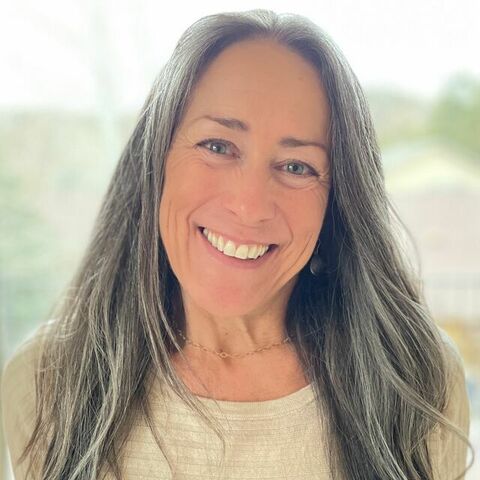
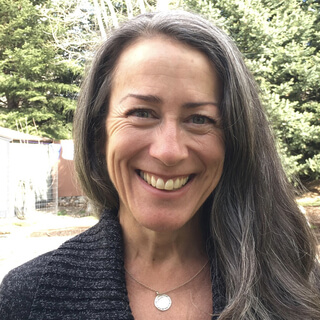
My brown hair is long gone and gray is taken over.
Like we think of ourselves as a solid thing moving through a changing world.
That's how we consider ourselves.
We don't regard ourselves as constant change.
We actually think that we're exempt from this.
So our reflection today,
I'd like to take death out of the conversation for a moment and simply ask,
How do you meet endings?
If you want to know something about what death has to teach,
Look at how you meet endings.
How are you meeting the end of an exhale?
The end of a day?
The end of a meal?
The end of a vacation?
Do you go unconscious?
Do you leave emotionally or physically before the end is upon you?
Do you tear up?
Do you get anxious?
How do you meet endings?
So the reflection is,
If you want to know something about death and dying,
Study how we meet endings.
This is a great way to do it.
This is a really ordinary,
Everyday way of bringing death into our daily life.
It's not some frightening thing that's out there looming.
Life and death are spiraled together,
Just like the fibers of our muscles and tendons and ligaments.
Just like our bodies.
So I'll close with some words from the poet David White.
Enough.
These few words are enough.
If not these words,
This breath.
If not this breath,
This sitting here.
This opening to the life we have refused again and again.
Until now.
Until now.
Thank you.