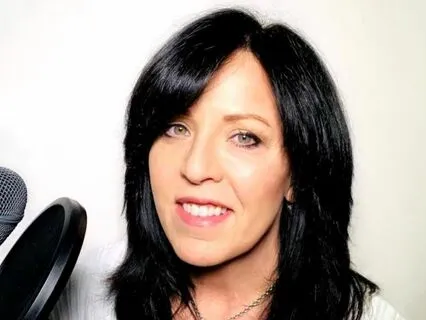
Welcome to the Breakdown to Breakthrough podcast.
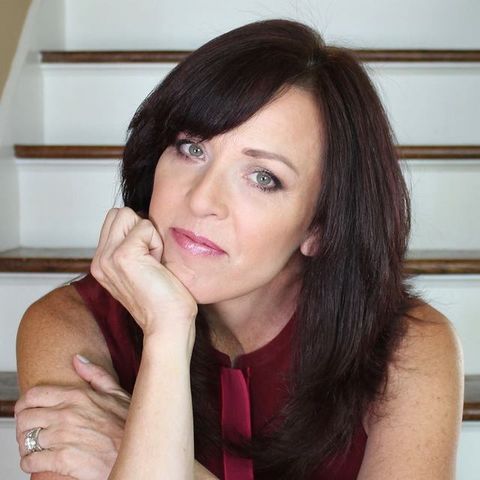
My name is Lisa A Romano.
I am a life coach,
Best-selling author,
YouTube vlogger,
Meditation teacher,
And expert in the field of codependency and narcissistic abuse.
I am a believer in the power of an organized mind.
My aim is to help people learn what it means to live above the veil of consciousness rather than living a reactive life.
May your heart feel blessed,
Your mind feel expanded,
And your spirit find hope as you spend time with me here at the Breakdown to Breakthrough podcast.
Today we're talking about toxic relationships.
We're not talking about relationships in which it just doesn't work out.
You and your partner were not compatible.
You had different core values,
But you respected one another and you were able to mutually agree to end the relationship.
We're talking about the types of relationship where one of the partners is looking to dominate and control the other partner.
And make no mistake,
It's oftentimes the case where both people are trying to control one another,
Which ends up being toxic.
If you're dealing with someone who has terrible abandonment issues,
Who has a lot of shame in their background,
And maybe many insecurities,
They're looking to get their abandonment needs met through this relationship,
Although it's coming out sideways through dominance and control.
And of course when we're talking about narcissism,
We're talking about a personality or traits that exist on a spectrum.
Anybody can present with narcissistic traits,
And I would dare to say that we've all been narcissistic at one point in our life when we're very hurt,
We're very upset,
We may have misunderstood someone,
And we can get really upset and make everything that's happening about us.
I know that I'm guilty of that.
Luckily,
However,
I'm someone who's been able to look at that objectively and recognize that as a poor character trait and work on myself,
Because I don't want people to walk around on eggshells around me,
And I certainly don't want to be someone who feels controlled by what's happening outside of me either.
And so it takes some personal development work,
A lot of spiritual growth,
And the intention of developing what I call a success mindset in spite of a painful past.
But when you're dealing with someone who is highly narcissistic,
They're not self-aware,
They have no intention of being self-aware,
And they really do believe that how they're feeling is because of something that you've done,
And you are responsible for figuring out how to make them not feel that way anymore.
And this can be really confusing,
And that's why I think it's important to talk about the symptoms of a toxic relationship,
Where you feel like your entire world is now about trying to make this person happy.
You feel like you can do nothing right to make this person happy.
You feel very controlled by the relationship.
You've lost yourself in the relationship.
You had hobbies and you don't have them anymore.
The other thing that I think is important to mention that that might be something that you do,
That when you end up in a relationship,
You lose yourself in the relationship,
And that's something that you would have to work on.
And so a toxic relationship can be a relationship between two people who are highly codependent.
And so there are many ways to end up in a toxic relationship,
But for the purpose of this session,
I wanted to offer all of you the opportunity to ask yourself five key questions to help you move beyond a toxic relationship.
So the first question that you want to ask yourself,
Even though you won't feel like asking yourself this question,
It's important for you to ask yourself this question for the purpose of moving beyond the toxic relationship.
And the first question is,
What did this relationship teach me about myself?
What about this relationship has revealed to me things that I didn't understand before?
What have I learned about myself?
What has this relationship taught me?
Now the reason it's important to ask yourself this question is because we want to change the neural association that you have with the relationship.
Right now you might be somebody,
And I know that I went through this too,
And I feel bad about myself for falling for this person.
So you have a negative self-perception attached to the relationship,
Which is only going to keep you stuck.
It's going to cause you to feel shame,
Cause you to feel guilt,
Cause you to feel embarrassment,
Essentially cause you to experience negative emotions when you think about this relationship.
That is not going to help you develop a success mindset and move past this relationship.
The second question you want to ask yourself is,
What did this relationship teach me about interpersonal relationships that I didn't know before?
Again,
What we're trying to do is develop a success mindset around this toxic relationship.
We're trying to figure out how can I develop a positive reframe as it relates to how I feel about myself in this toxic relationship.
Because all too often when we get kicked out of a relationship like this,
We feel so bad about ourselves,
And that keeps us stuck.
That negative energy keeps us stuck.
That negative self-perception,
It also hinders our ability to trust the self in the future.
And so this is the mindset.
You're taking control over the way your brain is processing this relationship.
So you want to,
Again,
You're looking for a positive.
What do I now know about relationship dynamics that I didn't know before?
One of the things that I learned was that I went into a relationship when I was 21 and decided to get married.
I made this huge lifelong commitment when I,
In my opinion,
Was so young and so naive and knew nothing about interpersonal relationships.
And I assumed that going into the relationship,
Everyone thought the way that I did.
So I assumed that my ex-husband thought the way I did.
So I'm going to put you first.
I'm going to cater to your needs,
And certainly you'll do the same in return,
And we'll end up taking care of each other.
What I also learned eventually was that that is akin to codependency.
It was my job to take care of me.
It was my job to go into the relationship whole.
So what I learned was that I went into the relationship half a person,
Thinking that if I focused on this other person,
This person would focus on me,
And somehow that would fill me up.
And so it really was,
It represented a level of immaturity that I didn't recognize in myself.
So when I thought about my marriage dissolving,
These are the types of questions that I asked myself to help me get past it,
Especially having three kids and bringing them through a war zone of a divorce.
That relationship taught me a ton about toxic relationships,
Not only about myself,
But also relationships.
Another way to turn a positive spin on this toxic relationship so that you can find value in it and not get stuck in the negative energy of it is by asking yourself,
Did this relationship bring out the best in my partner,
Or did it bring out the worst in my partner?
Now why would that be a really important question to present yourself,
To present your conscious mind,
To help reframe your subconscious mind?
Well,
We're trying to find value,
And we're trying to associate pleasure with good things and pain with not-so-good things.
In other words,
When your brain recognizes that,
Oh,
I was in a relationship with someone that brought out the worst in me,
That's bad,
Your brain now knows going into the future that if you're in a relationship with someone that brings out the worst in you,
That's a signal for you.
That's an internal reframe that is going to serve you in the future.
Now you know that when you're in a relationship or a friendship or whatever,
A partnership with someone that brings out the worst in you,
You know that that is not the best thing for you.
You know toxic relationship dynamics ahead.
So you can actually get out of that relationship sooner than later.
The brain can only play with the tools that are in the shed,
And if we're not identifying what's healthy and unhealthy,
Then our brain is at a disadvantage.
But when we consciously ask ourselves,
Did that relationship bring out the best in me,
Or did it bring out the worst in me?
The fourth question that you want to ask yourself is,
What do I now know about myself and about relationships that I never want to experience again?
Because your brain needs to put a positive spin on the toxic relationship so that you find value in all of the pain that you've experienced,
Rather than you sitting in the pain of the experience.
If you sit in the pain of the experience,
You're not going to move forward.
If you sit in the pain of the experience,
That's going to diminish your ability to trust the self in the future.
That's going to diminish your ability to make wise decisions in the future.
And unfortunately,
Based on the natural laws that govern time and space,
We generally attract what we think and we feel.
And we end up repeating the past until we break the patterns of the past.
These questions are helping you break the patterns of the past.
They're moving you beyond your limited conditioning.
You're moving beyond the rumination.
It's helping you get unstuck.
So we want to help your brain associate a benefit to this toxic relationship,
A benefit to an ending,
So that you can free yourself of it,
Almost like you're rising up out of the ashes of it.
You're like,
Okay,
I see the value in this experience.
Even though it was painful,
This is what I'm taking from this experience.
And I'm bringing it into the future because I'm a wiser version of myself today.
So it's never going to happen again.
So asking yourself,
What do I never want to experience in a relationship again,
Helps you feel like there was value to the experience,
Which will help you get unstuck.
In my situation,
When I realized that my ex- husband and I could have conversations until four o'clock in the morning that were circular,
That actually made no sense.
They were all about diversion.
They were about withholding.
And the wiser I got,
The more I saw what was happening,
The angrier I got,
Because I felt stuck.
I didn't have the boundary to say,
This is toxic,
And I don't want to do this anymore.
That came 12 years later after three children.
And now part of my mission is to share this information with people so they don't have to go through what I went through,
And their children don't have to go through what I went through.
And if they do have to go through what I went through,
They have the language and the life skills to get through it quicker than what I did.
So when I realized I don't want to have circular,
Crazy conversations,
Crazy-making conversations until four o'clock in the morning,
I made an oath to myself that that was dysfunctional.
So in the future,
If I ever saw that happening,
I knew that that was a red flag.
I knew that I was in a toxic relationship,
And I would be far better able to get out of it than end up in another 12-year-long toxic relationship in the future.
The fifth question you want to ask yourself is,
What qualities in myself and in other people has this relationship revealed that I know that I have to change within myself and also avoid in other people?
Because let's face it,
The only person that you can change is yourself.
If you have a propensity to idealize people and then get really disappointed,
And you realize that that about yourself in this relationship,
That's super valuable information.
So now you can work on being more realistic.
You can work on being more fair-minded.
You can work on not relying on a fantasy to make you feel good.
You can work on being more honest about what you've done in the past and how you fantasized around partners,
And you can be more vulnerable with a partner in the future.
If you're dealing with someone who is very enmeshing,
Someone who you meet and right away they're telling you that they love you,
They don't know you,
They want to move into your apartment right away,
They're making plans about having kids with you,
You know them two weeks,
They're talking about the vacations you're going to take in 10 years,
They're talking about the house that you're going to move into,
You don't know this person.
Now,
If you identify in that person because that's what you experienced in the toxic relationship that you're ending,
Then you know that that relationship,
The toxic relationship that you're leaving,
Gave you information that you can use into the future that will prevent you from getting stuck in another toxic relationship.
So the benefit of asking yourself this question is identifying qualities in yourself as well as qualities in other people that represent a red flag,
And the red flag is red just like a stop sign is red,
Just like the red light of a traffic light is red,
It means stop.
When you're experiencing a red flag it means stop,
It doesn't even mean slow down,
It means stop,
It means pause,
It means hit the pause button.
Something's up,
There's something that you have to pay attention to,
And all too often those of us who end up in toxic relationships,
We're ignoring the red flags.
We're in the middle of the quicksand and the quicksand is getting thicker and thicker and pulling us down deeper and we don't know how to get out.
If you're lucky enough to be out of a toxic relationship,
Now is the time to start asking yourself questions that allow you to feel like you've gained value from that relationship.
Rather than you feeling bad and guilty and ashamed of yourself,
You're going to spin this on its head and you're going to say,
No,
Those things happened for my benefit.
What did I gain?
What do I now know that I didn't know before?
If you do this consistently,
You will fly from this toxic relationship,
Avoid them in the future,
And develop a success mindset in spite of a negative past.
I so hope this has been helpful.
Namaste everybody,
Until next time,
Bye for now.