Hey this is Ish and in today's talk I'm going to be going over how to handle life's ups and downs.
And specifically I'll be talking to you about solutions from both a Eastern standpoint and also a Western standpoint as well so you can get a good holistic understanding.
So let's start off with understanding Eastern traditions.
So the great thing about Eastern spirituality is that they have come up with a lot of different technologies for understanding life the way it is and how to handle it.
So you can contrast this to the West where we're constantly trying to become better or change our current situations.
I mean you can look at the self-help industry right now in the West and it's booming because people aren't happy with the way they are right now and they want to change and grow and improve and there's a lot of great benefits from that.
But what is really great about the Eastern spiritualities is that they really learned how to be accepting of life just the way it is.
And specifically if you look at Taoism,
What is great about Taoism is that they understand the cycles of life.
So life isn't always supposed to be like up,
You know expansive and you're constantly growing and improving but rather you also have down periods as well.
So you can see this in the concepts of yin and yang.
So yin energy is more receptive,
It's more looking inwards,
It's introspective,
It's also associated with stillness and darkness as well.
And then we have yang which is more expansive,
It is related to heat,
It's related to movement and we can see this in seasons where we look at the summertime,
It's very hot,
It's warm,
It's a lot of movement involved and this is like a very active season.
So the summertime would be a yang season while the wintertime is considered a yin season because everything slows down and a lot of you know animals like hibernate and people tend to relax and the crops kind of die out so it's more a period of reflection and you do need both in your life.
So understanding the seasons are just one example but you can also see the yin and yang in aging for example when you're a teenager you're in your most active phase in your life,
It's very young and then when you start to become very old this is more in that yin aspect where you become more receptive.
So these are just you know some examples and the art here is to know which phase of life you're in and these cycles can be seasonal,
This can be day by day,
It can even be minute by minute and just understand you know where you're currently at and how to honor that.
So you're not trying to change or fight against the current wave so to speak but rather go with it.
And part of the wisdom here of these teachings is to understand which cycle of life you're currently in or what kind of season you're in and work with that.
So you don't want to fight against grain so if it is let's just say the wintertime and wherever you live and things are just slowing down a bit this is actually a good time to be more introspective because you'll naturally notice such energy levels starting to drop.
And rather than try to act like you're in the summertime and constantly trying to push and grow and kind of go upwards this is actually a period to go downwards and become more reflective because let's just say you have a lot of like reference experiences you're learning and growing a lot from the summertime well when things start to slow down a bit what the gifts of going inwards is that you're able to reflect,
You're able to grow,
You can see what you need to improve on and this all comes from a period of solitude and reflection rather than doing more action because you've you know seen people that constantly try to push and they always like met resistances and that's not really smart either.
And then also if you're constantly in the period of being in a yin environment so you're constantly looking inwards and reflecting and you're very introverted well if you continue with that you'll tend to stagnate so this is where you'll feel very dull and you know like you have like not enough energy or willpower to engage with life.
So this is also when it could be a reminder for you to start to look for ways you can grow externally.
So just balance of both the external world and then also the internal world and see what energy is required from you at a certain period of life.
And one thing I personally noticed just like living in the west is that there is a constant emphasis on being completely in the yang cycle like all the time so there's like the hustle culture in the United States where you're expected to work hard and like throughout the year like imagine if you told your boss that I'm not going to work as hard in the winter time because I'm more chill like that would never happen right you're expected to follow certain metrics or standards every single month out of the year.
Likewise like in just in our culture in general we prioritize yang but we minimize yin so that's one aspect of it so it's just kind of ingrained in us to constantly be on the growth kind of like push ourselves but in reality we need both the yin and yang aspects.
So by understanding the seasons and cycles of life basically what you'll learn is that you'll be fine and understand when things are going like up and expansive and things feel good well that feels great and then when the energy goes down and slows down this is also great also because that'll give you some insights it'll give you a peer growth and recovery you can maybe think of new ideas and new plans and that comes from the solitude and introversion so you do need both the activity where you're pushing your ideas out there you're exploring you're growing but then you also need the other side of reflection and all that as well and this is just one example but you can see how these principles of yin and yang can be applied for any aspect in your life.
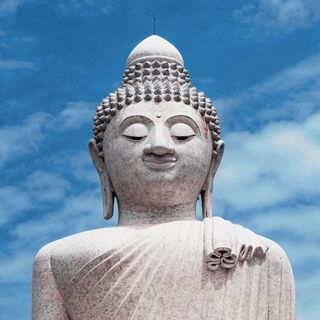
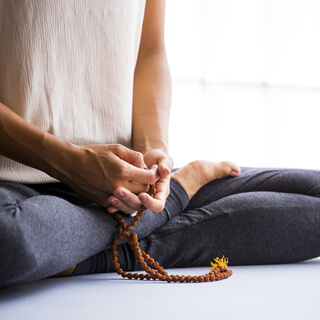
So that was a bit about taoism now let's talk about buddhism so buddhism is a great system because it addresses directly the nature of impermanence and the nature of suffering and that's exactly what the buddha himself was on a quest on finding and discovering because essentially the really quick story about the buddha is that he grew up prince a very sheltered life and then one day he just he had like all his whims taken care of and catered to and he one day he like left his palace and saw the suffering of life he was like so sheltered from it he never saw any any people that were like sick or people that were old or you know people in just different conditions and when he finally left his palace he was able to see that and look at life the way it is and he understood that hey life is not going to be up all the time but rather you have ups and downs of life and one thing he came up with as when he started teaching is that there are what is known as three marks of existence so every living being or organism right has these three inherent qualities so the first is what is called anicca or impermanence and this is the focus of you know this talk where things just tend to fluctuate nothing in the world is just completely static it's always in flux like seasons right and the next quality is what is known as dukkha or suffering and this just basically means that life itself is suffering and that's not like a bad thing but we you know we do grow up we will get older we'll get sick and these are all like very relevant things that like no one escapes even the buddha himself got injured and he got sick and he died of old age especially nowadays like there's covid going on right you could be completely healthy one day and then next day catch covid or some other illness and you feel sick for a bit so there is a quality of suffering in human life and that's something that we can learn to accept not just like you know push away out there but there's something we just know what's going to happen and then lastly we have the quality of anata which is no self so we have a quality of me this is like me who i am but if you actually take a look and go deeper we can see that there's no specific me in myself so uh the focus of this talk will be more in the first two right and especially more on the impermanent side because some days life is like really great and then other days it's not going to be as good and if we can learn to accept both the good and bad uh through the different practices offered by buddhism for example we can learn to be okay with whatever happens and that's a great level of confidence and ease of being that comes with that because you can accept life just the way it is you're not trying to change things or make things you know completely different but rather you can see things just the way it is in a specific practice you can actually do to understand the nature of impermanence and be okay with you know both the good and bad is a teaching called vipassana so vipassana meditation you might have heard of it right and basically if we look at the two broad categories of meditation we have what is called focus awareness focus attention and the second quality is called open monitoring so you might have heard of the meditations where you're focusing on your breath and anytime your attention wanders or strays you bring it back to the breath so this allows for you to really build on the aspect of concentration and really focused attention and awareness you're constantly like lasering down your awareness to one singular point so this is the first example of focused attention now the second quality that i mentioned is called open monitoring and this is where the the impermanence aspect comes to this so you can understanding you can understand the ups and downs of life so open monitoring is that you're still very present to the moment but instead of focusing on one object you're focusing on everything so this means is that you have like a base understanding of okay i'm going to focus on my breath but at the same time if a sound happens i hear something i'm going to switch my attention and just notice the sound if my knee all of a sudden starts to hurt i'm going to switch my attention and focus on my knee pain when i'm sitting in meditation so anytime your attention wanders you're bringing to that particular object so you still are getting concentrated but it's a different kind of concentration because you're you're you're just being aware of everything that shifts and moves in life so if you can understand that you know in your meditation there's like a thousand different things that are happening well then when you're out in the real world like just noticing different things in life well you can have that same understanding and bring that to life as well so if good things happen great if neutral things happen that's great if bad things happen great interesting things happen great if boring things happen that's also great because it's just another thing that rises and passes so if you do really want to practice this and have a hands-on experience of understanding the insight or nature of impermanence you can practice vipassana meditation so i've talked to you about the eastern approach and how they see the ups and downs of life through the lens of taoism so understanding the seasons and cycles yin and yang and then also buddhism which actually talks directly on practical ways to understand uh ups and downs and suffering and also the impermanent nature of life so these are just hands-on practical things and then the now the second approach now is from a western standpoint and point of view so what is great about the western approach is that we're very focused on practical tangible things and tangible solutions so sometimes the east east is really guilty of being very mystical and you know big picture that they miss the details so sometimes people want to know okay well what do i do how do i approach my job or how do i work approach my relationships and they want practical things right so when we look at this quality of managing ups and downs from a western approach we can look at social psychology so if you notice that you are blown in the wind often and this is like some of my viewers i've noticed is like they think that life is overwhelming or they have no control in their lives you know everything hits them really hard and they're being very reactive in life this could be a sign that you are low in social status in your particular group or organization so what do i mean by this if we take dominance hierarchies and this is something jordan peterson talks about a lot if you have a living in a tribe or a certain group we'll have the lower ranking people and i think in his example he actually used primates the lower ranking primates are very high in cortisol which are stress hormones and then they are very low in serotonin and serotonin is involved with just general mood and well-being having like being very happy and at ease with the environment and they tend to be low in that so they it manifests as being very restless anxious paranoid and overwhelmed with life everything is like too much right and on the flip side if we look at the leaders of the hierarchy these leaders have low levels of cortisol or stress so they're naturally just at ease they don't aren't really like bothered as much and at the same time they're very high levels of serotonin so they have their mood is very you know up they are generally happy at ease all the time and nothing really like pushes them off their balance this is a complete opposite of each other right and you can actually see this in an example where let's just take a restaurant like a fast food uh restaurant joint like mcdonald's or something if we take someone who is at the low level of the the whole like hierarchy so say someone who's working minimum wage and mcdonald's this person is probably getting paid minimum wage so not so much money and they might be struggling to pay their rent at the end of the month they are probably also working a lot like a lot of like manual labor they're like on their feet for like you know eight to ten hours a day really hustling so their health is probably in jeopardy they're struggling to pay their rent and also they have their managers giving them orders and telling them what to do so they're being you know told what to do as well so in general they can see how when they're in this particular stage in their lives they have a lot of stress and they don't feel very good so as a result they feel very overwhelmed by their environment now let's just take the same person and he works really hard he's trying his best uh in the first couple years like struggle he's just getting you beat down but eventually he gets promoted so you fast forward a couple years and now he's a manager or she's a manager of the place well now they are less stressed out because they aren't probably aren't doing as much manual labor they might be seeing an office so they're a bit more relaxed they don't have to like take uh listen to orders and like run like you fix all different things and they have just a bit more ease about them they might be managing different people and as a manager they might have an increase in salary because they have more responsibilities and as a result instead of living in like struggling to pay the rent in a bad part of town they have now they have the means to afford a nicer place so now their living situation is great and you know they're earning a bit more money and things at work are a bit more relaxed and they have people now looking up to them so perhaps they're managing a team and you know this obviously boosts their self-image and they feel good about themselves so now their stress levels is going down and their serotonin and the general ease of life is going up and then if we take the same person and fast forward like another 10 years and they're like a senior executive or ceo whatever the case is you can actually see this like an example like don't even take my word for this but take a look at the ceos of different companies and just actually look at them at like how they walk move around you can clearly see that they have very low stress levels even though they have like a lot of responsibilities it might be a headache they for some reason they seem like they're okay with handling whatever stress that comes their way at the same time they seem very relaxed and you know at ease so you can clearly see this example like look at the presidents of different countries you can look at different like leaders different like ceos of top level companies and you can generally see that they seem at ease in their environment they seem relaxed they may have a lot of stresses and responsibilities rather but they aren't stressed out about it because they've learned to adapt with it and they have a better quality of life so this is and you can also see in their neurology they have the high levels of the neurotransmitter serotonin and very low levels of cortisol so these are all very great things and so basically what you want to be doing is if you are you tend to resonate more with the lower social status aspect of things you can start to see how you can improve and well what is in your area of control and start to increase your area of control what you can what you have influence over and what actions you can take so you're more proactive and you can influence your different outcomes and decisions rather than having all that to being told to you and being reactive so you want to get out of that reactive state which you're currently in and start to go towards more of a proactive state so this involves practically speaking being more assertive going after what you want seeing what you can control and not even worrying about things you can control because you can't control them right so by doing all these specific things and then also improving your skill sets so if you improve your skills you become better and better you will start to climb up in whatever hierarchy you're in and in this way you can also start to increase those neurotransmitters and feel good and just in general okay and now to combine both western and eastern teachings one thing that was very great about the modern times is that they've now started to study meditation a bit more and some of the effects it actually has on the brains and how it affects people in a positive way through scientific study so that's kind of cool that now we actually have the tools in place where we can now figure out how meditation specifically affects us so one thing that they found out is that through meditation you actually increase your serotonin levels overall and lower your stress or cortisol levels and specifically what tends to happen in meditation is that your amygdala quietens down right so if you've experienced a long meditation sitting you notice that you're a bit less reactive and your amygdala is the mechanism in your brain that scans threats so people who are anxious or are experiencing anxiety or different threats or have a very activated amygdala so they're constantly looking for threats all around them it's like just an overactive part of themselves so meditation actually quietens these areas and what they've found is that in long-term meditators so people who have thousands of hours these this amygdala actually shrinks in size so that's actually very cool if you think about it so that's actually one way you can hack the system so to speak is because instead of running a business and becoming the top dog CEO and experiencing those high serotonin and low stress levels what you can do instead is also meditate but obviously you can do a combination of both but just something to keep in mind that if you do practice meditation you'll naturally experience the change in your neurochemistry and understand the neuroscience of meditation can be a you know whole different talk on its own because it's very extensive one thing I wanted to bring up is from a book called the altered traits and this is by Daniel go go man and what they do is that they study different meditators and they you know put different scans EEG scans and studies their brain activities and one thing that they notice is that for expert meditators so people who have over say at 9,
000 hours is that their brains actually have a stronger operative connectivity between their prefrontal cortex which basically just manages their reactivity and their amygdala which I just told you about which is looking for different threats and basically the stronger the connection is between the prefrontal cortex and the amygdala this basically means that the less reactive they are so different things you can start to see that this is a correlative to how long you practice or how many hours of meditation you do so the more meditation you practice it the less reactive you are on a day to day basis so you can start to see how if you practice more you are less affected by life so just by the title of this you know talk managing the ups and downs of life you can see that if you do practice meditation you'll be less affected by the swings of life and this is actually very relevant to this talk is that you know as I was actually feeling in this talk my halfway through the video my mic actually cut out so I literally had to go back and record this almost like half of this talk so right when this happened like after I was done filming and I came to check on the progress of my talk I noticed that you know the audio is missing I was like oh shoot and I noticed my reaction I was a bit irritated frustrated but I noticed that I was thinking about this more that I wasn't as affected as I was maybe a couple years ago when I didn't have that much meditation experience so I can definitely attest to the fact that my practice daily practice of meditation has made me less reactive because yes I mean I still obviously get a bit irritated that I should now redo this talk but I was considerably less irritated than I was maybe a few years ago where I'd be like really angry if you get a couple minutes and be like so that's just something to keep in mind so anyways I hope you like this talk so you know again just as a recap I went over different the east both the eastern perspective on how to manage the ups and downs of life through impermanence and also understanding the seasons and fluctuations of life through Taoism and also Buddhism from understanding the suffering and also impermanence of life and then from a western standpoint you can start to look at your social status and see different ways you can improve your standing in life so you experience less stress and more well-being through understanding your transmitters of serotonin and also cortisol as well and meditation is kind of like the magic pill so to speak where you can you can raise your serotonin levels and also lower stress levels at the same time so I definitely recommend everyone to start a meditation practice and I do have other talks on meditation so if you want to learn how to do it and different types of meditation you can go check that out so again thank you for watching.