When you start to have these experiences,
Doing these deep styles of integrated breathwork,
It blows you wide open into what's possible and you very quickly start to understand,
Holy moly,
What I thought was possible,
What I thought was real perhaps isn't the full picture.
Hey folks,
It's Ryan here.
How are you doing?
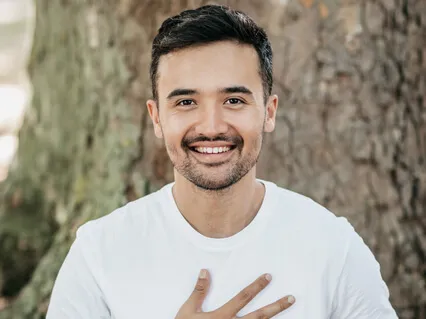
Welcome to another episode of Levitate with Ryan Nell.
This is the show where we talk to people who are changing the world for good.
In today's episode,
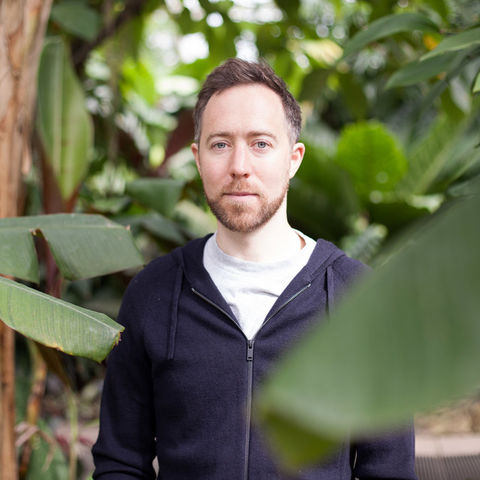
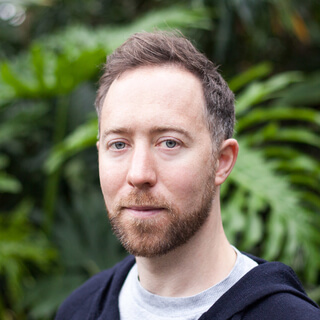
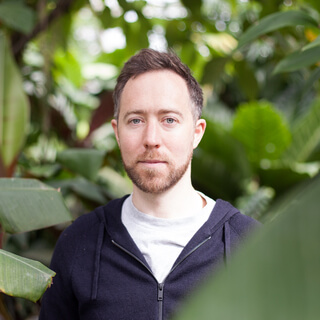
I'm talking to the breath guy,
Richie Bostock.
Take a breath,
Make yourself a coffee,
Find a comfy chair,
Shut the door,
Mute the dog,
Because this is an episode that you won't want to miss a word of.
We start out with the story of Richie.
His childhood,
His early career,
His brush with depression,
His introduction to breathwork through Wim Hof the Iceman,
And his subsequent travels around the world exploring the various modalities and teaches of this discipline.
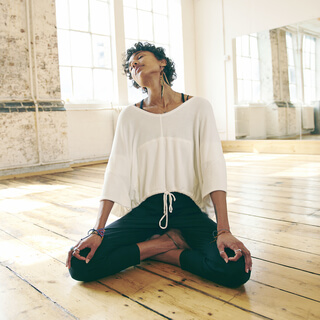
Richie gives an example of his breathwork technique,
Which I've used in the few days since I recorded this episode,
And it has been amazingly powerful in changing my mood.
We explore the science,
And the science is really,
Really exciting to me,
And Richie is very knowledgeable about it,
And that comes across in the way he talks.
And we get into interesting realms,
Mystical experiences,
Psychedelics,
The overlap with meditation,
And there are a few more surprises at the end.
Now,
Before we hear from Richie,
If you like what you hear,
Do us a favour and hit that subscribe button.
We want to meet more world-changing people just like you,
And to do that we need your help.
So leave us a rating,
Leave us a review,
Post your favourite part of the episode in an Instagram story,
Or simply share with a friend who you think might enjoy it as much as you did.
So without further ado,
Let's hear from the one and only Richie Bostock,
The Breath Guy.
Richie,
Welcome to the show.
I've been massively excited to watch Richie's career blossoming and just going from strength to strength,
And I'm really,
Really excited actually to be speaking with him,
With you,
Right now for the very first time.
Thank you so much for having me.
It's such a pleasure to be here.
Wow,
Blossoming career.
This is nice.
I already like this.
I like this intro.
I can't wait to talk more about this.
Buttering you up before the hard questions and stuff.
Yeah,
I know,
I know.
I'm scared.
What's going to come next?
What I think would be really,
Really kind of powerful is just to hear a little bit about the story of Richie.
So I know you grew up in Oz.
Tell us a little bit about your childhood and where life took you before you started this breathwork journey.
Yeah,
I grew up in Oz.
I'm actually born in the UK,
So I was born just outside of London,
But grew up in Australia,
In Brisbane.
And yeah,
It didn't necessarily have career aspirations of teaching people how to breathe for a living.
That wasn't on the cards straight away.
I mean,
I originally was studying,
Well,
Finished studying accounting and finance,
And was going to go straight into my big boy job at the tender age of 19 into a massive consulting firm and had to grow up really,
Really quickly,
Kind of sacrifice my university years and go straight into the suit and tie world.
And which was,
You know,
It's really funny.
I think a lot of people when they meet me today are kind of surprised that that was actually a thing at one point.
But,
You know,
I was in a suit and tie for six years,
You know,
And yeah,
I really did like the work that I did.
But I think,
You know,
You share a similar story where,
You know,
Even if the people around you are great and some of the work that you do,
You can see positive impact and the things that you do are making a difference.
If it's not in true alignment with who you are and what it is that you feel like you're supposed to be doing,
You're going to find out in one way or another.
And for me,
It just meant that probably towards the final couple of years of my time working in a big consulting firm,
I started to slowly slip into a depression and started to.
.
.
My experience of it wasn't necessarily,
You know,
Deep feelings of sadness or grief or despair or anything like that.
My feelings were more just like I was just numbed out to everything.
I wasn't feeling good.
I wasn't feeling bad.
I was just not feeling.
.
.
I couldn't get excited about things.
Nothing really made me that happy.
Nothing really made me that sad.
You know,
I couldn't cry or anything like that.
I was just completely out of touch with my emotion and even my intuition.
And I believe that happens when you do your very best even unconsciously to smash down the voice inside of your head that tells you,
Hey,
You need to be listening to me right here.
Something's going on.
And so I was very lucky that my parents are very open minded and very supportive.
And I'm blessed to have them.
And,
You know,
I eventually confided in them after a couple of years saying,
You know what,
Guys?
Like,
I'm struggling right now.
Something is not right in my life.
And in their infinite wisdom,
They were like,
Well,
Maybe you need to take some time off.
I was like,
What are you talking about?
Are you saying that I won't be able to solve my life problems while working 80 to 90 hour weeks in a consulting firm?
And they were like,
Maybe you need to take some time off.
And so I ended up actually taking a three month sabbatical off work and traveling to Peru and volunteering in orphanages in Peru.
And,
You know,
Just that experience of being in a place that was completely different to my normal environment,
In a place where nobody knew who I was and there wasn't any pressure on of an image of who I was supposed to be or,
You know,
How I was supposed to act.
Just it turned out that as I kind of allowed myself to unfold and to let go of any ideas of who I am,
That all of a sudden I kind of started to become a completely different person.
Yeah.
Even after about a month or so,
My laugh changed.
I noticed that I was laughing differently and I was like,
This is weird.
What's happening?
And I'm guessing,
You know,
Obviously Peru,
There's trekking,
There are shamans,
There's ayahuasca.
There are all sorts of different scenes that one could get involved in over there.
Were you in an experimental kind of stage?
I wasn't until I got there.
I wasn't until I got there because,
Yeah,
I didn't really know much about that world until I arrived.
The reason why I went to Peru truly was because my friend just got back when I was trying to decide where I was going to go in the world and he did the exact thing that I was about to do.
He took six months off.
He went and volunteered in Peru for six months.
And so we had dinner and he told me about his experiences and I just went,
That sounds exactly like what I'm trying to do or what I want to do.
So I went with the same organization and he hooked me up and it was great.
Now he did mention ayahuasca because he did try it,
But it didn't necessarily register too much for me.
I was like,
Okay,
Sounds interesting.
But yeah,
You know,
When you start,
When you get there and you're amongst a bunch of young people and travelers from all over the world and I was in Cusco too,
Which is like the old Incan capital.
So,
You know,
Lots and lots and lots of people go there for some spiritual experiencing and development and journeying.
So I learned more about it there and I started to do my research and found out that,
Hey,
This seems like something interesting.
So yeah,
I did do a couple of ceremonies with shamans and obviously,
You know,
Trekking and doing the Inca trail and visiting Machu Picchu and all these deeply spiritual places that just hold such an incredible energy.
That for many people,
You know,
If you go just by going there,
You activate something within you.
So yeah,
The whole thing was transformative.
And,
You know,
I would say even without having done things like ayahuasca,
I would still have had the same kind of understandings and insights.
But I would definitely agree that the ayahuasca kind of put a full stop on it,
You know,
Just kind of emphasized the things that needed to change.
And it's a beautiful,
Beautiful medicine if it's done with the right intention at the right time in your life.
Yeah,
So.
.
.
What a huge transition from where you were.
I mean,
Were you into raving and kind of other scenes back in Australia or.
.
.
Not really,
You know,
I was always more of a guitar head,
So less electronic music and more like playing in bands and going to bars and like local kind of club scene,
That kind of thing.
But then,
Yeah,
Then I went to,
Well,
After Peru,
When I realized that basically everything that was happening in my life was kind of out of line with where it was needed to go.
I quit my job and I sold everything except for a suitcase full of clothes and went to Hong Kong.
And which is basically it was just a way to be able to start afresh.
I knew I wanted to get out of Australia and just go somewhere else in the world and experience something new.
And yeah,
I mean,
Hong Kong,
For somebody who's never lived anywhere else in the world,
There's quite a place to go to.
I'm not sure if you've ever been before.
Yeah,
A few times I studied Chinese at university.
So that was my kind of part of the world for a while.
Yeah.
Oh,
Brilliant.
It's such a cool place.
And what is so amazing about it,
Much like London as well,
Is that it's such a melting pot of people from all over different parts of the world.
And so you get very quickly,
You get exposed to all sorts of different people and cultures and value systems and ways of doing things.
And,
You know,
You come from little old Brisbane,
Australia.
Australia is isolated enough and Brisbane's even,
You know,
It's one of the it's the third biggest city,
But it's kind of got that country town kind of feel to it.
Yeah.
Yeah.
You know,
It was it was amazing for expanding my awareness and understanding of how the world works.
And I went there not really knowing what I was going to do,
Actually.
I really had no plan.
And in my old work,
I used to do a lot of work with startups,
Like tech startups.
And I decided it would be really cool to learn how to code.
So I ended up going to one of those like three month coding boot camps and learned how to build apps.
And that actually ended up becoming my source of income for the next,
You know,
Three,
Four years was an app that I built.
And it was that that actually kind of allowed me to have the flexibility to go into the next phase of my life,
Which I really didn't know was going to be a phase.
But it was what allowed me to explore breath work and to travel around the world working from my laptop.
And the concept is digital nomad,
I think.
That's right.
Yeah.
Yeah.
And and learn from all sorts of different breath work masters and,
You know,
Just anyone who was doing something interesting with the breath.
And which was,
Yeah,
A blessing.
And you you had your introduction to obviously not breathing.
We've all been doing that since Buff,
But the breath through through I think you went on a Wim Hof Method retreat.
Yeah.
So so the how I came across Wim Hof Method is because,
You know,
Years back,
My dad was diagnosed with MS,
Multiple sclerosis,
Which is an autoimmune disease.
And for most people who suffer from MS,
It's something that gets progressively worse and worse and worse over the years.
And eventually will usually lead to complications where they die.
And so I was always on the lookout for ways to be able to help dad,
Whether it's lifestyle changes,
Dietary changes,
Alternative therapies,
These kinds of things.
And that's how I came across Wim was through a podcast where he was explaining his method,
Which involves cold exposure,
Involves breathing techniques.
And he was saying how it's great for everyone to do just as a general maintenance of their health and well-being.
But specifically,
It seems to be really good for people who have autoimmune issues or inflammatory disorders.
So that was what caught my my ear.
And I went,
Huh,
OK,
Maybe there's something to this.
So I ended up traveling to Poland to spend a week in this tiny little Polish village and in the middle of winter and just learning the technique and then doing all that.
Crazy stuff that Wim is famous for doing.
So we're swimming in the ice lakes,
We're hiking in the snow barefoot in your shorts for an hour and a half,
Minus three degrees out.
You know,
We're climbing the tallest mountain in Poland in your shorts,
Minus 19 degrees at the top.
So pretty,
Pretty chilly stuff.
But what really caught my attention was the breath.
And we would we would go into the bottom of this hotel,
Into the basement of this hotel,
And we would be led through these like 45 minute breathing sessions using the Wim Hof method style.
And just some of the experiences that I had would just blew my mind.
Like I just,
You know,
I didn't know how I could be experiencing these things just by breathing.
Like,
You know,
I wasn't necessarily,
You know,
Into drugs or anything that much beforehand.
The only thing I'd done before that was a Hiwaska.
Go figure.
And but I was like having these feelings and I'm like,
How is this possible that I can feel this good and have these kinds of revelations just by breathing?
And that was,
I believe,
Was the catalyst for all of this.
Wow.
And then you traveled around.
I'm actually I'm doing the Wim Hof methods.
You know,
He's got an app and I start every day with me and my partner with,
You know,
Like cold shower and the kind of the breath holds.
So like,
You know,
Sort of increasing the apnea after some pretty intense kind of belly breathing.
Huffing and puffing,
Yeah.
But,
You know,
Obviously that's not the only style out there.
And there's this whole,
You know,
The tradition in yoga,
Pranayama,
You've got martial arts.
What were you kind of looking for and exploring as you traveled around?
Yes.
Well,
You know,
When I got back from Poland and I shared the method with dad and dad started to use it and,
You know,
Just to put a cap on that,
Like fast forward years up until now.
And,
You know,
He does his breathing every day,
His cold showers every day,
Changes diet as well,
Which is very important for autoimmune issues and the progression of his MS completely stopped in his tracks.
Wow.
So from the moment that he really started to put it all together.
So it really is powerful work.
But,
You know,
Personally,
The breath work just blew me away.
And I started to when I got back home,
I started Googling like,
Do other people do stuff with breathing?
Is it just Wim?
Like,
What else is there?
And as it turns out,
Like you said,
There are so many different schools,
Ideas,
Methodologies,
Cultures that use different breathing techniques,
All sorts.
So I just started to research and just see what appealed to me.
But,
You know,
The way I define breath work is really any time that you become aware of your breathing and then start to change it to create some sort of physical,
Mental or emotional benefit for yourself.
And that means that whether it's on the simplest scale,
Learning a technique that you can do for two to three minutes in the middle of your day,
If you're feeling stressed out to help you to relax or maybe a technique to help you to fall asleep or to create energy.
You know,
Things you can do throughout the day to something that's kind of in the middle of the scale where you have things like Pranayama,
Wim Hof method,
Where it's like a dedicated breath practice of sitting down for five,
10,
15,
20,
30 minutes.
Or on the sliding end of the scale,
The very end where you can lie down and do certain breathing techniques for an hour,
Two hours,
Three hours and have really incredible healing experiences,
Transcendental experiences.
And yeah,
Anything kind of goes in that end.
So it's really quite broad and me being me and quite often when I get into something,
I really just throw everything I have into it.
So as soon as I started seeing concepts or terms like transformational breathing,
Rebirthing,
Holotropic breath work,
I was like,
This sounds cool.
You know,
What is this about?
And that was my real first dive in was through what we call the integrative styles of breath work.
So it really is the deep end of the scale where you're using the breath in very profound ways to make big shifts in your physical,
Mental and emotional states.
You know,
I am a martial artist.
I've been practicing martial arts since I was six.
So,
You know,
I've always been aware of how breathing through things like Tai Chi,
The various martial arts that I've done.
Even Qigong,
For example,
So more like the Chinese medical styles of breathing.
But then you start to learn about other things too,
Like those integrative styles.
You know,
The Sufis have a breath work style.
The Essenes even,
You know,
Had a breath work style.
The shamanistic styles of breath work and then everything in between,
You know,
So many different ways to breathe.
But I was deeply interested in the spiritual aspect and then also trying to connect the science and the spiritual aspects together.
Because when you start to have these experiences doing these deep styles of integrative breath work,
It blows you wide open into what's possible.
And you very quickly start to understand,
Holy moly,
Like what I thought was possible,
What I thought was real,
Perhaps isn't the full picture.
And it's kind of similar to if people do psychedelics for the first time,
Whether it's mushrooms or DMT,
You know,
The people have these experiences.
Probably the most common reaction people have is,
Huh,
Like maybe the way I saw things before isn't 100% the full picture.
Yeah,
Yeah.
And so that was my biggest interest.
So you had all these incredible experiences.
Some of them,
I guess,
You know,
Techniques like holotropic breath work.
You need a bunch of training before you get it.
Are there sort of prerequisites or can anyone do it?
What would you recommend for that like absolute kind of beginners,
You know,
Really coming to breath work?
Well,
I mean,
In terms of training to,
Let's say,
Become a facilitator,
For example.
Yeah,
You know,
Like breath work is for me in the way that I treat it when I work with people,
It's sacred.
You know,
It's a very powerful,
Powerful modality and really needs to be approached in the same way that maybe a shaman would work with plant medicines.
And that,
You know,
It can't be taken for granted.
It has to be very,
Very carefully handled.
And but in terms of wanting to experience breath work,
You know,
You can go from never having experienced anything into a holotropic breath work session,
No problem.
You know,
That's what the facilitators are trained to do is to take anyone at any point and take them into the journey that they need to have.
But,
You know,
If you're wanting to go into that kind of style of breath work,
Then yeah,
Holotropic breath work is one style.
Re-birthing is another one of the original styles in the West.
Those two were kind of the first two to come out of the West.
And then you have things like transformational breath,
Which is fantastic.
Clarity breath work.
Biodynamic breath work,
Which is specifically around working with trauma.
And that's really fascinating one because it's it's kind of 50 percent breath work,
50 percent movement.
And it works a lot with the somatic experiencing of letting go of trauma as well as using the breath.
So that's a really great one as well.
I mean,
There are so many.
This is the thing.
But Wim Hof Method as well is a very,
Very accessible way to be able to dip your toe into the potentials of breath work.
Yeah.
And do you belong to a particular school or have you effectively developed your own style?
Yes.
Well,
So I have officially was trained in Wim Hof Method and then did training in transformational breath,
Rebirthing and biodynamic breath work.
Wow.
But I would say what I teach now is like I'm not an official trainer of any of those anymore.
It's it's and now I kind of just do my own thing and it starts to bring in a lot of other concepts as well from other styles of breath and not even breath anymore from different modalities.
And yeah.
So I kind of create my own thing now based off my understanding of the science and what I've experienced and what helps other people.
And I feel like that's kind of how evolution works.
Right.
You learn what exists and then you kind of make it your own and try and improve.
And it's beautiful.
And honestly,
There are so many styles and schools popping up all over the place now because breath work has really kind of exploded over the last year in particular.
So there's a lot of teachers out there now.
And,
You know,
We need all the teachers we can get.
You know,
It's it's brilliant to see.
Yeah,
That's amazing.
And I'm thinking that some of our listeners may never have done a breath work session or really known what that term really encompasses.
Would you give us an example?
What would be a great one for someone just breathing along with us now?
I think what we can do is something quite quick so that you can really feel how much the breath can affect you,
Like how quickly it can affect you.
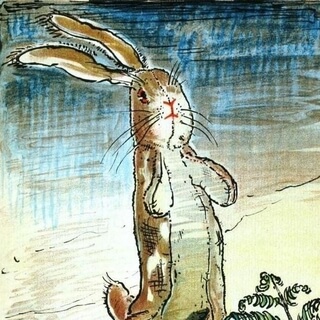
So what we're going to do is something I call energizer bunny.
Okay.
Which is kind of fun.
And the reason why I call it energizer bunny is because one,
It's an energizing style of breath.
So it's something that you can use either in the morning to kind of wake you up or if,
You know,
Quite often I remember,
You know,
We especially when you're working in offices,
You kind of get to that like three thirty four o'clock point where you're kind of starting to get a bit drowsy.
Maybe the the lunchtime like coma of the food digesting is starting to come in and you just you always reach for that next cup of coffee.
Well,
This is a this is a great technique you can use at that time as well.
But really,
Anytime you need to create some energy.
So and I call it energizer bunny because it involves faster breathing through the nose.
And quite often when people first start to do this breath,
They kind of wiggle their nose around like a little bunny rabbit.
And it's quite funny.
So it works something like this and it's super duper simple and you only need to do it for maybe anywhere between 30 seconds to a minute.
So you take three short,
Sharp inhales through the nose,
Progressively filling up your lungs and then you exhale out through the mouth.
So you don't exhale in between the inhales.
You progressively fill up your inhales with each breath in and then on the exhale,
Just relax.
Let the air fall out of you.
It's almost like a sigh out through the mouth.
So it'll sound something like this.
So you see,
It's quite a fast pace.
So if we can want to try it together,
Let's do it.
We can do it.
So quick safety announcement.
If you're driving,
If you are standing,
Can you sit if you're driving?
Maybe save this for another time or pull over to the side of the road.
Definitely don't do this while you're operating any kind of machinery.
Definitely don't do this in water.
Just in a place where you feel nice and safe.
You can sit down and just relax.
So you can even do it in your workspace,
But people might just think you're weird.
So we're going to do it together.
So I'll demonstrate one more time.
So three sniffs through the nose,
Sigh out through the mouth.
So that's simple.
So let's do it all together now.
So I invite you all to exhale out.
And here we go.
So in,
In,
In,
Out,
In,
In,
In,
Out,
In,
In,
In,
Out.
Nose,
Nose,
Nose,
Mouth,
Nose,
Nose,
Nose,
Mouth,
Nose,
Nose,
Nose,
Mouth,
In,
In,
In,
Out,
In,
In,
In,
Out,
In,
In,
In,
Out.
Nose,
Nose,
Nose,
Mouth,
Nose,
Nose,
Nose,
Mouth.
And now keep going.
You have the pace and you might be feeling a bit buzzy,
A bit spacey or a little bit light headed.
If that's what you're feeling,
It means you are doing it right.
It means you're making changes inside of you and you're doing it on purpose.
So just a couple more.
All right.
Finishing the next breath you're on now and take a deep breath in.
Fill up the lungs all the way up.
Hold the breath in at the top.
Lungs are full.
Just hold it in for a moment.
Just hold that breath in and through the mouth,
We're going to sigh it out.
Exhale.
Ah.
And just take a moment to see what you feel in the body.
Do you feel buzzy,
Heat,
Cold?
Maybe still a bit light headed or a bit spacey?
What is it that you feel?
Wow.
Okay.
So I've got a,
I've got tingling in my,
Like my foreheads.
My,
My,
My shoulders are like buzzing.
I feel a bit of,
Yeah,
Like heat in my chest.
Honestly,
I feel like I've just taken a huge,
I don't know,
Bite out of a sugary cake or something.
Yeah.
Yeah.
It's,
It's,
And that was 40 seconds,
You know?
So yeah,
You can,
You can very quickly start to make some changes in what's happening inside of you using your breath.
And that's the beauty of it.
It's the only thing that we have that we can consciously control that affects the things that happen unconsciously inside of us.
So what a great tool we have to be able to make changes on purpose.
It's a,
It's an incredible reset.
And,
You know,
And I imagine also something that you could deploy tactically,
You know,
For instance,
Before I started this podcast,
You know,
It was feeling a little like nervous about it or,
You know,
Before sending that,
You know,
That,
That email that you might later regret.
Absolutely.
You know,
Again,
Like here's the thing.
I think when a lot of people think about doing a breathing technique,
They always will liken it to states of trying to relax or falling asleep.
And yes,
The breath is really good at doing things like that,
Like managing anxiety or trying to downregulate your nervous system,
But it's also really good for other things as well.
And so it's kind of trying to paint that landscape of what is possible using your breath.
That is a really exciting place.
And what's cool is as science continues to,
And scientists and researchers become more interested in this work,
They're starting to be able to measure what's happening in the body.
So what we're now doing is we're bringing what ancient traditions and cultures have known forever into the modern 21st century and validating it through science.
And us and our typical analytical Western minds are like,
Well,
If science says it works,
Then here we go.
It definitely is a thing,
You know,
Which is great in some ways,
But can be limiting in others.
Indeed.
There's a lot of,
I guess,
Skepticism or cynicism to get over in the West that I feel,
You know,
Perhaps people are a little more open minded if it's already in their tradition,
Etc.
Exactly.
Will you talk to us a little bit about the science?
I'm really,
Really fascinated.
I've been reading The Oxygen Advantage,
Patrick McKeown's book.
So,
You know,
He gets into a little bit about serotonin,
You have a default mode network,
You've got parasympathetic nervous system being activated.
Will you talk to us a little bit about kind of,
You know,
The different things that are going on?
All,
Yeah,
All of those things.
You know,
Well,
So kind of touching on what I said before,
So the breath can act as a conscious gateway into the unconscious systems that occur in our body.
So whether it's your nervous system,
Whether it's your the way that your brain is firing,
Whether it's your endocrine system,
Which is your hormones or your cardiovascular system,
Your lymphatic system,
Your digestive system.
All these systems will be affected by the way that you breathe.
And you just need to start to understand what your breath does.
And then you have a really cool tool.
So it really depends,
You know,
Like you can help people,
For example,
Who have,
You know,
If we talk about what happened for my dad,
Immune issues.
So,
You know,
By using something like the Wim Hof method,
You are able to actively affect the immune response and actually downregulate inflammatory cytokines that promoted through an overactive immune system.
So using the Wim Hof method,
It's been that's what's been so useful for my dad.
You know,
Typically the way that people will think about using their breath the most is that managing of the nervous system.
So how can I take control and take the power back over my state by using my breath and,
You know,
Whether we feel stressed or activated or excited or whether we feel relaxed and maybe even lethargic sometimes.
It depends how or where we're operating from in terms of our autonomic nervous system.
Now,
The autonomic nervous system is split up into two branches.
One is called the parasympathetic nervous system,
Which is what you just talked about or mentioned.
And that is responsible for the,
Well,
Is often termed as the rest and digest response.
So when we're relaxing and not feeling stressed and not needing to worry about too much,
When we're probably somewhere in operating more out of our parasympathetic nervous system.
They always operate together,
But you kind of have a bias towards one or the other.
And then you have the other branch,
Which is the sympathetic nervous system,
Which is typically termed by your stress response.
So your fight or flight response.
And so if we are facing a threat or we're feeling worried or anxious or panics,
Then it means we're operating more out of this part of our nervous system.
And what is so cool about the body,
But can also be a problem is it is a habit forming machine.
You know,
It's like it gets once you repeat something over and over again,
It gets really good at a physiological level at remembering how to do something.
So if you have a very stressful job or you're at school or university and that can be super stressful as well,
Or you're in an environment that isn't conducive to your mental well-being,
Perhaps,
You know,
Either through emotional trauma or abuse and these kinds of things,
Then your nervous system gets very good at operating out of its fight or flight response.
It's sympathetic branch of its nervous system.
And if it's in there day in and day out,
It starts to become quite rigid and stuck.
So that even if you took away the stimulus outside of you that might cause you to feel stressed,
You may still feel that base level stress anyway,
Just because your nervous system can't shift back into its rest and digest response or its parasympathetic nervous system.
Like maybe you've experienced this before where you have a holiday off work and you go to the beach and you have a margarita in your hand and you're like,
Woohoo,
This is great.
But for some reason,
I still feel a bit fidgety.
And for some reason,
I'm still thinking about work and I can't kind of let go and relax.
And it takes a few days before you actually feel like I'm on holiday.
Yeah,
Right.
You know,
That's your nervous system having to recalibrate and it's actually taking a bunch of time for it to even though you're in paradise.
But what is so great about the breath is that we can use it to be able to shift between these branches of the nervous system.
So if you feel like you need to relax,
You can use a breath in a certain way to help you to relax.
If you feel like you need to create energy or get yourself up,
Then you can use a breath in a certain way.
And what's interesting too is I work a lot with athletes and particularly because I have a martial arts background,
I've worked with a lot of martial artists.
And people's responses to nerves can be very interesting.
Some people will have a panic attack,
In which case a very slower down regulating style of breath is what you want to use for them before they go out and to perform to get them in the zone.
But for others,
Their way of dealing with stress is to completely numb out and get tired and they feel lethargic and they feel slow and they don't feel like they can get up for the event.
In which case we use other styles of breath to help them to break through that.
So it's really I always I call it like the the Swiss Army knife for the body,
You know,
And all the different ways that you can use it and for it to help you.
Yeah.
Wow.
Wow.
Wow.
I mean,
We're obviously we're understanding more and more about the the brain,
The nervous system.
Wim Hof's already demonstrated that some systems that we thought were really inaccessible can actually we can exert some level of control over them by working with our bodies in ways that we don't normally do.
You know,
Are you are you doing any research of your own?
Are there other areas that you're kind of getting excited about or would be excited to look into?
I am I've been very fortunate to be able to,
Yeah,
Purchase some equipment that allows me to measure some very basic things around like basic EEG readings.
But I have also worked with a medtech company who measures something called cardio vagal tone,
Which is essentially a measure of the activity in something called the vagus nerve,
Which is the longest nerve in your in your autonomic nervous system.
And,
You know,
If you have a higher vagal tone,
They call it or higher activity through this vagus nerve,
Then it means that you are more in your relaxation response.
You are more in that parasympathetic branch of your nervous system.
And what is fascinating is I've been giving so I have kind of pulled everything together that I've learned over the years to create my own sort of what I call them breathwork journeys.
And I had these guys and they came in and they measured one of my journeys.
And what was fascinating to see was how the nervous system responds in real time.
And what we were able to see at some points was that the vagal tone,
Remember,
This was a level of basically how relaxed you are,
Went up by nearly 600 percent within 15 minutes,
Which absolutely blew the doctor away.
He was looking at it.
He's just like,
I don't.
That's incredible.
You know,
And and so,
You know,
That we are learning more and more.
And what I'm hoping to do very soon is work with some of the universities here in London to get some MRIs done while doing breathwork,
Because I have some theories based off my understanding and my own research of what happens when you do certain things like the deeper styles of integrative breathwork,
The holotropic breathings,
Etc.
And as to why it can lead to these healing moments,
To these experiences of the divine or these experience,
These transcendental moments.
I have my theories as to why,
But until we start on an MRI,
Can I say this is definitely the case,
But it only makes sense in my mind.
Yeah.
So hopefully that will come out.
That's the missing piece that hasn't been fully explained so far for the integrative breathwork is what's happening in the brain.
Yeah,
It seems almost certainly,
Although,
Yeah,
To your point,
Let's see,
Something's going on with the default mode network.
It's definitely an area that I work with through teaching meditation,
But clearly there are other things going on as well.
There's the serotonin receptors,
You've got brainwaves themselves,
Which are shifting and changing.
My expectation,
Sorry,
Let me be scientific.
My hypothesis is something that is called transient hypofrontality,
Which basically means a downregulation of activity in the prefrontal cortex.
So much so that it allows for new levels of experiencing of yourself.
And then also then we can get into debates of consciousness and that kind of thing.
But,
You know,
You see the same thing with people who take psychedelics and so things like DMT and psilocybin,
You see this downregulation of activity in the PFC and also in meditators as well.
And so what seems to be consistent in the experiences of all these people is this idea of losing the self of potential cathartic releases of emotion as well,
But then also of a dissolving into oneness and wholeness or perceiving things differently,
Whether that's through sound or through sight with color and geometry and images.
But yeah,
People have all these experiences with all these different modalities.
So I believe it's this phenomenon of,
Yeah,
This down-regulating of the analytical parts of our brain that almost dictate what we are allowed and not allowed to experience.
And it's almost like opening up the filter for a level of awareness.
Yeah,
Right.
The parts that are telling us that we're separate,
Isolated,
Cut off,
They are getting a lot quieter and giving space for us to feel deeply connected.
I mean,
Have you had some of these,
I imagine you have these mystical experiences yourself while working with breathwork?
Yeah,
It's kind of part of the deal.
And that's what's really fun about it,
You know,
Is,
You know,
People can go from being the least zen and spiritual person in the world to,
You know,
Meeting God within an hour,
You know,
And not to say that that always happens,
But it's certainly a possibility and it has happened with my clients.
Yeah.
I mean,
When you start to perceive a little bit more and then really go into the ancient texts of what cultures have said all of this is,
You know,
And rather than taking the more materialist stance of,
You know,
Our brains produce consciousness and it produces the awareness that we have or,
You know,
And then you start to take the perception of our brain as a filter for consciousness to experience itself.
Right.
Then it just simply means that if you start to lessen the filter,
Then you get to experience more.
And if that happens with breathwork almost certainly because you are using the body to change what is happening in the brain,
You know,
It's like a formula basically.
Then you are guaranteed to have some sort of experience.
And I've never met anybody who hasn't had an experience,
Who hasn't stuck with breathwork.
Maybe you do one or two sessions and you have something happen,
But you're like,
I'm not sure really what's going on.
But if you stay with it for just a little while,
You'll always open up something for yourself.
And that's why it's so exciting for me is the accessibility.
It's ability for people to experience either so much more of themselves or so much more of what's out there with very limited other experience required.
Indeed.
Not years of meditation,
Not access to shamans.
You don't need to be a yogi.
You don't need to be a vegan.
You know,
You can be any Joe Blow off the street.
And that's the fun part,
You know,
When you work with people who perhaps are a little bit oblivious.
And we're talking like CEOs,
Type A high performance personality types and stuff and just show them something different and then they can decide what they want to do.
But it's great.
Indeed.
I imagine you have your own practice.
Do you still get to kind of,
You know,
Really dive into it now that you're teaching so much?
Yeah,
Of course.
I mean,
You have to maintain your own practice.
But it has shifted over the years.
When I first started,
The first 18 months,
It was like every day,
Nearly one hour of breath work.
Just go hard or go home,
Basically was very intense.
I just became very obsessed with journeying and seeing,
Exploring and seeing what was possible and unfolding in myself as well.
And then I started to become a little bit more subtle about it.
And over the years,
I've tried different things.
These days,
My daily practice is probably more like 20% breath work,
80% meditation.
Yeah,
Right.
And I'm very,
Very excited at the potentials for meditation as well,
Combined with breath work.
Yeah.
The two together work amazingly well.
And most of my journeys these days that I teach will have a breath work element and then a better guided meditation element as well.
Because when you do the breath work,
Like I said,
It creates that state in the brain that means that you are in the zone as soon as you start a meditation,
You are already deep.
You are in that trance,
You are there.
And then you can get much more bang for your buck when you're in that state.
So,
Yeah,
A lot of meditation these days.
And that was deeply inspired originally.
I used to do TM quite a bit,
Transcendental meditation.
And then I came across a man named Dr.
Joe Dispenza.
And his work is fantastic.
I love Joe.
And his meditations were really,
Really profound for me when I first started doing his work.
And now I kind of do my own thing.
But that was a big eye opener to me in terms of the possibilities for meditation,
In terms of being able to shift your states and awareness quickly.
Yes,
Indeed.
Because I mean,
There are so many styles,
Obviously,
And some of them involve you being wrapped over the knuckles,
You know,
With a Zen master with a stick.
Staring in a corner for six hours.
Exactly,
Put up your hand every time you have a thought kind of thing.
And then there are these much more accessible styles,
Obviously.
But I really do think that breath work is doing an amazing job actually of showing people what might be possible as well through meditation practice.
Because it's rare to get the immediate hit from meditation.
A lot of people's experiences,
Oh,
Wow,
That's really hard.
You know,
You've got to get past that.
Yeah.
And,
You know,
People,
Quite often people I work with,
They become quite,
You know,
Big breath work advocates.
And then they'll say,
Great,
Like,
This is so much better than meditation.
I never need to meditate again.
And I say,
No,
No,
No,
No,
They're different.
They,
In some ways,
They serve similar purposes,
But actually there is such a great benefit to the process of learning meditation,
Even without the actual end goal in mind.
Just the actual process and the repetition is so,
So important.
So it's definitely not a substitute,
But the two together complement each other really well.
So it's about finding the balance that works for you and that balance will change over the course of your life.
Yeah,
No,
I think that's so true.
And I'm so excited to see how you and others are really kind of nonetheless growing the size of the breath work.
You know,
Well,
The amount of people that are being exposed to it now,
It feels like things are accelerating a little.
Obviously,
You've done crowds at Glastonbury and Wilderness and Sweat Life and you've got an app now.
I mean,
What's that journey been like for you?
Yeah,
A little bit crazy.
But,
You know,
I've been asked quite often,
Actually,
Because it has like I'm very fortunate that the work that I do is growing very quickly.
And I have a lot of people have asked me,
Perhaps,
You know,
Friends or other people who are also in the in this world and trying to and trying to serve in the same way.
Like,
Oh,
How how did you do it or what can I do to do the same?
And the tricky thing is that I didn't really do anything except to show up,
If that makes sense.
Like I say all the festival,
For example,
You mentioned a couple of festivals.
I didn't reach out to festivals.
They reached out to me.
I have a book coming out in September.
I didn't reach out to publishers or get an agent.
Publishers reached out to me.
The app,
I guess I made the app happen.
Take some credit,
Please.
Yeah,
I guess I made that one happen.
But a lot of things that happen,
All the fortuitous things that happen,
They kind of just happened.
And,
You know,
I've never had like a business manager or an agent or PR or any of these kinds of things.
It just kind of spread word of mouth.
And I think people,
Whenever people ask me those kinds of questions,
I always just say,
I think when you are doing the work that resonates with you and is in line with who you are,
People feel that.
And doesn't even become about the work anymore.
People just feel your energy and they go,
This guy or this girl is like,
That's their truth.
They're authentic.
That's them.
That's what they're about.
And it almost doesn't become anything about the product or the service or whatever it is that you're doing.
It simply becomes they just they love that energy.
And that's what and that's what is attractive.
And then we also understand that everything is energy.
Everything is vibration.
Right.
So if you are operating from your heart,
Doing the work that makes you feel good and doing your best to be of service,
Then that's the energy that you are putting out there.
And that's what's going to come back to you.
You know,
You can start to make it sound a little bit woo woo law of attraction and the secret and that kind of thing for sure.
No doubt it can sound a bit crazy,
But I kind of experienced it,
You know,
And and people do it all the time.
You know,
This idea of being able to manifest and that sort of thing,
You know,
For me,
It's a very real part of my life.
And it but it just requires,
I believe,
For you to be from acting from your heart.
People feel that people want to be around that and and you will be so much happier for it.
So like so.
So that's usually what I just tell people.
Yeah.
Yeah.
But I'm wondering,
Like,
What your inner experience of that has been,
Because that like there's got to be some,
I guess,
Anxiety,
Fear,
Overwhelm,
You know,
Stepping in front of a large crowd for the first time and that kind of thing.
Yeah.
Has it been comfortable at first?
Yeah.
It's like anything when you have new experiences is always that element of the unknown.
And for most people,
The unknown is quite scary.
It's like the like the first time I went on TV,
That was like terrifying,
You know,
And,
You know,
Thank God I was able to manage it with knowing how to breathe and stuff.
But and it went brilliantly.
But but,
You know,
I think I was following Jamie Oliver.
So I was like,
Oh,
Geez,
Like,
This is the big,
Big,
Big shoes to fill on this show.
But but but yeah,
But what my experience has been is that whenever I do something for the first time,
There is an element of nerves.
So each time I do a crowd that gets a little bit bigger,
There's an element of nerves.
The biggest crowd we've done so far is British Summertime in Hyde Park.
Two and a half thousand people.
And that was a bit like,
Holy moly,
This is something incredible.
But I have a real level of trust in what it is that I'm doing and that I am supported and that I'm looked after and that everyone who's working with me is supported and looked after.
And I think after you have so much experience,
You know what the work does.
And it's more about holding your own integrity and standing in your own truth and being as being authentically you.
And if you do that,
You give everybody else who is with you the the permission to do the same.
And then nothing can go wrong.
So,
Yeah.
That's beautiful,
Man.
That's beautiful.
What a lovely answer.
And of course,
You've got your Swiss Army knife with you.
Exactly.
Exactly.
Yeah.
At the end of the day,
Everyone's just breathing,
Right?
No one's died from breathing yet.
Not that we know.
Tell me,
We're probably getting close to the end of our time,
But I hope that we get you back on the show to kind of dive in a little deeper on some of these topics.
But what are you most excited about at the moment?
Where are your energies going?
Obviously,
The app is out.
And I see that's frequently updated and a book is on the way.
Yeah.
Tell us what next.
Yeah,
The app is out.
And that's been that's my baby.
You know,
I've been wanting a space for people to be able to have the experiences through breath work.
But then also to create a community of people,
Like minded people who can share in their experiences,
Get support,
Get information,
Get answers and and and feel like they're supported in this journey.
And so what's really cool about the app is it's not really like a headspace or a calm or anything.
It's sure we deliver breathwork journeys,
But it's more of a community app than anything.
You know,
It's almost like a Facebook group where you can listen to breathwork,
You know,
So it's and I do like live streaming there and we do Zoom catch ups and to like so we can interact and do Q&A's and that kind of thing.
So that's it.
You know,
I want I want people to interact with people and to share in their experiences.
And yeah,
The book.
Oh,
By the way,
So that app's called Flourish,
By the way.
It's safe.
You can find it on the Google app stores if you search for flourish or for Richie Bostock,
Either one.
Definitely.
There'll be a link beneath in their show notes as well.
And yeah,
The book is coming out,
Too,
Which has been oh,
My gosh,
You know,
As somebody who is not so good at sitting in front of a computer and typing for a long period of time,
I don't know how it eventually happened,
But it did.
Got it done.
And I'm very,
Very proud of it and very,
Very excited for it to come out.
And the purpose that it serves is I wanted to create something that was or is the breath workbook that I wish I had when I first started.
It's not necessarily going to dive like as deep into the science of the physiology as say,
Like something like oxygen advantage.
But it's the thing that gives you all the information that you need for you to start your journey and decide,
Oh,
I want to go deeper with this.
I want to go deeper with that.
So because that's usually the thing that I get asked about the most when it comes to books is what's like the best book to get started with?
And for me,
It's it's a tricky question to answer because a lot of them are quite deep.
So that's what I wanted to do.
And it's called Exhale.
It's available now for preorder on Amazon,
But it comes out September 10th.
And I'm just yeah,
I'm super excited for that to be out there.
It's kind of the way I see it.
It's kind of like my it's almost like my ode to breath work,
You know,
Like it's my it's my contribution to breath work as a thank you for everything it's done for me.
And in terms of other things,
Well,
It's a funny old situation we find ourselves in now.
I love the group work.
You know,
I love being in person and breathing with people in groups.
And unfortunately,
Right now,
It's a bit of a challenge.
For some reason,
People don't want to get in large groups and breathe heavily in really close confinement.
I can't imagine why.
Yeah,
Yeah.
But but I'm thinking that hopefully as,
You know,
Restrictions get loosened,
That maybe retreats will be available as an option soon.
So hopefully retreats maybe in September,
October,
November.
But the biggest thing I'm most excited about right now is I'm taking all of June off.
And I am disappearing into nature as a and just doing some really good inner work.
I it's been a little while since I've completely disconnected and it's it's it's time.
So I my excitement is some of my giving back to myself a little bit.
Yeah.
And and doing some really interesting exploration.
So,
Yeah.
Oh,
Man,
That sounds incredible.
Yeah.
Yeah.
We'll do a version two when I get back and see what happens.
You're a changed man.
Do you finally do that?
I'm pretty sure I'm going to be able to do that.
I'm going to be able to do that.
And Richie,
Do you have any do you have any kind of like what does what does a morning look like for you?
Like how do you do you have a are you a creature of routine?
Are you out of bed at a certain time and meditating and doing the breath work?
People might be really interested just to know what a day in your life looks like.
And then when lockdown occurred,
I let it all go because I just wanted to.
And in terms of like waking up at a certain time and that kind of thing,
I just wanted to kind of flow with it all for a little while.
But in the last few weeks,
I've kind of brought myself back into the routine.
And it's not always the same.
It definitely does change.
But I do.
I am an early bird.
I think a lot of people in Australia naturally are early birds compared to the UK.
So,
You know,
I used to wake up between five and six every morning.
Wow.
Just it was I mean,
I go to bed like 10 anyway,
10,
10,
30.
You know,
It's not like it's anything that crazy.
But I'd like that time of day.
I really like that time of day.
And then there will usually be some sort of breath work or meditation practice.
And that can last anywhere from 20 minutes to an hour and a half.
It depends.
It truly depends on how I feel and what feels right.
Like I don't I used to be very militant in terms of this my hour meditation or breath work session I do every morning.
But now it's like,
How do I feel and what do I feel needs to be done right now?
And sometimes it'll be I just need something to set the day off with the right intention or sometimes it's I feel like going deep.
And yeah,
Cold showers,
You know,
Got to love your cold showers just like you.
Yeah,
That's kind of the mornings and then the days are just very varied.
You know,
I am.
But I like to try and block out at least until 10 a.
M.
For me.
And that might look like in,
You know,
Exercise,
Reading books and obviously any kind of morning routine.
Yeah,
I feel like I like to have the mornings and play always play the mornings on my terms and always put myself first in the morning.
So rather than waking up and being reactive and checking the phone and jumping straight on the computer and answering emails and that kind of thing.
I try and just do the things that I enjoy doing first and then everything else can kind of wait.
You know,
It's going to be so interesting to I suppose when when the lockdown is done and life starts to return to normal.
Yeah,
Which I suppose which new habits we take from this time,
Like which lessons we take from this huge collective breath that we've all taken.
I hope you get the break that you so richly deserve this June out in nature.
Oh,
I'm getting it.
I'm getting it.
It's happening.
I've got it all sorted out so that life can continue without me being there for a while.
Yeah.
Get all the systems in place and just need to hit go and then I'm off for a little bit.
And I really hope that people can do that for themselves as well and understand how important it is to every now and again in your life.
Not just go on a holiday,
But take an extended period of time to really be with yourself for a while.
And that's,
You know,
The ultimate check in really.
Richie,
I just want to say a huge thank you for your time on the show.
I know I've learned a lot from our time together just now.
And yeah,
I just want to say from the bottom of my heart,
Thank you so,
So much for joining.
Thank you so much for having me.
It's been wonderful to chat with you today.
Hey,
Folks,
It's Ryan here.
I hope you enjoyed that episode as much as I did.
Richie was just a fantastic guest.
And I want to say a big thank you to him and his team for making the time for that to happen.
It means a lot to us to have you here in our audience.
Thank you so much for the gift of your time.
Can I also say a thank you to Nick Nell,
The composer of our theme music and to our show sponsor Levitate.
Levitate is a community for individuals,
Groups and companies who want to find calm,
Clarity and connection in a world which can often feel chaotic.
If you want to find more about what Levitate offer,
Just head over to their websites at www.
Levitate.
London We've got more amazing guests lined up.
So hit the subscribe button if you didn't press it already and we'll catch you back here soon for another episode of Levitate with Ryan Nell.